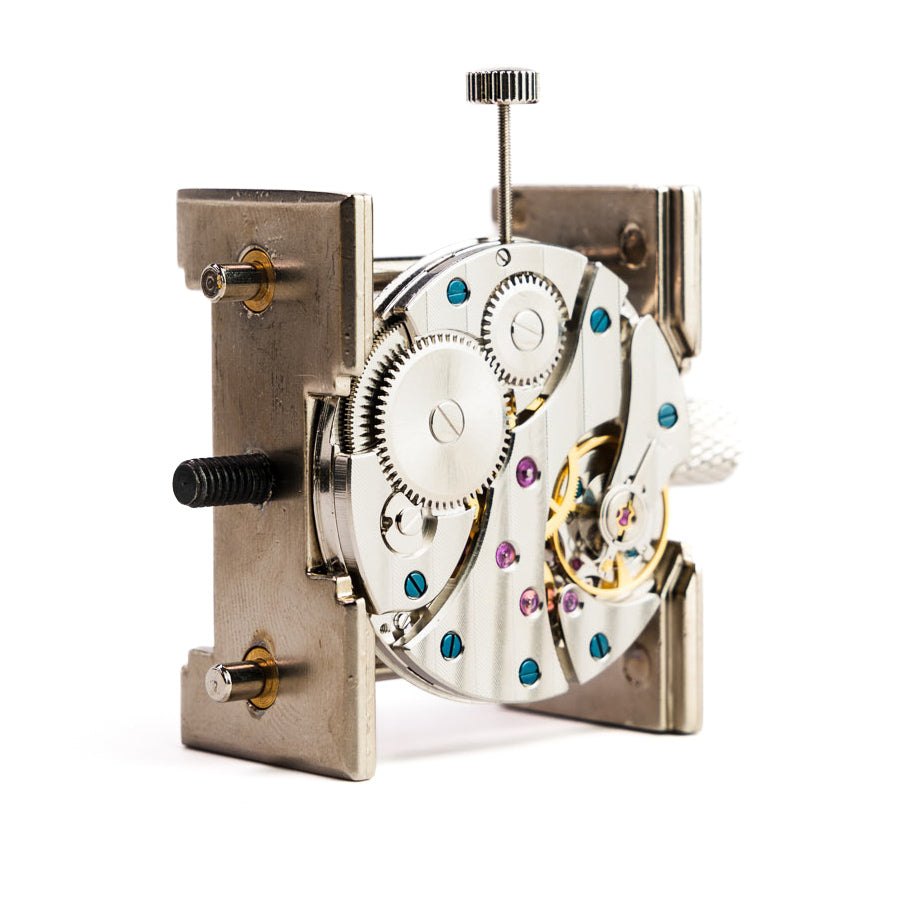


What Watch Movement Should I Buy for My First DIY Project?
Your first DIY watch project starts with selecting the right movement. Most people assume automatic movements work best for beginners. Wrong.
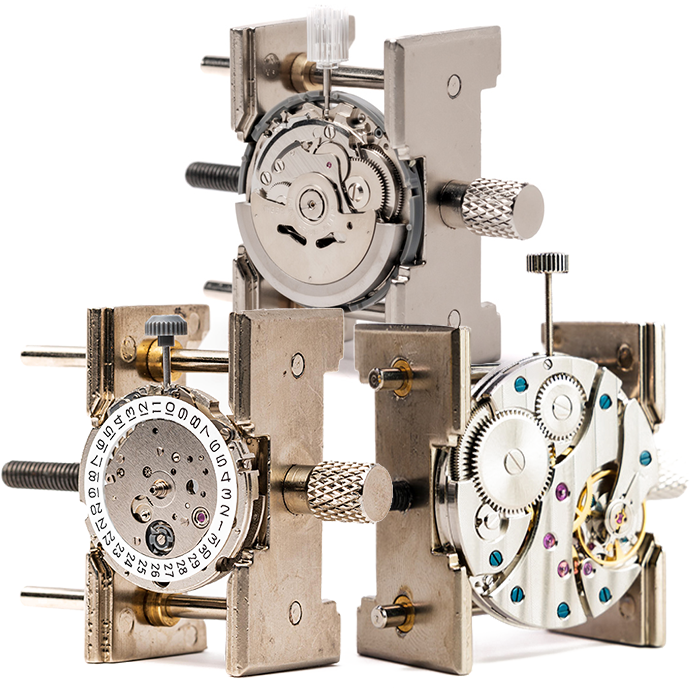
Professional watchmaking schools begin teaching with hand-wound movements like the Seagull ST3600. Simpler construction teaches fundamental principles without complications confusing new builders.
Seagull ST3600: Best Movement for Beginners
Watchmaking schools worldwide start students with hand-wound movements. The Seagull ST3600 movement kit follows this proven educational approach.
Hand-wound movements contain fewer parts than automatics. No rotor assembly, no bidirectional winding mechanism, no additional complications. You learn core mechanical principles first.
Why Watchmaking Schools Choose Hand-Wound
Professional training programs teach hand-wound movements before advancing to automatics. The progression builds understanding systematically.
Hand-wound construction reveals how mainsprings store energy, gear trains transmit power, and escapements regulate release. Direct mechanical connection without automatic complexity.
The ST3600 includes 17 jewels at critical friction points. Adequate for reliable operation without excessive parts handling. Simpler means easier to understand and assemble correctly.
ST3600 Specifications
Size: 36.60mm diameter, 4.50mm height Power reserve: 40+ hours Accuracy: -20 to +40 seconds per day Beat rate: 21,600 vibrations per hour Full wind: 35 half-turns of the crown
Larger size makes parts easier to handle than smaller movements. Beginners manipulate components more confidently when they can see them clearly.
What's Included in the Kit
Complete movement kits include:
-
Seagull ST3600 hand-wound movement
-
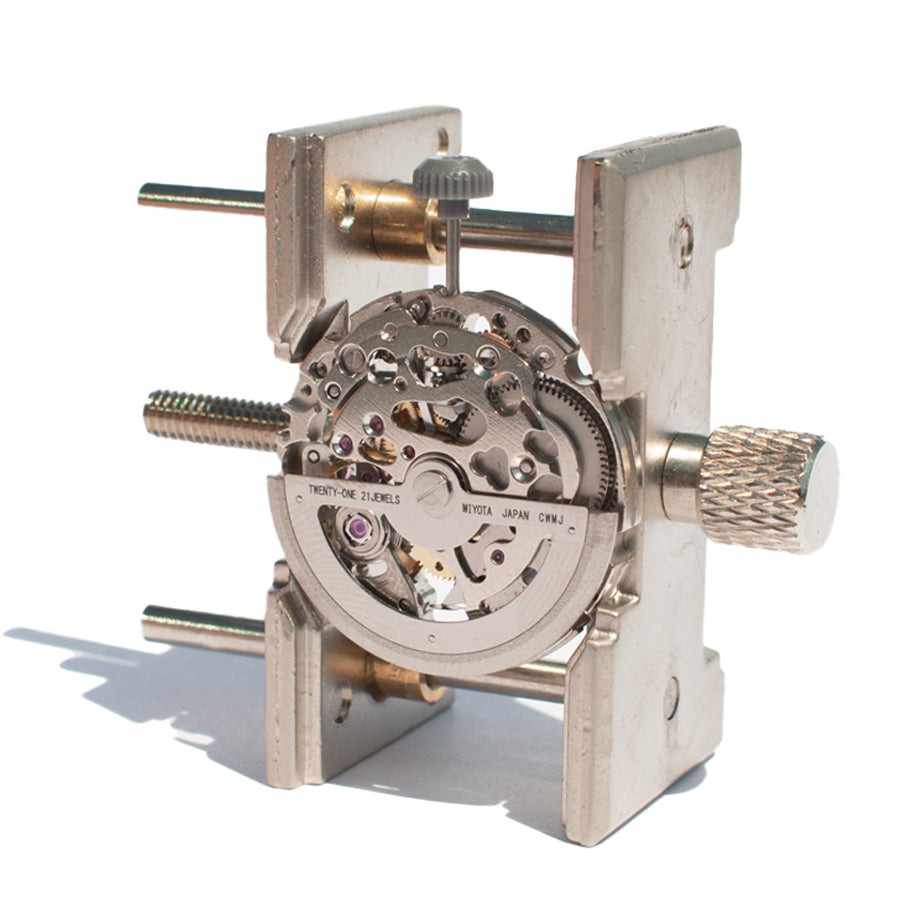
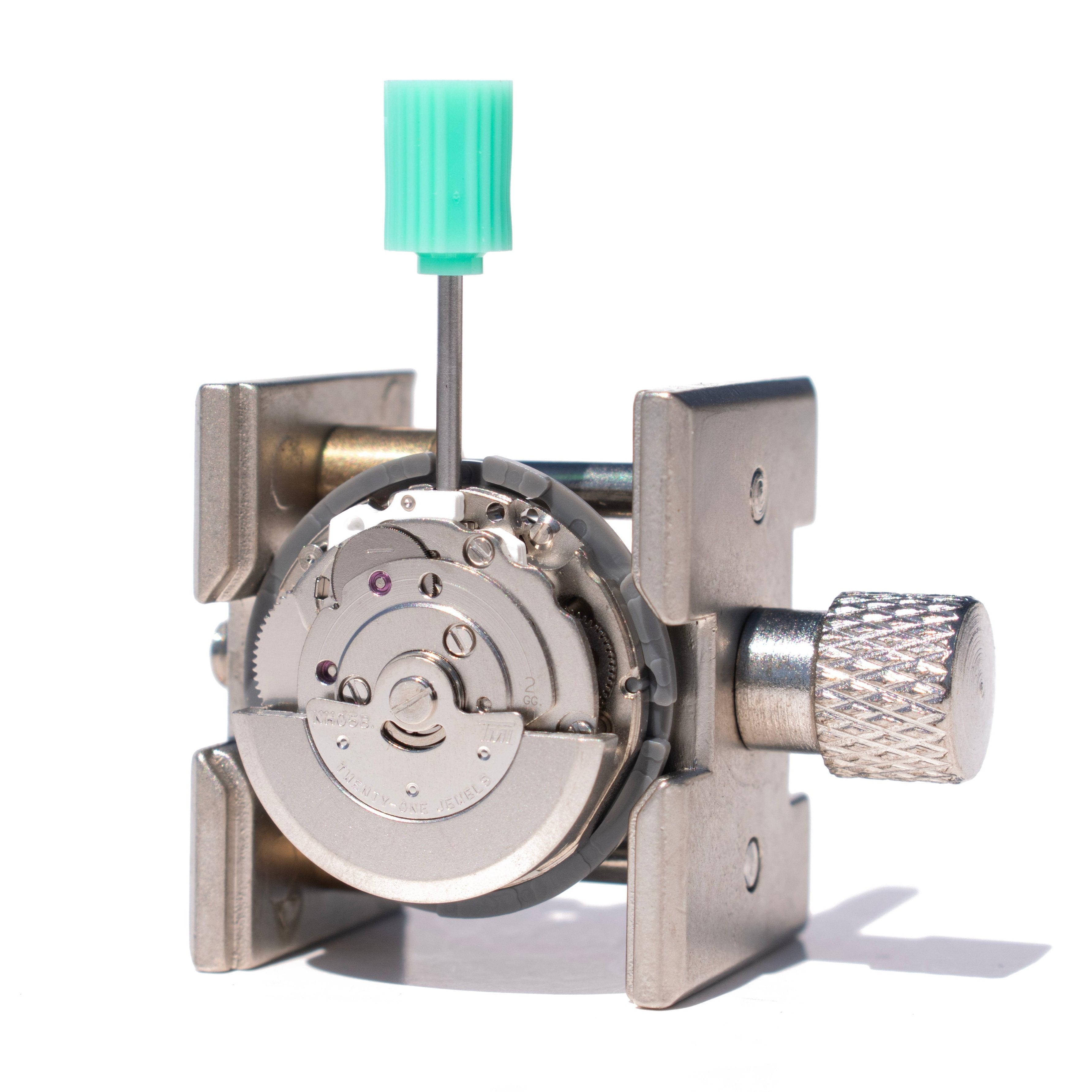
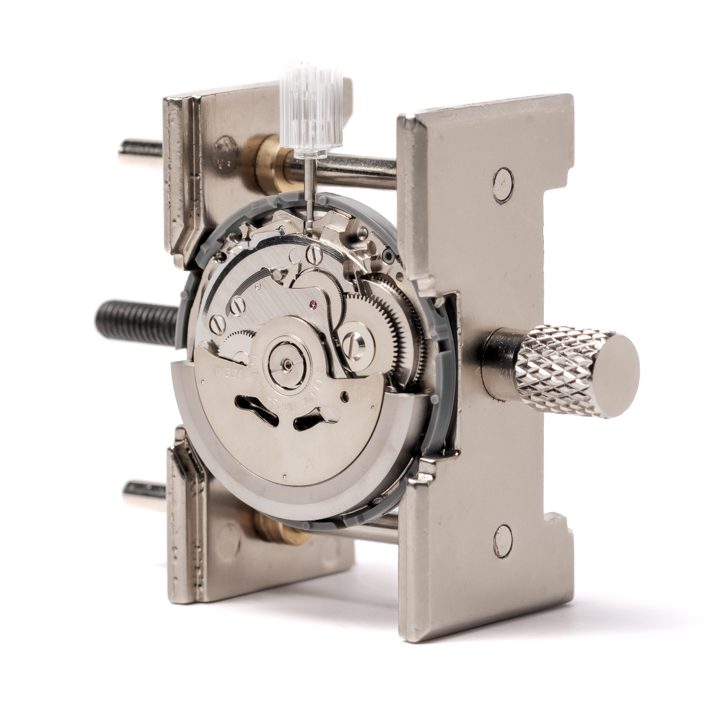
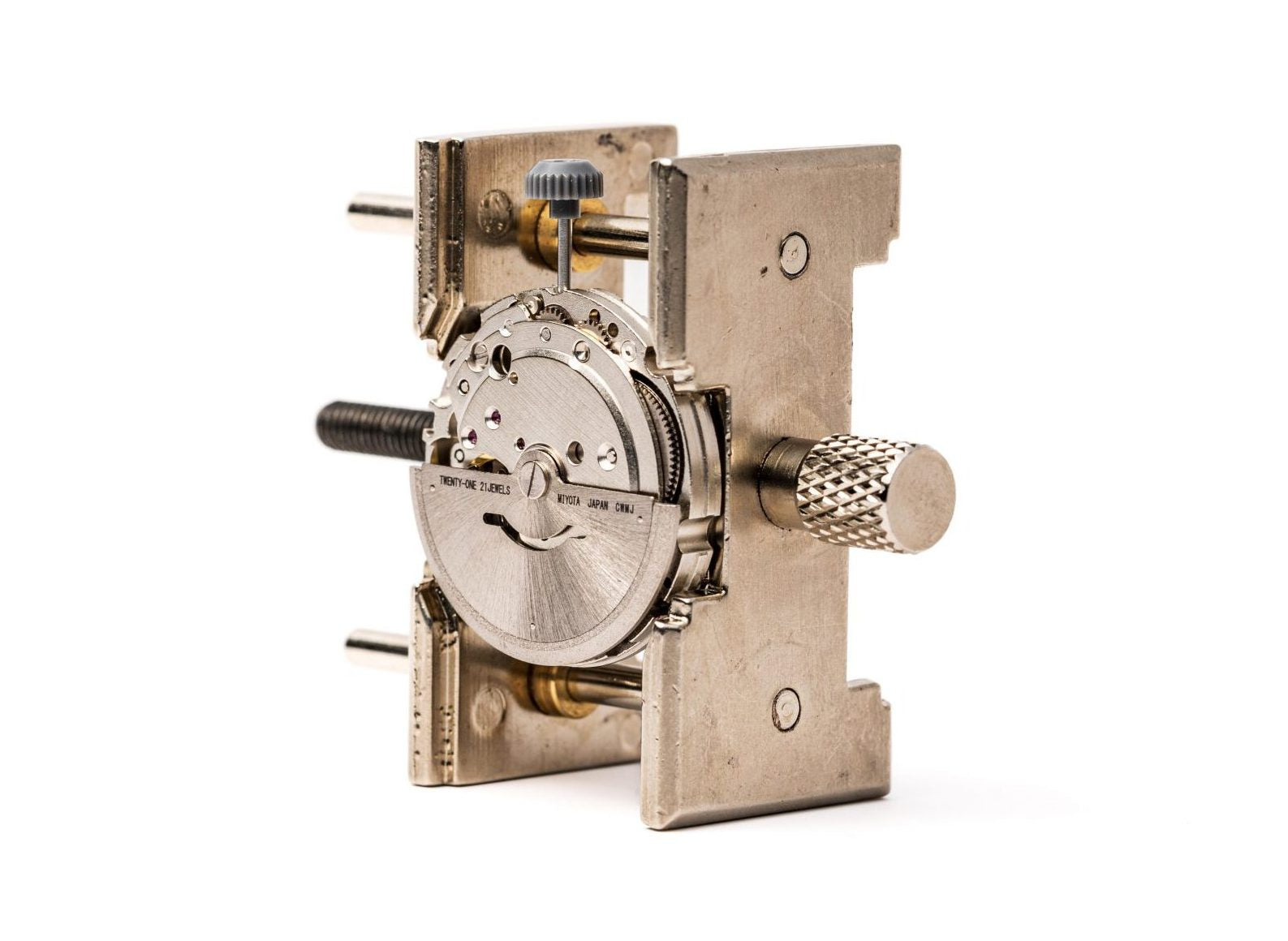
Movement holder securing parts during work
-
Precision screwdrivers sized for watch work
-
Anti-magnetic tweezers
-
Magnetizer tool for parts handling
-
Finger cots preventing oil transfer
-
Pliers for delicate operations
-
Beginner-friendly assembly guide
-
Organizing case keeping parts sorted
-
Leather storage case
Everything needed for a successful first build. No additional tool purchases required.
Educational Value
Hand-wound movement assembly teaches:
-
Mainspring winding and energy storage
-
Gear train power transmission
-
Escapement timing regulation
-
Balance wheel oscillation
-
Jewel bearing function
-
Proper lubrication points
Fundamental concepts apply to all mechanical movements. Understanding hand-wound principles prepares you for automatic complexity later.
Daily Winding Ritual
Hand-wound watches require daily winding. Turn the crown 35 half-turns each morning for full power reserve.
Some people view this as an inconvenience. Watchmakers recognize it as a connection to the timepiece. Daily interaction teaches you how the watch feels and operates.
Power reserve lasts 40+ hours. Weekend wearing doesn't require mid-day winding. Wind Friday morning and the watch runs until Sunday evening.
Assembly Difficulty
Beginner movement kits arrive pre-assembled for safe shipping and proper lubrication. Rotate can disassemble movements before shipping for extra charge if you want complete assembly experience from the start.
Detailed guides walk through each disassembly and reassembly step. Every component's purpose gets explained. Tips and troubleshooting advice prevent common mistakes.
First-time builders complete assembly in 4-6 hours. Experience significantly reduces time. Learning matters more than speed.
Miyota 8215: Intermediate Automatic Movement
After mastering hand-wound assembly, Miyota 8215 provides the logical next step. Automatic winding adds complexity without overwhelming difficulty.
Automatic Winding Mechanism
Miyota movements use bidirectional automatic winding. Rotor spins from wrist motion, winding mainspring in both rotation directions.
Additional parts include rotor, reduction gears, and pawl mechanisms. More complex than hand-wound but simpler than multi-complication automatics.
Single Date Complication
The 8215 includes a date display at 3 o'clock. Single complication adds learning without excessive difficulty.
The date wheel advances automatically at midnight. Quick-set allows rapid adjustment when needed. A straightforward mechanism teaches complication basics.
Why After Hand-Wound
Understanding the mainspring function from hand-wound experience helps you grasp automatic winding purpose. You know what the rotor accomplishes because you manually wound similar mechanisms.
Miyota construction differs from Seiko, teaching variety in mechanical design. Different approaches to solving the same problems broaden understanding.
Seiko NH36: Hardest for Beginners
The Seiko NH36 includes two complications: date and day-date functions. Beginners often choose it thinking "more features equals better." Actually means more complexity equals harder learning.
Why NH36 Challenges Beginners
The day-date mechanism adds significant parts count. Extra gear trains drive both date and day wheels. Calendar mechanisms engage and disengage automatically.
The movement arrived designed for experienced watchmakers servicing existing watches. Not optimized for teaching absolute beginners.
New builders struggle with:
-
Calendar wheel alignment
-
Day-date synchronization
-
Quick-set restrictions (avoiding mechanism damage)
-
Additional parts management
-
More complex assembly sequence
When NH36 Makes Sense
After completing hand-wound and single-date automatic builds, NH36 teaches advanced complications. The progression follows logical difficulty increase.
Experienced builders appreciate NH36 capabilities. The movement works excellently for third or fourth projects, not first attempts.
Movement Selection Criteria
Learning Goals
First projects should teach fundamentals clearly. Choose movements prioritizing education over features.
Starting with hand-wound movements follows professional training methodology. Schools use this approach because it works.
Time Investment
Hand-wound assembly takes 4-6 hours for the first build. Automatic movements add 2-3 hours due to additional mechanisms.
Multi-complication movements extend time further. First projects benefit from manageable time investments building confidence.
Support and Documentation
Popular movements like ST3600 include comprehensive guides and community support. Help availability matters when learning new skills.
Obscure movements may lack documentation. First-timers need detailed instructions and troubleshooting resources.
What to Avoid for First Projects
Chronograph Movements
Chronographs add extreme complexity. Multiple pushers, timing mechanisms, and specialized gear trains overwhelm beginners completely.
Save chronographs for after mastering simpler movements. Several successful projects should precede chronograph attempts.
Ultra-Thin Movements
Extremely thin movements use delicate construction. Parts break easily without gentle handling and precise technique.
Standard thickness movements forgive minor technique errors. Thin movements punish mistakes harshly.
Modified or Custom Movements
Avoid movements requiring modification or rare parts. First projects need standard, readily available components.
Custom work suits experienced builders understanding base movement function thoroughly.
Recommended Building Progression
First Build: Hand-Wound Movement
Start with the Seagull ST3600 movement kit following professional training methodology. Learn fundamental mechanical principles without automatic complexity.
Complete disassembly and reassembly teaches every component purpose. Hands-on experience builds genuine understanding impossible from reading alone.
Second Build: Simple Automatic
Progress to Miyota 8215 or similar single-date automatic. Automatic winding mechanism builds on hand-wound knowledge.
Single complication adds controlled complexity. You learn calendar mechanisms without day-date confusion.
Third Build: Multi-Complication Automatic
Tackle NH36 or similar movements including multiple complications. Previous experience prepares you for increased complexity.
Day-date mechanisms make sense after understanding simpler calendars. Logical progression prevents frustration.
Why Hand-Wound First Matters
Professional watchmaking education follows specific sequences for good reasons. Fundamentals before complications. Simple before complex. Understanding before features.
Skipping foundational learning creates knowledge gaps causing problems later. Starting correctly prevents bad habits from forming.
Hand-wound movements teach pure mechanical principles. Every component serves an essential function. Nothing extra confusing about the picture.
Automatic mechanisms make sense after understanding what they automate. Complications build on calendar knowledge. Progression works.
Common Beginner Mistakes
Choosing Too Complex Initially
New builders pick NH36 thinking automatic equals better. Then struggle with calendar synchronization and parts management.
Start simpler. Build skills systematically. Complex projects succeed after simple ones teach fundamentals.
Skipping Documentation
Detailed guides exist for good reasons. Reading instructions completely before starting prevents mistakes.
Following proven procedures produces better results than guessing. Professional training emphasizes process for good reasons.
Rushing Assembly
First builds should prioritize learning over speed. Take time understanding each step's purpose and technique.
Careful work produces better results and deeper understanding. Speed develops naturally with experience.
Conclusion
Professional watchmaking education starts with hand-wound movements for proven reasons. The Seagull ST3600 movement kit provides the same foundational learning schools worldwide.
Simple hand-wound construction teaches mechanical principles clearly. Larger parts aid handling. Fewer components reduce confusion. Complete guides ensure success.
Progress to automatic movements after mastering hand-wound assembly. Miyota 8215 provides a logical second step. NH36 multi-complications suit experienced builders, not first-timers.
Rotate Watches provides complete movement kits including tools, guides, and support. Optional warranty covers lost or damaged parts. Expert team assistance ensures successful completion.
Frequently Asked Questions
Q. What's the easiest watch movement for beginners?
Seagull ST3600 hand-wound movement. Watchmaking schools start teaching hand-wound for good reasons. Simpler construction teaches fundamentals without automatic complexity or calendar complications.
Q. Why not start with automatic movements?
Automatic mechanisms add rotor assemblies and bidirectional winding complexity. Learn core principles with hand-wound movements first. Automatic makes sense after understanding what it automates.
Q. Is hand-winding inconvenient?
Daily winding takes 30 seconds. Many people enjoy the ritual creating connection with their timepiece. The 40+ hour reserve handles weekends without rewinding.
Q. Can I damage movements during assembly?
Yes, improper technique damages delicate parts. Detailed guides and careful work prevent most problems. Starting with larger, simpler movements reduces damage risk significantly.
Q. How long does first movement assembly take?
Hand-wound assembly takes 4-6 hours initially. Time decreases dramatically with experience. Second builds often complete in 2-3 hours. Focus on learning rather than speed.
Q. Do I need additional tools beyond kit contents?
No. Complete movement kits include all necessary tools. Screwdrivers, tweezers, holders, organizing cases, and guides provide everything needed for successful assembly.