

Blogs: DIY Watches and More

Mechanical Hobby Kits for Adults: Why a Watch Kit Is the Most Rewarding Option
Sep 15, 2026
Mechanical hobby kits for adults have moved well beyond the model shelf. The most rewarding ones end with something you use, and a watch-building kit ends with a working mechanical watch on your wr...
Read more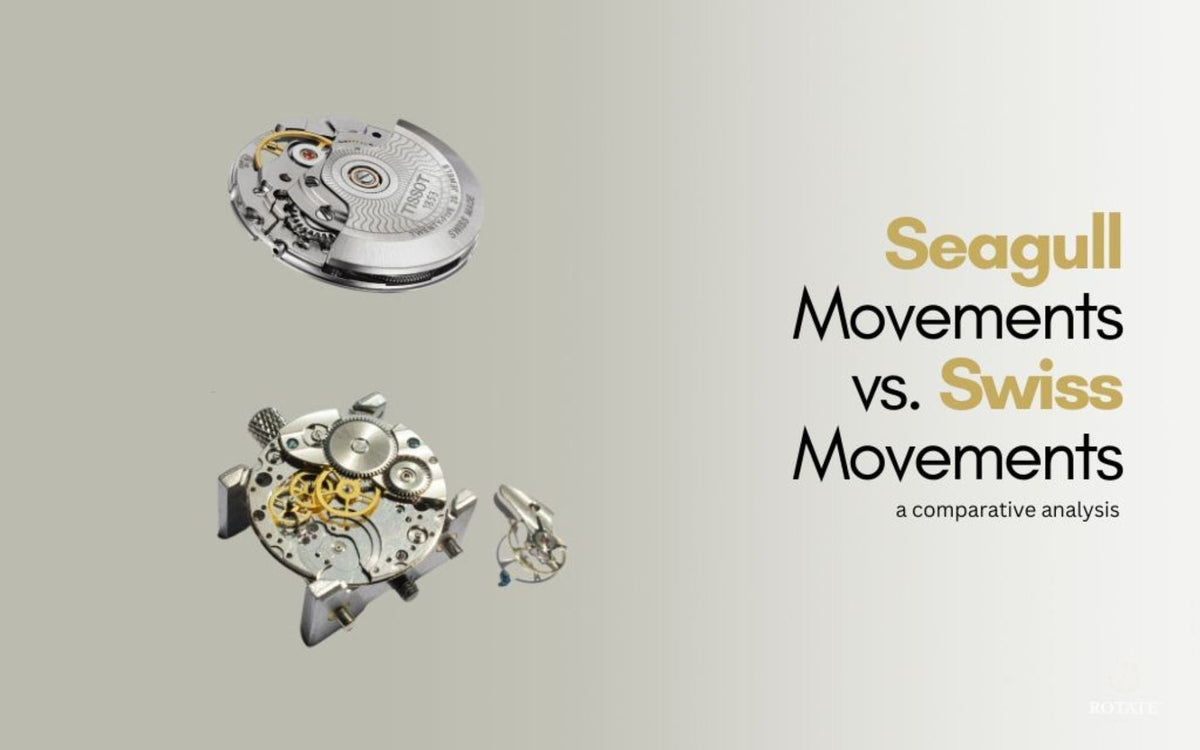
Seagull Movements vs. Swiss Movements: Comparative Analysis
Aug 27, 2026
Choosing a watch involves considering the movement, which is the heart and soul of the timepiece. Two popular options in the world of horology are Seagull movements and Swiss movements. While Swiss...
Read more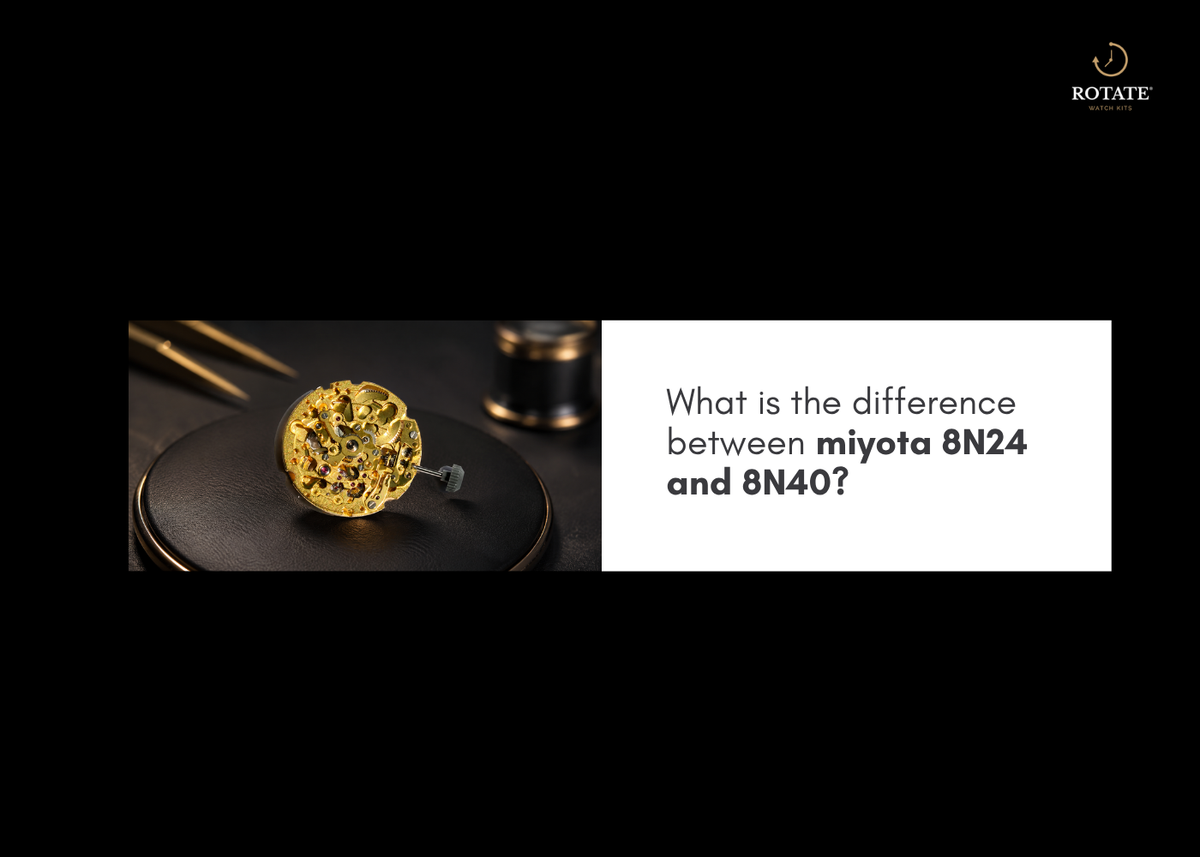
What is the difference between miyota 8N24 and 8N40?
Aug 24, 2026
Both the Miyota 8N24 and 8N40 are skeleton automatic movements built on the same 8NXX base framework, sharing the same size, height, accuracy, and power reserve. On paper, the two calibers look alm...
Read more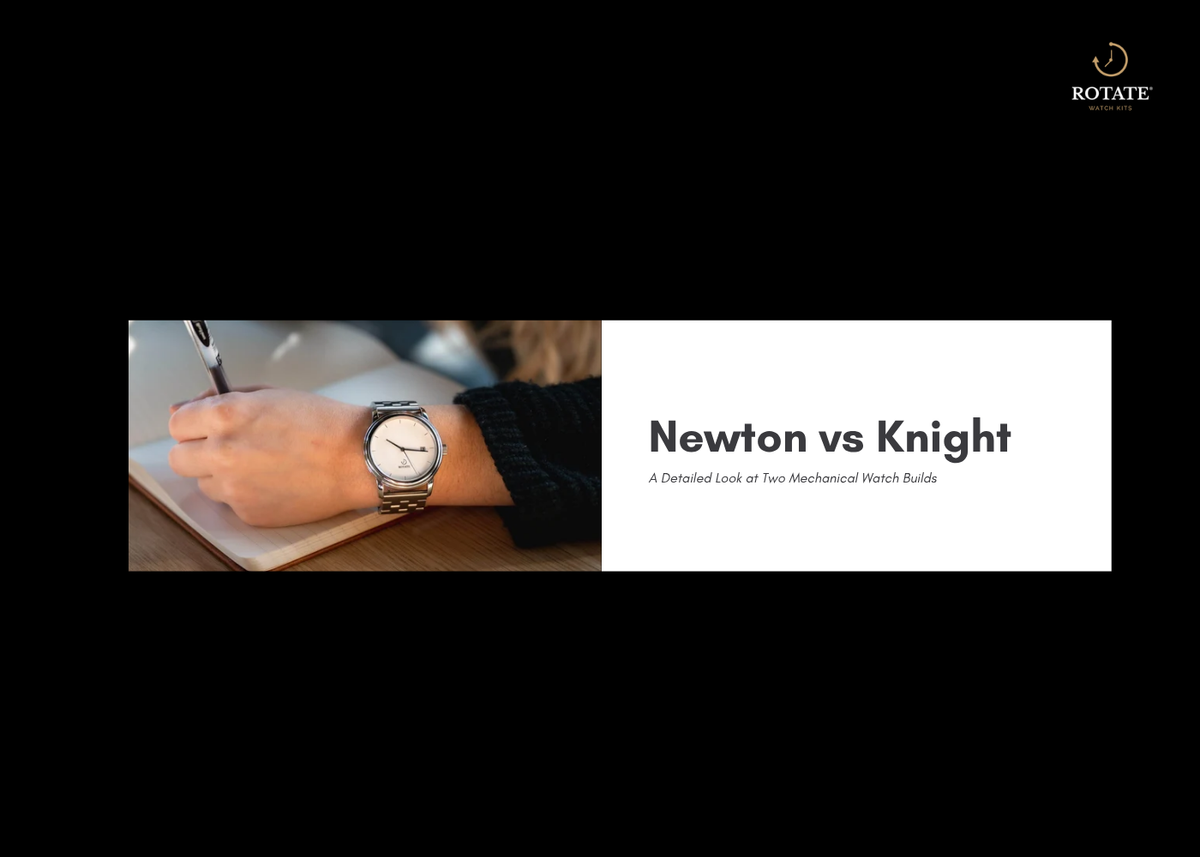
Newton vs Knight: A Detailed Look at Two Mechanical Watch Builds
Aug 21, 2026
A round case with a classic white dial, or a rectangular frame with green mother-of-pearl? The Newton and Knight watch kits look nothing alike on the wrist, and they run on completely different mov...
Read more
What Is a Pallet Fork in a Watch Movement?
Aug 21, 2026
Every mechanical watch makes a ticking sound. A tiny component called the pallet fork creates that sound by locking and unlocking the escape wheel hundreds of times per minute. Without the pallet f...
Read more
Swiss Movement vs Japanese Movement: A Comparison
Aug 20, 2026
Selecting the right watch involves more than just its appearance; the movement inside plays a crucial role in its performance and value. The debate between Swiss movements and Japanese movements ha...
Read more
Easy vs Medium vs Hard Difficulty: What the Rotate Kit Levels Actually Mean
Aug 20, 2026
Every Rotate watchmaking kit carries a difficulty rating: easy, medium, or hard. Each level describes how much of the watchmaking process you get to experience hands-on. An easy kit focuses your ti...
Read more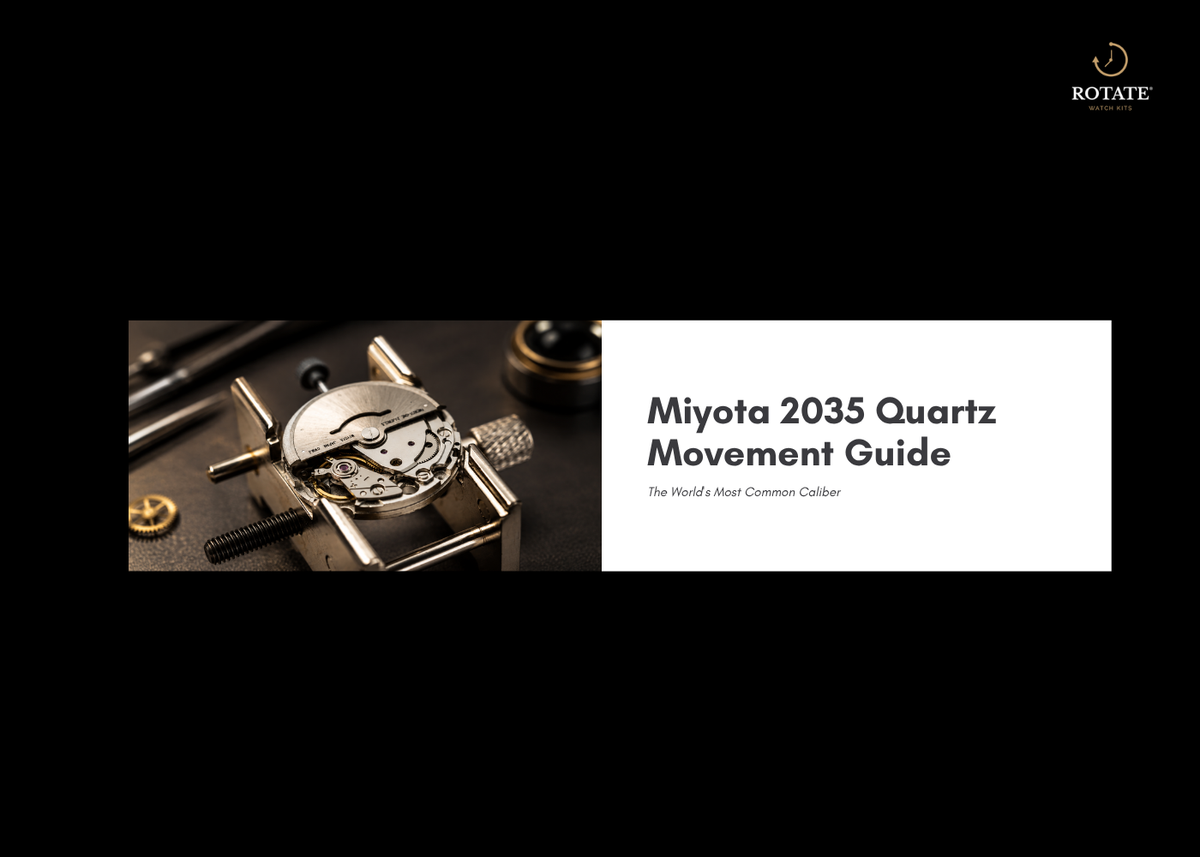
Miyota 2035 Quartz Movement Guide: The World's Most Common Caliber
Aug 19, 2026
Somewhere on Earth, a Miyota 2035 is ticking right now, and probably millions more alongside it. According to Miyota's official 40th anniversary page, over five billion Caliber 2035 series movement...
Read more
How to Display and Store a Pocket Watch You Built Yourself
Aug 19, 2026
You spent hours assembling a skeleton pocket watch from scratch. Every gear clicked into place, every screw seated perfectly, and the movement ticked to life. A build like that deserves more than a...
Read more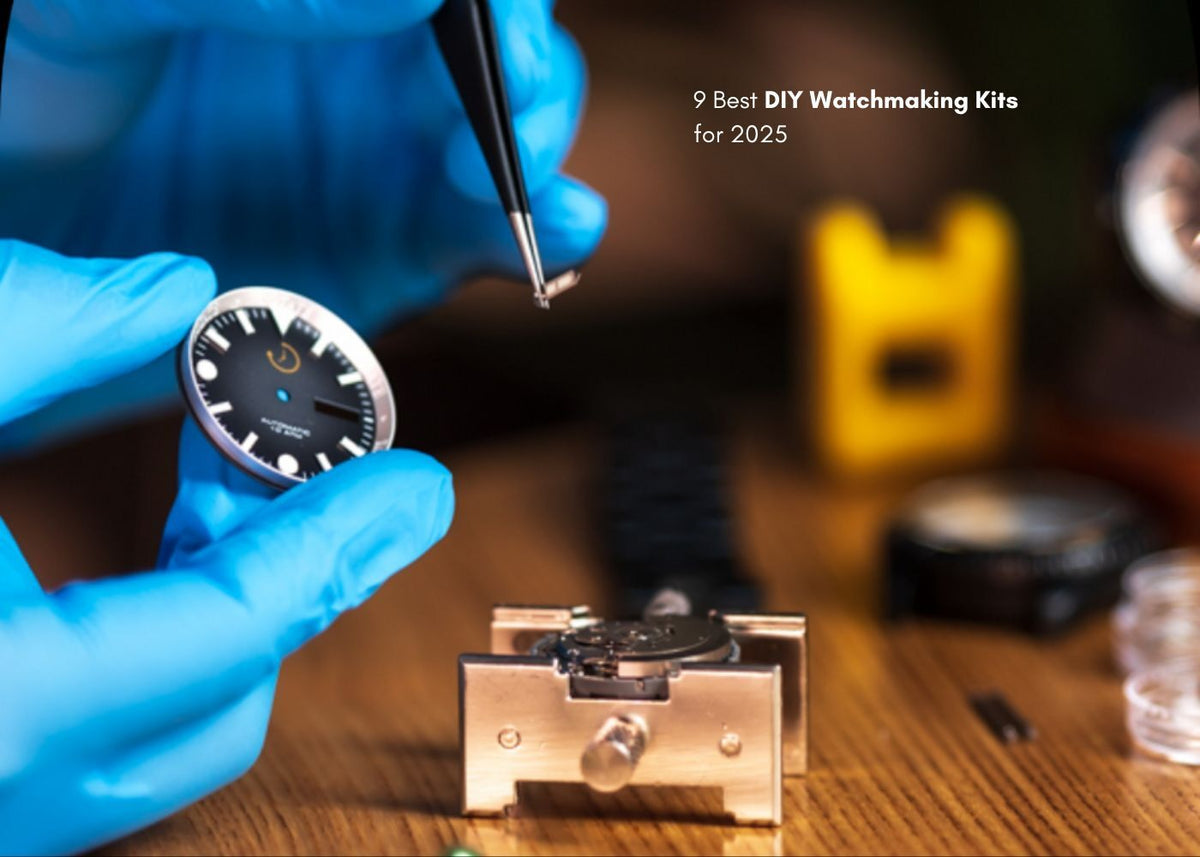
Best DIY Watchmaking Kits for 2026
Aug 18, 2026
Starting your journey into DIY watchmaking isn't just about building a timepiece - it's about connecting with centuries of horological tradition, experiencing the satisfaction of creating something...
Read more
Wright vs Galileo vs Edison: Which Seagull ST3600 Watch Kit Is Right for You?
Aug 17, 2026
Choosing your first hand-wound watchmaking kit often comes down to one question that has nothing to do with mechanics. The Wright, Galileo, and Edison all use the same Seagull ST3600 hand-wound mov...
Read more
Watch Kit vs Movement Kit: What's the Actual Difference? (Complete 2026 Guide)
Aug 14, 2026
You want to build a watch. You start shopping and immediately hit two options: watch kits and movement kits. Both sound similar, both involve mechanical parts, and both promise a hands-on experienc...
Read more