

A Curated List of Iconic Watches You Should Know
Some watches transcend their function as timekeepers. An iconic watch changes an industry, defines a category, or becomes so deeply embedded in culture that even non-watch people recognize it on sight. The Rolex Submariner, the Omega Speedmaster, the Casio G-Shock. Each of these watches earned its status not through marketing alone, but by doing something genuinely important first.
Knowing these watches helps you understand the broader world of horology, whether you collect luxury timepieces or prefer building a mechanical watch from scratch. Here are the watches that shaped the industry.
Watches That Defined Entire Categories
Some watches did not just enter a market. The market formed around them. These legendary timepieces created the market around them.
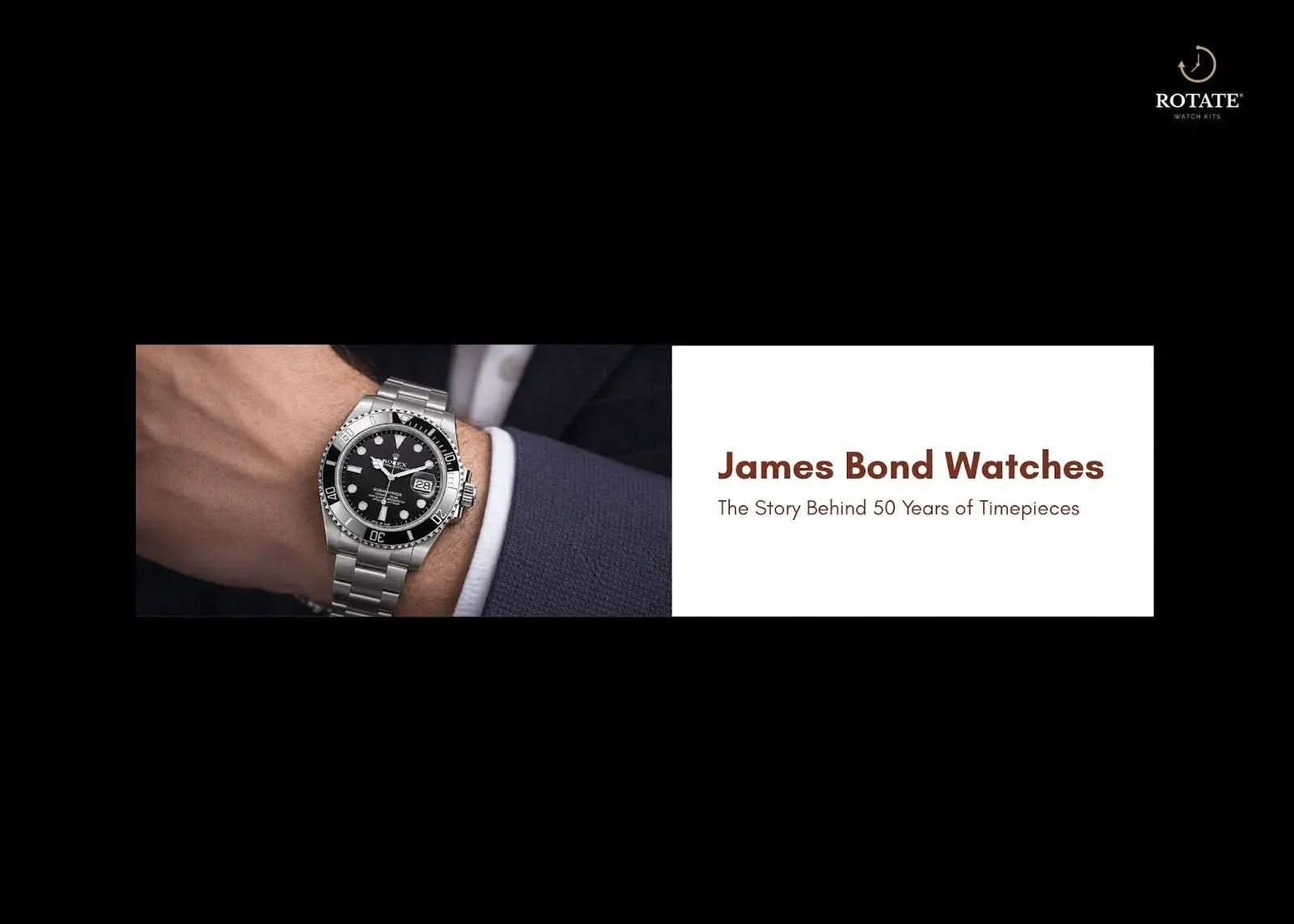
Rolex Submariner (1953)
The watch that established the modern dive watch category. The Submariner combined a rotating timing bezel, Rolex's proven screw-down Oyster crown, and a luminous dial into the first watch rated to 100 meters, creating the template that became standard across the entire dive watch industry. Every dive watch made since owes something to the Submariner's design language.
Omega Speedmaster Professional (1957)
The "Moonwatch." Selected by NASA for all manned space missions, the Speedmaster became the first watch worn on the moon during Apollo 11 in 1969. The manual-wind chronograph survived vacuum, extreme temperatures, and zero gravity, proving mechanical watches could operate in conditions that seemed impossible.
Casio G-Shock DW-5000C (1983)
Built to survive a fall from a third-floor window. The original G-Shock took over 200 prototypes and 10 years of development. The shock-resistant structure it introduced changed how people thought about watch durability, creating an entirely new category of rugged timepieces.
Watches That Changed Design Forever
Certain iconic watch models introduced aesthetic ideas that influenced generations of watchmakers.
Audemars Piguet Royal Oak (1972)
Designed by Gerald Genta, the Royal Oak shattered the convention that luxury watches had to be round, thin, and gold. The octagonal bezel with exposed screws, integrated steel bracelet, and industrial finish on a luxury watch was revolutionary. At launch, the Royal Oak cost more than most gold watches, and it was made of steel. The Royal Oak effectively created the luxury sports watch category, arriving during the Quartz Crisis as a daring gamble that proved innovative design could still captivate collectors.
Cartier Tank (1917)
Inspired by the aerial view of World War I Renault FT tanks, Louis Cartier designed one of the first wristwatches intended as a fashion statement. The rectangular case with integrated strap bars (called "brancards") created a silhouette that has not changed in over 100 years. Andy Warhol, Jackie Kennedy, and Princess Diana all wore the Tank.
Jaeger-LeCoultre Reverso (1931)
Designed so the crystal could be flipped face down to protect it during polo matches. The swiveling case is one of the most ingenious solutions to a practical problem in watch design history. The Art Deco lines remain timeless.
Watches That Proved Value Have No Price Floor
Iconic status does not require a luxury price tag. Some of the most famous watches ever made cost less than a restaurant dinner.
Casio F-91W (1989)
The most sold digital watch in history. At roughly $20, the F-91W proved that a reliable, functional, and stylish watch can be accessible to virtually everyone on the planet. Presidents, students, and adventurers have all worn one.
Seiko 5 (1963)
The watch that brought automatic mechanical movements to the masses. The "5" stands for five key features: automatic winding, day-date display, water resistance, recessed crown, and durable case back. For decades, the Seiko 5 was the most affordable automatic watch available, opening mechanical horology to millions of people. Anyone curious about automatic movements can explore that same mechanical principle through a DIY watchmaking kit today.
Watches That Became Cultural Symbols
A few iconic watches transcended horology entirely, becoming symbols of something bigger.
Rolex Daytona "Paul Newman" (1968)
Named after the actor who wore one daily for decades, the Paul Newman Daytonawas the most valuable vintage wristwatch ever sold at auction at the time of its sale. Newman's personal Daytona fetched $17.8 million in 2017. The exotic dial with contrasting sub-registers has become one of the most recognizable watch designs in existence.
Conclusion
The best iconic watches earn their status by solving problems, breaking conventions, or embedding themselves in culture. Understanding these legendary timepieces gives context to the entire world of horology, from luxury collecting to hands-on DIY watchmaking.
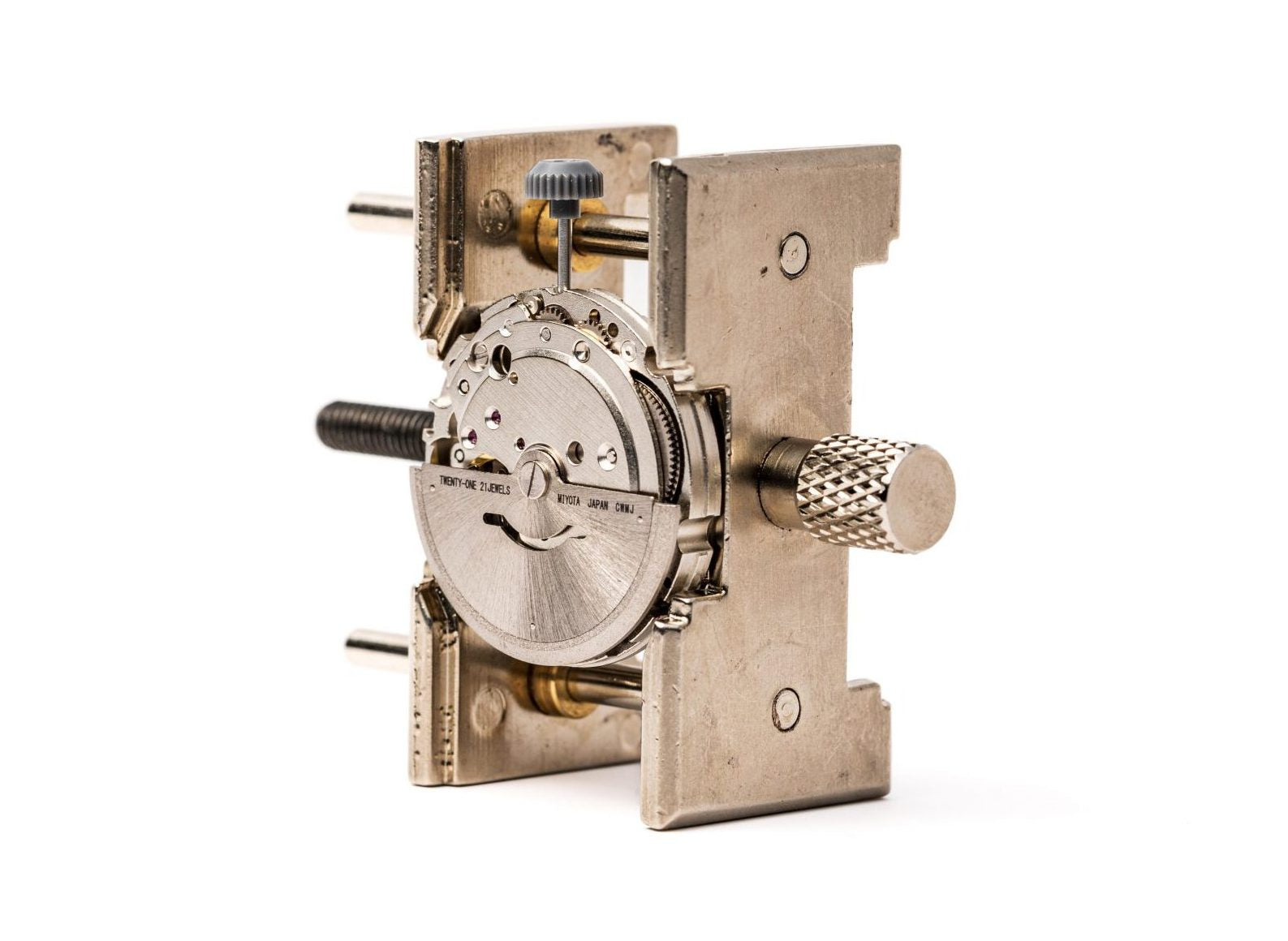
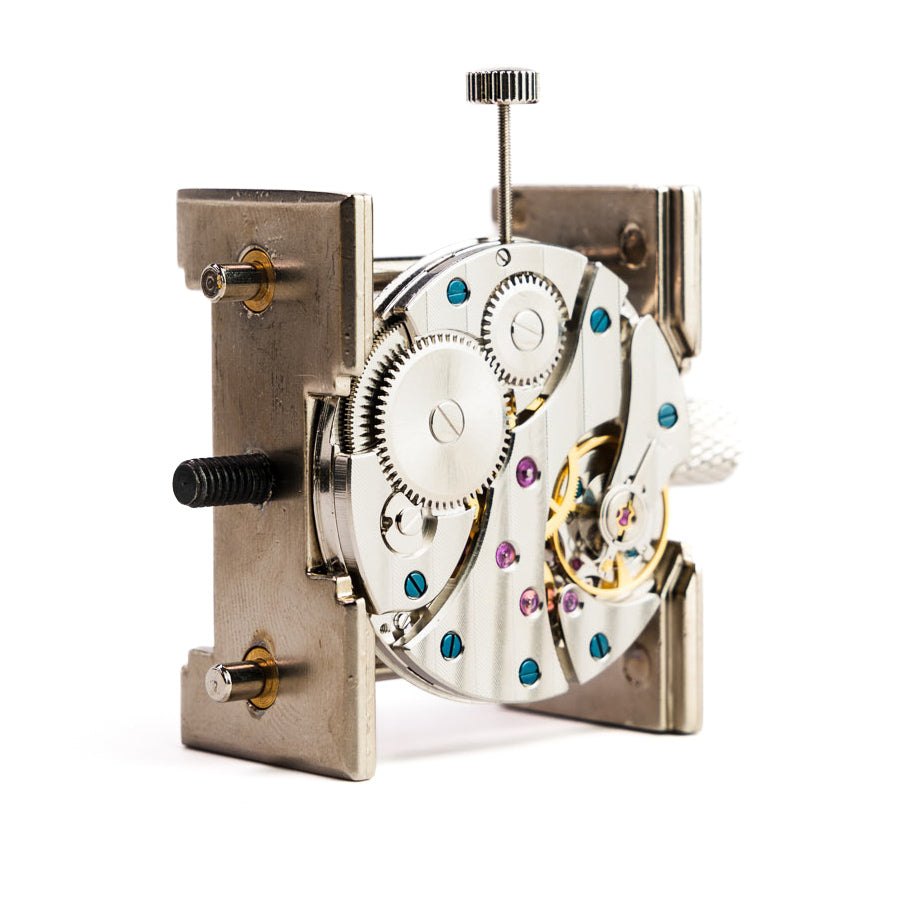
For anyone inspired to go hands-on with mechanical watchmaking, a watch movement kit lets you disassemble and rebuild the same types of movements that power many of these legendary timepieces. Build your own watch today.
FAQs
What is the most iconic watch of all time?
Opinions vary, but the Rolex Submariner is frequently cited as the single most influential watch ever made, having created the modern dive watch category.
What makes a watch "iconic"?
A watch becomes iconic by defining a category, introducing a significant design or technology, or becoming deeply embedded in popular culture over time.
Are iconic watches always expensive?
No. The Casio F-91W and Seiko 5 are both iconic and affordable. Cultural impact matters more than price.
What is the most expensive iconic watch ever sold?
Paul Newman's personal Rolex Daytona sold for $17.8 million at auction in 2017, making it the most expensive wristwatch ever sold at that time.
Do iconic watches hold their value?
Many do. Rolex, Patek Philippe, and Audemars Piguet models frequently appreciate in value on the secondary market, especially limited editions and discontinued references.
Can building a watch help me understand iconic models better?
Absolutely. Assembling a mechanical watch from components teaches you how movements, cases, and dials work together, giving you a deeper appreciation for the engineering behind iconic timepieces.