

How a Date Complication Works (and Why Quickset Matters)
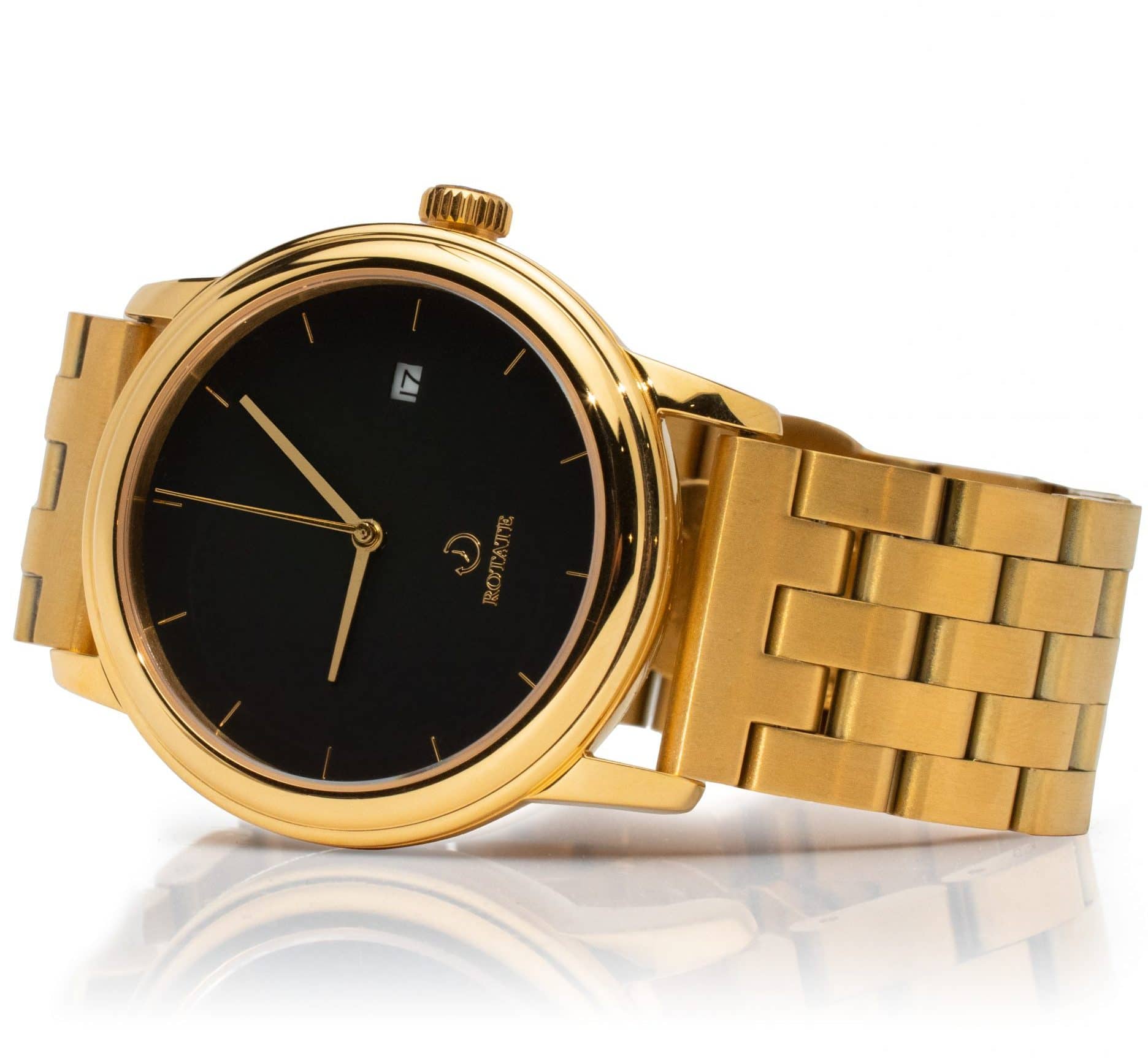
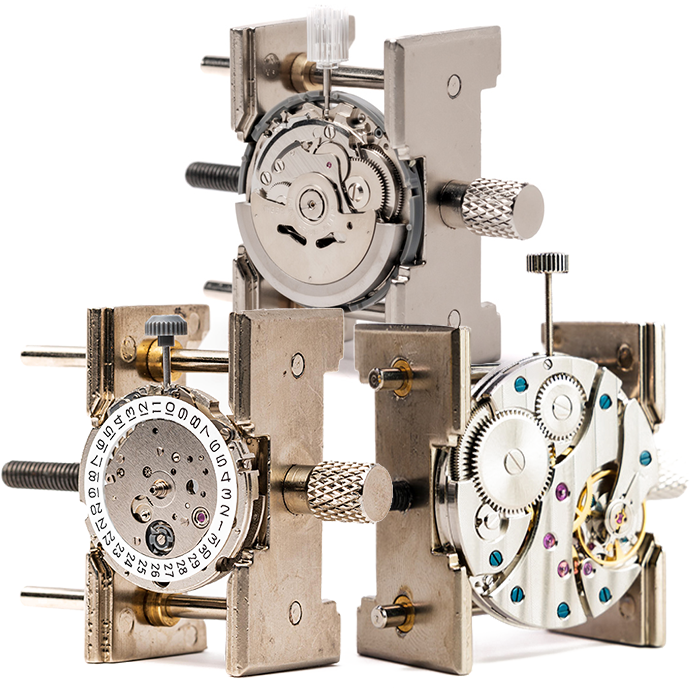
A small window showing today's date seems simple. Behind that window, a 31-position disc rotates once per day, driven by gears and levers that engage around midnight. The date display was first patented in 1915 and became standard after Rolex popularized it with the Datejust in the 1940s. The how watch date complication works question reveals why certain rules exist for setting it safely. If you have built a DIY automatic watch kit with a date feature, you have seen the date wheel mechanism firsthand.
How the Date Wheel Moves
The date mechanism relies on the hour wheel to advance the date disc one position every 24 hours.
The Date Wheel Sits Under the Dial
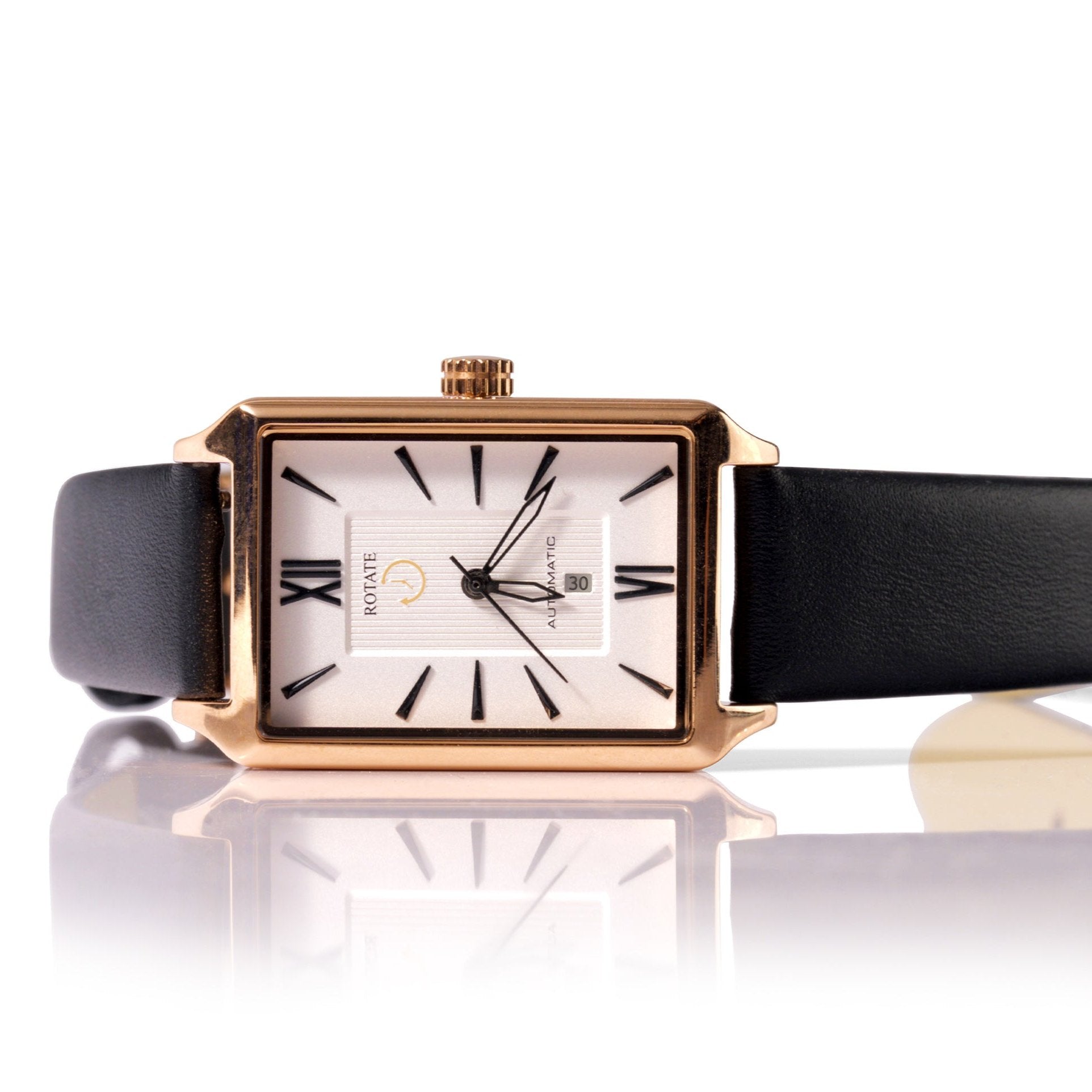
A thin disc with numbers 1 through 31 sits between the movement and dial. Only one number shows through the date window at a time. The window most commonly sits at 3 o'clock, though some watches place it at 6 o'clock or 4:30, depending on dial design. A spring-loaded jumper holds the wheel in place, keeping each number centered.
The Driving Mechanism Engages Near Midnight
A cam on a 24-hour wheel begins pushing the date wheel forward several hours before midnight. In most movements, engagement starts around 9 p.m. The date number flips near midnight, but gears do not fully disengage until 3 a.m. or later. During the transition, forcing anything risks damage.
Why Quickset Date Matters
Before quickset, setting the date meant rotating hands through 24-hour cycles, one day at a time. Quickset changed everything.
How Quickset Works
A quickset date watch has an intermediate crown position connecting directly to the date wheel, bypassing the hour wheel. Pulling the crown to the first click advances the date rapidly without moving the hands.
Most modern movements include quickset. Crown positions typically work like this:
- Position 0 (pushed in): Running and manual winding
- Position 1 (first click): Quickset date adjustment
- Position 2 (fully out): Time setting
The 9 p.m. to 3 a.m. Danger Zone
Never use quickSet between 9 p.m. and 3 a.m. on the displayed time. The regular date-change mechanism is already engaged during those hours. Using quickset simultaneously forces two mechanisms on the date wheel at once, which can strip teeth. Some movements stay engaged until 4 a.m., so always check your movement's instructions.
A safe approach:
- Set time to 6:00 first (outside danger zone)
- Use QuickSet to set the date to one day before the current date
- Advance time forward until the date changes at midnight
- Continue to correct the current time
Date Complications Across Movements
Single Date
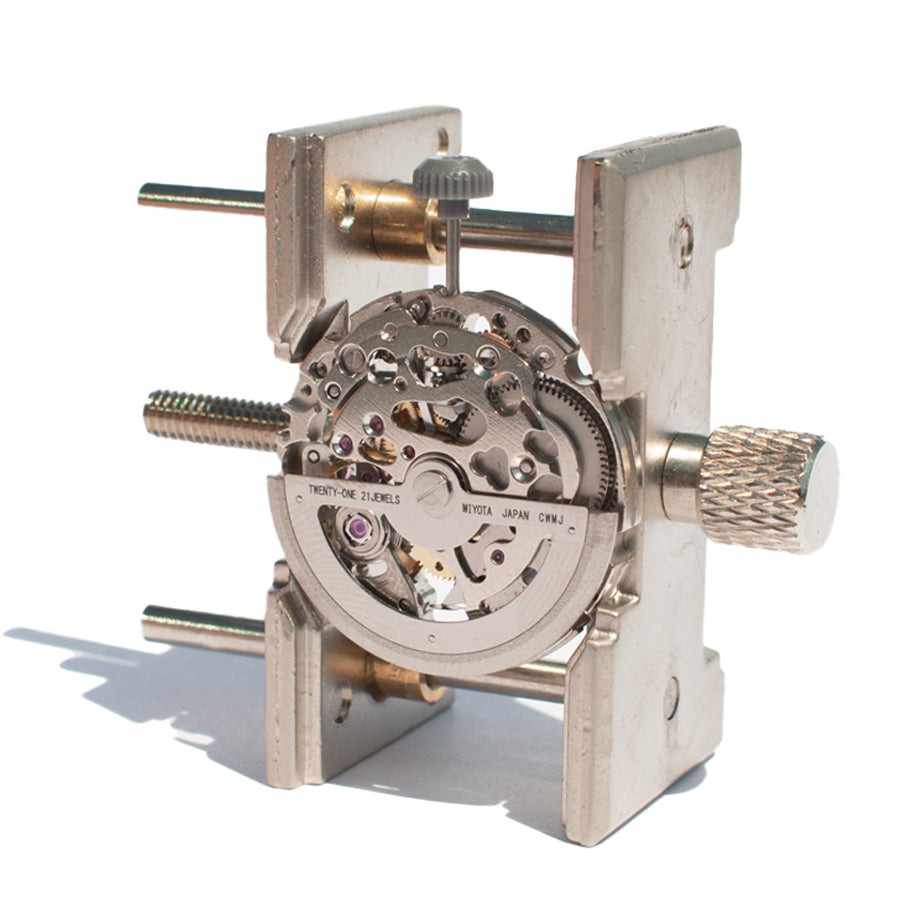
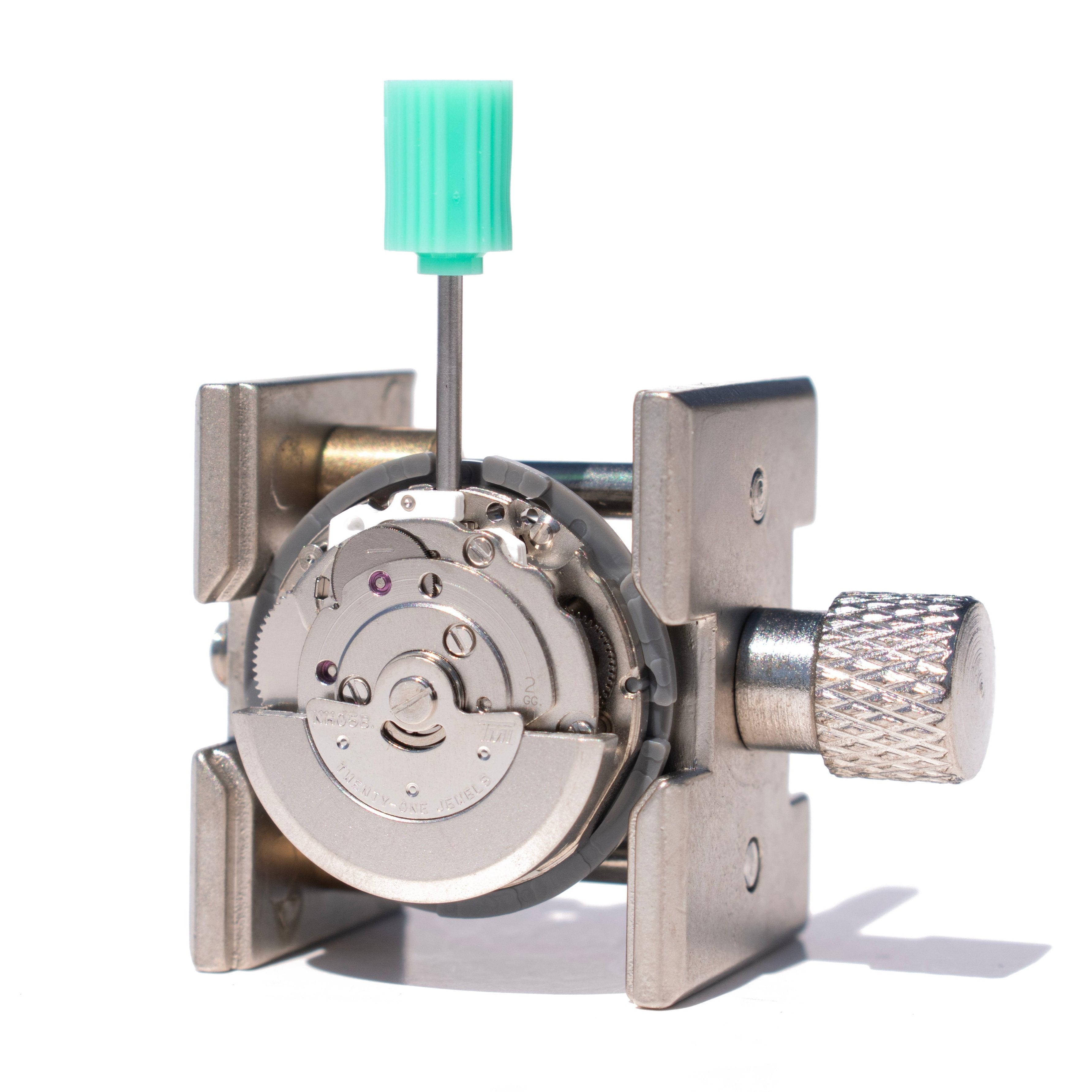
A single date shows the day of the month. The Miyota 8215 and Seiko NH05 both feature a single date with quickset. For 8215 owners: Do not set the date between 9 p.m. and 1 a.m. per the manufacturer's recommendation. For maximum safety, avoid quickset until after 3 a.m.
Day-Date
A day-date adds a disc for the day of the week. The Seiko NH36 features both, making it the most complex rotating movement kit. Turning the quickset one direction sets the date, the other sets the day. The NH36's dual complications make it the hardest movement for beginners.
Big Date
A big date uses two separate discs instead of one, each showing a single digit. The inner disc displays 0 through 3, while the outer displays 0 through 9. Synchronized rotation combines both digits into a larger, more readable display.
Watches Without Quickset
Older movements require advancing the hands past midnight for each day. Some offer "semi-quickset," where cycling back and forth through midnight advances the date without full 24-hour rotations.
Why Most Date Watches Need Manual Correction
Standard date wheels show 31 days. After months with fewer days (February, April, June, September, November), manual correction is needed.
Annual calendars adjust for 30/31-day months automatically. Perpetual calendars also account for leap years. Both cost far more. For most owners, adjusting five times per year is a minor task. A movement kit with a date complication teaches exactly how the mechanism works.
Conclusion
The date complication advances a numbered disc once per day using the hour wheel. Quickset bypasses that for rapid setting. Respect the 9 p.m. to 3 a.m. danger zone, and the mechanism lasts for years.
Build your own date complication watch and see the mechanism in action. Start your watchmaking project today.
Frequently Asked Questions
Q1. How does the quick set date work?
Pulling the crown to an intermediate position connects directly to the date wheel for rapid changes without moving the hands. The quickset mechanism uses separate gears from the main timekeeping train, so adjusting the date does not affect the hour or minute hands.
Q2. Why avoid setting a date between 9 p.m. and 3 a.m.?
The regular date mechanism engages around 9 p.m. and does not fully disengage until 3 a.m. or later, depending on the movement. Using quick set simultaneously puts opposing forces on the date wheel. The safest approach is to set the time to 6:00 before making any date adjustments.
Q3. What is the difference between date and day-date?
Date shows the day of the month through a single window, typically at 3 o'clock. Day-date adds the day of the week using a second disc, requiring more components and making movements like the Seiko NH36 more complex to assemble.
Q4. Why does my watch show 31 after a 30-day month?
Standard date wheels have 31 positions and cannot track calendar variations. Manual correction is needed five times per year. Only annual and perpetual calendar complications handle month-length transitions automatically.
Q5. Can quickset damage my watch?
Only during the danger zone (9 p.m. to 3 a.m.). Outside those hours, quickset is safe for regular use. The mechanism operates independently from the main timekeeping gears.
Q6. Do all date watches have quickset?
No. Some older movements require cycling hands through 24-hour periods to change the date. Semi-quickset movements offer a middle option, where cycling the hour hand back and forth past midnight advances the date without a full 24-hour rotation.