
How to Become a Watchmaker and Start in Horology
Watchmaking combines precision craftsmanship with mechanical understanding. Whether pursuing professional careers or serious hobbies, multiple paths lead into horology.
Starting doesn't require expensive schools or apprenticeships. DIY watchmaking, online resources, and hands-on practice build foundational skills before committing to formal education.
Step 1: Build Hands-On Experience
Start With DIY Kits
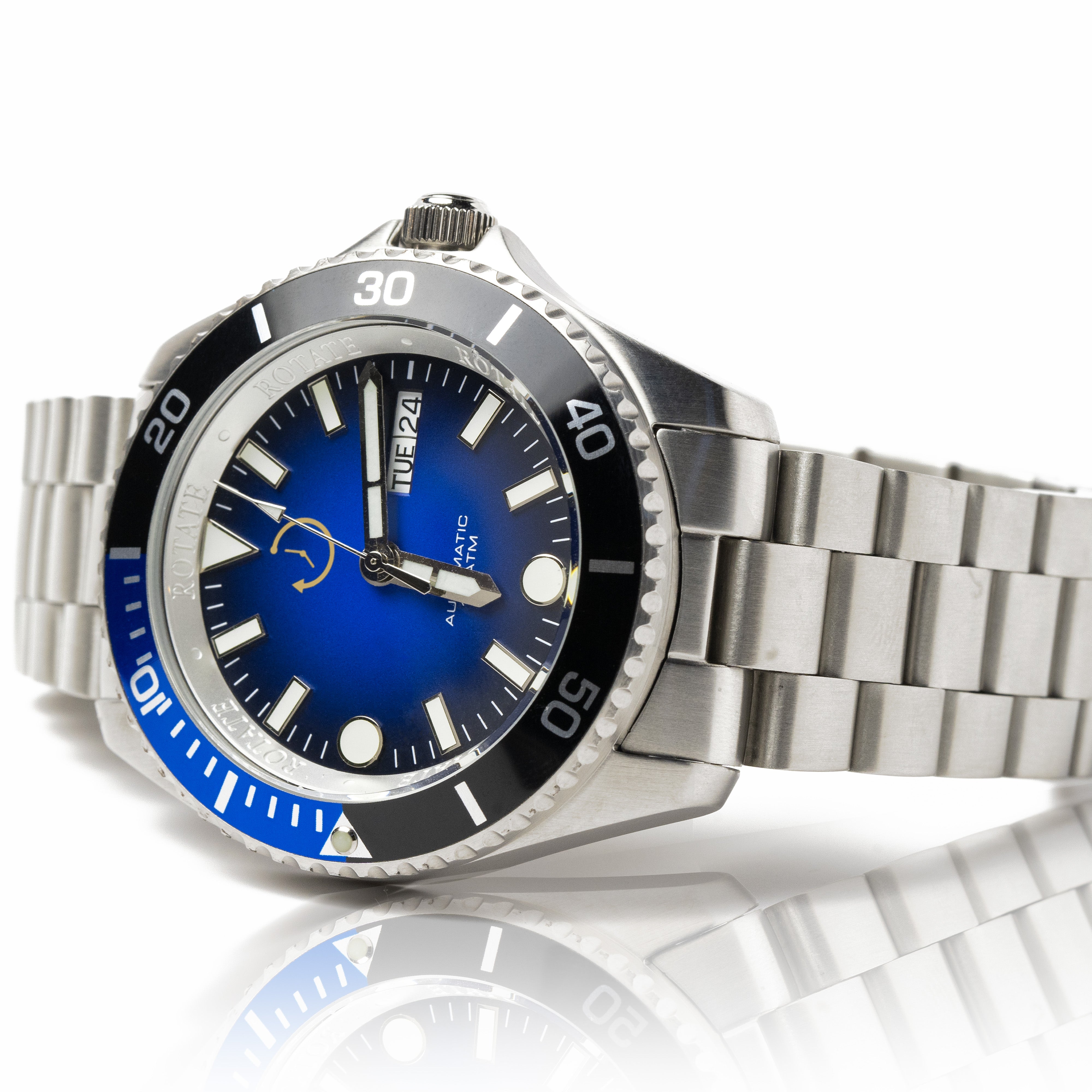
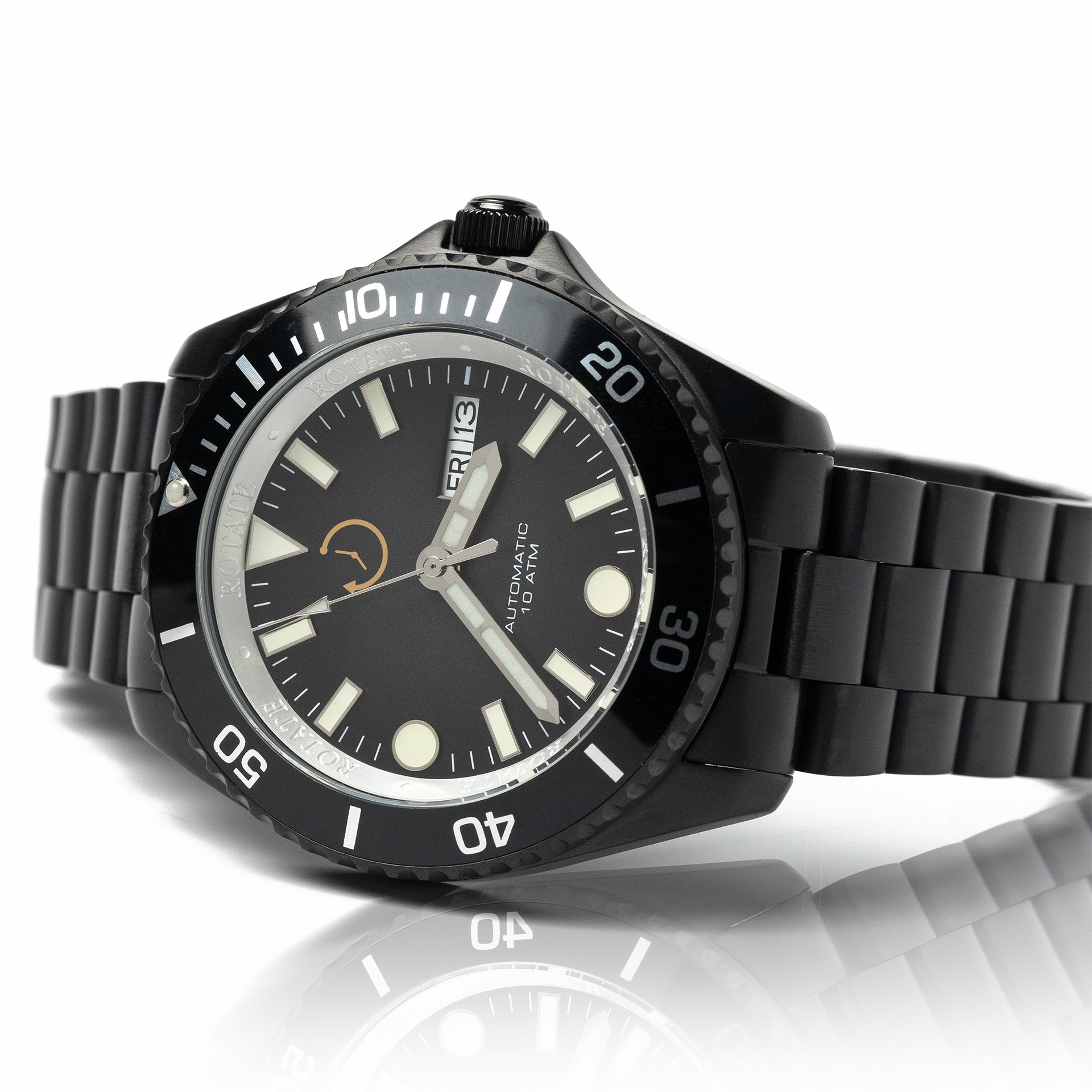
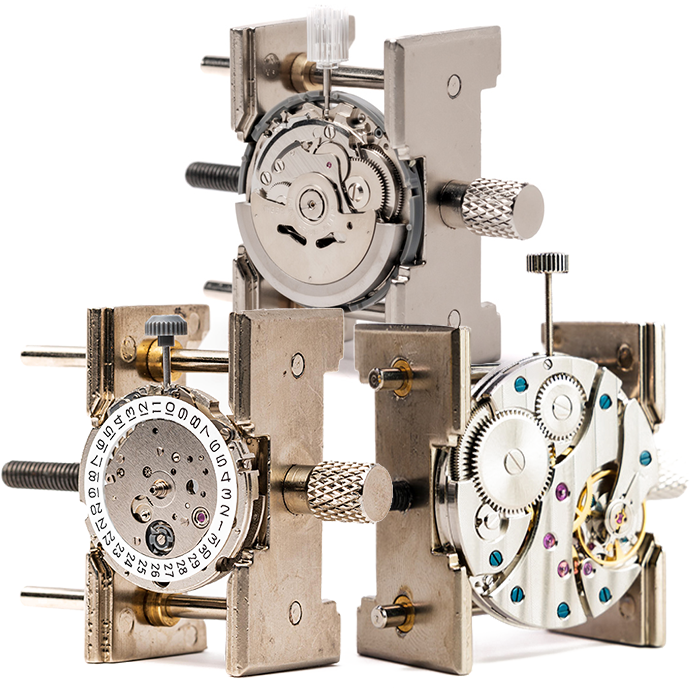
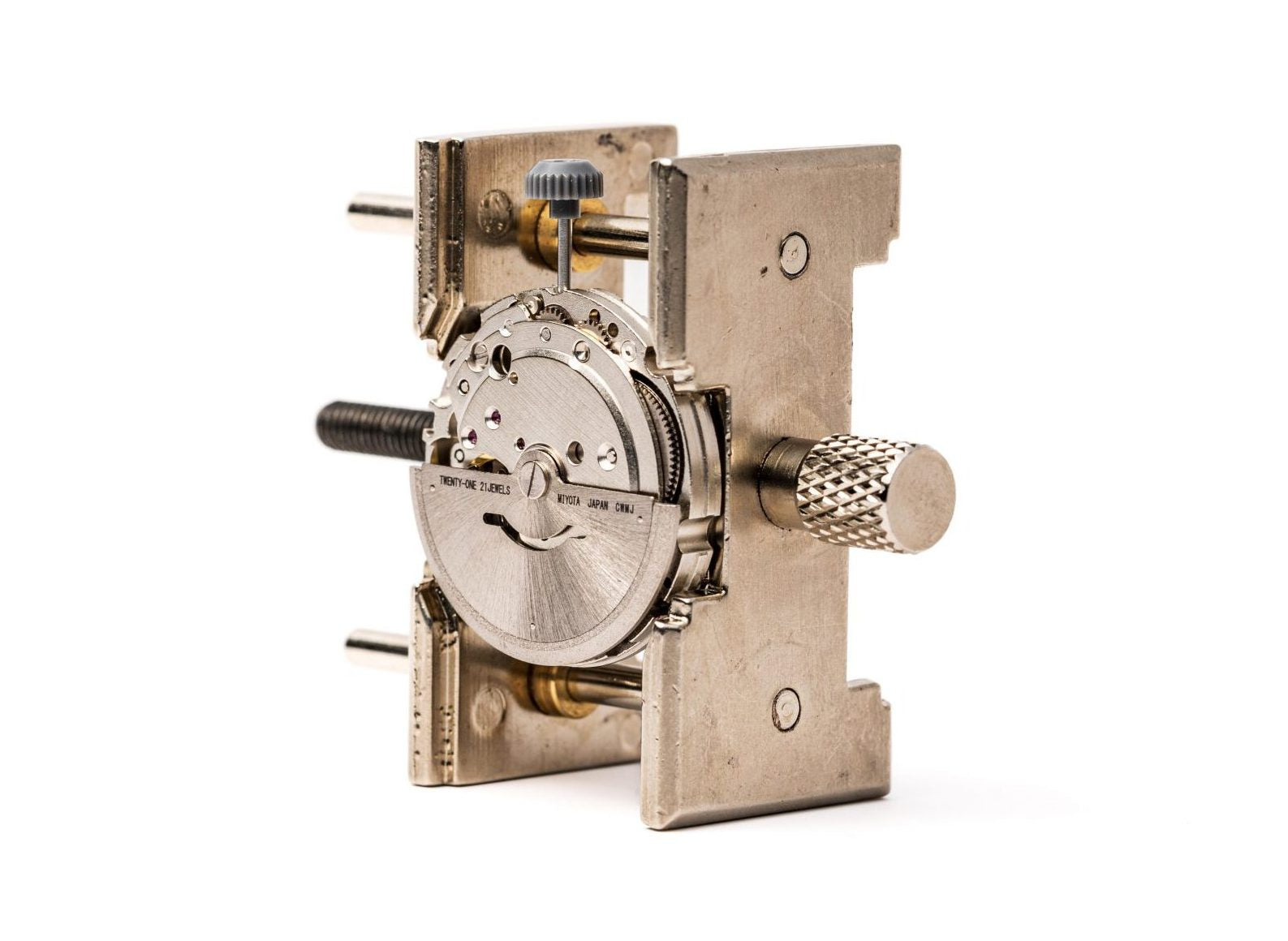
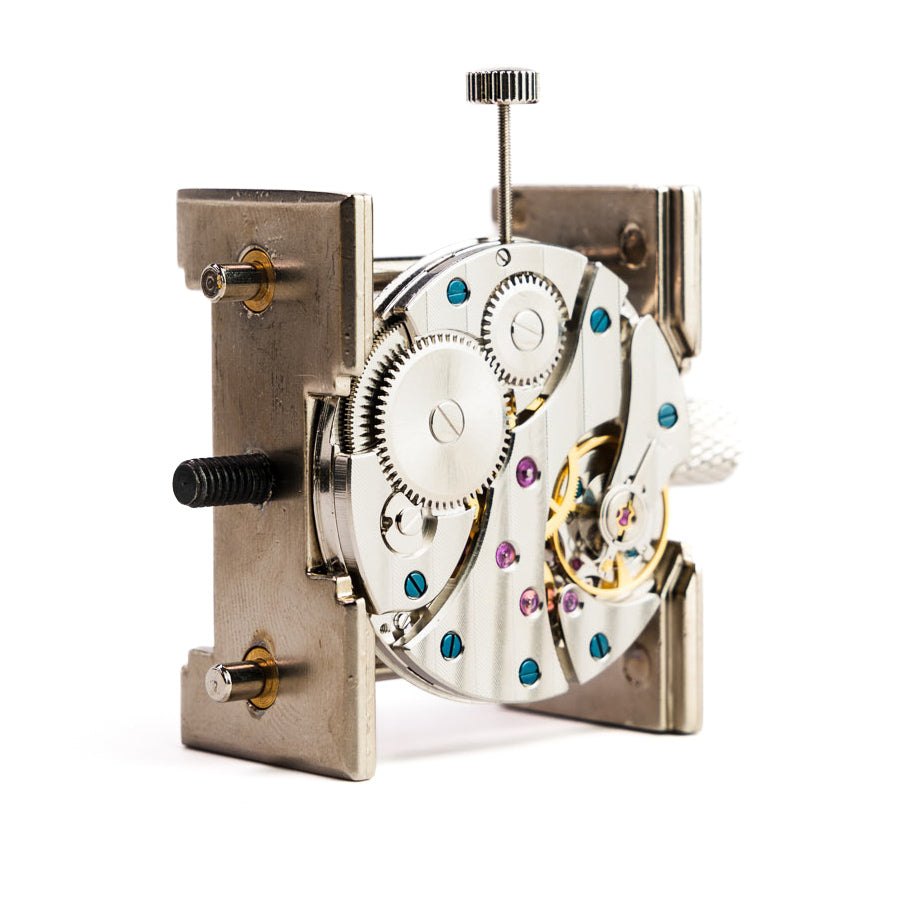
Complete watchmaking kits provide immediate hands-on experience with mechanical assembly. You learn component identification, proper tool use, and assembly sequences through actual building.
Starting with pre-assembled movements teaches case assembly, dial installation, and hand setting. Progress to movement kits for a deeper understanding of internal mechanisms.
Practice Fundamental Skills
Watchmaking demands extreme precision and steady hands. Building multiple kits develops fine motor control and patient work habits essential for professional work.
Learn proper tool handling, component manipulation, and damage prevention through repeated practice. Mistakes on $140 kits cost less than errors on customer watches.
Document Your Learning
Photograph builds, take detailed notes, and track problems encountered. Documentation helps identify skill development and creates a portfolio demonstrating capabilities to potential employers or clients.
Online communities appreciate shared learning experiences. Posting builds creates connections with other enthusiasts and experienced watchmakers, offering guidance.
Step 2: Develop Core Skills
Mechanical Understanding
Study how movements work before attempting complex repairs. Understand gear trains, escapements, mainsprings, and automatic winding mechanisms through research and hands-on experience.
Building various movements teaches mechanical principles applicable across different calibers and manufacturers. The knowledge transfers to unfamiliar movements.
Tool Proficiency
Master basic watchmaking tools before investing in expensive equipment. Screwdrivers, tweezers, spring bar tools, and hand setters form a foundation tool set included with quality watch kits.
Advanced tools like timing machines, ultrasonic cleaners, and specialized service equipment come later as skills develop and justify investment.
Patience and Precision
Watchmaking requires working with components measuring millimeters or less. Rushing creates damage and frustration. Develop methodical work habits, prioritizing accuracy over speed.
Professional watchmakers work quickly through experience, not haste. Speed develops naturally after mastering a precise technique.
Step 3: Choose Education Path
Formal Watchmaking Schools
Traditional watchmaking schools offer comprehensive education covering theory, practice, and certification. Programs typically run 18 months to 3 years.
Notable schools include:
-
Lititz Watch Technicum (Pennsylvania, USA) - Partnership with industry providing employment pipeline
-
North American Institute of Swiss Watchmaking (Texas, USA) - Focus on Swiss watchmaking traditions
-
Paris Institute (France) - Historic European watchmaking education
-
WOSTEP (Switzerland) - High-level technical training
Schools provide a structured curriculum, expert instruction, and industry connections. However, tuition costs $15,000 to $50,000+, creating a significant financial commitment.
Apprenticeships
Traditional apprenticeships pair students with experienced watchmakers, learning through direct mentorship. You work in actual watchmaking environments, handling real customer watches.
Finding apprenticeships requires networking with local watchmakers, jewelry stores, or watch repair shops. Many businesses prefer hiring watchmaking school graduates, making apprenticeships competitive.
Apprenticeships provide income while learning, unlike school tuition costs. However, learning pace and quality depend on mentor availability and teaching ability.
Self-Taught Path
Dedicated self-study combined with hands-on building creates watchmaking skills without formal schooling. Online resources, books, forums, and practice watches provide education.
Self-taught watchmakers often specialize in particular brands or movement types, developing deep expertise through focused experience. The path suits hobby watchmaking or part-time repair work better than full professional employment.
Professional opportunities remain limited for self-taught watchmakers without certifications or formal training. However, personal repair work, vintage restoration, and custom building remain accessible.
Step 4: Gain Practical Experience
Work on Personal Watches
Buy inexpensive vintage watches practicing disassembly, cleaning, reassembly, and adjustment. Mistakes on $50 watches teach lessons without expensive consequences.
Practice common repairs, including crystal replacement, battery changes, strap replacement, and case polishing. Master routine work before attempting complex repairs.
Vintage Restoration Projects
Vintage mechanical watches offer unlimited practice opportunities. Many movements from the 1950s to 1980s remain affordable while providing genuine mechanical complexity.
Restoration teaches troubleshooting, parts sourcing, and creative problem-solving. Not everything works as expected, and developing diagnostic skills is essential for professional work.
Join Watch Communities
Online forums, social media groups, and local watch clubs connect you with other enthusiasts and professionals. Community members share knowledge, answer questions, and offer guidance.
Attending watch meet-ups, collector gatherings, and horological events builds network connections. Networking often leads to opportunities invisible to the general job market.
Step 5: Build Your Tool Collection
Essential Starter Tools
Basic tool sets include:
-
Precision screwdrivers (multiple sizes)
-
Tweezers (straight and curved)
-
Spring bar tool
-
Hand removal levers
-
Case opener and holder
-
Magnifying loupe
-
Rodico cleaning putty
Quality watch kits include essential tools, providing a foundation before purchasing professional equipment.
Advanced Equipment
Professional watchmakers eventually acquire:
-
Timing machine (measures watch accuracy)
-
Ultrasonic cleaner (cleans parts thoroughly)
-
Watch demagnetizer
-
Crystal press
-
Complete screwdriver set
-
Specialized movement holders
-
Parts storage systems
Advanced tools cost $1,000 to $5,000+ collectively. Purchase gradually as skills justify investment and work demands require capabilities.
Step 6: Consider Specialization
Brand Specialization
Some watchmakers focus on specific brands (Rolex, Omega, Seiko), developing deep expertise in particular movements and complications. Brand specialization creates valuable niche expertise.
Brands sometimes require certifications for authorized service work. Training programs provide brand-specific knowledge and official service center opportunities.
Vintage Watchmaking
Vintage specialists restore antique and discontinued timepieces. The work requires creativity, sourcing parts, fabricating components, and adapting solutions for obsolete mechanisms.
Vintage work attracts collectors willing to pay premium prices for expert restoration. However, parts availability challenges and unpredictable problems make vintage repair unpredictable.
Custom Building
Some watchmakers focus on custom watch creation using aftermarket parts and movements. The work combines watchmaking with design and client consultation.
Custom building experience from DIY projects transfers to professional custom work. Understanding parts compatibility and assembly challenges informs client communication.
Career Opportunities
Retail Watch Repair
Jewelry stores and watch shops employ watchmakers handling battery changes, strap replacements, and basic repairs. Entry-level positions provide income while building experience.
Retail repair exposes you to a variety of watches and customer interactions. The work can become repetitive, but it develops speed and consistency.
Authorized Service Centers
Brand service centers employ certified watchmakers servicing warranty and customer watches. Work focuses on specific brands following manufacturer protocols.
Service centers provide stable employment with comprehensive training. However, work follows strict procedures limiting creative problem-solving.
Independent Watchmaking
Experienced watchmakers sometimes establish independent repair shops serving local markets. Independence allows scheduling flexibility and client selection.
However, independent work requires business skills beyond watchmaking. Marketing, accounting, customer service, and inventory management all demand attention.
Luxury Watch Restoration
High-end restoration specialists work on complicated vintage timepieces for collectors and auction houses. The work combines historical knowledge with advanced technical skills.
Luxury restoration commands premium pricing but requires extensive experience and reputation. Client base develops slowly through referrals and demonstrated expertise.
Income Expectations
Entry Level
Beginning watchmakers earn $30,000 to $45,000 annually, depending on location and employer. Entry positions often focus on battery replacements and routine maintenance.
Experienced Watchmakers
Professionals with 5+ years of experience earn $50,000 to $75,000 typically. Certified brand specialists and complex repair experts command higher salaries.
Independent Watchmakers
Established independent watchmakers earn $60,000 to $100,000+, depending on business success, specialization, and client base. Income variability increases with independence.
Start Your Watchmaking Journey
Watchmaking begins with hands-on experience building actual watches. Skip expensive commitments and start learning immediately through DIY projects.
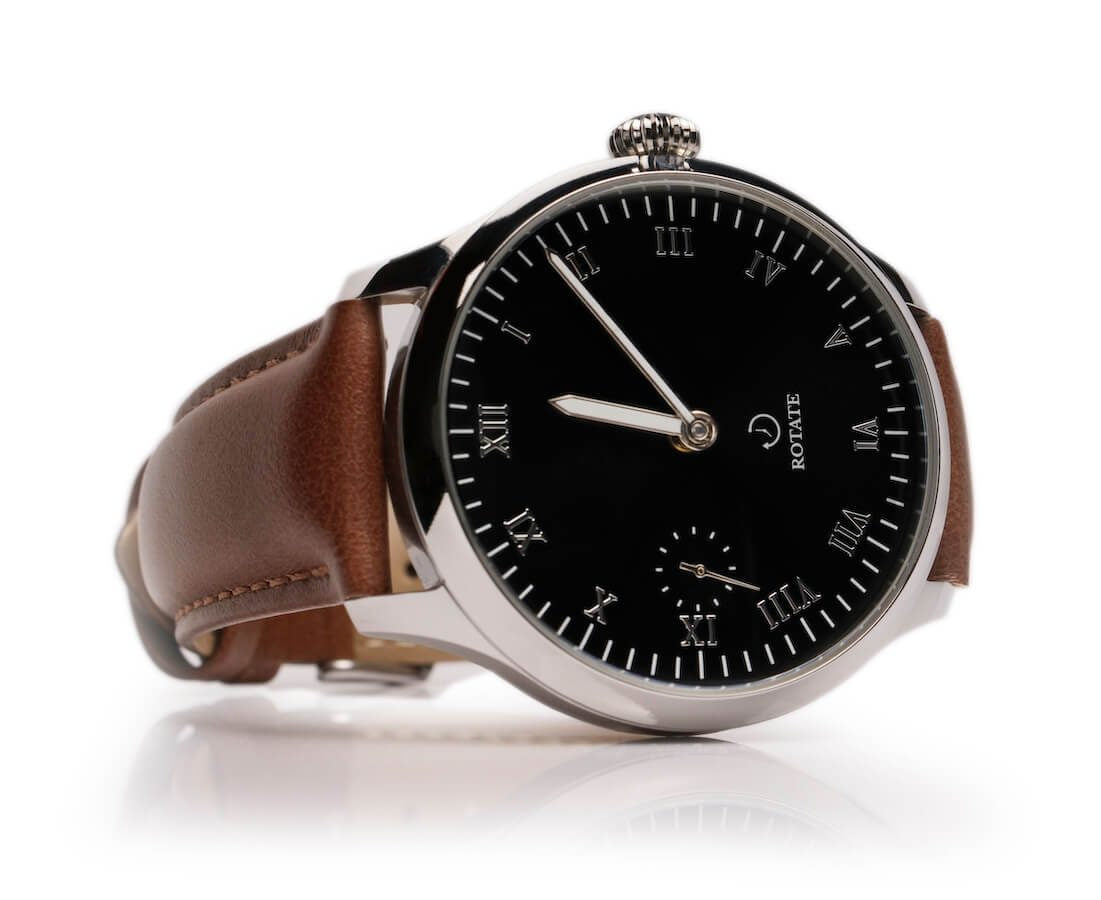
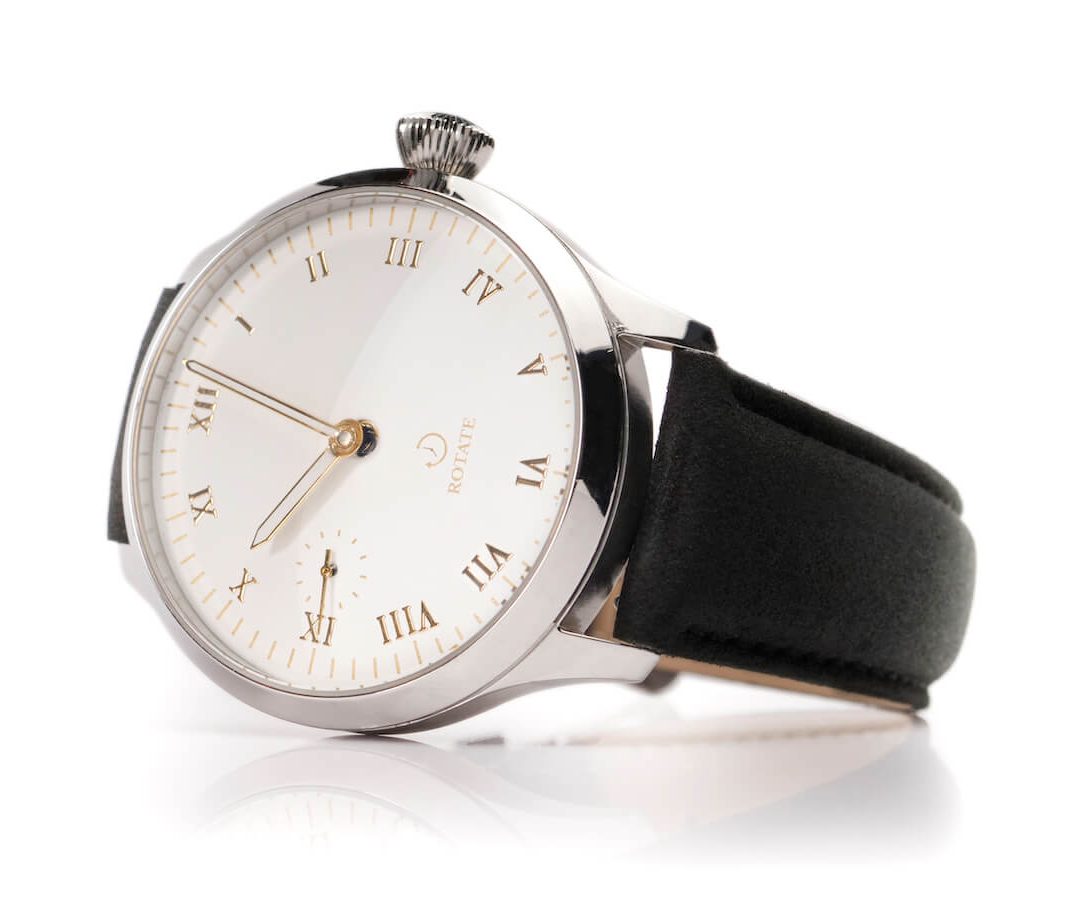
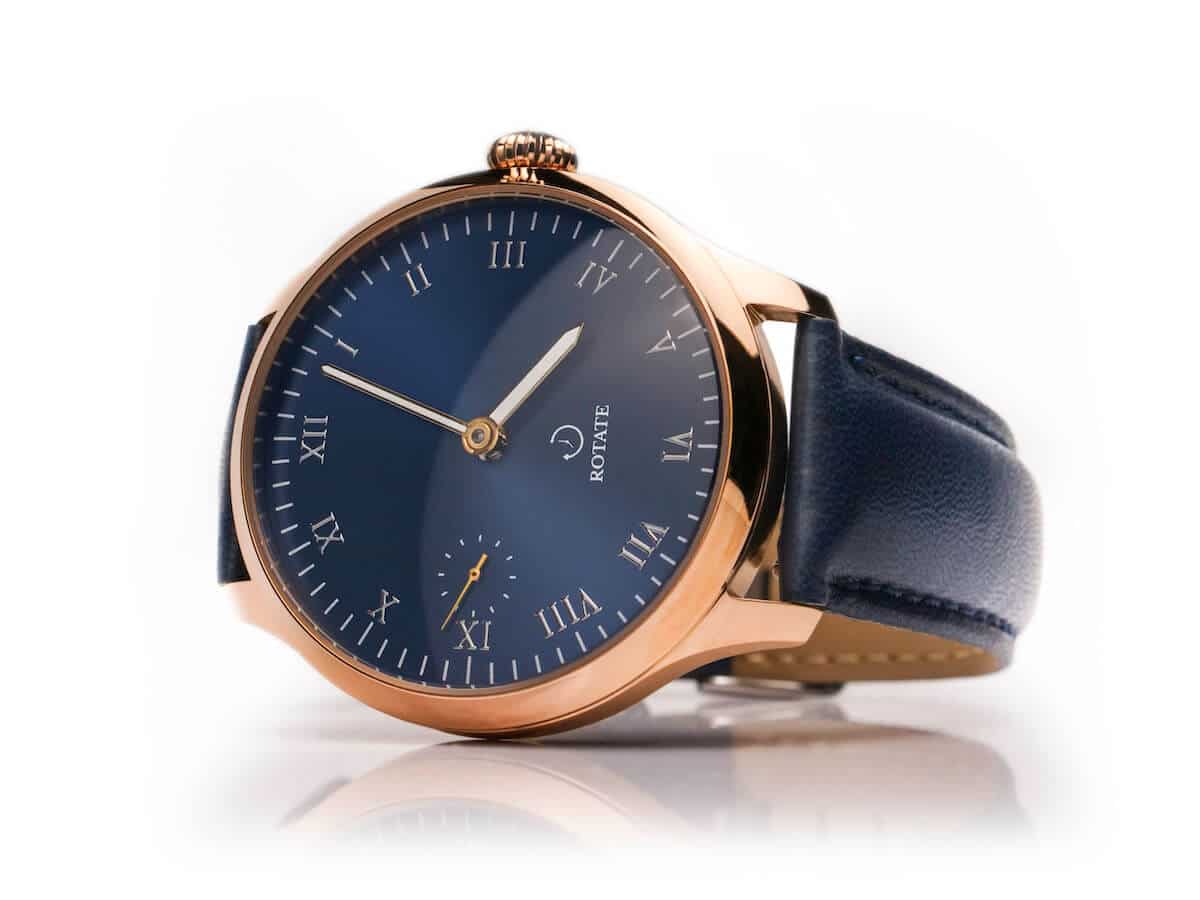
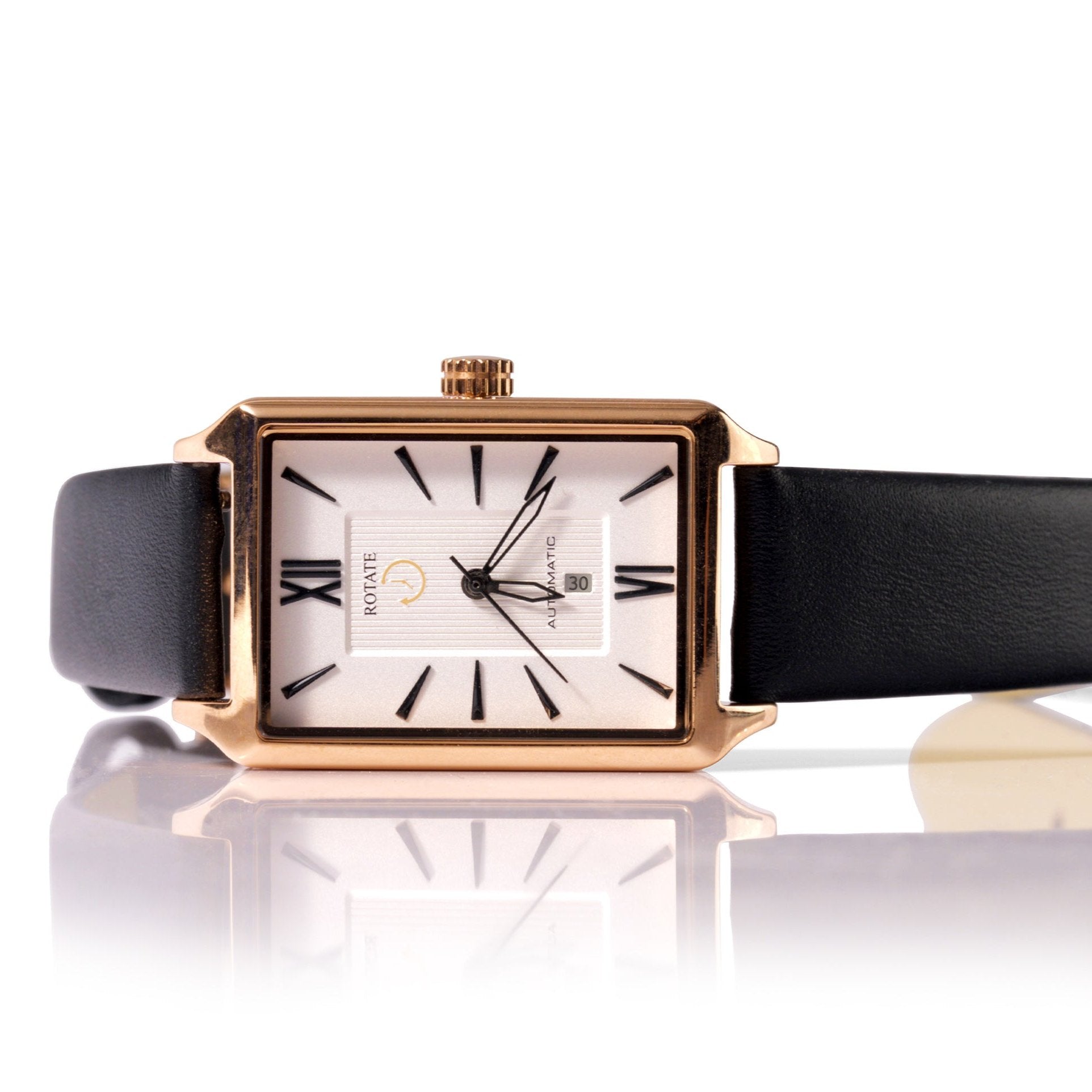
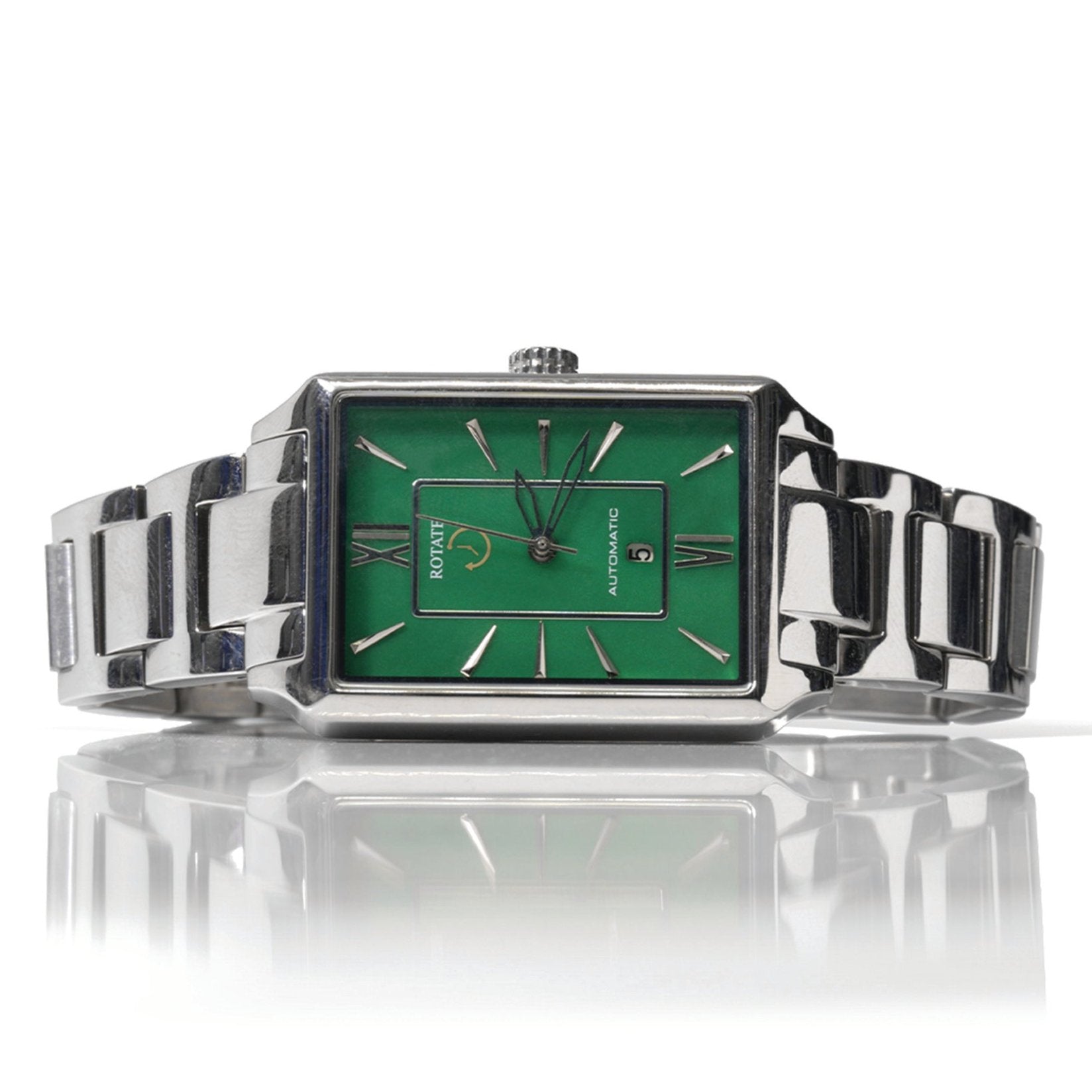
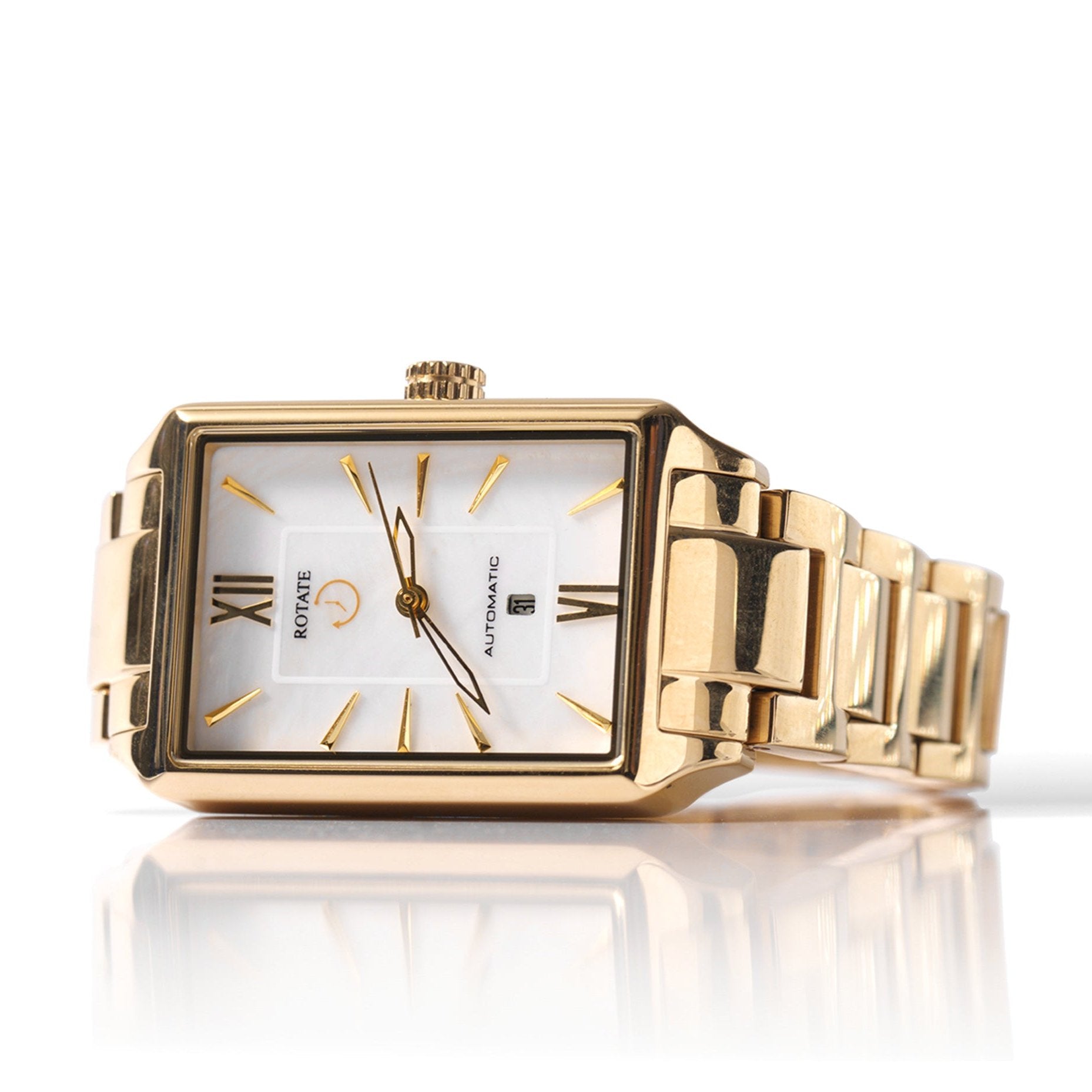
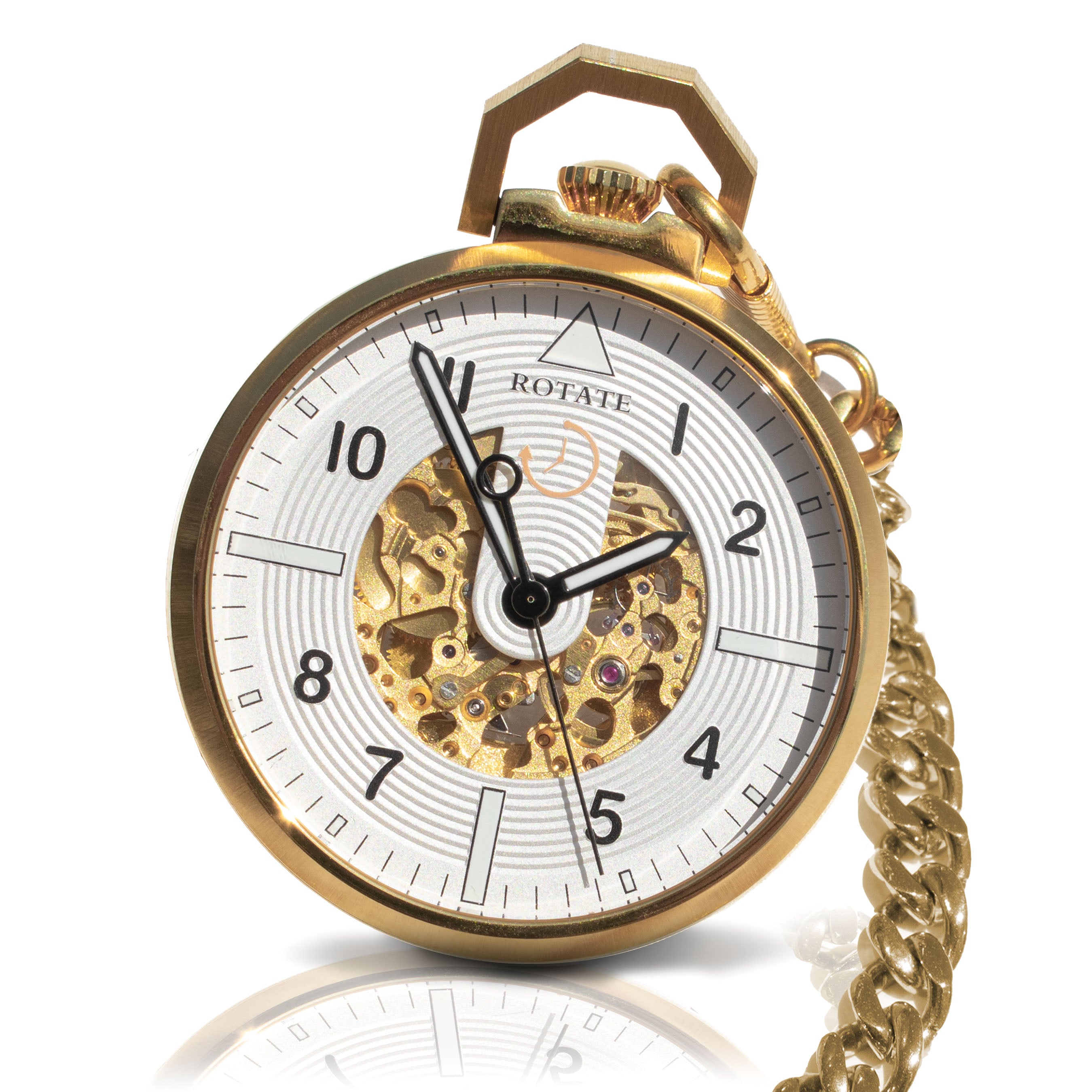
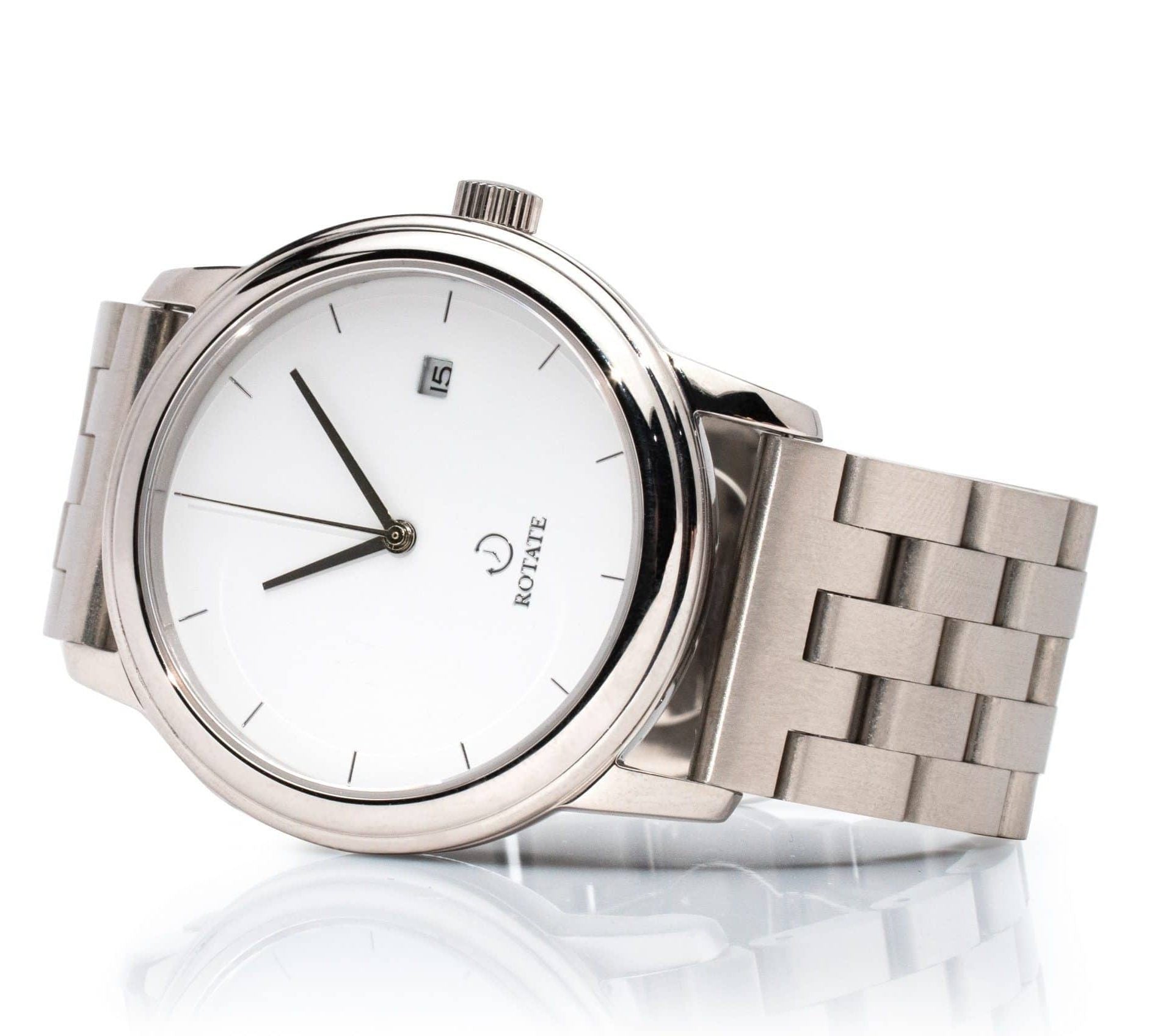
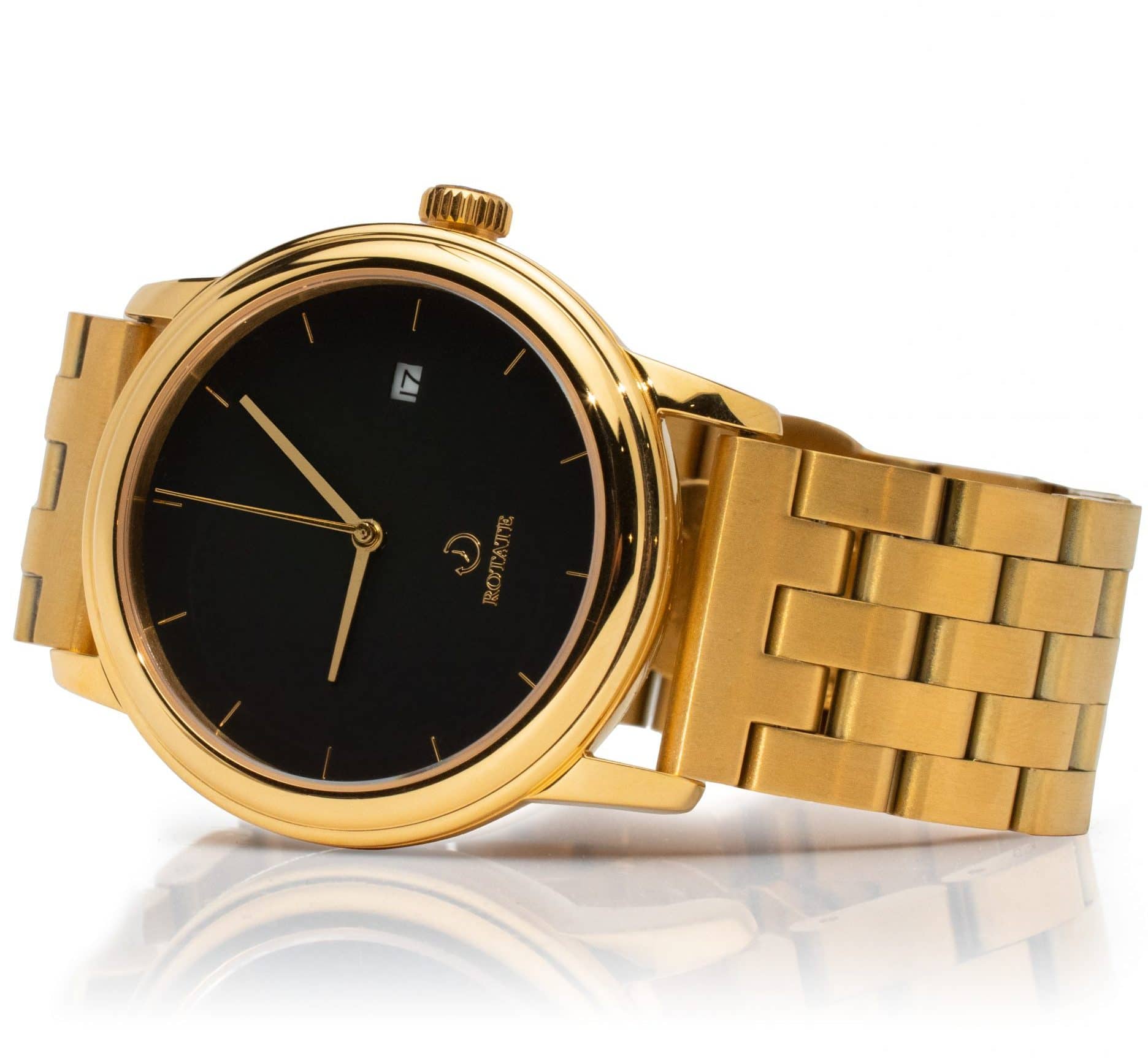
Rotate Watches provides complete watchmaking kits, teaching mechanical assembly from components to a functioning timepiece.
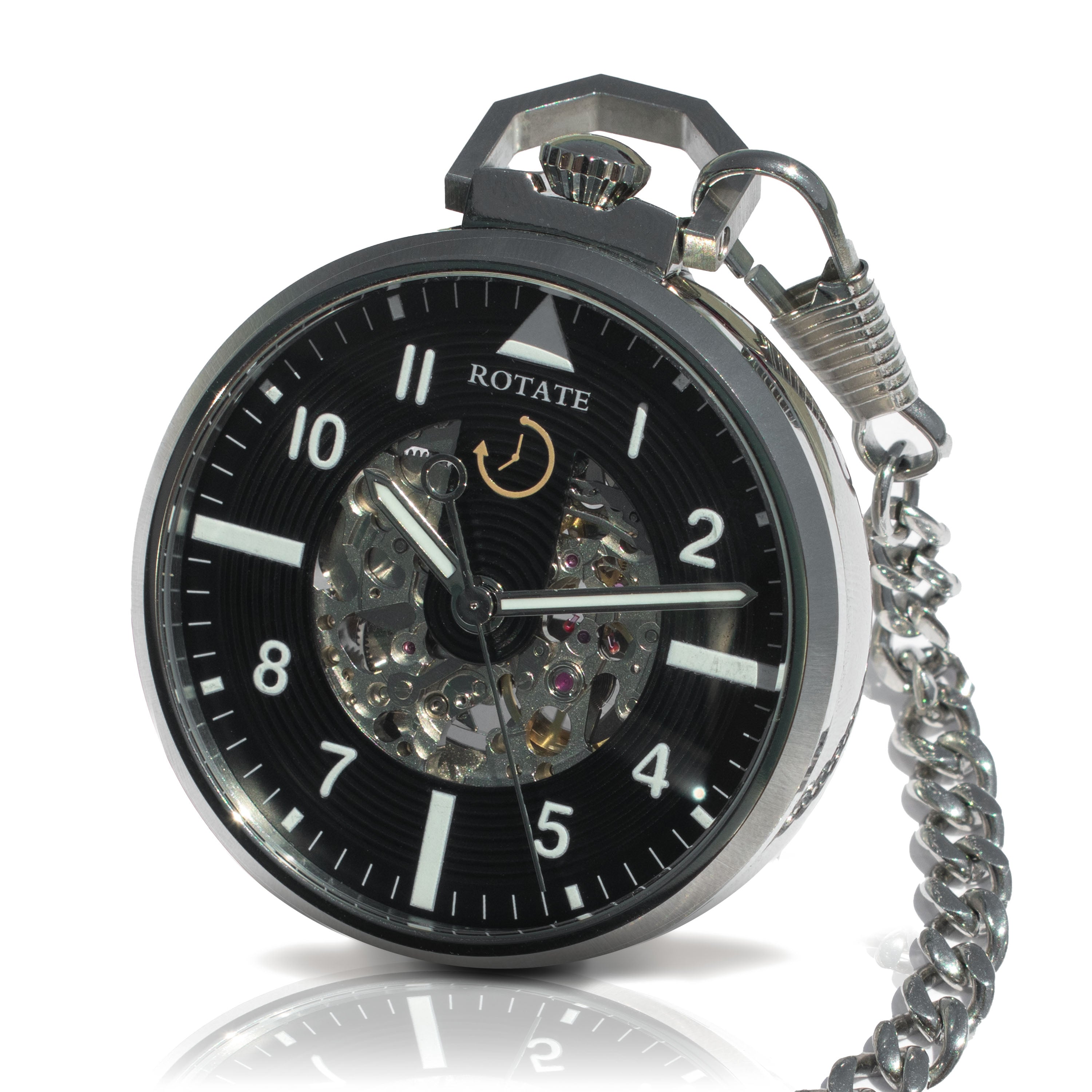
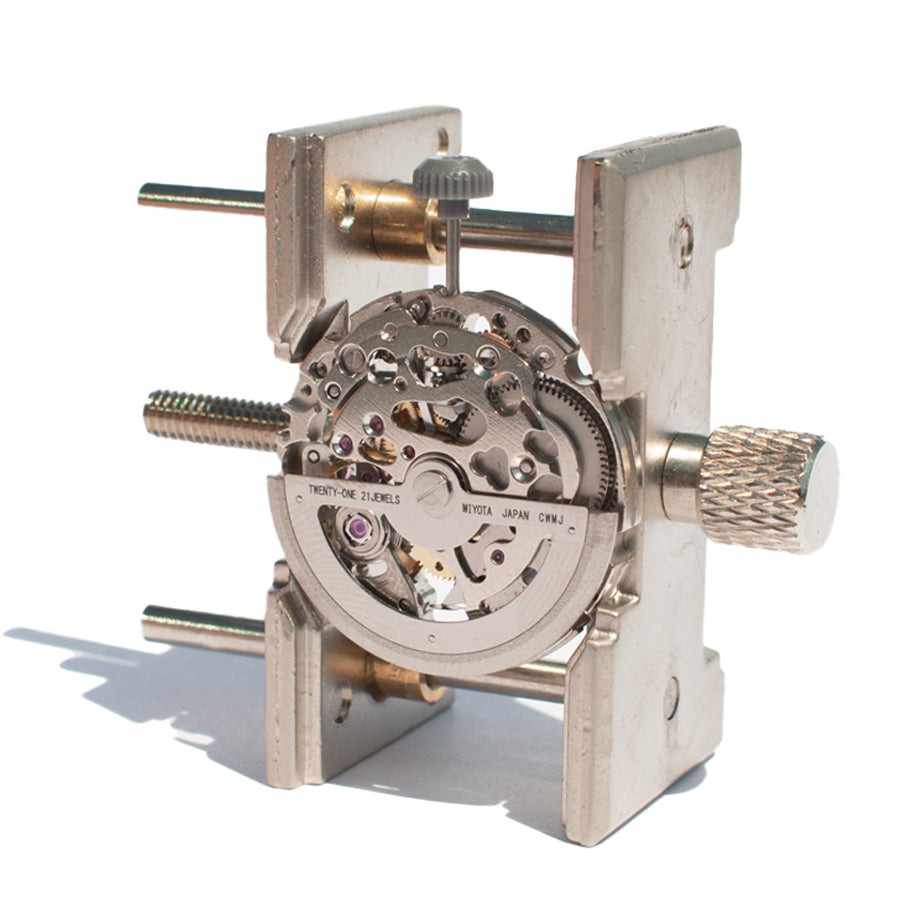
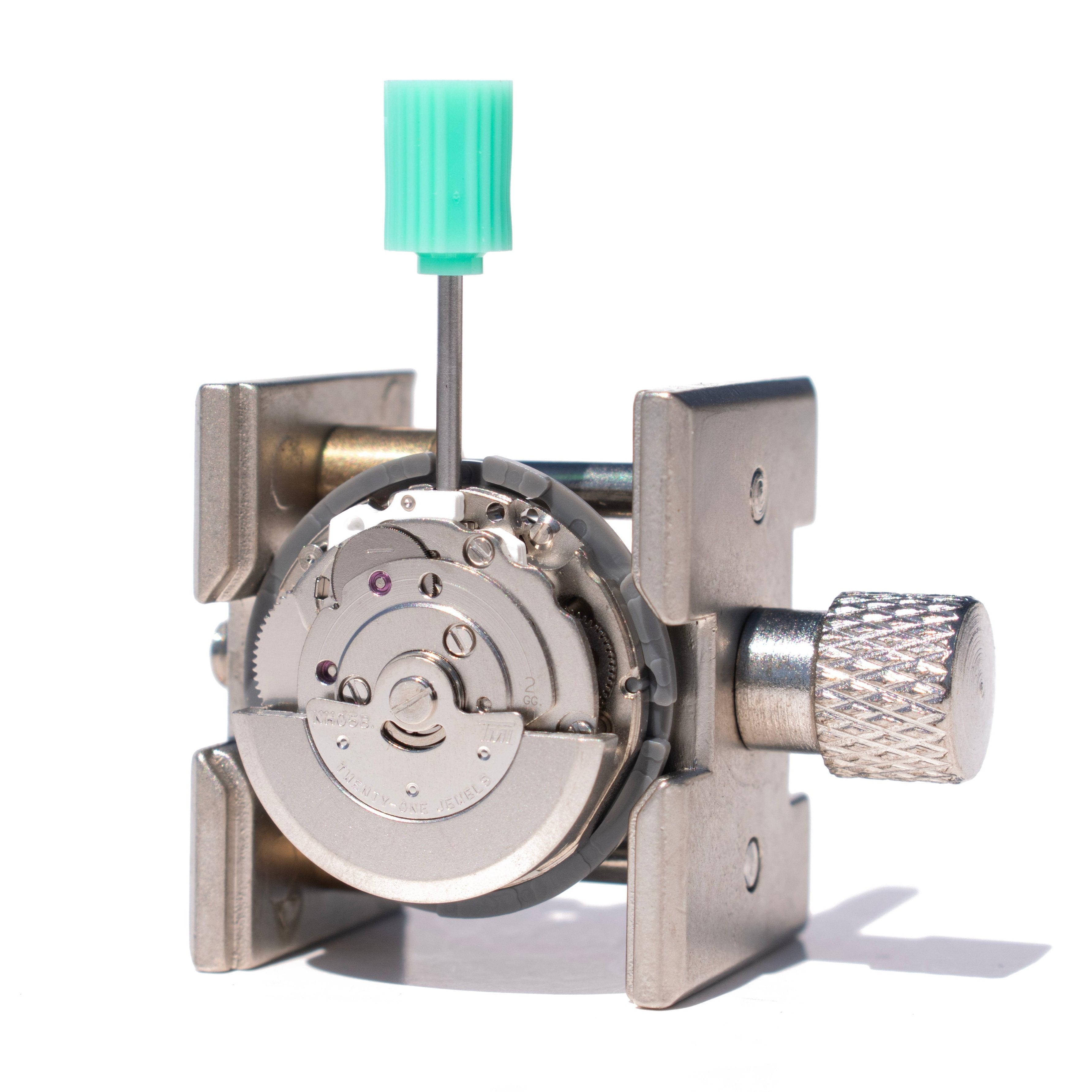
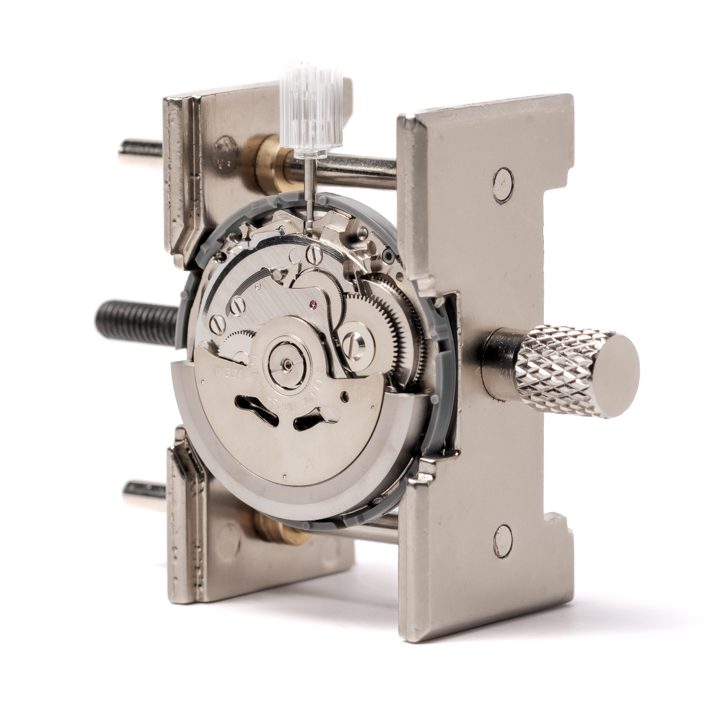
Movement kits reveal internal mechanisms while complete watch kits create wearable results.
Build practical skills and discover if watchmaking suits you before expensive education commitments. Start building today.
Frequently Asked Questions
How long does it take to become a watchmaker?
Formal schools require 18 months to 3 years. Self-taught paths take 2-5 years, depending on dedication and practice hours. Professional proficiency develops over decades through continuous learning.
Do you need certification to repair watches?
Certification isn't legally required for watch repair. However, brand-authorized service centers require manufacturer certifications. Certifications improve employment opportunities and client confidence.
Can you learn watchmaking without school?
Yes, dedicated self-study combined with hands-on practice builds watchmaking skills. Start with DIY watch kits, progress to vintage restoration, and continuously expand knowledge through practice.
Is watchmaking a good career?
Watchmaking offers stable employment in growing luxury watch markets. The work provides intellectual challenge and artistic satisfaction. However, salaries remain moderate compared to other technical professions.
What personality suits watchmaking?
Successful watchmakers demonstrate patience, attention to detail, steady hands, mechanical aptitude, and problem-solving skills. Enjoy working independently on precise technical challenges.
How much do watchmaking tools cost?
Basic starter tools cost $200-$500. Professional equipment costs $2,000-$10,000+ accumulated gradually. Quality watch kits include essential tools, reducing initial investment.