

Can I Build a Pocket Watch Like They Did in the Old Days?
The short answer? Sort of, but with some modern shortcuts that actually make things easier.
Building a pocket watch today combines traditional mechanical watchmaking with beginner-friendly tools and pre-assembled components. You won't be forging steel cases or hand-cutting gears like a 19th-century watchmaker would have. But you will assemble a genuine mechanical movement, install hands precisely, and create a functioning timepiece you can carry daily.
What Old-School Watchmakers Actually Did
Vintage pocket watch creation was an intense craft. Watchmakers spent years as apprentices learning to file metal parts by hand, cut tiny gears, and adjust springs to microscopic tolerances. Every component came from raw materials. A single pocket watch could take weeks or months to complete from scratch.
Master watchmakers worked with loupes, files, and specialized lathes. Skills passed down through generations. Most people never got close to understanding how their pocket watches worked, let alone building one.
How Modern DIY Differs (In Good Ways)
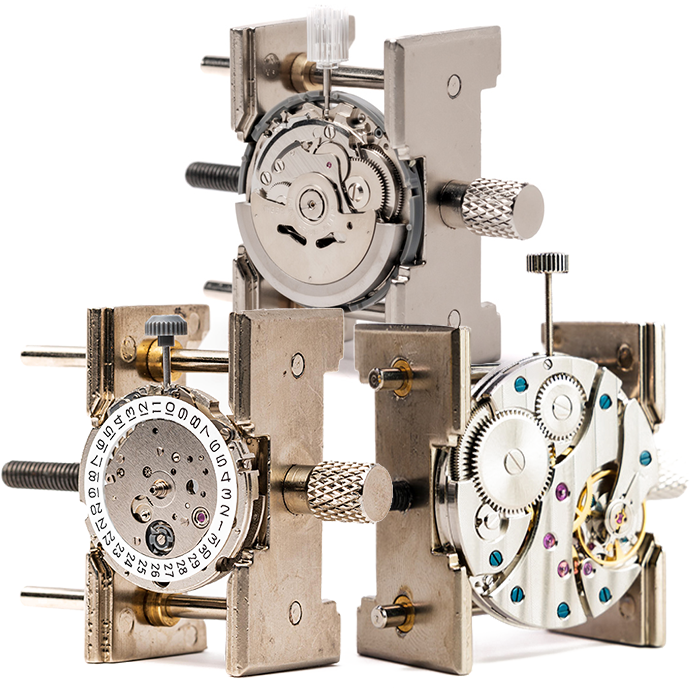
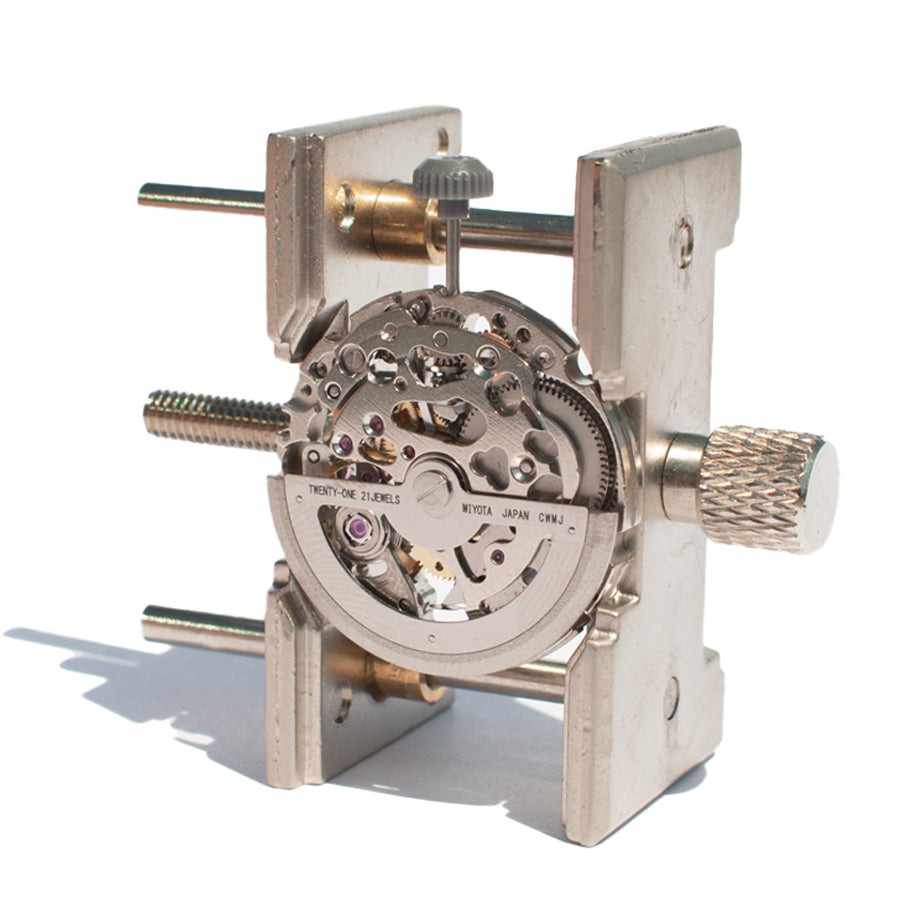
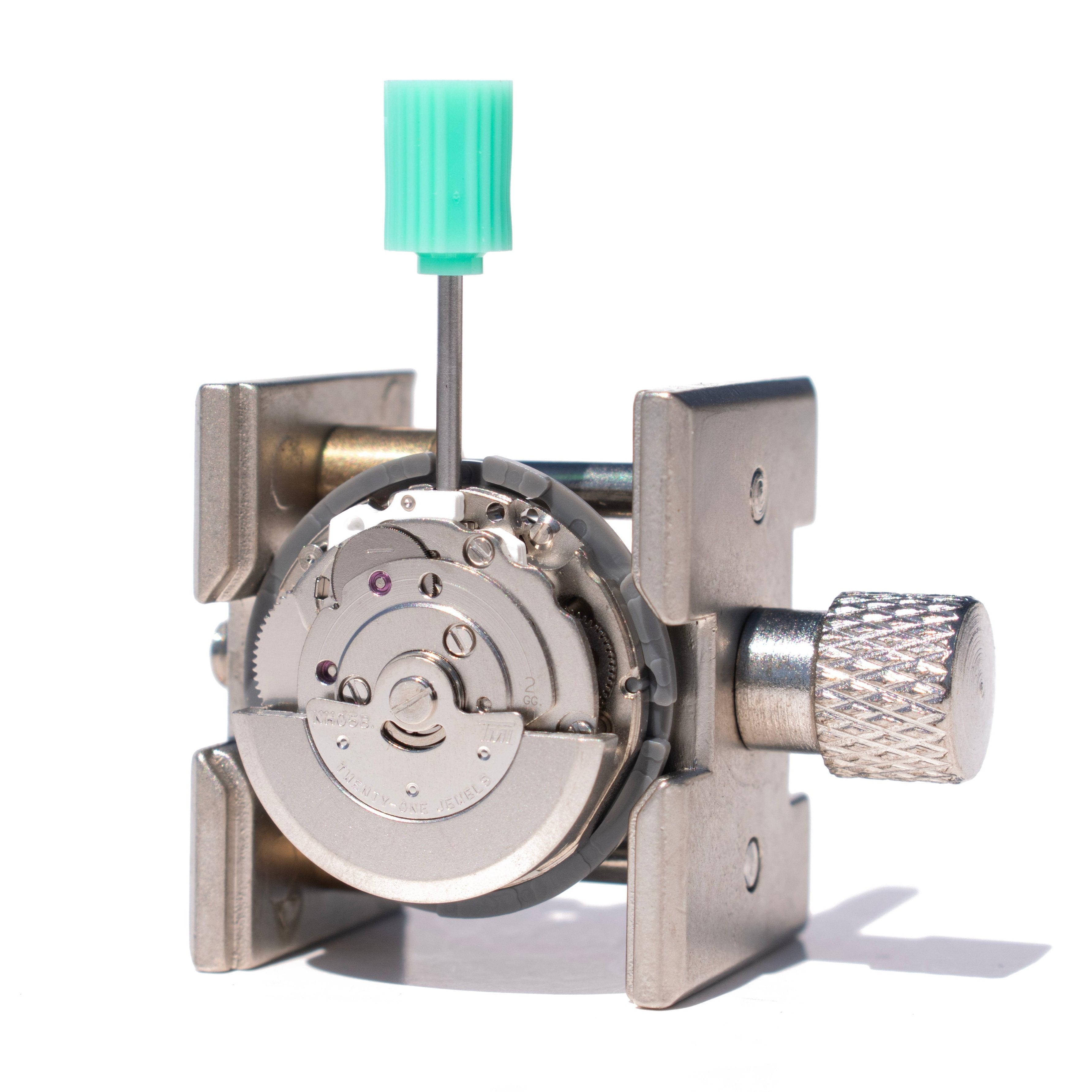
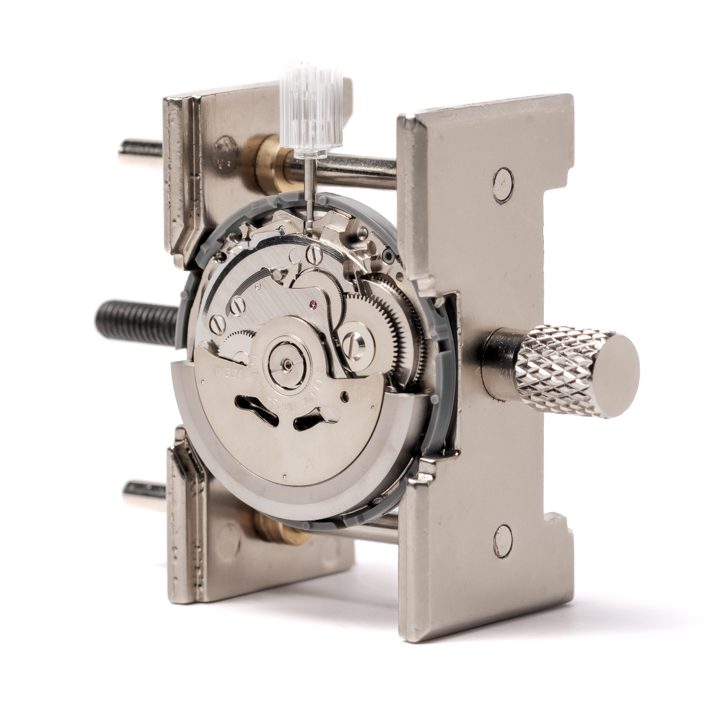
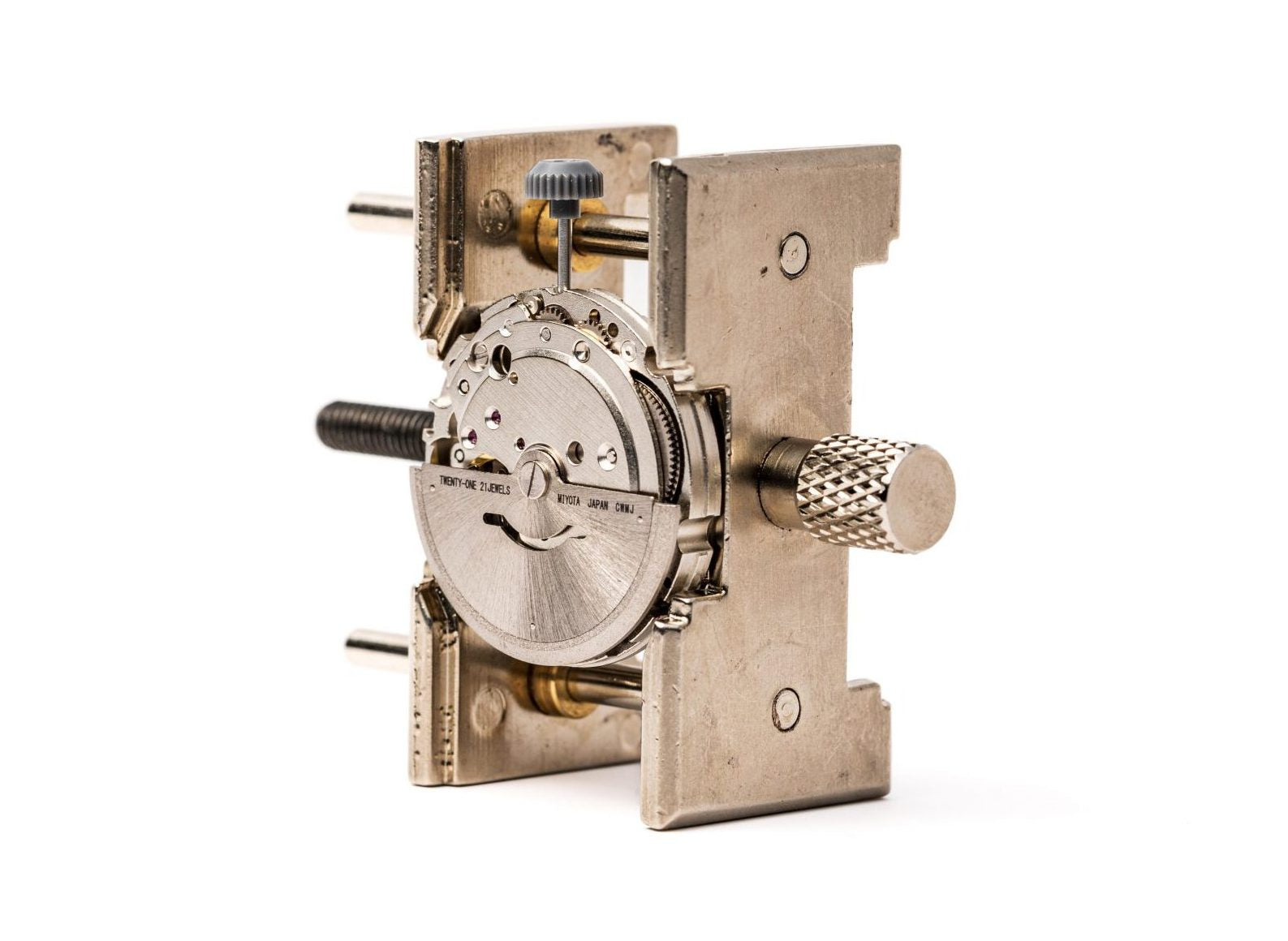
Modern pocket watch kits streamline the process without removing the satisfaction. You start with quality-checked parts from trusted manufacturers like Miyota. The movements come pre-assembled with 21 jewels and exhibition features that let you see the mechanics at work.
Your job? Assemble the dial, install the hands with precision, fit everything into the case, and ensure proper alignment. Still requires skill and patience, just not three years of apprenticeship.
Complete watchmaking kits include every tool you need: screwdriver, tweezers, spring bar tool, pliers, glue, and gloves. No hunting through hardware stores for obscure specialty tools.
The Hudson Pocket Watch Experience
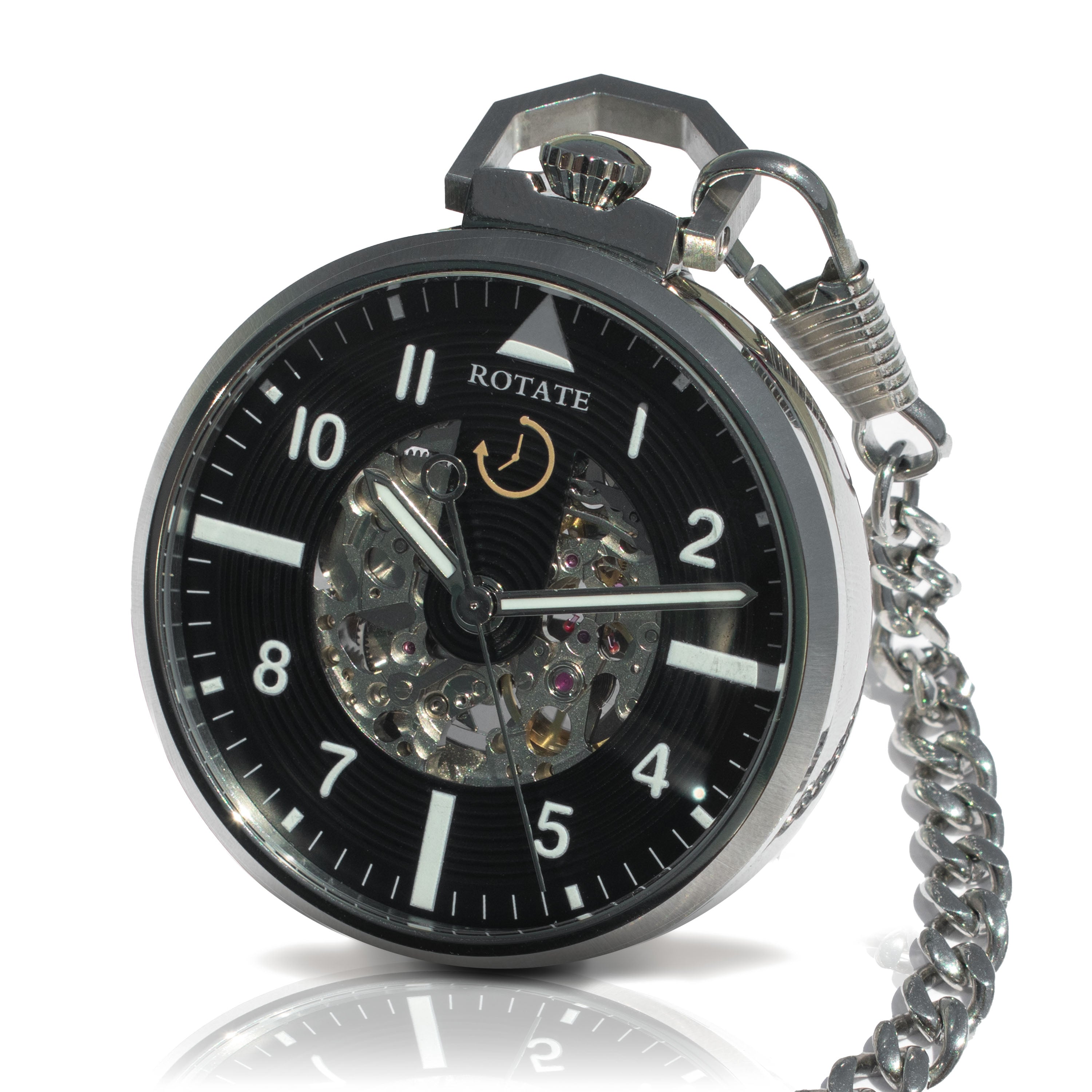
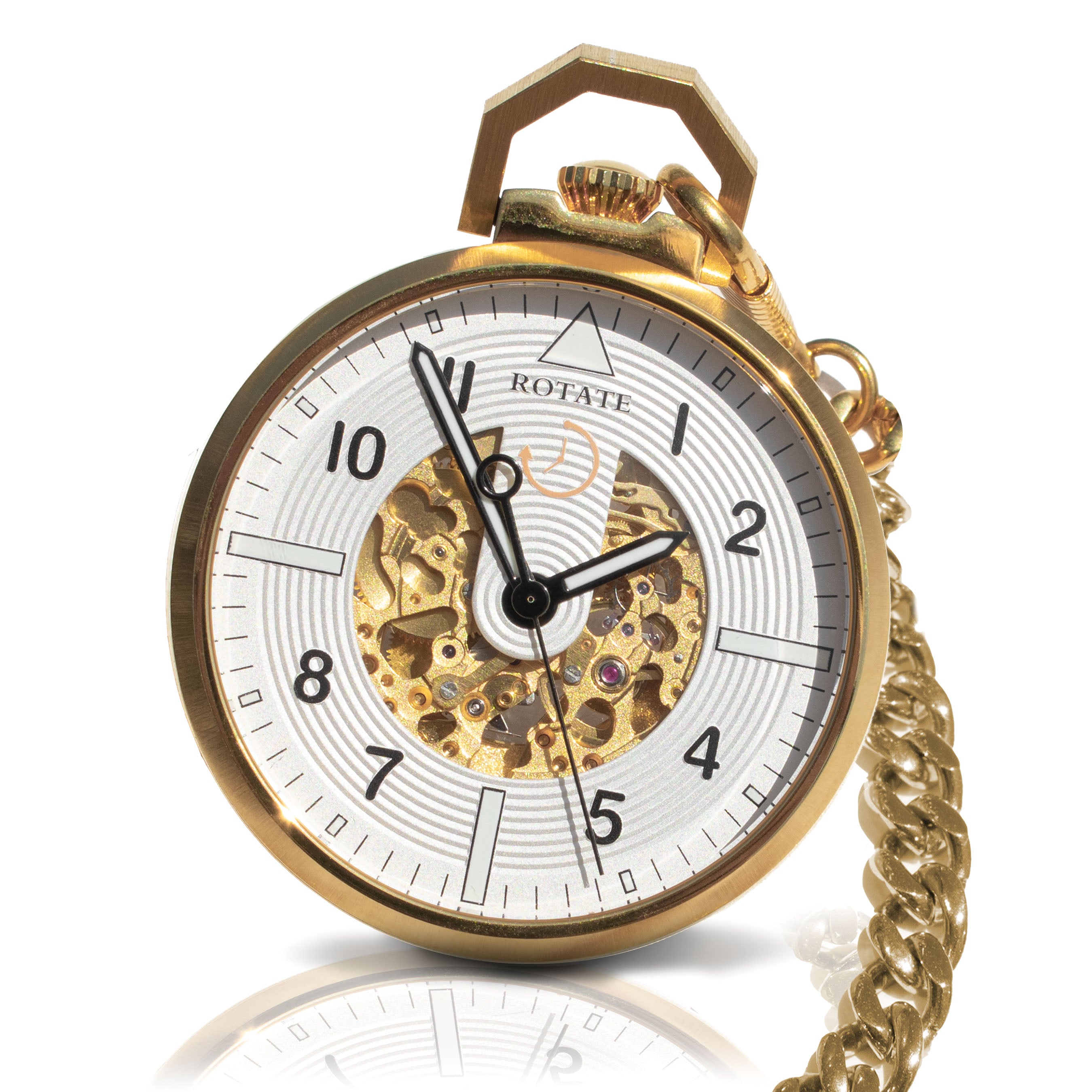
Building something like the Hudson pocket watch gives you that vintage aesthetic with modern reliability. The 47mm stainless steel case mirrors classic pocket watch proportions. The black skeleton dial exposes the automatic movement underneath, just like exhibition pocket watches from the golden age of watchmaking.
The Miyota 8N24 movement inside runs for over 40 hours on a full wind. Wind the crown clockwise until you feel gentle resistance, exactly as pocket watch owners have done for generations. The stainless steel chain clips to your belt loop or vest pocket.
Assembly takes 2-3 hours for first-timers. Detailed guides walk through each step with photos and videos. Pause whenever you need time to complete a section.
What Stays Traditional
Some aspects remain beautifully old-school. Hand installation still requires the same steady pressure and careful alignment that watchmakers practiced centuries ago. Case back fitting demands patience as you ensure proper sealing without forcing threads.
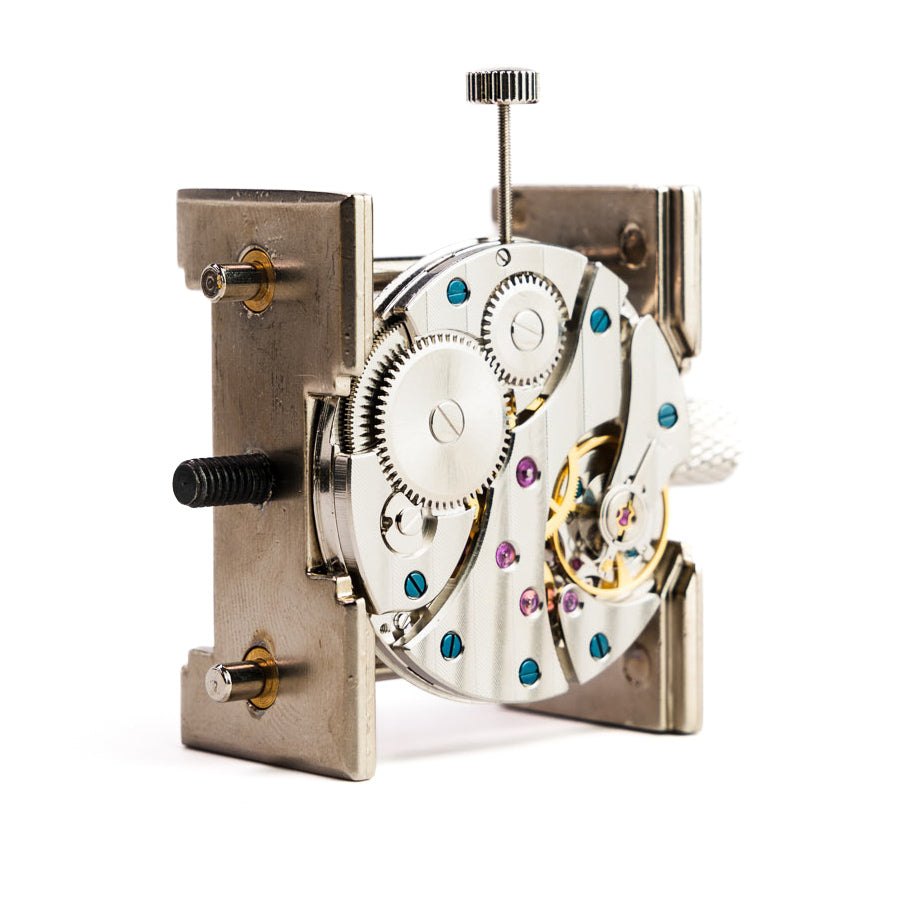
You'll develop an appreciation for mechanical precision. Watching gears mesh perfectly, seeing the balance wheel oscillate, feeling the crown engage as you wind the mainspring. All of that stays true to traditional watchmaking.
What's Easier Now
Support changes everything. Vintage watchmakers learned through trial, error, and sometimes ruining expensive components. Modern DIY watch kits come with lifetime warranties and 24/7 technical support.
Get stuck installing hands? Send a photo to the support team. Confused about case back alignment? Video chat walks you through the fix. No component gets wasted because you didn't know the trick.
Skills You Actually Learn
Building a mechanical pocket watch teaches you real watchmaking fundamentals. You'll understand how mainsprings store energy, how escapements regulate time, and how jeweled bearings reduce friction. Knowledge transfers to any mechanical timepiece.
Want to maintain your watch later? You already know how everything fits together. Need to replace a worn gasket? You've seen exactly where gaskets sit and how they seal.
The Honest Reality Check
You won't be hand-filing gear teeth or crafting springs from raw wire. Modern watch building uses manufactured components for consistency and reliability.
But you will be doing genuine watchmaking assembly. The precision work, the patience, the satisfaction of seeing a mechanical watch come to life in your hands, that's all authentic.
Time isn't just measured, it's built with your own hands.
Start your watchmaking journey with Rotate Watches, where complete DIY kits transform curiosity into craftsmanship.
Browse our collection to find your perfect match, from complete watch kits to intricate movement kits .
Your watchmaking story begins with a single screw. Start building today.
Frequently Asked Questions
Can complete beginners build pocket watches?
Yes. Pocket watch kits are designed for beginners. Detailed guides explain every step. Support helps if you get stuck.
How long does building take?
Expect 2-3 hours for your first build. Experienced builders complete the same watch in under an hour.
Will my pocket watch keep accurate time?
Modern movements like the Miyota 8N24 maintain accuracy comparable to vintage pocket watches. Expect variations of a few seconds per day.
Do I need special workspace?
A clean, well-lit table works perfectly. Soft surface like a towel protects small parts.
Can I service the watch myself later?
Absolutely. Building the watch teaches you how components fit together. Basic maintenance becomes straightforward.
What if I mess up during assembly?
Lifetime warranty covers defective parts. Support team guides you through fixes. Most issues involve simple adjustments.