
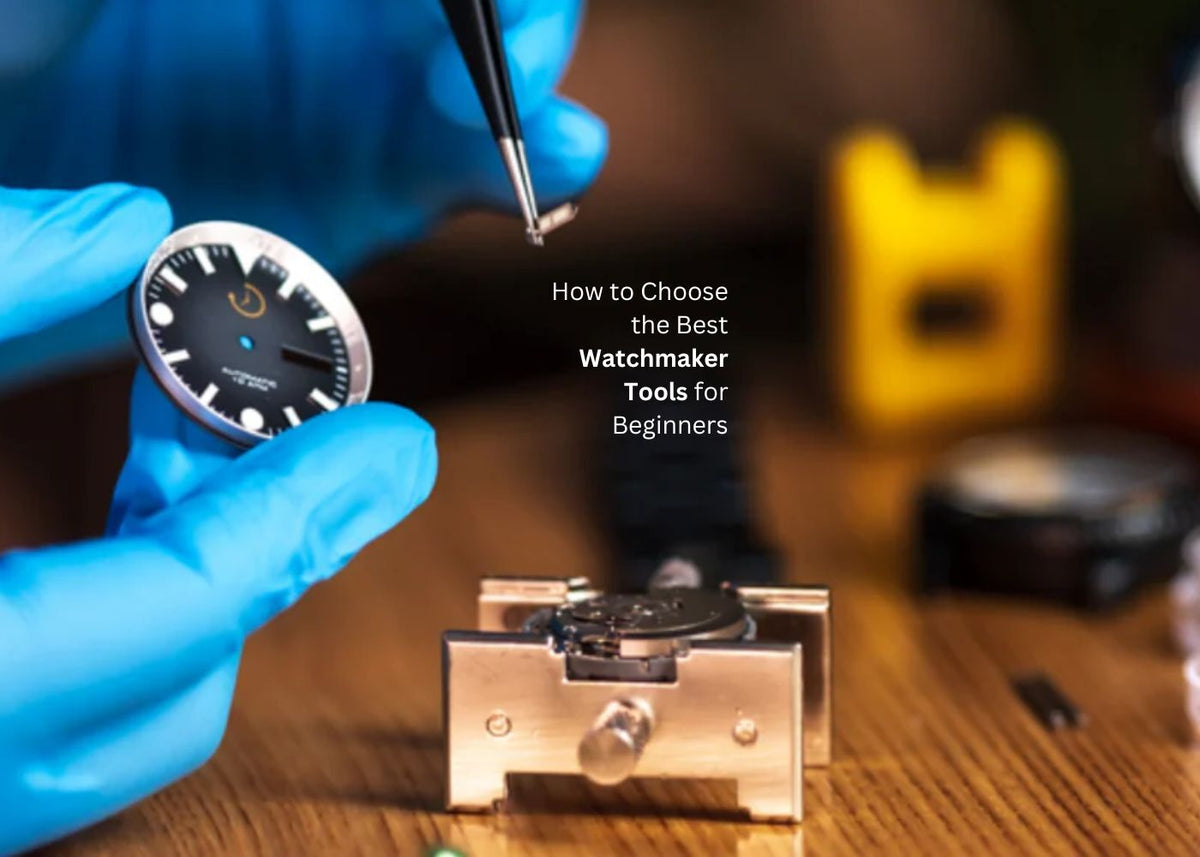
How to Choose the Best Watchmaker Tools for Beginners
Watchmaking is a craft that demands precision, patience, and the right tools. Whether you’re building your first watch or repairing a beloved timepiece, having reliable watchmaker tools is essential. With so many options available, knowing which tools are worth the investment can save both time and frustration.
Cheap, poorly made instruments slip on tiny screws and bend under light pressure. Starting with the right beginner's watchmaker tools sets a strong foundation for every project that follows.
Key Takeaways
- Precision, ergonomic design, durability, and completeness are the four pillars of a reliable tool set.
- Screwdrivers, tweezers, a spring bar tool, pliers, gloves, and a movement holder cover most beginner tasks.
- A loupe magnifier and case press are helpful additions once basic skills develop.
- Complete kits with all necessary tools reduce the hassle of sourcing parts individually.
How to Select the Best Watchmaker Tools?
Choosing the right watchmaking tools means looking beyond price tags and flashy packaging. Four qualities separate reliable instruments from ones that cause more problems than they solve. Focusing on these criteria prevents costly mistakes and unnecessary replacements.
Precision and Accuracy
Handling small parts requires tools that are precise and accurate. Look for watchmaker's tools with sharp, well-aligned tips. For example, high-quality tweezers allow you to grip tiny components securely without slipping.
Ergonomic Design
Comfort is important during detailed work. Tools with ergonomic designs fit comfortably in your hand, reducing fatigue during long sessions. A comfortable grip helps you focus on assembling or repairing your watch without distraction.
Durability and Quality Materials
Reliable tools for watches need to last through repeated use. Stainless steel resists wear and corrosion better than cheaper alloys. High-quality materials ensure tools maintain their precision over time.
Complete Tool Sets
Having all the tools you need at your fingertips is essential. A comprehensive watch makers tool kit provides instruments tailored for various tasks. Builders stay prepared and avoid pausing a project due to a missing tool. Complete watchmaking kits include movements, cases, dials, hands, and tools in a single package.
What Are the Essential Tools Every Beginner Needs?
A solid set of watchmaker's tool essentials covers six core instruments. Each one plays a specific role during assembly and maintenance. Most quality DIY kits bundle them together, which simplifies the starting process.
- Precision Screwdrivers that are used to tighten or loosen screws in the watch movement and case. A set with interchangeable heads is ideal for handling different screw sizes. Quality kits include a screwdriver matched to the movement, typically 1mm or 2mm depending on the caliber.
- Anti-Magnetic Tweezers are perfect for picking up and placing small components like screws, springs, and gears. The anti-magnetic feature prevents interference with the watch’s movement.
- Spring Bar Tool helps attach and detach watch straps without damaging the lugs or the strap itself.
- Precision Pliers are useful for adjusting bracelets, bending small metal parts, or holding components in place.
- Gloves help keep fingerprints and oils off the watch components, ensuring they stay clean and scratch-free.
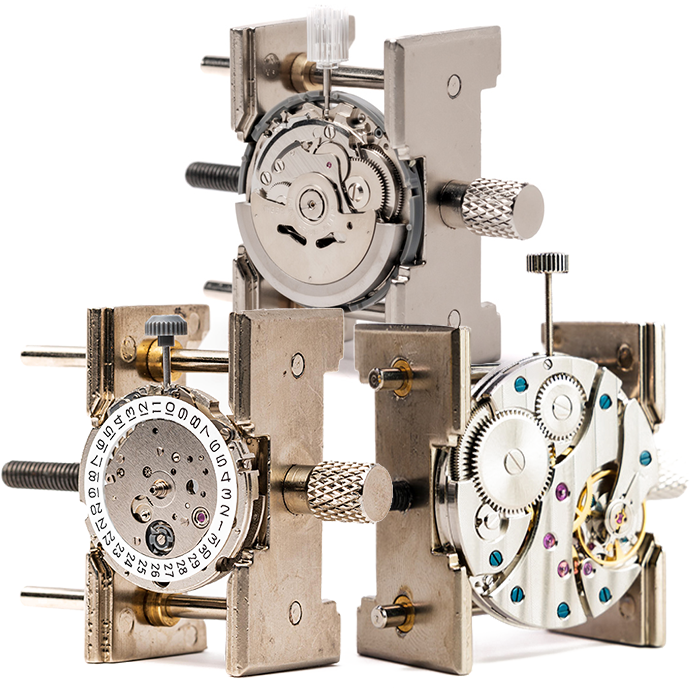
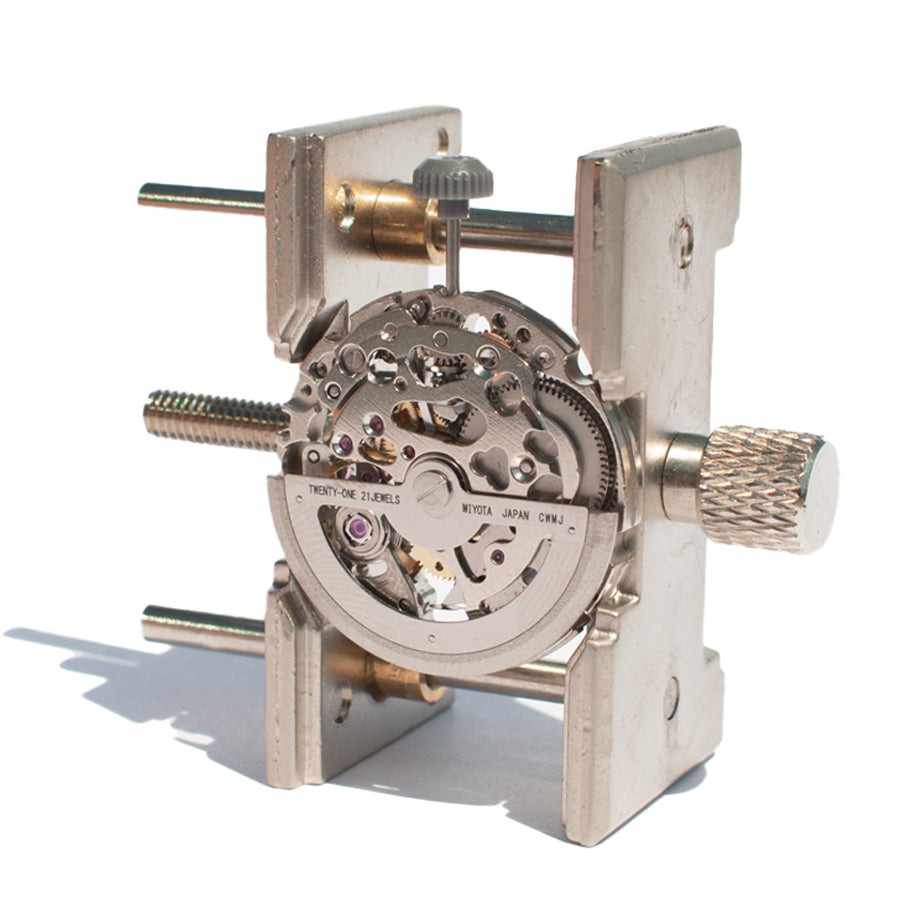
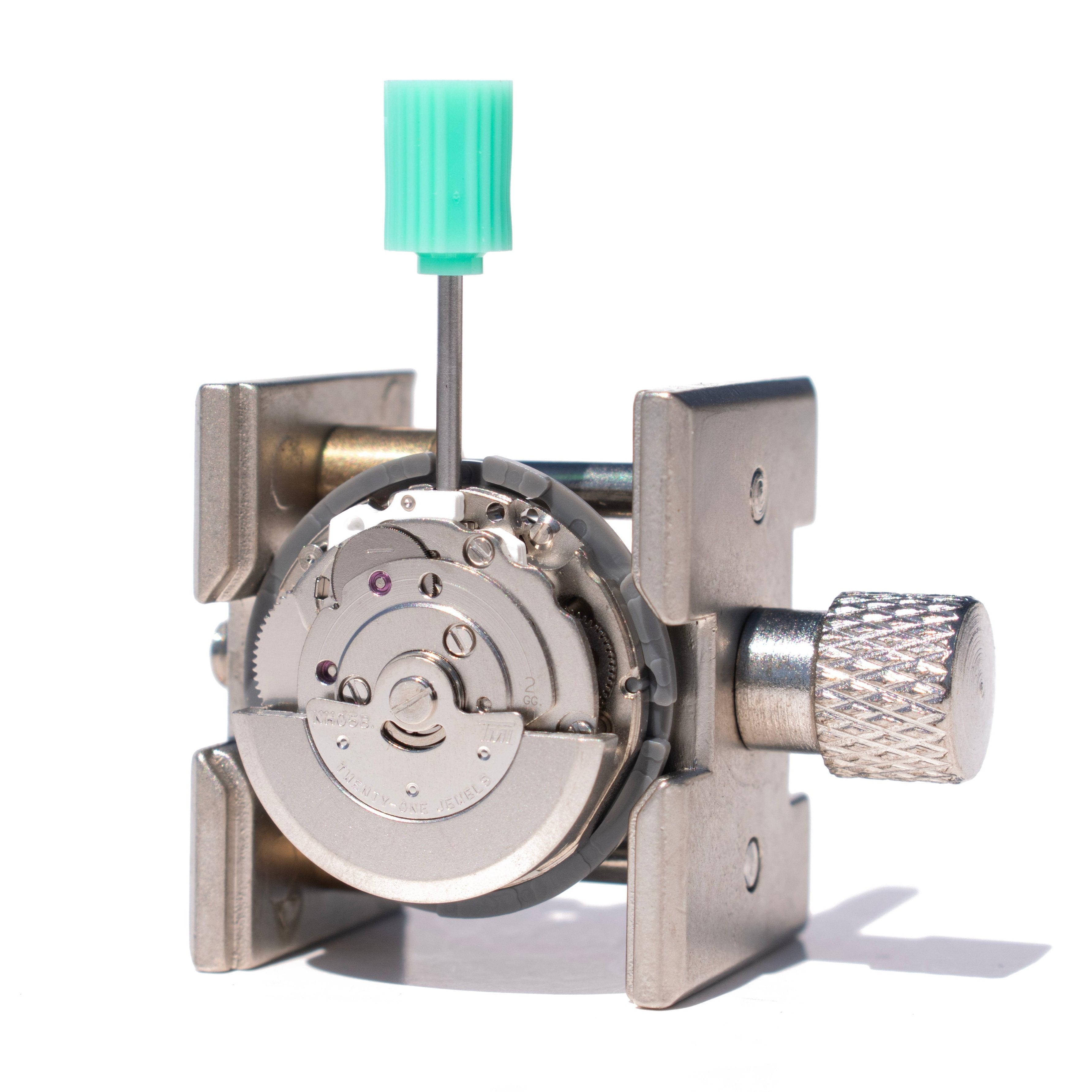
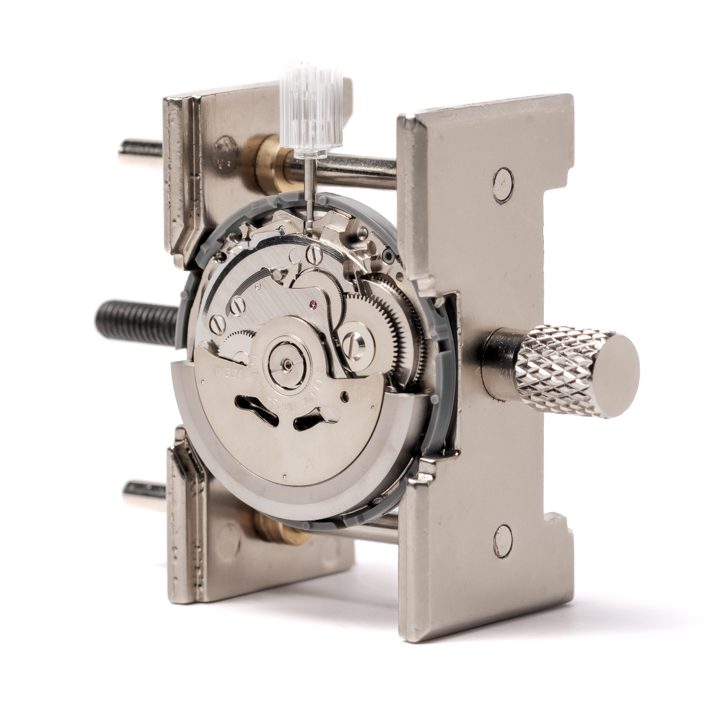
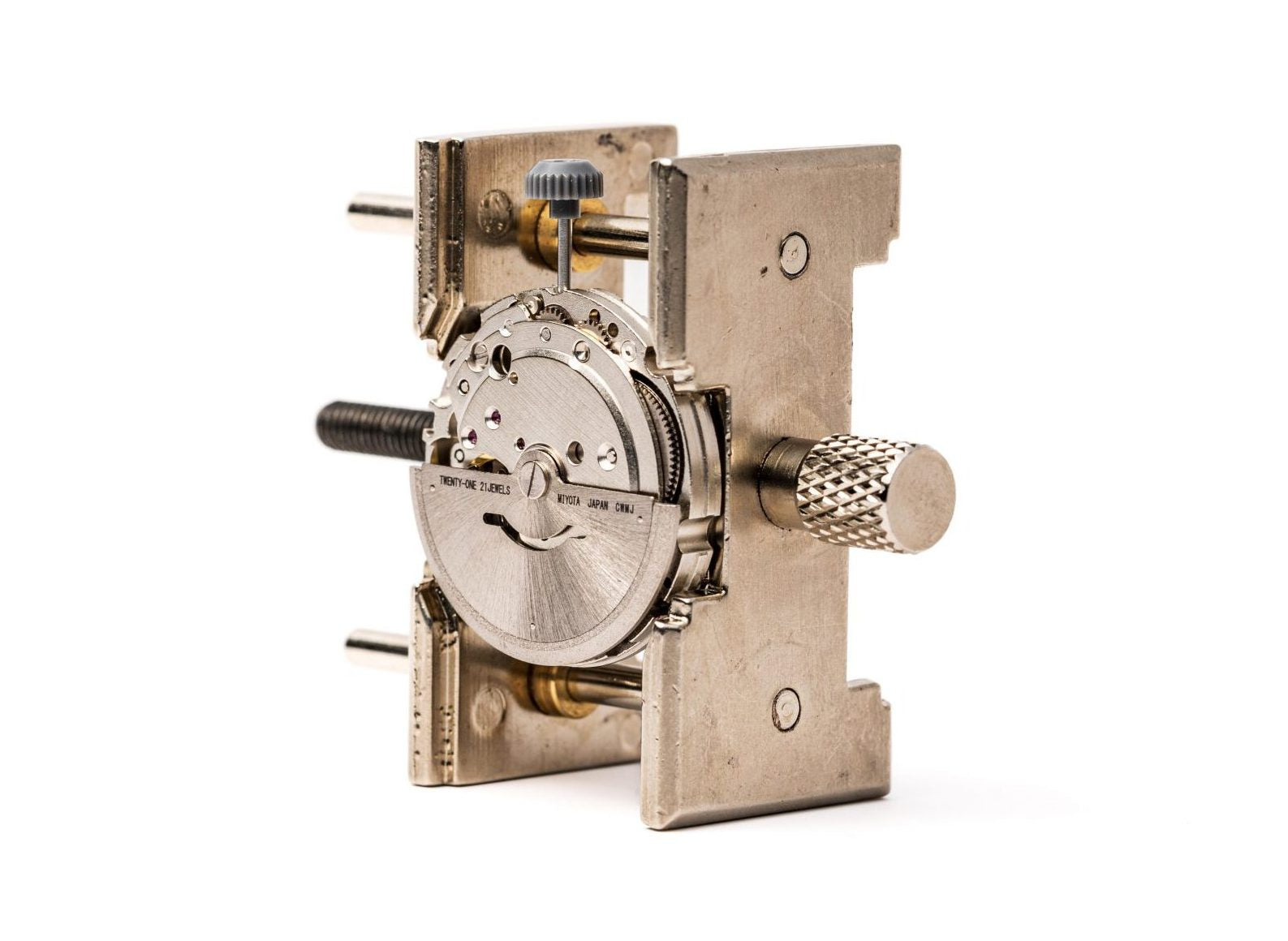
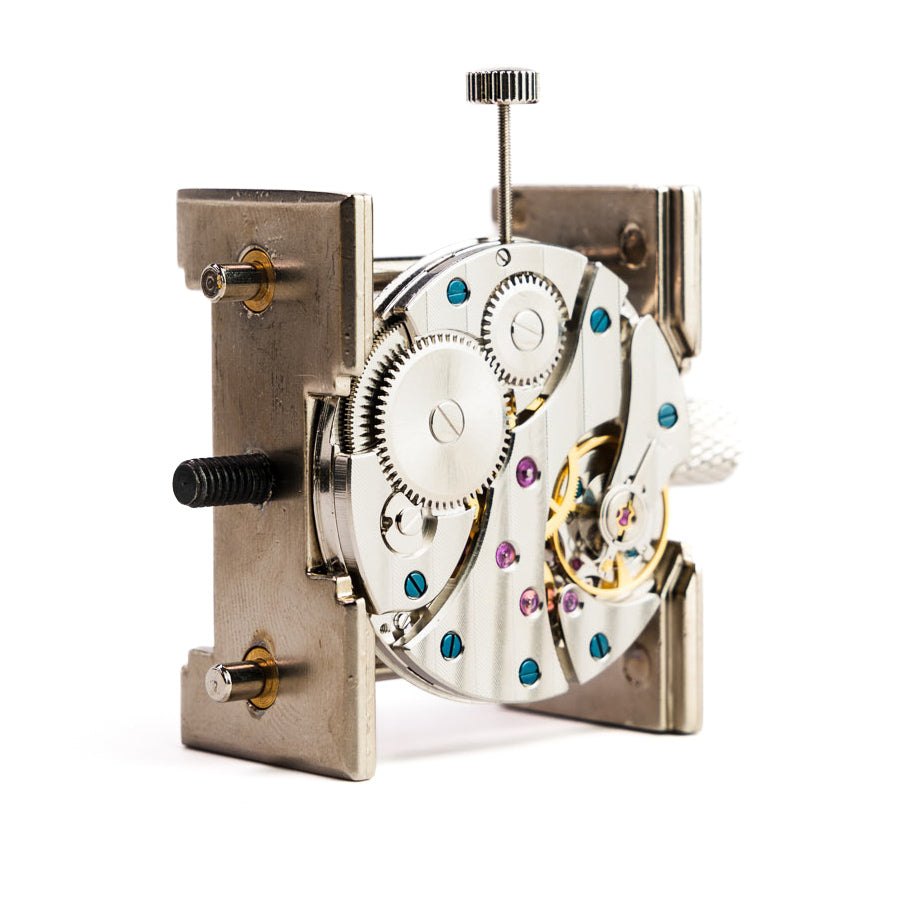
- A movement holder is an essential tool to have, if you’re working on the movement, a movement holder is an essential tool to have
- Other optional tools also include a loupe (easier to see) and a case press (if your watch features pressed parts and not just twist parts)
For a complete set of beginner-friendly tools, check out the Knight Watchmaking Kit or the Cabot Watchmaking Kit. Both kits include everything you need to get started.
What Role Does Magnification Play in Watch Assembly?
A loupe magnifier helps builders see small pivots, screw heads, and jewels during assembly. A 5x magnification loupe provides clear, detailed viewing with minimal distortion. Hands-free designs allow extended use without fatigue. The loupe is sold separately from most kits but is a worthwhile addition for anyone working on movement-level detail.
What Case Tools Should Beginners Consider?
A case press and case opener knife handle the two main case tasks: opening and closing. The opener knife features a specially designed dull blade that slips under the case back lip without scratching the finish. The case press uses interchangeable dies to close the case evenly across different watch sizes. Both tools work together to keep the case safe during the build process.
Why Do Complete Kits Make the Best Starting Point?
Sourcing individual tools from different vendors takes time and creates compatibility risks. A complete watchmaker's tool kit eliminates guesswork by including every tool matched to the specific movement and case.
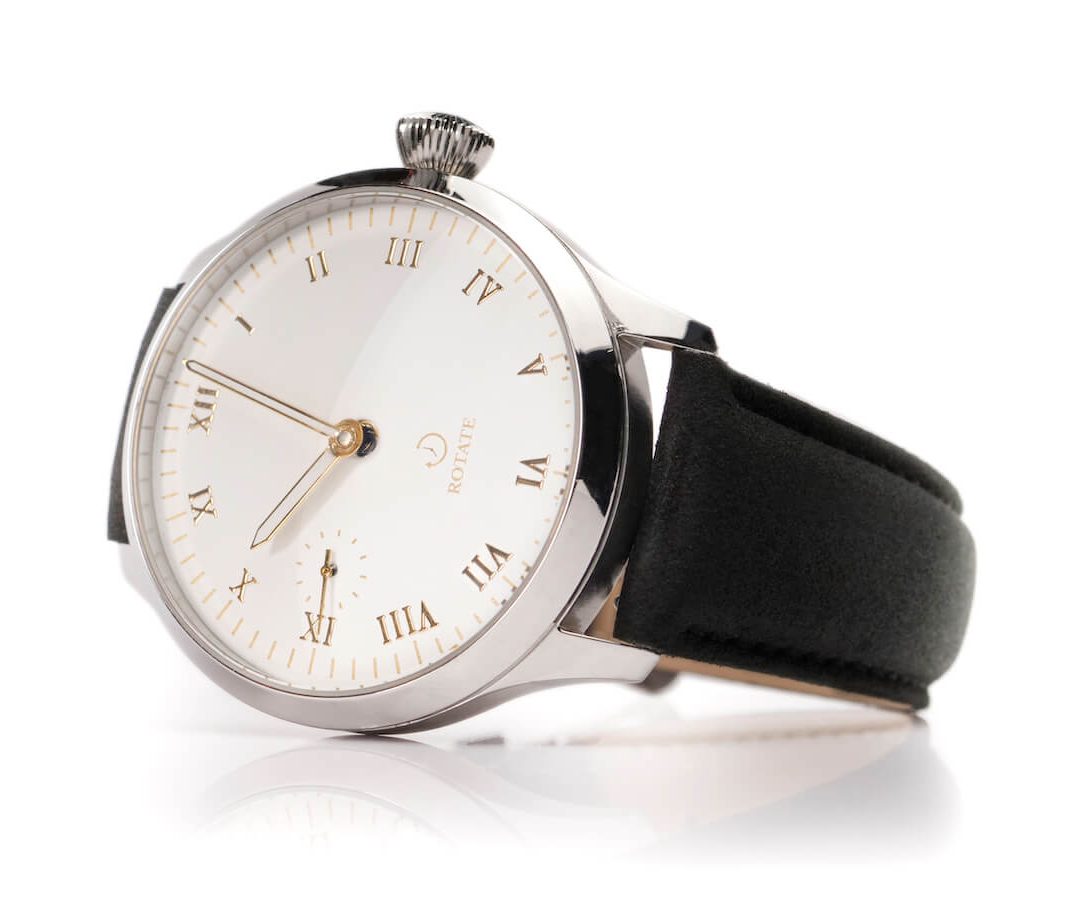
Beginner-friendly kits pair high-quality tools with detailed instructions and all components needed for a functional timepiece. Kits with hand-wound movement options teach fundamental mechanics through direct experience. The manual winding process connects builders physically to the mainspring. That direct connection builds deeper understanding of how mechanical watches work.
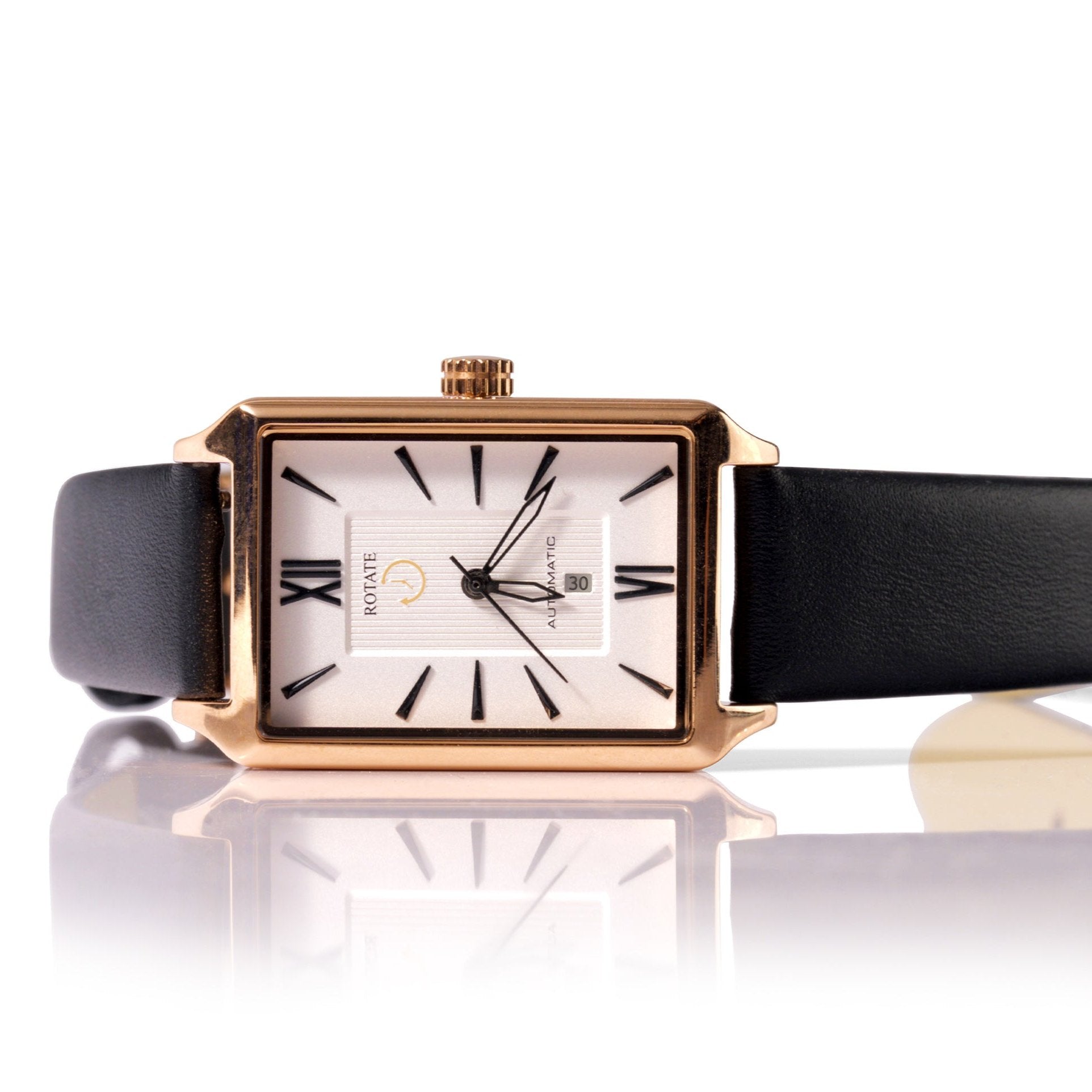
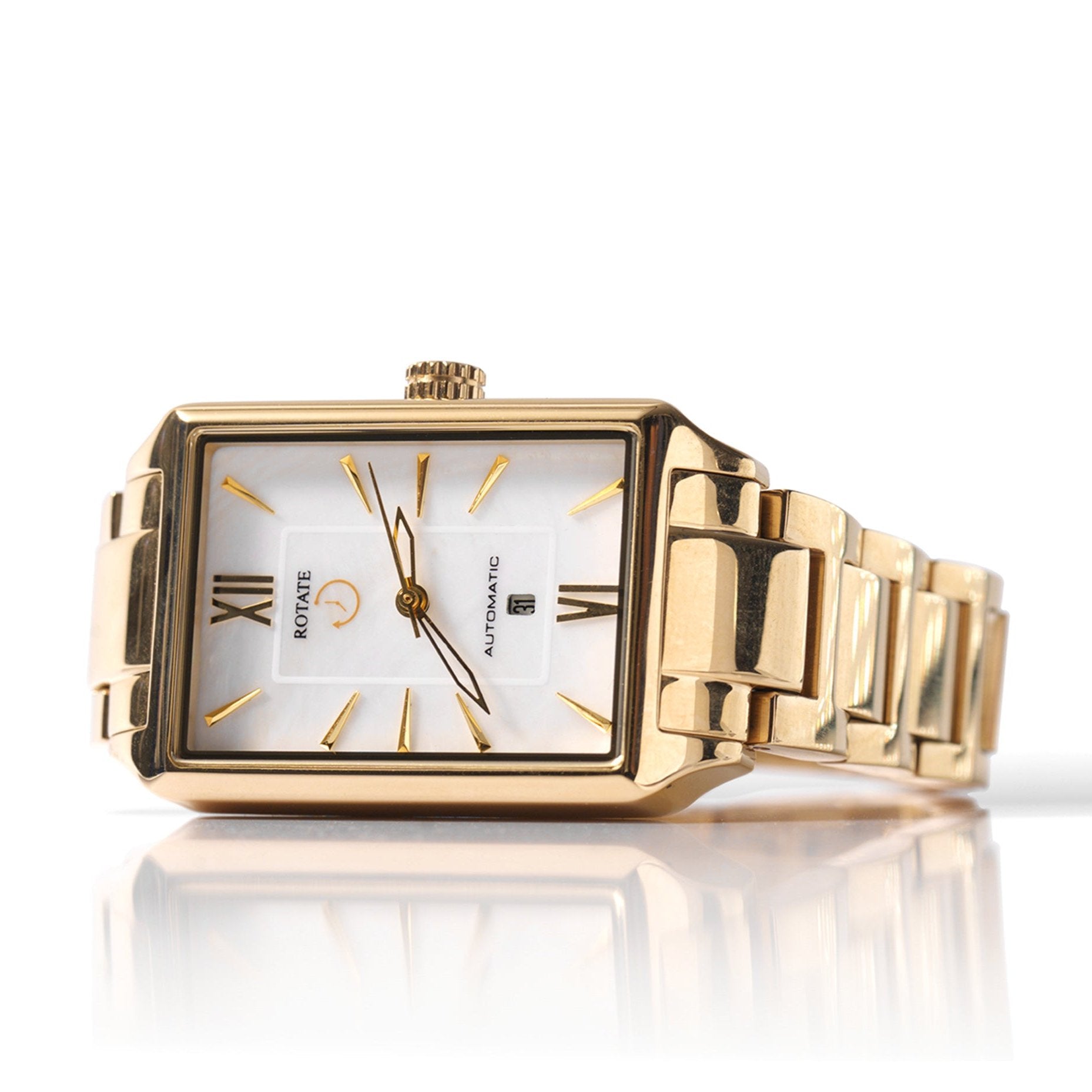
Rectangular case designs powered by smaller automatic movements provide a different building experience with compact components and unique styling.
What Mistakes Should Beginners Avoid?
New builders make the same handful of errors regardless of experience level. Avoiding these common pitfalls saves time, money, and frustration.
- Using household screwdrivers or kitchen tweezers damages screw heads and scratches polished surfaces. Purpose-built watchmaking tools grip correctly without slipping.
- Skipping magnification leads to misaligned hands and missed debris. A loupe catches problems that bare eyes cannot.
- Forcing components into place bends delicate parts. If a piece resists, the angle needs adjusting rather than more pressure.
- Not following the guide step by step causes missed steps. Taking photos during disassembly creates a reference for reassembly.
Why Rotate® Watchmaking Kits Are a Great Choice
At Rotate®, we make it easy for beginners to dive into watchmaking.
All our kits come with high-quality watchmaker tools, detailed instructions, and all the components you need to build a functional timepiece.
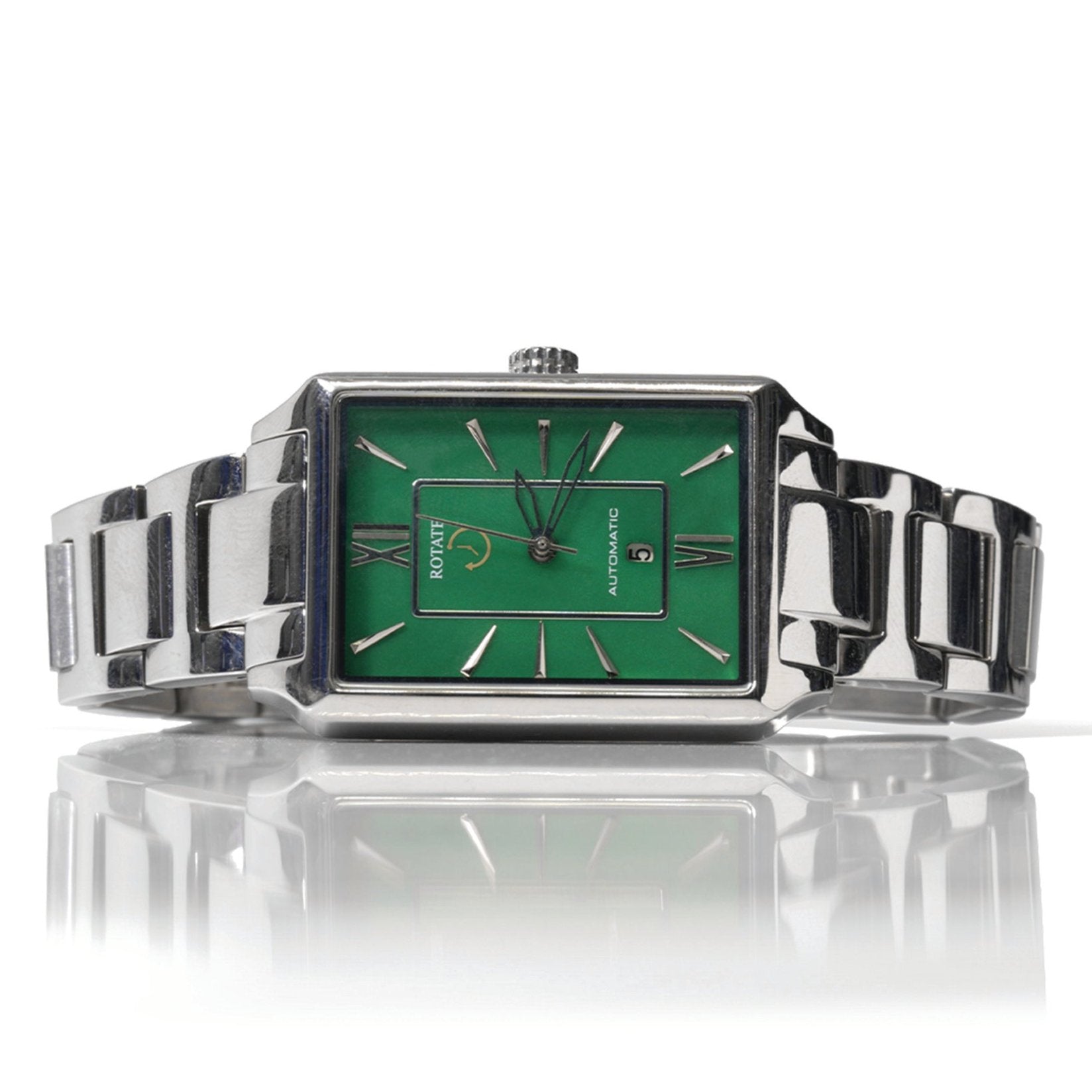
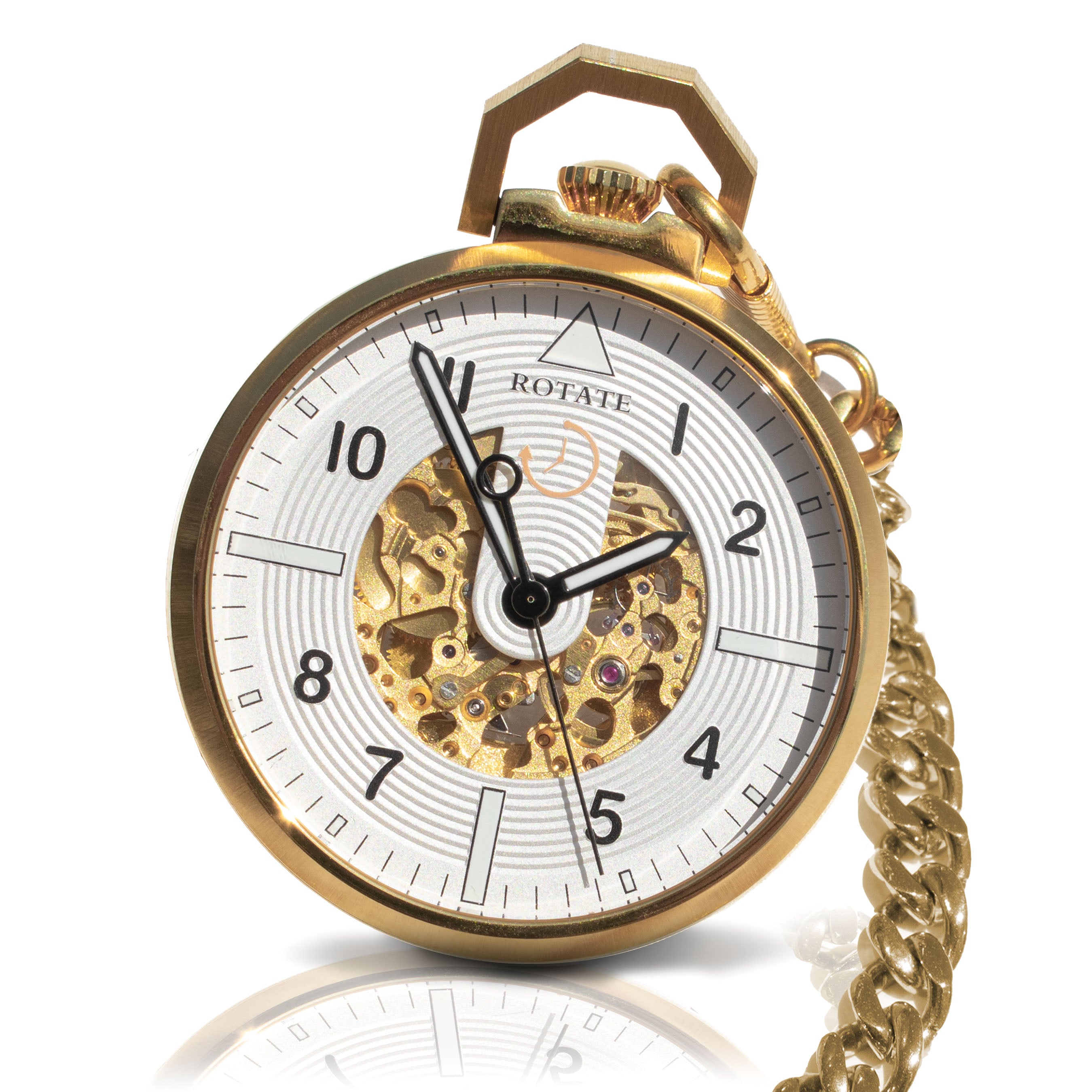
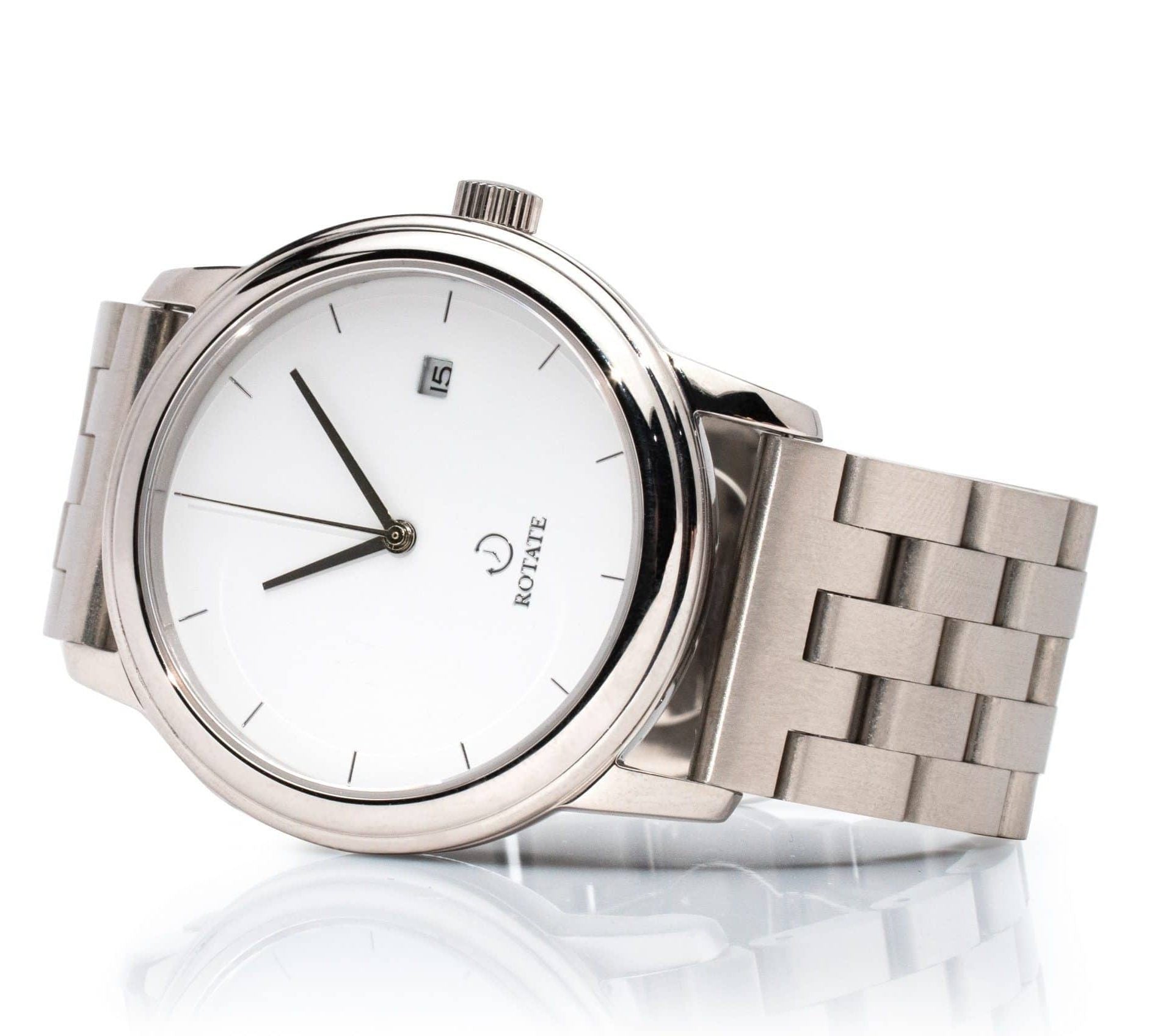
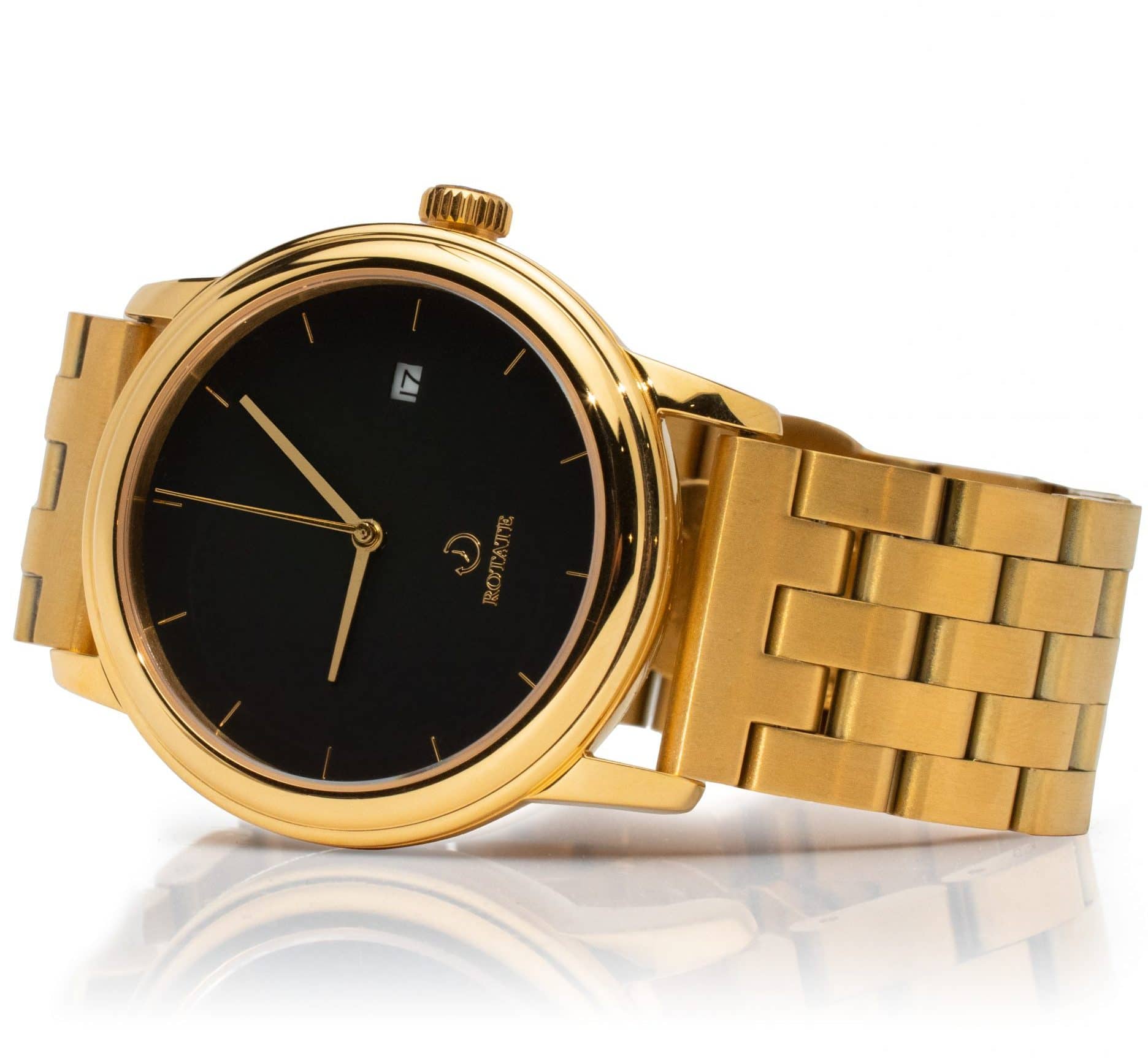
For example, the Knight Watchmaking Kit includes a sophisticated mechanical watch movement, a green mother-of-pearl dial, and all the tools required for assembly. It’s perfect for those who want to create a unique, handcrafted watch.
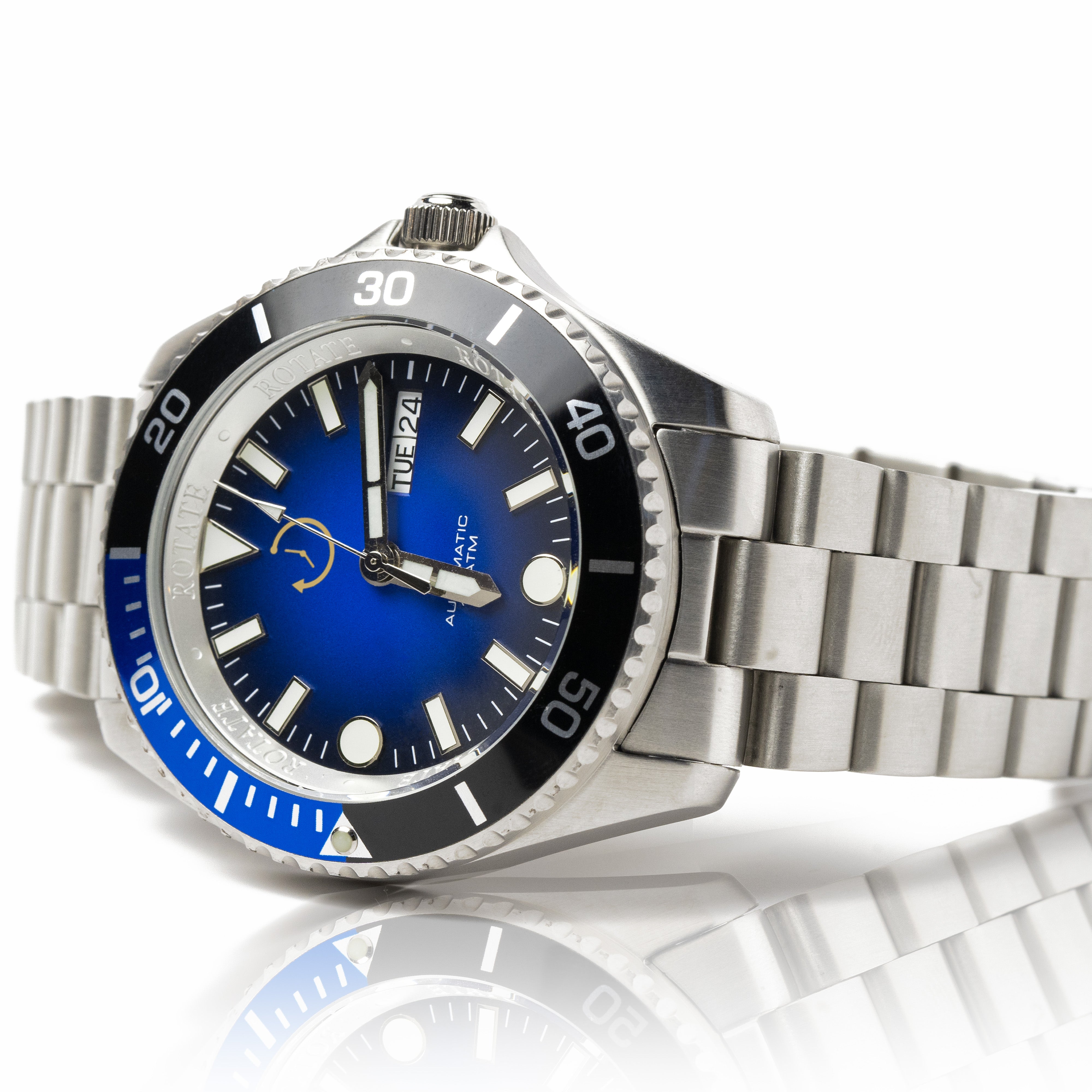
Similarly, the Cabot Watchmaking Kit is ideal for building a classic sports watch with a deep-sea blue dial. Both kits are beginner-friendly and come with gloves to keep your components clean.
Tips for Maintaining Your Watchmaker Tools
- After each use, wipe down your tools with a soft cloth to remove dust or debris.
- Store your tools in a clean, dry place to prevent rust or damage. A dedicated toolbox works best.
- Regularly inspect your tools for signs of wear, like bent tips or loose handles, and replace them as needed.
- Always use your tools for their intended purpose to avoid damage and ensure longevity.
Conclusion
Choosing the right watchmaker tools is the first step toward mastering the art of watchmaking. With the right tools, you can build, repair, and maintain timepieces with confidence and precision.
At Rotate®, we’re here to support your journey with high-quality kits and tools designed for beginners.
Ready to get started? Explore our collection of watch movement kits and find the perfect kit for your needs.
FAQs
Q. What’s included in a Rotate® watchmaking kit?
Each kit includes all the necessary tools, components, and detailed instructions to build your own mechanical watch.
Q. Can beginners use these kits?
Absolutely! Our kits are designed to be beginner-friendly, with varying difficulty levels to suit all skill sets.
Q. How long does it take to build a watch?
Assembly time varies, but it typically takes 1-2 hours for easy kits, 2-3 hours for medium kits, and 3-5 hours for hard kits.
Q. Do the kits include gloves?
Yes, all our kits include gloves to keep your components clean and scratch-free.
Q. Where are Rotate® kits shipped from?
All orders are assembled in our Los Angeles office and shipped from our US warehouses.