

What Is a GMT Watch and How Do You Use the Bezel?
If you travel across time zones or just need to keep track of a friend's schedule overseas, a GMT watch function handles it without pulling out your phone. The GMT complication has been a staple of travel watch GMT models since the 1950s, and understanding how it works is simpler than most people think.
At its core, a dual time watch like the GMT displays two time zones simultaneously using an extra hour hand and a 24-hour bezel. Once you learn the basics, reading a second (or even third) time zone becomes second nature. Here is a straightforward breakdown of what a GMT watch is and how to use one.
How a GMT Watch Works
A GMT watch looks a lot like a regular wristwatch at first glance. The difference is a few extra components that track additional time zones.
The Extra Hour Hand
The most visible feature of a GMT watch is the additional hour hand, often called the GMT hand. Unlike the standard hour hand that circles the dial twice per day (12 hours), the GMT hand makes one full rotation every 24 hours. The GMT hand is usually a different color or shape, like a bright arrow tip, to make it easy to distinguish from the regular hands.
The 24-Hour Bezel
Most GMT watches have a GMT bezel marked with numbers from 1 to 24. The bezel is often two-toned, with one color representing daytime hours (6 to 18) and the other representing nighttime hours (18 to 6). Unlike a dive watch bezel that rotates in one direction, a GMT bezel typically rotates both ways.
Why 24 Hours Instead of 12
A standard clock face shows 12 hours, so you need AM and PM to know if it is morning or night. A 24-hour scale eliminates that confusion. When the GMT hand points to 15, you instantly know it is 3:00 PM in that time zone, no guessing required.
How to Set a GMT Watch
Setting a GMT watch depends on the type of movement inside. Here is the most common method for modern GMT watches.
Step 1: Set Your Local Time
Pull the crown to the time-setting position and set the hour and minute hands to your current local time. Make sure the date is correct, too.
Step 2: Set the GMT Hand
On most modern GMT watches, pulling the crown to a different position lets you move the GMT hand independently. Set the GMT hand to the current time in your second time zone using the 24-hour scale on the bezel or dial.
- Point the GMT hand to the correct 24-hour marker
- Use the two-tone bezel colors to confirm day vs. night
- Check that the local time on the main hands has not shifted
Step 3: Use the Bezel for a Third Zone
Want a third time zone? Rotate the bezel until the correct offset aligns with the GMT hand. The bezel acts as a sliding scale, letting you read another time zone without changing any hand positions.
Practical Uses for a GMT Watch
GMT watches are not just for pilots anymore. The GMT watch function suits plenty of everyday situations call for dual-time tracking.
Staying Connected Across Time Zones
If you have family, friends, or business contacts in another country, a quick glance at the GMT hand tells you whether it is reasonable to call them. The two-tone bezel instantly shows whether they are in daytime or nighttime hours.
Travel Without the Jet Lag Math
When landing in a new time zone, adjust the local hour hand while the GMT hand stays locked on home time. No mental arithmetic needed. The watch does the conversion for you, so you always know what time it is back home.
Conclusion
A GMT watch is one of the most practical complications in watchmaking. The combination of a 24-hour hand and a rotating bezel lets you track two or three time zones at once, with no batteries or apps required.
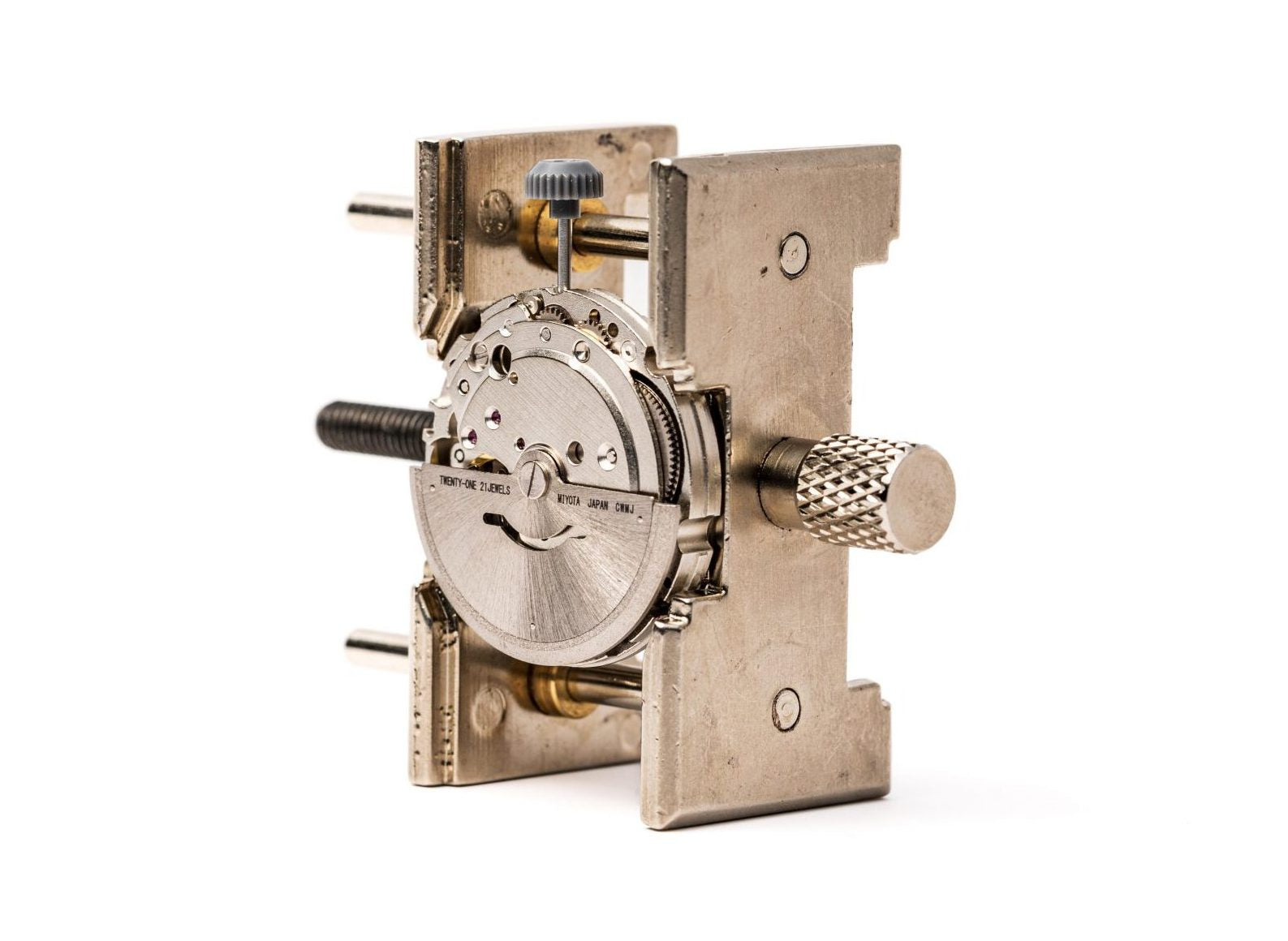
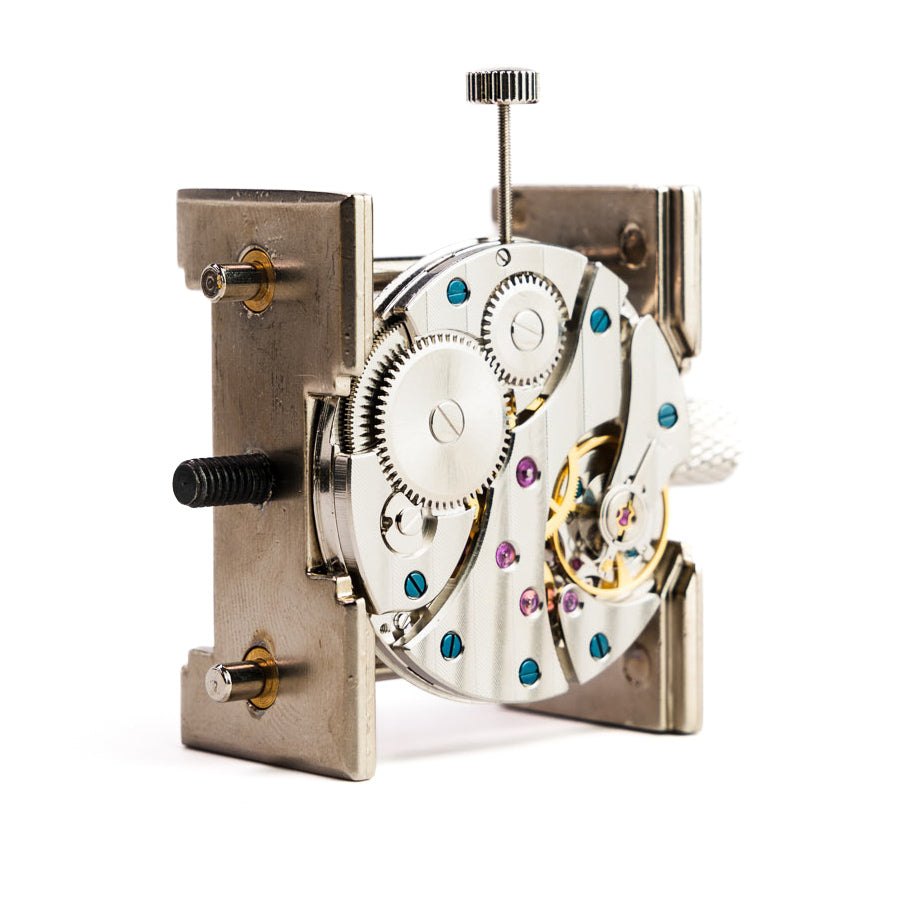
For anyone curious about how mechanical watches work under the hood, DIY watchmaking kits are a great way to explore the gears, springs, and components that make complications like GMT possible. A hand-wound watch movement kit lets you build a working watch from scratch — and hands-on assembly teaches movement mechanics better than any diagram.
Browse the full lineup of DIY watch kits to start your own watchmaking journey.
FAQs
Q1. What does GMT stand for?
GMT stands for Greenwich Mean Time, the time standard based at the Royal Observatory in Greenwich, London. GMT watches use this as a reference point for tracking multiple time zones.
Q2. Can a GMT watch track three time zones?
Yes. The main hands show local time, the GMT hand shows a second zone, and rotating the bezel lets you read a third time zone.
Q3. Do I need to wind a GMT watch?
Automatic GMT watches wind themselves through wrist movement. Manual-wind GMT watches require periodic hand winding, typically once a day.
Q4. Is a GMT watch good for everyday wear?
Absolutely. A GMT functions as a normal watch when you only need local time. The extra hand and bezel are there when you need them.
Q5. Why are GMT bezels usually two colors?
The two colors divide the 24-hour scale into daytime and nighttime hours, making it easy to see at a glance whether a time zone is in AM or PM.
Q6. Who invented the GMT watch?
Glycine introduced the Airman in 1953, making it the first watch with a 24-hour rotating bezel for tracking multiple time zones. Rolex followed in 1954 with the GMT-Master, developed for Pan Am airline pilots, which became the most widely recognized GMT watch in history.