

What Is a Pilot Watch and Why Is It Popular?
Pilot watches combine oversized dials, high contrast markers, and specialized timing functions. Originally designed for aviators navigating without modern electronics, the style evolved into one of watchmaking's most enduring designs.
Core Pilot Watch Features
Maximum Legibility
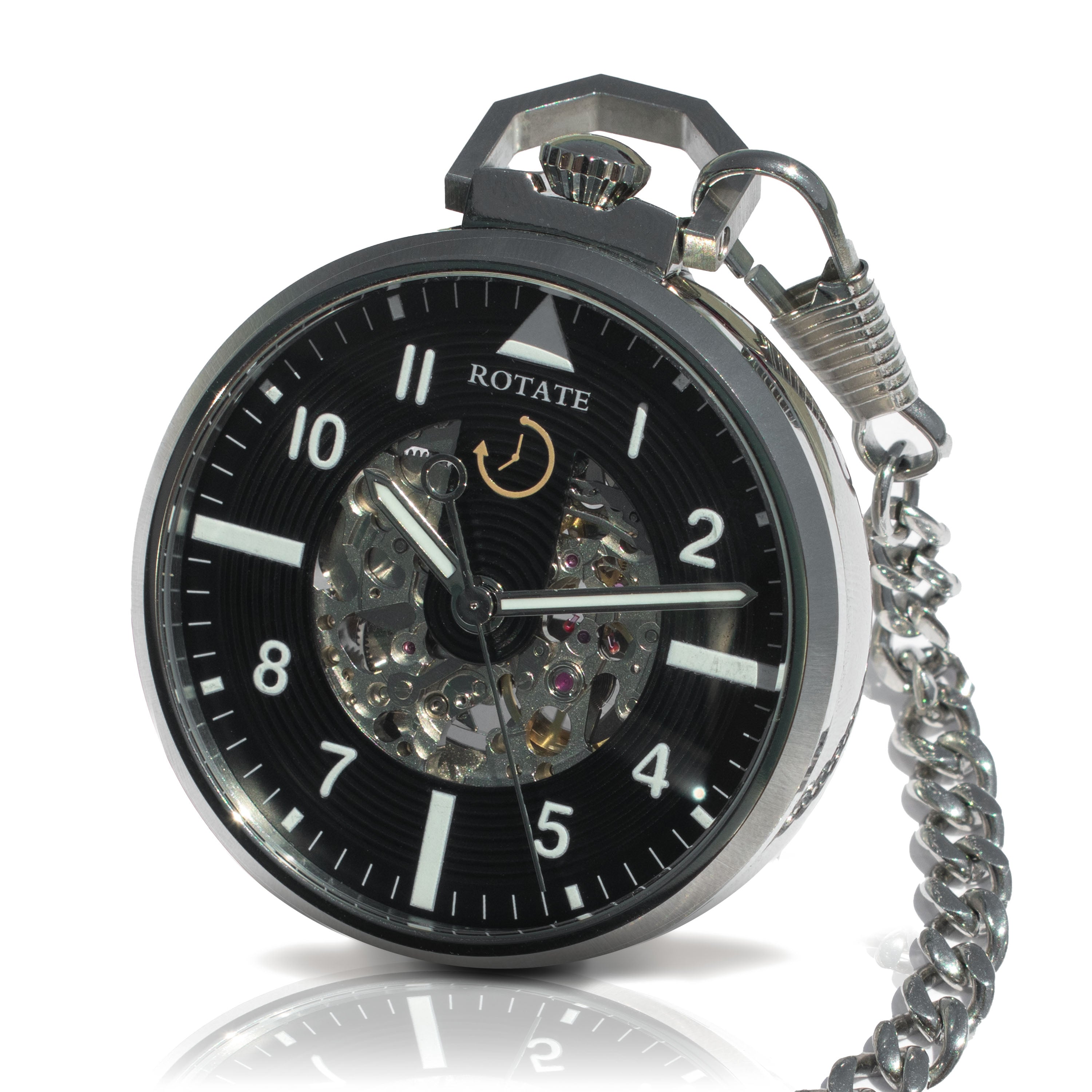
Large dials measuring 40mm to 47mm provide instant readability. High contrast between dial and hands ensures visibility in varied lighting. Arabic numerals replace subtle indices, creating clear time indicators pilots could read during flight maneuvers.
Luminous material coats hands and markers for nighttime visibility. Early pilot watches used radium-based luminous paint. Modern versions use Super-LumiNova, which charges from light exposure and glows for hours in darkness.
Anti-reflective crystal coatings eliminate glare from instrument panels or sunlight. Multiple coatings on both crystal surfaces reduce reflections to under 1%. Clear visibility matters when checking the time while managing aircraft controls.
Oversized Crowns
Large crowns allowed pilots to wind and adjust watches while wearing thick gloves in unheated cockpits. The crown typically measures larger than standard watch crowns, with onion or conical shapes providing grip.
Modern pilot watches retain oversized crowns as design heritage even though heated cockpits eliminated the practical need. The feature identifies pilot watch styling at a glance.
Rotating Bezels
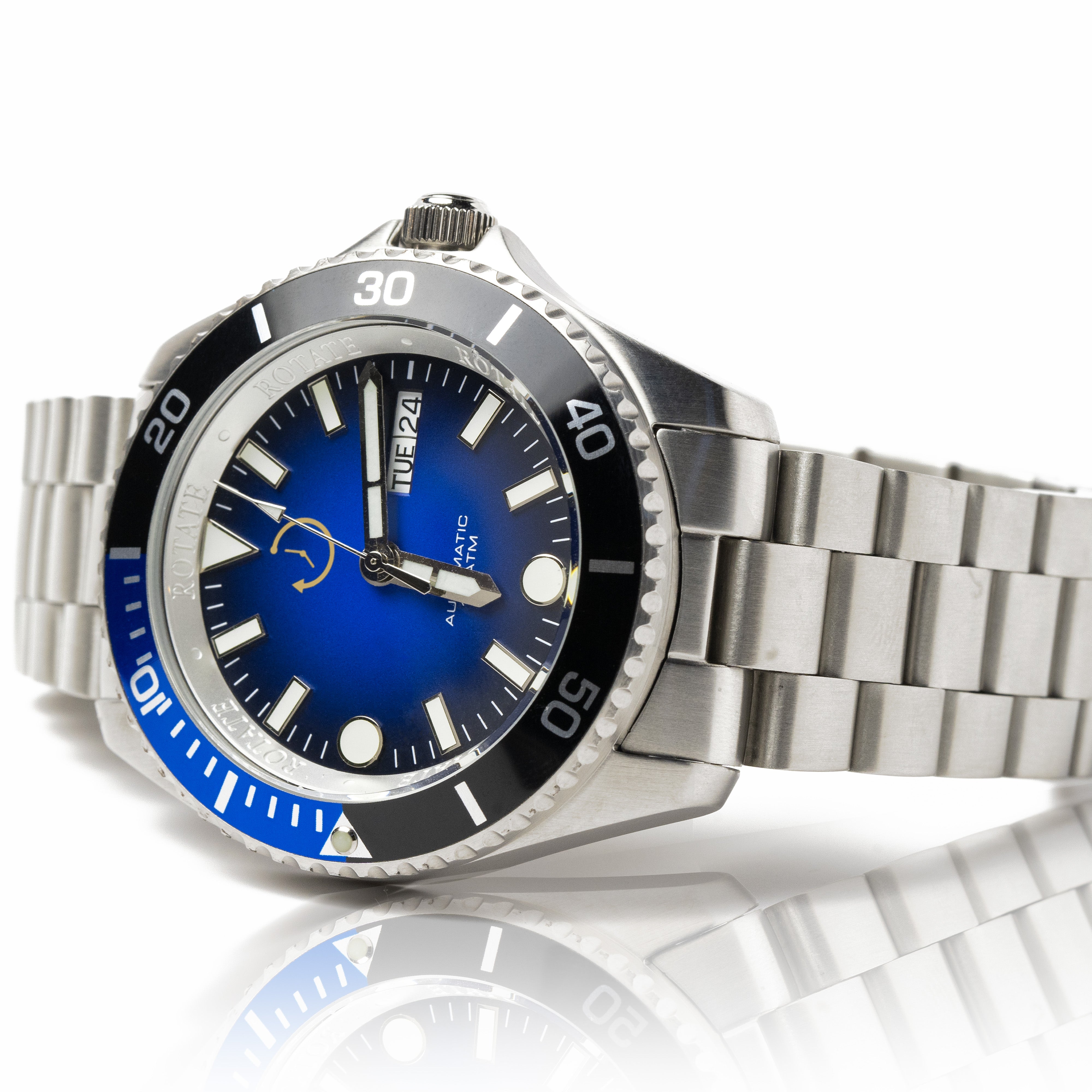
Bidirectional rotating bezels track elapsed time during flight segments. Pilots mark specific times by rotating the bezel to align markers with the minute hand position. The feature aids navigation timing and fuel consumption calculations.
Some bezels include 24-hour markers for dual time zone tracking. The rotating outer ring allows quick reference without complex calculations or crown manipulation.
Aviation-Specific Complications
GMT Function
GMT (Greenwich Mean Time) complications display multiple time zones simultaneously. An additional hand completes one rotation every 24 hours instead of 12, tracking a second timezone.
Commercial pilots crossing multiple time zones need a reference to the home base time and the destination time. The GMT hand provides this information without requiring mental calculation during demanding flight phases.
Chronograph Timing
Chronographs measure elapsed time using independent stopwatch functions. Pushers start, stop, and reset the chronograph hands without affecting regular timekeeping.
Pilots time flight segments, calculate fuel burn rates, and measure navigation waypoints using chronograph functions. The complication transforms watches into precision timing instruments beyond simple hour indication.
Flyback chronographs reset and restart instantly with a single pushbutton. The feature saves time when timing consecutive flight segments or navigation points.
Slide Rule Bezels
Complex slide rule bezels perform multiplication and division calculations. Pilots calculate fuel consumption, airspeed, distance traveled, and conversion between measurement units.
The Breitling Navitimer made slide rule bezels famous, creating intricate dial designs synonymous with pilot watches. Modern avionics eliminated the practical need, but the aesthetic remains iconic.
Historical Development
Early Aviation Needs
Alberto Santos-Dumont requested the first pilot watch from Louis Cartier in 1904. The Santos featured a square case and leather strap, allowing time checks without removing hands from aircraft controls.
Early aviation lacked reliable cockpit instruments. Pilots depended entirely on wristwatches for navigation, timing, and fuel calculations. Accuracy literally determined survival during long-distance flights.
Military Evolution
World War I accelerated pilot watch development. Military specifications demanded durability, accuracy, and legibility under combat conditions. Manufacturers like IWC, Laco, and Hanhart produced watches meeting strict military standards.
German Flieger watches from World War II established the minimalist pilot aesthetic still popular today. Simple dials, large numbers, and triangle indices at 12 o'clock characterized the design language.
Post-War Commercialization
Commercial aviation expanded after World War II, creating demand for pilot watches among civilian pilots. Brands adapted military designs for commercial markets while adding complications like GMT functions and chronographs.
The 1950s introduced landmark models, including the Breitling Navitimer (1952), Glycine Airman (1953), and Rolex GMT-Master (1954). These watches defined modern pilot watch categories.
Why Pilot Watches Remain Popular
Versatile Design
Pilot watches work with casual and formal attire. The large proportions suit various wrist sizes. Clean dials avoid excessive decoration, creating understated elegance despite substantial sizing.
The style pairs well with leather jackets, business suits, and outdoor gear. Versatility explains why non-pilots adopt pilot watch aesthetics for daily wear.
Tool Watch Heritage
Pilot watches represent genuine tool watch design serving specific purposes. Unlike dress watches, prioritizing appearance, pilot watches solve real problems through thoughtful engineering.
Watch enthusiasts appreciate authentic tool watch heritage. Building your own watch kit connects you to a similar utilitarian design philosophy.
Mechanical Appeal
Most pilot watches use mechanical movements rather than quartz. The automatic or hand-wound movements appeal to enthusiasts valuing traditional watchmaking over battery power.
Understanding mechanical movements reveals why tool watches choose this technology. Mechanical reliability in extreme conditions matters when electronics might fail.
Readable Simplicity
Pilot watch dials prioritize function over decoration. The stripped-down aesthetic creates calm clarity rather than visual chaos. Simple time display with useful complications balances complexity and legibility.
Modern minimalist design trends align perfectly with the pilot watch philosophy established decades ago.
Aviation Romance
Pilot watches connect wearers to aviation's pioneering spirit. The watches evoke images of leather jackets, goggles, and open cockpits. Even those who never fly appreciate the adventurous connotations.
The romance factor drives collector interest beyond practical considerations. Owning pilot watches connects you to aviation history without requiring a pilot's license.
Modern Interpretations
Contemporary Materials
Modern pilot watches use titanium cases, reducing weight while maintaining durability. Ceramic bezels resist scratching better than metal. Sapphire crystals provide superior scratch resistance compared to acrylic.
Advanced materials improve performance while maintaining traditional aesthetics. The watches look vintage but perform with modern reliability.
Enhanced Water Resistance
While not the primary concern for pilots, modern pilot watches often feature 100m to 200m water resistance. The sealing protects movements during daily wear, including rain, hand washing, and swimming.
Building water-resistant watches teaches you how case construction and gasket placement create sealed environments for delicate mechanisms.
Digital Integration
Some modern pilot watches integrate digital features alongside mechanical movements. Hybrid designs offer GPS tracking, altitude measurement, and digital chronograph displays while maintaining a mechanical time display.
The combination serves pilots needing advanced features without abandoning mechanical watch aesthetics.
Build Functional Timepieces
Understanding pilot watch features deepens appreciation for tool watch design philosophy. Hands-on watchmaking reveals how every design choice serves specific purposes.
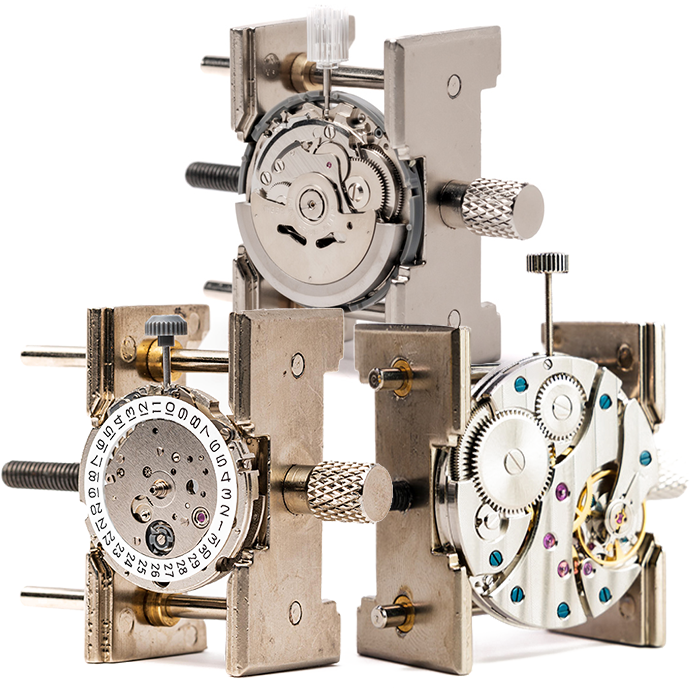
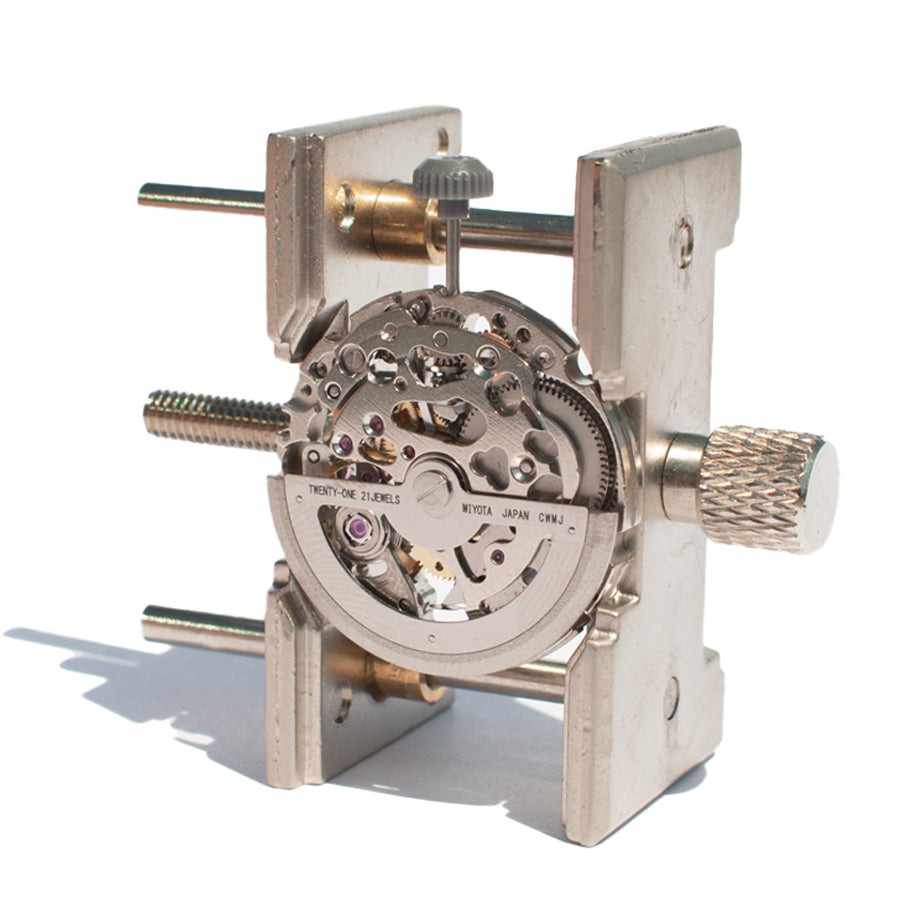
Rotate Watches offers complete watchmaking kits, teaching mechanical watch assembly through actual building experience. You create functional timepieces while learning traditional watchmaking principles.
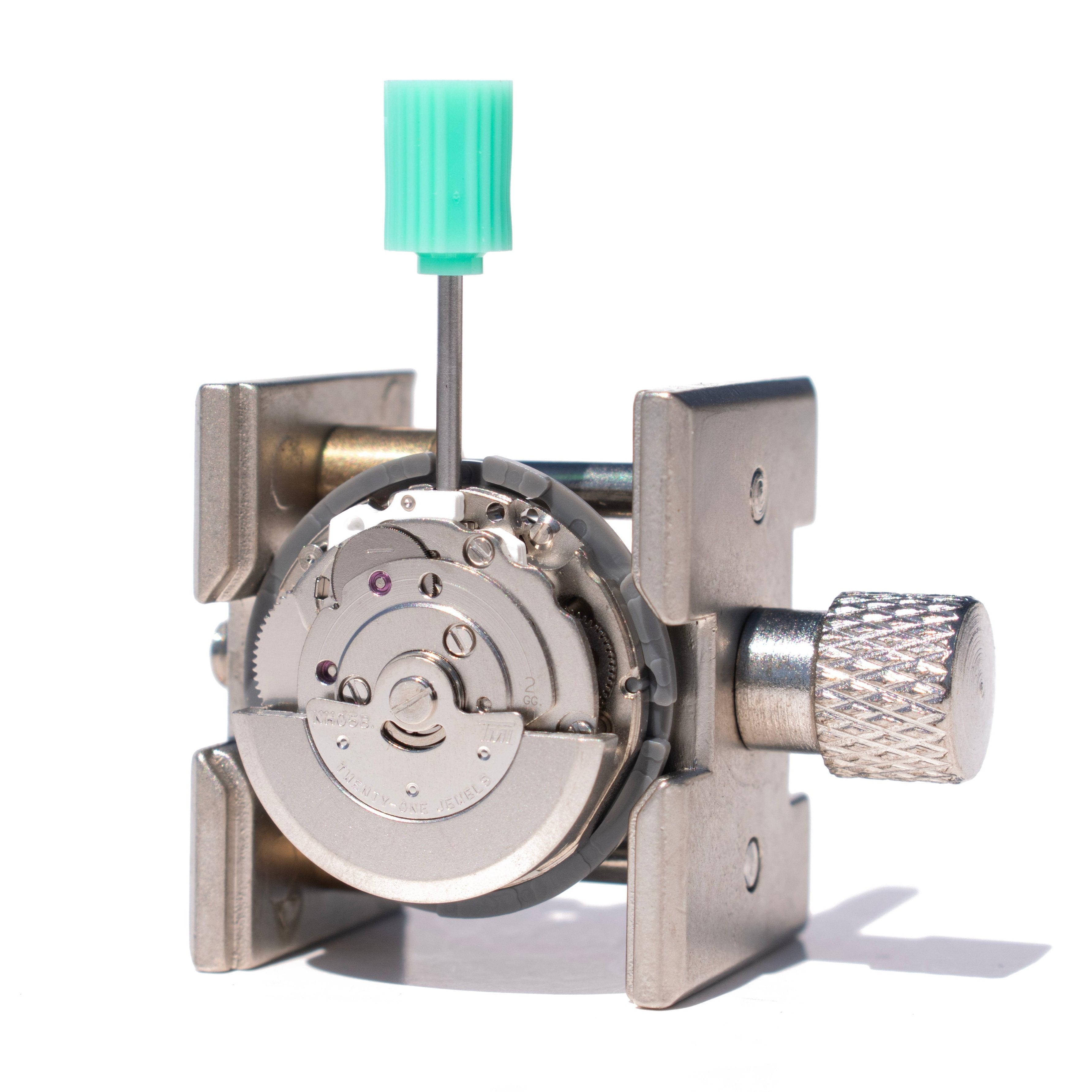
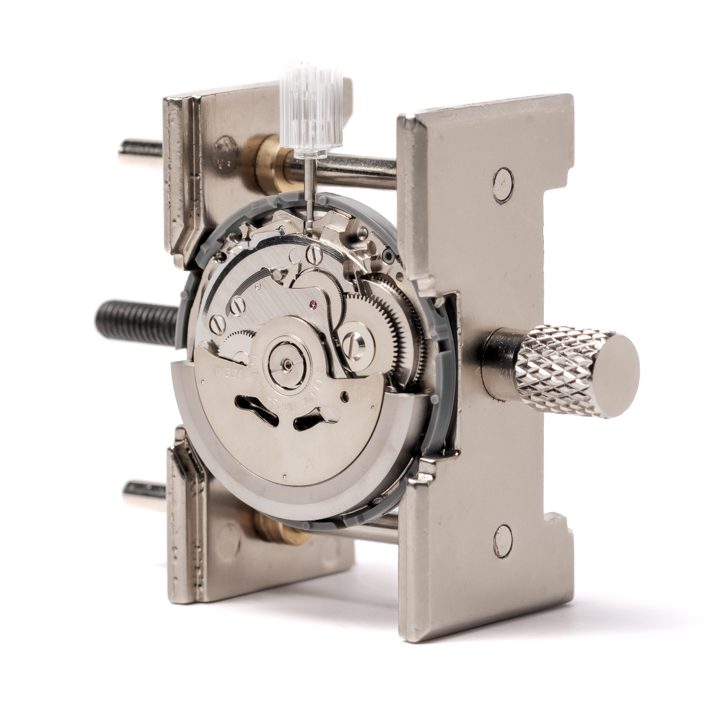
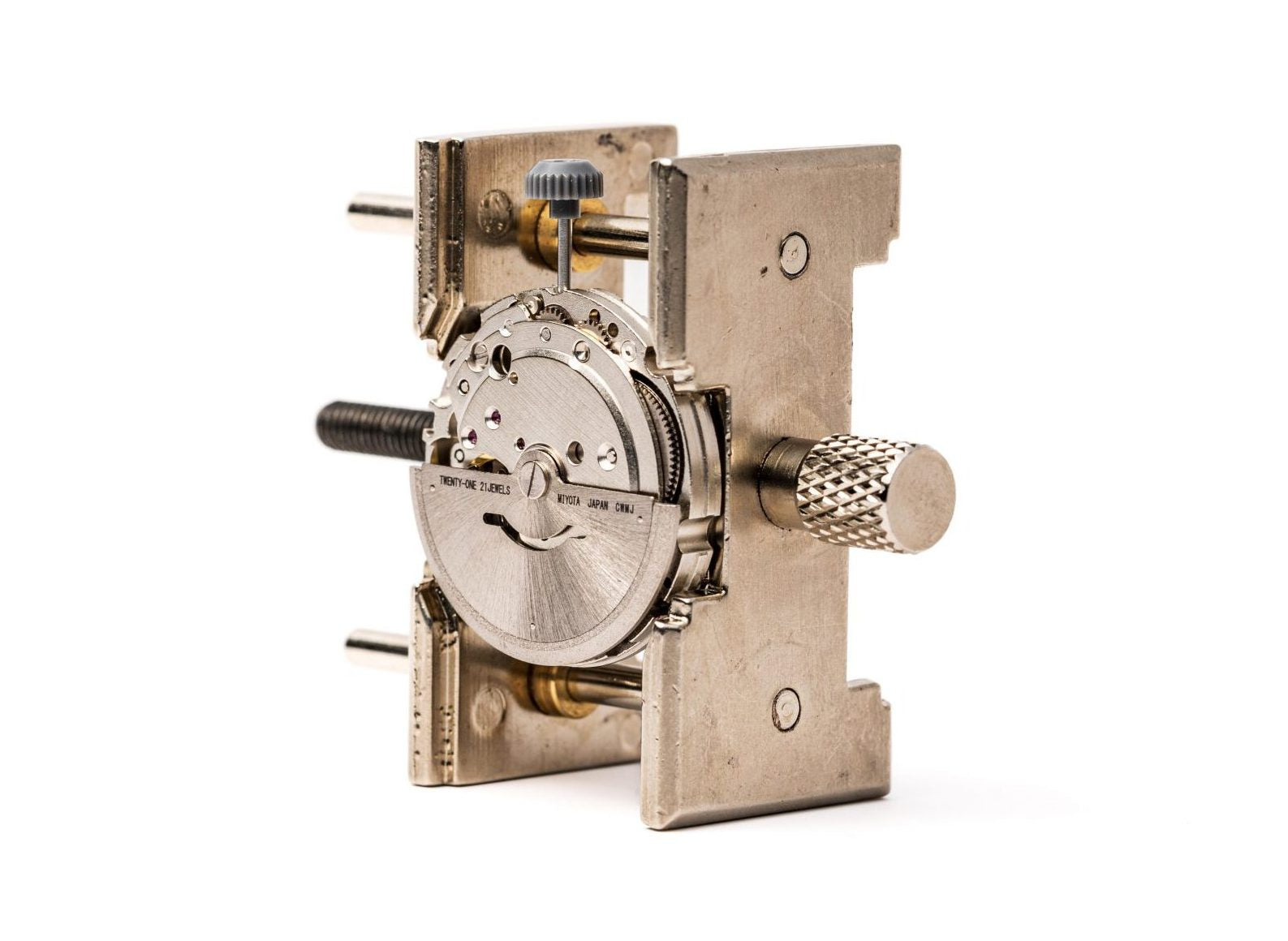
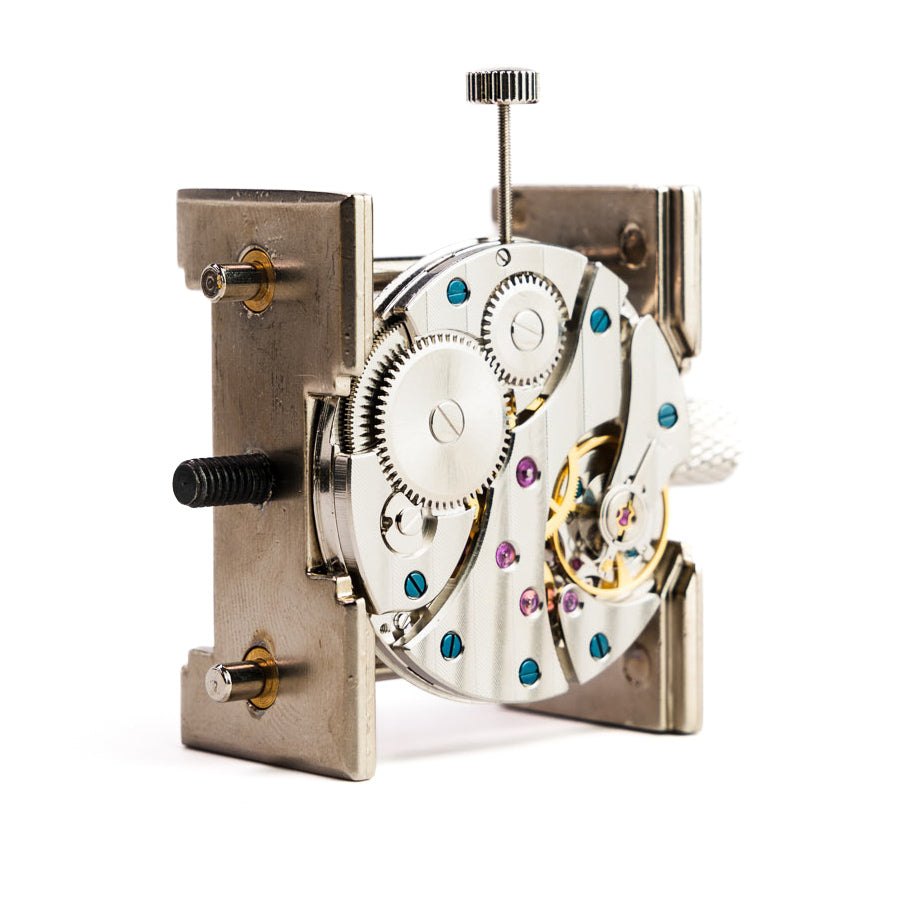
Movement kits provide direct access to gear trains, escapements, and winding mechanisms. Build understanding through hands-on assembly rather than abstract description.
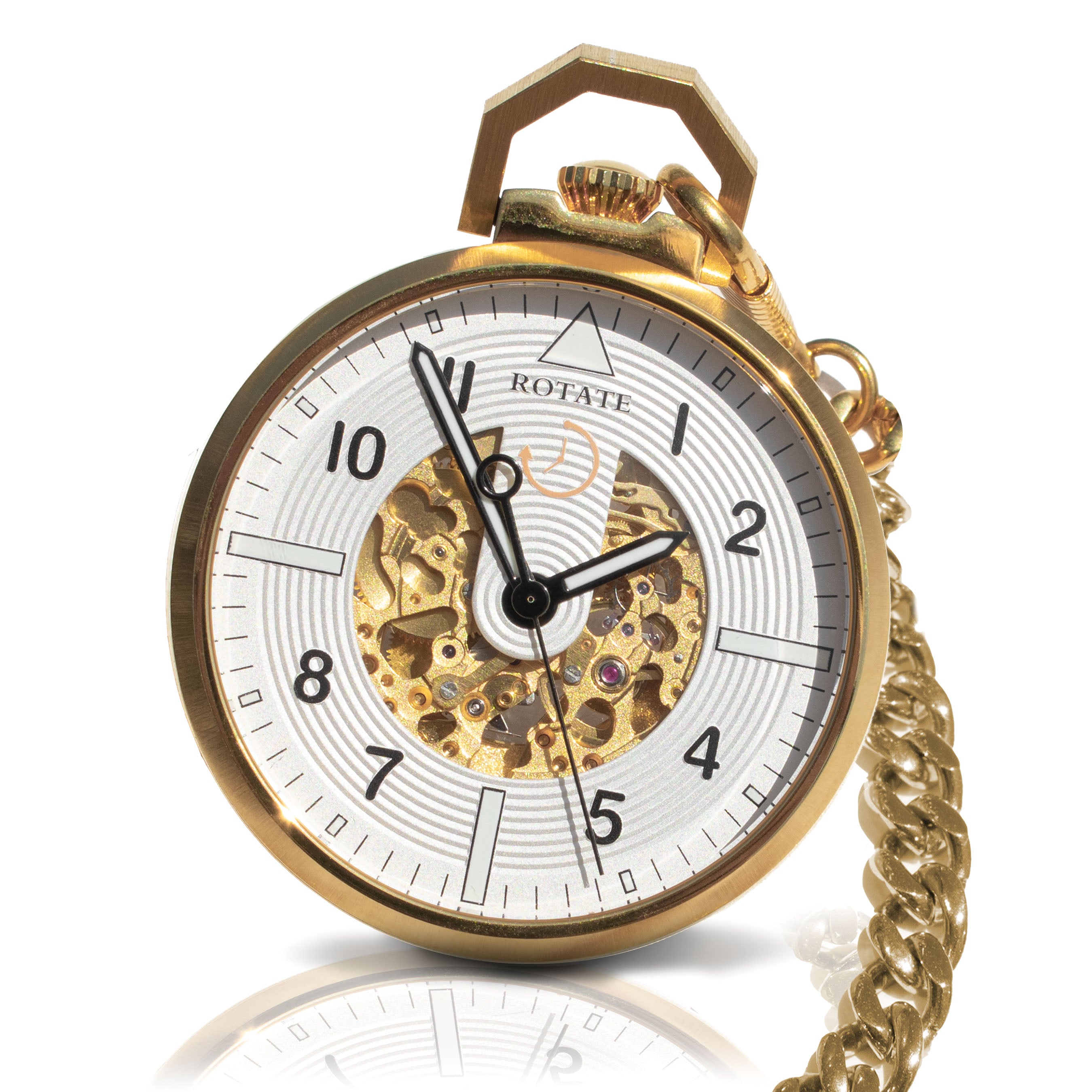
From simple three-hand watches to complex pocket watches, every project builds practical skills applicable to appreciating any watch style.
Start building your mechanical watch knowledge today.
Frequently Asked Questions
What makes a watch a pilot watch?
Pilot watches feature large, highly legible dials with high-contrast markings, often include chronograph or GMT functions, and typically have larger crowns originally designed for glove operation. The design prioritizes instant readability and navigation-specific complications.
Do modern pilots actually use pilot watches?
Modern aircraft have comprehensive electronic instruments, making dedicated pilot watches unnecessary for professional aviation. However, many pilots wear them as backup instruments and for a traditional connection to aviation heritage.
What's the difference between pilot and dive watches?
Pilot watches emphasize legibility and timing complications for aviation. Dive watches prioritize water resistance with unidirectional bezels tracking dive time. Pilot watches typically have bidirectional bezels and lower water resistance ratings.
Are pilot watches too large for small wrists?
Pilot watches range from 38mm to 47mm+ diameters. Smaller pilot watches, like 38-40mm models, suit smaller wrists while maintaining a pilot aesthetic. Lug-to-lug distance matters more than diameter for a comfortable fit.
Why do pilot watches have triangle markers?
The triangle at 12 o'clock originated in military specifications, ensuring instant orientation. The distinct marker prevents confusion about dial position, particularly important during stressful flight conditions with poor visibility.
Can you swim with pilot watches?
Most pilot watches offer 50m to 100m water resistance, sufficient for swimming. However, they're not designed primarily for water use like dive watches. Check specific water resistance ratings before swimming.