
When to Replace Your Seiko NH36 Movement (And Where to Buy One)
Most Seiko NH36 problems can be diagnosed at home, and many can be fixed without replacing anything. A watch that runs fast or slow usually needs regulation, and a sluggish one often needs only a clean.
Replacement is the last resort, for a movement that has truly stopped or worn out. The real skill is telling a simple fix apart from a genuine failure, and that skill is something you can learn.
The guide below covers the warning signs and the fixes you can do yourself, plus where to buy a replacement if you truly need one.
Repairing and Replacing Your NH36 at a Glance
- A movement that runs fast or slow but still works usually needs regulation, not replacement.
- A dirty or sluggish movement often needs only a clean, not a new part.
- Rotate's kits include instructions, guides, and support to help you fix issues with confidence.
- Replacement is the fallback for a movement that has stopped for good or worn out.
- A standalone Seiko NH36 movement drops into an existing build when a swap is truly needed.
Signs Your NH36 Movement Needs Attention
Your NH36 asks for attention when its timekeeping or winding changes suddenly. A watch that stops without warning is the clearest sign.
The bigger question, " Is my watch movement broken, usually comes down to a few symptoms. Most point to a fix rather than a failure.
- Stops running even after a full wind or a day on the wrist.
- Gains or loses several minutes a day.
- Day or date will not advance, or flips at the wrong hour.
- Harsh grinding or the crown catching hard when you wind.
One caution first. A faint grainy clicking during hand-winding is normal for the NH36, per Chronometer Check, so light clicks alone are not a fault.
For a fuller checklist, see our watch assembly troubleshooting guide.
What Can Be Fixed, and What Needs Replacing?
Most NH36 issues are fixable, so replacement is rarely the first answer. Timing and setup problems tend to be adjustable, and only deep internal damage calls for a new movement.
Learning to tell the two apart is the point, and a little diagnosis teaches you how the movement works.
Usually Fixable Yourself
A movement that runs fast or slow is often just out of regulation. A small balance adjustment can bring the rate back in line, and our how to regulate an NH35 or NH36 guide walks through the steps. A dirty or sluggish movement may only need a careful clean.
When Replacement Is the Fallback
A movement that has stopped for good, will not hold a wind, or has worn pivots is past a home fix. A fresh movement is then the practical choice.
How Rotate Kits Help You Repair with Confidence
Rotate's kits are built to make repairs approachable. The goal is for you to open a case back and feel capable, whether regulating, cleaning, or swapping a part.
Every Rotate watchmaking kit ships with a step-by-step guide, the tools the job needs, a lifetime warranty, and 24/7 technical support. Rotate builders often report that one message to support solved the step that had them stuck.
That combination lowers the stakes of trying a fix yourself.
- Step-by-step instructions written for first-time builders
- A lifetime warranty and 24/7 technical support
- A Seiko NH36 movement kit for hands-on practice before you touch a watch you value
Where Can You Buy a Replacement NH36 Movement?
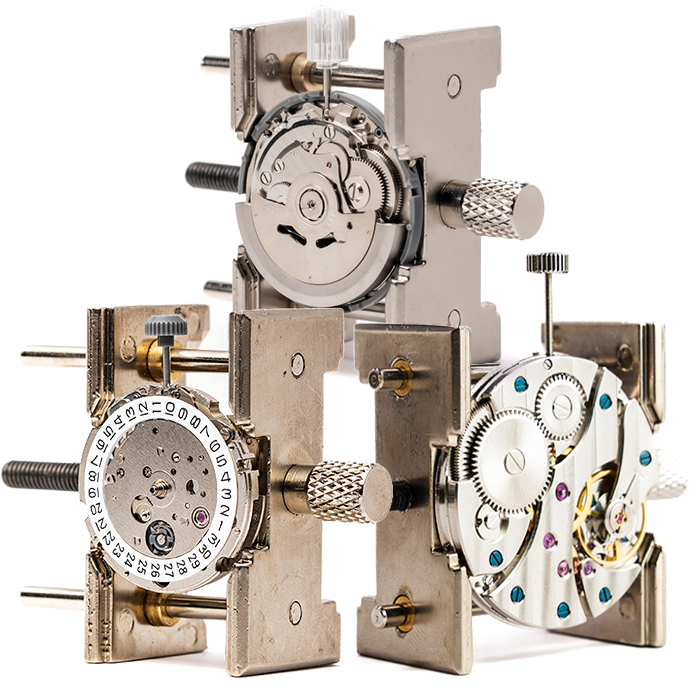
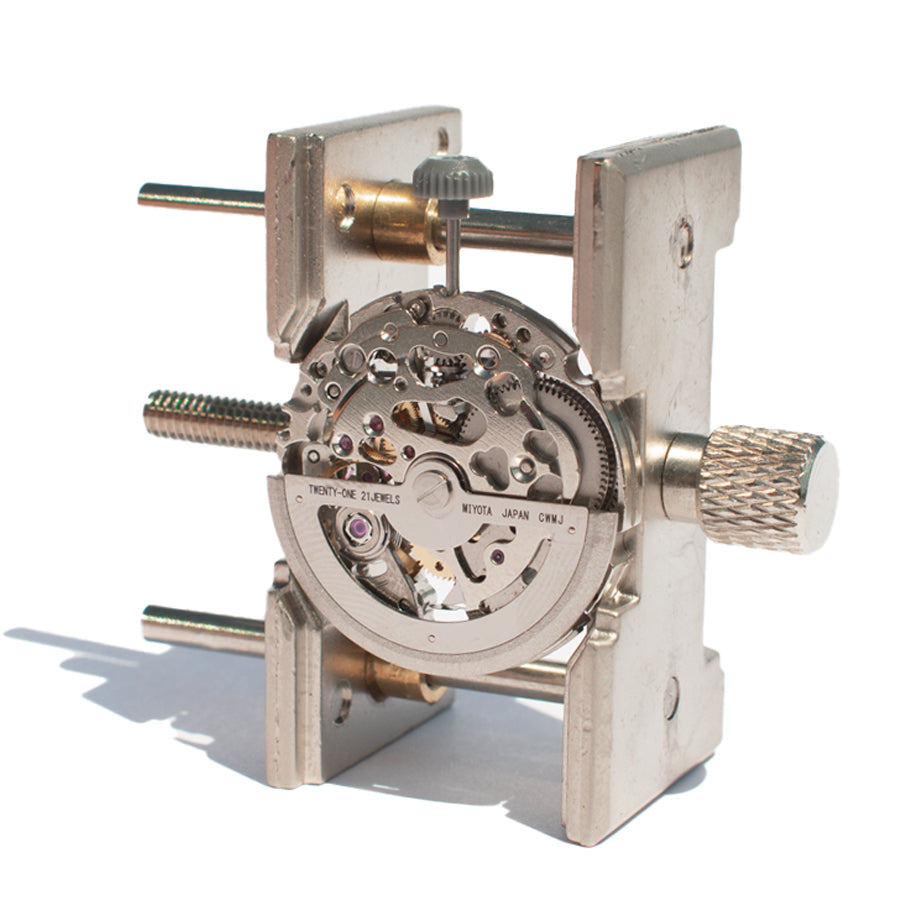
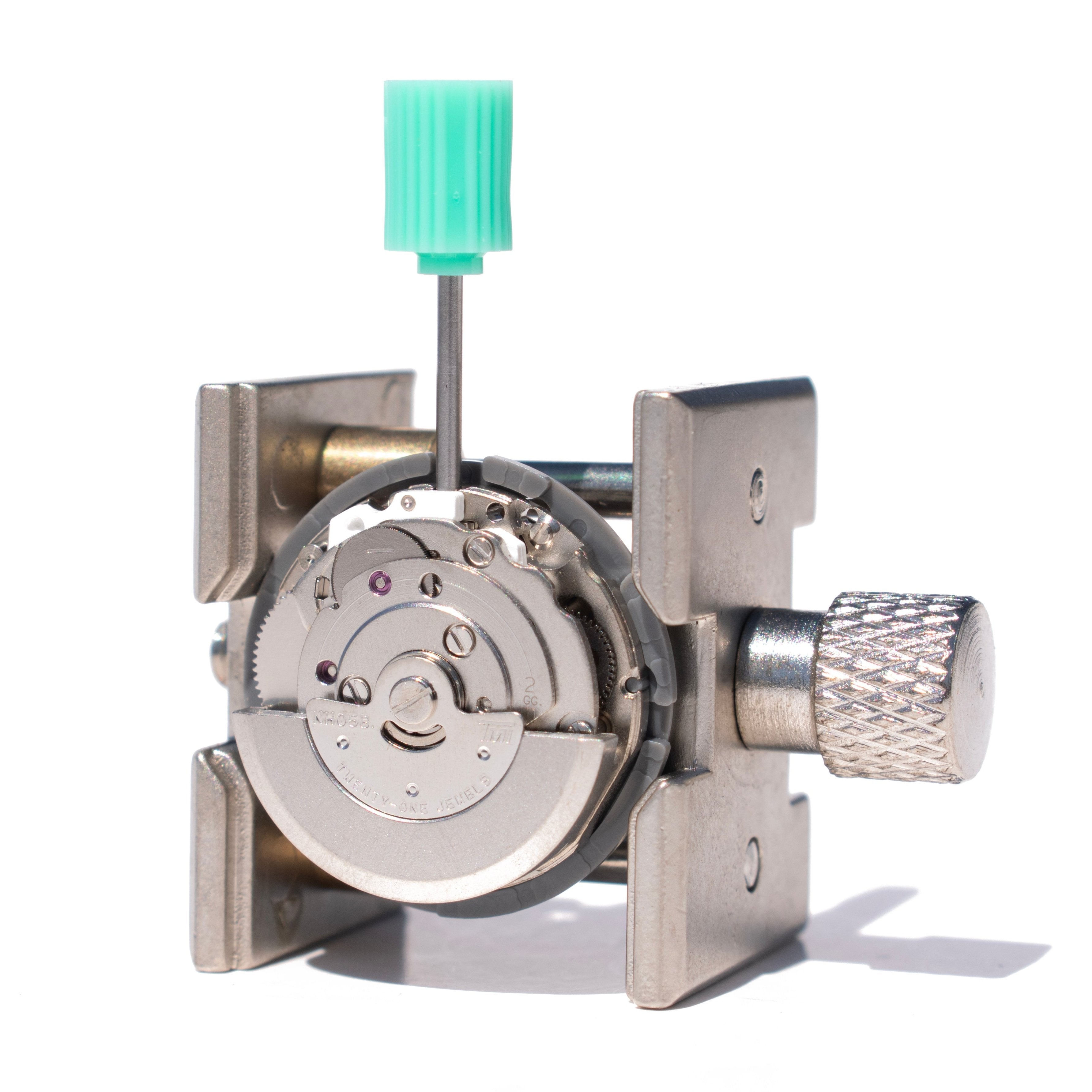
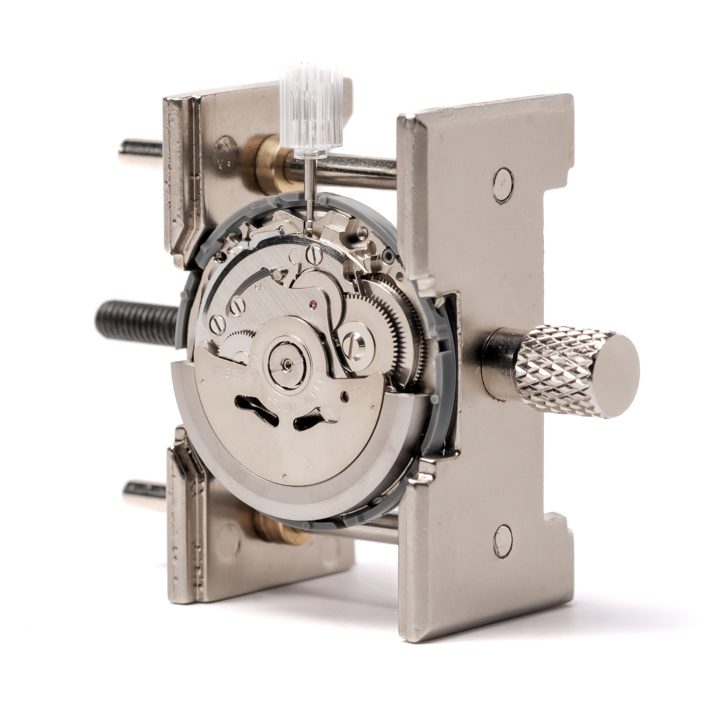
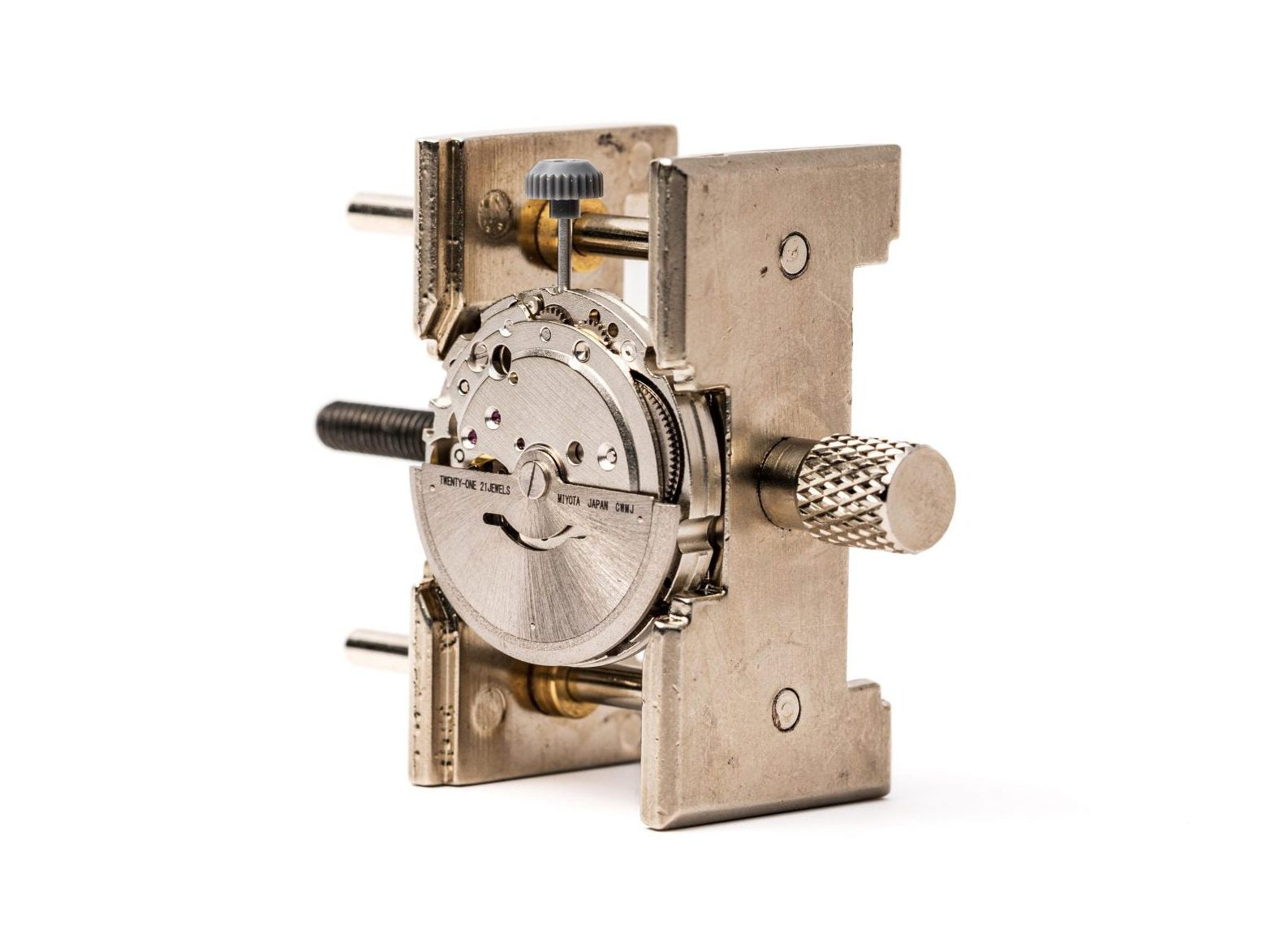
When a movement is truly beyond a fix, Rotate sells a standalone Seiko NH36 movement online, backed by a lifetime warranty. The caliber drops into an existing NH36-based build.
Builders who already have a case pay only for the part they need. The NH36 carries 24 jewels, a day-date display, and more than 41 hours of power reserve.
A full professional service of the equivalent Seiko 4R36 often costs more than a new movement, per Chronometer Check.
Conclusion
A stopped or struggling NH36 is rarely the end of the watch. A movement that runs fast or slow needs regulation, a sluggish one needs a clean, and only a truly worn movement needs replacing.
Rotate's kits exist to make those repairs feel within reach, with guides, tools, a warranty, and support behind every build. When a swap is genuinely the answer, a fresh movement gets the watch running again.
Ready to build repair confidence? Browse Rotate's watch kits to start learning hands-on.
FAQs
Can I fix my NH36 myself instead of replacing it?
Often yes. A movement running fast or slow usually needs regulation, and a sluggish one may need a clean. Rotate's guides and support walk you through these fixes first.
How do I know if my watch movement needs replacing?
If the watch still runs but gains or loses more than about a minute a day, it likely needs regulation. Only a movement that has stopped entirely or will not hold a wind needs replacing.
Do Rotate kits help me learn to repair a movement?
Yes. Every kit includes step-by-step instructions, the right tools, a lifetime warranty, and 24/7 support. A movement kit also lets you practice on a spare caliber first.
Is a grainy sound when hand-winding the NH36 normal?
Yes. The NH36 hand-winds with a faint, grainy clicking, per Chronometer Check, which signals the mainspring is winding. Harsh grinding or a crown that catches hard is the real warning sign.
Does Rotate sell replacement NH36 movements separately?
Yes. The standalone Seiko NH36 movement sells on its own, for builders who already have a case. The movement ships as the bare caliber, without tools or a guide.
Do I need special tools to swap an NH36 movement?
A basic case opener and light hand tools handle most swaps. To build confidence first, practice on a Seiko NH36 movement kit, which includes the tools and a step-by-step walkthrough.