

Blogs: DIY Watches and More

Rodico vs Pegwood Sticks: Which Watch-Part-Handling Tool Is Better?
Jul 20, 2026
Every watchmaker needs tools for handling tiny parts without damaging them, and two classics show up in most toolkits: rodico putty and pegwood sticks. Both have been standard watchmaking supplies ...
Read more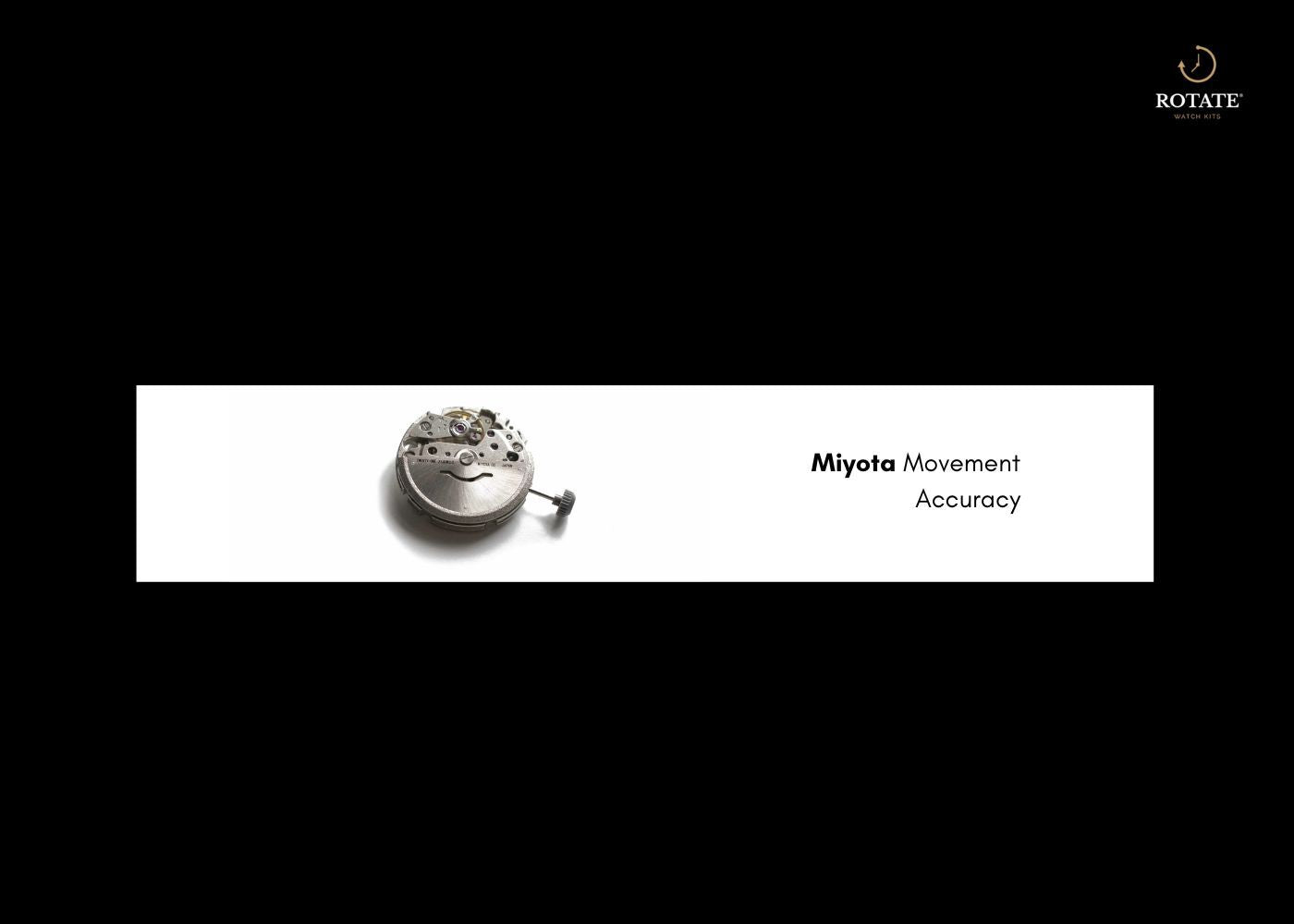
Miyota Movement Accuracy: What to Expect from Popular Automatic Movements
Jul 19, 2026
Miyota accuracy has become a cornerstone of affordable watches, As Citizen's dedicated movement manufacturing subsidiary, Miyota produces over 100 million movements annually from factories across N...
Read more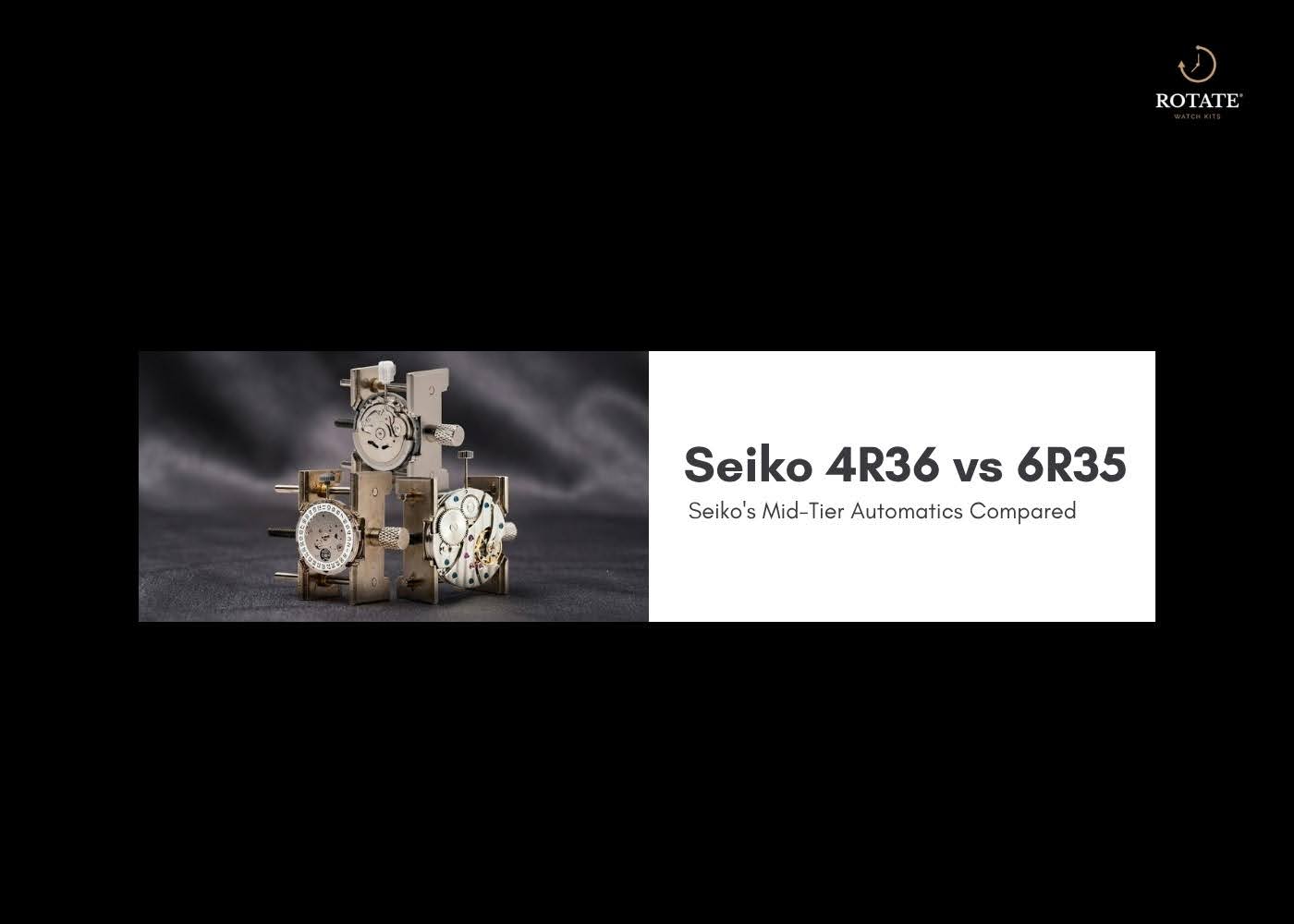
Seiko 4R36 vs 6R35: Seiko's Mid-Tier Automatics Compared
Jul 14, 2026
Seiko makes two automatic movements that power most of its mid-range watches: the 4R36 and the 6R35. Both are reliable, both run on the same basic architecture, and both offer hacking and hand-wind...
Read more
Seiko NH05 vs Seiko NH05A: Is There a Difference?
Jul 13, 2026
Search forums for the Seiko NH05, and you will quickly run into references to the NH05A and NH05B. The naming creates confusion, especially for builders trying to choose the right movement. Are the...
Read more
Best NH36-Compatible Watch Cases in 2026
Jul 9, 2026
Looking for the perfect home for your NH36 movement? Wondering what makes certain cases better than others? Or simply, need guidance on case sizing and compatibility? This guide has got you covered...
Read more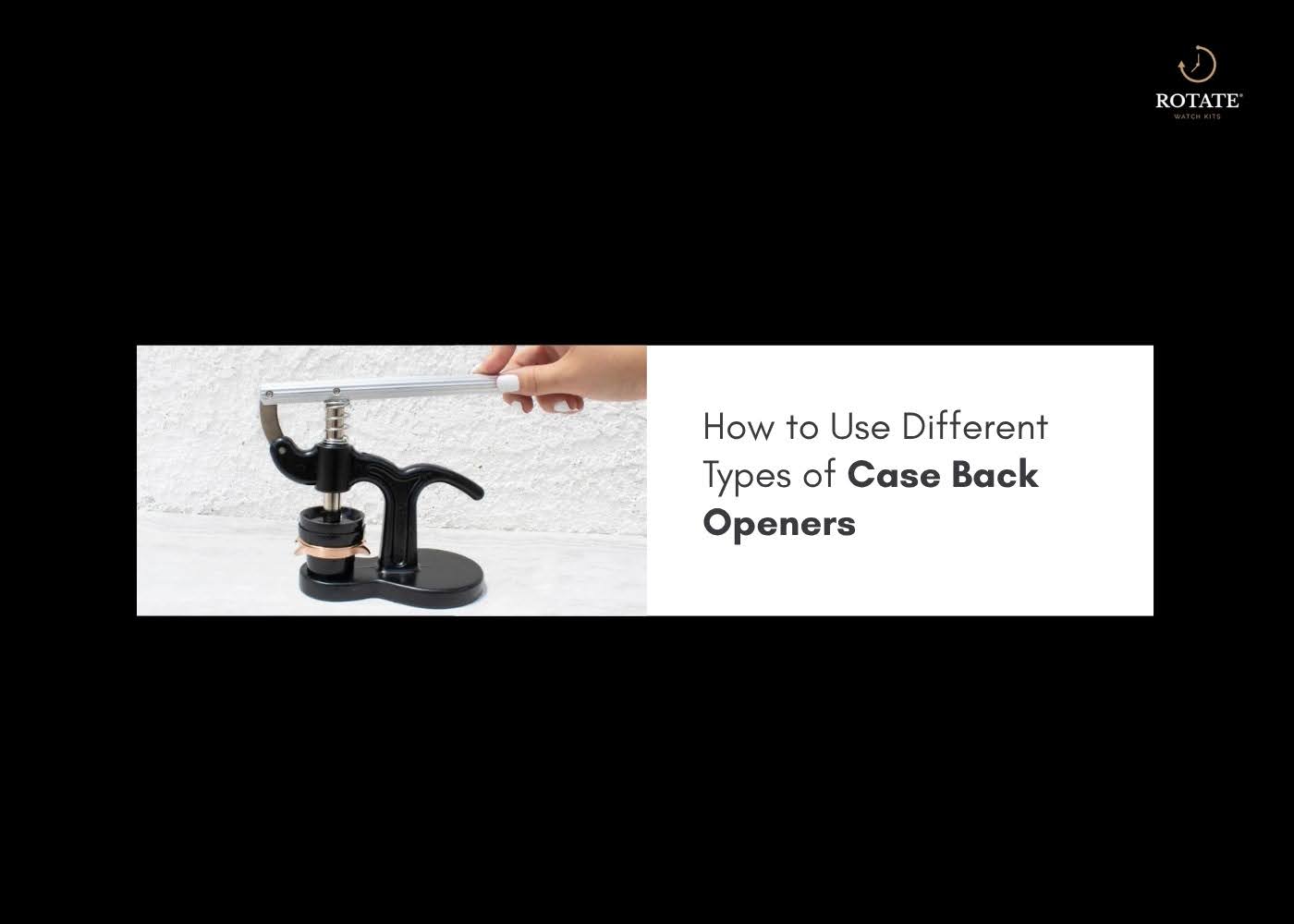
How to Use Different Types of Case Back Openers
Jun 19, 2026
Opening a watch case back is the first step for battery changes, movement inspections, and servicing. Using the wrong tool risks scratching the case or damaging the gasket. Case backs fall into a f...
Read more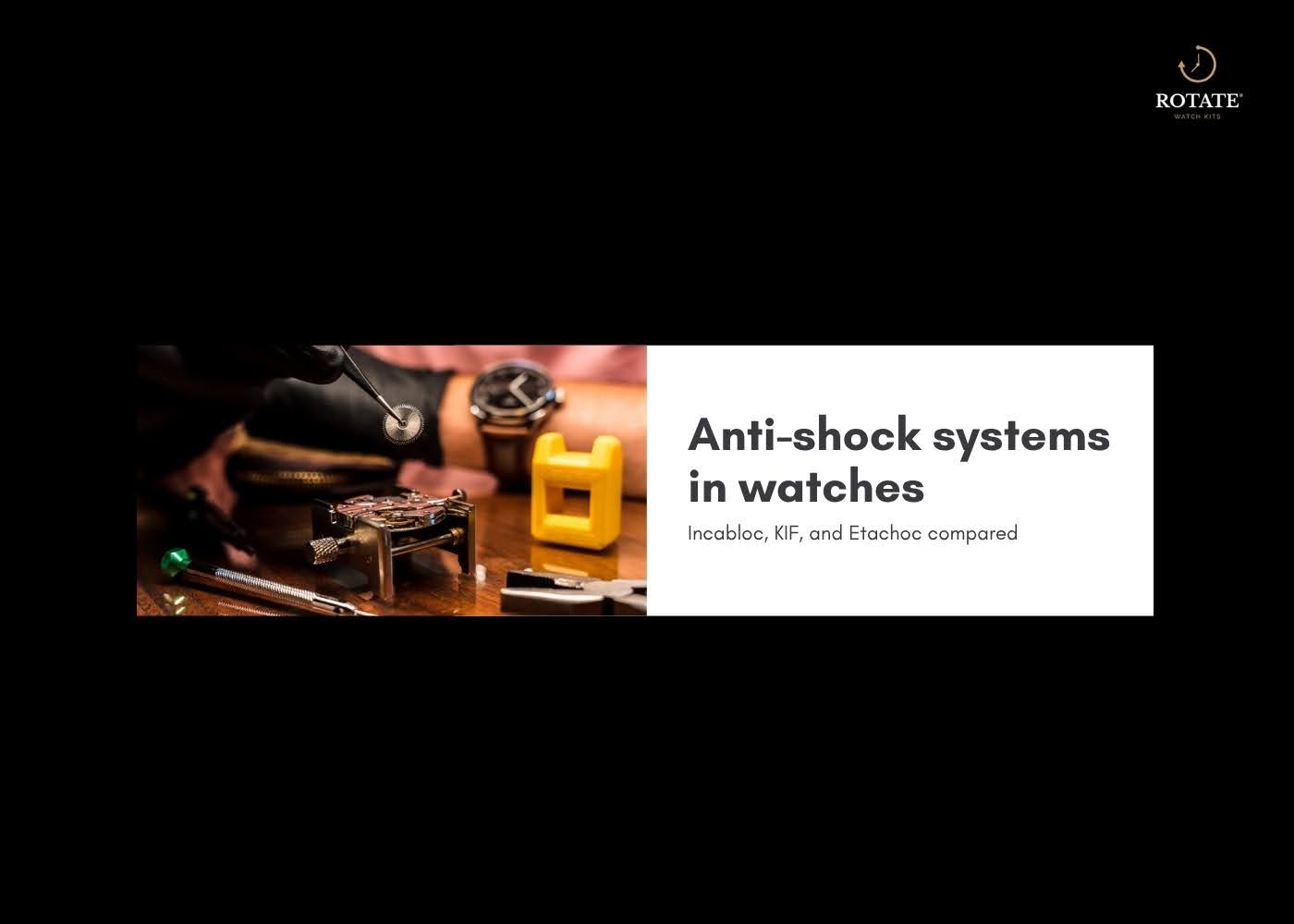
Anti-shock systems in watches: Incabloc, KIF, and Etachoc compared
Jun 17, 2026
Drop a mechanical watch onto a hard floor, and the most likely casualty is the balance staff. Those pivots measure just 0.07mm to 0.15mm thick, roughly the width of a human hair, yet they support t...
Read more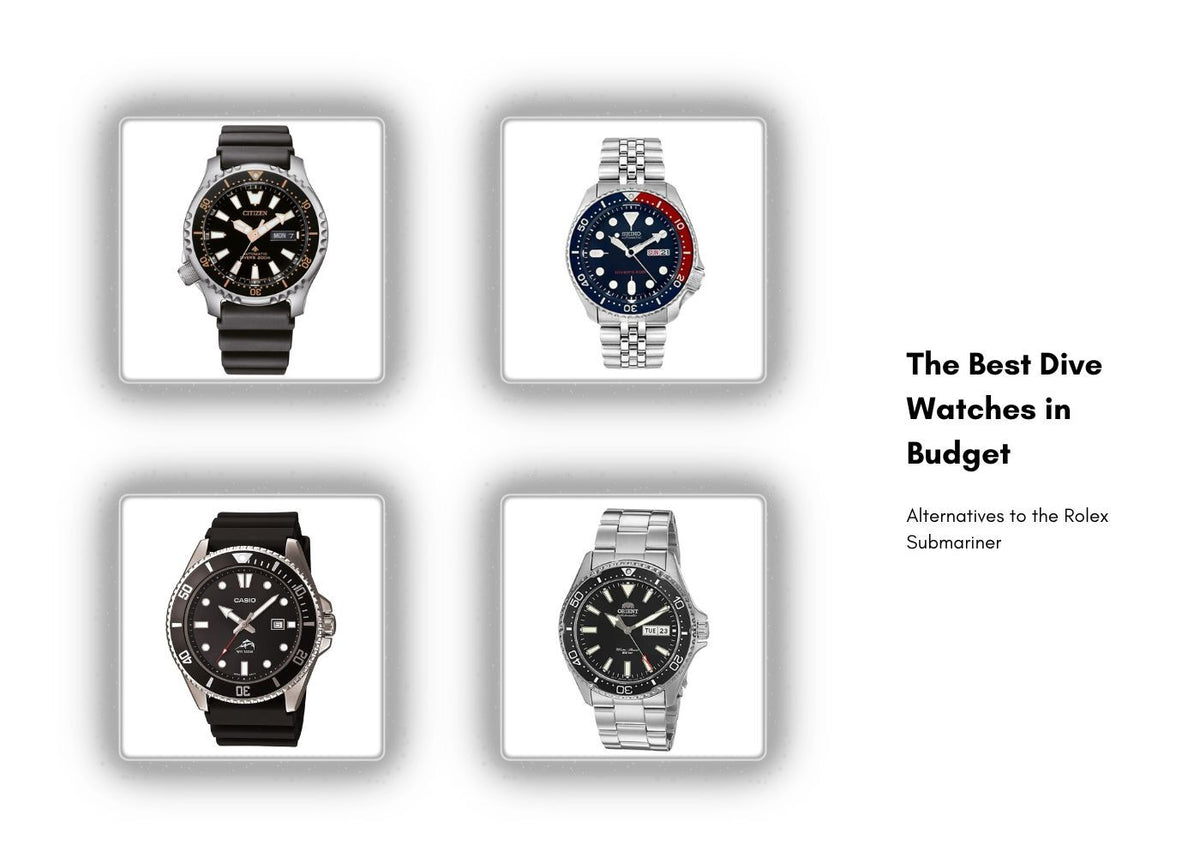
Alternatives to the Rolex Submariner: The Best Dive Watches in Budget
Jun 17, 2026
Look, we all love the Rolex Submariner. It's probably the most famous dive watch ever made. But let's be real - not everyone has $15,000 sitting around for a watch. The good news? You can get amazi...
Read more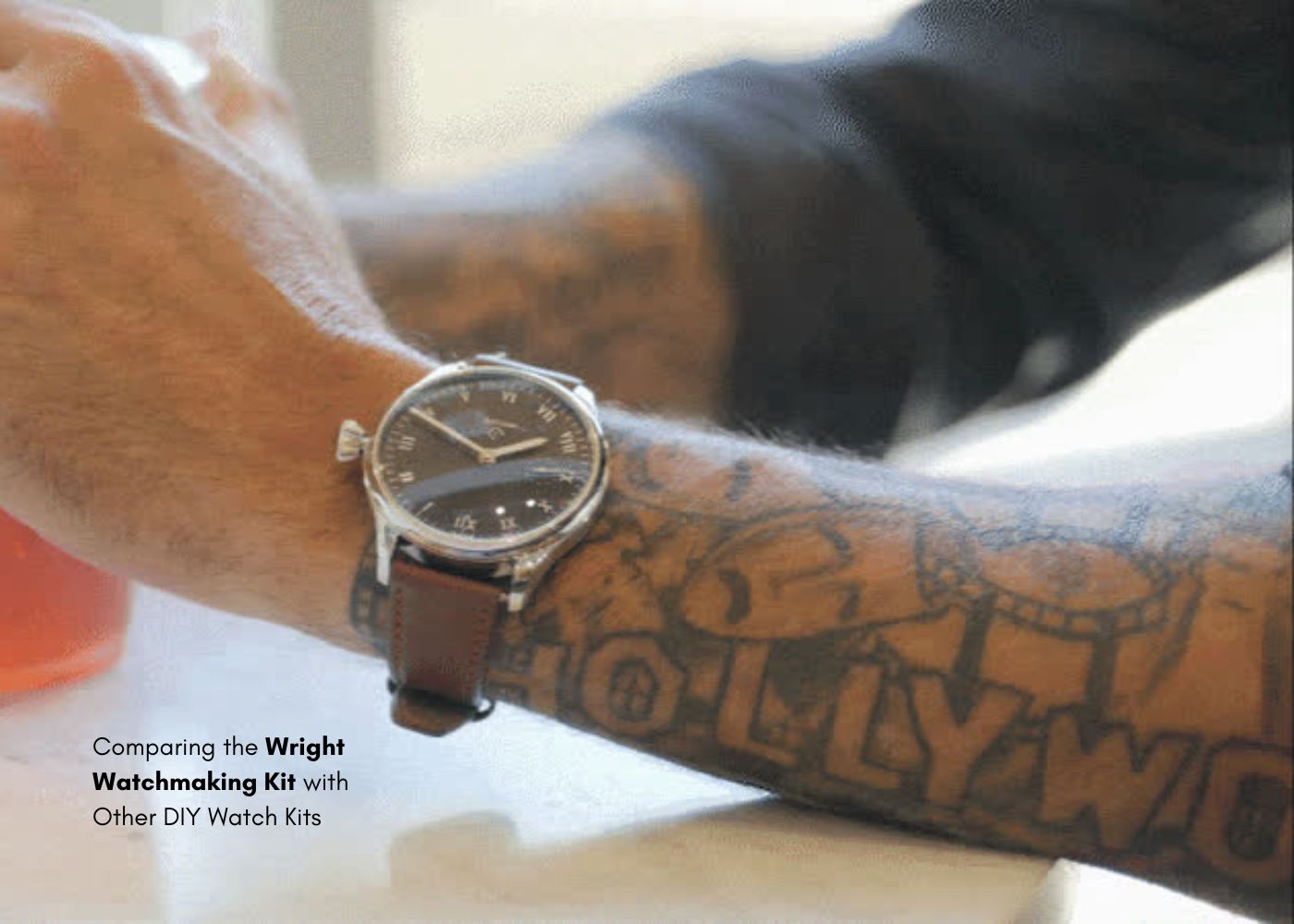
Comparing the Wright Watchmaking Kit with Other DIY Watch Kits
Jun 16, 2026
Mechanical watchmaking represents a fascinating blend of artistry, precision, and tradition. For those eager to experience this craft firsthand, DIY watchmaking kits offer an accessible entry point...
Read more
Sellita SW200: the ETA 2824 alternative powering hundreds of Swiss watches
Jun 10, 2026
Most Swiss watches under $2,000 share the same secret. Flip one over, and there is a strong chance a Sellita SW200 is ticking inside. When ETA started restricting movement sales to non-Swatch Group...
Read more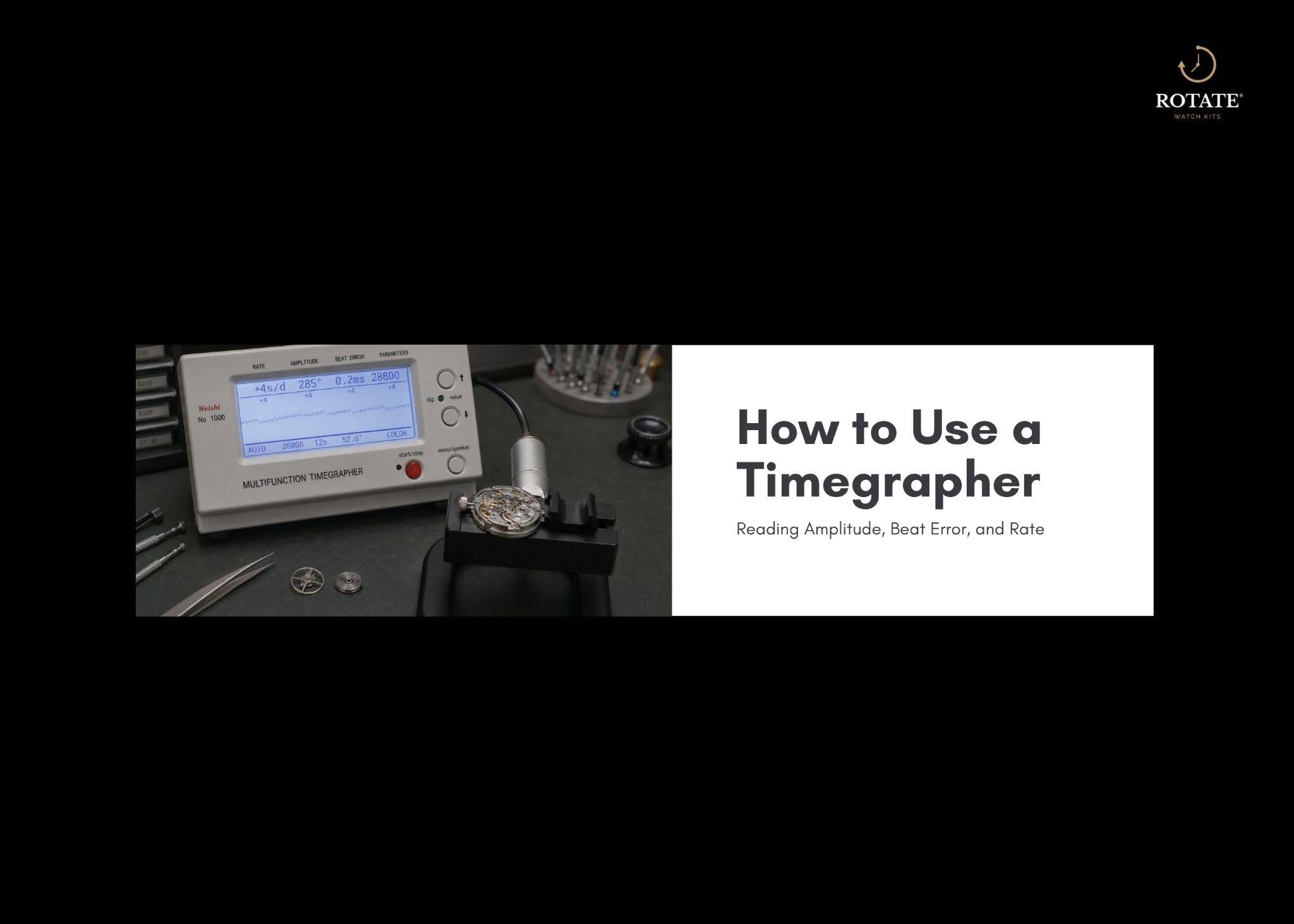
How to Use a Timegrapher: Reading Amplitude, Beat Error, and Rate
Jun 9, 2026
A timegrapher tells you exactly how your mechanical watch is performing without waiting 24 hours to check the time. Place a watch on the sensor, and within seconds you get hard numbers on accuracy,...
Read more
Watch Rotor Types: Full, Micro, and Skeleton, What's the Difference
Jun 8, 2026
Every automatic watch has a rotor. That semicircular weight spinning on the back of the movement converts wrist motion into stored energy, keeping the mainspring wound without manual winding. Full ...
Read more