

Blogs: DIY Watches and More
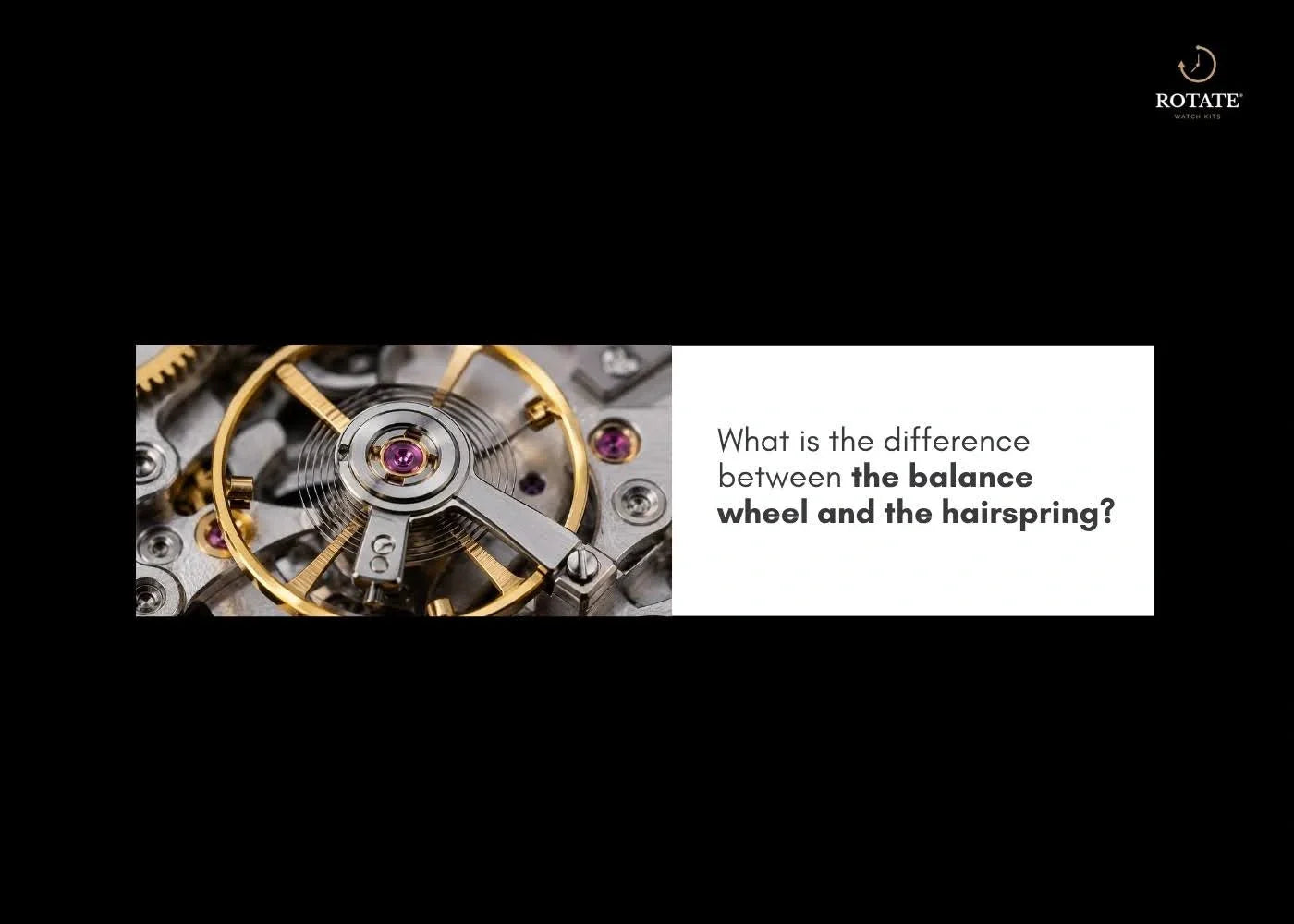
What is the difference between the balance wheel and the hairspring?
May 13, 2026
Open the caseback of a mechanical watch and you will see a small wheel rocking back and forth. That is the balance wheel, the heartbeat of the movement. Attached to it is the hairspring, coiled in ...
Read more
Mainspring and Barrel Explained: How Watches Store Energy
May 13, 2026
Every mechanical watch needs a power source. No batteries. No electricity. Just a thin strip of metal coiled inside a drum, slowly unwinding to keep time for days. The mainspring stores energy. The...
Read more
How Long Do Automatic Watches Last?
May 13, 2026
If you're thinking about investing in a new automatic watch, it's a great idea to research the watch's durability ahead of time. Knowing what to expect from the watch will help build you into the r...
Read more
How Princess Diana Made the Cartier Tank the World's Most Coveted Watch
May 13, 2026
When Princess Diana wore her gold Cartier Tank Française in the 1990s, she unknowingly influenced an entire generation of watch enthusiasts. Princess Diana's watch choices became legen...
Read more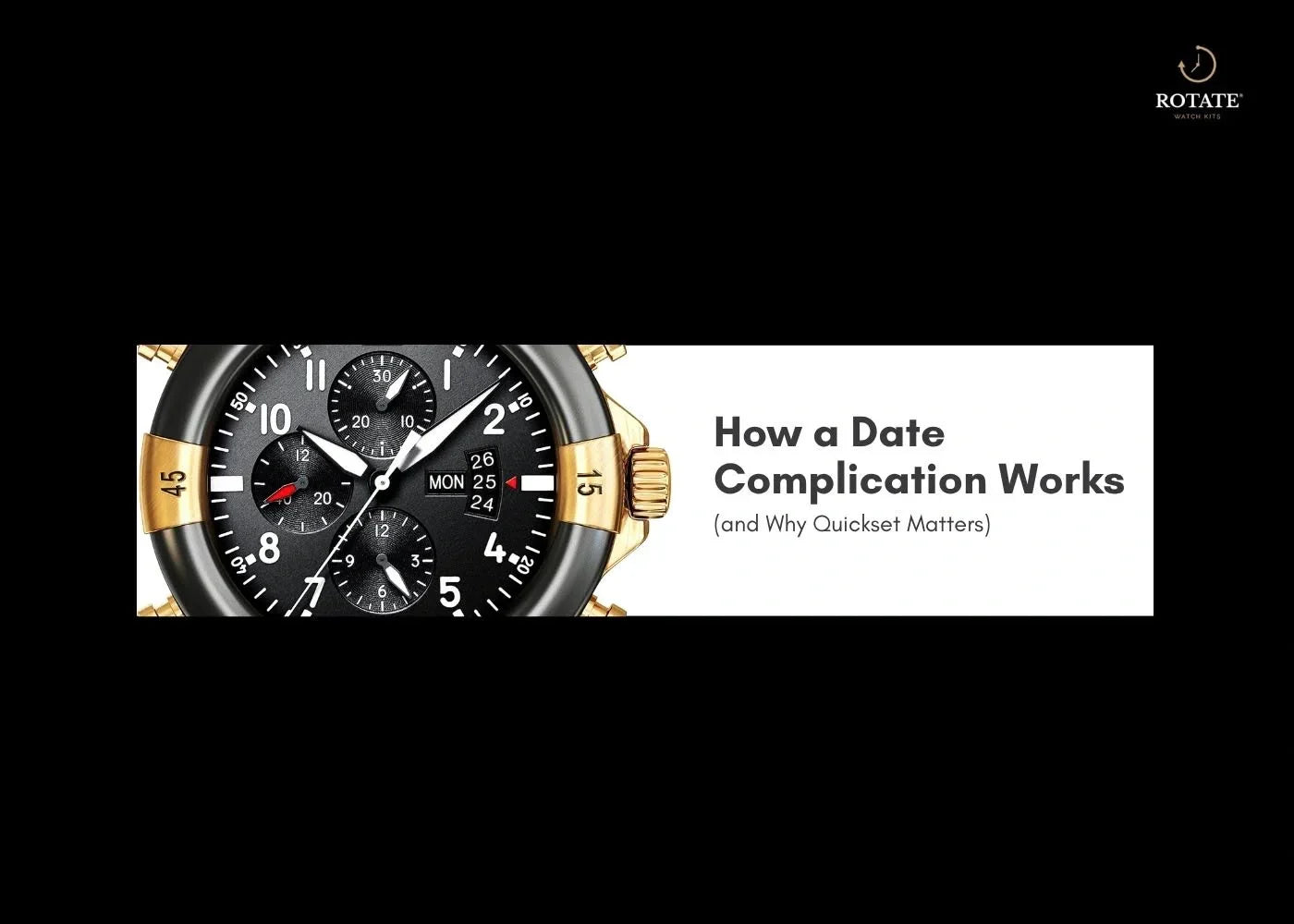
How a Date Complication Works (and Why Quickset Matters)
May 12, 2026
A small window showing today's date seems simple. Behind that window, a 31-position disc rotates once per day, driven by gears and levers that engage around midnight. The date display was first pat...
Read more
Why Your Automatic Watch Keeps Stopping: Troubleshooting Common Issues
May 12, 2026
Key Takeaways Automatic watches stop when the rotor lacks sufficient motion to wind the mainspring Most automatic watches need 8-12 hours of daily wrist wear to maintain power Power reserves typic...
Read more
How to clean a watch without an ultrasonic cleaner?
May 11, 2026
Professional watchmakers use ultrasonic machines that vibrate solutions at high frequencies to remove every particle of dirt and old oil. Professional-grade machines can cost hundreds to thousands ...
Read more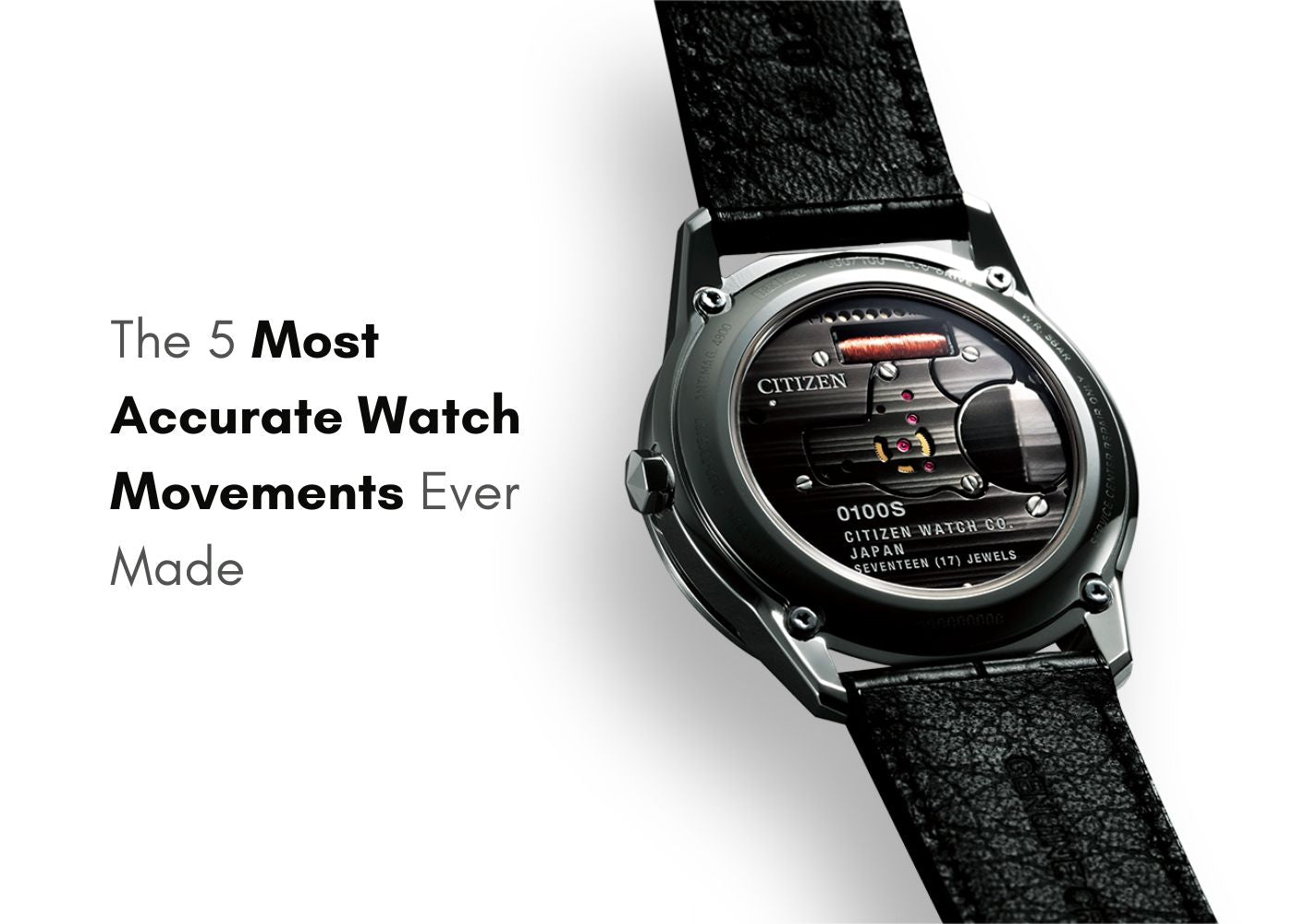
The 5 Most Accurate Watch Movements Ever Made
May 11, 2026
Why Accuracy Matters in Watchmaking Picture yourself as a pilot, navigating a plane through the vast expanse of the sky. Every second counts, and even the slightest deviation in time can have signi...
Read more
How a Chronograph Works: Cam vs Column Wheel
May 8, 2026
A chronograph is a watch with a built-in stopwatch. Press a button, and the chronograph hand starts. Press again to stop. Press the second button to reset. Simple from the outside, but the mechanis...
Read more
Watch Movement Lubrication Guide
May 7, 2026
A mechanical watch has dozens of metal parts meshing thousands of times per hour. Without lubrication, friction wears those parts down fast. Oil keeps a movement running smoothly and accurately for...
Read more
Top 10 Manual-Wind Watches for Every Budget, From Entry-Level to Luxury
May 6, 2026
Hand-wound watches offer something no automatic or quartz can replicate: a daily ritual that physically connects you to the mechanics on your wrist. Turning the crown, feeling the mainspring tensio...
Read more
Power Reserve Complication: How It's Measured and Displayed
May 5, 2026
Every mechanical watch runs on stored energy. Wind the mainspring, and the watch runs for a set number of hours before stopping. But how do you know when the mainspring is running low? A power rese...
Read more