
18 Best Japanese Watch Brands: 2026 Edition
Japanese watchmaking changed the entire industry. When Seiko introduced the first quartz wristwatch in 1969, it triggered a revolution that forced Swiss manufacturers to rethink everything. Today, the best Japanese watch brands compete at every level, from $10 digital watches to $50,000+ hand-finished mechanical pieces.
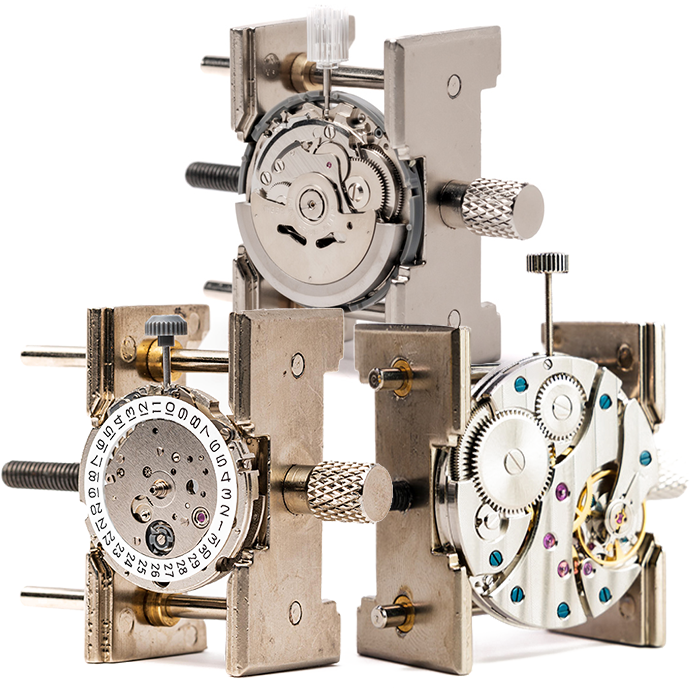
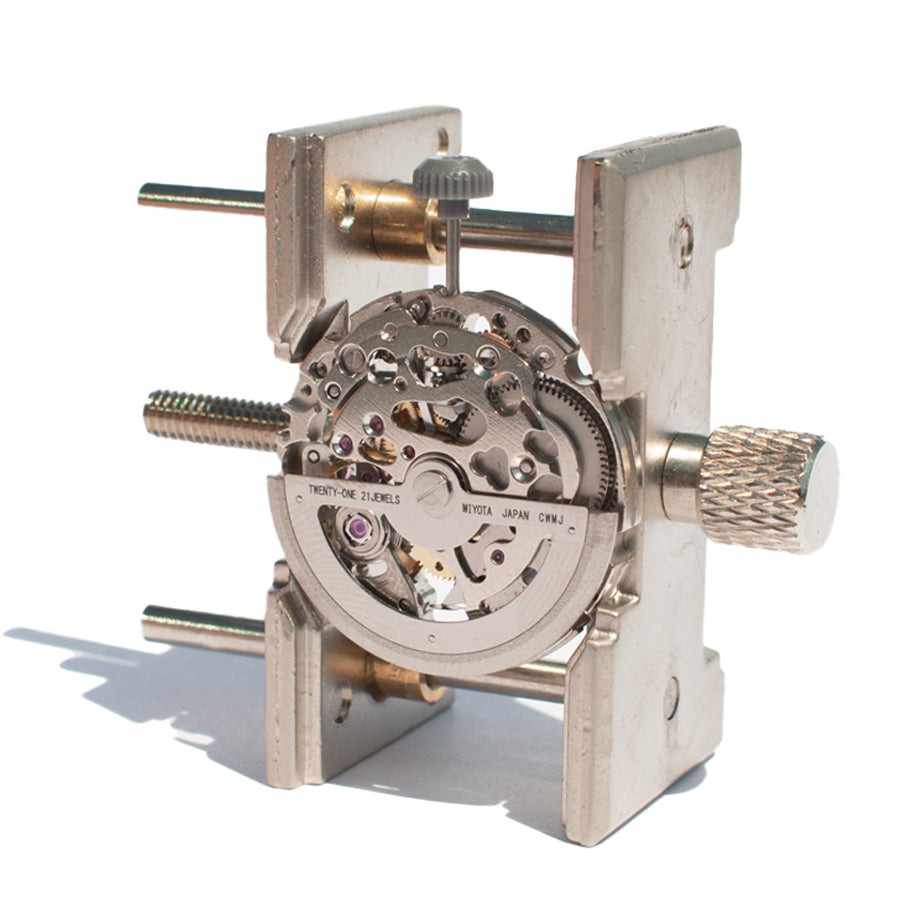
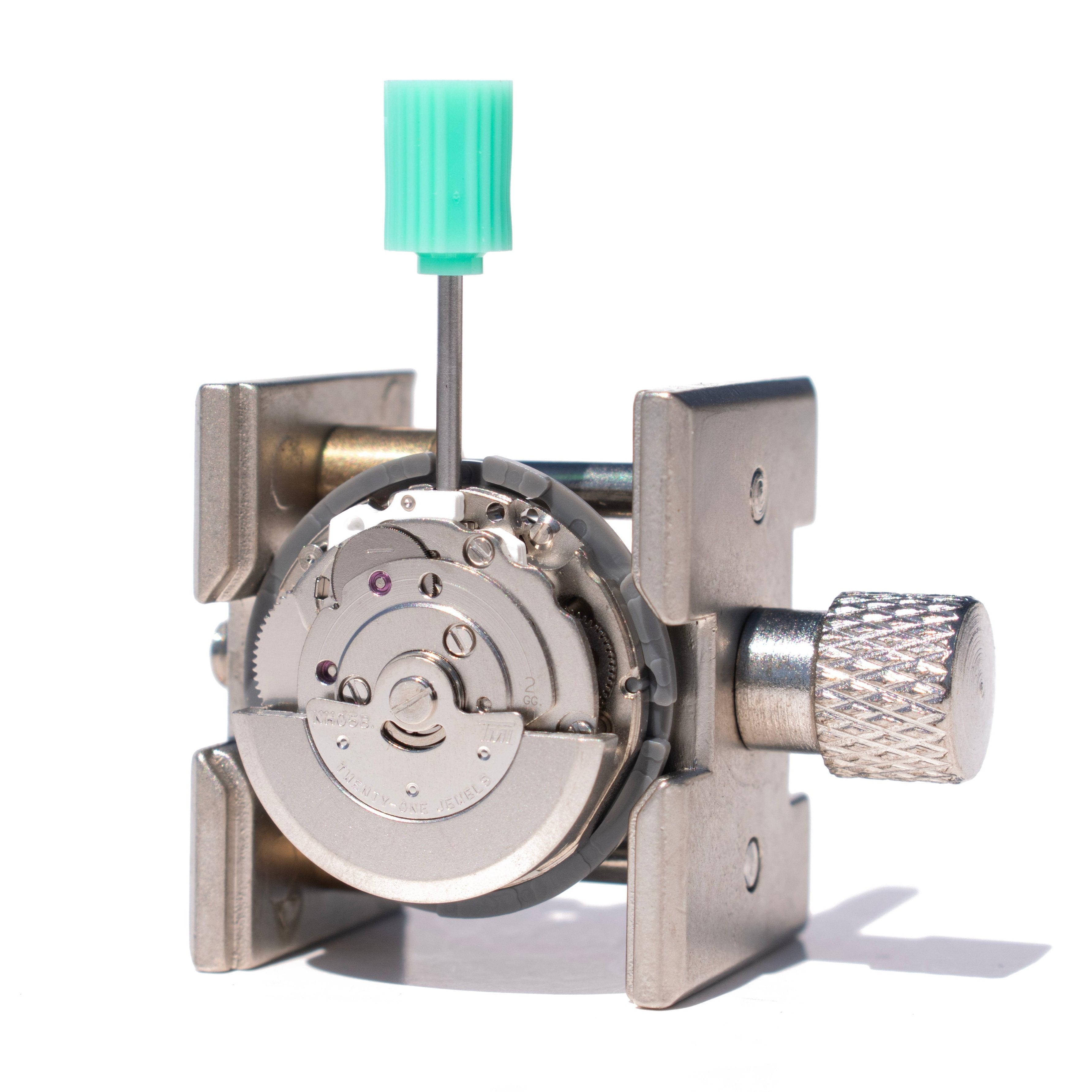
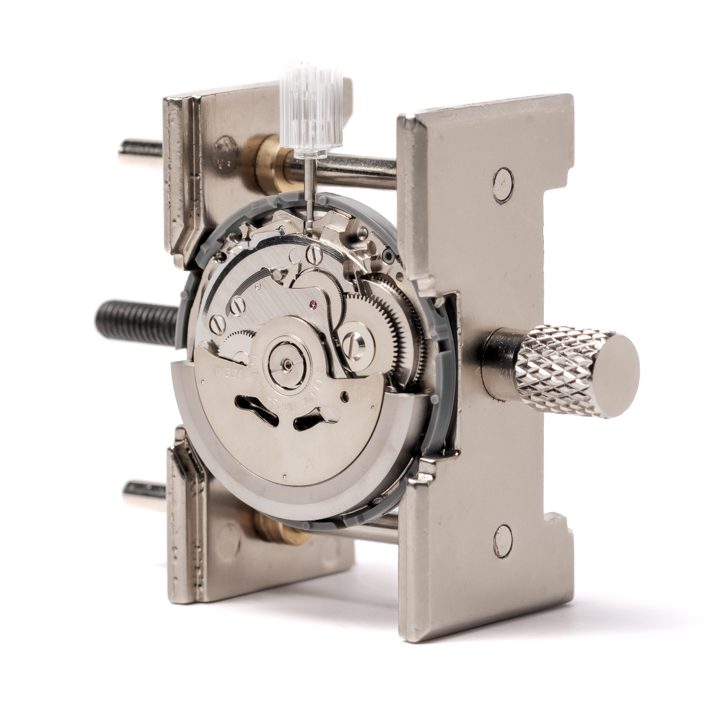
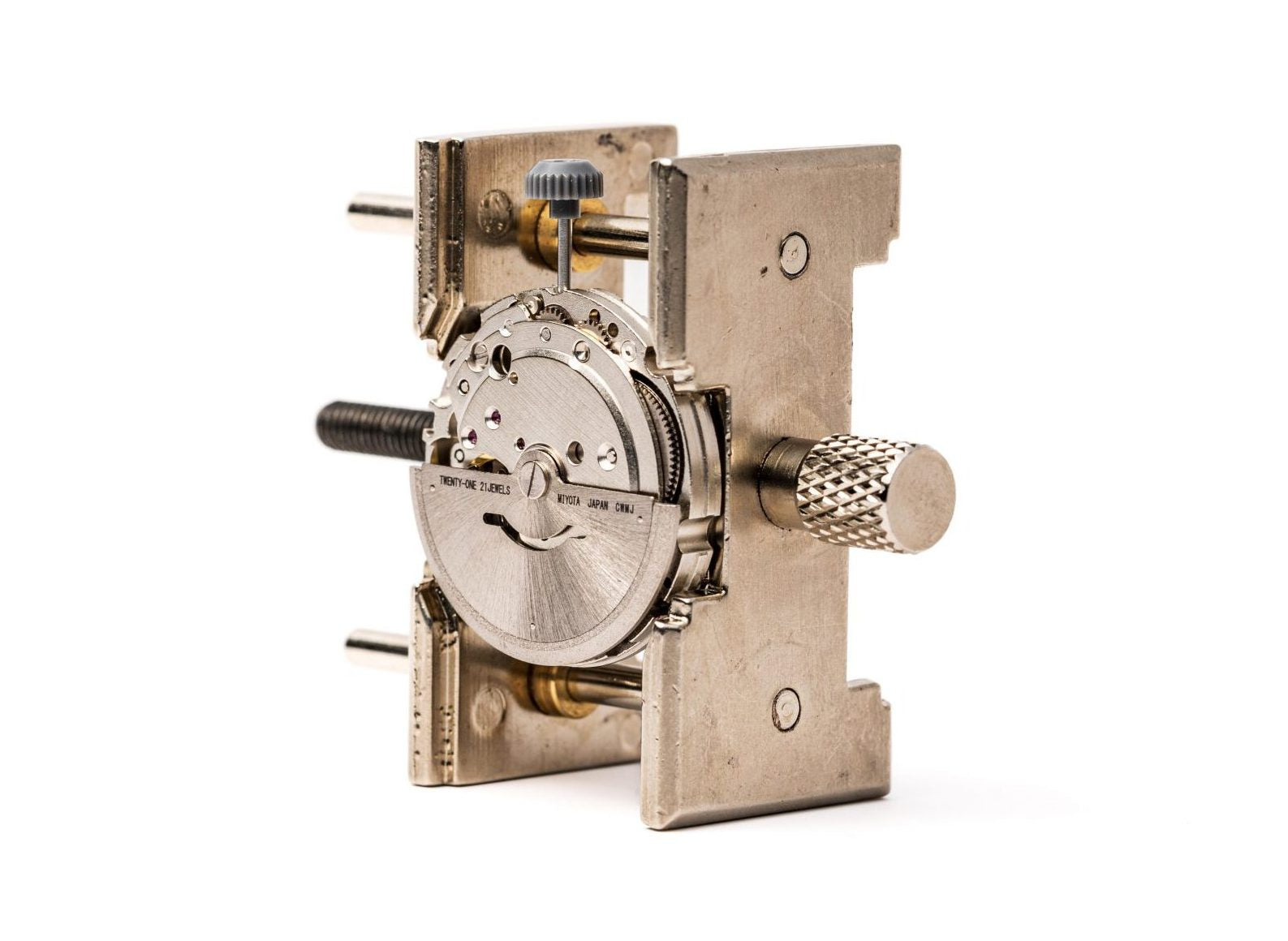
What sets Japanese watchmaking apart is the relentless focus on precision, quality control, and value. Whether you are buying a Casio G-Shock or a Grand Seiko, the standards are consistently high. For anyone interested in hands-on mechanical watchmaking, Japanese movements like the Seiko NH36 and Miyota 8215 power many of the world's most popular DIY watch-building kits. This guide to Japanese watch brands 2026 covers every tier, from everyday beaters to high-end collectibles.
The Big Three: Seiko, Citizen, Casio
Three companies dominate Japanese watchmaking and collectively produce more watches than any other country. These top Japanese watch brands set the standard for reliability, innovation, and value across every price range
1. Seiko
Founded in 1881, Seiko is the oldest and most historically significant Japanese watch brand. The company introduced the first quartz wristwatch (Astron, 1969), the first quartz chronograph, and the revolutionary Spring Drive movement that combines mechanical and electronic technology. Seiko's current lineup spans from the affordable Seiko 5 series to the luxury Grand Seiko division.
2. Citizen
Founded in 1918, Citizen pioneered Eco-Drive solar-powered technology that charges from any light source. Among Citizen watch brands and subsidiaries, Miyota movements like the 8215 are as widely used as Switzerland's ETA 2824, especially among microbrands and DIY watchmaking kits.
3. Casio
Founded in 1946, Casio redefined what a watch could survive. The G-Shock line, introduced in 1983, created the shock-resistant watch category. Casio also produces the most sold digital watch in history (F-91W) and the premium Oceanus line.
Casio Sub-Brands
Casio operates several lines that function almost as independent brands.
4. G-Shock
Launched in 1983, G-Shock follows the "Triple 10" standard: survive a 10-meter drop, 10 bar water resistance, and 10-year battery life. A streetwear and pop-culture fixture, most models cost under $200.
5. Edifice
Casio's motorsport-inspired analog line since 2000, combining Tough Solar, Bluetooth, and radio-controlled timekeeping. The 2025 EFK-100D series marked Edifice's entry into mechanical movements.
6. Oceanus
Casio's highest-tier sub-brand pairs titanium construction with atomic timekeeping, GPS synchronization, and Tough Solar. Pricing starts around $1,000.
Luxury Japanese Watchmaking
Japanese luxury watches compete directly with Swiss brands on craftsmanship, finishing, and movement technology.
7. Grand Seiko
Technically a division of Seiko, Grand Seiko operates as an independent luxury brand. The hand-finished dials, proprietary Spring Drive movement, and "Zaratsu" polishing technique rival anything produced in Switzerland. Grand Seiko pieces start around $3,000 and climb past $50,000 for limited editions.
8. Credor
Launched in 1974 as Seiko's precious-metals luxury line, Credor carries no Seiko branding. The flagship Eichi II features a hand-painted porcelain dial and Spring Drive movement finished with guidance from Philippe Dufour. Only about 20 Eichi II pieces are produced annually, starting at around $53,000.
9. Hajime Asaoka
A self-taught independent watchmaker who learned from George Daniels' book and YouTube, Asaoka produces entirely handmade timepieces. His signature Tsunami features a massive 16mm titanium balance wheel. He also oversees the more accessible Kurono Tokyo brand.
Mid-Range Japanese Brands
The mid-range is where Japanese watchmaking arguably delivers the most value in the industry.
10. Orient
A subsidiary of Seiko Epson, Orient produces in-house automatic movements at prices that undercut most competitors. The Bambino dress watch and Mako dive watch are both regarded as exceptional value. Most Orient watches fall between $100 and $500.
11. Knot
A Japanese brand focused on customization. Buyers choose a watch head and then select from dozens of strap options, all made in Japan. Knot uses Japanese and Swiss movements in slim, minimalist cases. Prices range from $150 to $500.
12. Kurono Tokyo
Created by Hajime Asaoka, Kurono offers artisan-designed watches using Miyota movements at prices starting around $1,000. Limited runs frequently sell out within minutes.
13. Minase
Backed by precision machining firm Kyowa and Co. (founded 1963), Minase specializes in distinctive case construction. The Five Windows model features five sapphire crystals for maximum movement visibility.
Affordable Japanese Watch Brands
Japan produces some of the best value watches on the planet, with quality that surprises people accustomed to European pricing.
14. Alba (Seiko)
Seiko's affordable sub-brand targets younger buyers. Colorful designs, reliable quartz and automatic movements, and prices under $200. Widely available in Asia and increasingly popular in Western markets.
15. Kuoe Kyoto
Founded in 2010, Kuoe draws on classic 1940s-1950s design with detail that exceeds its sub-$500 price point. The brand recently expanded into bolder territory with the Royal Smith Automatic chronograph.
Specialty and Independent Japanese Brands
A growing number of smaller Japanese makers are producing distinctive watches for enthusiasts.
Why Japanese Movements Power So Many Watches
Japanese movements, particularly from Seiko and Miyota, are used in watches far beyond Japan's own brands.
16. Naoya Hida & Co
Producing around 100 pieces annually through a lottery system, Naoya Hida's watches feature hand-engraved numerals by craftsman Keisuke Kano, each dial requiring up to five days of work. Prices range from $20,000 to $58,000.
17. Kikuchi Nakagawa
Founded in 2018, this small-batch independent pairs avant-garde finishing with 1930s-1950s design. The Murakumo features a Comblémine dial and Vaucher movement at $21,000, with a near-decade waiting list.
18. Masahiro Kikuno
An AHCI member since 2013, Kikuno personally manufactures nearly every component of the one or two watches he makes annually. His Wadokei Temporal Hour watch dynamically adjusts index spacing based on seasonal daylight. Just 20 pieces were produced between 2012 and 2024.
Conclusion
Japanese watchmaking covers an extraordinary range, from the $20 Casio F-91W to the $50,000+ Grand Seiko. What connects every tier is an obsessive attention to quality and value that few other watchmaking nations can match.
For hands-on experience with Japanese movements, a DIY watchmaking kit featuring a Seiko NH36, Seiko NH05, or Miyota 8215 caliber lets you build a fully functional mechanical watch from scratch. Browse the full lineup of movement kits to start your watchmaking journey with some of the best movements Japan has to offer.
FAQs
Are Japanese watches better than Swiss watches?
Neither is universally better. Japanese watches tend to offer more value per dollar, while Swiss brands often command higher prestige. At the luxury level, Grand Seiko competes directly with Swiss brands on finishing and accuracy.
What is the most popular Japanese watch brand?
Casio sells the highest volume globally. Seiko is the most respected among watch enthusiasts for its range from affordable automatics to luxury Grand Seiko pieces.
What Japanese movement is best for beginners?
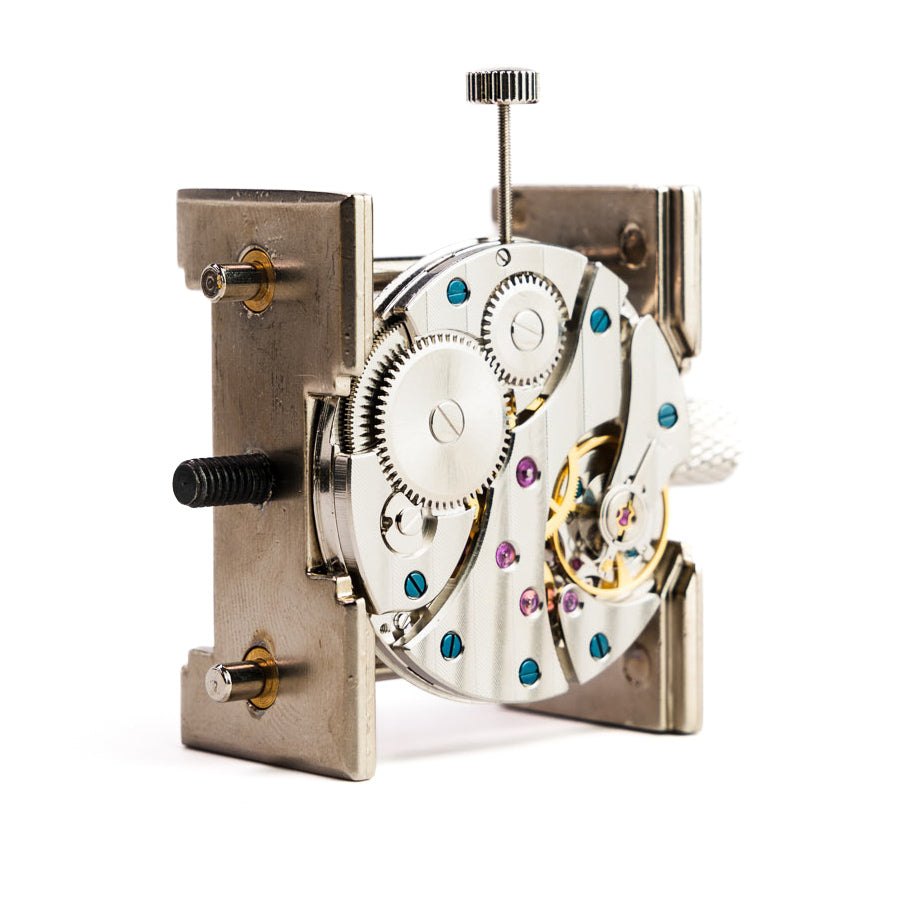
The Seagull ST3600 (hand-wound) is recommended by watchmaking educators as the best first movement for learning fundamentals due to its simpler construction.
Are Miyota movements of good quality?
Yes. Miyota movements are factory-proven, reliable, and used by hundreds of watch brands worldwide. The 8215 automatic is one of the most widely used movements in the industry.
Does Grand Seiko compete with Rolex?
In terms of movement finishing and dial craftsmanship, many collectors consider Grand Seiko equal to or better than Rolex. Brand recognition and resale value still favor Rolex in most markets.
Can I build a watch using a Japanese movement?
Yes. DIY watchmaking kits featuring Seiko NH36, Seiko NH05, and Miyota 8215 movements are widely available and include all tools and guides needed for assembly.