

Easy vs Medium vs Hard Difficulty: What the Rotate Kit Levels Actually Mean
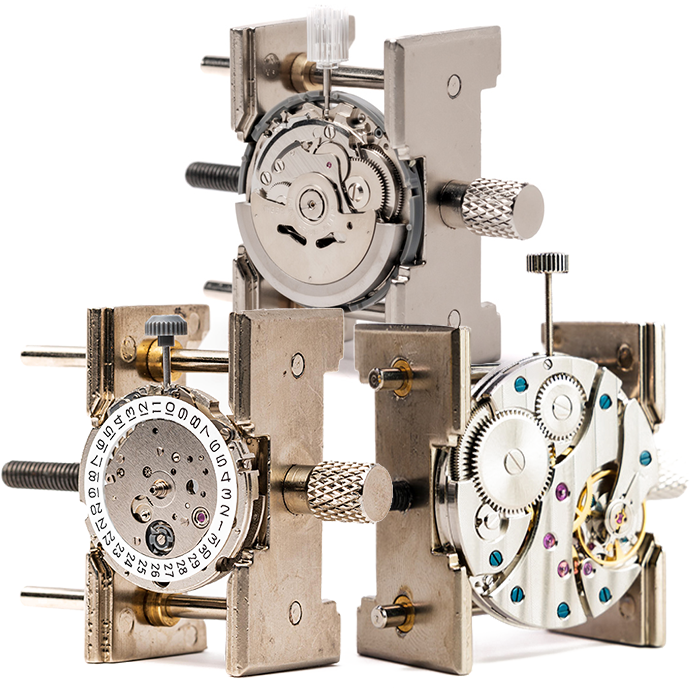
Every Rotate watchmaking kit carries a difficulty rating: easy, medium, or hard. Each level describes how much of the watchmaking process you get to experience hands-on. An easy kit focuses your time on assembling the finished watch, a medium kit adds precision steps that teach you more along the way, and a hard kit gives you full access to the movement's mechanical internals. All three levels produce the same caliber of finished timepiece.
Key Takeaways
- Difficulty reflects depth of mechanical engagement, not overall quality.
- "Easy" kits pair feature-rich movements with simplified assembly.
- "Hard" kits use hand-wound movements for deeper access to core mechanical parts.
- Every kit includes guides, tools, and technical support regardless of difficulty.
- The learning path starts with hand-wound (hard) and progresses to automatic day-date (easy).
What Makes a Kit "Easy"
The "Easy" label refers to the assembly process, not to the movement inside. Easy kits actually house some of the most feature-rich movements in the Rotate lineup.
Fewer Assembly Steps, More Features
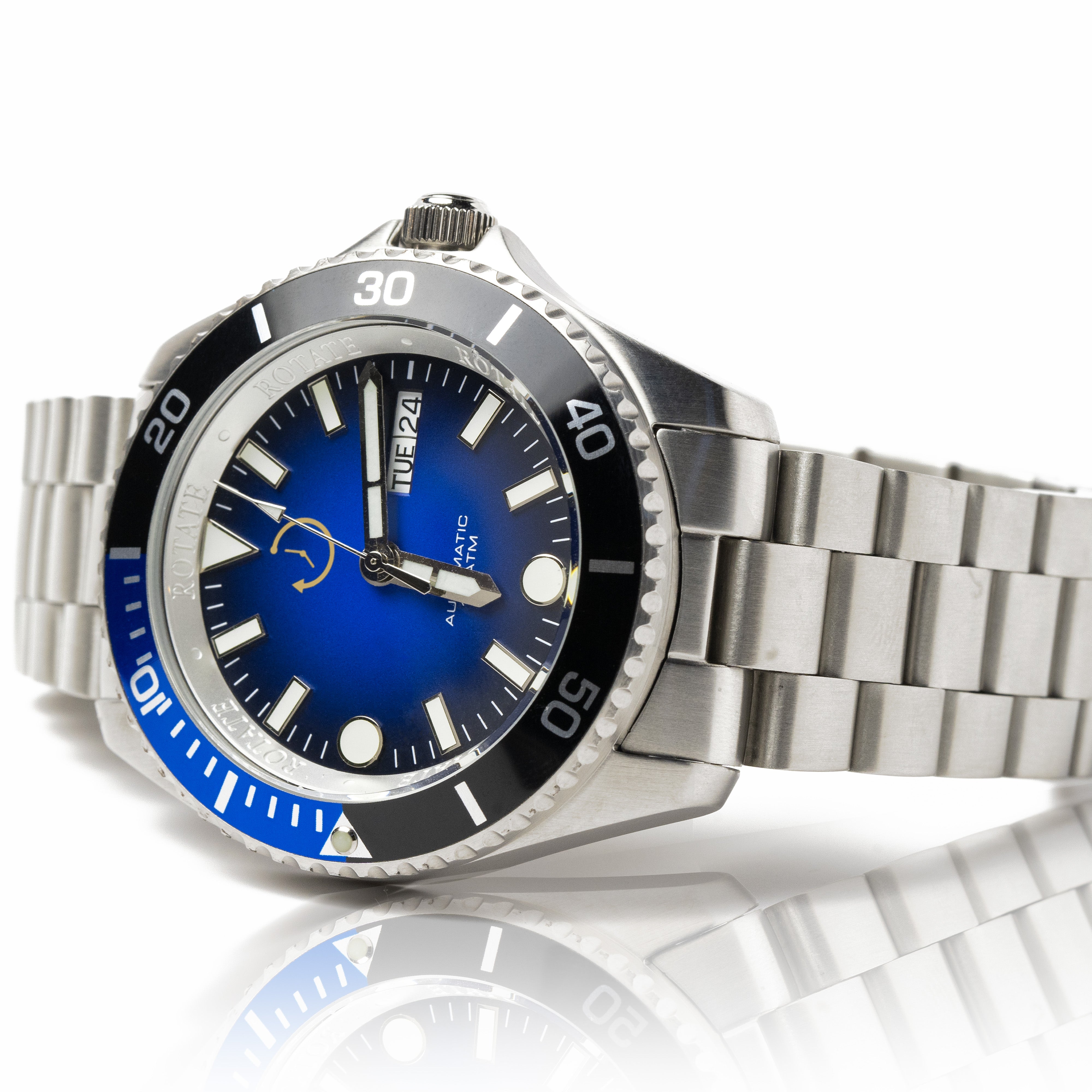
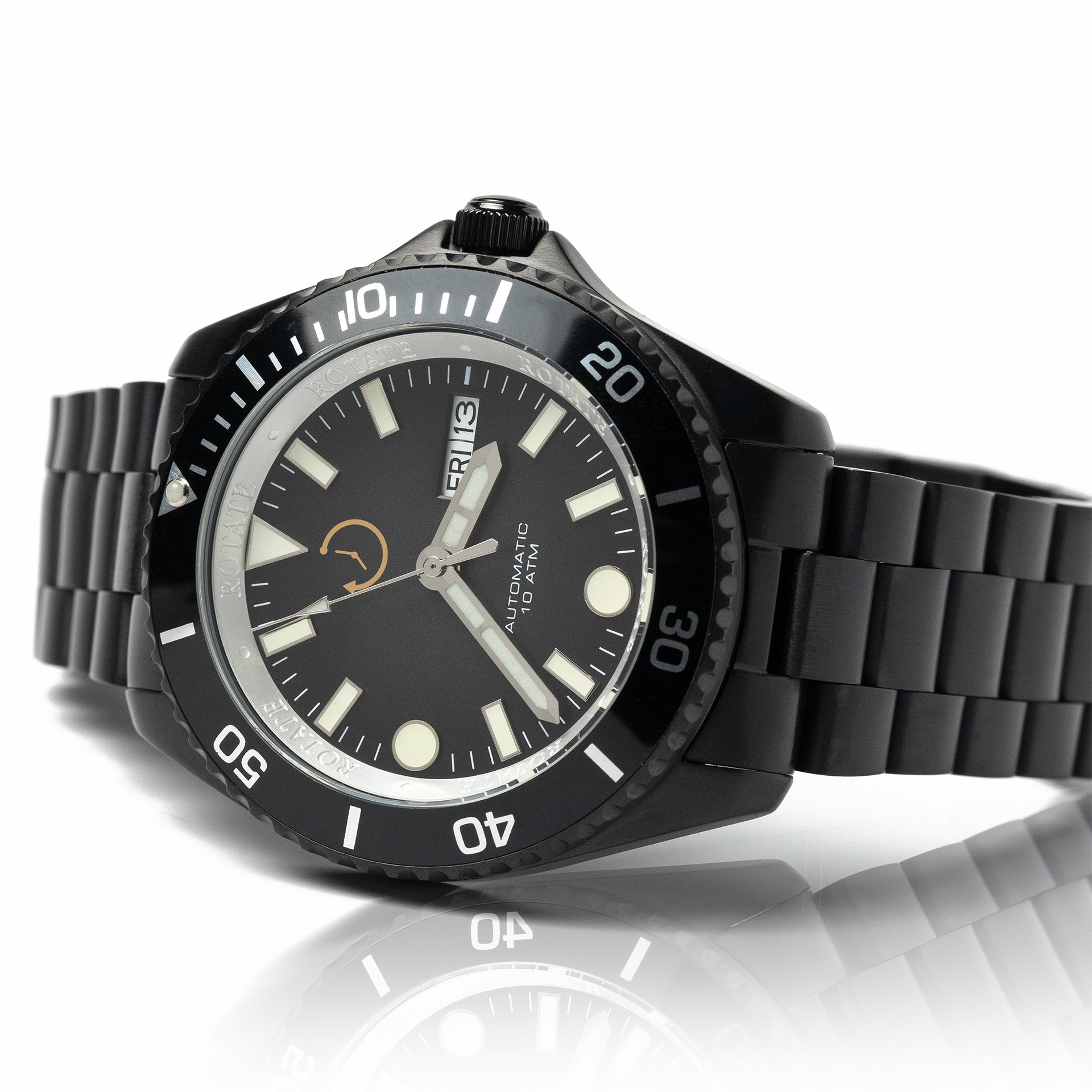
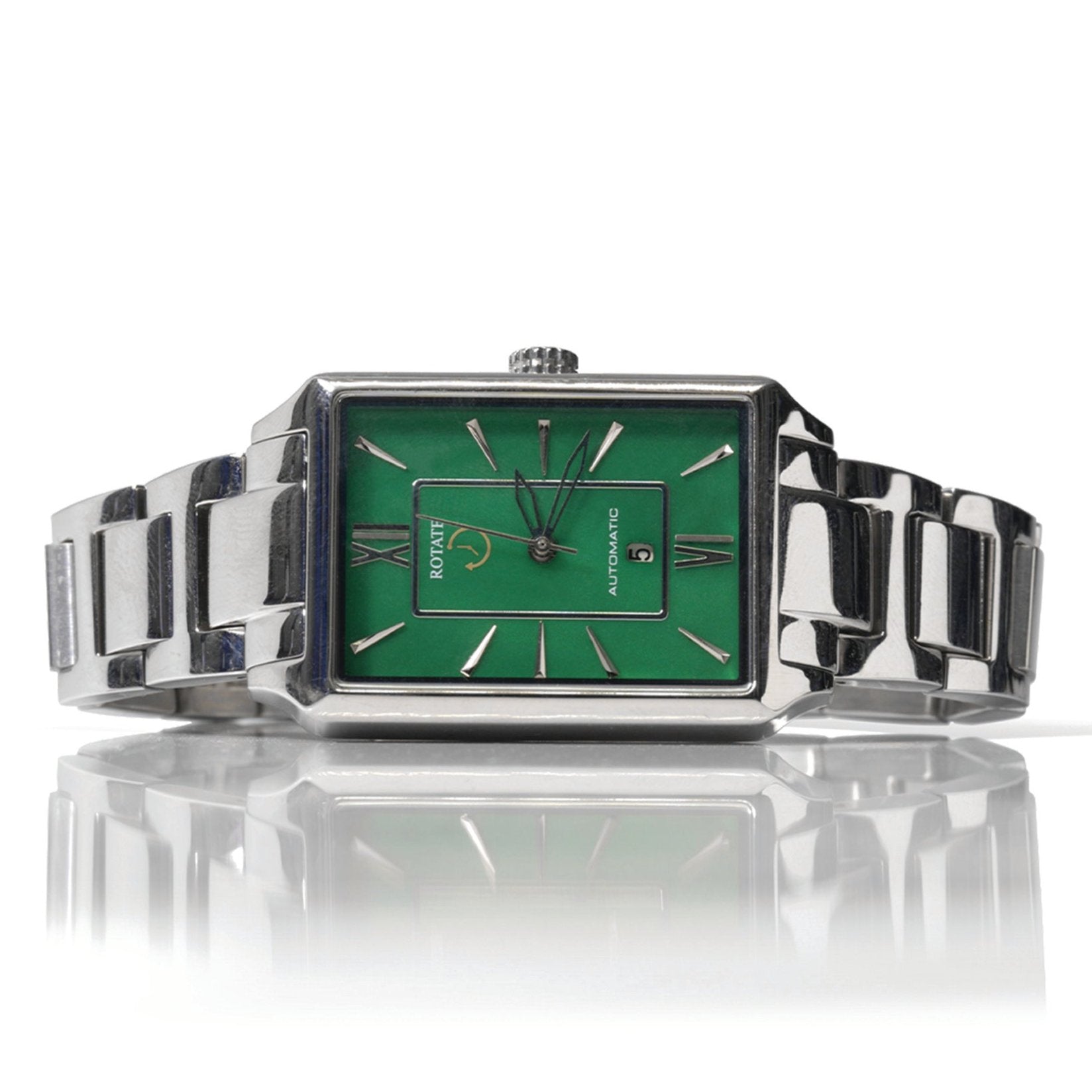
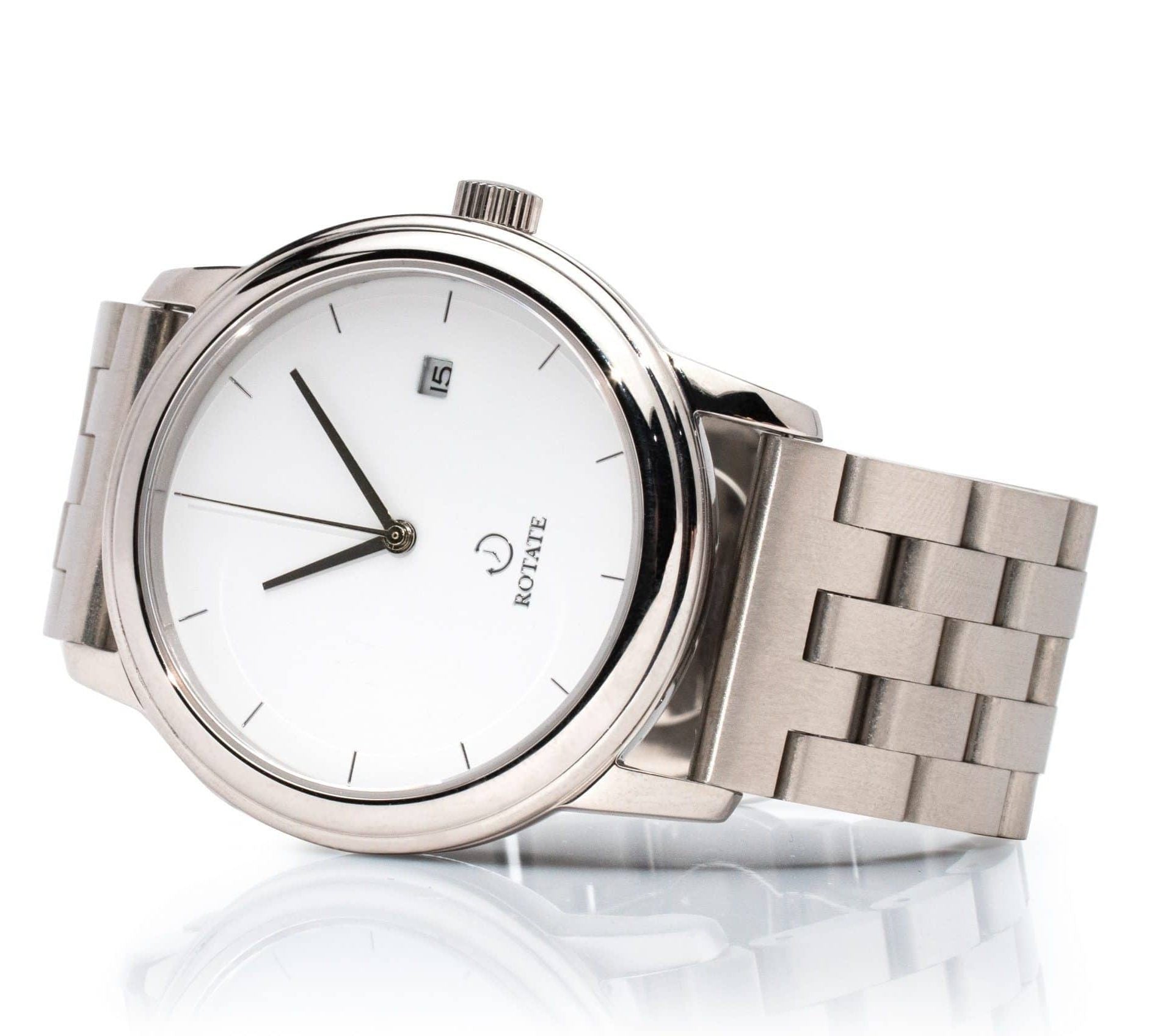
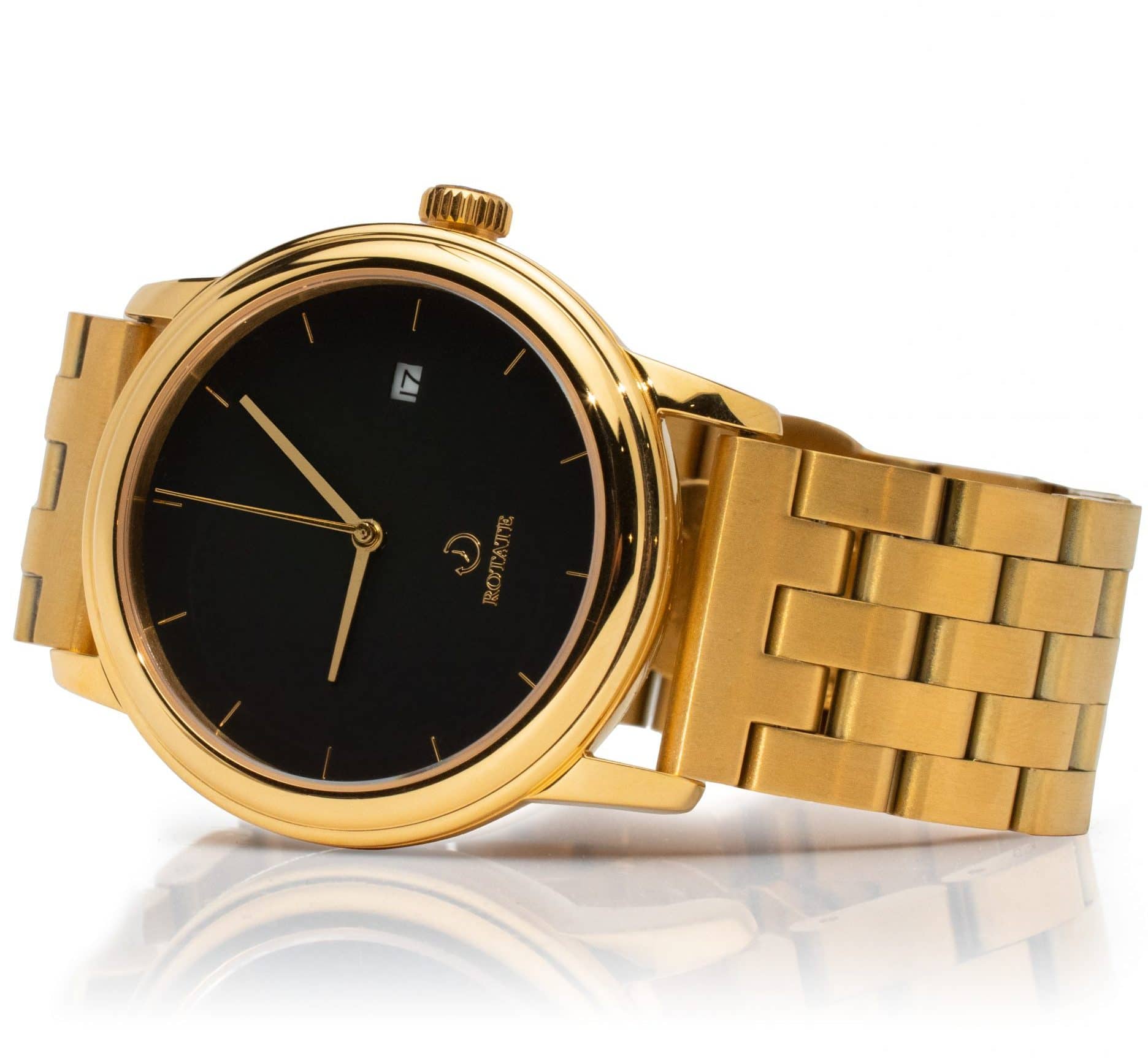
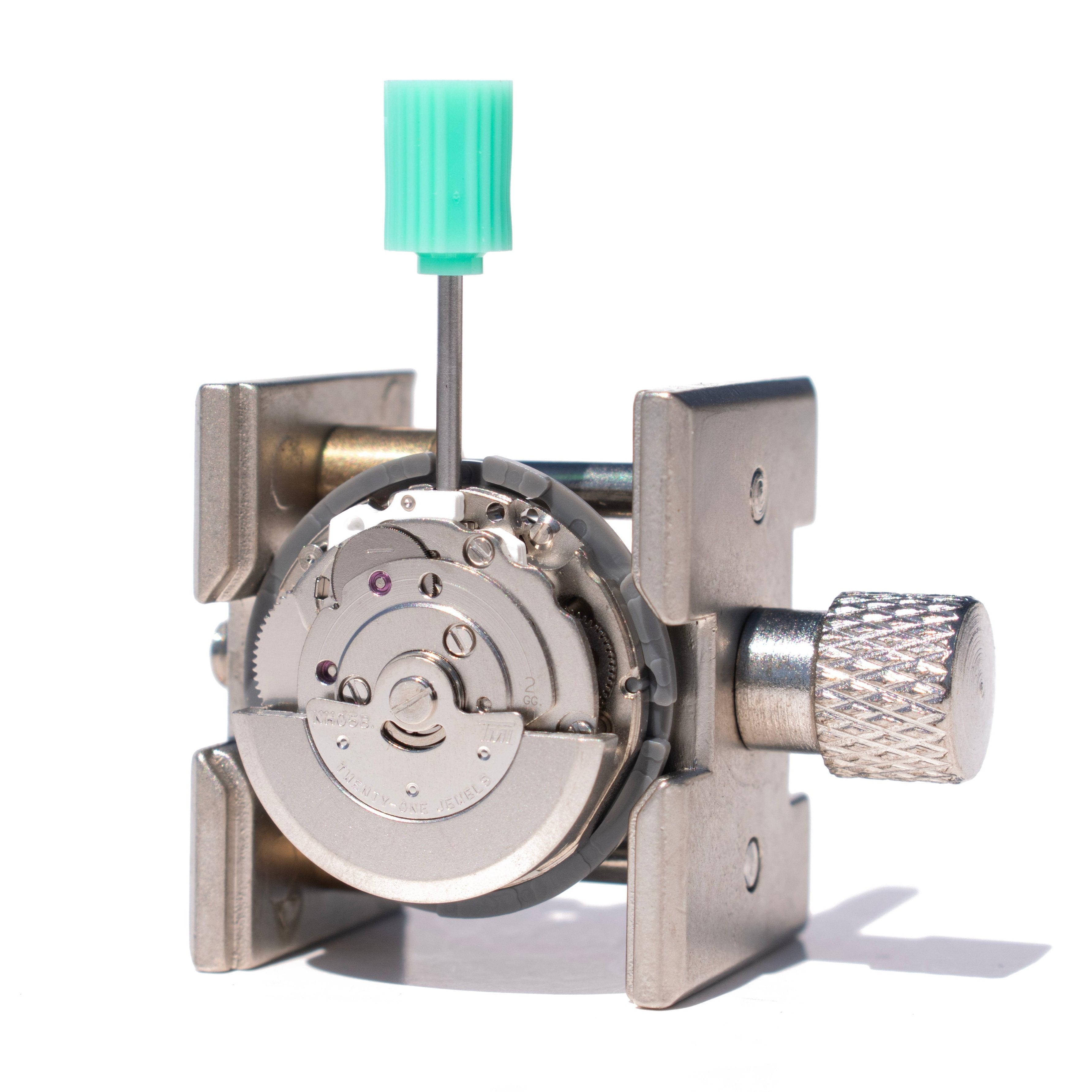
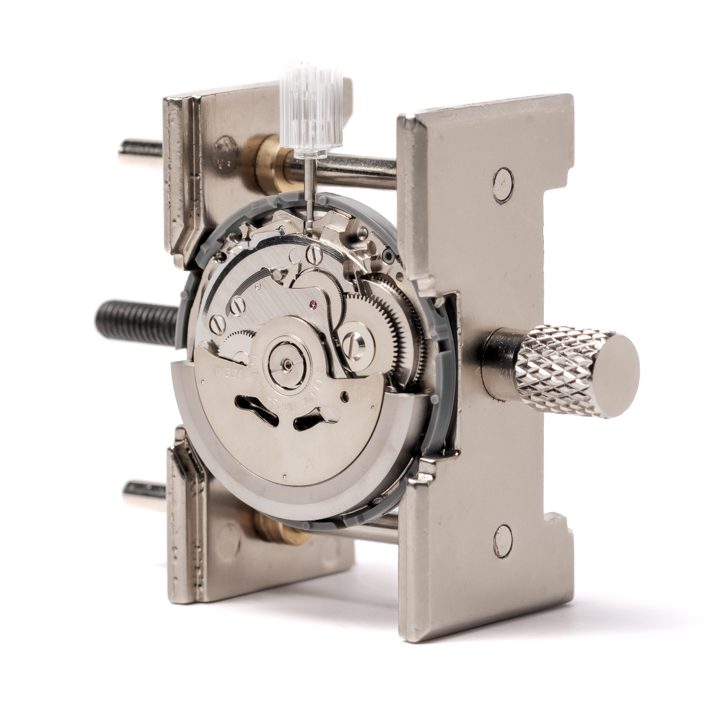
The Cabot and Marco Watchmaking Kits both feature the Seiko NH36, a 24-jewel automatic movement with date and day-date functions. The movement arrives fully built and tested, so your focus stays on watch assembly, casing, dial, hands, and strap. Most first-time builders complete easy-rated watch kits without needing to contact support.
For builders who want to study the day-date mechanism up close, the Seiko NH36 Movement rewards closer inspection once you're ready to move beyond assembly-only builds.
What "Easy" Actually Feels Like
An easy build takes one to two hours. The trickiest moment comes when pressing the hands onto their posts, because too much force risks bending a hand while too little leaves it loose. The included hand-setting tool helps control the pressure. Easy kits are a great fit for first-time builders, gift recipients, and parent-child pairs building together (recommended for ages 12 and up).
What "Medium" Difficulty Really Involves
A medium-rated kit adds precision steps that an easy build skips over, such as setting dial feet screws, aligning a date window, or working with smaller components inside a non-standard case shape.
More Hands-On Assembly
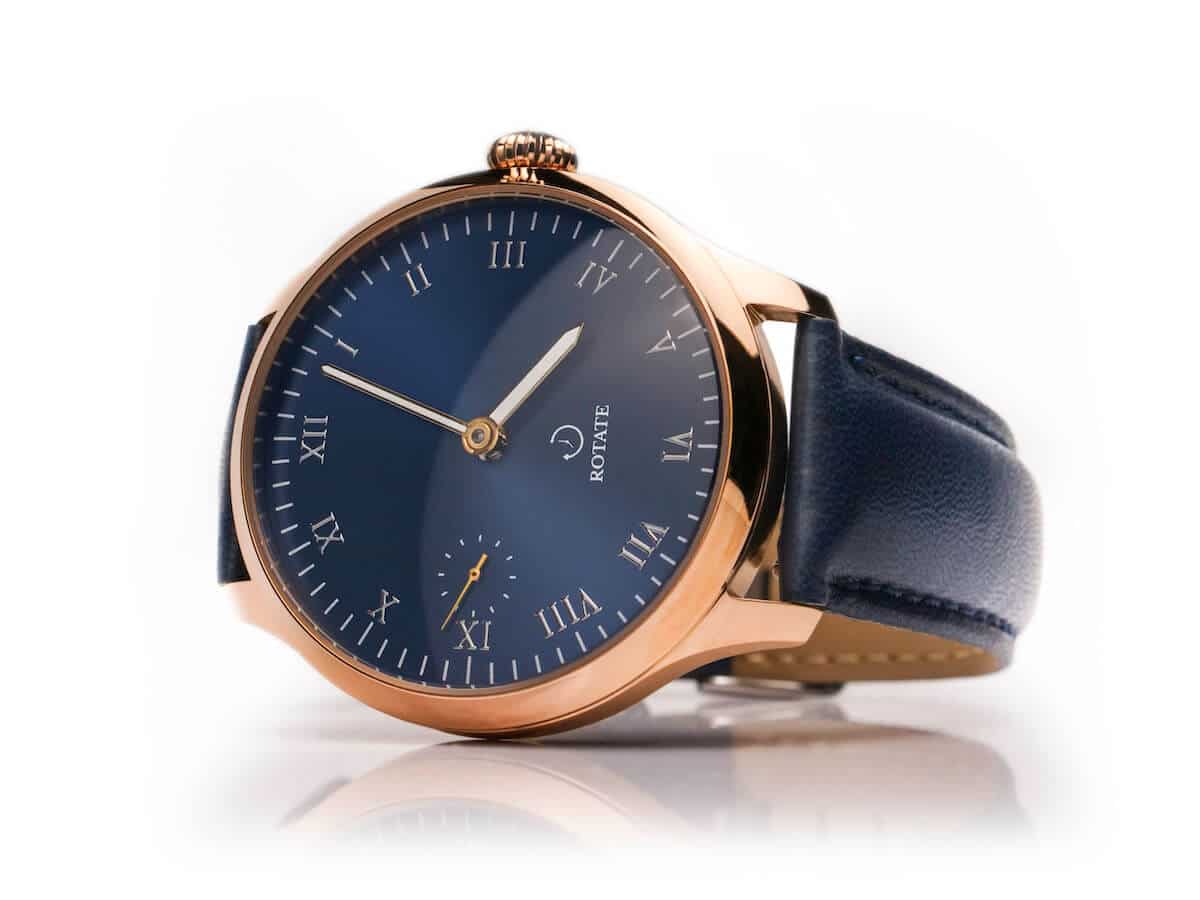
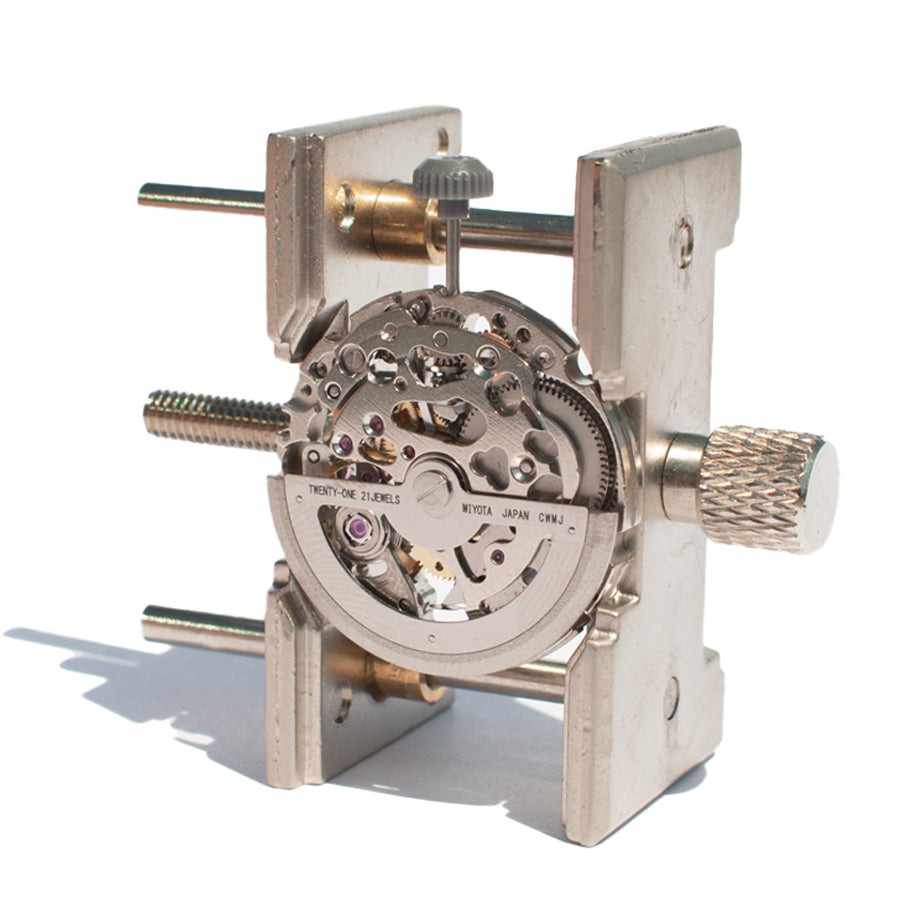
Kits using the Miyota 8215, like the Newton and Eiffel, require aligning the date window so the numbers sit centered and legible. Of the three hands, the second hand causes the most trouble because its post is the thinnest. Builders who want to go deeper can pair their watch kit with the standalone automatic movement kit to learn full disassembly.
One important note for the 8215: do not set the date between 9 p.m. and 1 a.m. The date-change gears are engaged during those hours, and forcing an adjustment can damage the calendar mechanism.
The NH05 Factor
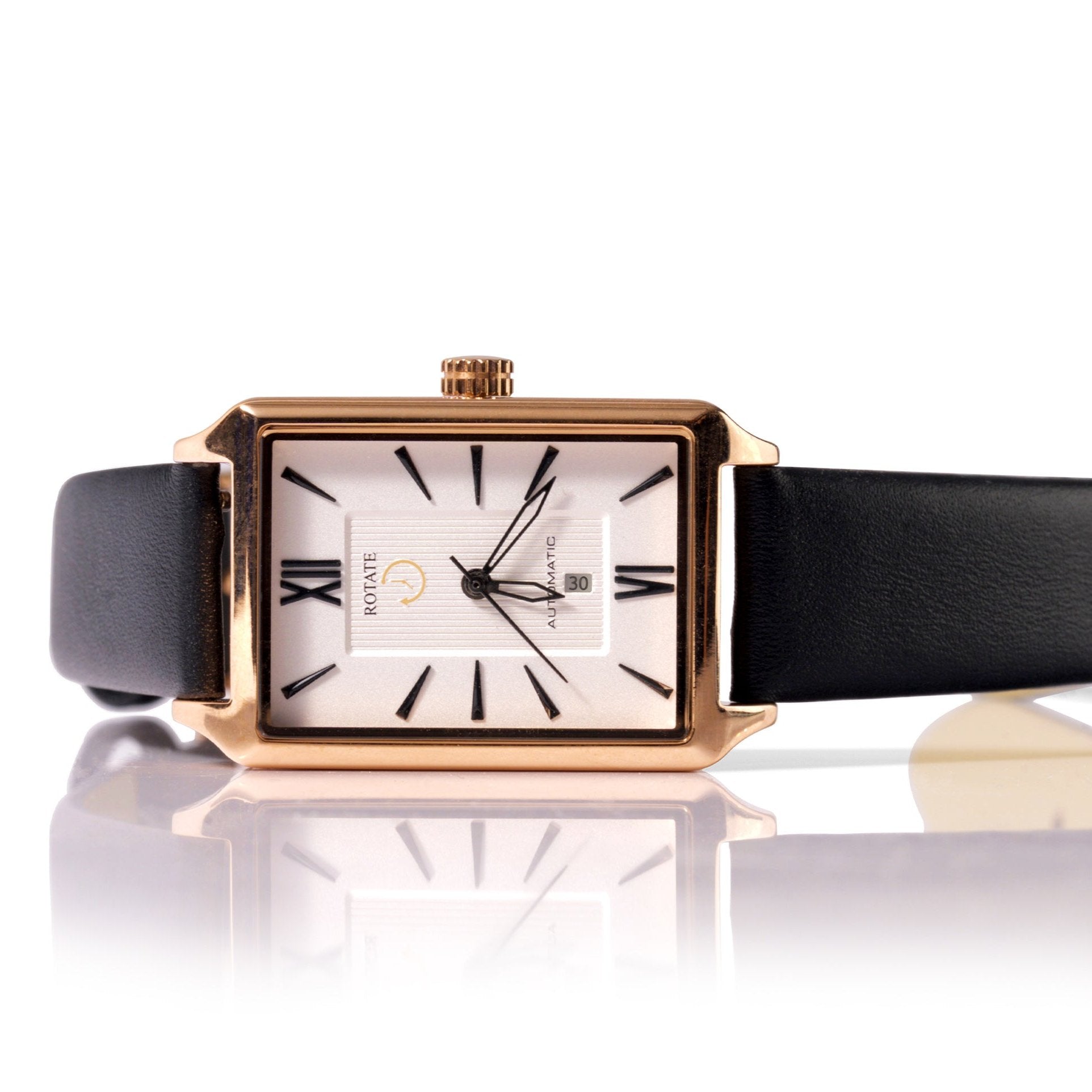
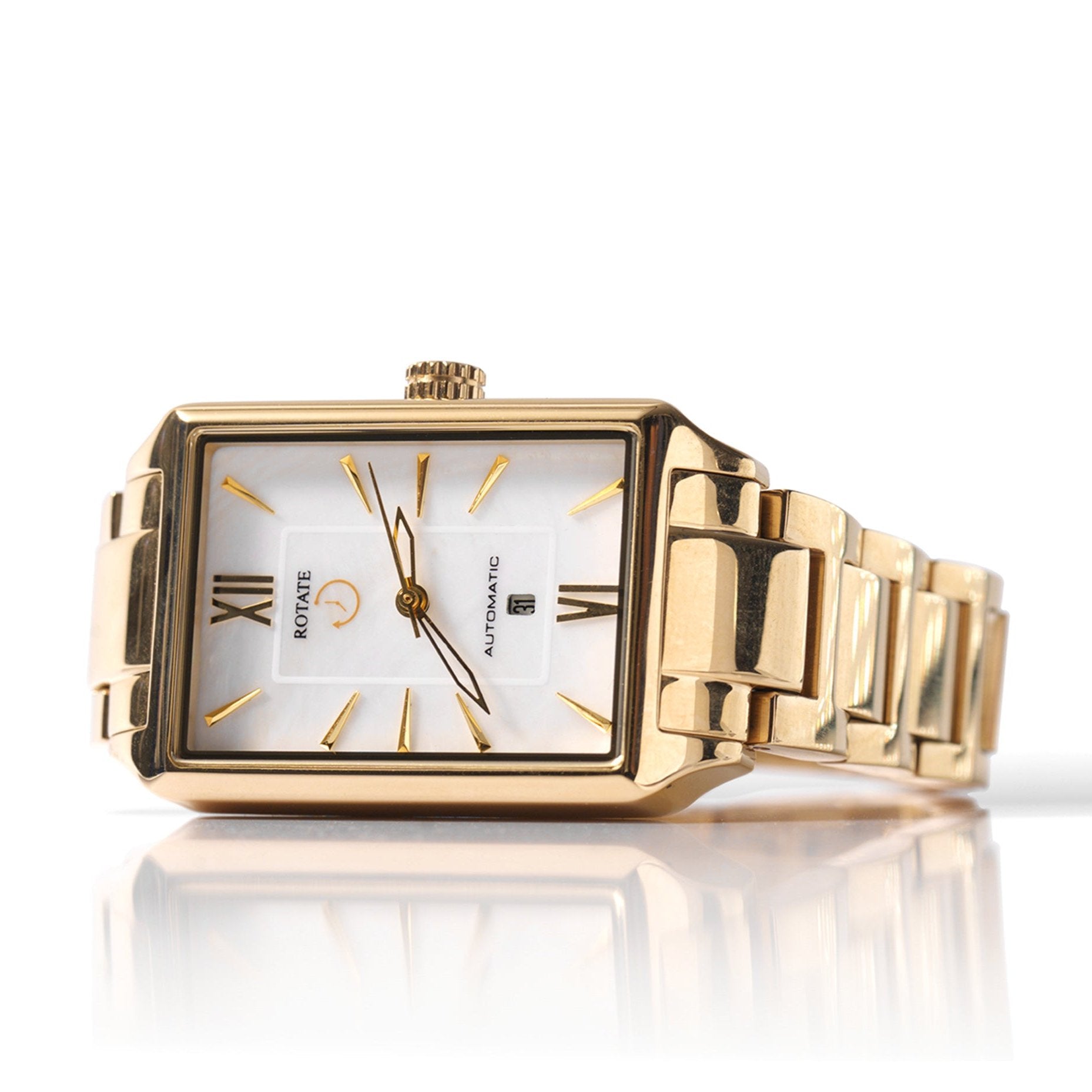
Three medium kits, the Lange, Alden, and Knight, use the Seiko NH05. At just 17.5mm in diameter, the NH05 is one of the smallest automatic movements available, and working inside a rectangular 25x41mm case requires a noticeable step up in precision.
Builders who want to isolate that precision work can practice separately with the Seiko NH05 - Movement Kit, which focuses entirely on disassembling and reassembling the movement itself.
Medium Difficulty Movements
- Miyota 8215: 21 jewels, automatic, date, 40+ hour power reserve
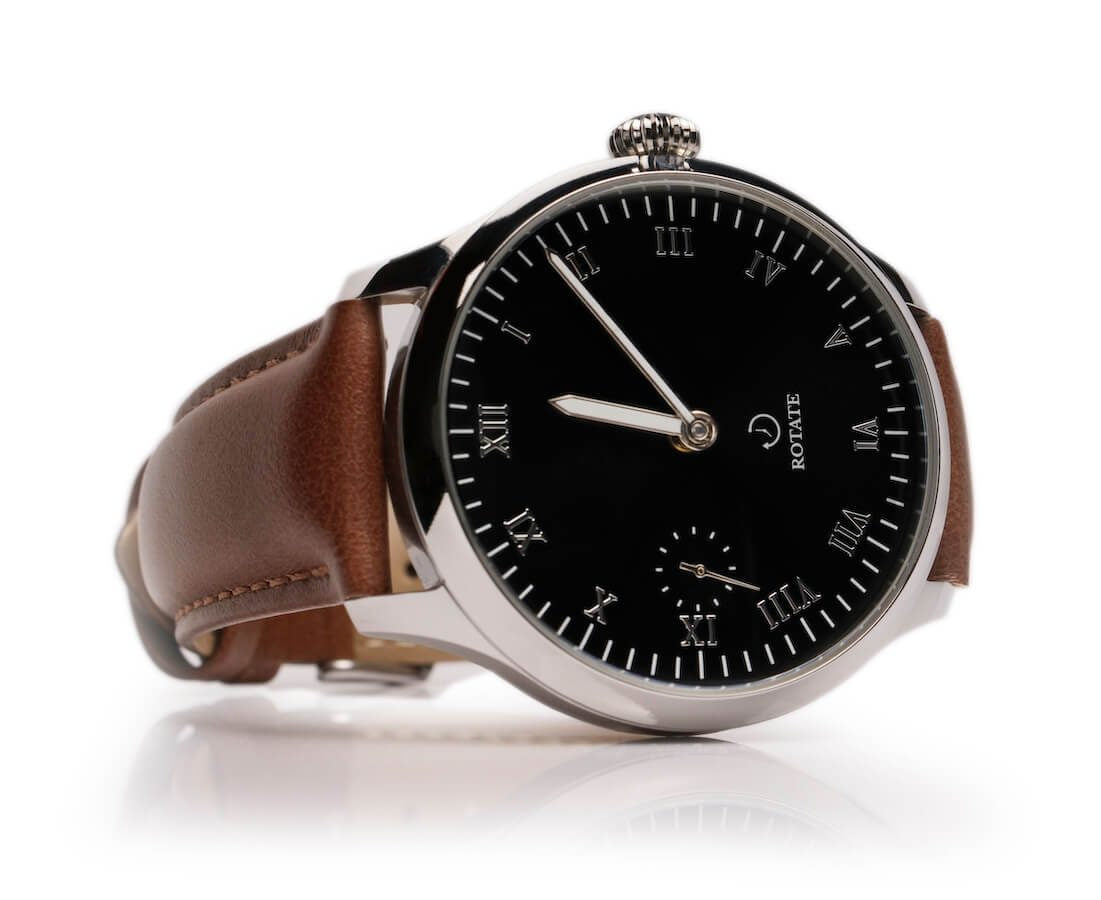
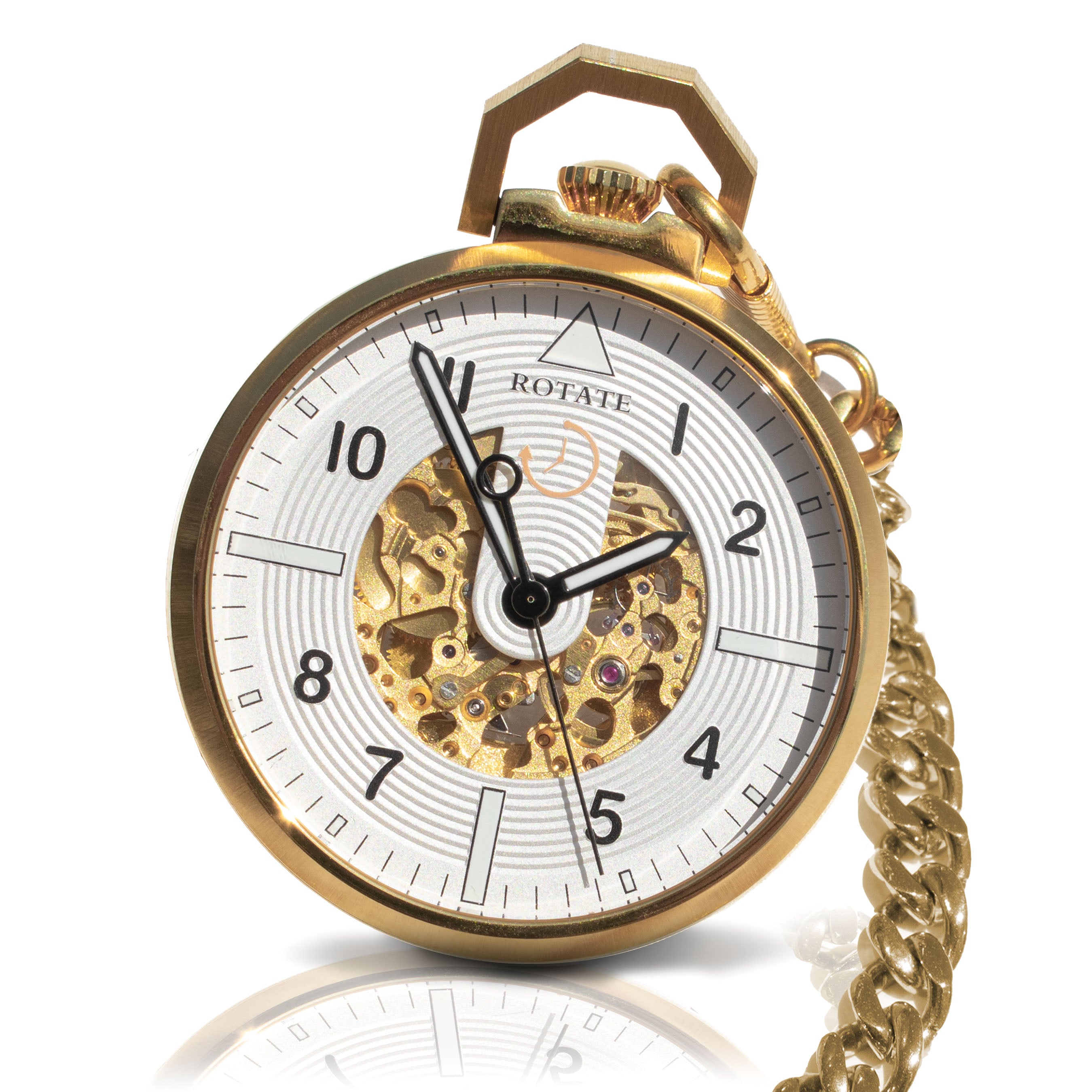
- Miyota 8N24: 21 jewels, automatic skeleton, no date, 42+ hour power reserve
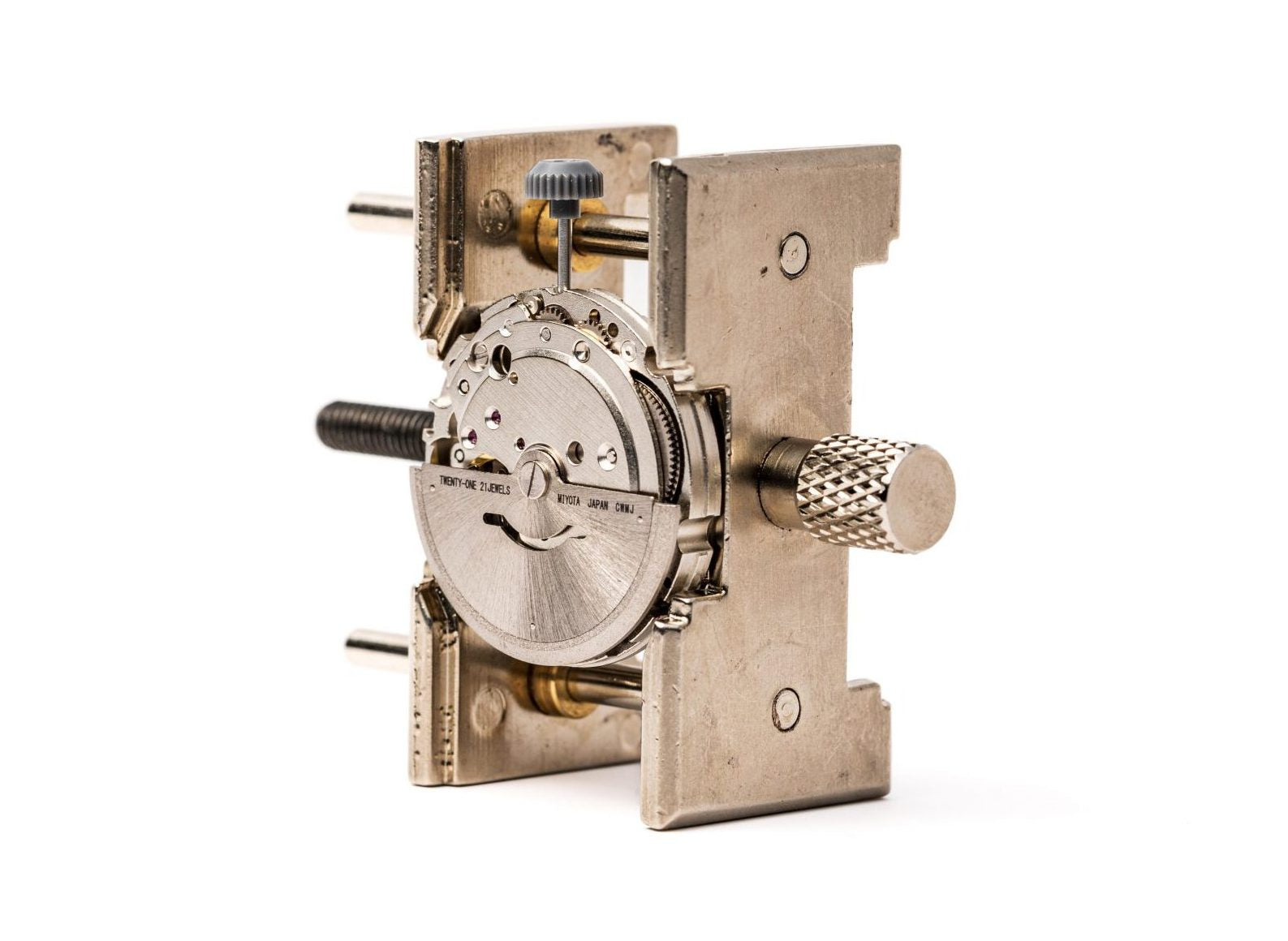
- Seiko NH05: 21 jewels, automatic, date, approximately 50-hour power reserve
What "Hard" Actually Means
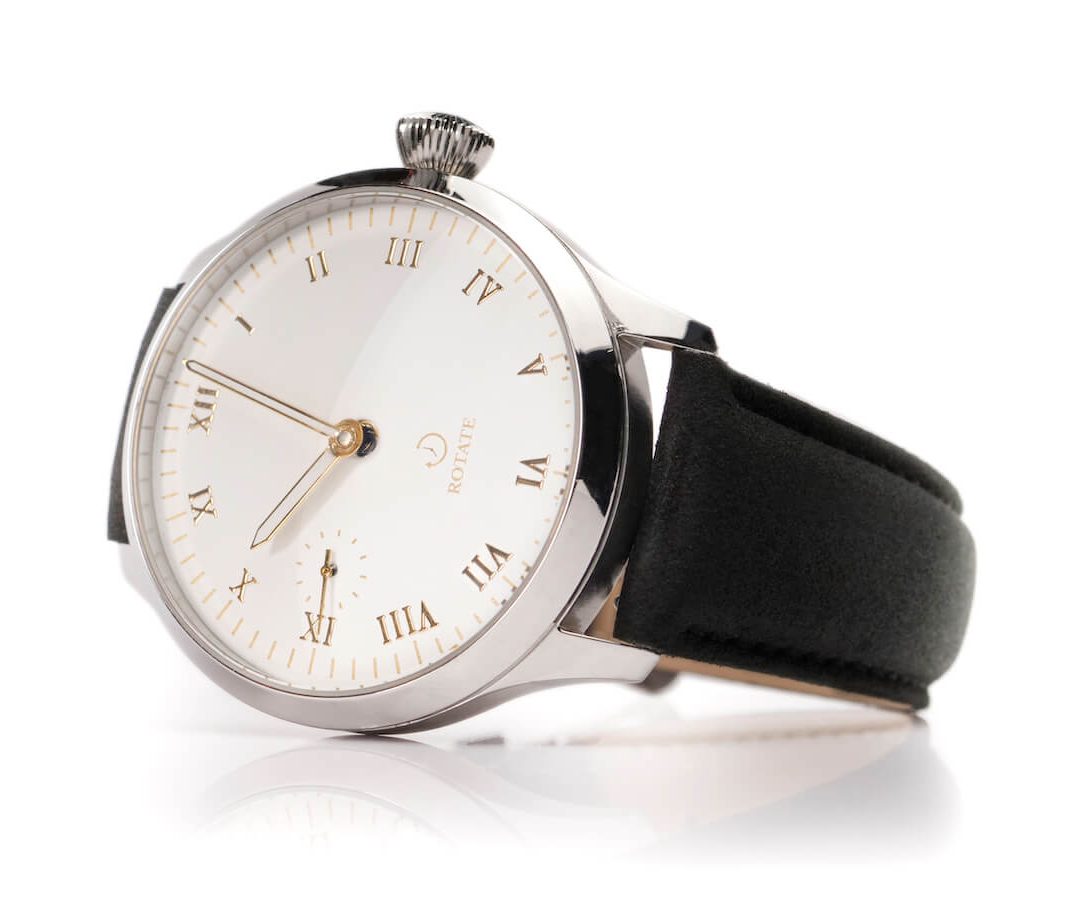
A hard-rated kit means you engage directly with the movement's mechanical internals, either through a hand-wound caliber or through full movement disassembly and reassembly. The rating reflects the depth of that engagement, and it rewards you with the deepest understanding of how a mechanical watch works.
Hand-Wound Movements Teach More
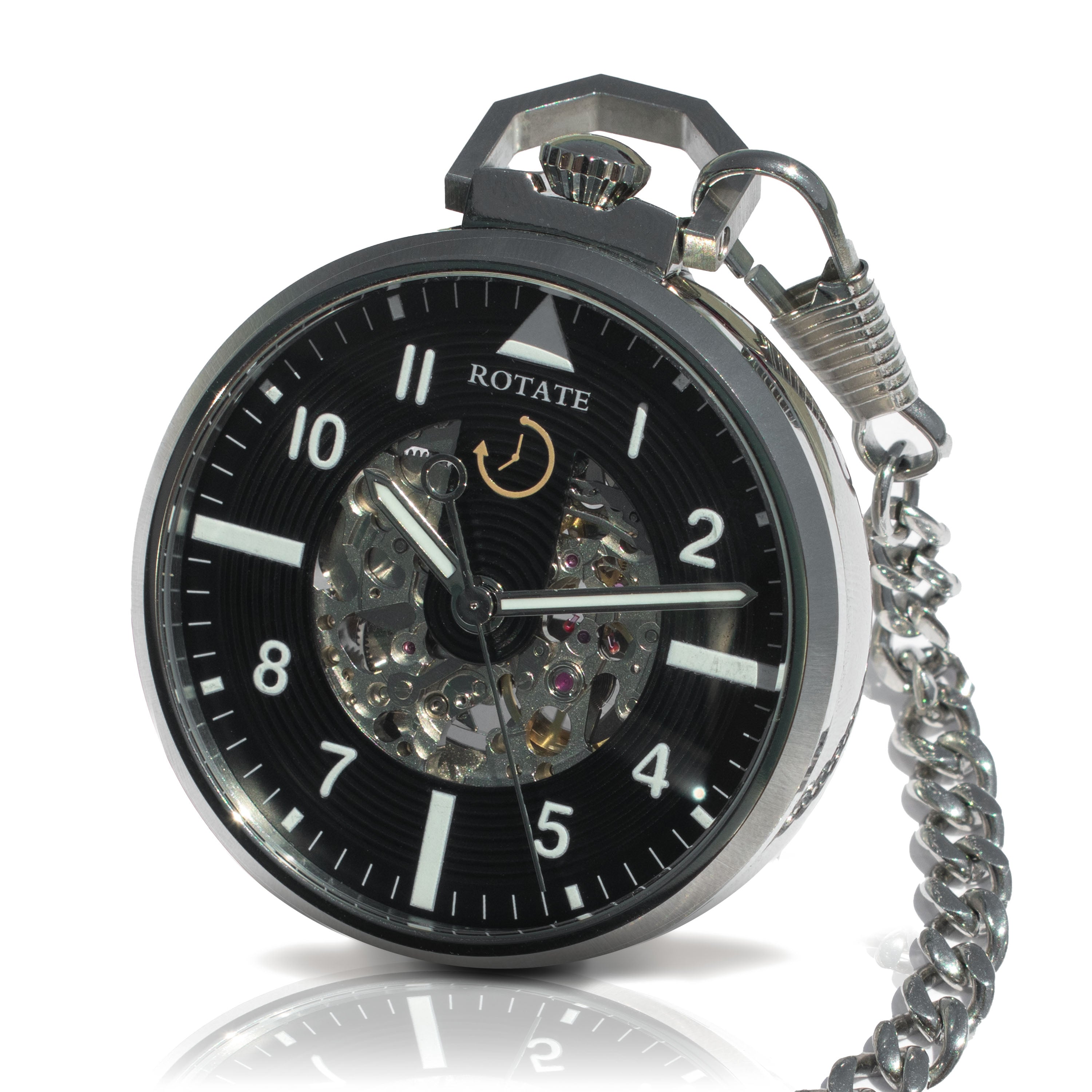
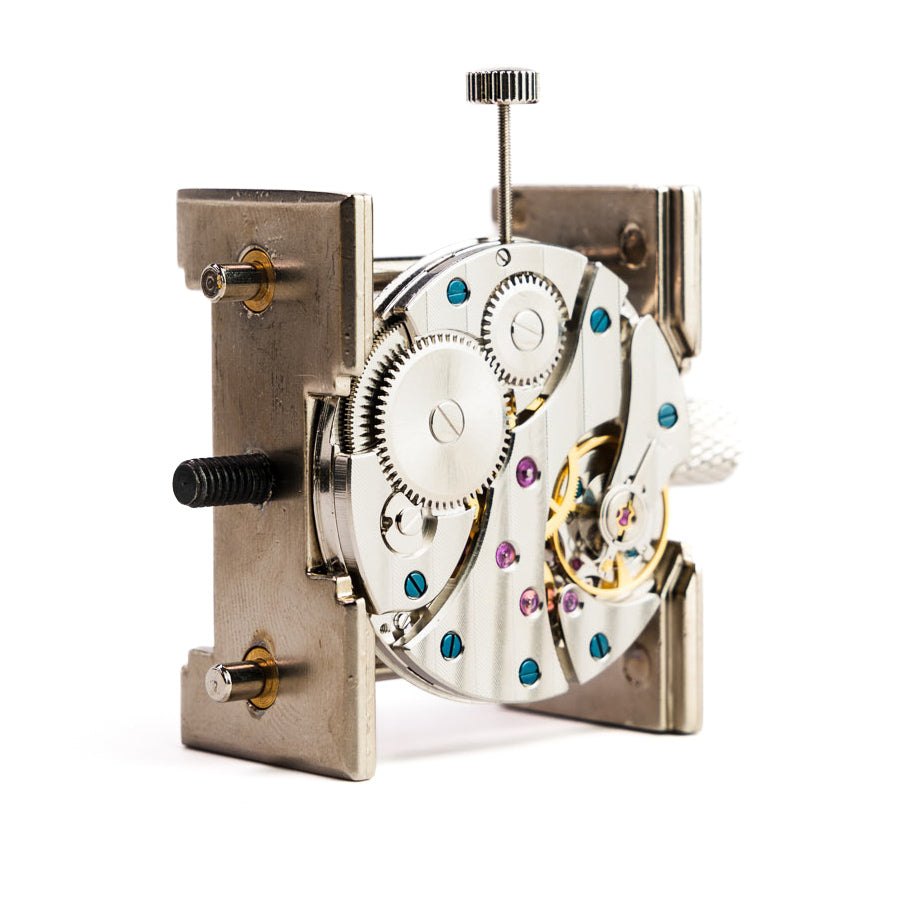
The Edison, Wright, and Galileo all use the Seagull ST3600, a 17-jewel hand-wound movement. Watchmaking schools worldwide start students with hand-wound calibers because the clean, focused architecture makes every mechanical principle visible and accessible. The main challenge is crown and stem installation, where alignment must be precise before the movement will run.
Movement Kit Difficulty
All standalone watch movement kits carry a "Hard" rating because they involve full disassembly and reassembly of 40 to 50+ individual components. The process takes three to five hours and builds knowledge that carries over to servicing, regulation, and future builds.
Why "Hard" Might Be the Best Starting Point
The ST3600 has the most focused internal architecture of any Rotate movement. With fewer components and no automatic winding system, every part serves a clear, visible purpose, which makes the learning process direct and rewarding. That depth is why watchmaking educators recommend the ST3600 as the ideal first movement. Hard kits suit STEM enthusiasts, engineers, and anyone planning to progress through multiple movement types over time.
Kit Difficulty at a Glance
| Kit | Difficulty | Movement | Build Time | Price |
|---|---|---|---|---|
| Cabot | Easy | Seiko NH36 (24 jewels, day-date) | 1-2 hours | From $255 |
| Marco | Easy | Seiko NH36 (24 jewels, day-date) | 1-2 hours | From $255 |
| Newton | Medium | Miyota 8215 (21 jewels, date) | 2-3 hours | From $225 |
| Eiffel | Medium | Miyota 8215 (21 jewels, date) | 2-3 hours | From $225 |
| Hudson | Medium | Miyota 8N24 (21 jewels, skeleton) | 2-3 hours | $235 |
| Earle | Medium | Miyota 8N24 (21 jewels, skeleton) | 2-3 hours | $240 |
| Lange | Medium | Seiko NH05 (21 jewels, date) | 2-3 hours | $225 |
| Alden | Medium | Seiko NH05 (21 jewels, date) | 2-3 hours | $215 |
| Knight | Medium | Seiko NH05 (21 jewels, date) | 2-3 hours | $250 |
| Edison | Hard | Seagull ST3600 (17 jewels, hand-wound) | 3-5 hours | From $195 |
| Wright | Hard | Seagull ST3600 (17 jewels, hand-wound) | 3-5 hours | From $195 |
| Galileo | Hard | Seagull ST3600 (17 jewels, hand-wound) | 3-5 hours | From $205 |
The Recommended Learning Path
Watchmaking educators follow a progression that builds skills in logical order:
- Start with the Seagull ST3600 (hand-wound, most focused construction)
- Progress to the Miyota 8215 (automatic with single date complication)
- Advance to the Seiko NH36 (automatic with date and day-date)
A movement kit bundle starting at $290 includes all three movements.
Conclusion
Difficulty labels describe how deeply you engage with the mechanics of the watch, not the quality of the finished product. An easy kit gets you a finished watch in fewer steps, a medium kit rewards you with a deeper understanding of how parts fit together, and a hard kit immerses you in the fundamentals that professional watchmakers learn first.
Browse the full collection of DIY watch building kits to find the difficulty level that fits your goals.
FAQs
Can a total beginner start with a hard-rated kit?
Yes. Hard-rated kits include complete guides and all necessary tools. Most beginners who follow the guide step by step complete the build successfully on their first attempt.
Which difficulty level takes the longest to build?
Hard kits and movement kits take three to five hours. Easy kits wrap up in one to two hours, and medium kits fall between two and three hours.
Do all difficulty levels include the same tools?
Every kit includes a core tool set. Some medium kits add hand pushers, hand pullers, and watchmaking putty for steps that demand finer control.
Is a medium kit good for a gift?
Medium kits make excellent gifts for recipients who enjoy hands-on projects. If the recipient has no prior assembly experience, an easy kit is a safer bet. Both levels work well for parent-child pairs where the builder is age 12 or older.
Does difficulty affect the final watch quality?
No. Every kit produces a functional, quality-checked mechanical watch regardless of difficulty. The difference shows up in the build process, not the finished timepiece.
What if I get stuck during the build?
Every kit comes with access to technical support. Mistakes fix easily by disassembling the affected step and trying again, and Rotate ships replacement parts under their lifetime warranty if components get lost or damaged.