

How to Display and Store a Pocket Watch You Built Yourself
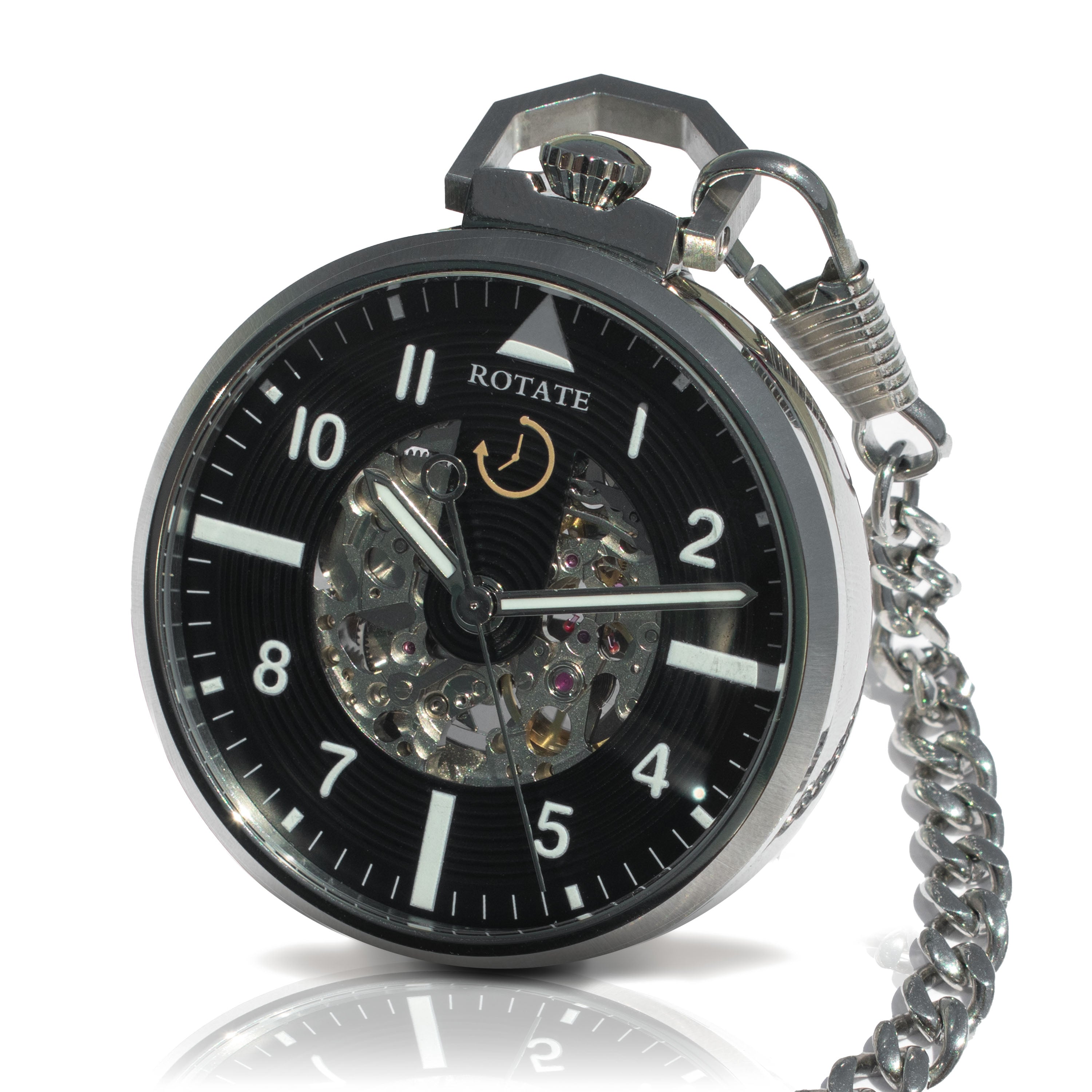
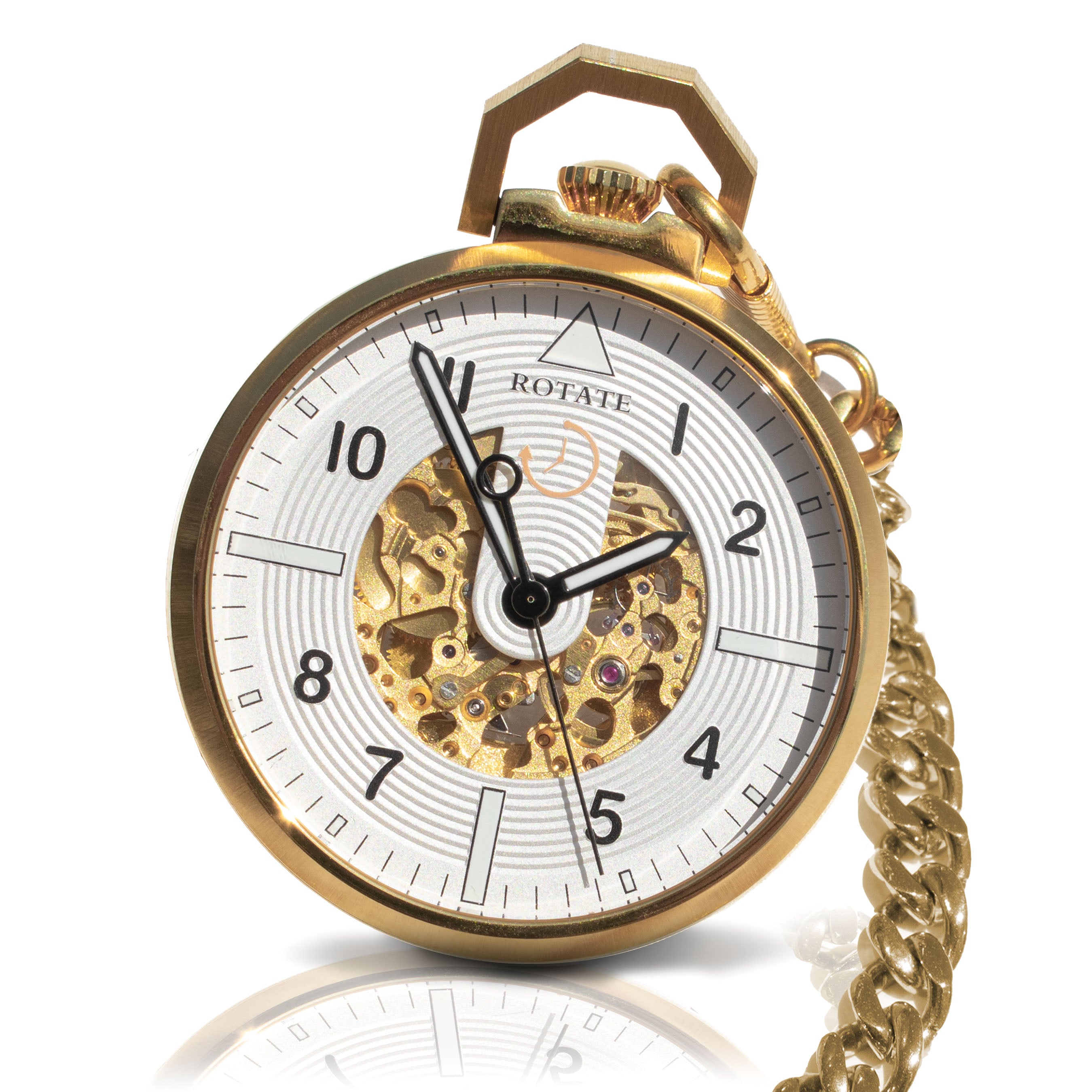
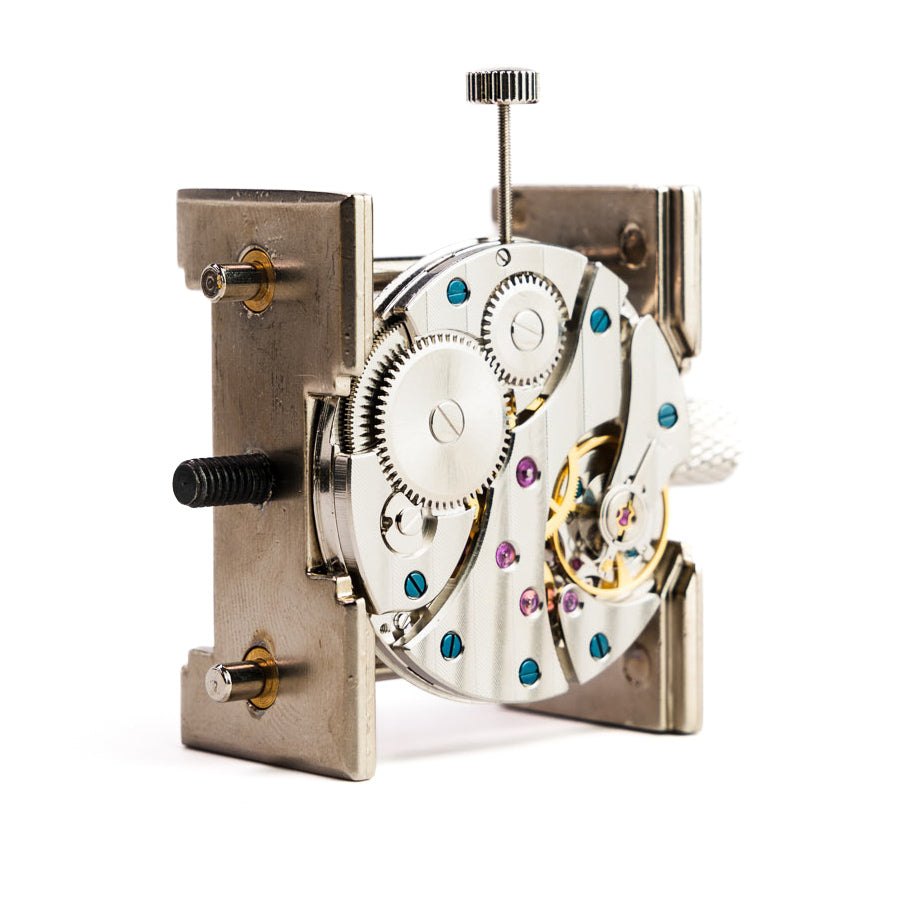
You spent hours assembling a skeleton pocket watch from scratch. Every gear clicked into place, every screw seated perfectly, and the movement ticked to life. A build like that deserves more than a junk drawer, and leaving it loose on a desk invites scratches that undo all that careful work.
The good news is that pocket watch display options, from simple stands and glass domes to shadow boxes and padded storage pouches, makes it easy to protect your build while keeping it on full display. Which one works best depends on how often you wear the watch, where you want to show it off, and how much shielding the movement needs between wears.
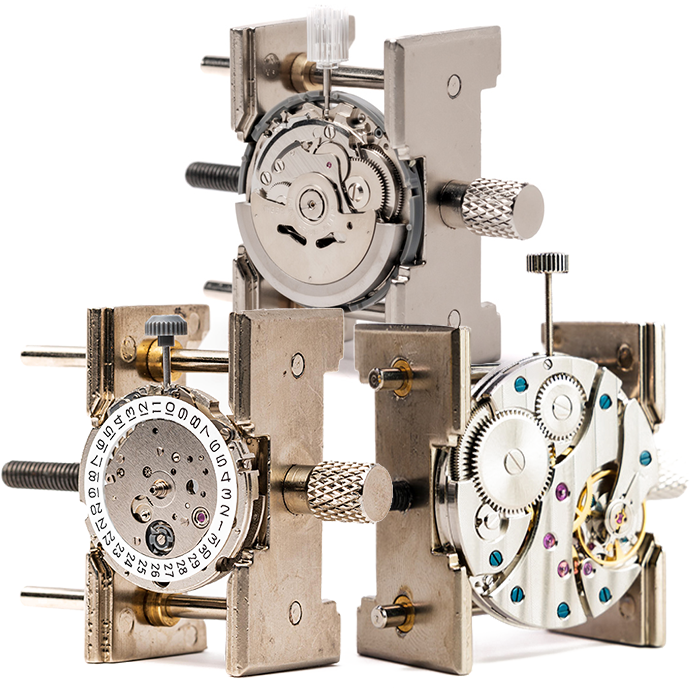
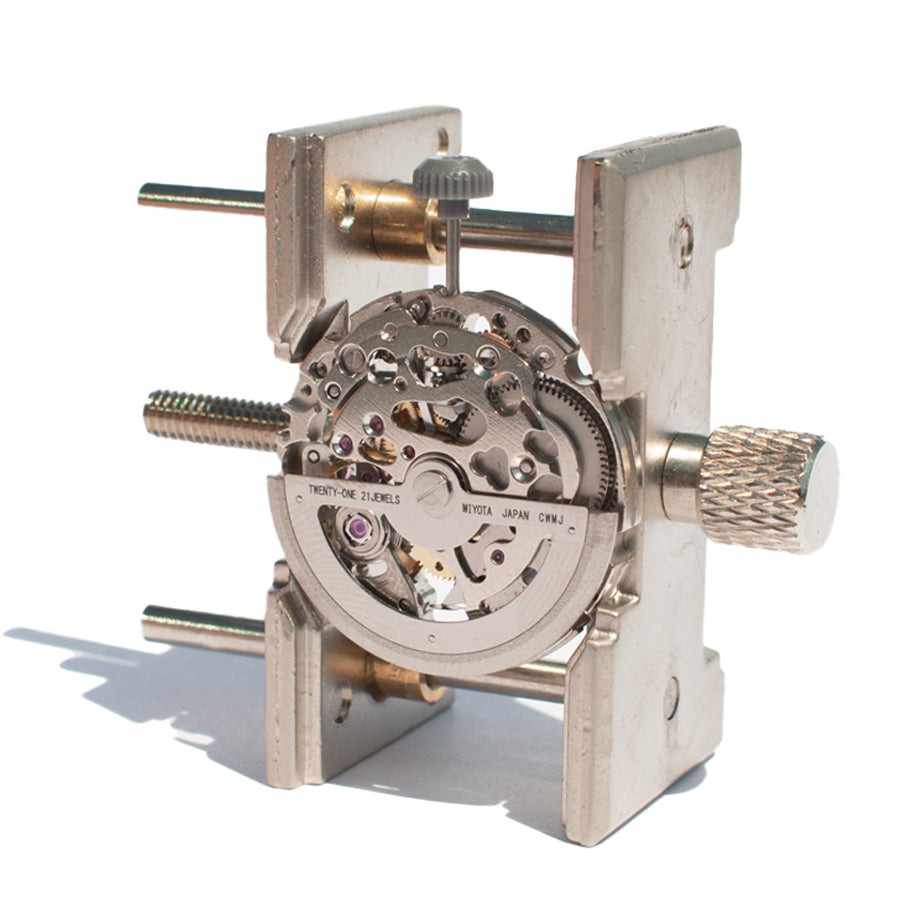
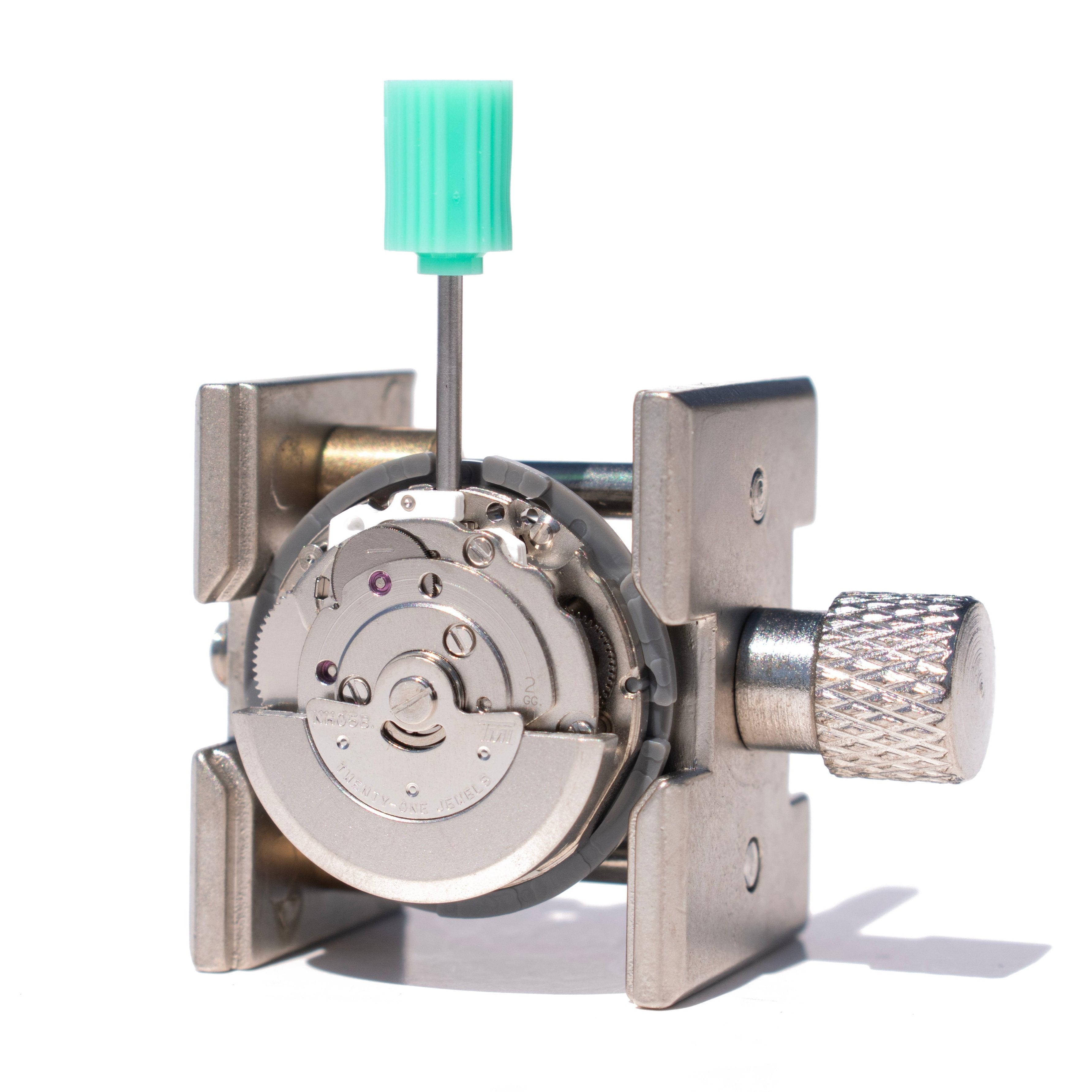
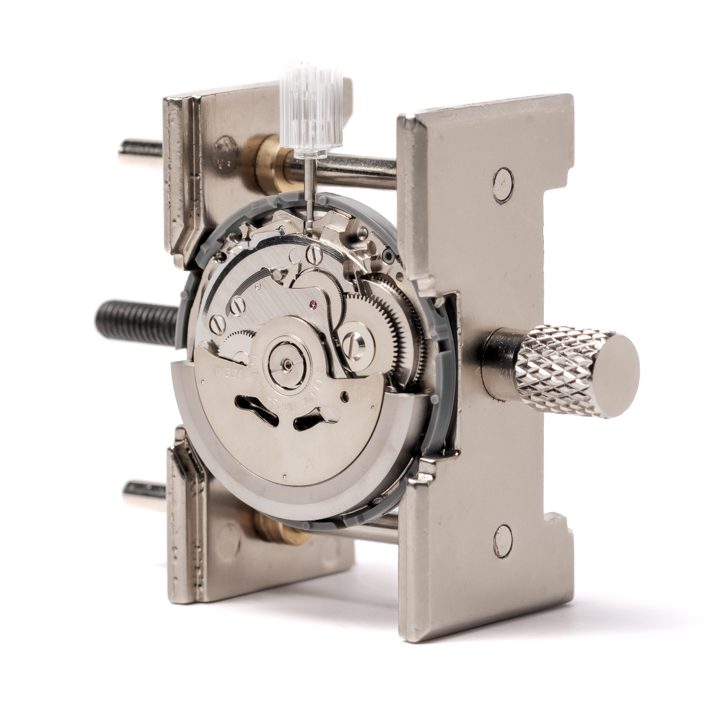
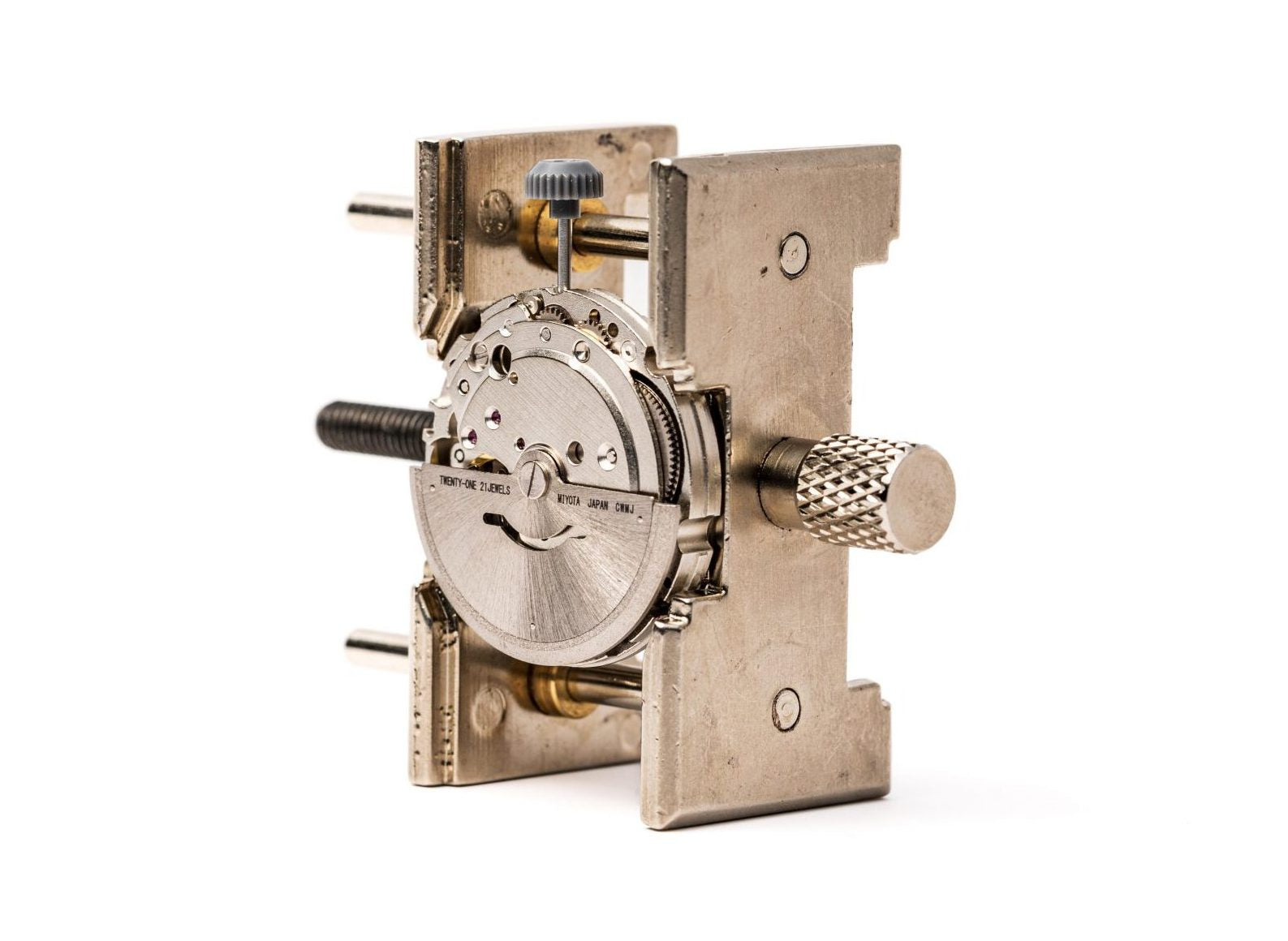
The right setup goes beyond looks, protecting the movement, crystal, and case finish from dust, moisture, and damage over time. Whether you built a skeleton pocket watch with the Miyota 8N24 or finished your first hand-wound project, the ideas below keep your work safe, visible, and ready to wear.
Key Takeaways
- A pocket watch stand offers quick daily access while showcasing the face.
- Glass dome displays provide dust protection with full visibility.
- Shadow boxes and wall-mounted frames work well for multiple watches.
- Proper storage prevents scratches, dust buildup, and moisture damage.
- Keep automatic pocket watches wound or use a winder to maintain lubrication.
- Maintain storage humidity between 40% and 60% using silica gel packets or a dehumidifier.
Pocket Watch Stands for Everyday Display
A stand keeps your pocket watch upright and accessible, making it a natural fit for a home office desk, mantle, bookshelf, or bedside table where the watch stays visible and easy to grab.
Simple T-Bar and Hook Stands
The most common pocket watch display method uses a T-bar stand. The watch hangs from its bow, which is the loop at the top of the case, on a small hook. Metal, wood, and acrylic versions are widely available, and a wooden T-bar stand pairs well with the vintage character of a handmade pocket watch.
Cradle-Style Stands
Cradle stands take a different approach by supporting the pocket watch face-up at a slight angle. Rather than hanging from a hook, the watch rests in a contoured groove that distributes weight evenly, making cradle designs a strong choice for pocket watches with heavier stainless steel cases and chains.
DIY Pocket Watch Stand Ideas
A small block of hardwood with a shallow hole drilled using a hole saw makes a simple, elegant holder. Sand the edges smooth, apply a finish, and set the watch face-up in the recess. A small easel plate stand from a craft store works just as well, propping the watch at a readable angle without any woodworking.
Glass Dome and Case Displays
For builders who want protection alongside visibility, enclosed displays offer the best of both worlds.
Glass Dome Displays
A glass dome on a wooden base creates a museum-quality presentation, with the pocket watch sitting on the base or hanging from an interior hook while shielded from dust, humidity, and accidental contact. Domes sized between three and five inches in diameter fit most pocket watches comfortably. Horological historians note that glass dome displays gained popularity during the Victorian era, when pocket watches doubled as status symbols, and the format has endured because it combines protection with an unobstructed 360-degree view.
Shadow Box Frames
Shadow boxes mount on a wall and display the pocket watch behind glass, with felt or velvet-lined interiors that cushion the watch and prevent scratching. A hinged-door version allows you to remove the watch for winding or wearing without dismounting the frame. If the display location receives natural light, choose a shadow box with UV-filtering glass to prevent dial fading over time.
Display Cases with Multiple Slots
Builders with more than one completed project may benefit from a multi-slot display case. Felt-lined compartments sized for pocket watches keep each piece separated and protected, and cases designed for travel offer padded interiors that prevent movement damage during transit.
Choosing the Right Display Method
Not every display suits every situation. A pocket watch you wear daily needs quick access, while a completed build meant for showcasing deserves full visibility behind glass.
| Display Type | Dust Protection | Visibility | Daily Access | Best For |
|---|---|---|---|---|
| T-bar stand | None | Full face view | Immediate | Everyday wear rotation |
| Glass dome | Full | 360-degree | Lift dome first | Showcase single watch |
| Shadow box | Full | Front view | Open door/frame | Wall display, multiple watches |
| Padded pouch | Full | None (enclosed) | Open pouch | Long-term storage, travel |
| Multi-slot case | Full | Lift lid | Open case | Collections of three or more |
Proper Storage Practices
How you store your pocket watch matters as much as how you display it. The right habits protect the crystal, preserve the case finish, and keep the movement running accurately for years.
Handle with Clean, Dry Hands
Before picking up a pocket watch, make sure your hands are clean and dry. Skin oils transfer easily to polished stainless steel and can cause tarnishing over time, which the NAWCC (National Association of Watch and Clock Collectors) identifies as one of the most common causes of case degradation on stored watches. When carrying the watch, keep it in a separate pocket away from keys, coins, or other metal objects that could scratch the crystal or case back.
Protect the Crystal and Case
Always store a pocket watch face-up or in a padded pouch to prevent crystal scratches, and avoid stacking watches on top of each other. After each wear, wipe the case and crystal gently with a soft microfiber cloth to remove dust and fingerprints before storing. A microfiber cloth between the watch and any hard surface also adds a protective barrier.
Control the Environment
Keep pocket watches away from:
- Direct sunlight, which fades dials and degrades leather
- High humidity, which may cause internal moisture damage
- Strong magnets, which can affect timekeeping accuracy
- Extreme temperature changes, which cause gasket expansion and contraction
For humidity, the ideal range sits between 40% and 60% relative humidity. Silica gel packets placed inside a watch box or display case absorb excess moisture and help prevent corrosion, and a small digital hygrometer lets you monitor conditions inside a storage case or safe. Seiko's official care guidelines confirm that magnetic fields affect internal movement components and may cause a watch to gain or lose significant time, so keeping pocket watches away from speakers, magnetic phone cases, and laptop lids is worth the extra care.
Keep Automatic Movements Running
Automatic pocket watches like those using the Miyota 8N24 movement, featured in the Hudson (currently sold out) and Earle kits, need regular motion to stay wound. Wearing the watch or giving it a gentle shake every few days keeps the mainspring engaged, and an automatic watch winder handles this hands-free by rotating the watch on a set cycle.
Wind Hand-Wound Movements Periodically
Hand-wound pocket watches should be wound at least once every week or two, even when stored. Regular winding keeps lubricants distributed inside the movement, preventing oils from settling or congealing during extended storage.
Schedule Professional Servicing
Like all mechanical timepieces, pocket watches benefit from professional cleaning and lubrication every three to five years. The oils that keep gears and pivots running smoothly break down over time, and a full service typically includes disassembly, ultrasonic cleaning, fresh lubrication, and regulation to restore peak accuracy. Rotate builders can contact the Rotate support team for guidance on service providers familiar with Miyota and Seagull calibers.
Creative Display Options for DIY Builders
Building the watch was a DIY project, so extending that creativity to the display makes sense. Rotate builders have paired handmade wooden stands with their Hudson and Earle builds in online communities, creating a fully DIY presentation from movement to display.
Repurposed Cigar Boxes
A cigar box lined with felt creates a rustic display case with character. The hinged lid protects the watch when closed, and the interior dimensions typically fit a pocket watch perfectly.
Custom Wooden Frames
A shallow wooden frame with a cut-out shaped to the watch case turns a pocket watch into wall art. Mount the frame at eye level in an office or workshop for maximum visibility, and include a hook for the chain to complete the presentation.
Pairing Watch and Chain for Display
Draping the chain in a gentle arc below the hanging watch adds visual interest and draws the eye toward the case. Secure the chain end with a small pin or clip to prevent it from swinging freely.
Protecting Your Watch During Travel
When you need to take a pocket watch on the road, a padded travel pouch or hard-shell case keeps it safe. Wrap the watch in a soft microfiber cloth and place it in a cushioned compartment that prevents shifting, since precision components like the balance wheel and pallet fork perform best when shielded from sudden jolts. A little extra padding goes a long way toward keeping your build running accurately after a trip.
Conclusion
A pocket watch you assembled by hand deserves a display that matches the effort you put into building it. Whether you choose a simple stand, a glass dome, or a shadow box, the right setup protects your work and lets you appreciate the craftsmanship every time you walk past it. Photograph your completed build and keep a record of the movement type, build date, and any customizations to preserve the story behind the watch for years to come.
Looking for your next build? The Hudson Watchmaking Kit delivers a skeleton pocket watch build that looks stunning in any display setting.
FAQs
What is the best way to display a single pocket watch?
A T-bar stand or glass dome provides the best balance of visibility and protection for a single pocket watch on a desk or shelf.
Can I store a mechanical pocket watch in a safe?
Yes, but ensure the safe has a stable temperature and low humidity. Placing silica gel packets inside the safe helps control excess moisture. Wind the watch periodically to keep the movement lubricated.
How often should I wind a stored pocket watch?
Wind a hand-wound pocket watch at least every one to two weeks. Automatic pocket watches should be worn or placed on a winder regularly to keep the mainspring engaged.
Will sunlight damage my pocket watch?
Prolonged direct sunlight may fade the dial and degrade any leather components. Store and display pocket watches away from direct UV exposure. UV-filtering glass in a display case or shadow box adds an extra layer of protection without reducing visibility.
Do pocket watches need a winder?
Only automatic pocket watches benefit from a winder. Hand-wound pocket watches should be wound manually by turning the crown at regular intervals.
Can I make my own pocket watch display at home?
Yes. A block of wood with a drilled recess, a small easel, or a felt-lined cigar box all make excellent DIY display solutions that protect the watch while showing it off.