

Why Mechanical Watches Are Actually More Reliable Than People Think
Most people assume mechanical watches break easily and can't keep accurate time. Here's what actually happens: when you take care of a mechanical watch, it can outlast quartz watches by decades. Some mechanical watches from the early 1900s still run perfectly today.
Let's clear up the myths and talk about what makes mechanical movements genuinely reliable.
Mechanical Movements Last Generations
A well-maintained mechanical watch runs for 30 to 50 years without major issues. Some vintage pieces have been ticking for over a century. Compare that to quartz watches, where electronic components degrade and replacement parts become obsolete as technology changes.
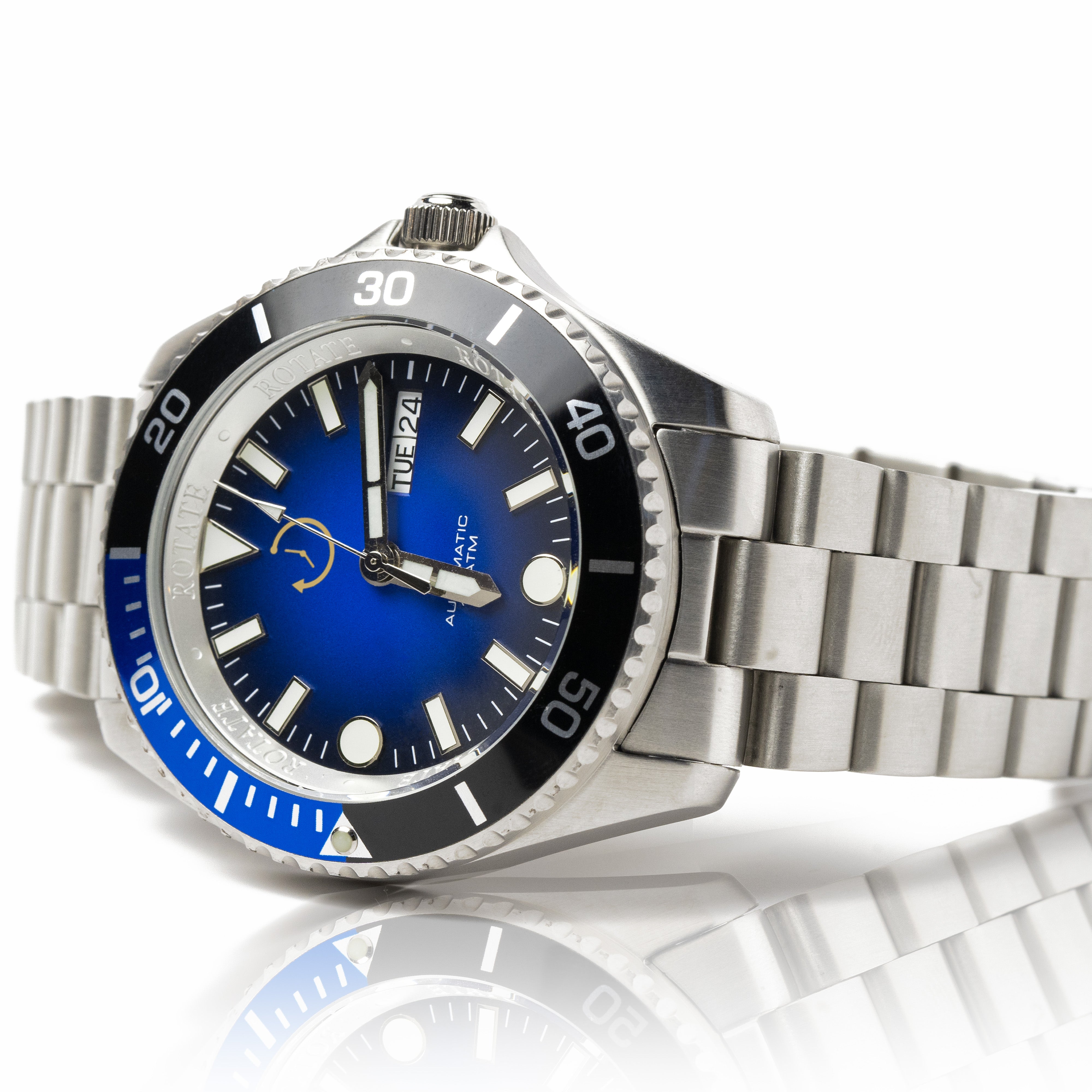
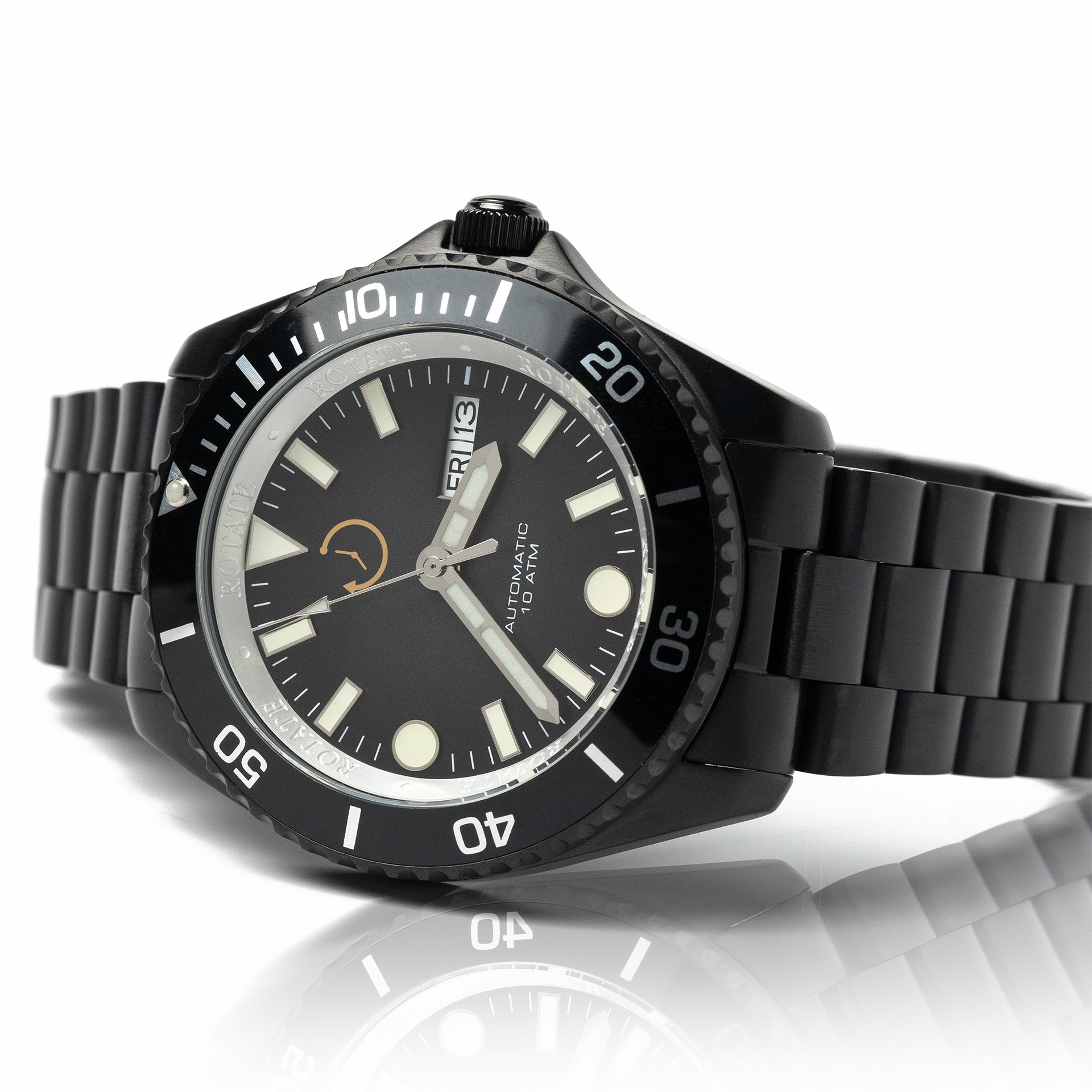
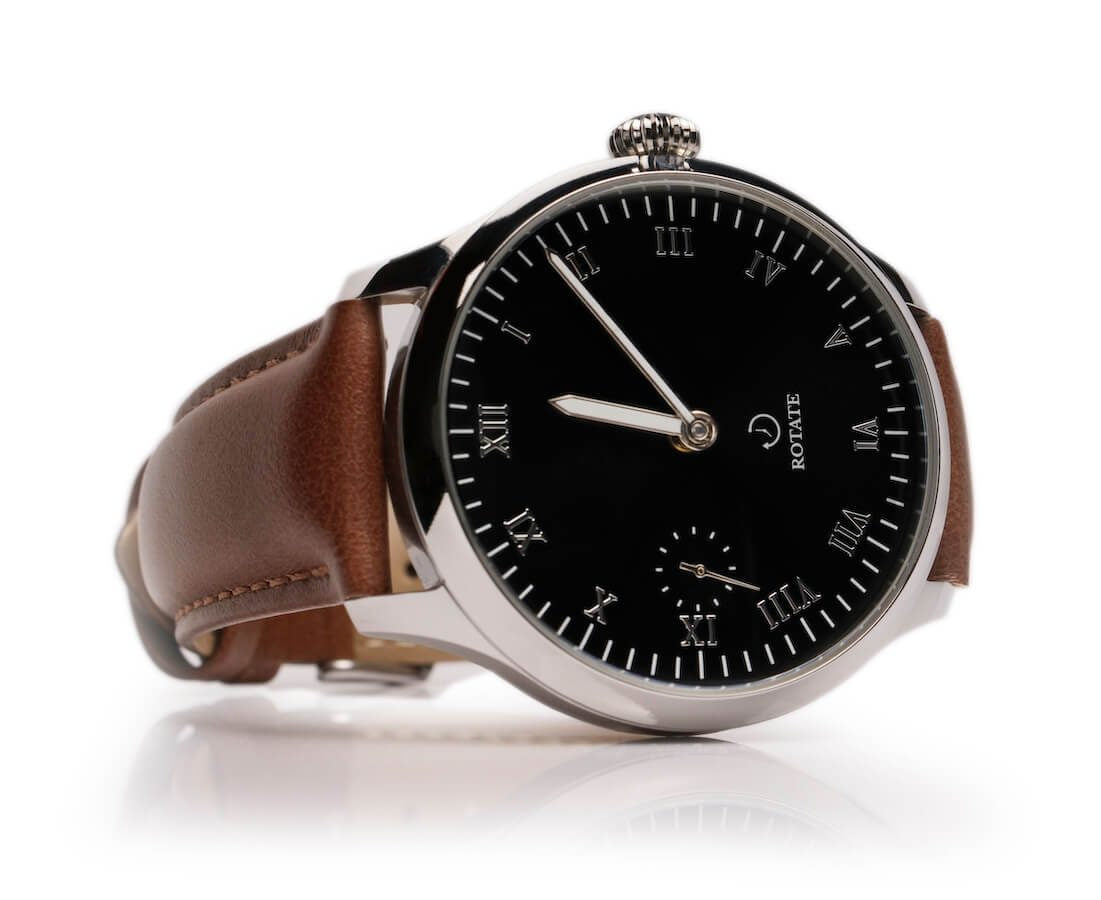
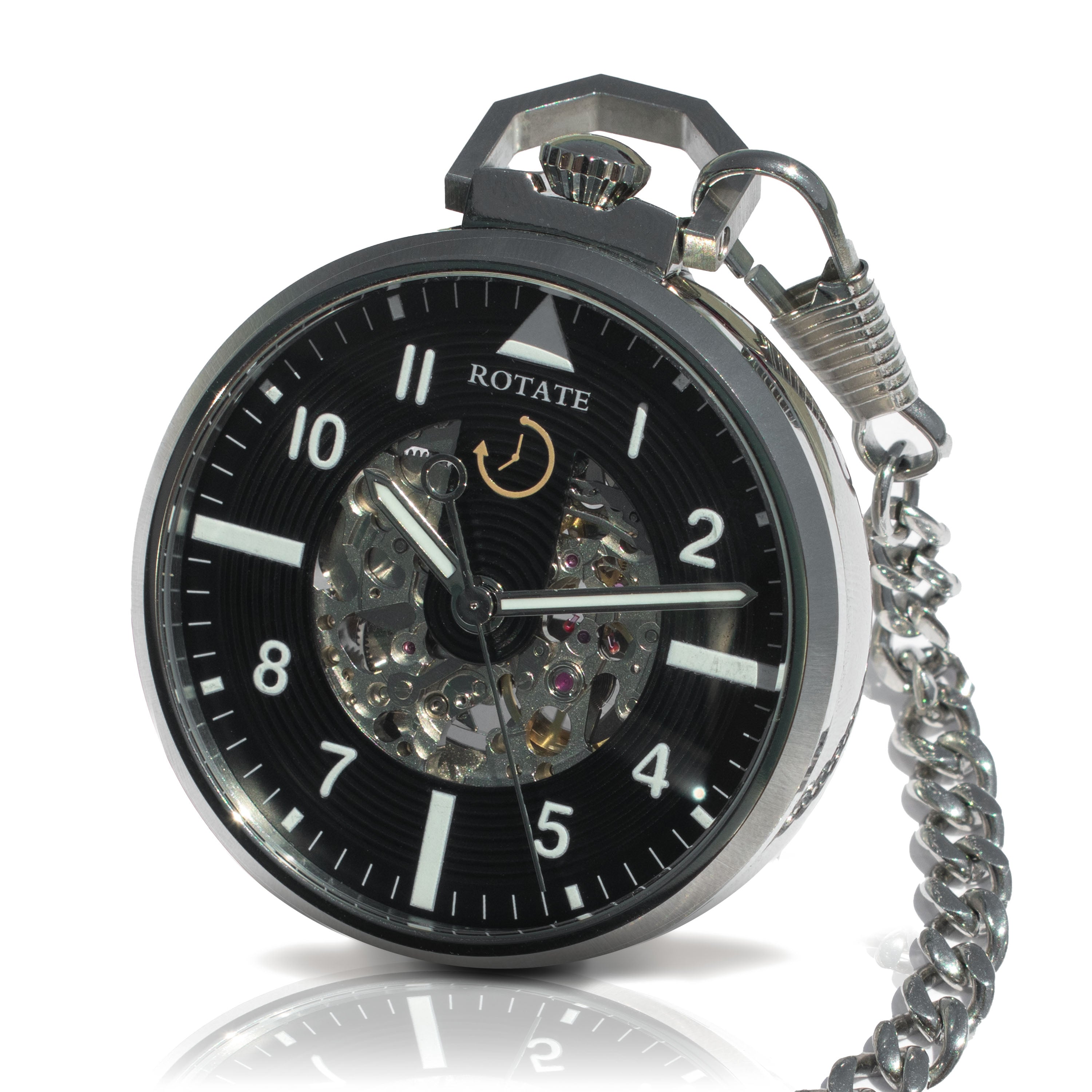
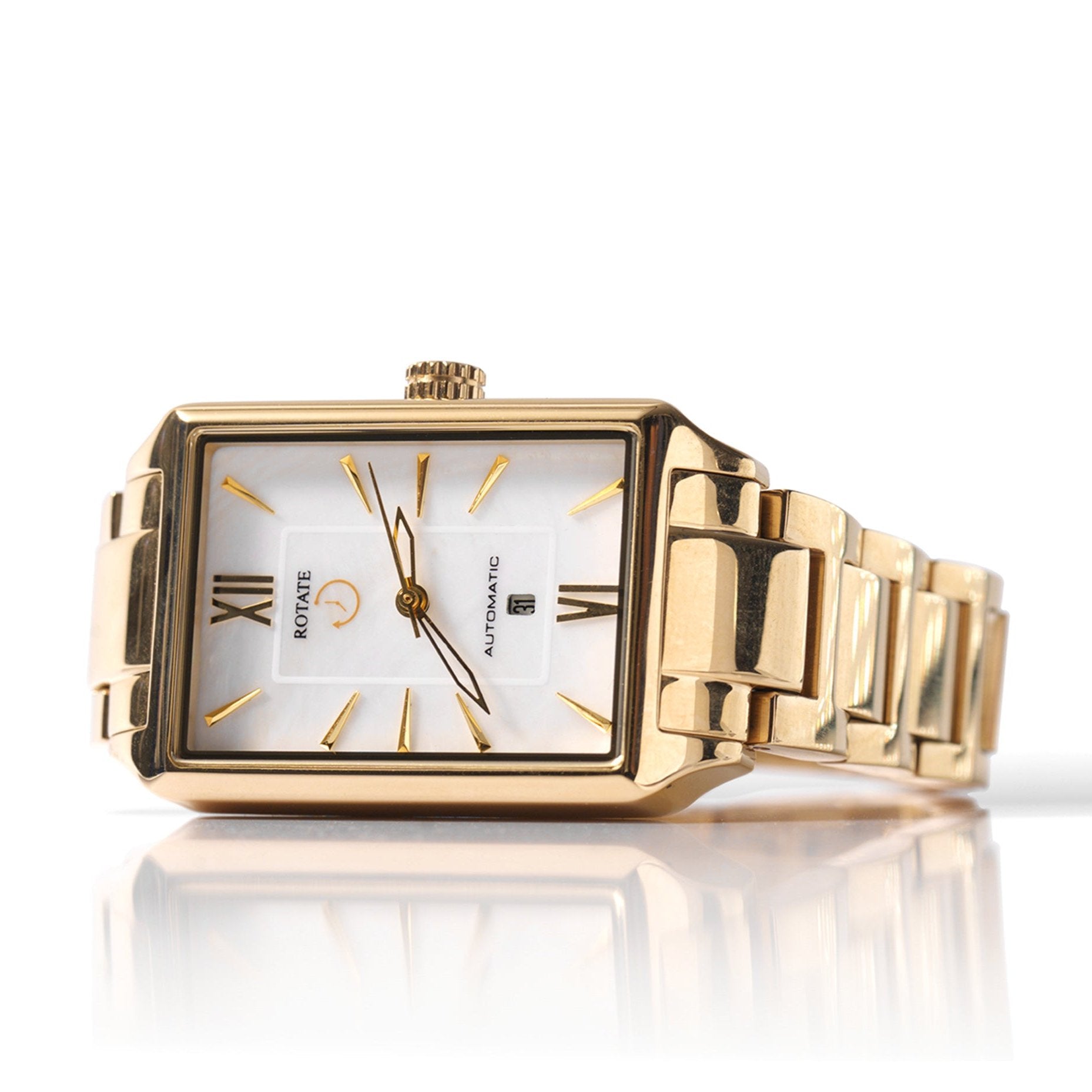
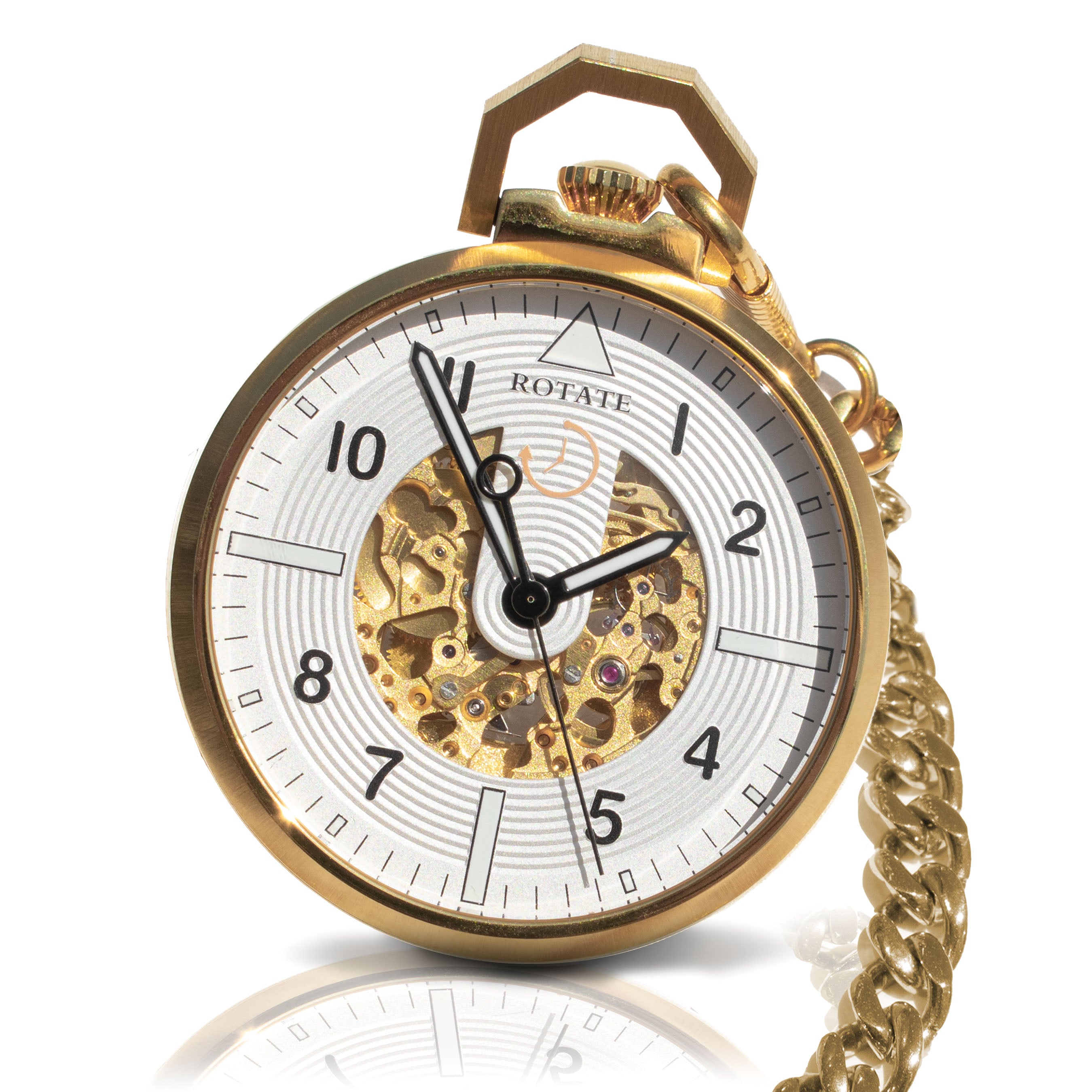
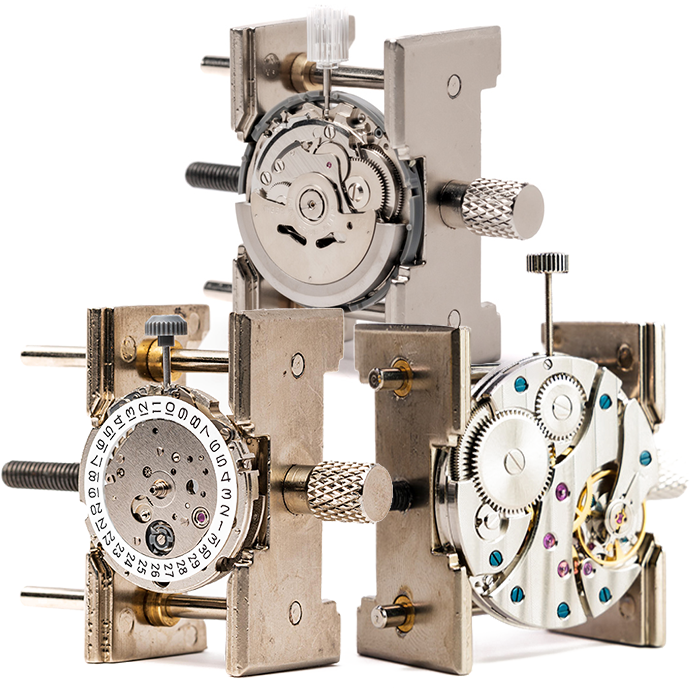
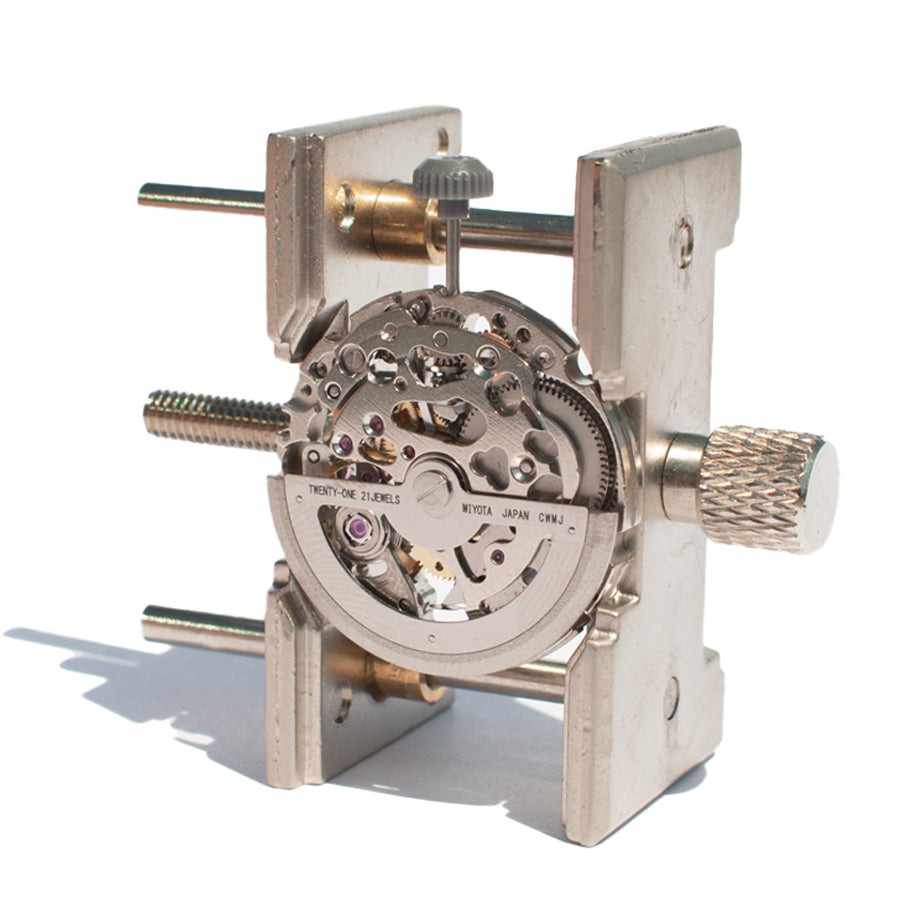
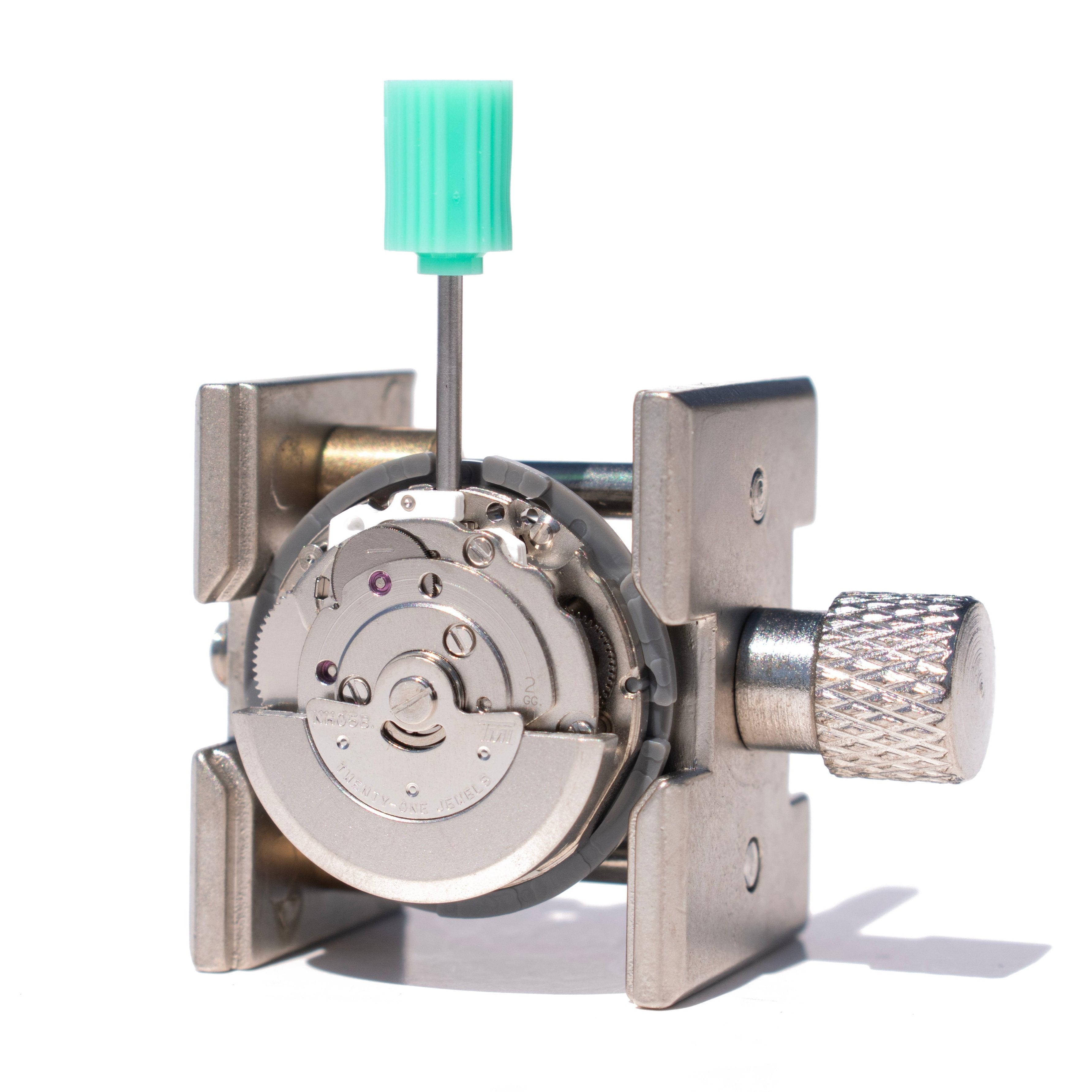
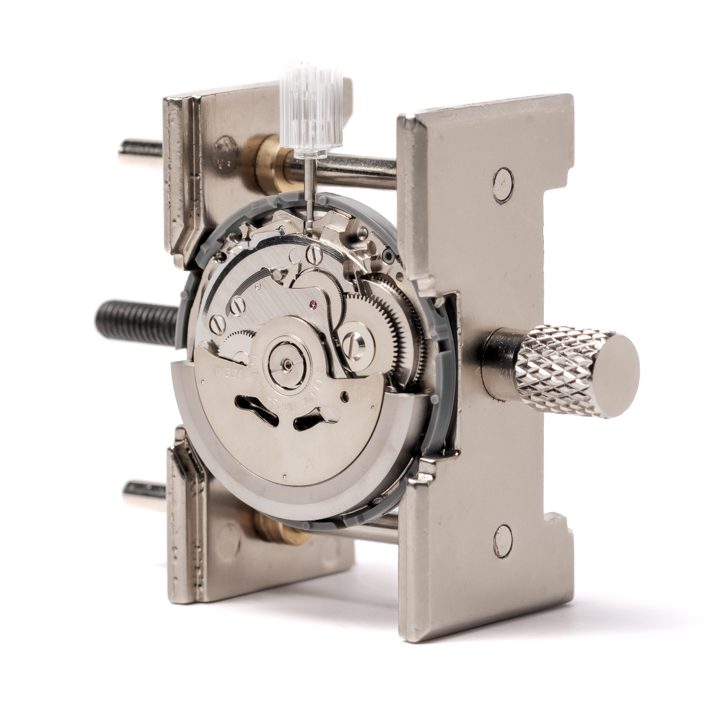
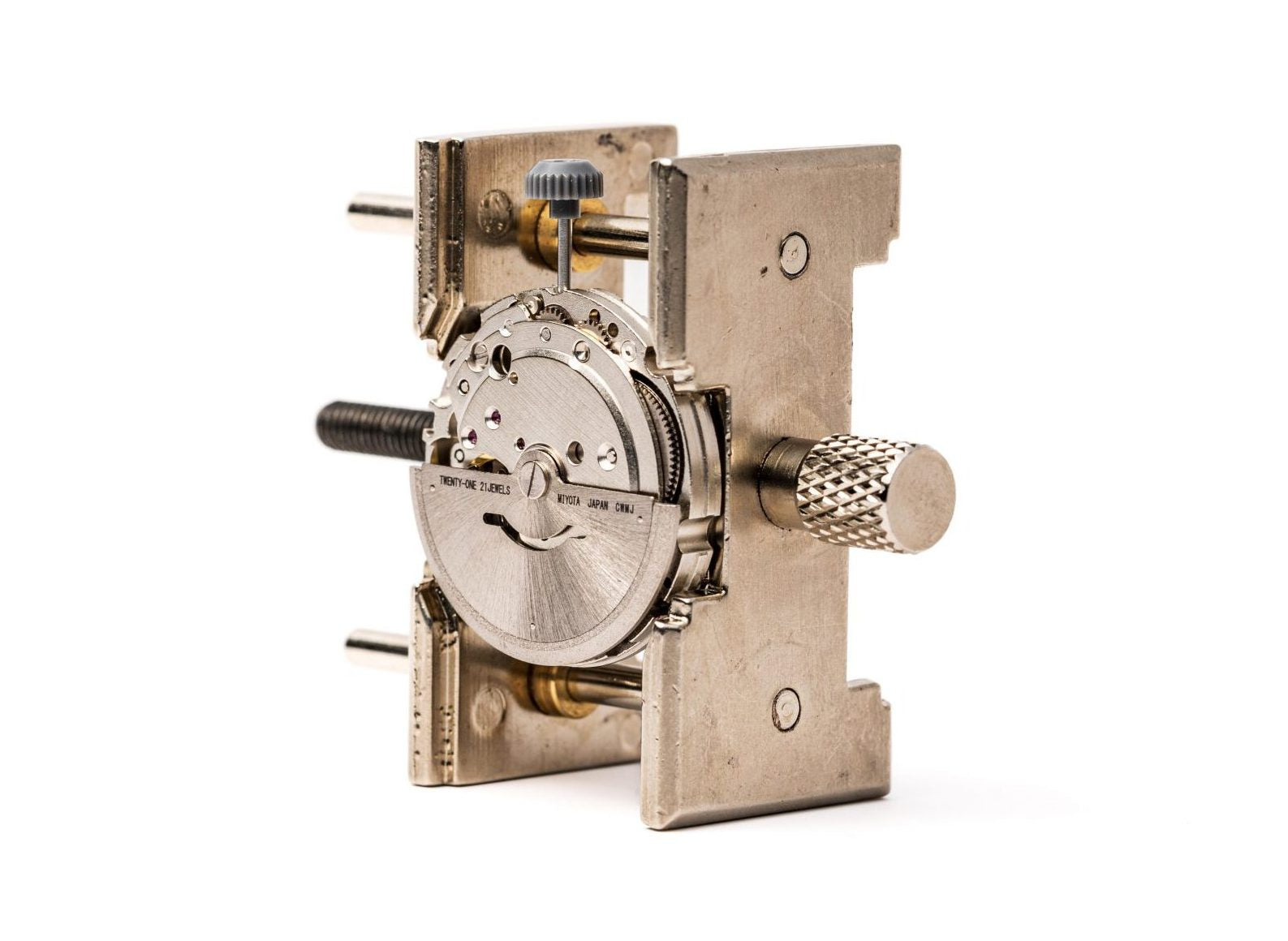
Mechanical watch kits use movements designed for longevity. Quality movements like the Seiko NH36 feature 24 jewels and over 41 hours of power reserve. The Miyota 8215 offers 21 jewels with 40+ hours of reserve. Those jewel bearings reduce friction at critical pivot points, which means parts wear out much more slowly.
Building your own automatic watch gives you hands-on knowledge of how the movement works. When you understand the mechanics, caring for your watch becomes second nature.
Different Quality Levels, All Built to Last
Entry-level mechanical watches run 10 to 20 years with basic care. Mid-range options go 20 to 30 years. Luxury pieces often last 50+ years and get passed down through families. Even tool watches built for tough conditions keep running for 40+ years.
Watch building kits starting at $140 use proven movements that balance cost with durability. You're not sacrificing reliability when you choose an entry-level mechanical movement.
Why Mechanical Watches Keep Running
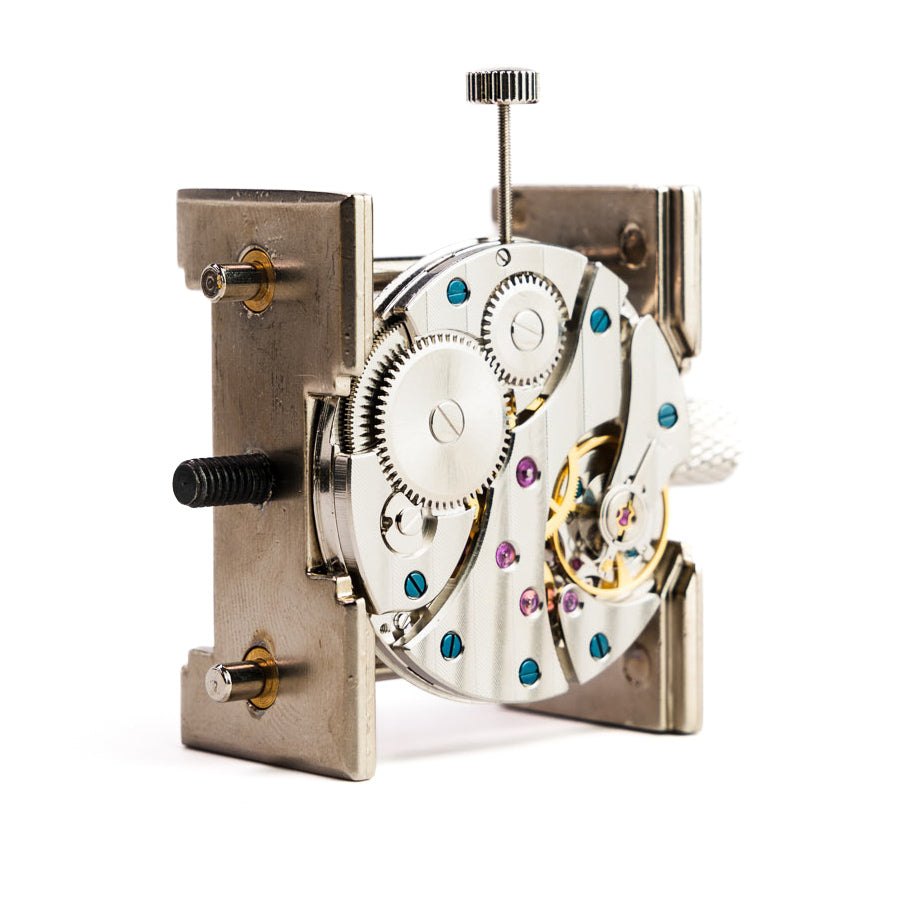
Mechanical movements have a hidden advantage: simplicity. No circuit boards corrode. No batteries leak. No capacitors fail. Just gears, springs, and jeweled bearings that can be cleaned, repaired, and replaced indefinitely.
The basic principles of mechanical watchmaking haven't changed much since the 1700s. Watchmakers worldwide know how to work on these movements. You're never stuck with an obsolete part that can't be sourced.
Modern watchmaking kits teach assembly skills that translate directly to maintenance knowledge. You learn which parts do what, how they interact, and what keeps everything running smoothly.
Accuracy Versus Reliability
People often confuse these two concepts. Quartz watches gain or lose about 15 seconds per month. Mechanical watches vary by 5-10 seconds per day. That looks bad until you think long-term.
Reliability means consistent performance over years and decades. A mechanical watch that runs 5 seconds fast every day is highly reliable because it performs predictably. You can set it and know exactly how it behaves.
Quartz watches achieve better short-term accuracy, but their electronic components have finite lifespans. A mechanical watch that runs slightly fast will still be running in 30 years. Many quartz watches won't make it past 15.
Handling Daily Wear
Modern shock protection systems protect the balance wheel during normal activities. Office work, exercise, walking, and everyday tasks pose no threat to quality movements. You shouldn't wear a mechanical watch while hammering or doing high-impact work, but regular life won't hurt it.
Maximizing Your Watch's Lifespan
Getting decades of reliable performance takes minimal effort:
Wear it regularly. Automatic watches benefit from movement. The rotor keeps lubricants distributed and prevents parts from seizing.
Wind it properly. If your watch has stopped, wind it gently 20-30 times before wearing. Stop when you feel resistance.
Keep it clean. Wipe down the case and crystal regularly. Dirt can work its way into the movement if seals aren't perfect.
Avoid extreme shocks. Skip the mechanical watch during high-impact activities.
When you encounter issues, Rotate's support team provides guidance rather than sending you elsewhere. DIY watch kits come with lifetime warranties and 24/7 technical support.
The Real Cost Over Time
A $200 quartz watch needs battery changes every 2-3 years. After 10-15 years, the electronics fail completely. Total cost: $350-500 with nothing left at the end.
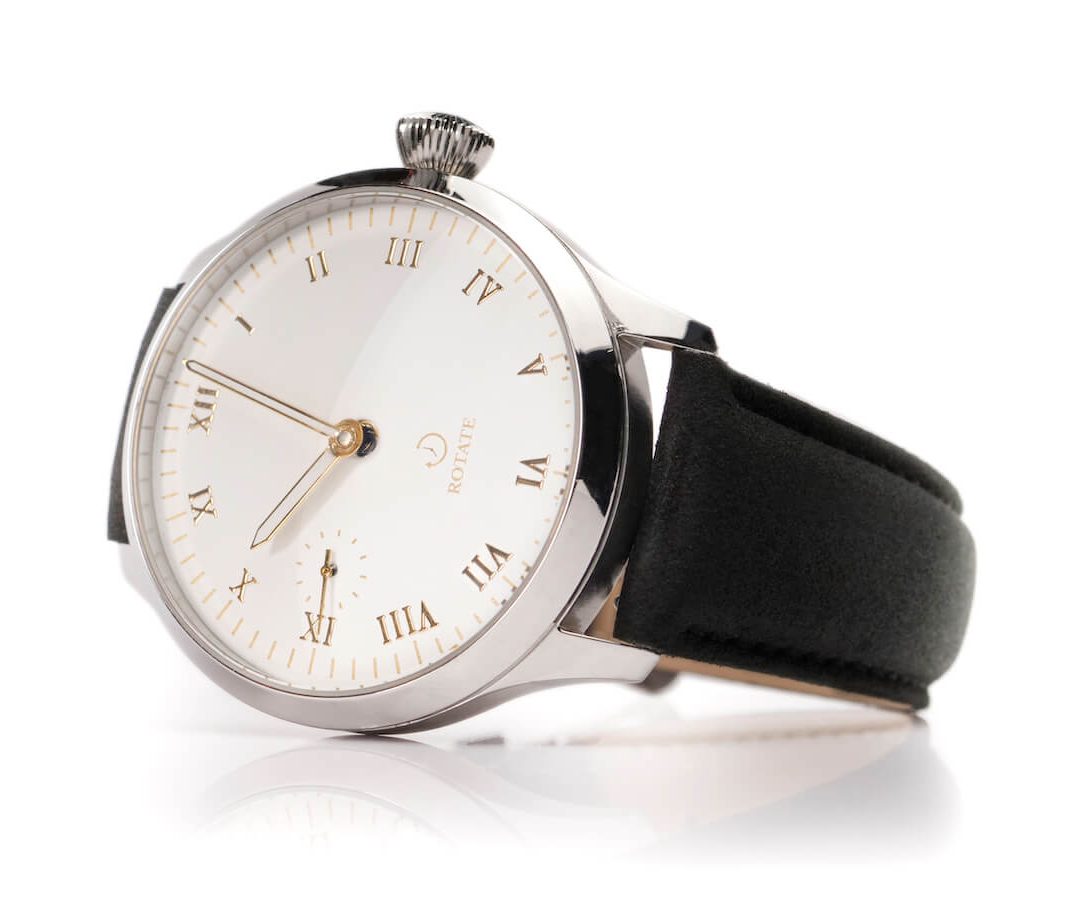
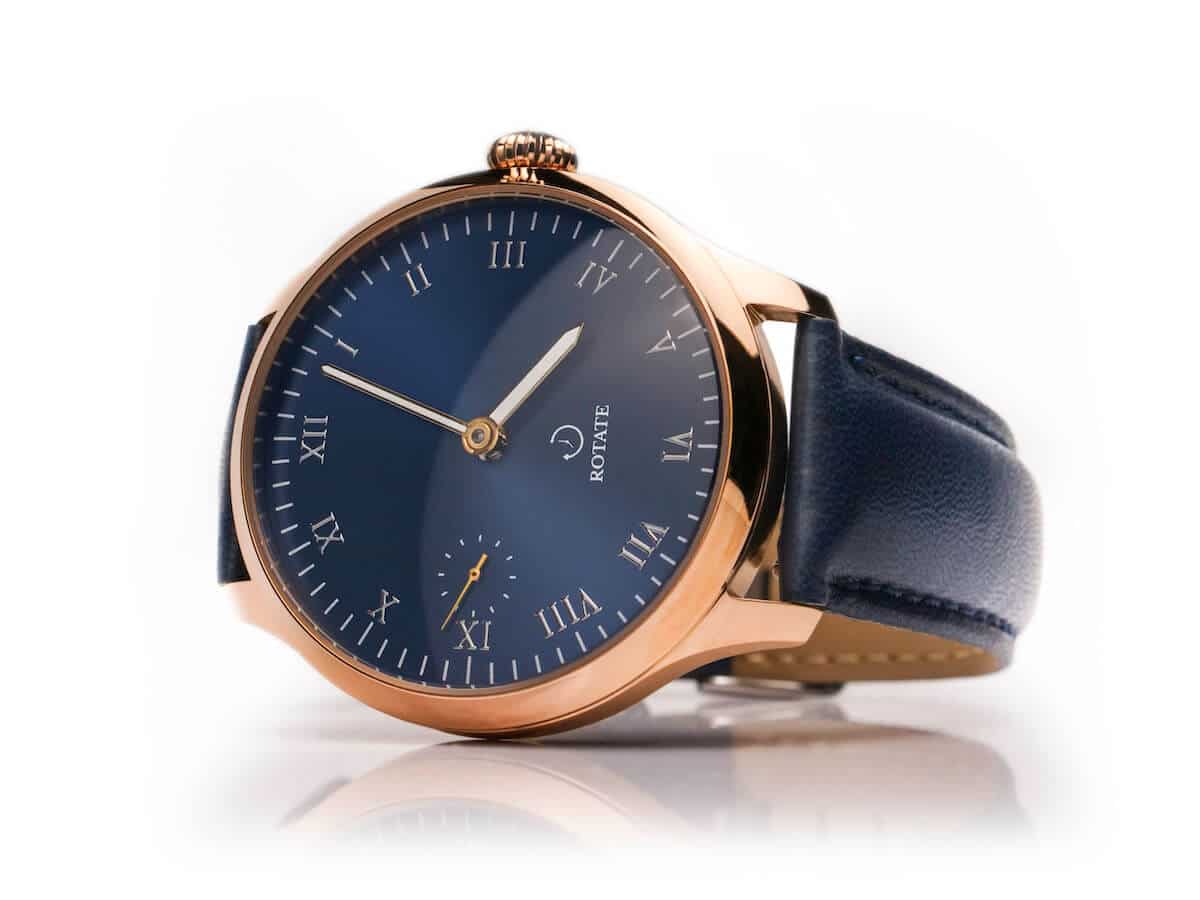
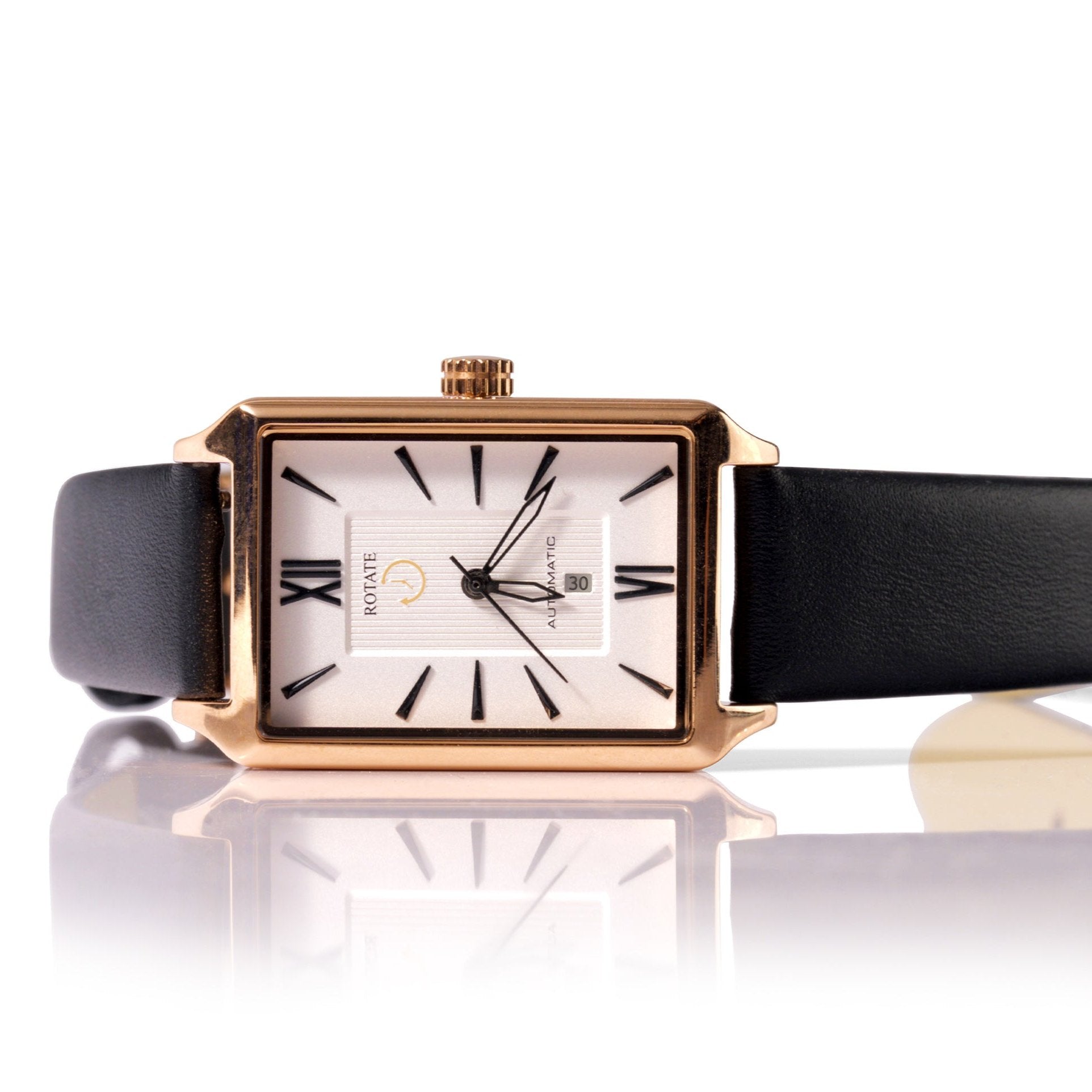
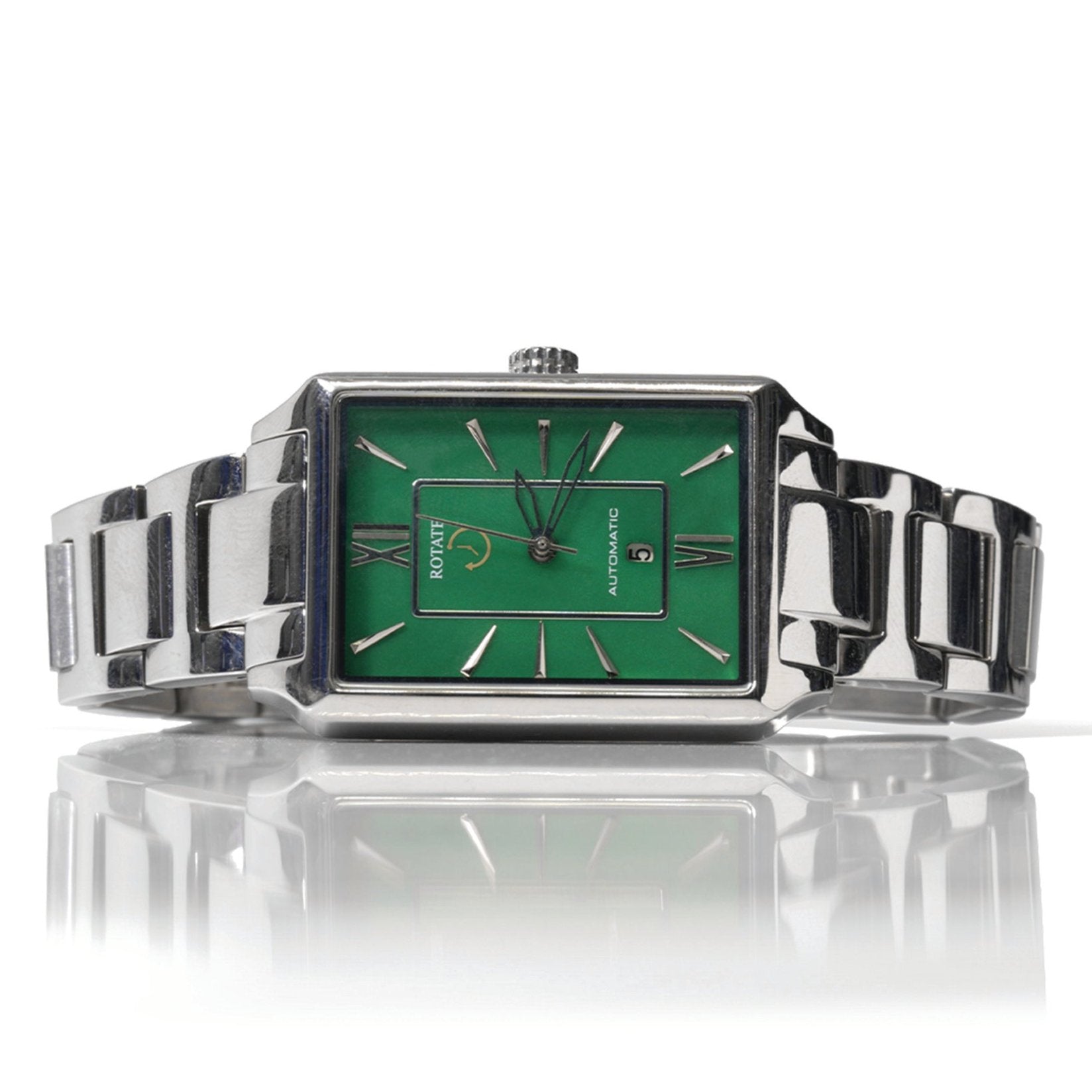
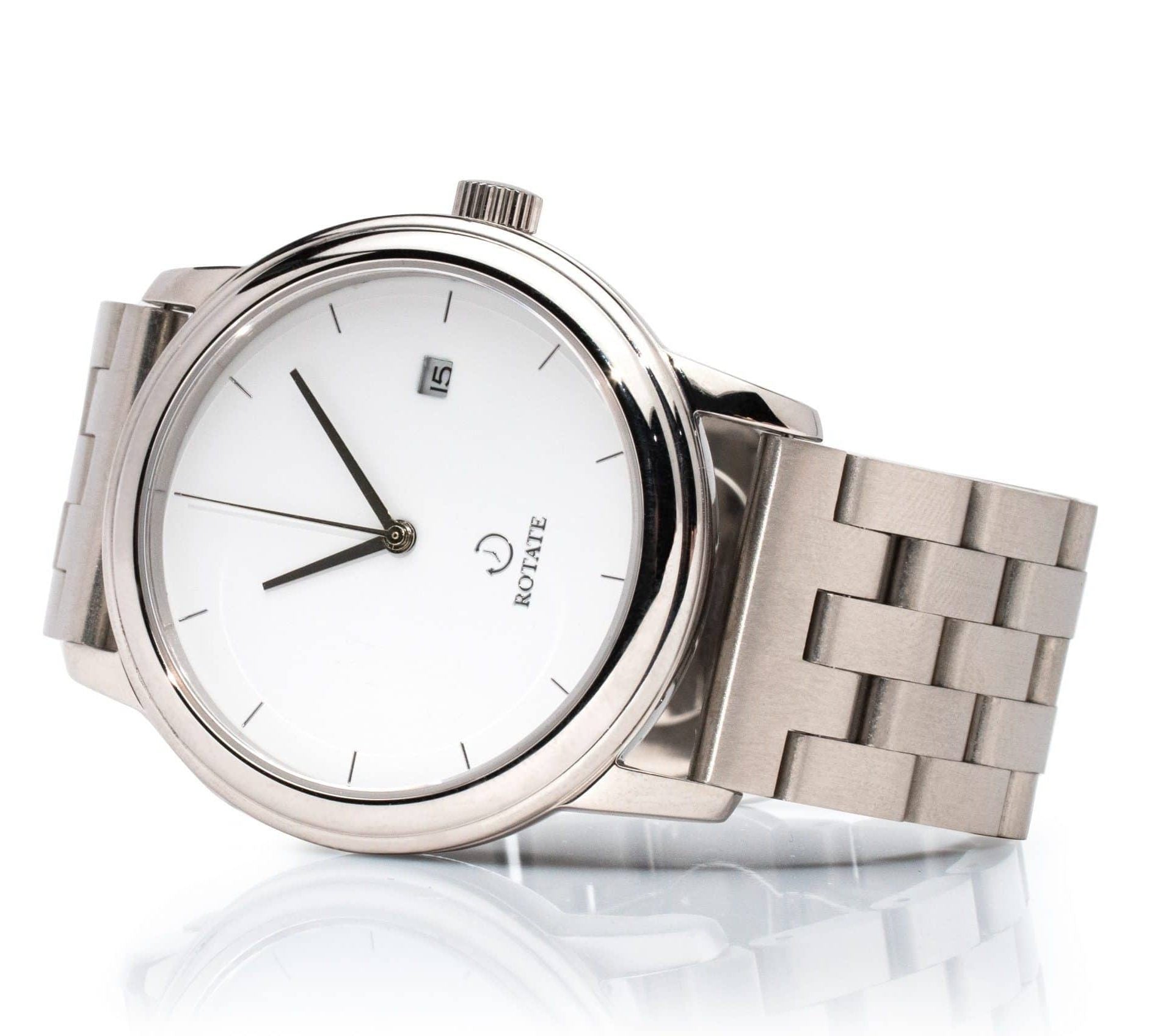
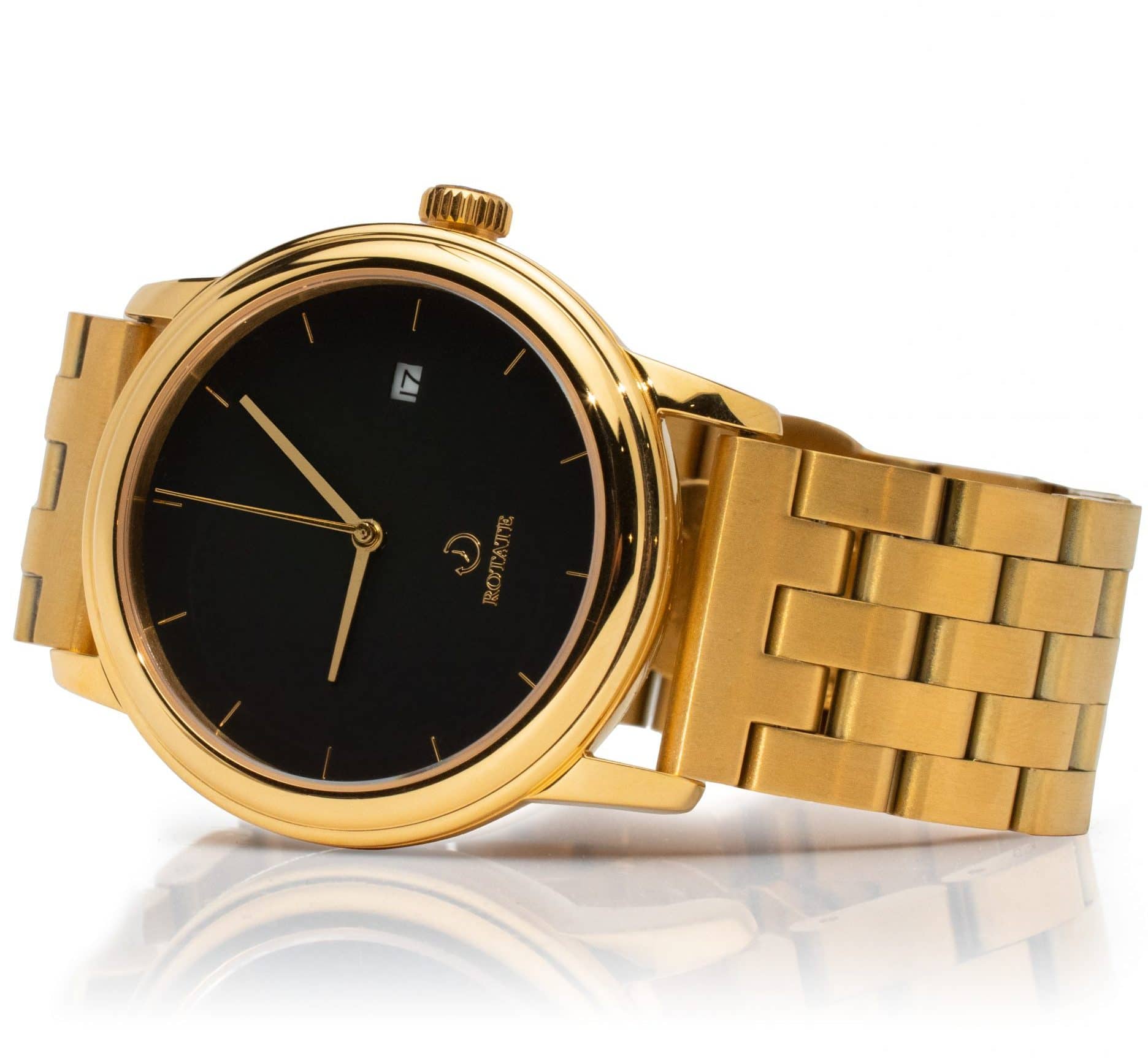
A mechanical watch at $250 runs for 30-50+ years and can be passed to family. Rotate offers watch kits from $195-$245 and movement kits starting at $140. Use code KITBUNDLE for $50 off when purchasing multiple kits.
Conclusion
Mechanical watches earn their reputation for reliability through simple, proven mechanics that last generations. Modern movements combine traditional craftsmanship with improved materials and manufacturing. The result? Watches that run for decades with basic care.
Building your own mechanical watch teaches you exactly why these movements prove so reliable.
Start your watchmaking journey with Rotate Watches, where complete DIY kits transform curiosity into craftsmanship.
Browse our collection to find your perfect match, from complete watch kits to intricate movement kits .
Your watchmaking story begins with a single screw. Start building today .
Frequently Asked Questions
How long do mechanical watches really last?
Mechanical watches last 30-50 years or more with proper care. Vintage mechanical watches from the early 1900s still function today, proving quality movements can survive a century or longer.
Are mechanical watches fragile?
Mechanical watches handle normal daily wear well thanks to modern shock protection systems. Office work, exercise, and everyday tasks pose no threat to quality movements.
Can someone service a mechanical watch at home?
Basic maintenance like cleaning the case and proper storage works fine at home. For movement questions, contact Rotate's support team for guidance. Building a watch kit teaches you how movements work.
Why choose mechanical over quartz?
Mechanical watches offer generational longevity, can be repaired indefinitely, and don't rely on electronics that become obsolete. Many enthusiasts value the craftsmanship and long-term serviceability of mechanical movements.
Do mechanical watches need constant maintenance?
No. Quality automatic watches run reliably for years before needing attention. Rotate's support team helps when you need guidance on care and maintenance.
What makes mechanical movements reliable?
Simple mechanics last longer than electronics. No circuit boards to corrode, no batteries to leak. Mechanical parts can be cleaned, repaired, and replaced indefinitely using proven technology that spans centuries.