
How to Choose Between Seiko NH36 and Miyota 8215 Movement Kits
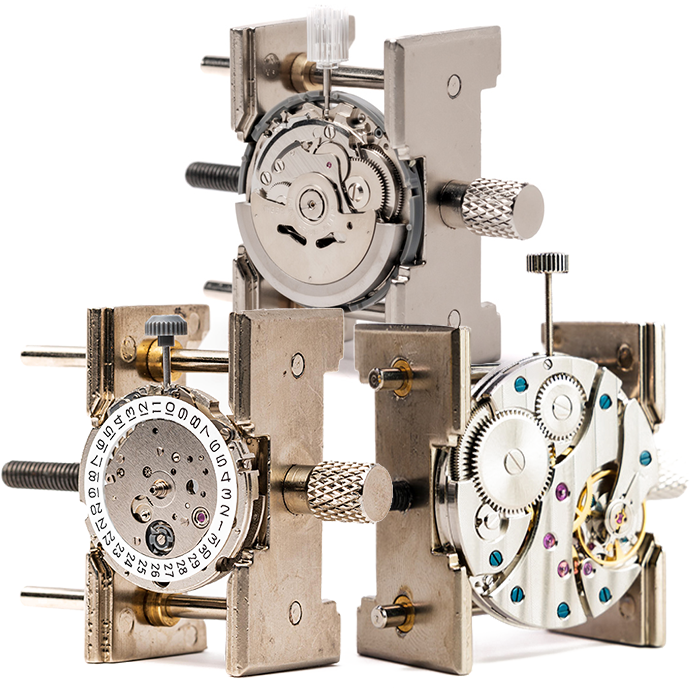
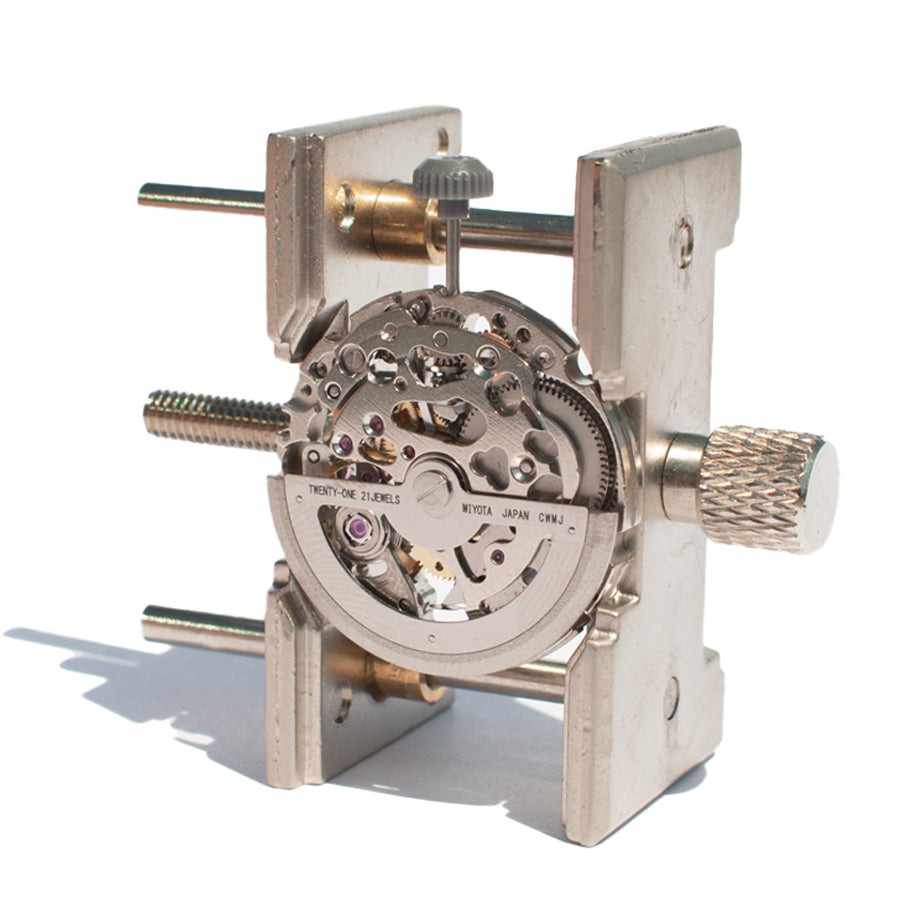
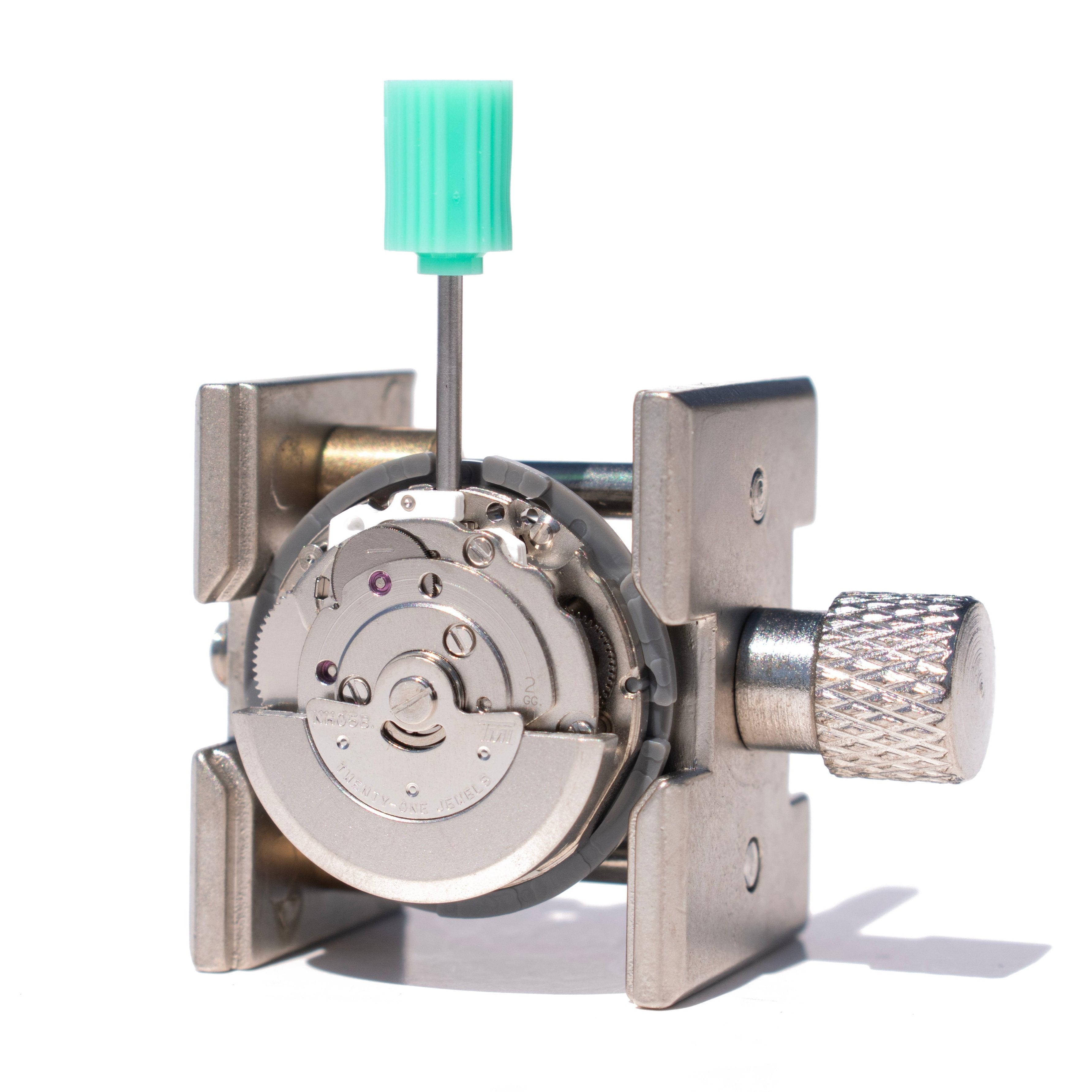
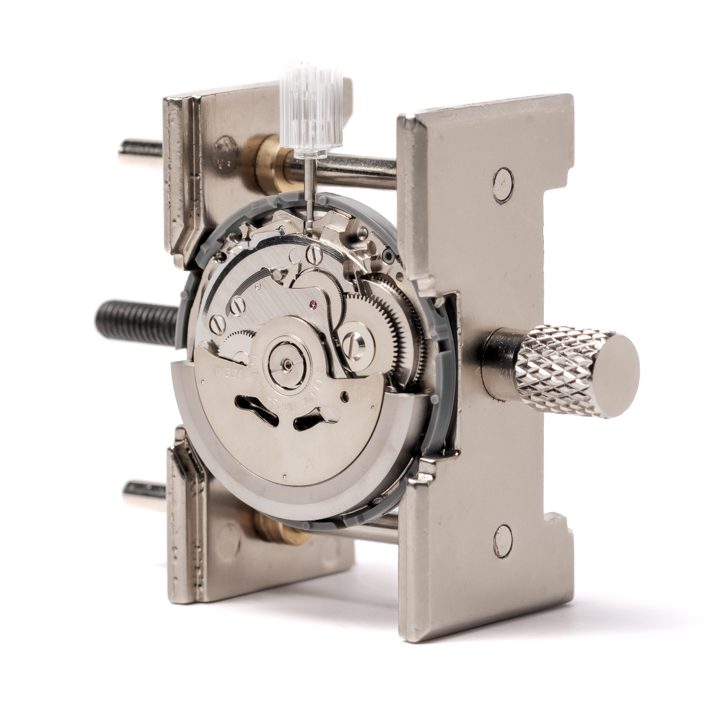
The Seiko NH36 and Miyota 8215 are both automatic movements built for first-time watchmakers. The core difference is the display. The NH36 adds a day and date readout with 24 jewels, giving you more to learn and assemble. The 8215 keeps a simpler date-only display with 21 jewels, a cleaner introduction to automatic movements. Both keep time within the same -20 to +40 seconds per day range.
You're ready to build your first mechanical movement kit, but you're stuck between two popular options. The Seiko NH36 and Miyota 8215 both power thousands of watches worldwide. Both give you real hands-on watchmaking experience. So which one should you actually buy?
The answer depends on three things: what you want to learn, how much time you have, and your budget.
The Main Difference You Need to Know
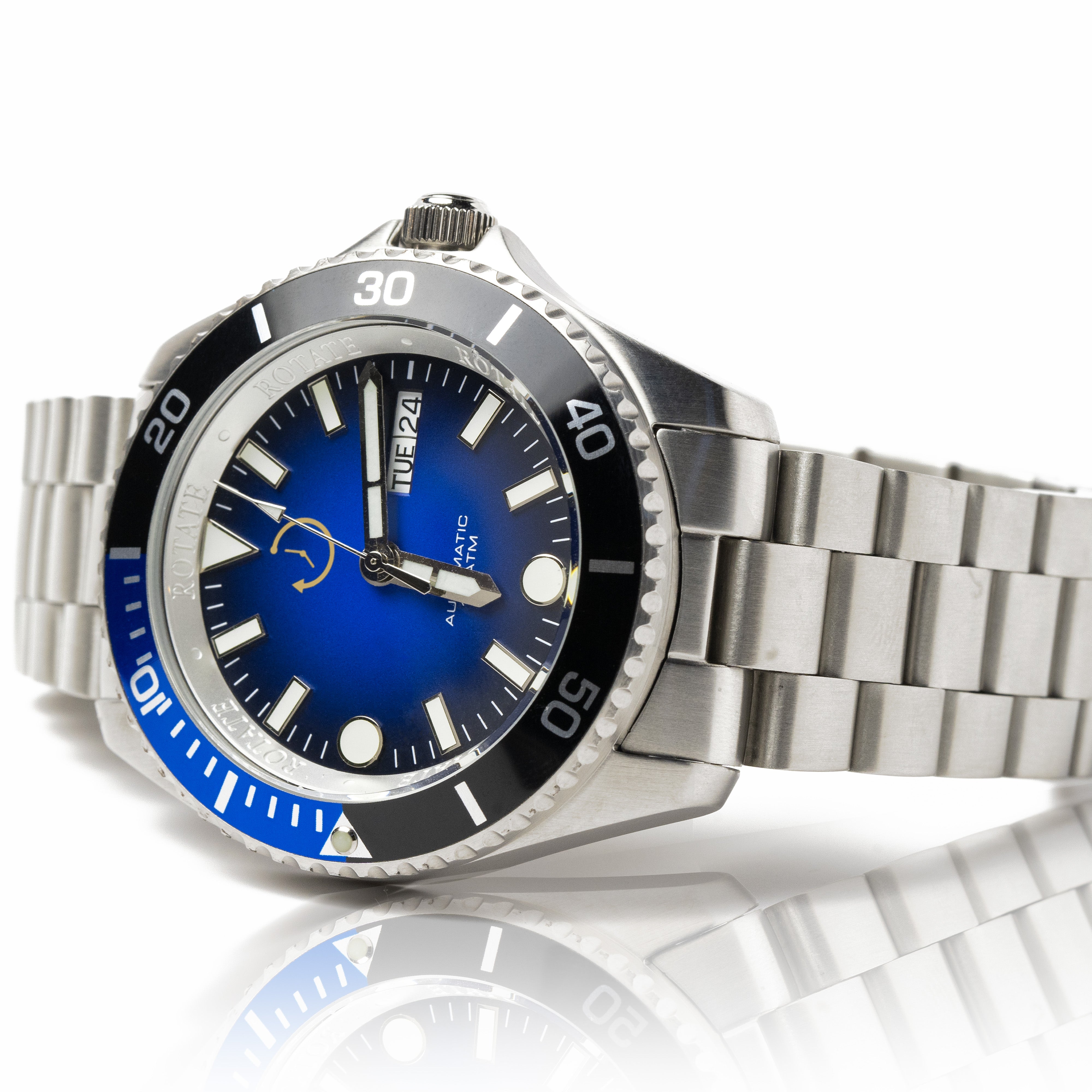
The Seiko NH36 shows both day and date. The Miyota 8215 shows only the date.
That extra day window on the NH36 means more parts to assemble. You'll work with the day wheel, day jumper, and day corrector on top of the regular date mechanism. More parts equal more learning, but also more assembly time.
The 8215 keeps things simpler with just the date complication. Fewer calendar parts mean you can focus more on understanding how the automatic winding system actually works. First-time builders often find the streamlined approach less overwhelming.
|
Spec |
Seiko NH36 |
Miyota 8215 |
|
Jewels |
24 |
21 |
|
Complications |
Day and date |
Date only |
|
Winding |
Bi-directional (Magic Lever) |
Uni-directional |
|
Power reserve |
41+ hours |
42 hours |
|
Beat rate |
21,600 vph |
21,600 vph |
|
Typical accuracy |
-20 to +40 sec/day |
-20 to +40 sec/day |
|
First-build assembly time |
3-4 hours |
2.5-3.5 hours |
What Actually Matters for Your First Build
Both movements pack 21,600 vibrations per hour. Both give you that smooth, sweeping second hand you love in automatic watches. Both let you wind by hand through the crown. Both stop the seconds hand when you pull out the crown to set the time.
The NH36 has 24 jewels and winds in both directions as you move your wrist. The bi-directional winding (called Magic Lever) means every shake charges the watch. Power reserve sits at 41+ hours.
The 8215 has 21 jewels and winds in one direction. The uni-directional rotor spins counterclockwise to store energy. The power reserve actually runs slightly longer at 42 hours.
In daily wear, you won't notice a performance difference between them. Both keep time reliably within -20 to +40 seconds per day.
Pick Based on Your Goal
Choose the NH36 if you want:
- Maximum hands-on learning from one kit
- Experience building day/date complications
- A movement that appears in many popular watch builds
- More time invested for deeper understanding
Choose the 8215 if you want:
- A cleaner introduction to automatic movements
- Focus on core principles without extra complications.
- A more budget-friendly starting point
- Slightly faster assembly with fewer parts to track
Neither choice is wrong. You're getting quality either way. The question is what fits your learning style better right now.
Assembly Time Reality
Plan for 3 to 4 hours on your first NH36 build. The extra day mechanism adds about 30 to 45 minutes compared to the 8215.
The 8215 typically takes 2.5 to 3.5 hours for first-time builders. You'll still work with 50+ tiny parts. You'll still need patience and steady hands.
Both movement kits come with detailed guides explaining every component. Support staff answers your questions quickly when you get stuck. The tools you need (screwdrivers, tweezers, pliers, gloves) come included with either kit.
Price Consideration
Movement kits start at $140. The 8215 comes in as the more affordable option, perfect if you're testing whether you enjoy movement assembly. The NH36 costs more but delivers that additional day complication.
Both movements appear in quality watch kits across all price ranges. Both have decades of proven reliability. Your budget matters, but both represent solid value for what you get.
How to Actually Decide Right Now
Ask yourself one question: do you actually look at the day window on watches you wear?
If yes, the NH36 gives you that feature plus the learning experience of building it. If you never check what day it is, the 8215's simpler approach makes more sense.
Want maximum teaching opportunities from a single kit? Go NH36. Want to master automatic movement fundamentals first? Go 8215.
Starting with the 8215 doesn't lock you out of building the NH36 later. Many builders start simple, gain confidence, then tackle more complex movements. That's a smart progression.
Conclusion
Both the Seiko NH36 and Miyota 8215 make excellent first movement kits. You can't make a bad choice here.
The NH36 teaches more through its day/date system. The 8215 lets you focus on core automatic movement principles. Both reward patience and careful work. Both give you genuine watchmaking skills you'll use for years.
Pick based on your current goals and budget. You'll learn valuable skills either way. Your hands will build something real either way. Start with whichever movement calls to you right now.
Frequently Asked Questions
Can you swap these movements between different watches?
No, direct swaps don't work. The movements have different sizes and dial feet positions. Choose based on what you want to build, not potential future swaps.
Which movement keeps better time?
Both have identical accuracy ratings of -20 to +40 seconds per day. Real-world accuracy depends more on your assembly quality than which movement you choose.
Do both kits include all necessary tools?
Yes, both kits include the complete movement, essential tools (screwdrivers, tweezers, pliers, gloves), organizing cases, and comprehensive guides. Everything arrives in one package.
Which movement lasts longer?
Both handle daily wear reliably for years with basic care. The NH36 has more parts due to the day complication, but both have proven durability.
Can complete beginners build either movement successfully?
Absolutely. Both require patience, but the included guides make assembly achievable for first-timers. Support staff helps when questions come up during your build.
How much experience do you need before starting?
None. Both movements work as first builds. Follow the guides carefully, work slowly, and ask for help when needed. Hundreds of first-time builders succeed with both movements.
Is there a Seiko version of the 8215 movement?
No, the 8215 is a Miyota (Citizen Group) movement, not a Seiko movement. If you specifically want a Seiko-made movement, the NH36 is Rotex's comparable automatic option, offering a day and date display the 8215 doesn't have.
Miyota vs Seiko: which brand is better for a first build?
Neither brand is objectively better. Both Miyota and Seiko produce reliable, widely used automatic movements with decades of proven performance. The right choice depends on whether you want the added day-and-date complication (Seiko NH36) or a simpler date-only build (Miyota 8215), not brand reputation alone.