

Building a Pocket Watch vs a Wristwatch: Key Differences for Beginners
You're ready to build your first watch. The question is: pocket watch or wristwatch? Both make great beginner projects, but they offer totally different experiences. Let's walk through what makes each one unique so you can pick the right starting point.
Size Changes Everything
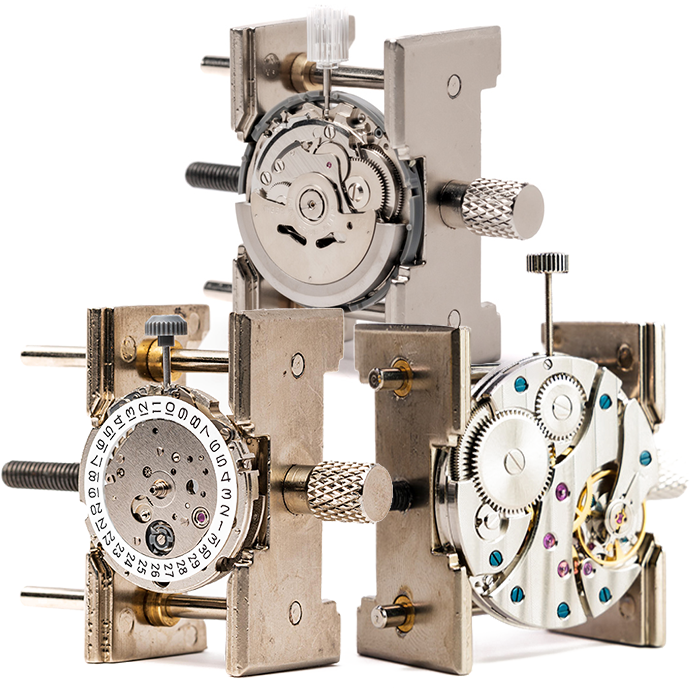
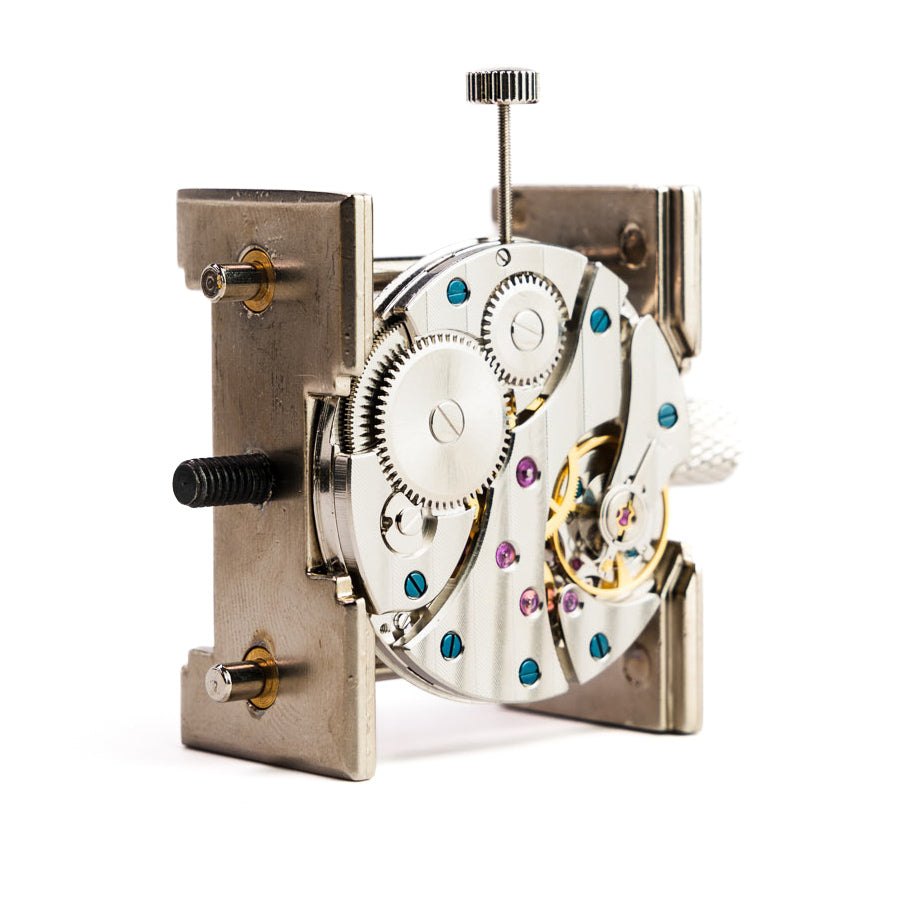
Pocket watch movements give you more room to work. Parts are bigger, screws are easier to see, and your tweezers have space to maneuver. First-time builders love this extra breathing room. You can actually see what you're doing without squinting.
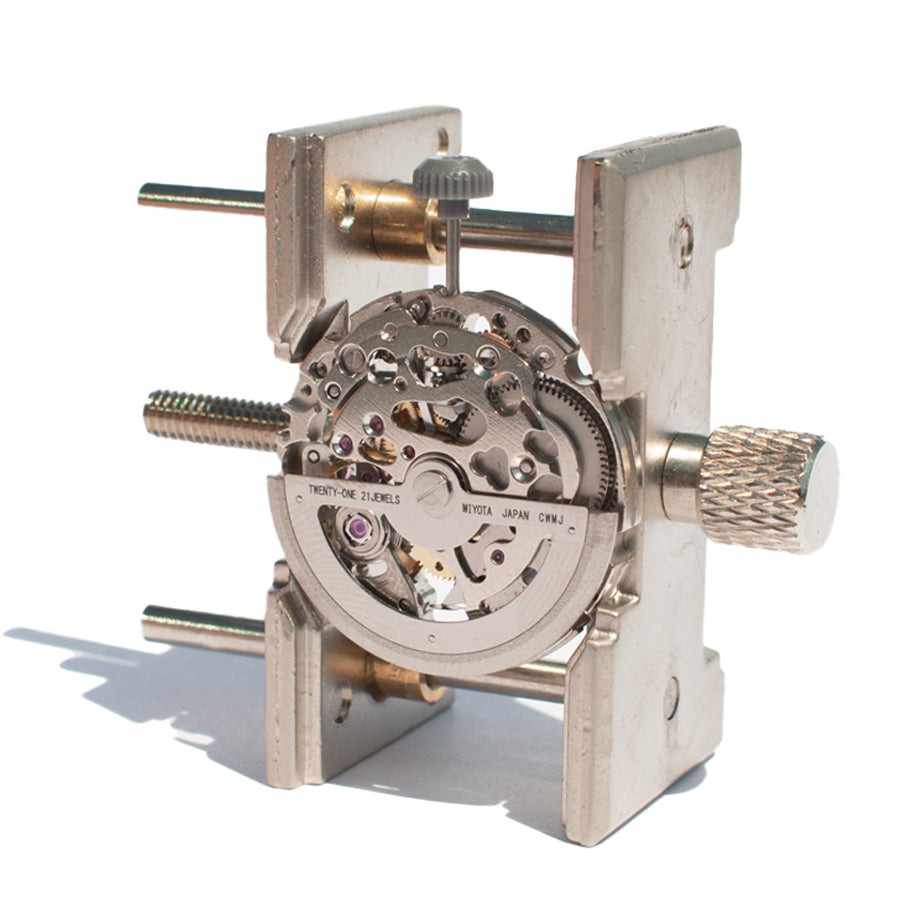
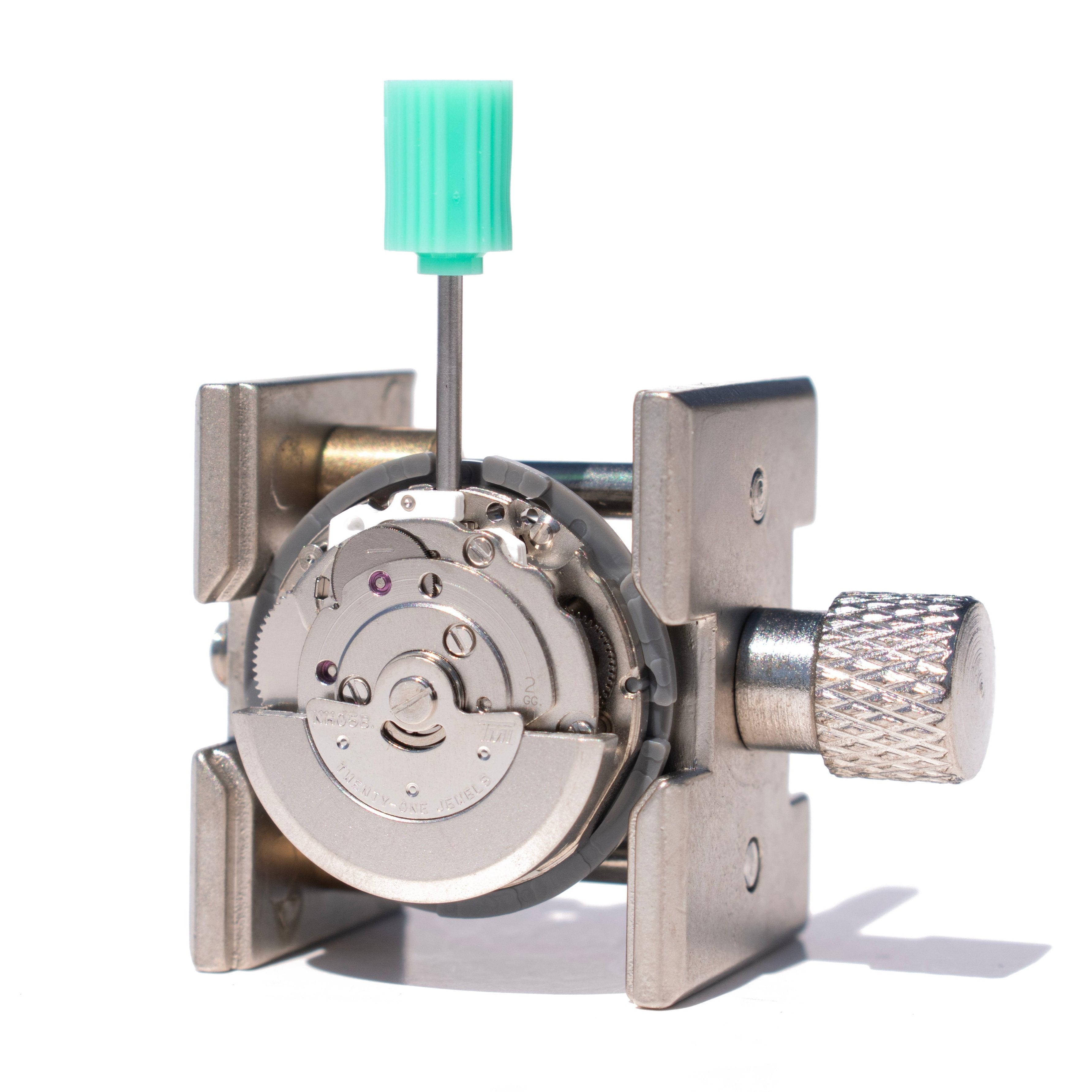
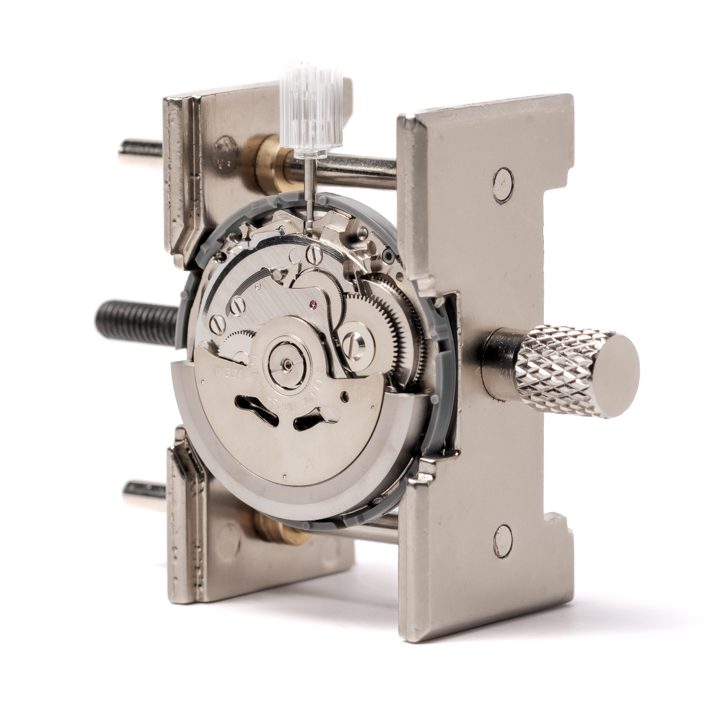
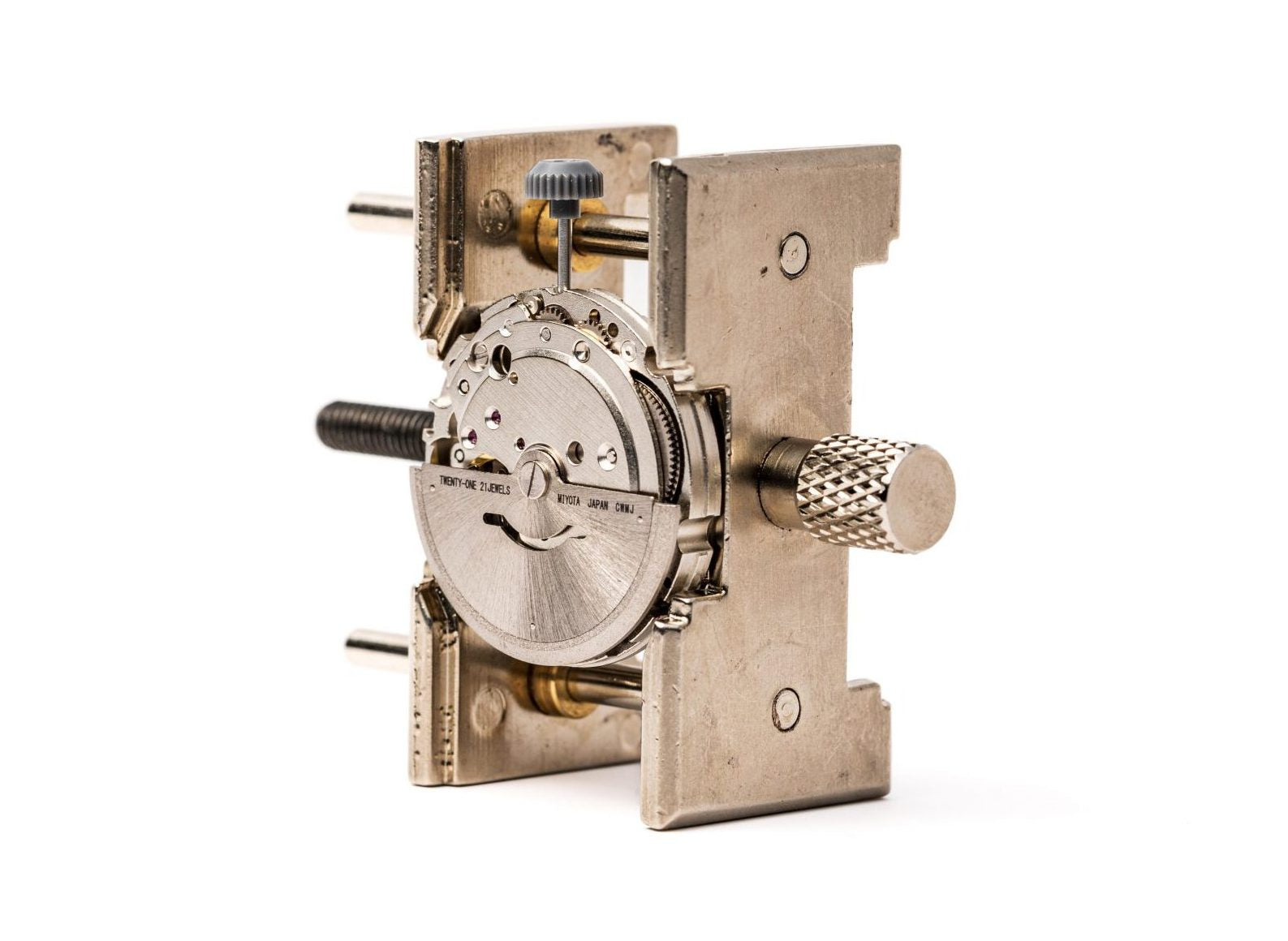
Wristwatch movements pack the same complexity into a smaller package. You're working with tighter spaces and tinier components. Modern mechanical watch kits use reliable movements like the Seiko NH36 that fit into compact cases.
The trade-off comes down to practicality. Pocket watches feel easier to assemble. Wristwatches give you something you'll actually wear every day.
Case Assembly Differs Significantly
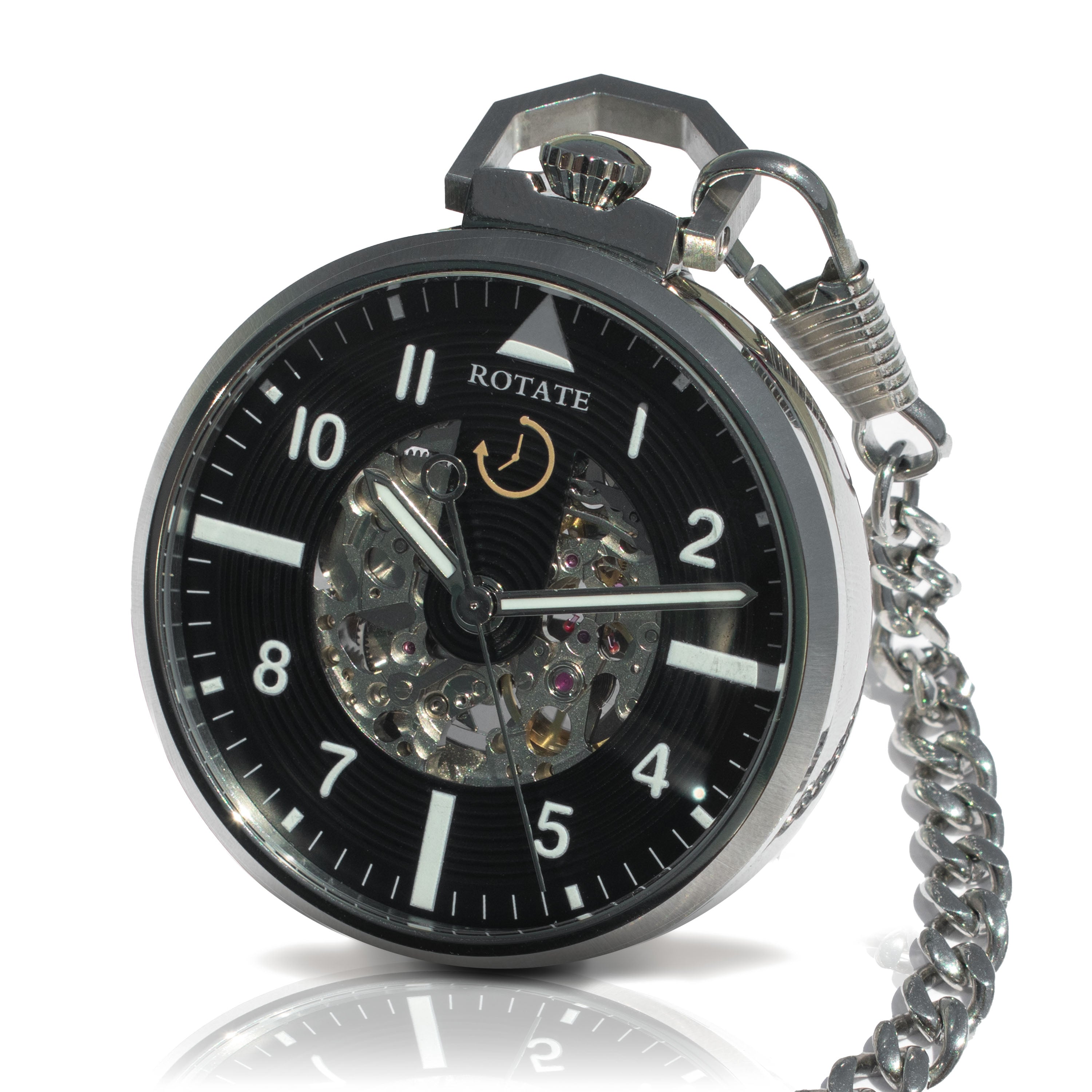
Pocket watch cases are rounded with smooth edges. Open face designs show the dial directly. Hunter cases add a hinged cover protecting the dial. Double hunters include covers on both sides. Those hinges need to close smoothly without gaps or resistance.
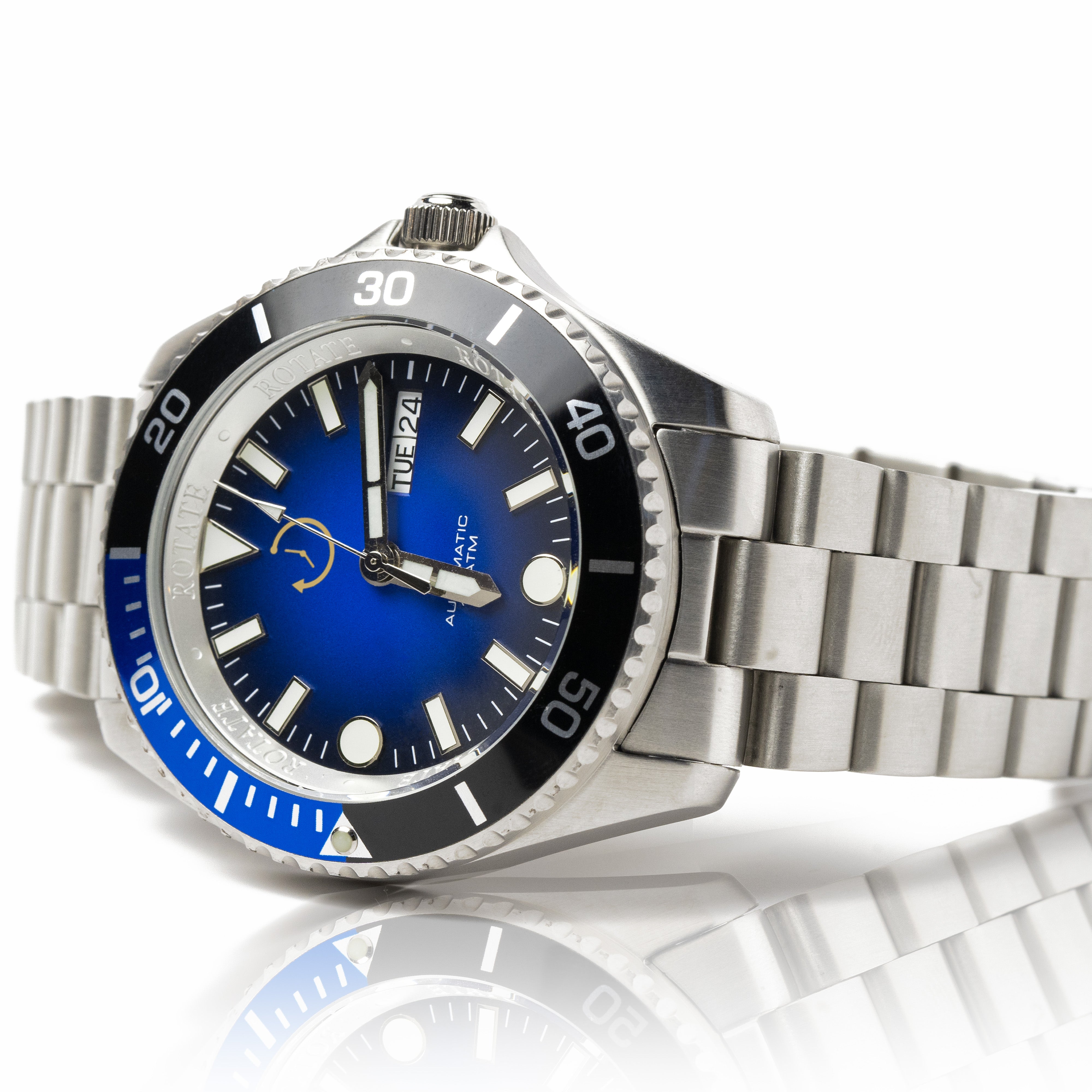
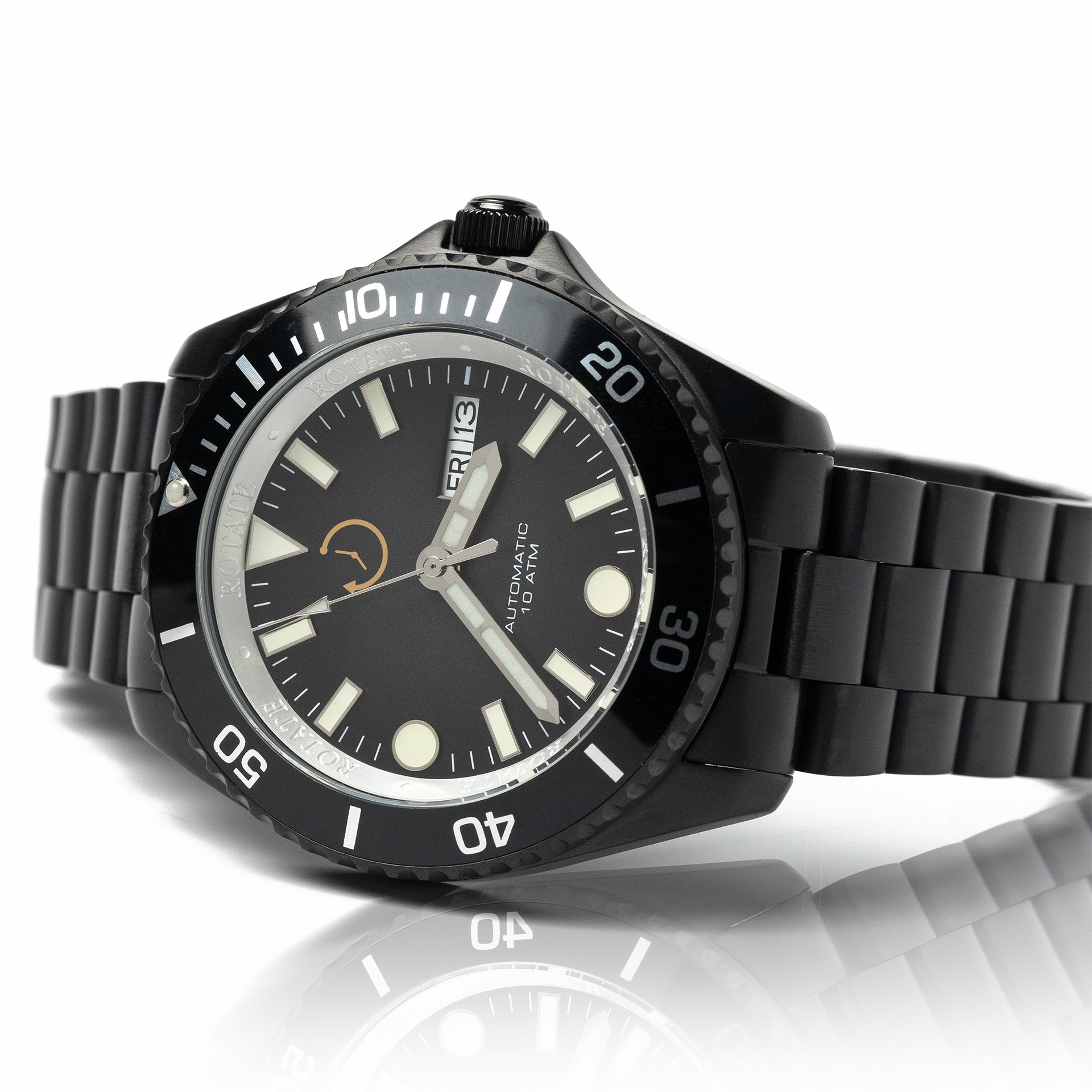
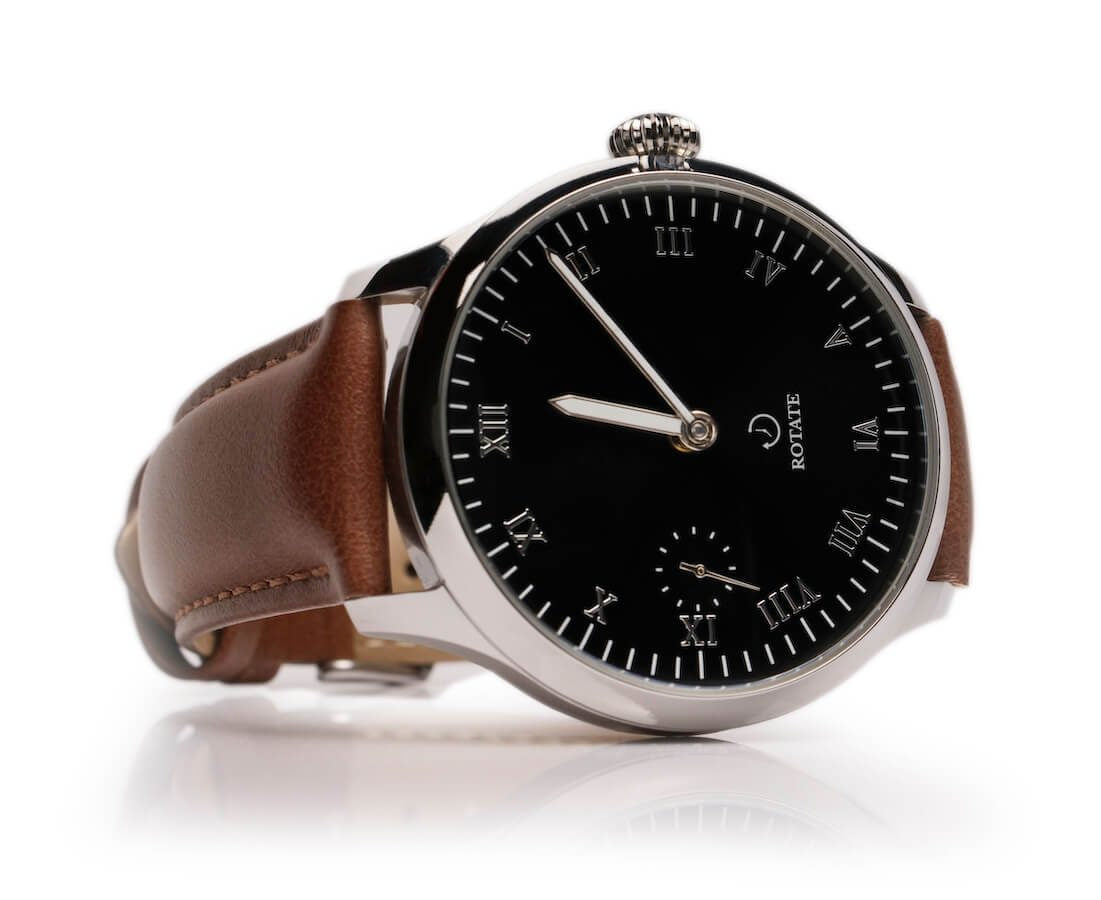
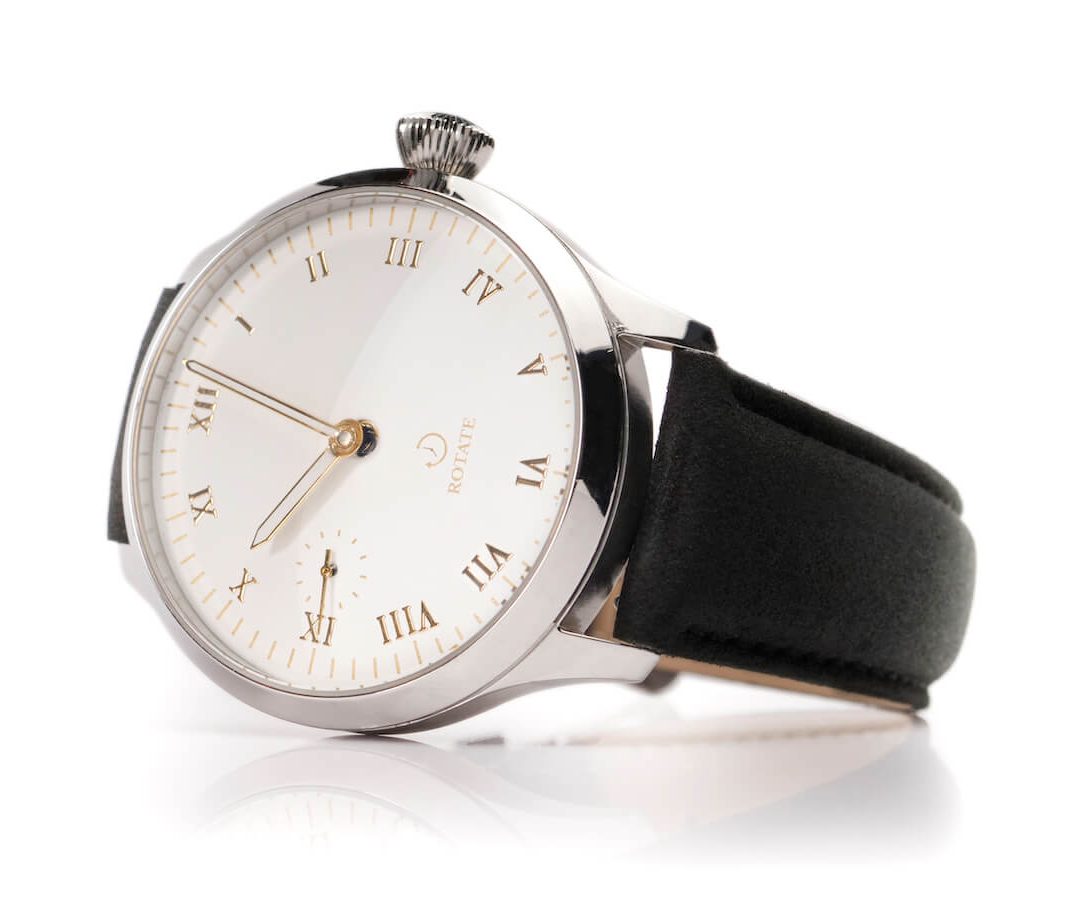
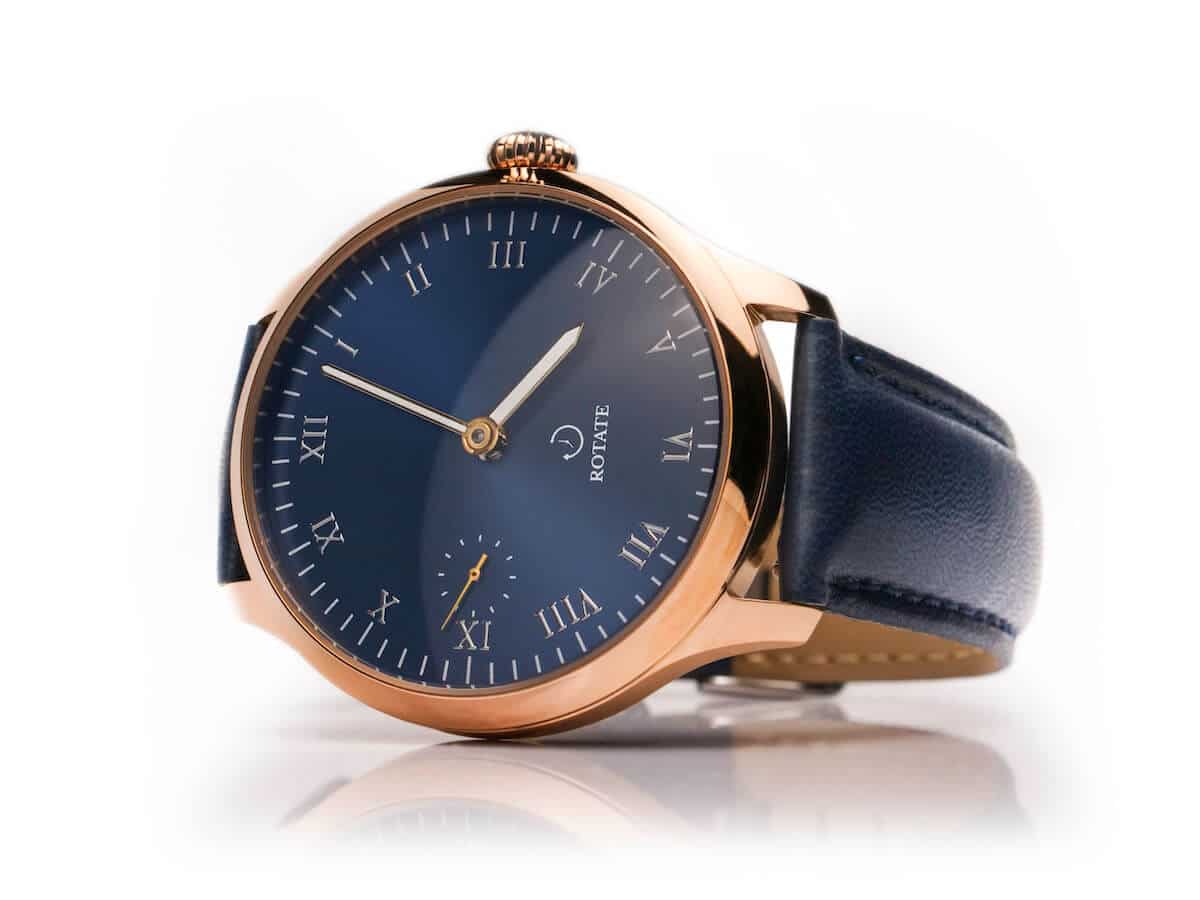
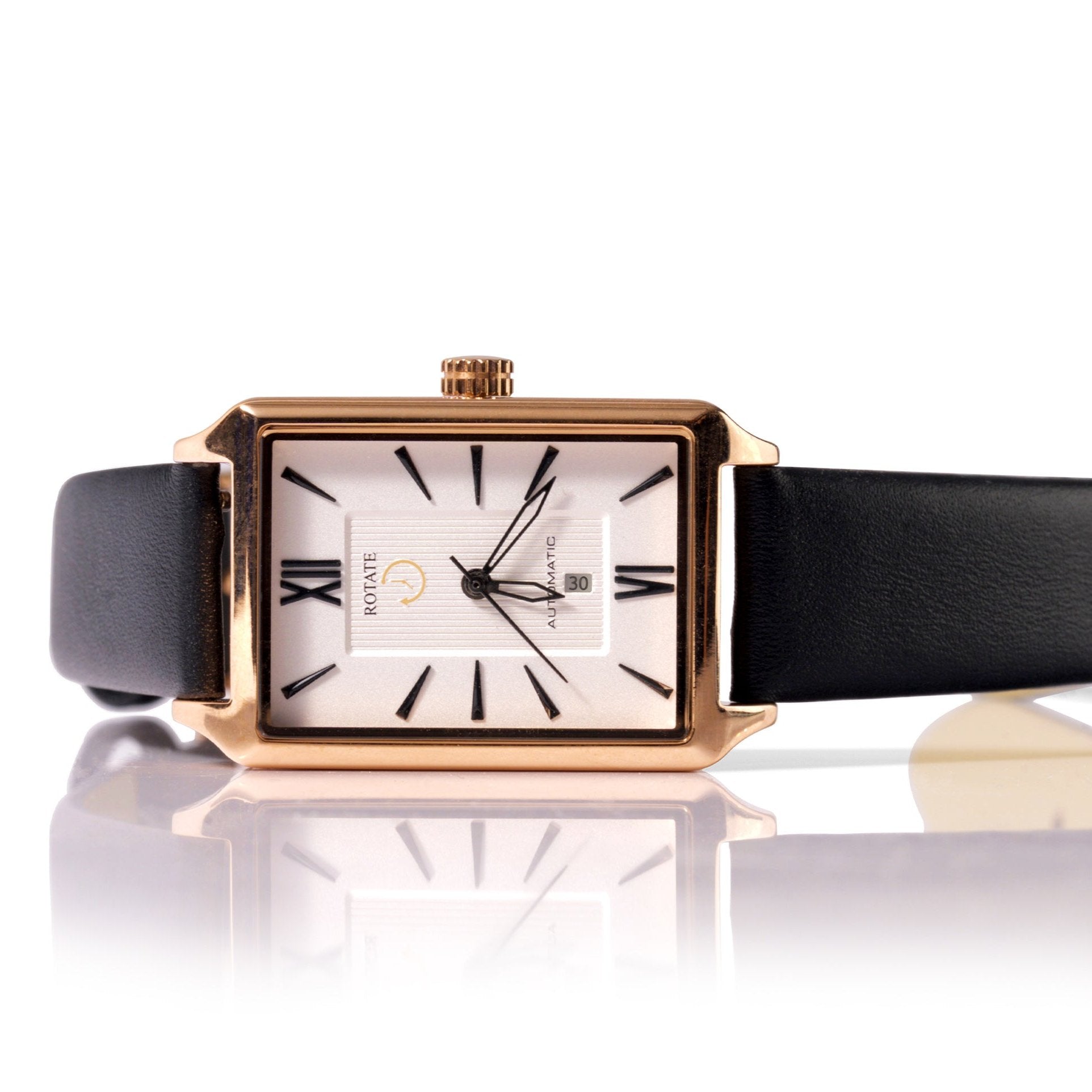
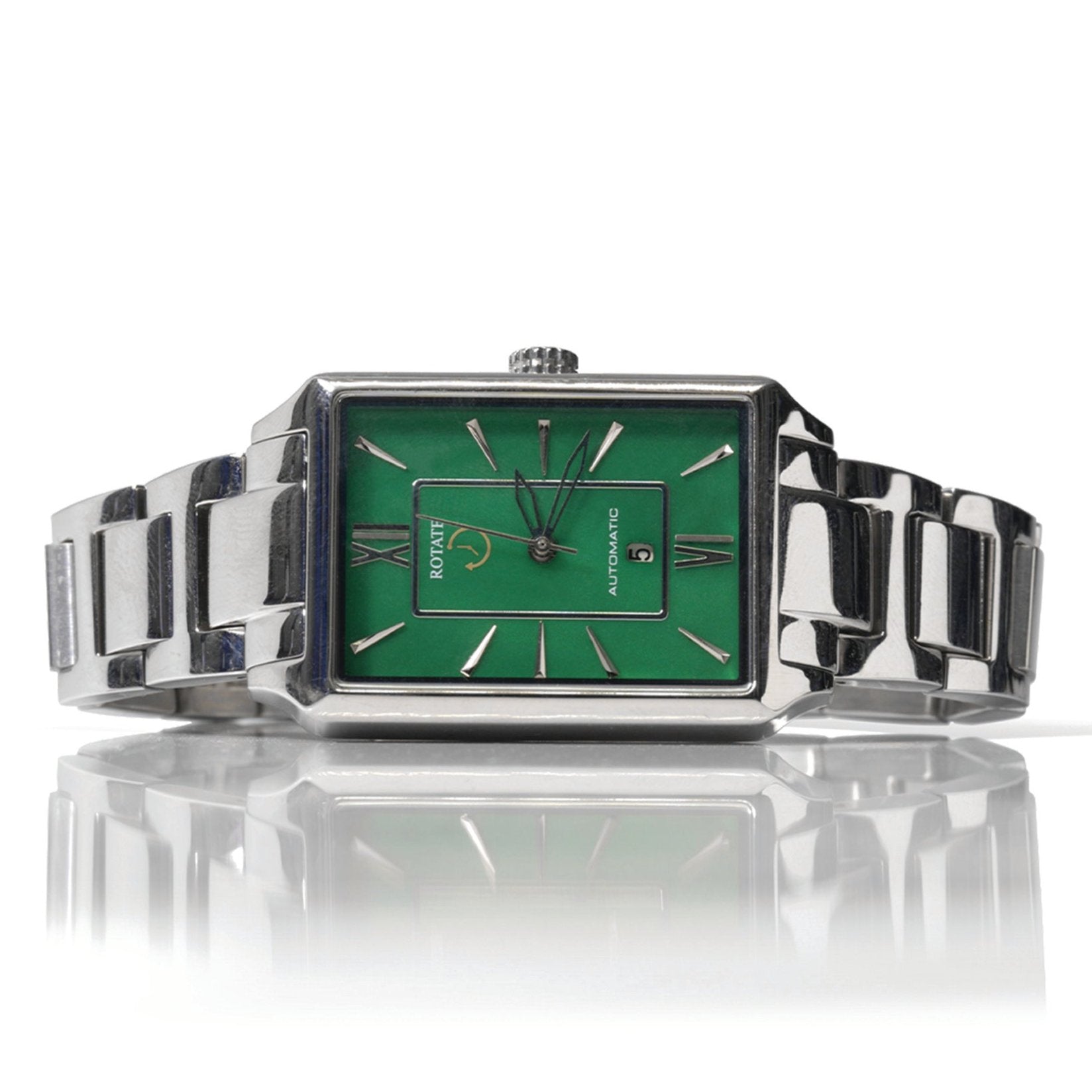
Wristwatch cases require tighter precision. You'll install a case back, align the crown and stem, and attach the strap with spring bars. Everything must fit exactly right for proper water resistance. Watch building kits include pre-fitted cases that simplify this process.
Compact wristwatch cases mean less margin for error. Components must seat perfectly, or you'll struggle with stem alignment. Pocket watches forgive small misalignments more easily because of their larger size.
Tools Stay the Same, Technique Changes
Both projects need identical basic tools. Precision screwdrivers, tweezers, spring bar tool, and gloves work for either build. The difference comes down to how carefully you need to work.
Wristwatches demand extra patience with small parts. Good lighting becomes essential. Work over a soft cloth to catch any screws that slip from your tweezers. Hand installation requires steady control because the dial sits closer to your fingers.
Pocket watches let you work more comfortably. Larger movements mean less eye strain. Screws stay visible on your work surface instead of disappearing into carpet fibers. If you've got vision concerns or shaky hands, bigger components offer real advantages.
Most builders finish their first watchmaking kit in 2-3 hours. Pocket watches with hunter cases may add 30-60 minutes for cover fitting.
Which One Fits Your Goals?
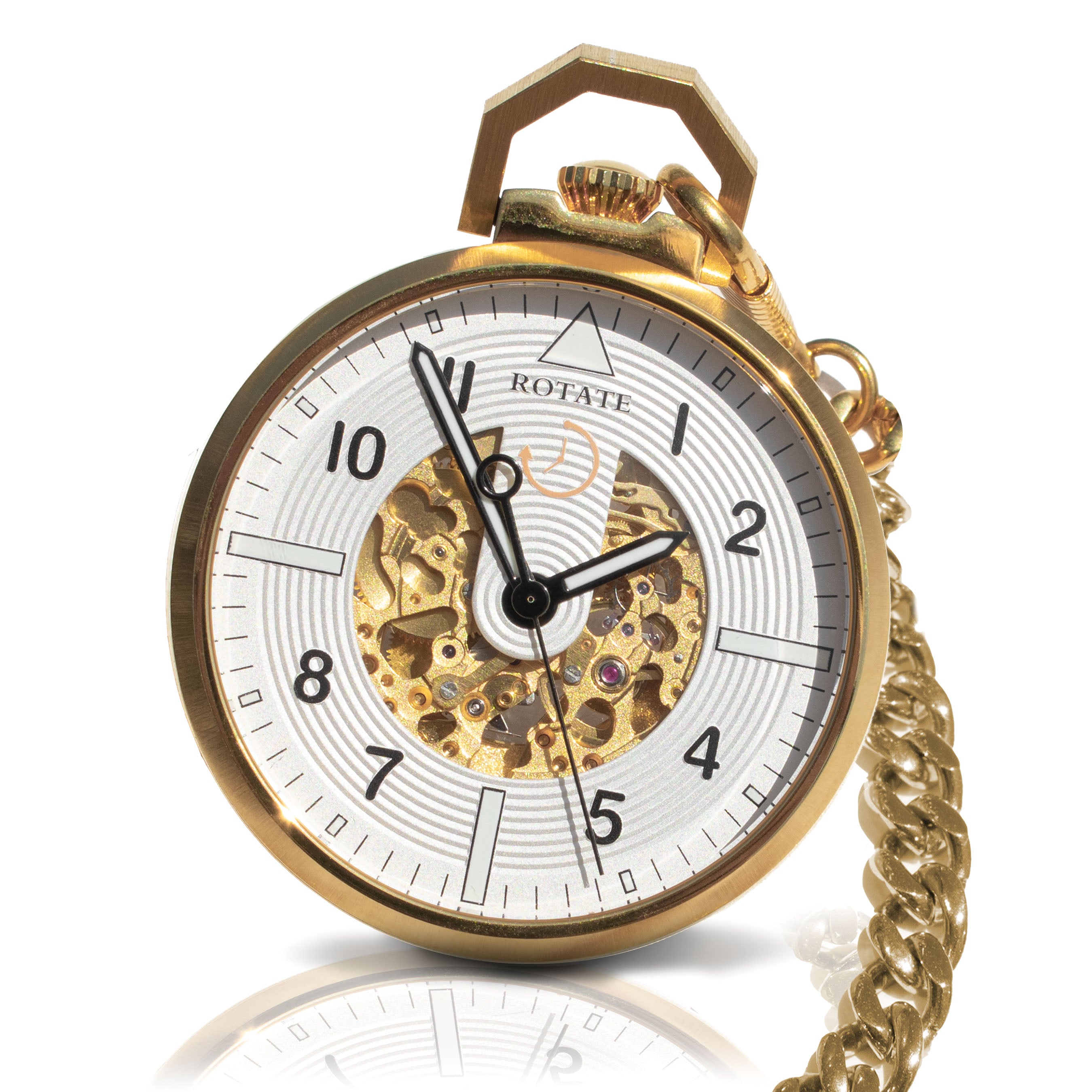
Pick a pocket watch if you want a striking display piece. The Hudson pocket watch kit features a skeleton dial that showcases the movement's beauty. Pocket watches make incredible conversation starters. You'll love showing people something you built with your own hands.
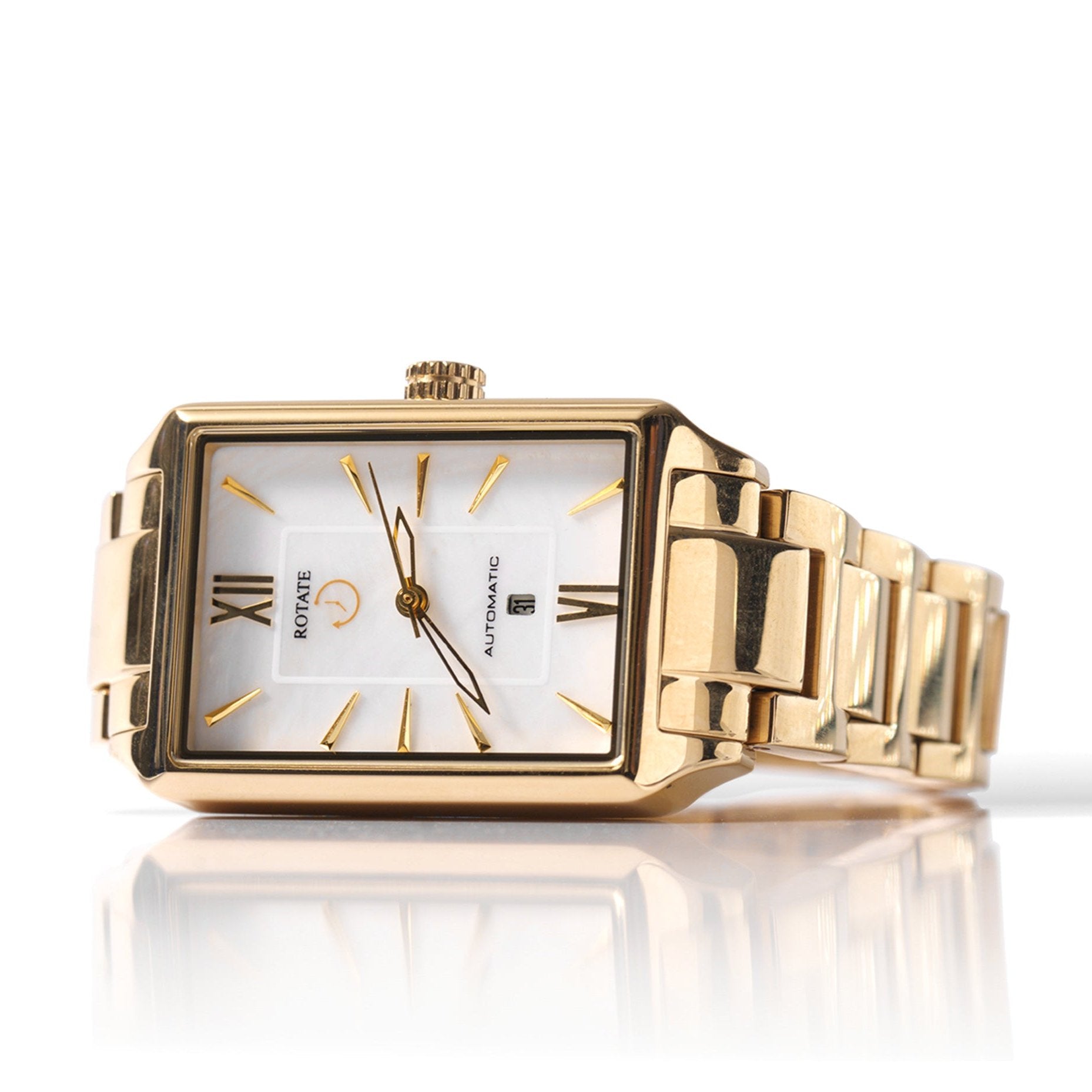
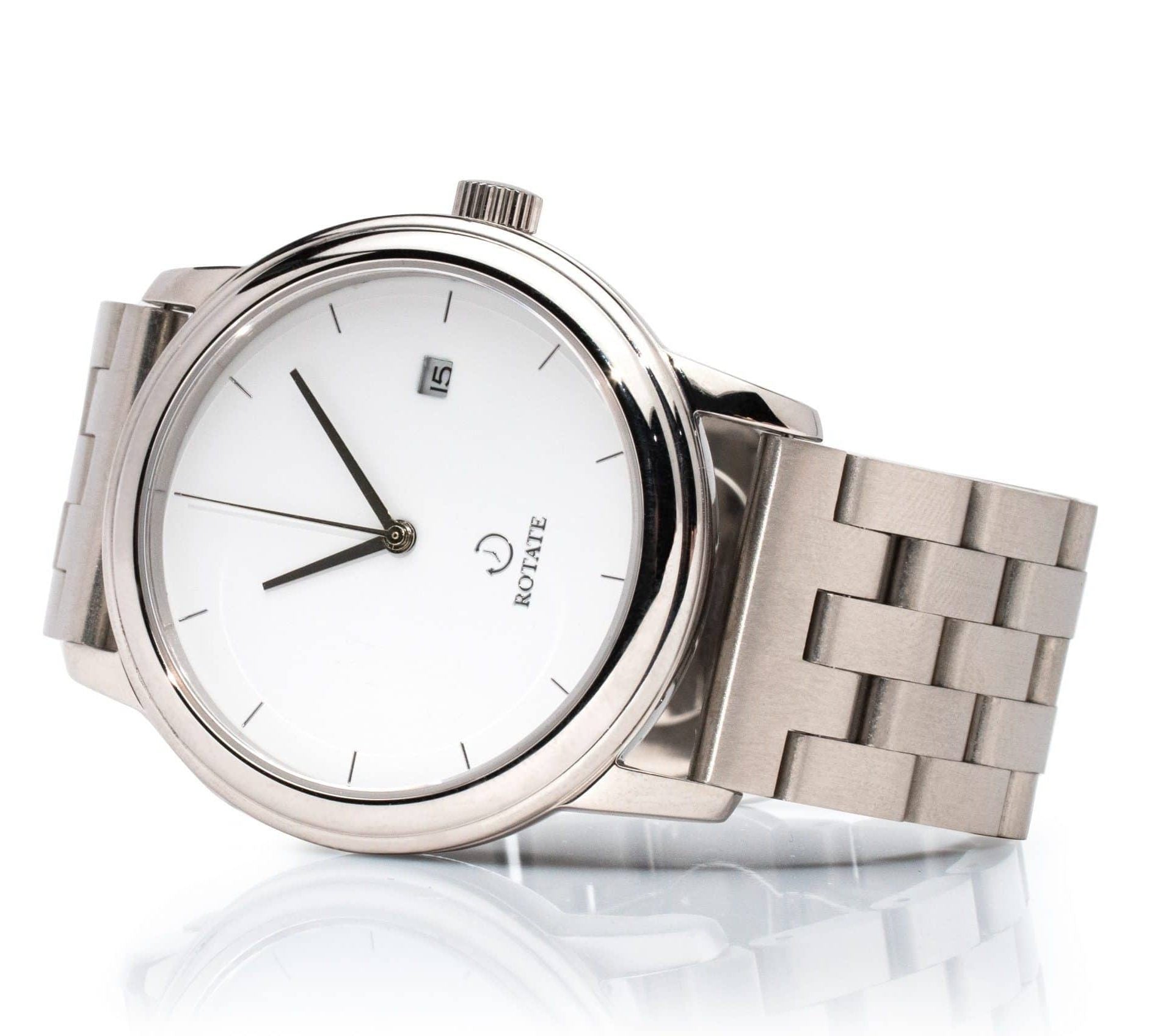
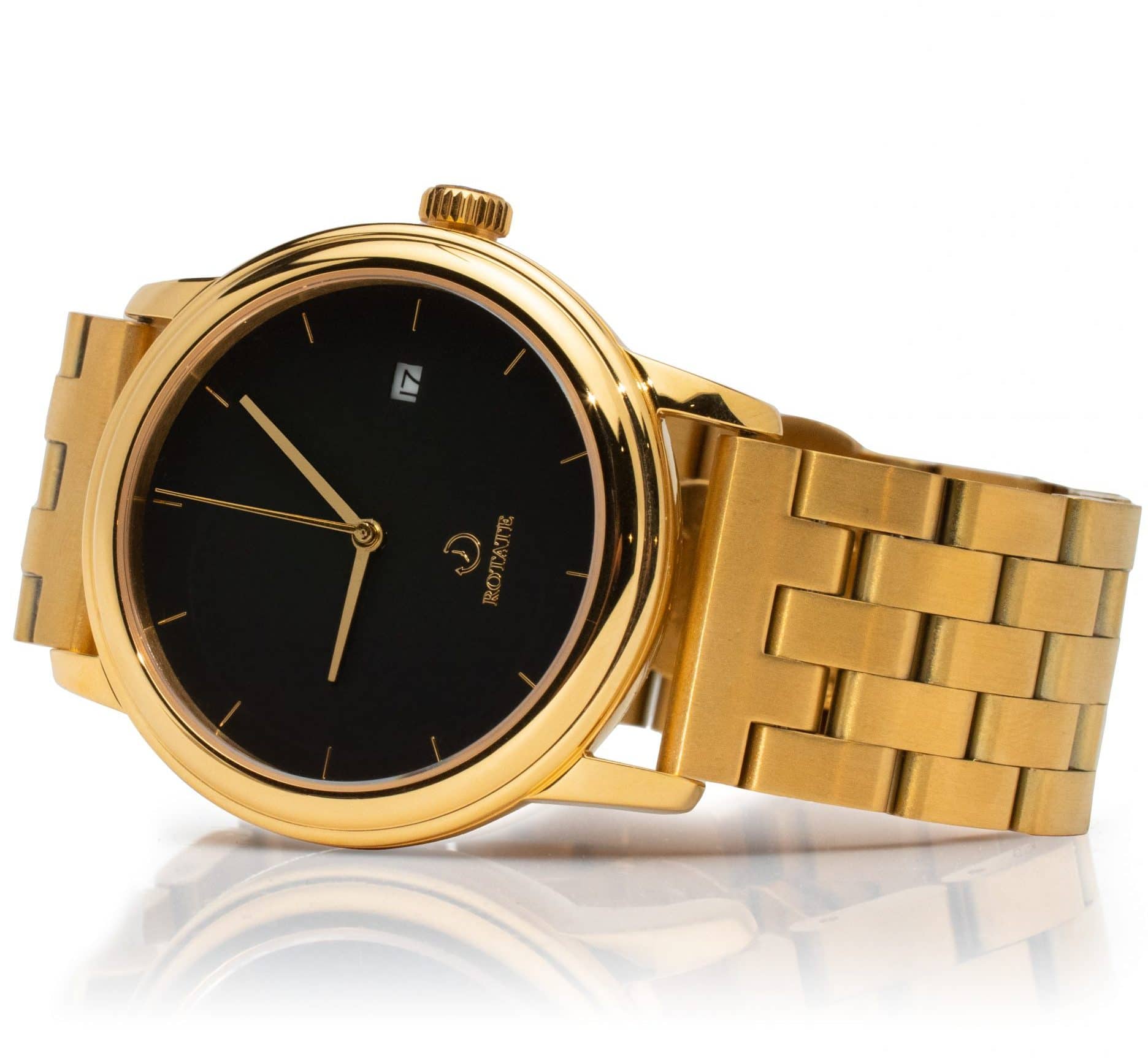
Pick a wristwatch if you want daily wearability. Automatic watch kits like the Cabot create timepieces you'll check dozens of times each day. You gain practical skills in watch maintenance and repair.
Modern DIY kits focus heavily on wristwatches. You'll find better instructions, more support resources, and easier parts availability for wristwatch projects. Pocket watch kits exist but appear less frequently in the current market.
Your skill level matters less than you think. Complete DIY watch kits include everything needed for success. Detailed guides cover every step. Support teams help when you get stuck. First-time builders succeed with either option when using quality kits.
Conclusion
Pocket watches and wristwatches both teach you mechanical watchmaking fundamentals. Pocket watches offer comfortable handling with larger, easier-to-see parts. Wristwatches challenge you with precision work and reward you with something you'll wear constantly.
Most beginners succeed with either choice. Pick the style that excites you. Set up a clean, well-lit workspace. Follow the instructions carefully. Take your time with tricky steps.
Start your watchmaking journey with Rotate Watches, where complete DIY kits provide everything needed. Browse our collection from pocket watches to everyday wristwatches. Movement kits starting at $140 let you focus purely on assembly.
Your first build starts now. Start building today .
Frequently Asked Questions
Can the same movement work in both types?
Some movements adapt to both applications. Many pocket watch movements now appear in wristwatches. Modern kits typically use movements optimized for their specific case type.
Are pocket watches harder to build?
Pocket watches feature larger, easier-to-handle components. Wristwatches have smaller parts requiring more precision. Neither is inherently harder, just different challenges.
Do you need different tools for each?
The basic tool set stays the same: screwdrivers, tweezers, spring bar tool, and gloves. Wristwatch assembly benefits from better lighting due to smaller parts.
How long does assembly take?
Assembly runs 2-3 hours for most first-time builders regardless of watch type. Pocket watches with hunter cases may add 30-60 minutes for cover fitting.
Which should absolute beginners choose?
Choose whichever style excites you more. Passion for the project matters most. Quality kits with clear instructions make either option accessible for first-time builders.