
Watch Restoration vs Building a New Watch: Which Is Easier for Beginners?
You're ready to start working on watches, but you're stuck on a question: should you restore a vintage piece or build a new watch from scratch?
Building a new watch wins for beginners. Not even close.
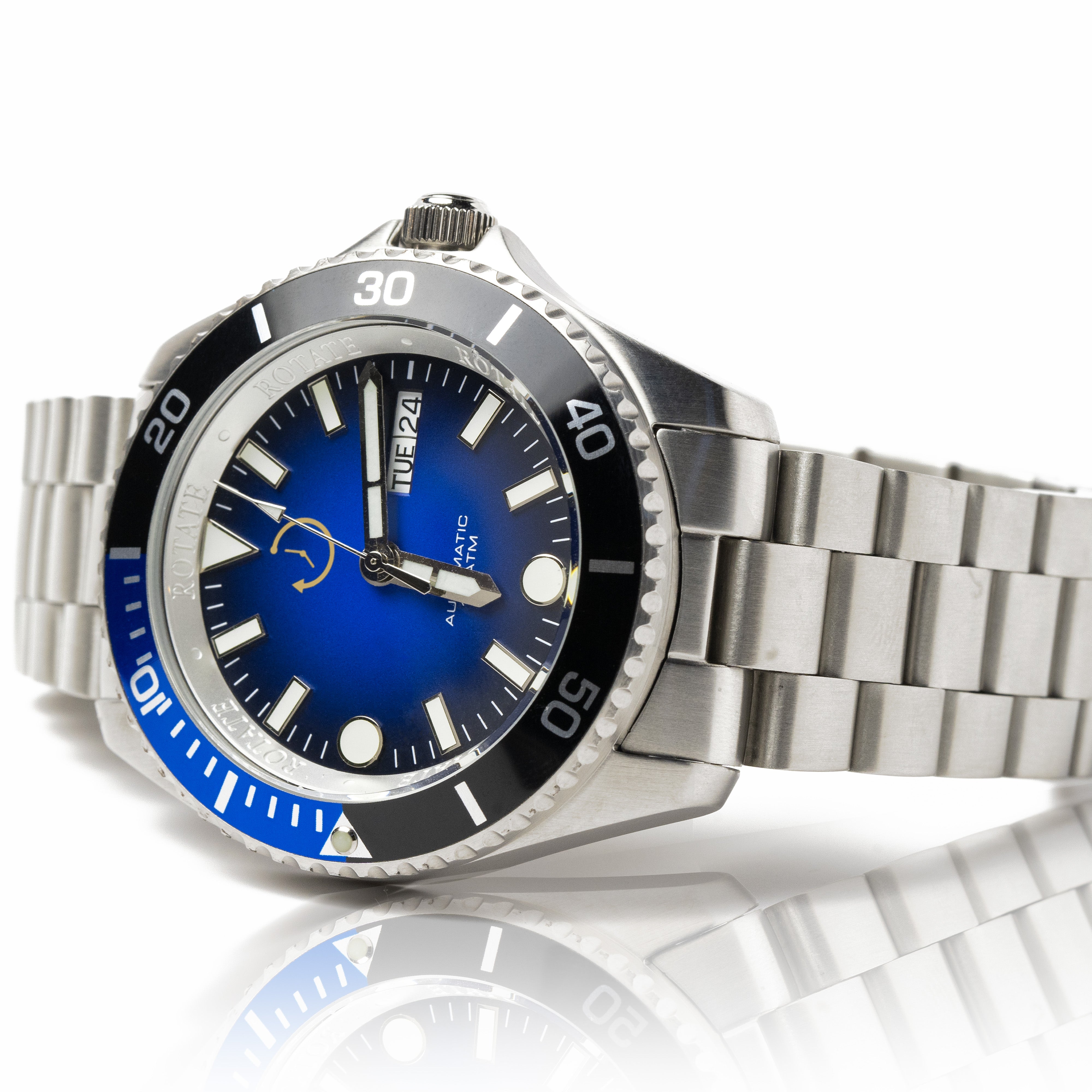
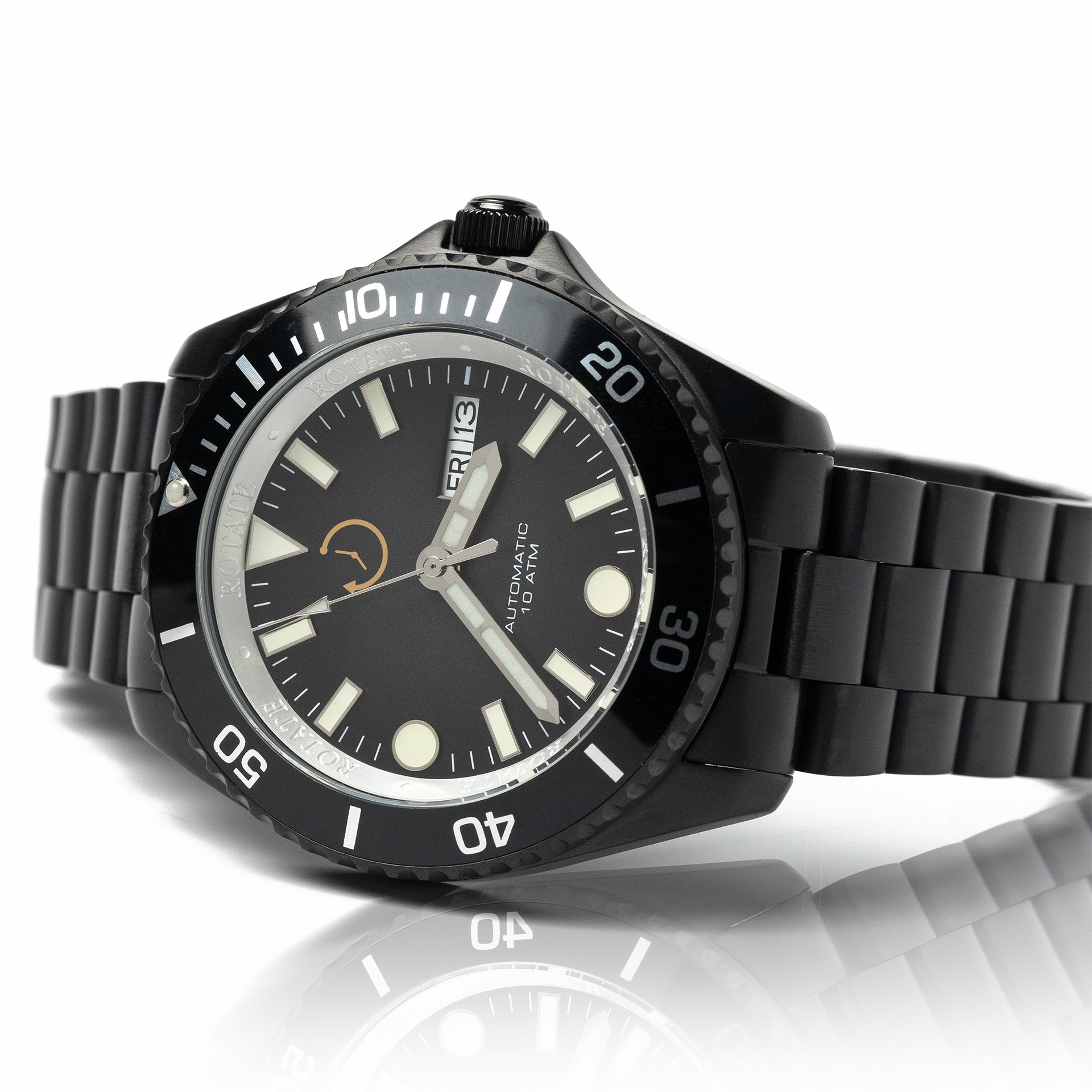
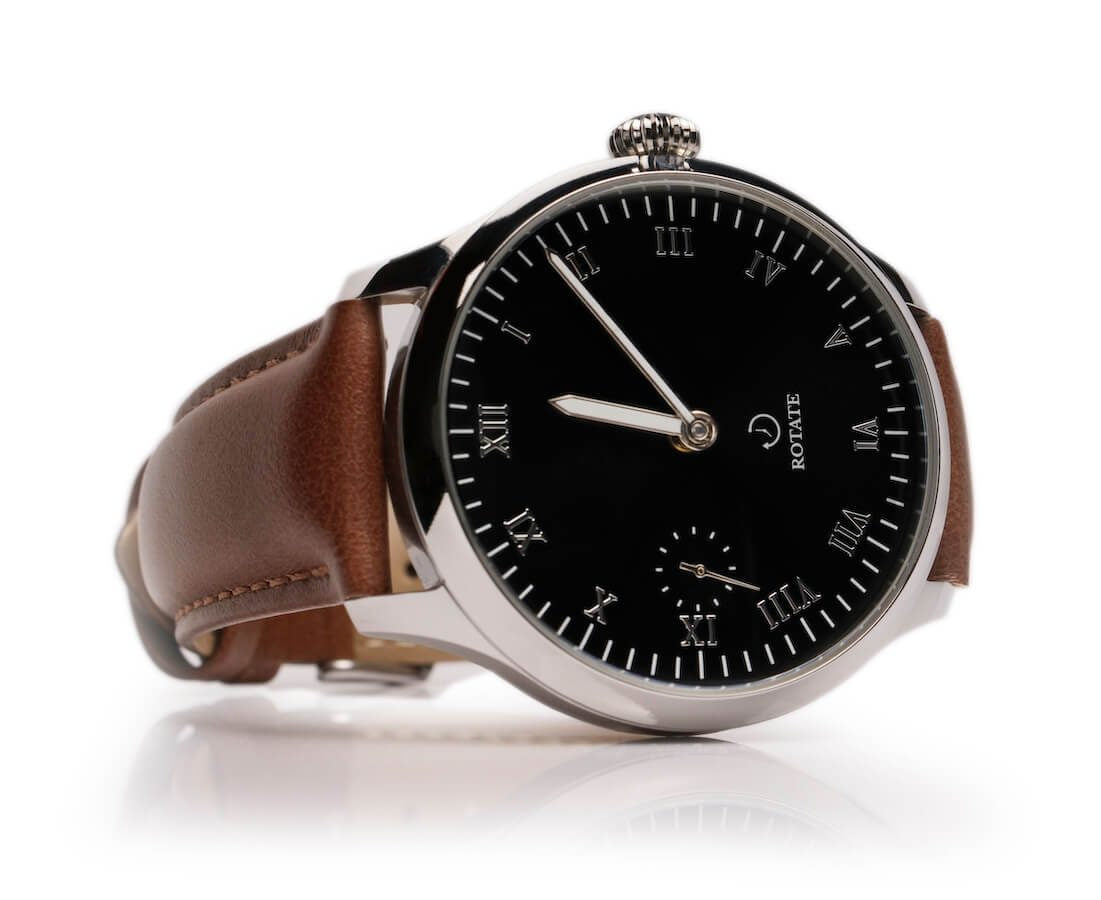
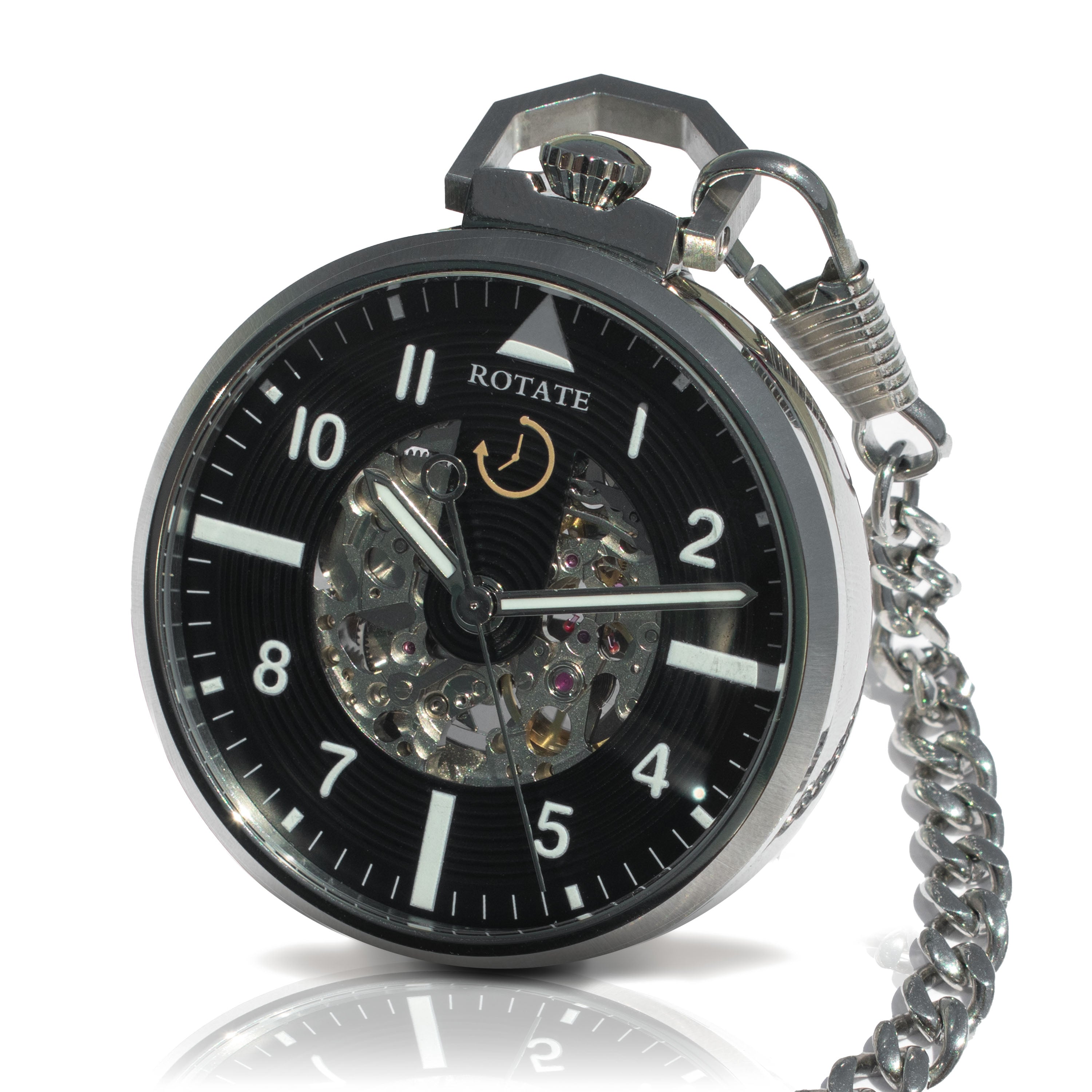
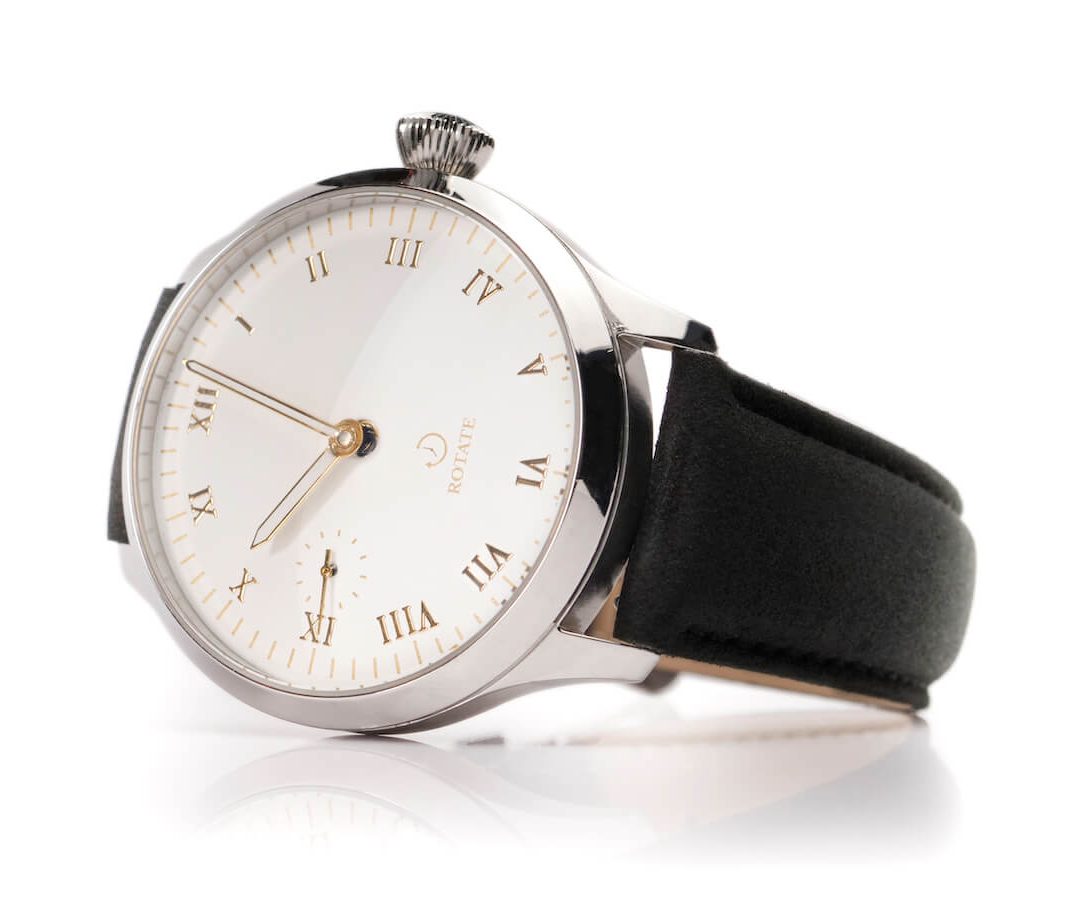
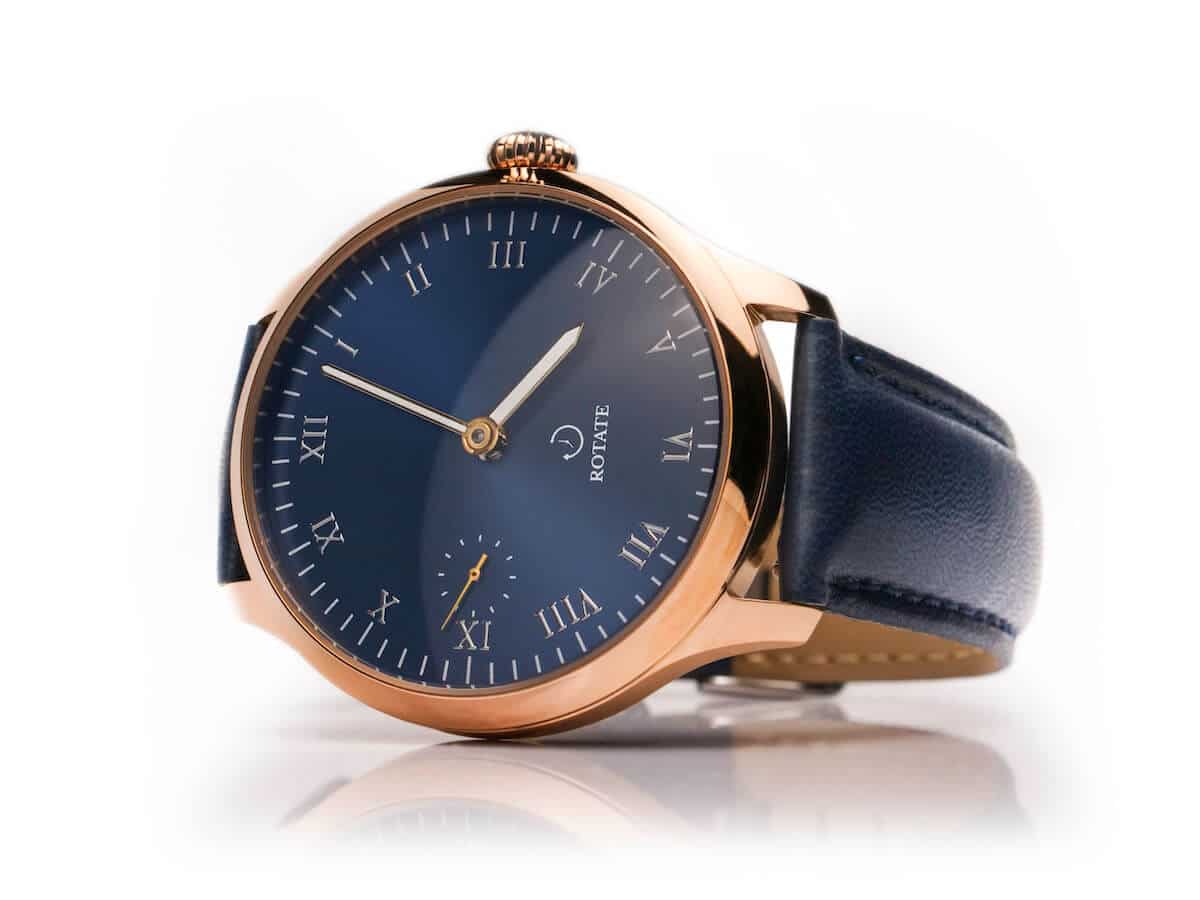
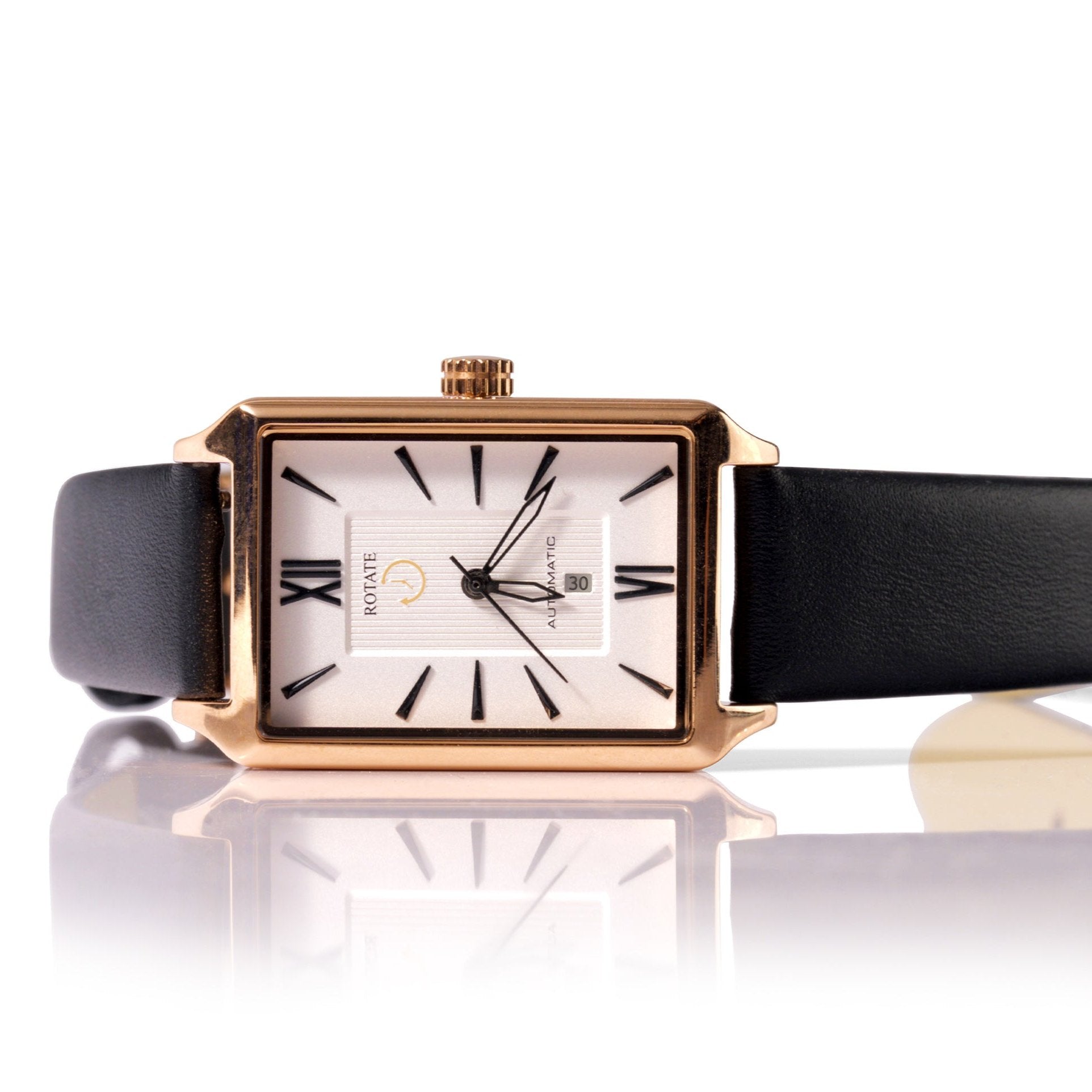
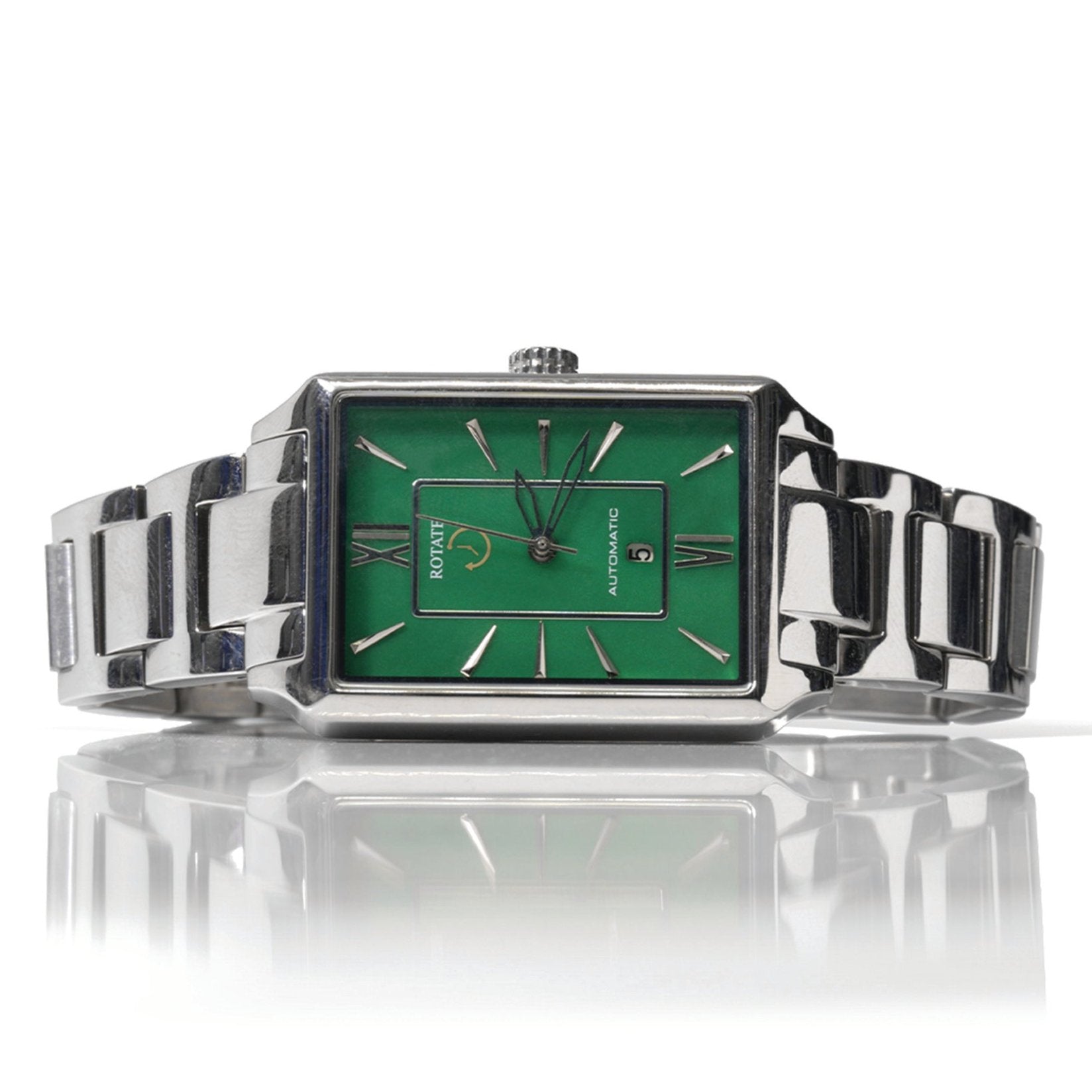
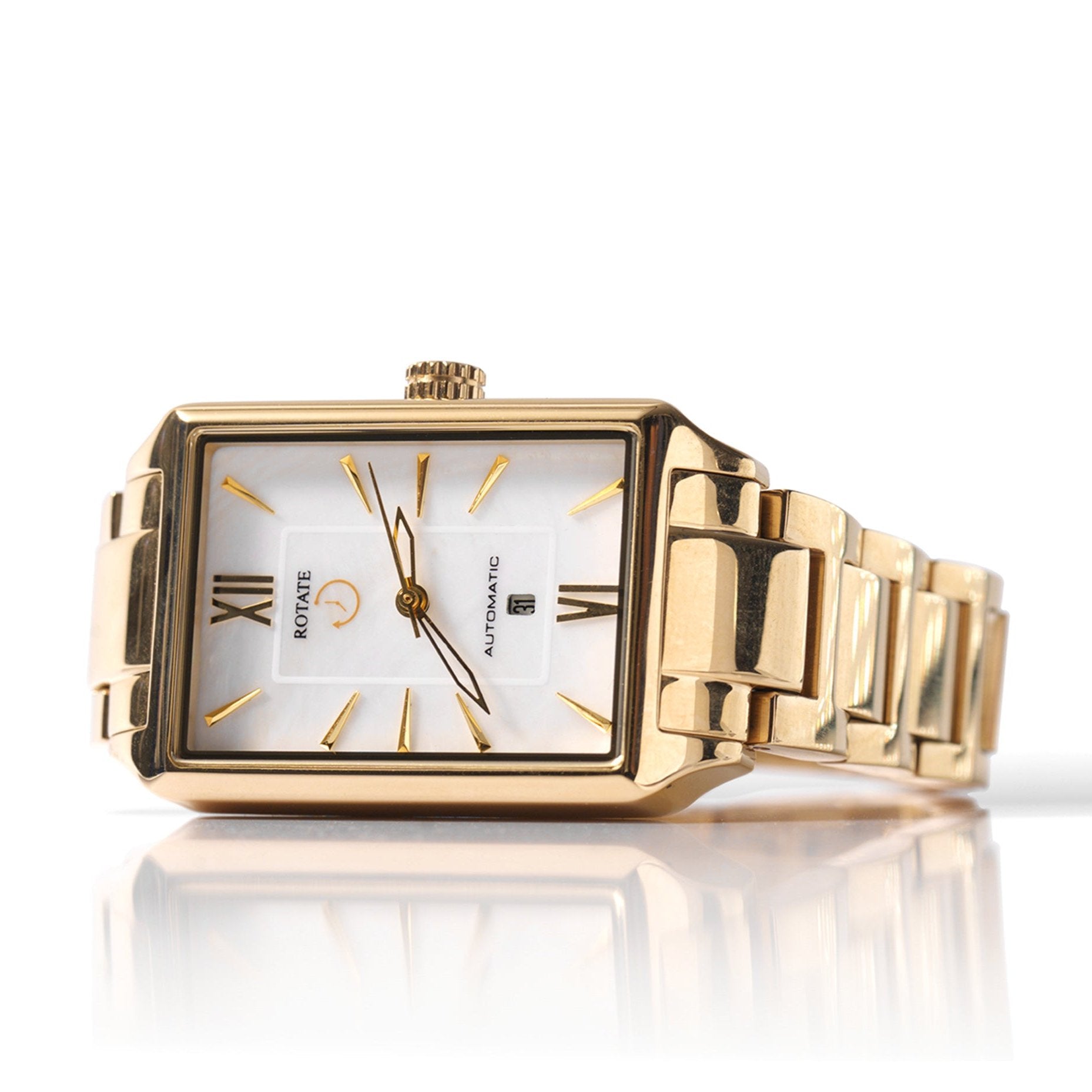
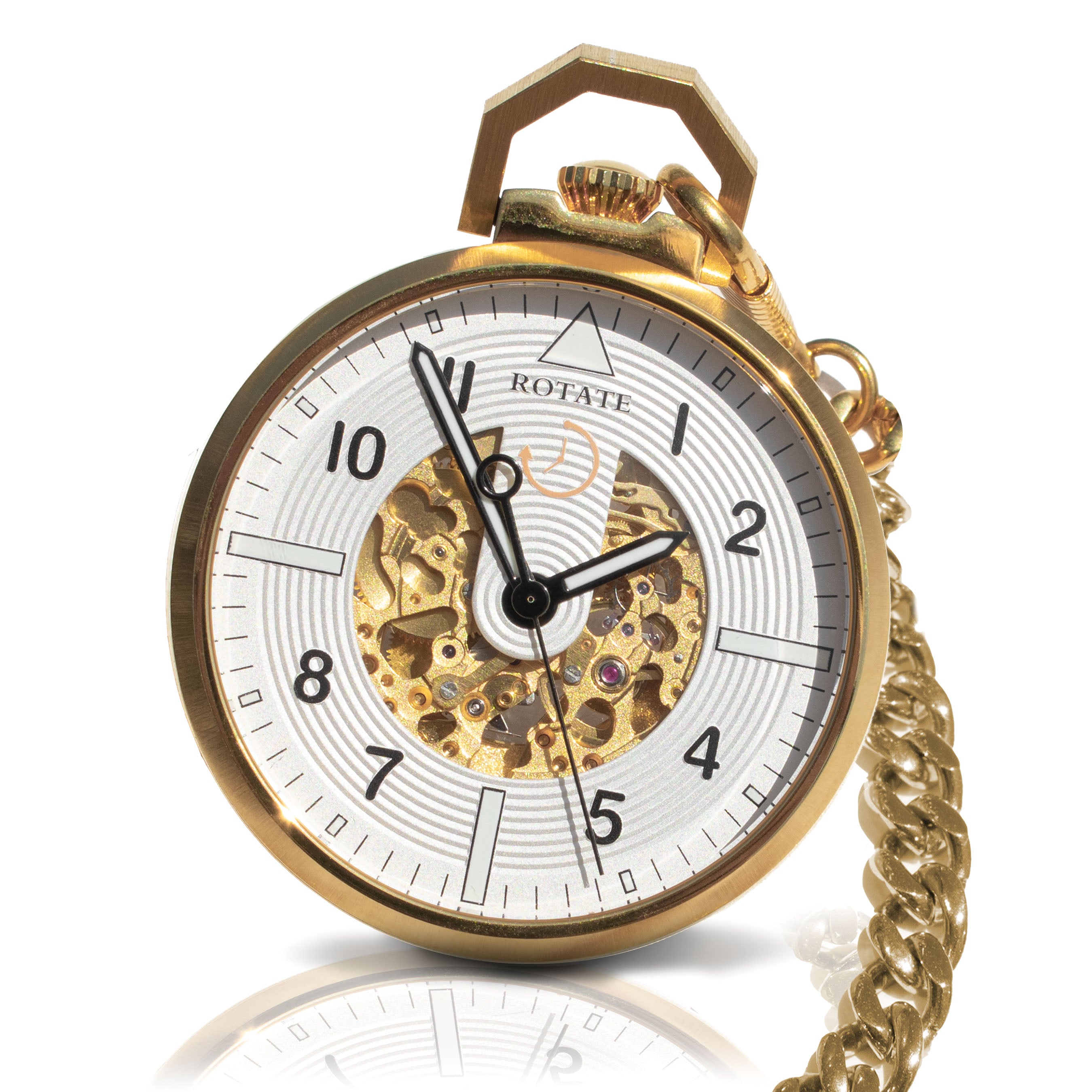
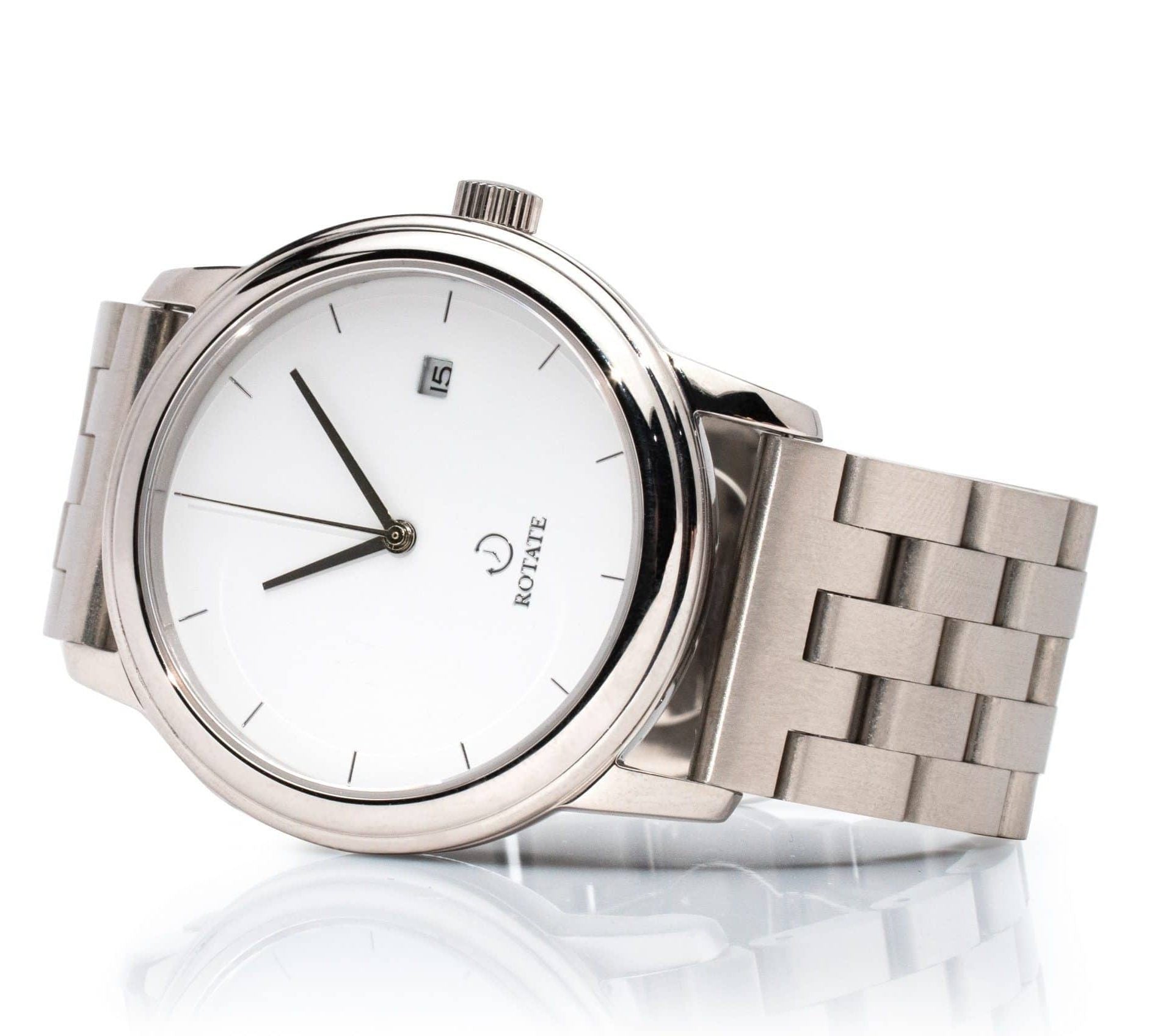
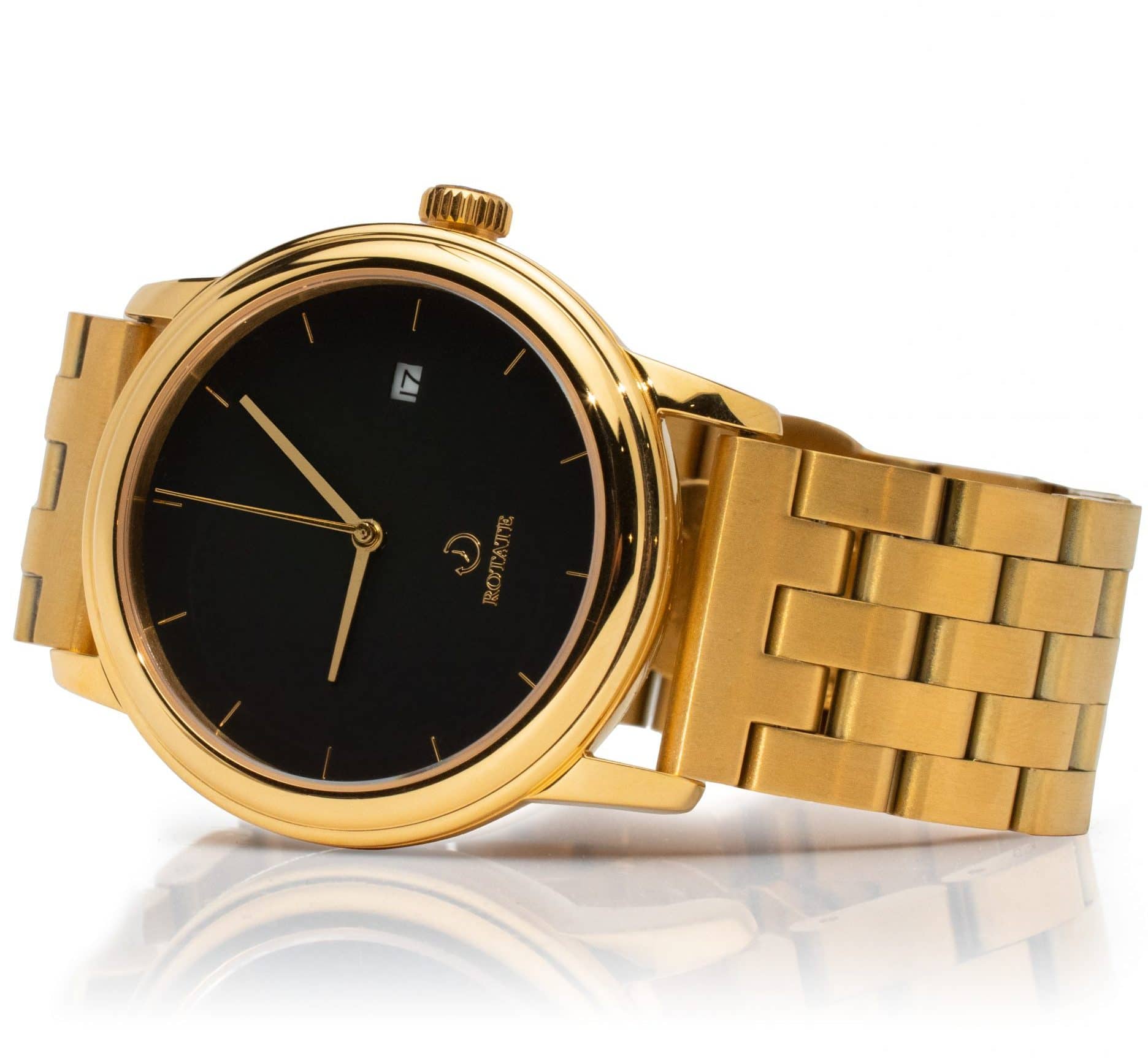
Here's why. When you build from a complete watch kit , every component arrives new, tested, and ready to assemble. You know exactly what you're working with. Restoration means inheriting decades of mystery. Previous owners might have botched repairs, used wrong lubricants, or forced incompatible parts together. You won't know until you're elbow-deep in the project.
Building Gives You Control
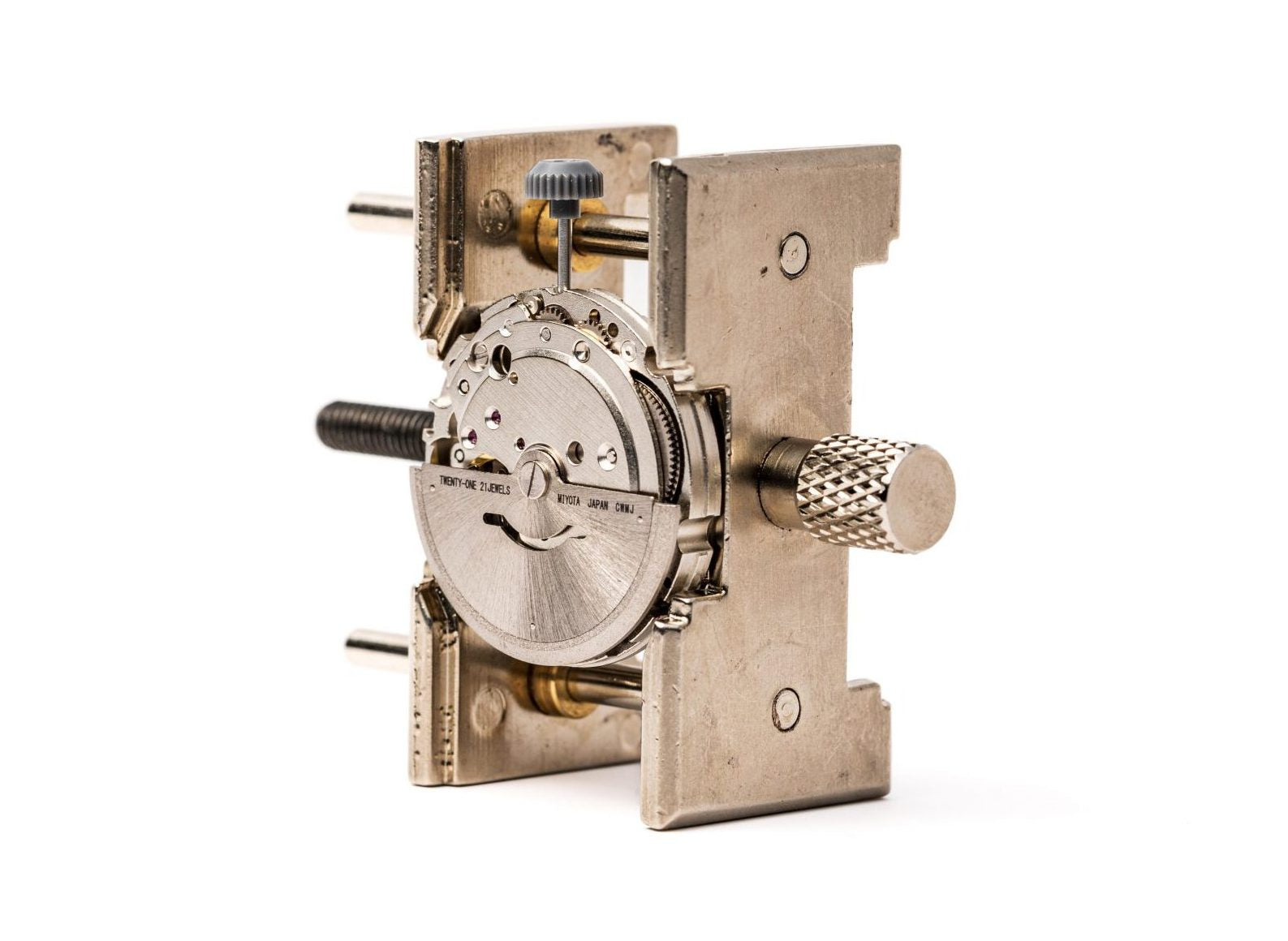
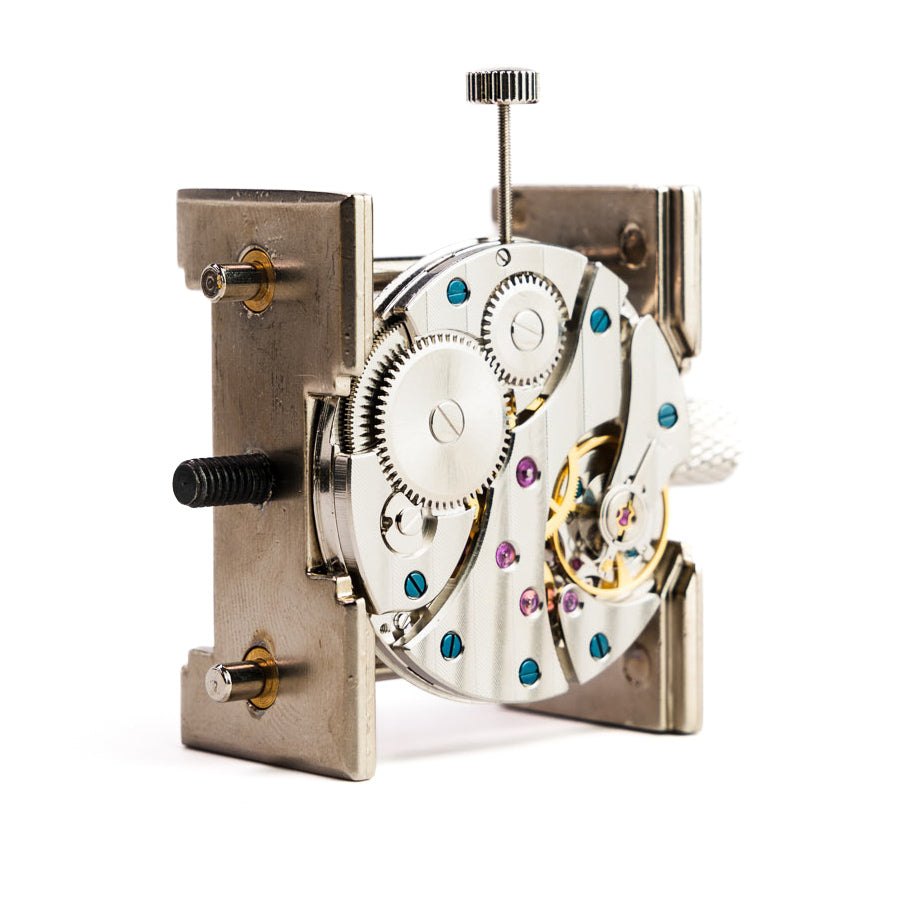
DIY watch kits remove all the guesswork. The Seiko NH36 movement behaves the same way in every kit. The case dimensions match perfectly. The dial feet align with the movement holes. Everything fits together because someone already tested this exact combination.
Vintage watches don't offer that certainty. You might spend an hour trying to seat a dial only to realize someone filed down the feet in a previous repair attempt. Or the case back won't close because someone replaced the movement with a slightly thicker model. Every vintage piece brings unique problems.
Time Stays Predictable
Your first mechanical watch build takes about 2 to 3 hours. Medium difficulty kits stretch to 3 to 4 hours. You'll finish faster on your second build, probably under 2 hours.
Restoration has no timeline. Diagnosing why a watch won't run could take all afternoon. Finding replacement parts adds weeks. Some projects never finish because critical components simply don't exist anymore.
Money Matters
Watch kits range from $140 to $245 and include everything: movement, case, dial, hands, tools, and guides. One purchase gets you started. Use code KITBUNDLE for $50 off when buying multiple kits.
Restoration demands around $800 in specialized tools before you even touch a watch. Ultrasonic cleaners, precision oilers, staking tools, and measurement equipment add up fast. Then come replacement parts with unpredictable costs. A single vintage balance wheel might cost $100 or more, assuming you can find one.
Parts Problems Sink Beginners
Many vintage watches come from manufacturers that stopped production 30, 40, or 50 years ago. Original parts vanished from the market. Aftermarket replicas fill the gap, but quality varies wildly. Beginners struggle to tell authentic vintage parts from modern reproductions.
Scarcity drives prices through the roof. Rare components sometimes cost more than buying a complete working vintage watch. And some parts never appear for sale at all.
Building Teaches Better
Complete watch kits follow logical steps. Install the movement in the case. Attach the dial. Set the hands. Close the case back. Each step builds on the previous one.
Common beginner challenges have clear solutions. Hands won't seat properly? Rotate's support team walks you through hand-setting techniques. Case back feels tight? Guides show you the correct pressure and alignment.
Restoration requires diagnosing problems you've never seen before. A watch that won't run could have 20 different causes. Worn pivots, damaged jewels, broken teeth, dried lubricants, or bent arbors all create similar symptoms. You need experience to spot the actual issue.
When Restoration Makes Sense
Build five to ten watches first. Once you can confidently disassemble and reassemble a working movement, vintage pieces become less scary. You'll understand how components interact and recognize when something looks wrong.
Start with cheap donor movements for practice. Non-working movements cost $10 to $30. Break parts, lose screws, and make mistakes without consequences. Learn diagnostic skills on movements you don't care about saving.
Restoration Has Its Appeal
Some watchmakers love restoration because each project preserves history. You're reviving timepieces that tell stories. But even experienced hobbyists admit frustration when promising candidates reveal irreparable damage during disassembly.
Building gives you immediate success. Wear your creation the same day you finish assembly. Show friends and family something tangible you made with your own hands.
Conclusion
Building beats restoration for beginners in every category: cost, time, difficulty, and success rate. Start with an easy difficulty watch kit to learn fundamental skills. Progress to medium builds as your confidence grows. Save restoration for after you've mastered assembly.
Time isn't just measured, it's built with your own hands.
Start your watchmaking journey with Rotate Watches, where complete DIY kits transform curiosity into craftsmanship. Browse our collection to find your perfect match, from complete watch kits to intricate movement kits.
Your watchmaking story begins with a single screw. Start building today.
Frequently Asked Questions
How long does building your first watch take?
Easy difficulty kits take 2 to 3 hours for first attempts. Medium builds require 3 to 4 hours. You'll get faster with practice, completing future builds in under 2 hours.
Can beginners restore watches without training?
Restoration requires diagnostic skills that take years to develop. Build several new watches first to understand movement assembly before attempting vintage pieces.
What tools come with watch building kits?
Kits include screwdrivers, tweezers, spring bar tools, strap adjustment tools, pliers, glue, and protective gloves. Everything arrives in one package.
Why do vintage watch parts cost so much?
Many manufacturers stopped production decades ago. Original parts don't exist anymore. Scarcity and the prevalence of replicas drive prices upward.
Do watch building skills help with restoration later?
Absolutely. Building teaches movement assembly and component relationships. Understanding how new watches fit together helps you diagnose problems in vintage pieces.
How much should beginners expect to spend?
Complete watch kits range from $140 to $245 with all components and tools included. Restoration demands around $800 in specialized tools plus unpredictable parts costs.