
Seagull ST3600 vs Miyota 8215: Which Movement Kit Should a Beginner Start With?
Choosing your first watch movement kit usually comes down to two options: the Seagull ST3600 and the Miyota 8215. Both cost $140 in complete kits with tools and guides, and both teach real mechanical watchmaking. However, they offer very different learning experiences, and picking the right one makes the difference between a rewarding first build and unnecessary frustration.
The Seagull ST36 vs Miyota 8215 debate centers on a fundamental choice: hand-wound simplicity versus automatic complexity. The ST3600 strips watchmaking down to its core principles, while the 8215 adds automatic winding and a date complication on top of those same fundamentals.
Key Takeaways
- The ST3600 is hand-wound with no complications, making it the best first movement for learning
- Both kits cost $140 and share the same accuracy rating (-20 to +40 seconds per day)
- The ST3600's larger diameter (36.6mm vs 26mm) and slimmer profile (4.50mm vs 5.67mm) make components easier to handle
- North Seattle College's Watch Technology Institute starts students on hand-wound movements before automatics
- The 8215 adds automatic winding and a date complication, making it a natural second project
Build your own watch from scratch, with your own hands.
How Do the Two Movements Compare?
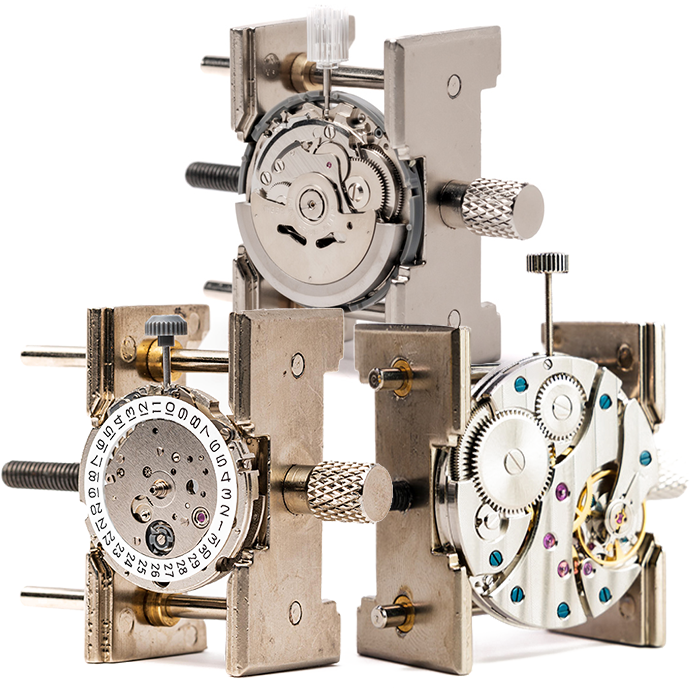
Both movements are well-built workhorses, but their designs serve different purposes. A side-by-side look at the specs shows why one works better for a first build.
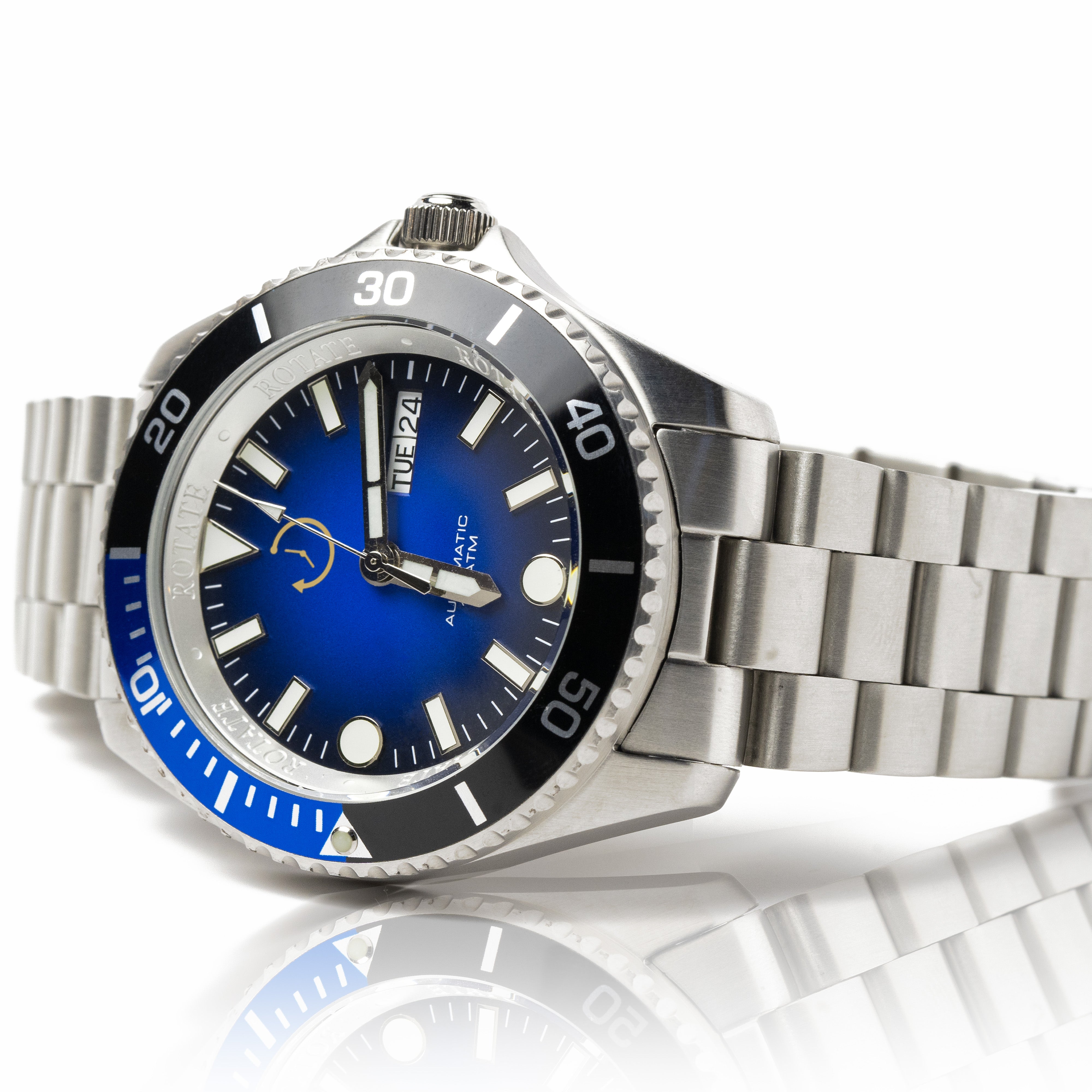
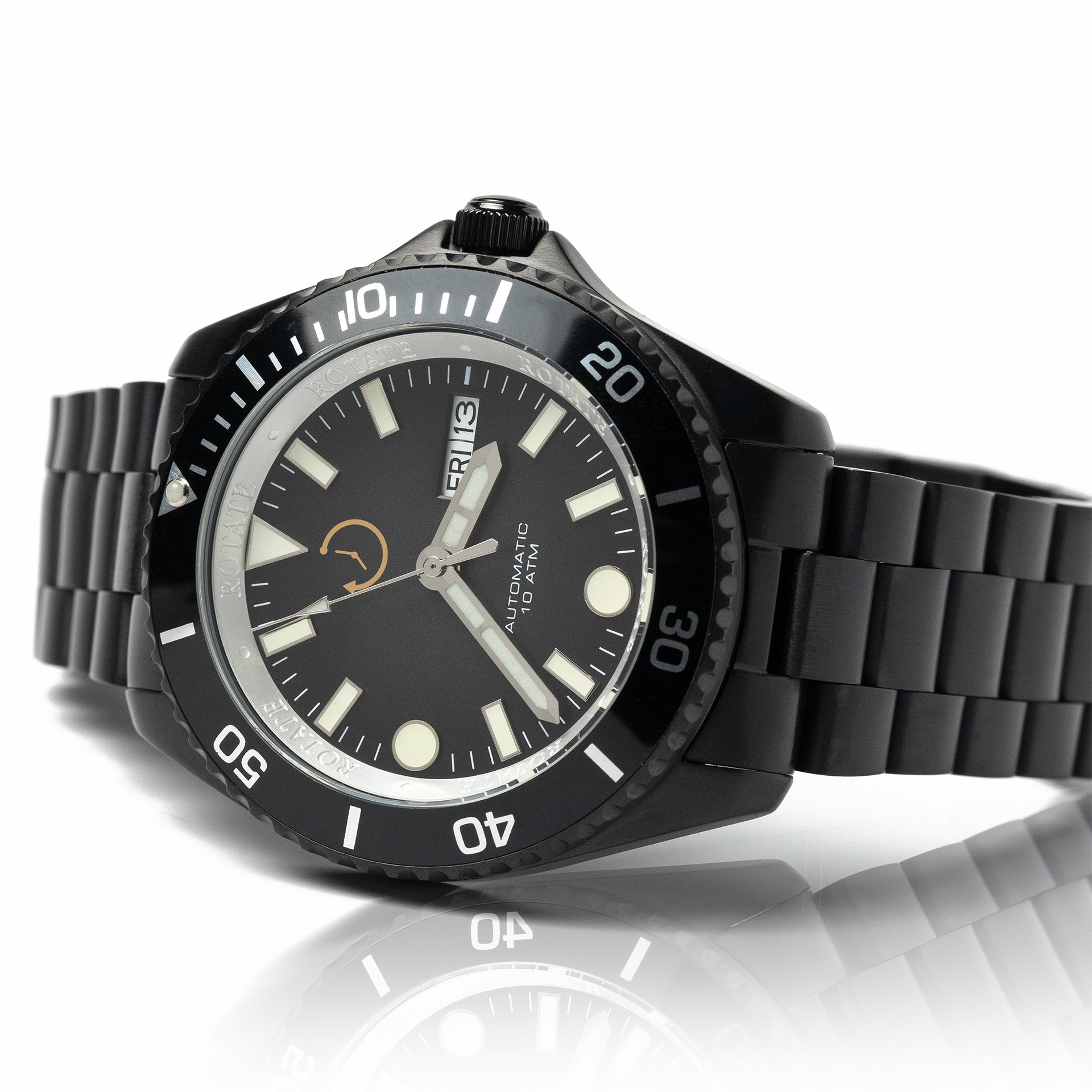
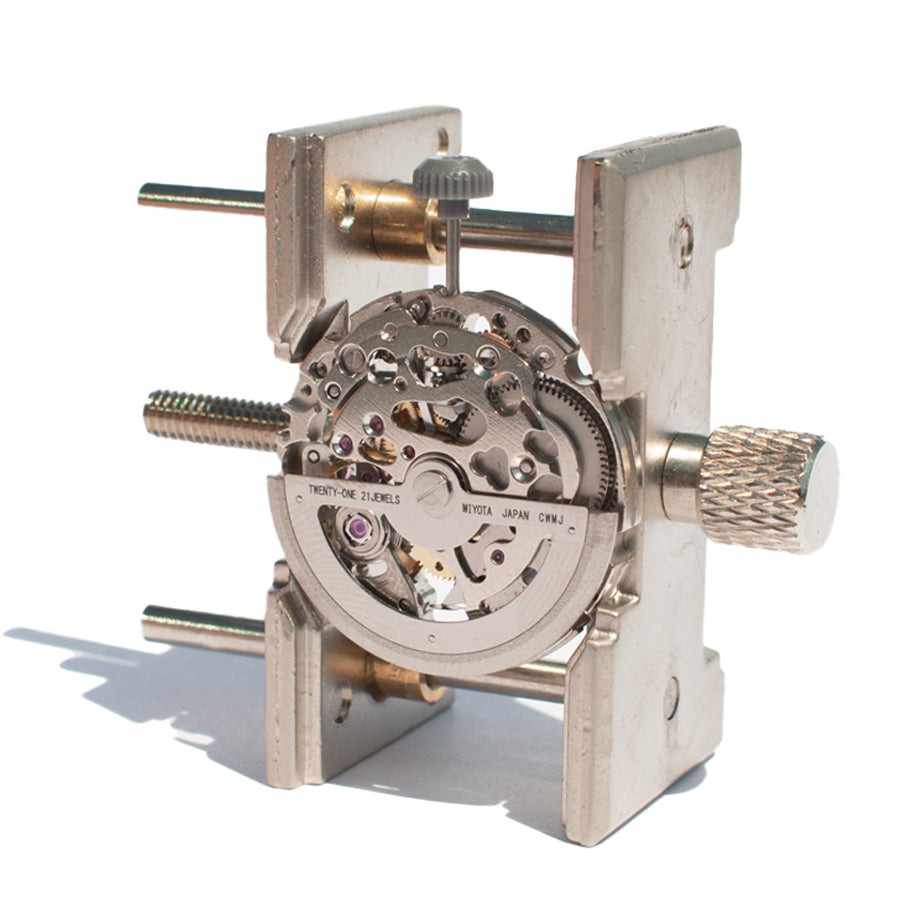
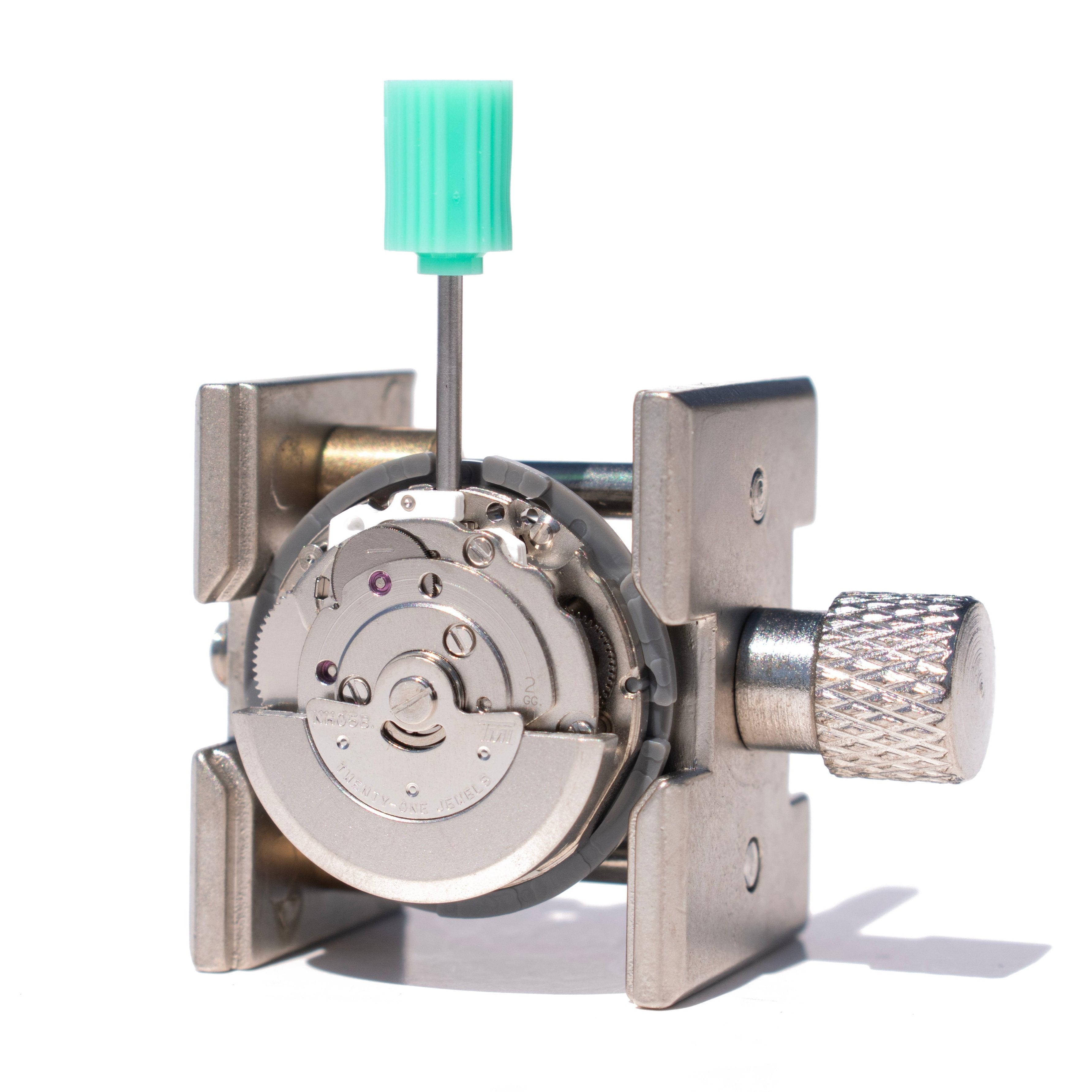
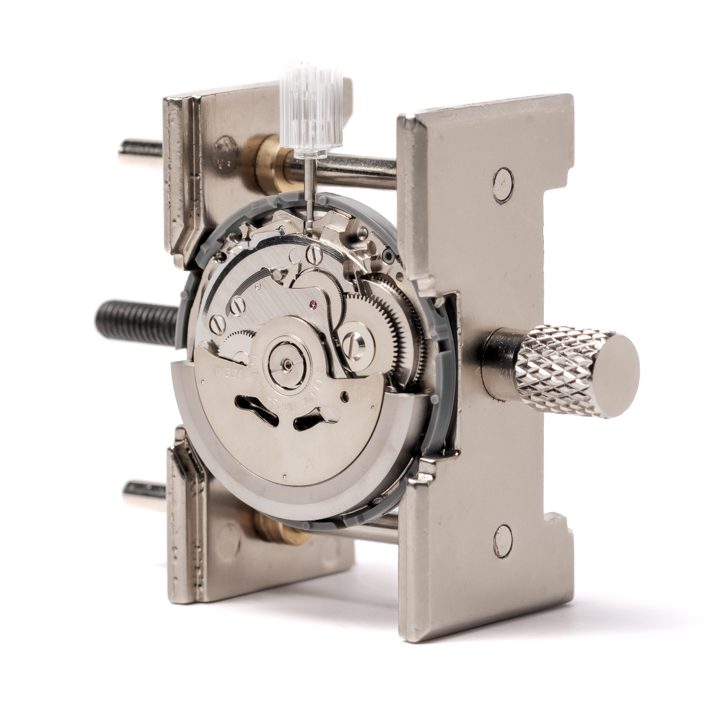
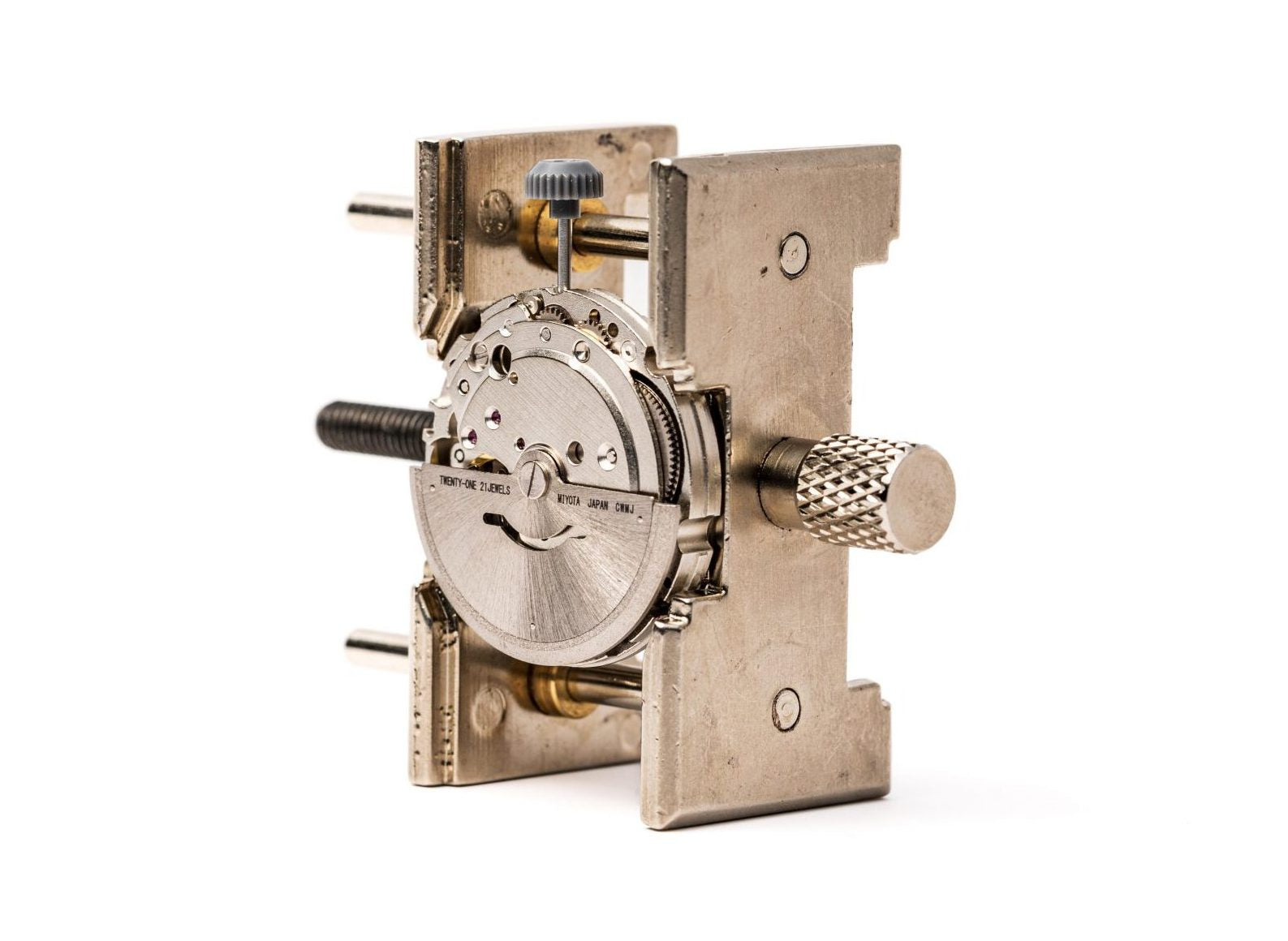
Builders upgrading an existing project or replacing a damaged part often source a Miyota 8215 Movement on its own, without the full kit's tools and guide.
Specification Comparison
Here is how the two movements compare across every key metric:
- Type: ST3600 is hand-wound, 8215 is automatic
- Jewels: ST3600 has 17, 8215 has 21
- Power reserve: ST3600 runs 40+ hours, 8215 runs 42+ hours
- Beat rate: Both run at 21,600 vibrations per hour
- Accuracy: Both are rated -20 to +40 seconds per day
- Diameter: ST3600 measures 36.6mm, 8215 measures 26mm
- Complications: ST3600 has none, 8215 has a date at 3 o'clock
- Kit price: Both are $140 with tools and a guide
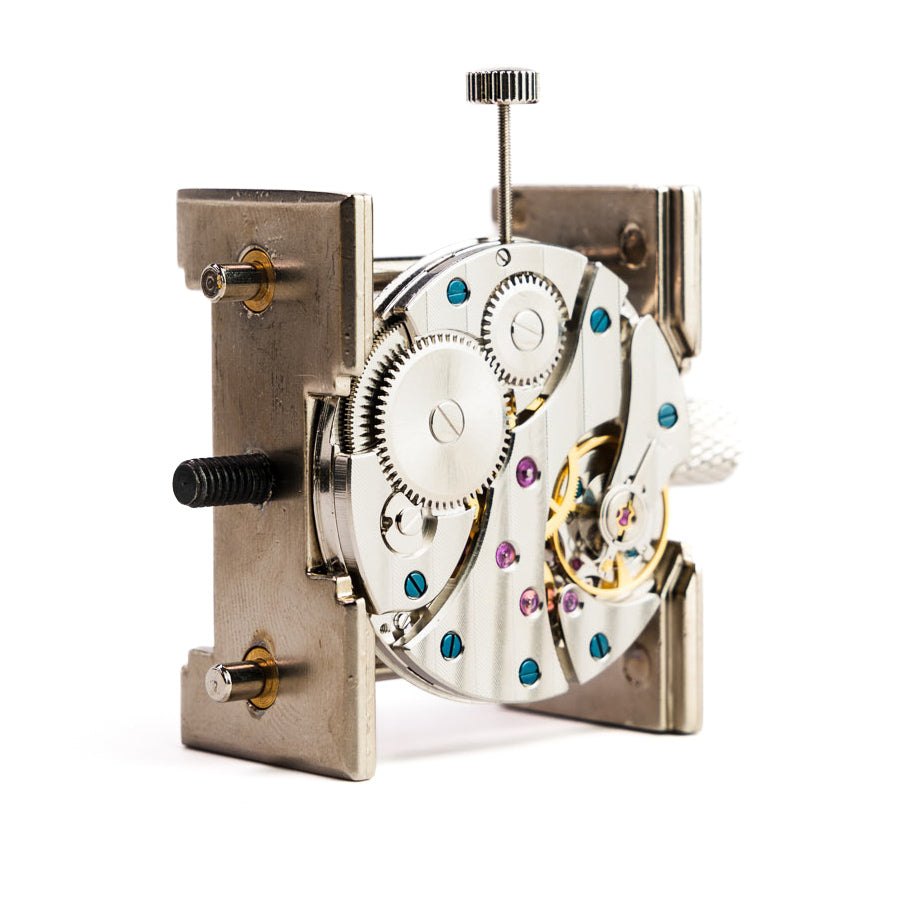
The ST3600's simplicity is its greatest strength for beginners. Without an automatic rotor, there are fewer moving parts to manage, and without a date complication, there is no date wheel alignment step to get wrong. The entire mechanism focuses on one core function: storing energy and releasing it at a controlled rate.
What Is a Watchmaking Complication?
In watchmaking, a complication is any function beyond displaying hours, minutes, and seconds. A date window is the most common example and counts as one complication. A day-date display goes a step further and counts as two, because the day wheel and the date wheel each need their own mechanism. Beyond date functions, chronographs, moon phases, and alarms all qualify as complications as well. What matters for a beginner is that each complication adds extra gears, levers, or springs. More parts mean more assembly steps and more chances for something to go wrong.
The ST3600 has zero complications, which is exactly why it works so well as a learning movement. Every component serves the single purpose of keeping time, so you can focus entirely on understanding how a mechanical watch runs. The 8215, by contrast, adds one complication: the date display at 3 o'clock. That single addition introduces a date wheel, a quickset mechanism, and a restricted setting window. Setting the date during the wrong hours risks damaging the gear teeth.
Learning Value Breakdown
Watchmaking schools start students with hand-wound movements before progressing to automatics. Hand-winding teaches the direct connection between the mainspring, gear train, and escapement. You wind the crown, feel resistance build, and understand exactly where the energy goes.
The ST3600 draws from the classic ETA 6497-1 architecture, a proven Swiss design that has been used in watchmaking education for decades. The 8215 adds valuable concepts like automatic winding and date mechanisms, but those concepts layer on top of the basics rather than replacing them.
Why Is the ST3600 Best for Your First Build?
The difficulty gap between the ST3600 and the 8215 matters more than most beginners expect. A hand-wound movement teaches more per step because every step relates directly to core mechanical principles.
Simpler Construction Builds Confidence
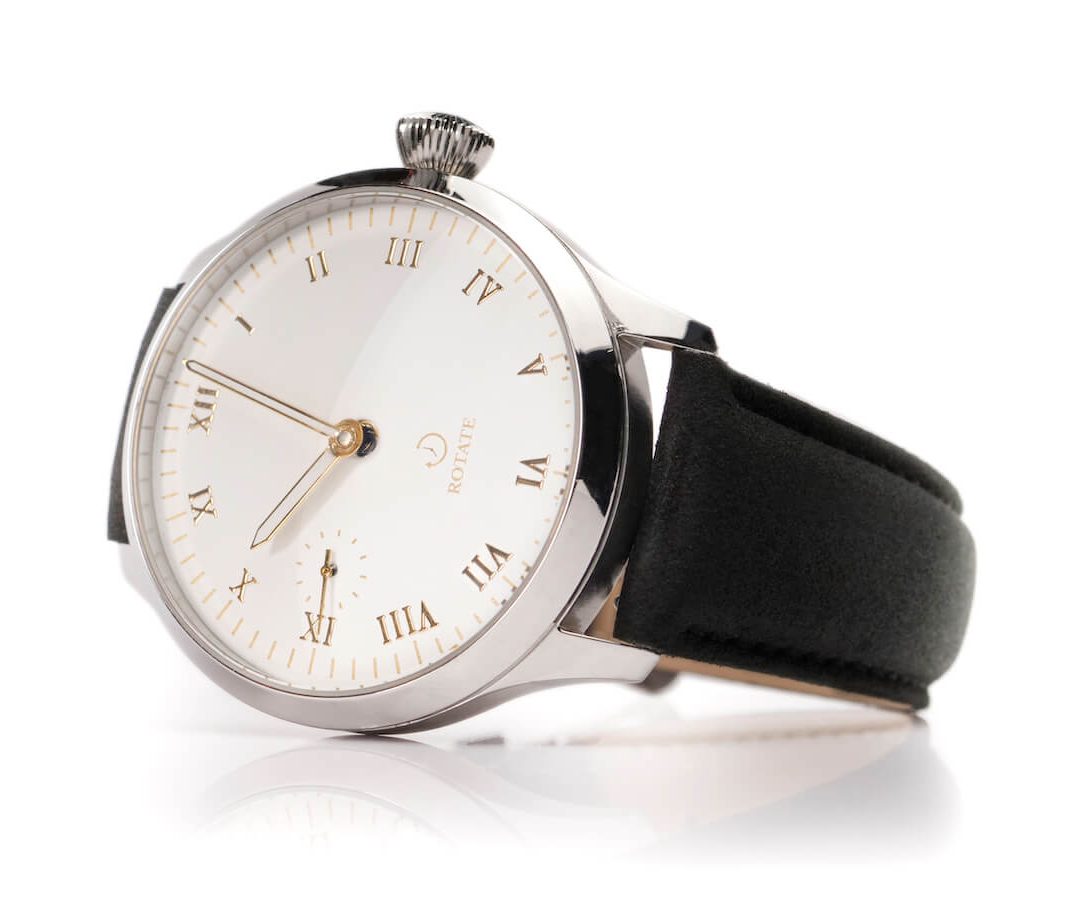
The Seagull ST3600 has fewer components to manage overall: no rotor assembly, no date wheel to align, and no danger zone to worry about during date setting. On top of that, the larger diameter and slimmer profile (4.50mm vs 5.67mm) make every bridge, screw, and gear easier to see and manipulate. Rotate builders typically finish the ST3600 in 3-5 hours on a first attempt, and that early success builds confidence for tackling the 8215 next.
Affordable Practice Without Financial Stress
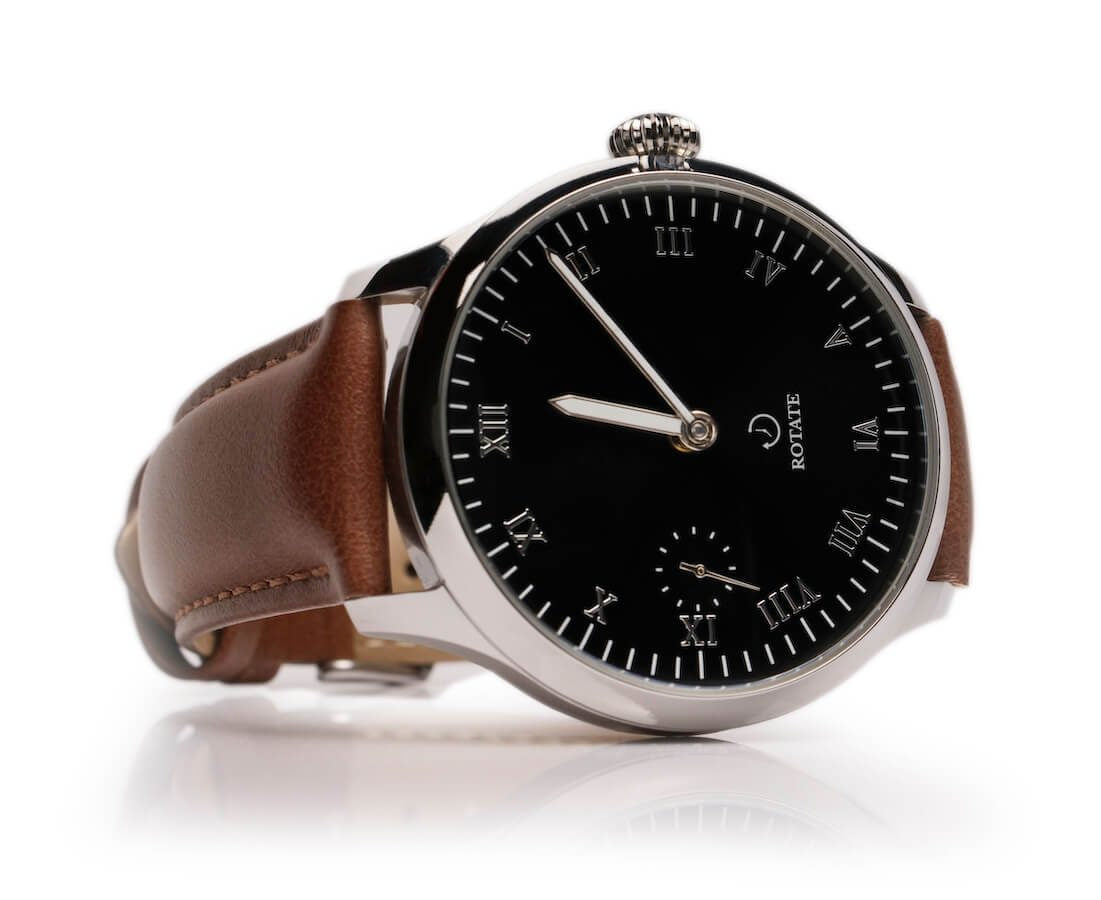
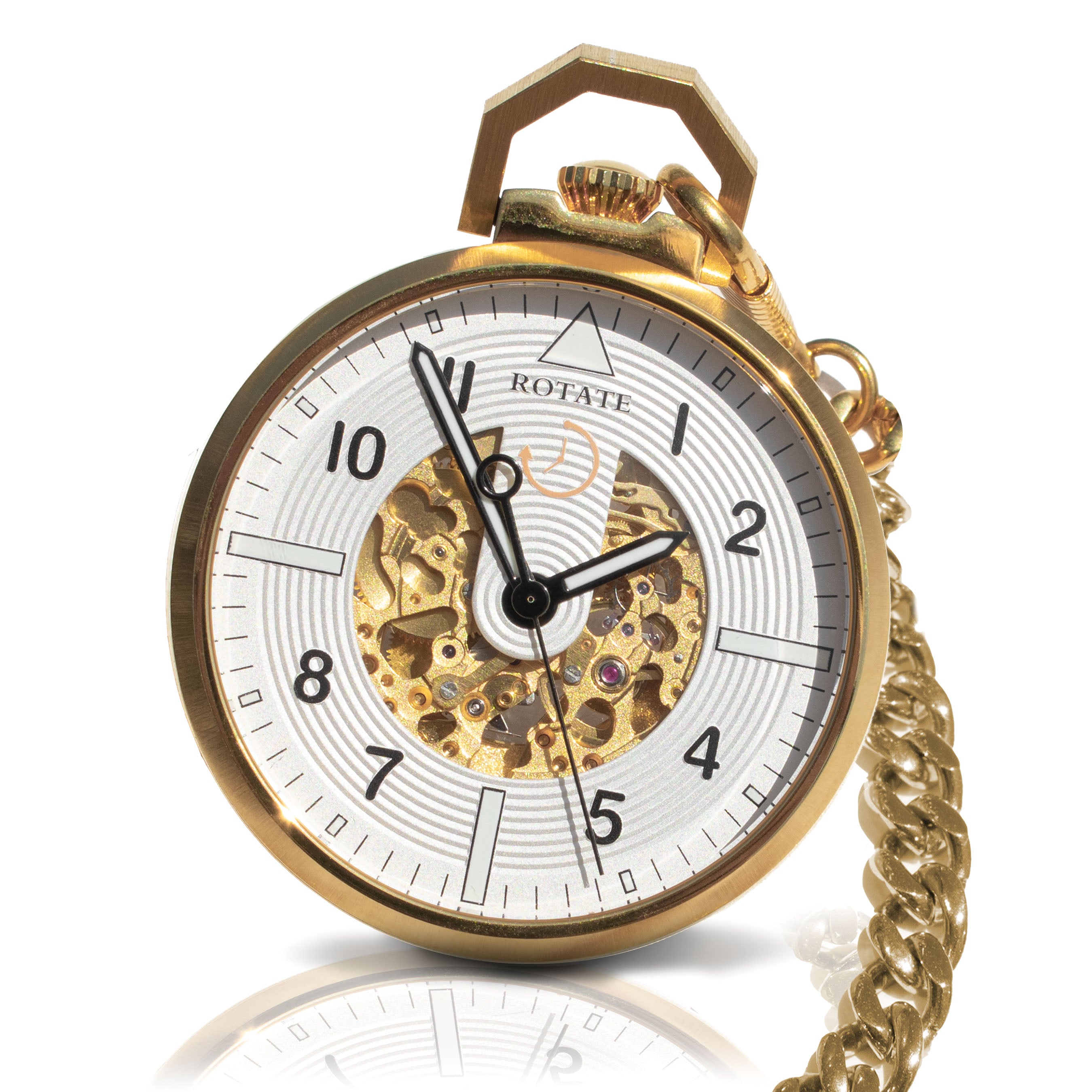
At $140 for a complete kit, the ST3600 lets you practice techniques repeatedly without worrying about damaging expensive components. Watchmaking educators recommend affordable movements for this reason: repetition is how you develop steady hands and proper technique. A complete hand-wound watchmaking kit at $205 gives you everything needed to build a functional wristwatch.
When Does the 8215 Make Sense?
The Miyota 8215 movement kit is not a bad first choice. A motivated beginner with patience can absolutely start here, and the 8215 makes more sense in two specific situations.
You Want a Date-Display Watch
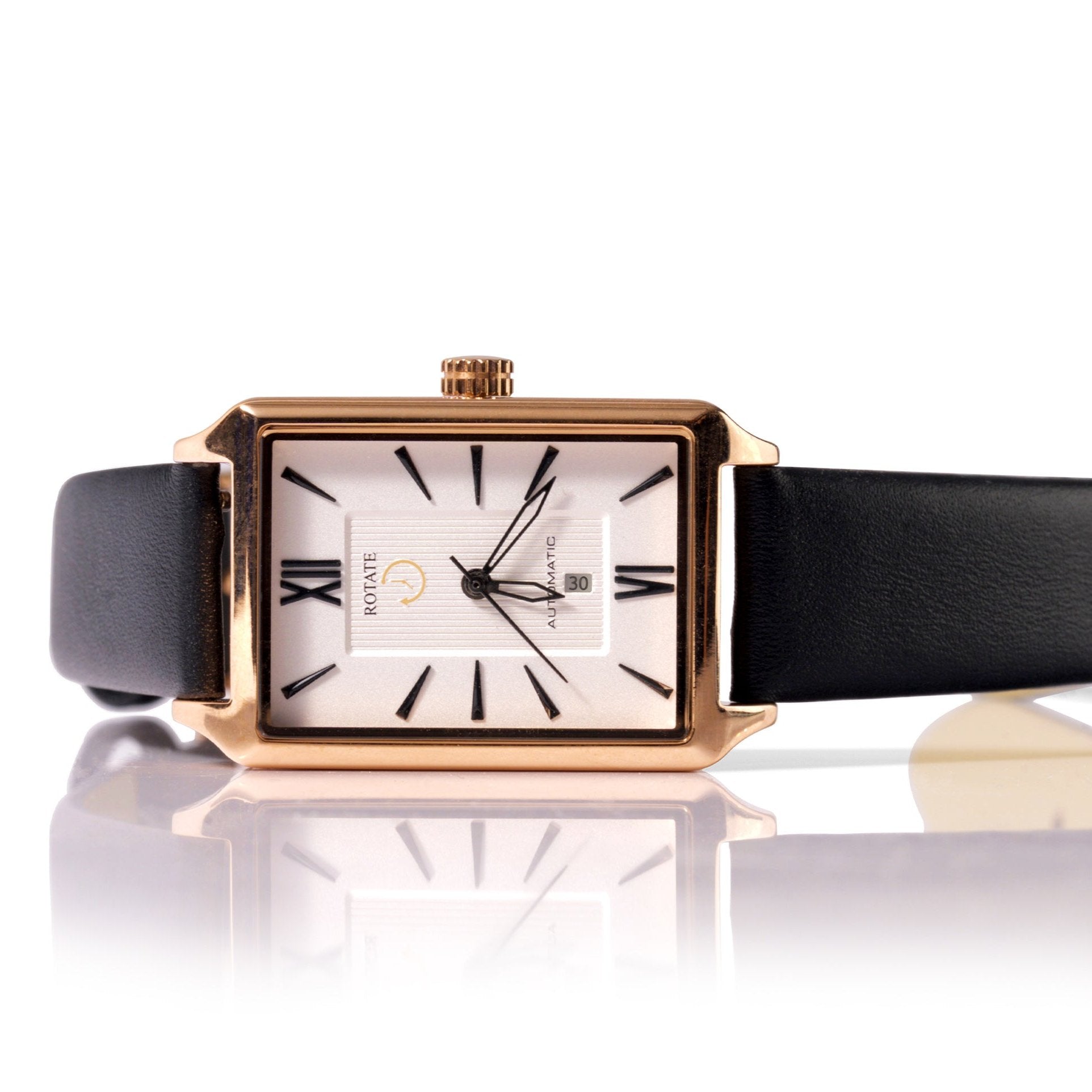
The 8215 produces a more practical daily-wear watch thanks to the date window at 3 o'clock. If you strongly prefer a watch with a date display, starting with the 8215 means you will actually wear what you build.
You Already Understand Basic Mechanics
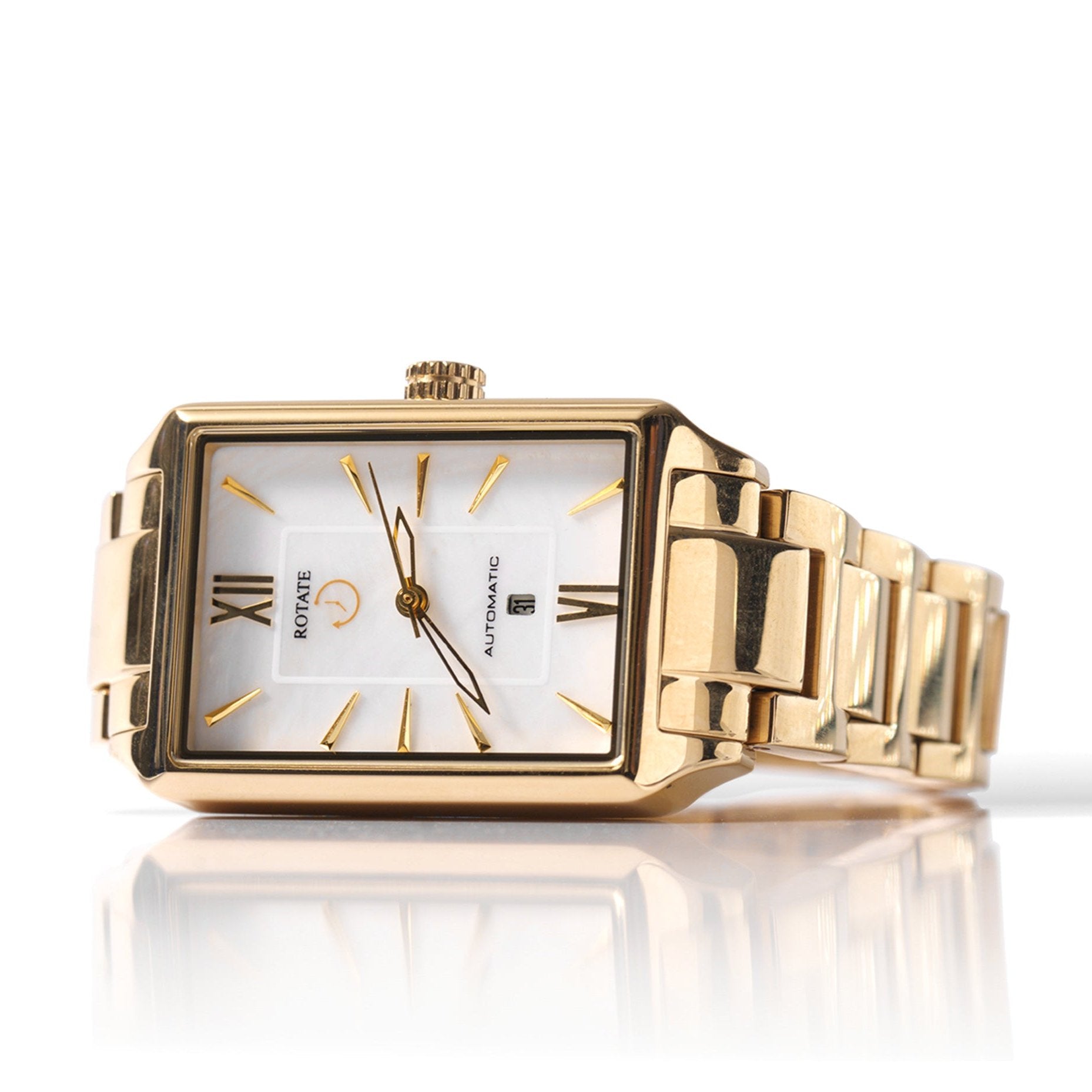
Builders with prior mechanical experience, whether from model building, small engine repair, or electronics soldering, often have the hand control and spatial reasoning to handle the extra components. A complete automatic watch kit with the 8215 provides step-by-step guides covering the full assembly.
Conclusion
For pure learning value, the Seagull ST3600 is the best starting movement kit. Fewer failure points and direct mechanical feedback make it the ideal first build. The Miyota 8215 is a natural second project that adds automatic winding and date functionality on top of the fundamentals you already learned. For builders who want both, a three-movement bundle at $300 includes the ST3600, the 8215, and the Seiko NH36 for a complete learning progression.
Start your watchmaking journey with a DIY watchmaking kit.
FAQs
Q1. Is the Seagull ST3600 easier than the Miyota 8215?
Yes. The ST3600 is hand-wound with no date complication, and its larger diameter (36.6mm vs 26mm) makes components easier to see and handle. Watchmaking schools start students with hand-wound movements for this reason.
Q2. Are both movement kits the same price?
Yes. Both the ST3600 and 8215 complete movement kits cost $140 and include tools, a holder, a guide, and an organizing case.
Q3. Does the ST3600 have any complications?
No. The ST3600 is a time-only hand-wound movement with 17 jewels and no date or automatic winding. That simplicity is what makes it ideal for learning.
Q4. Should I skip the ST3600 and start with the 8215?
You can, but most educators recommend starting simple. The ST3600 teaches fundamentals that make the 8215 build easier and more successful when you get to it.
Q5. What is the danger zone on the Miyota 8215?
Never set the date between 9 p.m. and 1 a.m. on the 8215. The date-change mechanism is already engaged during those hours, and forcing the quick-set can strip the date wheel's teeth.
Q6. Can I build both into finished watches?
Yes. The ST3600 fits the Galileo wristwatch kit ($205), and the 8215 fits the Newton ($225) and Eiffel ($225) wristwatch kits. Building both creates a natural skill progression.