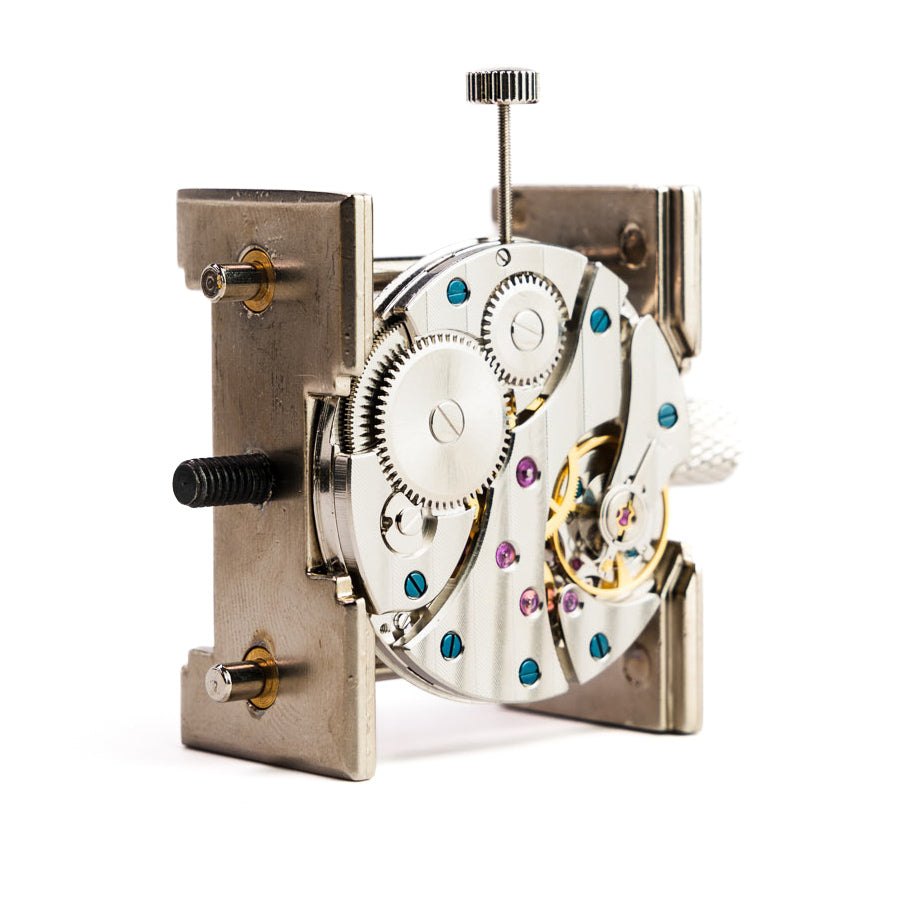


NH36 Cannon Pinion Guide: Setting Hands and Avoiding Common Mistakes
The cannon pinion is a tiny friction-fit tube that holds the minute hand in place on the Seiko NH36 movement. When the cannon pinion works correctly, nobody thinks about it. When hand installation technique is off, however, the minute hand wobbles, slips, or refuses to move when you turn the crown.
Cannon pinion issues on the NH36 are one of the most common problems DIY watchmakers encounter during hand installation. Knowing how to install watch hands on the NH36 properly saves hours of frustration and prevents damage to the movement. Understanding how to install watch hands in the NH36 also helps you diagnose problems faster when something feels off during assembly.
Key Takeaways
- The cannon pinion is a friction-fit tube that carries the minute hand.
- Loose cannon pinions cause the minute hand to slip or stop responding to crown adjustments.
- Never force hands onto the movement without a proper hand press tool.
- Always set the movement to 12:00 before installing hands.
- Seiko NH36 hand setting requires the correct order: hour first, minute second, seconds last.
What the Cannon Pinion Actually Does
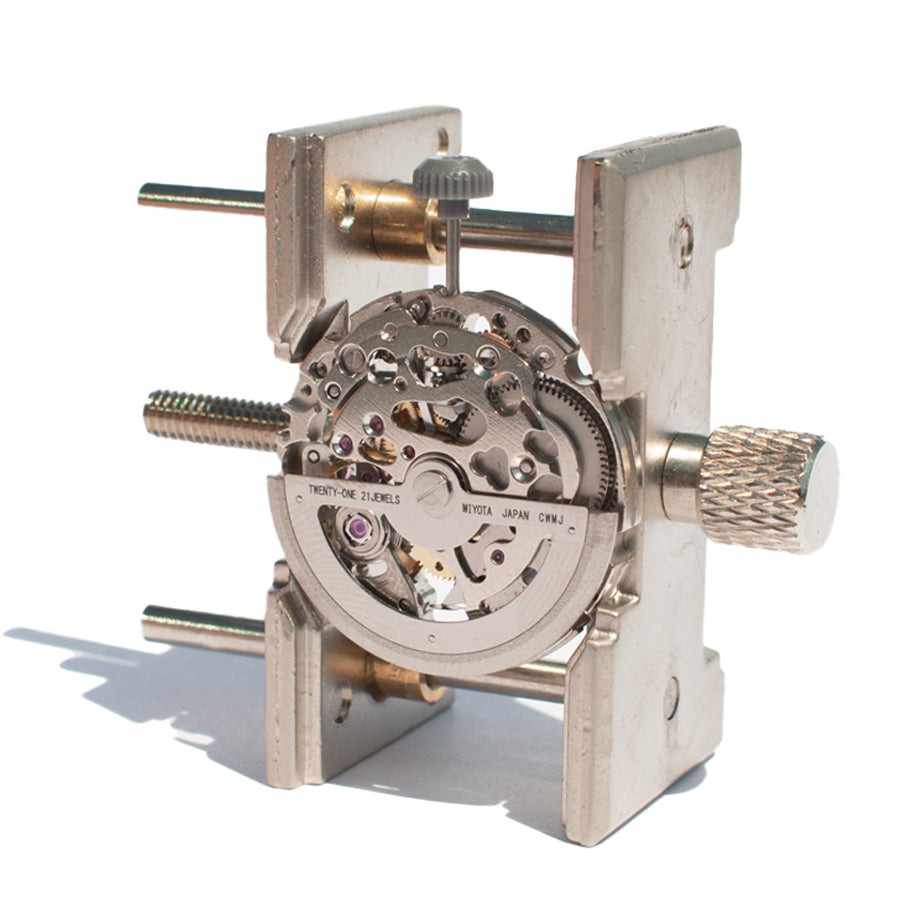
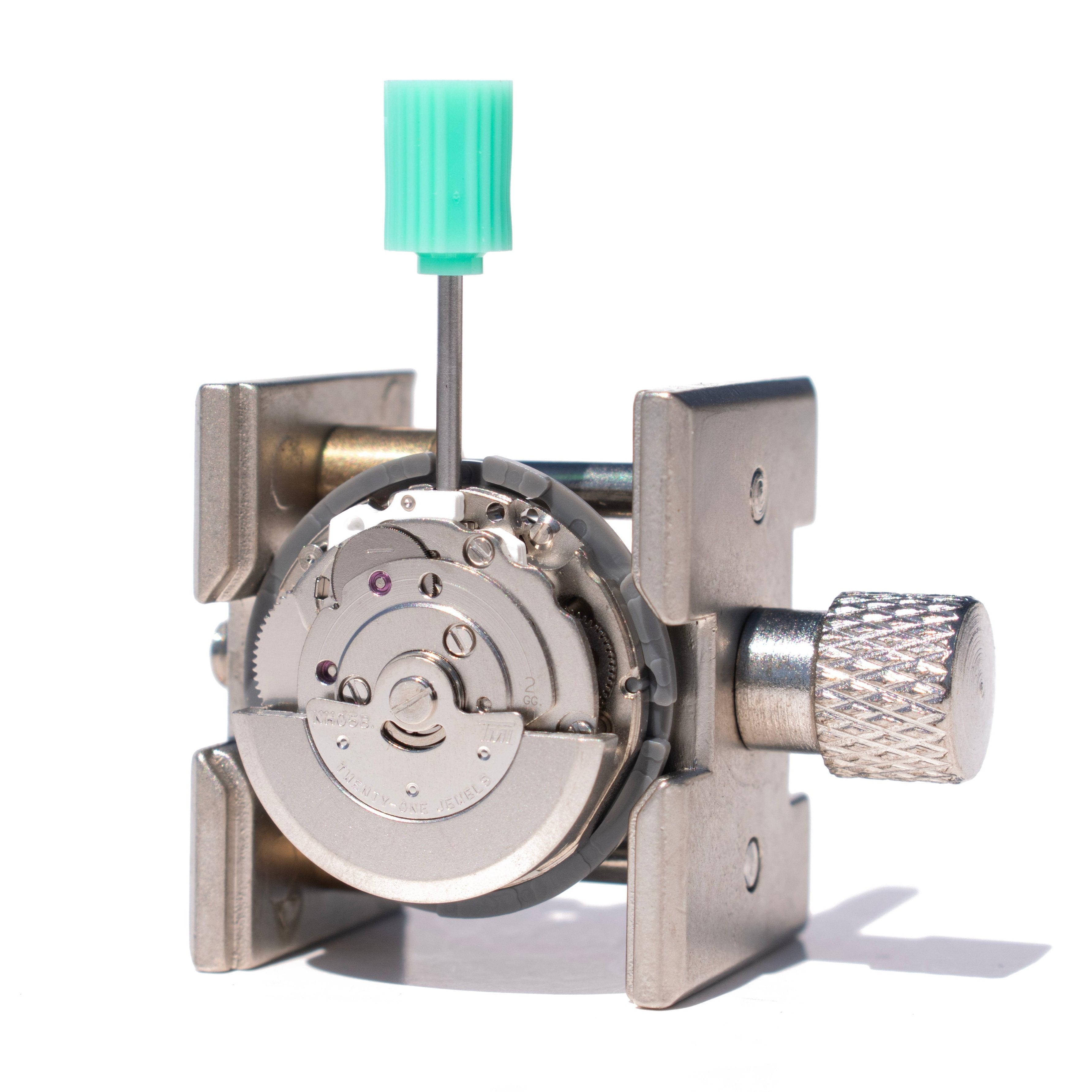
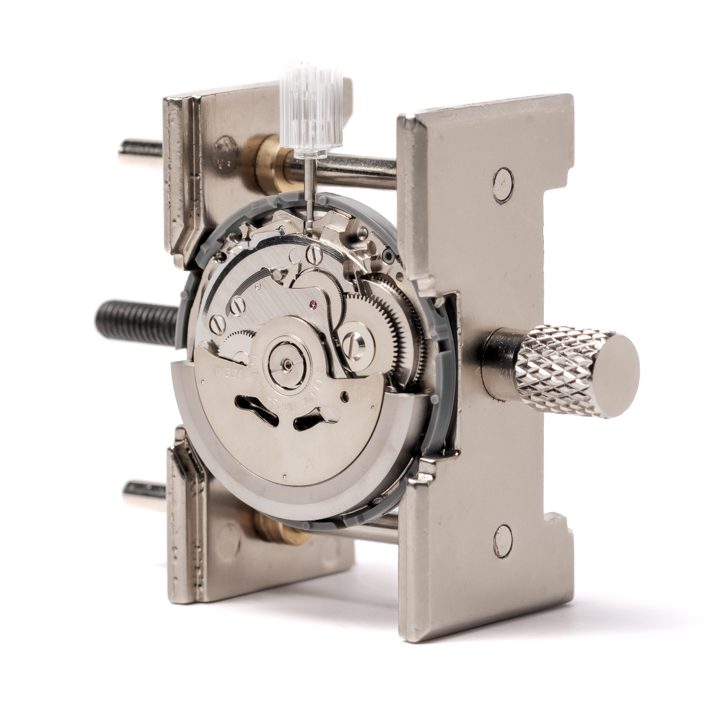
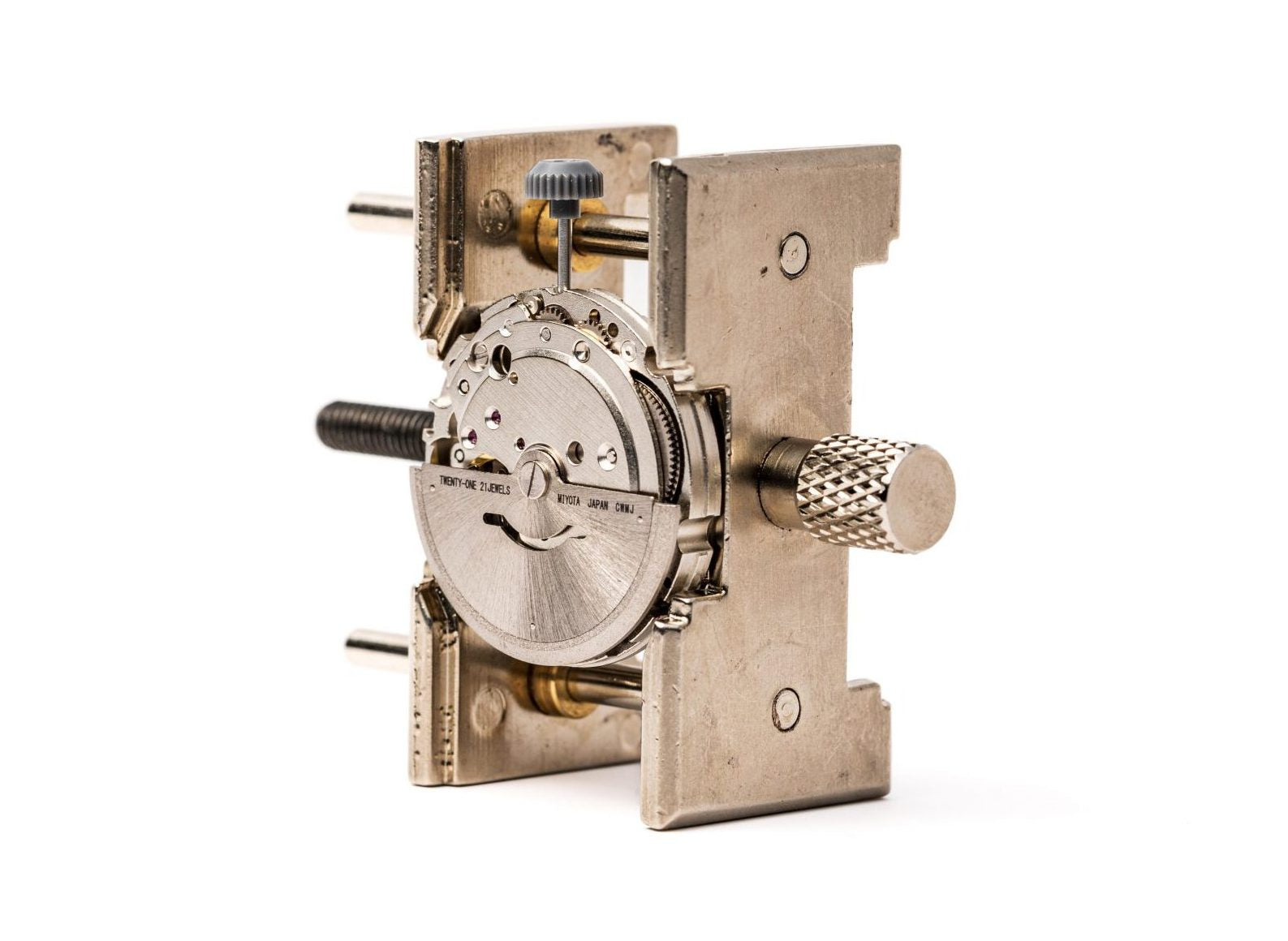
Knowing the cannon pinion's role helps you troubleshoot problems quickly, especially when you understand how much physical space the part occupies inside the watch. The NH36 movement stands 5.32mm tall without the cannon pinion and 7.55mm with it, so the pinion adds over 2mm of vertical structure above the center wheel.
The Minute Hand Connection
The cannon pinion sits on top of the center wheel post, and the minute hand presses directly onto its upper end. When you pull the crown to the hand-setting position and rotate it, the setting wheel drives the minute wheel, which in turn rotates the cannon pinion and moves the minute hand.
Friction Fit, Not Fixed
The cannon pinion is not permanently attached to the center wheel. Instead, a slight friction fit holds it in place. The right amount of friction keeps the minute hand turning with the setting mechanism, but the balance is narrow. With too little friction, the hand slips and falls behind. With too much, the movement cannot drive the hands during normal operation.
The Hour Wheel Connection
The hour wheel sits around the cannon pinion, geared at a 12:1 ratio. As the cannon pinion completes one full rotation over 60 minutes, the hour wheel advances a single position. Together, the cannon pinion and hour wheel drive the minute and hour hands at the correct speeds.
How to Install Hands on the NH36
Follow these steps to avoid the most common NH36 hand-setting problems. The NH36 shares its base architecture with the date-only sibling in the NH3 family, so this hand installation process applies to both calibers with only minor differences in the day-date alignment step.
Step 1: Set the Movement to 12:00
Before installing any hands, pull the crown to the hand-setting position and rotate until the date changes, which indicates midnight. Continue rotating until the date changes a second time to confirm 12:00 noon/midnight alignment, then position the movement so the date window reads the correct date.
Step 2: Install the Hour Hand First
Place the hour hand over the hour wheel post so it sits flat and centered on the dial. Use a hand press tool with the correct die size, pressing the hand onto the post gently and evenly. Never press directly on the hand surface, as bending is difficult to reverse. Press down on either side of the center pinion firmly to secure the hand. The fit is purely friction, so you will not hear a click. Rotate's NH36 kits include tweezers for hand placement rather than a dedicated hand press, so use the flat end of the tweezers to apply even downward pressure.
Step 3: Install the Minute Hand
The minute hand slides onto the cannon pinion. Align it to 12:00 so it matches the hour hand position, then press the hand down gently with the hand press tool. The fit should feel snug without requiring excessive force. If the hand sits loosely or wobbles after pressing, the cannon pinion may need attention before you continue.
Step 4: Install the Seconds Hand
The seconds hand is the most delicate of the three because the thin post it mounts on, called the fourth wheel pinion, extends above the cannon pinion with very little support. Press the seconds hand onto this post with minimal force, and never file or modify the post itself. Filing creates debris that can fall into the cannon pinion bore and center wheel assembly. The second hand perch can also snap off if forced on while misaligned or removed at an angle, so always align the hand straight above the post before pressing and pull straight up when removing.
Step 5: Check Hand Clearance
View the hands from the side to confirm each one sits in a separate layer with small, even gaps between them. Turn the crown through a full 12 hours and watch for:
- Hands rubbing against each other
- Hands touching the dial surface
- Hands contacting the crystal
- Any wobbling or uneven rotation
If any hand makes contact, remove and reseat it before casing the movement. If a hand is bent beyond correction, a replacement hand set prevents further clearance problems, also check that the hand bases are not flush against each other. A small buffer space between the bases prevents the hands from jamming during rotation, and flush bases typically mean the hands were pressed too hard or not hard enough.
Common Cannon Pinion Issues on the NH36
Most NH36 cannon pinion problems produce specific, recognizable symptoms. Catching cannon pinion issues in NH36 movements early prevents small problems from becoming permanent damage, so pay attention to how the hands behave during your first few hours of testing.
Loose Cannon Pinion
A loose cannon pinion causes the minute hand to:
- Slip randomly while the watch runs
- Stop responding when the crown is turned to set the time
- Lag behind the hour hand over several hours
If the crown turns but the minute hand does not move, the cannon pinion has lost its friction fit on the center wheel. A common variation of this problem appears near midnight on the NH36. Like any day-date movement, the change mechanism places additional load on the cannon pinion as it advances both wheels. A marginally loose pinion may keep time normally throughout the day but stall when that extra load kicks in near midnight.
Fixing a Loose Cannon Pinion
If you notice any of these symptoms after installing the hands, first remove the hands and reinstall them following the steps above. Uneven pressure during hand installation can temporarily unseat the cannon pinion, and a careful reinstall often resolves the issue. If the minute hand continues to slip after reinstalling, contact the Rotate support team for your DIY kit. A loose cannon pinion that does not respond to hand reinstallation may need professional attention from a watchmaker.
Misaligned Setting Wheels
If the hour hand adjusts at the speed the minute hand should, an internal setting wheel may not be engaging the cannon pinion correctly. A misalignment inside the movement causes this issue, and resolving it requires professional tools and experience. Contact the Rotate support team for guidance if you see this issue.
Preventing Cannon Pinion Damage
Most cannon pinion damage happens during hand installation or removal rather than during normal watch operation. A few careful habits protect the pinion and save you from having to source replacement parts.
Use Proper Tools
A hand press tool distributes force evenly across the hand, while pressing hands on with improvised tools like screwdriver handles or pliers concentrates force on one point and can bend the cannon pinion permanently. Complete movement kits ship with matched tweezers, screwdrivers, and holders sized for each caliber.
Never Apply Lateral Force
Side pressure on hands during installation or removal can bend the cannon pinion sideways. Use a hand puller vertically, pulling straight up without twisting or rocking side to side.
Keep Components Clean
Fingerprint oils, dust, and loose debris on the hands or dial can transfer into the cannon pinion during installation and cause uneven friction. Use watchmaking putty to clean the dial surface and your tools before and during assembly to prevent contamination.
The 9 p.m. to 3 a.m. Danger Zone
Never set the day or date on the NH36 between 9 p.m. and 3 a.m. During these hours, the date change mechanism is actively engaged, and forcing the date wheel can damage the driving components while putting stress on the cannon pinion assembly.
Conclusion
The NH36 cannon pinion is a small part with an outsized impact on your build's success. Proper hand installation technique, correct tool usage, and understanding the friction-fit relationship between the cannon pinion and center wheel prevent the most common issues. Take your time during this step, and the rest of the build goes smoothly.
For hands-on practice with the NH36, the movement kit includes all 50+ components, tools, and a detailed guide covering every assembly step, including hand installation. Pair it with a complete watchmaking kit to build a fully functional watch from start to finish.
Browse all NH36-compatible parts for replacement hands, dials, and accessories.
FAQs
What is a cannon pinion on the NH36?
The cannon pinion is a friction-fit tube on the center wheel that carries the minute hand and connects to the hand-setting mechanism.
Why does my minute hand slip on the NH36?
A loose cannon pinion that has lost its friction fit on the center wheel causes the minute hand to slip. Removing and carefully reinstalling the hands often resolves the issue. If the slip continues, contact the Rotate support team for further assistance.
What order should hands be installed on the NH36?
Install the hour hand first, then the minute hand, then the seconds hand. Always set the movement to 12:00 before beginning.
Can a bent cannon pinion be fixed?
A watchmaker can assess whether a minor bend is correctable or whether the cannon pinion needs replacement. Contact the Rotate support team at hello@rotatewatches.com for advice on next steps.
What tools do I need to set hands on the NH36?
A hand press tool, hand puller, tweezers, and watchmaking putty are essential. Avoid improvised tools that concentrate force unevenly.
Why can I not set the date between 9 p.m. and 3 a.m.?
The date change mechanism is actively engaged during these hours. Forcing the date wheel risks damaging the driving components and stressing the cannon pinion assembly.