
The Complete Guide to Watch Movements in 2026: Seiko vs. Miyota vs. Seagull for DIY Builds
Picking your first movement is the single biggest decision in a DIY watch build. Get it right, and you will learn faster, enjoy the process more, and end up with a watch you actually want to wear. Get it wrong, and frustration sets in before you ever feel the satisfaction of setting hands for the first time.
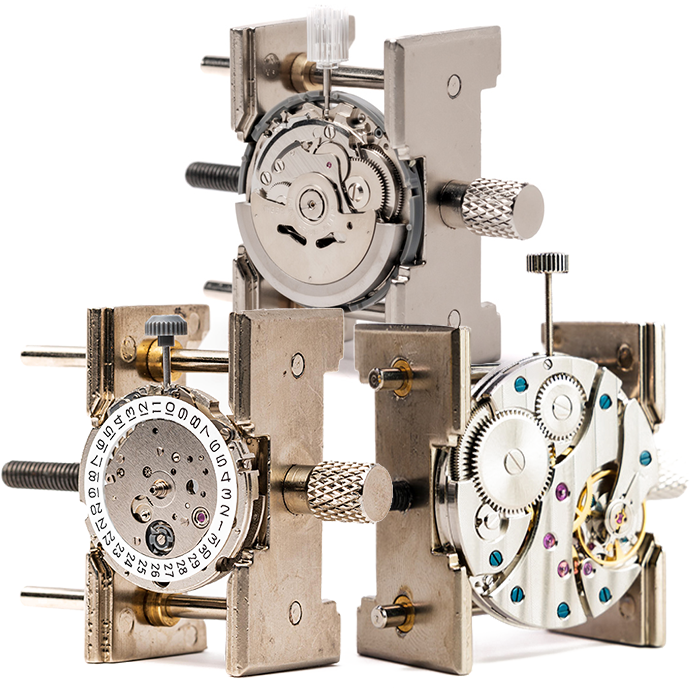
Three movement families dominate the DIY watchmaking world: Seiko, Miyota, and Seagull. Each has distinct strengths, difficulty levels, and ideal use cases. Here is an honest, detailed comparison to help you pick the right one.
Understanding Watch Movement Types
Before comparing brands, it helps to understand the two main categories of mechanical movements and why the distinction matters for builders.
Hand-Wound Movements
Hand-wound movements require manual winding through the crown. You physically wind the mainspring each day, storing energy that powers the watch for a set number of hours (the power reserve). Hand-wound calibers have fewer parts than automatic movements because they lack the rotor and automatic winding mechanism.
Fewer parts means simpler construction, which means better learning opportunities. Watchmaking schools worldwide start students with hand-wound movements for exactly this reason.
Automatic Movements
Automatic movements wind themselves using a weighted rotor that spins as your wrist moves throughout the day. The rotor adds complexity, along with additional components like the reversing wheels and winding mechanism. Most automatic movements can also be wound manually through the crown.
Seagull ST3600: The Best Movement for Beginners
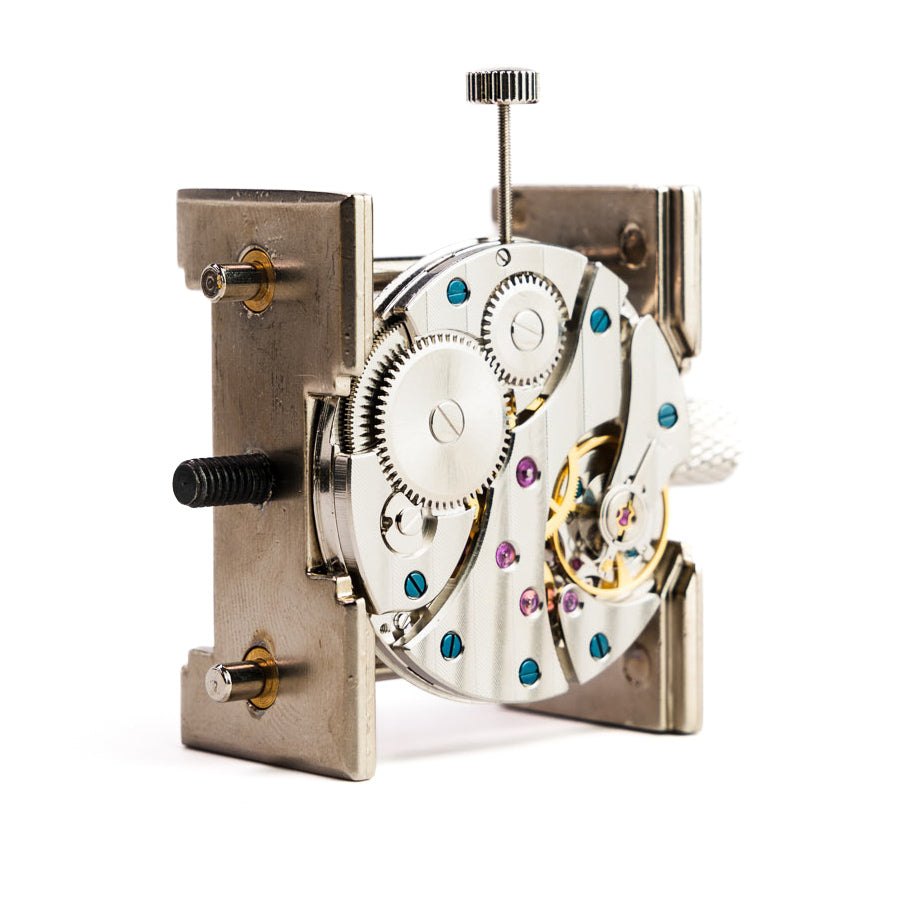
The Seagull ST3600 is a hand-wound movement with 17 jewels and a power reserve over 40 hours. Watchmaking educators consider it the gold standard for first builds, and for good reason.
Why Beginners Should Start Here
The ST3600 has the simplest construction of the three movement families. With 40+ components and no automatic winding mechanism to navigate, first-time builders can focus entirely on understanding fundamental mechanics.
- 17 jewels with hand-wound operation
- 36.60mm diameter, 4.50mm thickness
- Power reserve over 40 hours
- Frequency of 21,600 vibrations per hour
- 35 half-turns to full wind
- Available in a complete movement kit for $140 with all tools included
Addressing Quality Concerns
Some online sources compare the Seagull unfavorably to Swiss ETA movements. The reality is that Seagull ST3600 offers the same educational value at 4-8x lower cost. Brands like Dan Henry, Baltic, and Titan use Seagull movements in their commercial watches, proving commercial-grade reliability. The affordable price means you can practice techniques repeatedly without financial stress.
Miyota 8215: The Best Intermediate Automatic
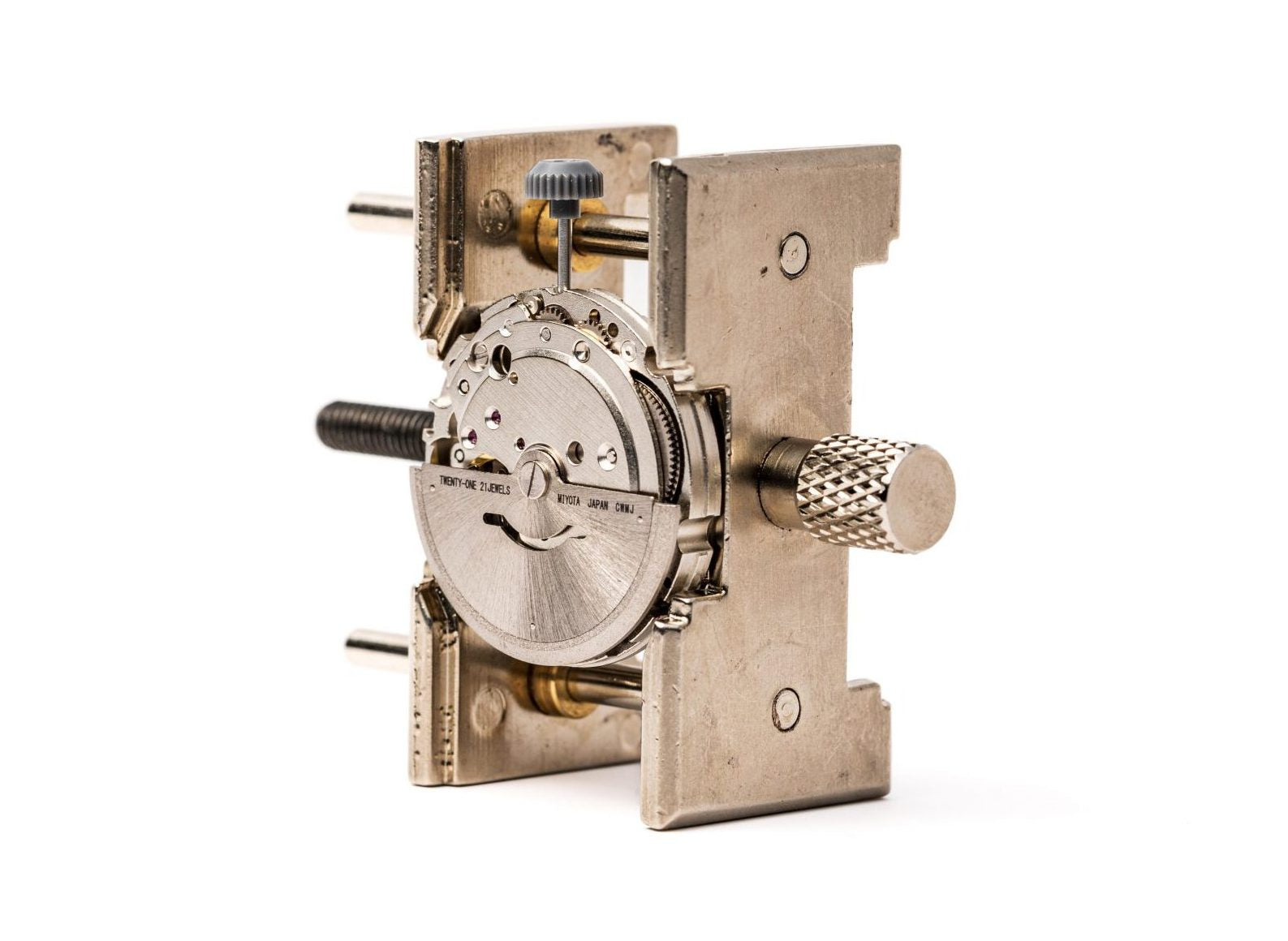
The Miyota 8215 is an automatic movement with 21 jewels and a single date complication. The 8215 bridges the gap between hand-wound simplicity and the full complexity of multi-complication movements.
What Makes It Intermediate
The 8215 adds an automatic winding mechanism and a date display to the equation. Builders who have already completed a hand-wound build will find the 8215 challenging but manageable. The single date complication teaches calendar mechanics without the added difficulty of a day display.
- 21 jewels with automatic winding
- Power reserve over 42 hours
- 40 crown turns to full wind
- Single date complication
- Available in a movement kit for $140
Critical Date Setting Warning
Never set the date on a Miyota 8215 between 9 PM and 1 AM. During this window, the date change mechanism is engaged, and forcing the crown can damage the calendar gears. Always set the date outside this time window to avoid costly damage.
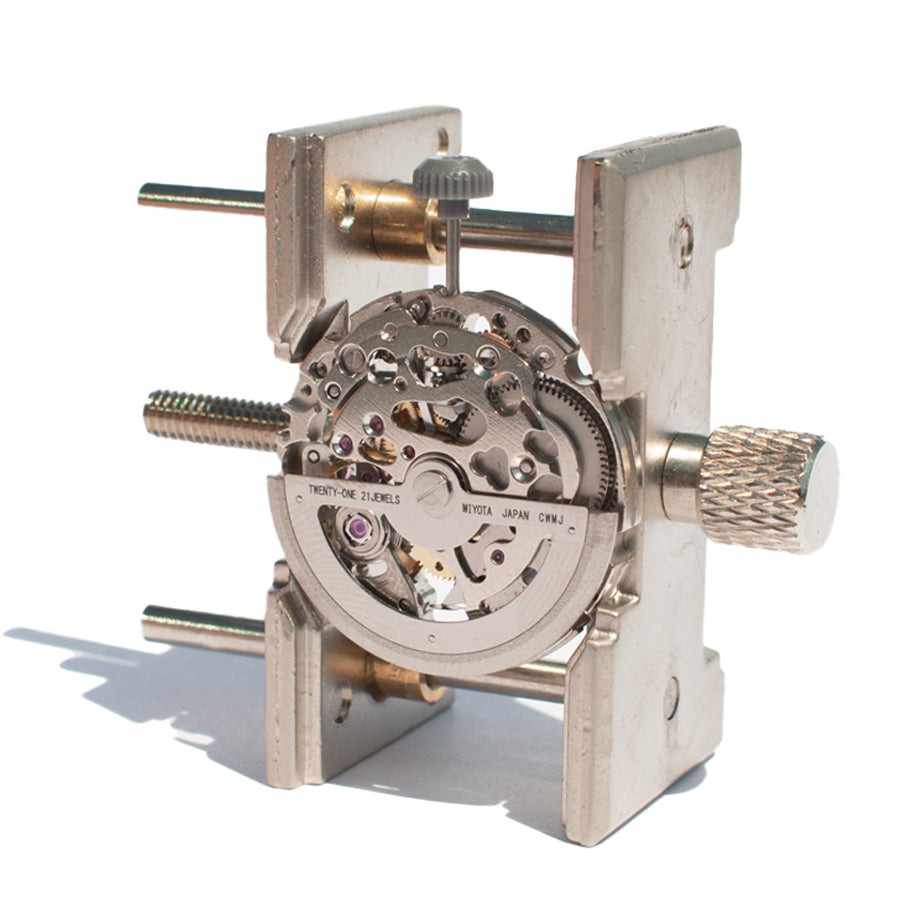
The Miyota 8N24 Skeleton Variant
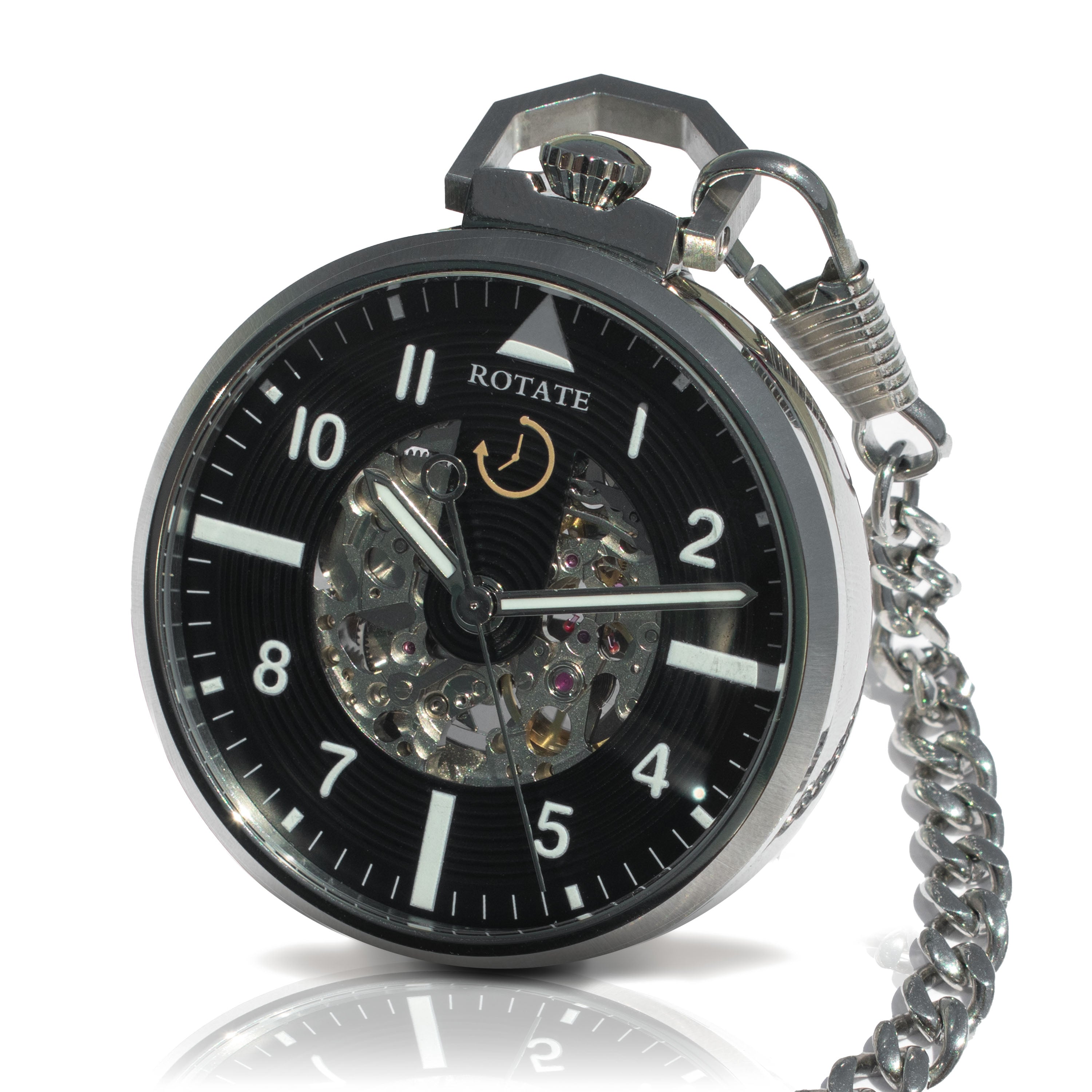
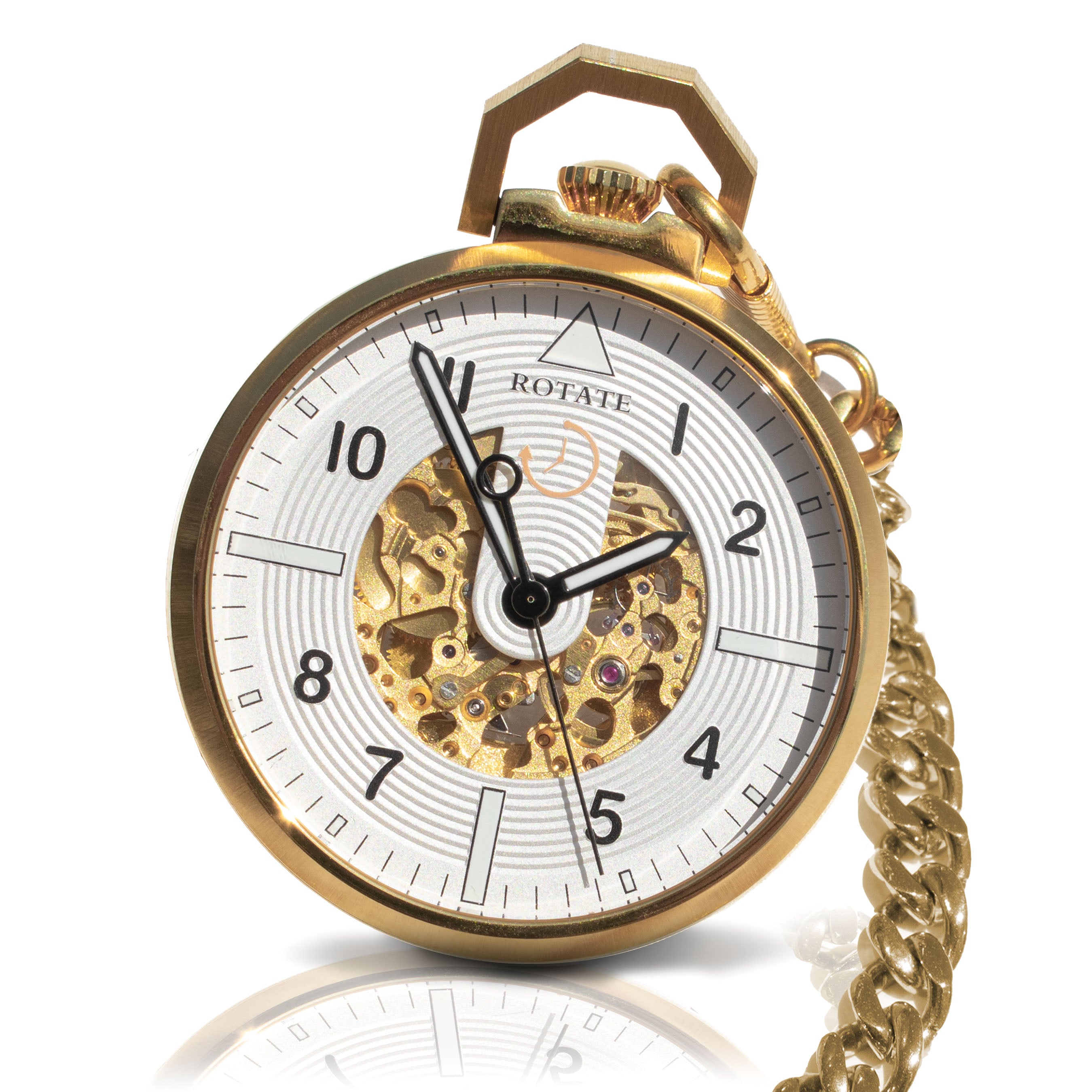
The Miyota 8N24 shares the same movement family but features a skeleton design with visible mechanics. The Cal. 82 series has been in production since 1975, with the 8N24 skeleton variant introduced in 2006. Balance wheels are hand-assembled for precision at the Miyota Iida Factory. A skeleton movement kit is available for $140 (assembled) or $200 (disassembled).
Seiko NH36: The Most Advanced DIY Movement
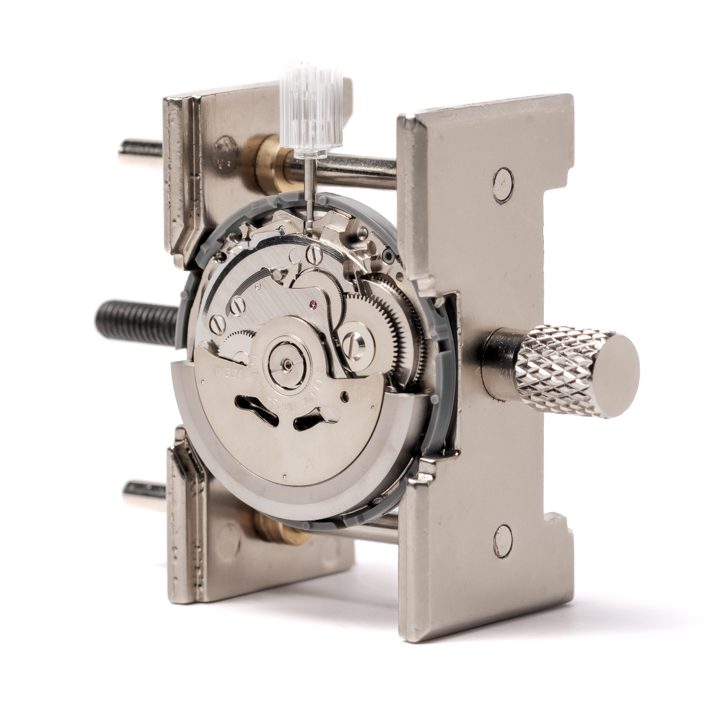
The Seiko NH36 is the most complex movement commonly available in DIY kits. With 24 jewels and TWO complications (date AND day-date), it presents the biggest challenge for builders.
Why It Is the Hardest
The NH36 requires precise hand positioning around two calendar displays. Aligning both the date wheel and the day wheel demands careful attention and patience. Most watchmaking educators recommend completing at least one hand-wound and one simple automatic build before attempting the NH36.
- 24 jewels with automatic winding, manual wind, and hacking
- Power reserve over 41 hours
- 55 crown turns to full wind
- Date AND day-date complications
- 50+ components
- Available in a movement kit for $160
The Seiko NH05 Alternative
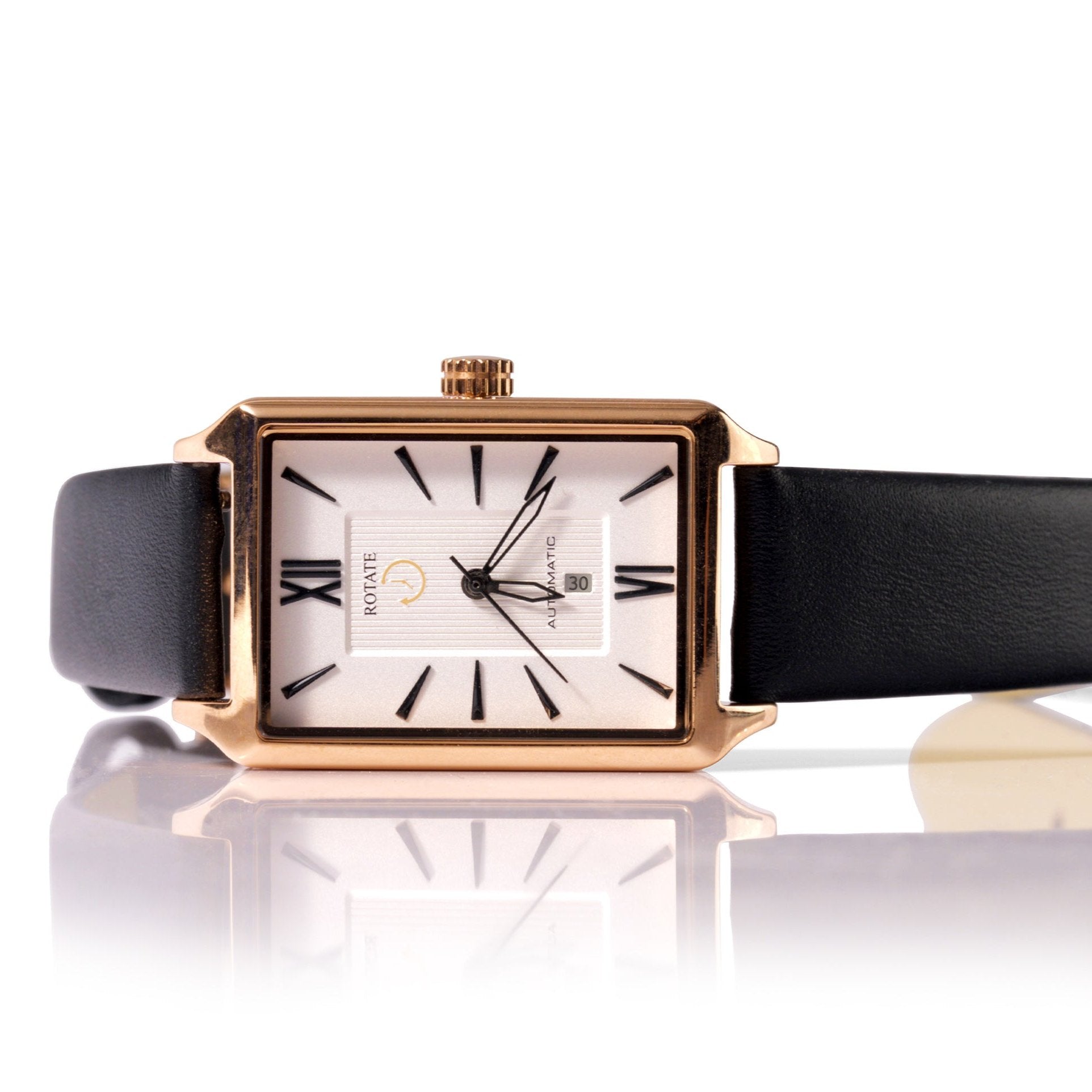
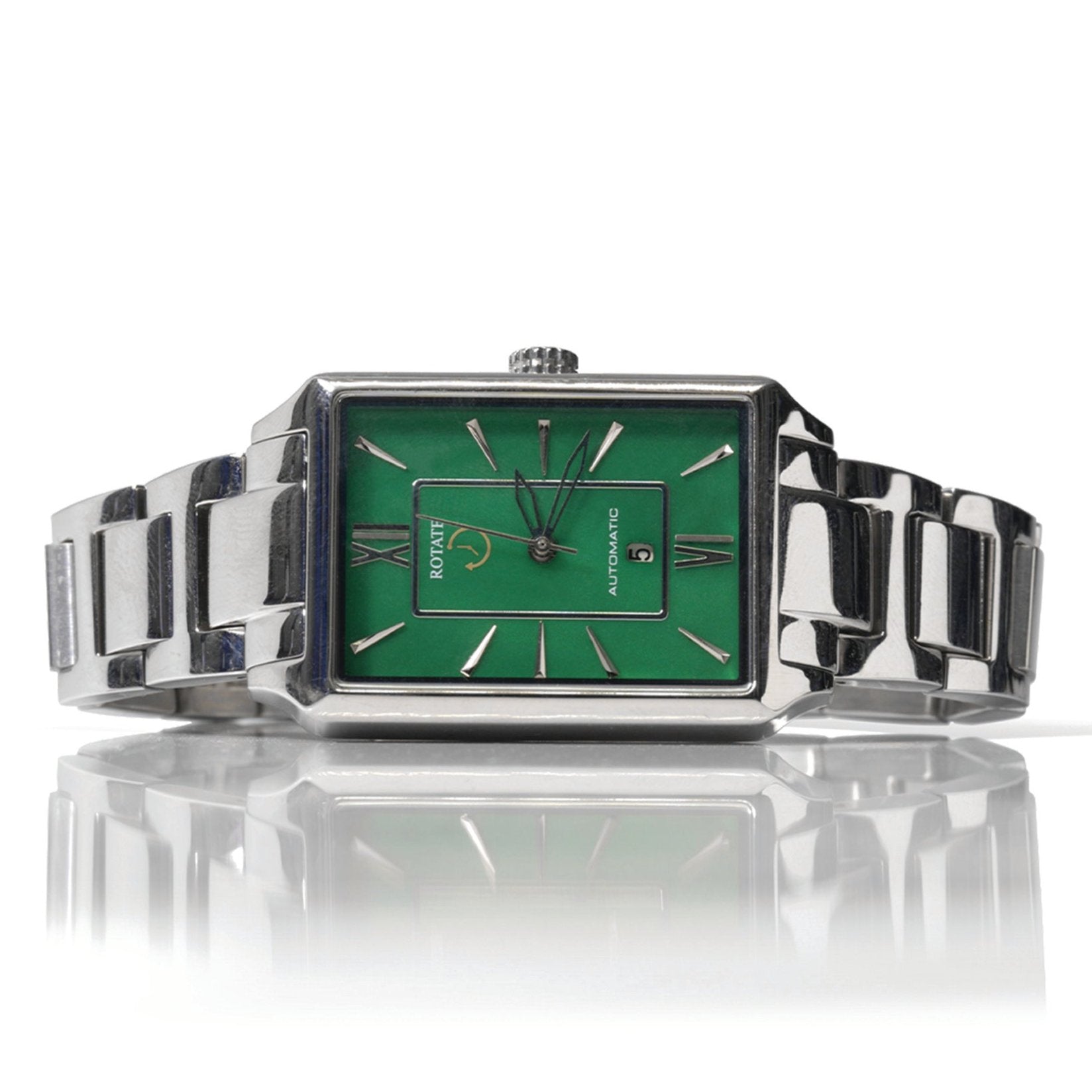
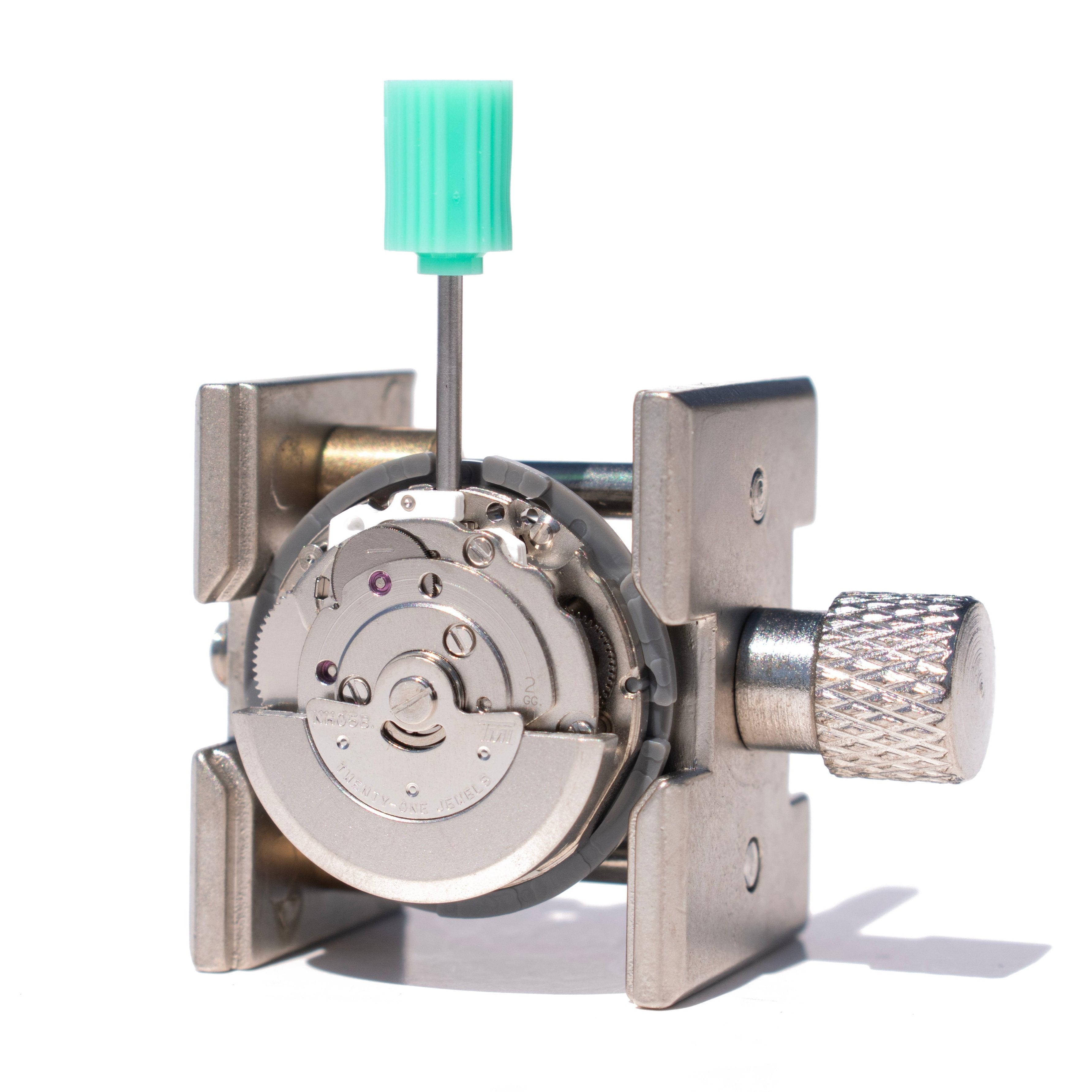
The Seiko NH05 is a smaller automatic movement (17.5mm diameter vs. 29.36mm for the NH36) with a single date complication and 21 jewels. The NH05 offers approximately 50 hours of power reserve and fits rectangular cases, making it ideal for dress watch and vintage-inspired builds. A Seiko NH05 movement kit is available for $140.
Quick Comparison Table
|
Feature |
Seagull ST3600 |
Miyota 8215 |
Seiko NH36 |
|
Type |
Hand-wound |
Automatic |
Automatic |
|
Jewels |
17 |
21 |
24 |
|
Power Reserve |
40+ hours |
42+ hours |
41+ hours |
|
Complications |
None |
Date |
Date + Day |
|
Components |
40+ |
40+ |
50+ |
|
Difficulty |
Easiest |
Intermediate |
Hardest |
|
Kit Price |
$140 |
$140 |
$160 |
The Recommended Learning Path
Based on owner feedback and watchmaking school curricula, the ideal progression follows a specific order.
Seagull ST3600
Start here. The hand-wound operation and simple construction teach fundamentals without overwhelming first-time builders. A complete watchmaking kit featuring this movement costs $205 and includes everything needed.
Miyota 8215
After mastering hand-wound basics, the 8215 introduces automatic winding and a single date complication. The Mega Movement Kit Bundle at $300 includes an ST3600, 8215, and NH36 for the complete learning progression.
Seiko NH36
Tackle the NH36 only after completing the first two steps. The dual complications require confidence and precision that come from prior experience.
Conclusion
The right movement depends entirely on your experience level. Beginners should start with the Seagull ST3600 for its simplicity and educational value. Intermediate builders benefit from the Miyota 8215's single complication. Advanced builders can challenge themselves with the Seiko NH36's dual complications. Rotate Watches offers complete kits for every level, with tools, guides, and support included.
Frequently Asked Questions
Which watch movement is best for a first-time builder?
The Seagull ST3600 hand-wound movement is the best starting point. Watchmaking schools worldwide start with hand-wound movements because simpler construction teaches fundamentals better.
Is the Seiko NH36 good for beginners?
No. The NH36 is the hardest movement for beginners because it has two complications (date and day-date). Starting with a hand-wound movement first is strongly recommended.
What is the difference between hand-wound and automatic?
Hand-wound movements require daily winding through the crown. Automatic movements wind themselves via a weighted rotor that spins with wrist movement. Automatic movements have more parts and are more complex to assemble.
How accurate are these movements?
All three movement families have an accuracy range of -20 to +40 seconds per day, which is standard for mechanical movements in this price range.
Can I buy all three movements in one kit?
Yes. The Mega Movement Kit Bundle includes one Seagull ST3600, one Miyota 8215, and one Seiko NH36 with all necessary tools for $300.
Why should I avoid setting the date on a Miyota 8215 between 9 PM and 1 AM?
The date change mechanism is actively engaged during this window. Forcing the date crown while the mechanism is engaged can damage the calendar gears permanently.