
The Vintage Watch Trend of 2026, and How to Build a Retro-Inspired Timepiece at Home
Vintage watches are everywhere in 2026. From celebrities rocking 1950s Elgins on the red carpet to collectors driving up prices on mid-century dress watches, the appetite for retro-inspired timepieces has never been stronger. Clean dials, slim cases, and visible hand-wound movements are back in a big way.
But vintage watches come with real challenges. Sourcing authentic parts is expensive, servicing old movements gets complicated, and the good stuff keeps getting harder to find. What if you could build a retro-inspired mechanical watch from scratch instead?
Why Vintage Watches Are Trending in 2026
The vintage watch revival is not random. Several cultural forces are pushing people toward older designs and mechanical simplicity.
Fashion Is Moving Toward Smaller, Cleaner Designs
Oversized watches dominated the 2010s. Now the pendulum has swung back toward smaller cases, cleaner dials, and simpler complications. Rectangular cases, slim profiles, and mother-of-pearl dials are all enjoying a comeback. Industry leaders at Watches and Wonders 2025 confirmed this shift, with multiple brands releasing pieces under 40mm with vintage-inspired aesthetics.
Mechanical Connection Beats Digital Convenience
Smartwatches handle notifications and step counts, but they offer zero emotional connection. Vintage and vintage-inspired mechanical watches satisfy a deeper desire to own something with history, craftsmanship, and soul. Winding a mechanical watch each morning is a small ritual that connects you to over 500 years of horological tradition.
Heritage Reissues Are Driving Demand
Major brands keep releasing heritage-inspired models, from Longines' Ultra-Chron Classic to Tudor's vintage chronographs. Each new release sparks broader interest in the original designs and pushes collectors toward actual vintage pieces or builds that capture the same spirit.
Key Elements of the Vintage Watch Aesthetic
Knowing what makes a watch look "vintage" helps you choose the right components for a retro-inspired build.
Slim Cases and Exhibition Backs
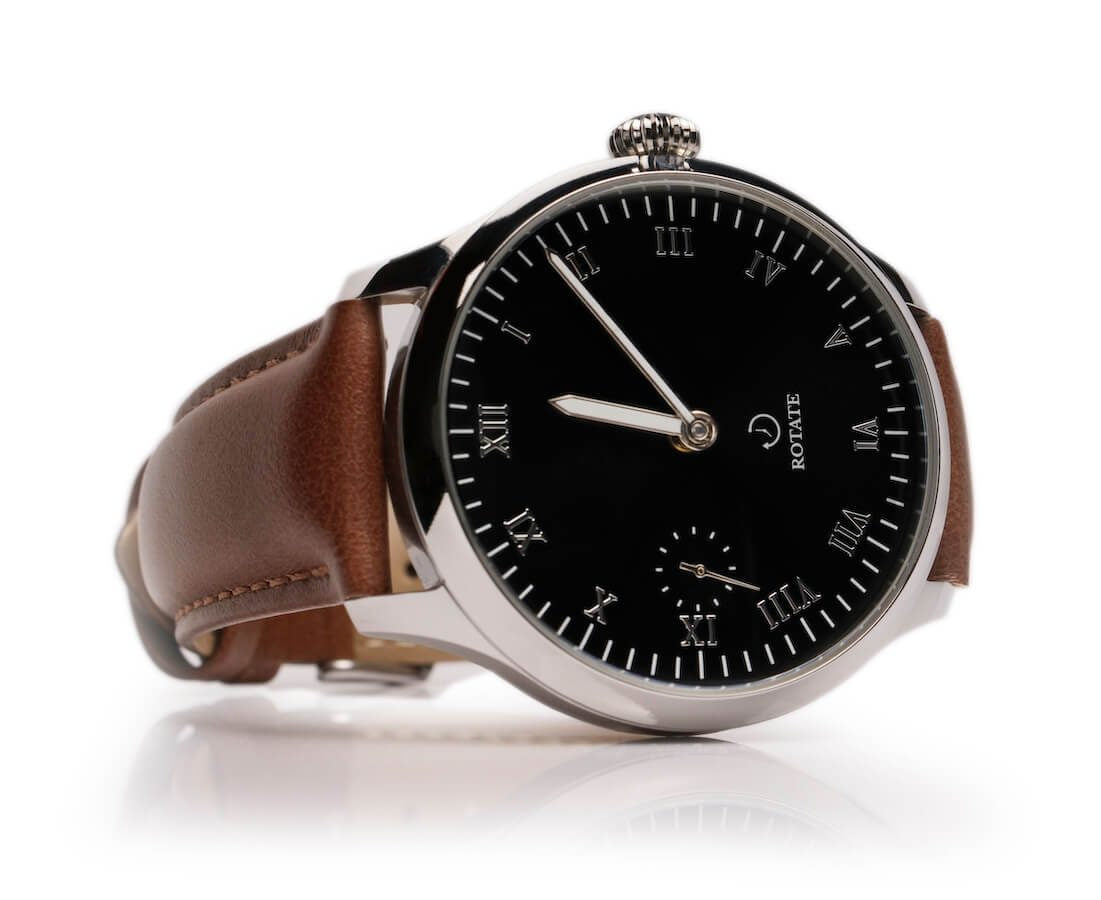
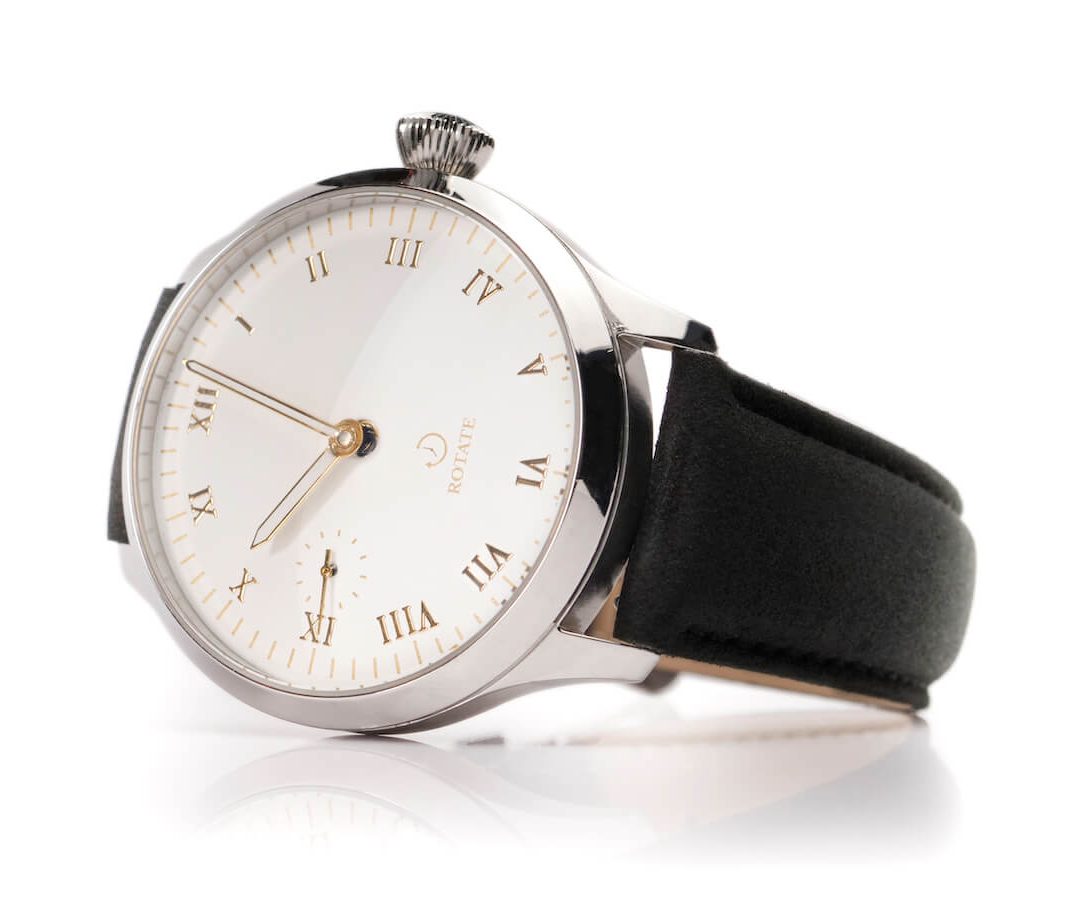
Vintage watches from the 1940s through 1960s were remarkably thin compared to modern pieces. Cases under 40mm in diameter with exhibition backs that reveal the movement capture this classic proportion perfectly. Rectangular case shapes, popular in mid-century dress watches, add another layer of vintage character.
- Round cases between 36mm and 44mm fit the classic vintage profile
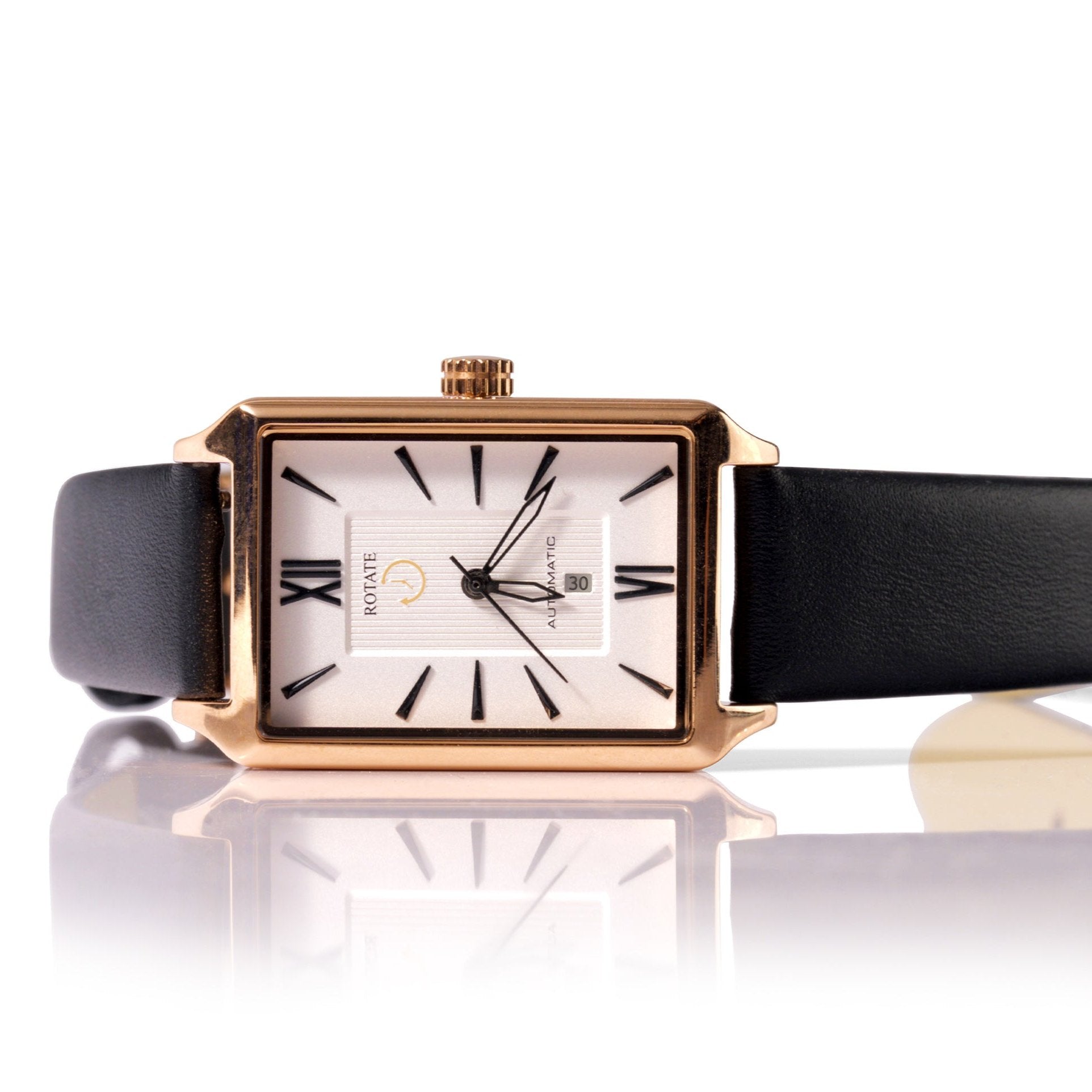
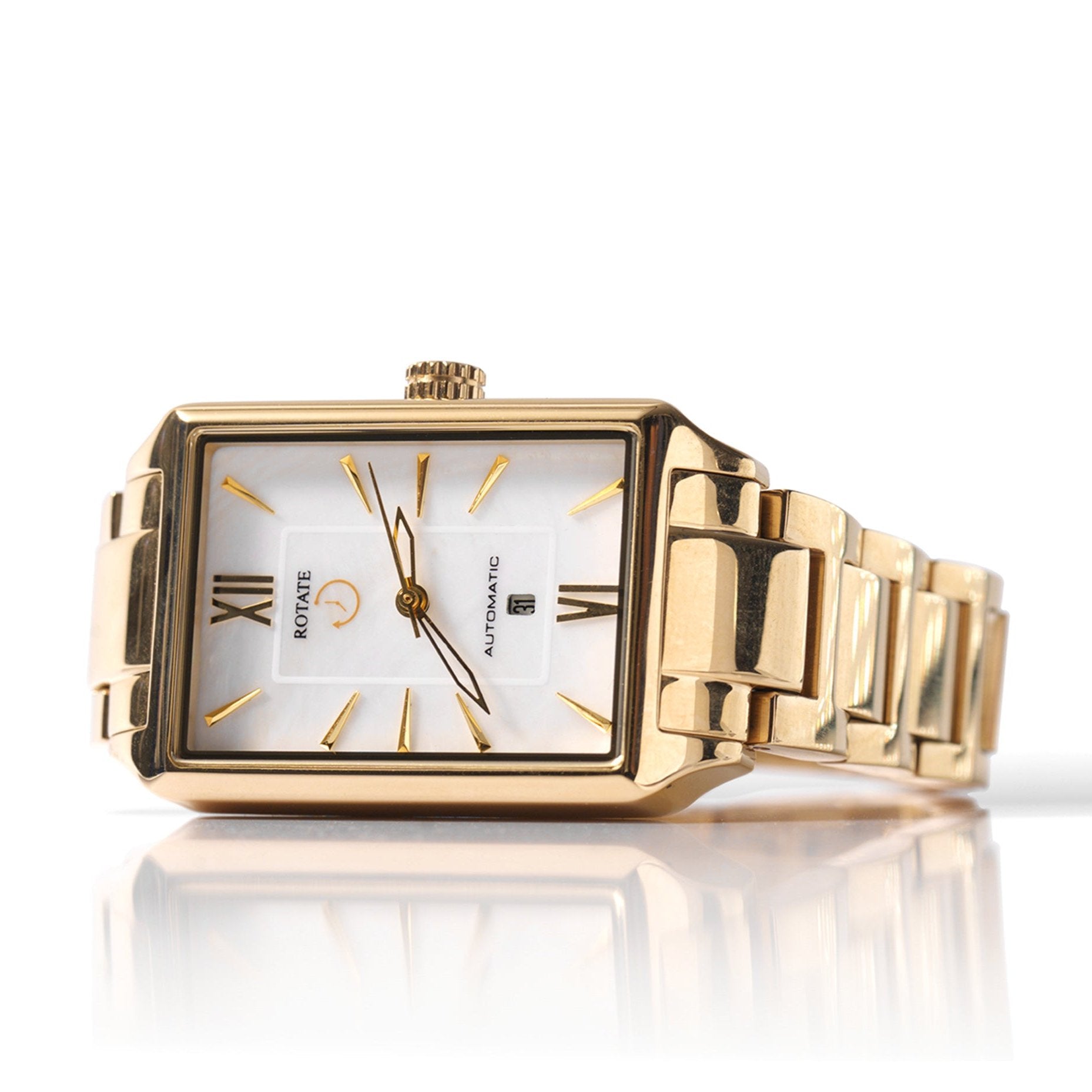
- Rectangular cases (like 25x41mm) echo Art Deco and mid-century dress watch designs
- Exhibition case backs let you admire the movement, a feature that modern vintage enthusiasts love
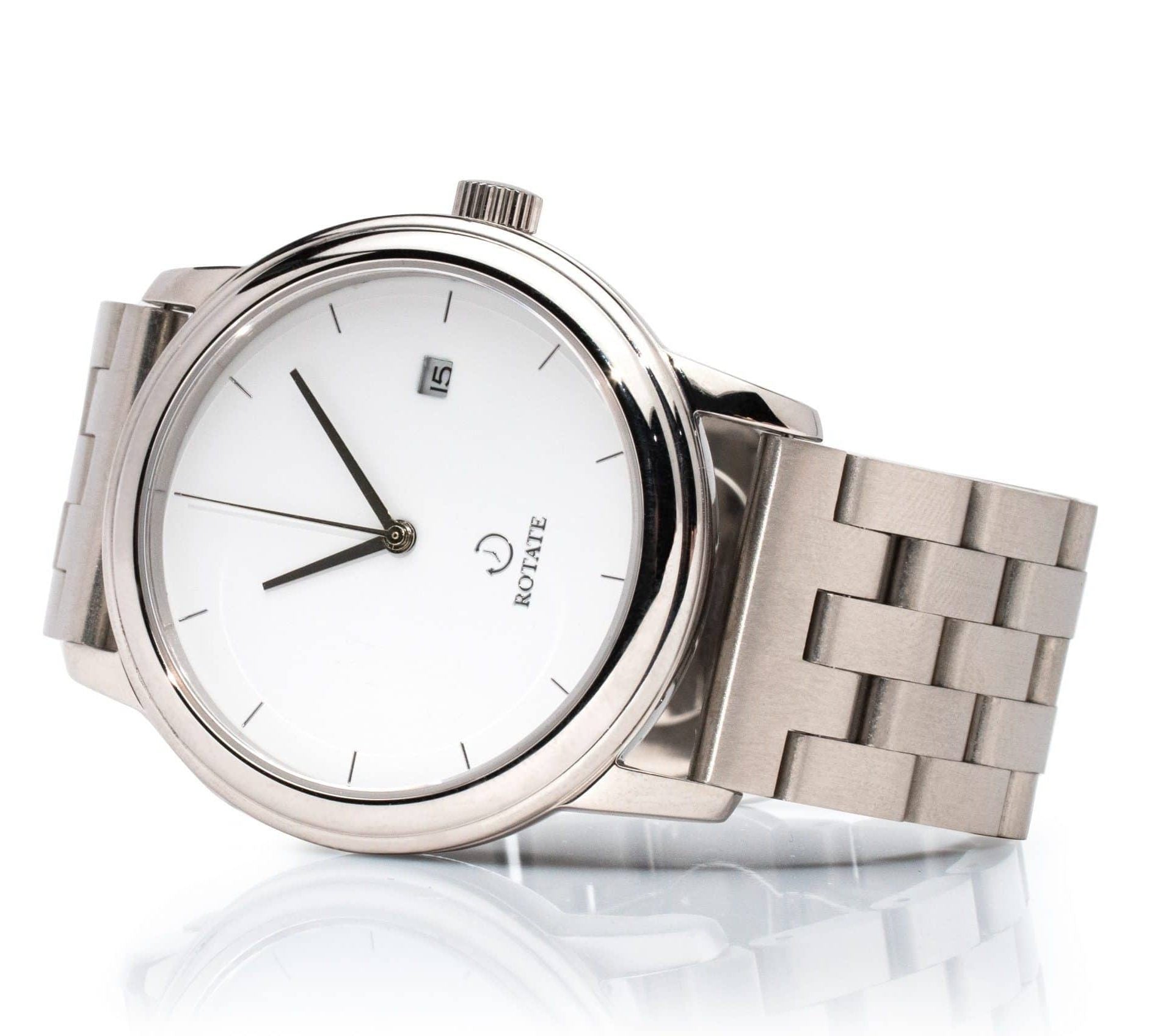
- Stainless steel with polished finishes keeps things clean and timeless
Clean Dials with Minimal Complications
Vintage dress watches typically showed hours, minutes, and maybe a small seconds subdial. No date windows, no chronograph subdials, no dive bezels. The simplicity of the dial is what makes vintage designs so appealing in a world full of visual noise.
Hand-Wound or Simple Automatic Movements
The most sought-after vintage watches run on hand-wound movements. The daily winding ritual connects you to the watch in a way that battery-powered or automatic movements cannot replicate. For those who prefer automatic, a simple time-and-date movement with a clean dial keeps the vintage spirit alive.
How to Build a Retro-Inspired Watch at Home
You do not need to spend thousands on a fragile vintage piece. Modern DIY watch kits use the same mechanical principles with new, reliable components that capture vintage aesthetics beautifully.
Choose the Right Movement for the Look
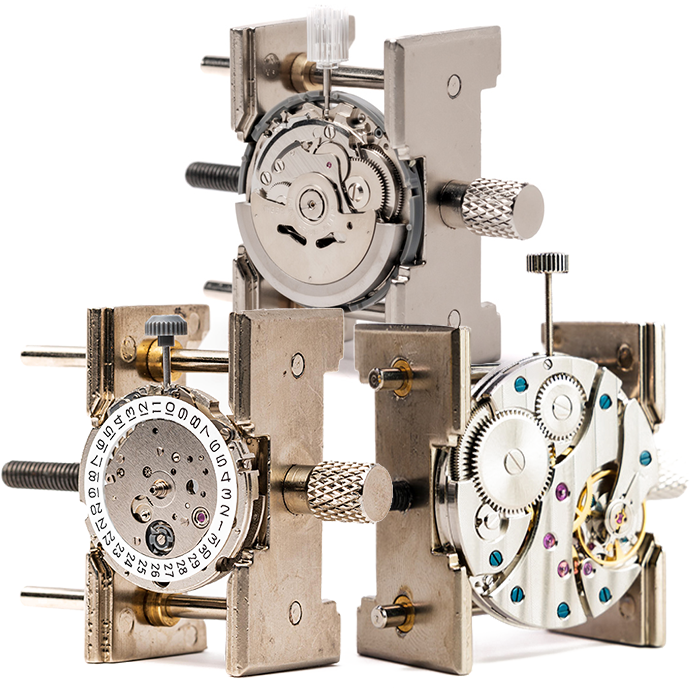
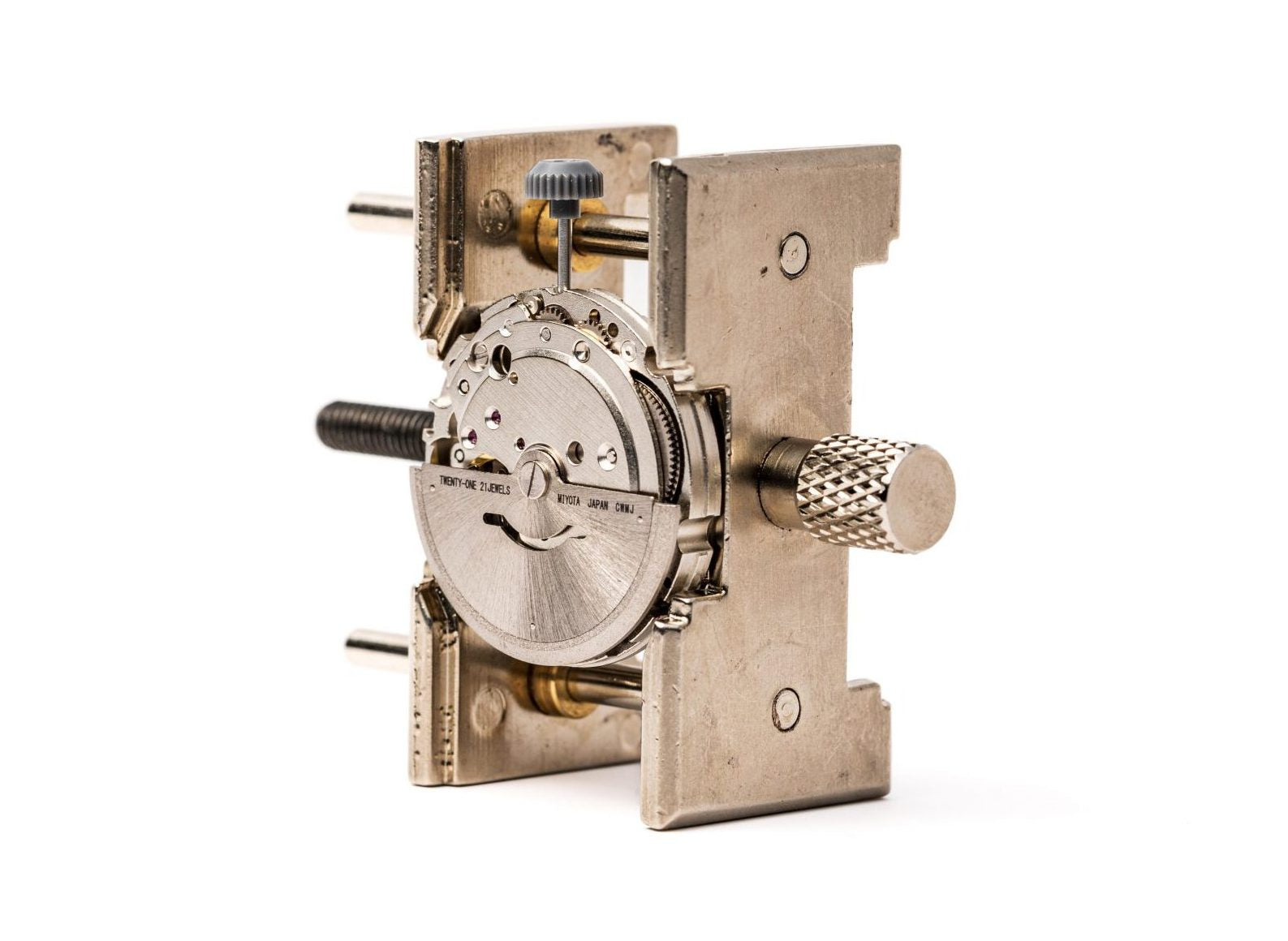
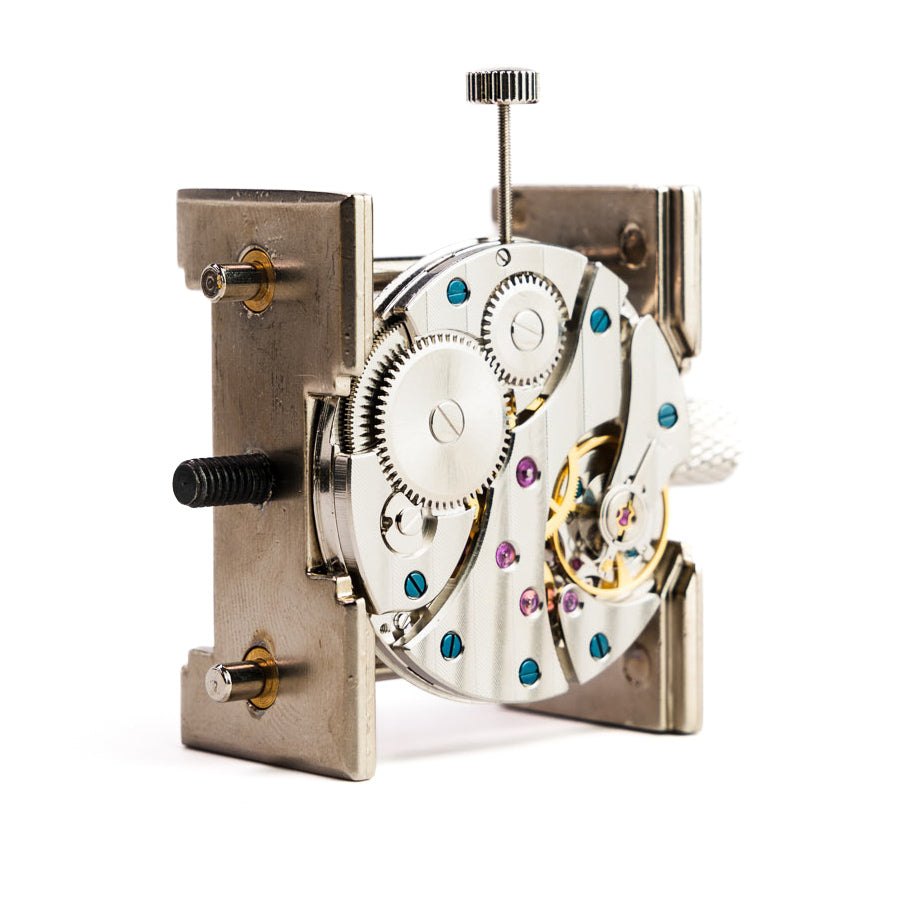
For a pure vintage feel, hand-wound movements are the most authentic choice. The Seagull ST3600 is a hand-wound movement with 17 jewels and a clean architecture that echoes mid-century calibers. Hand-wound movement kits come with all necessary tools and guides for first-time builders.
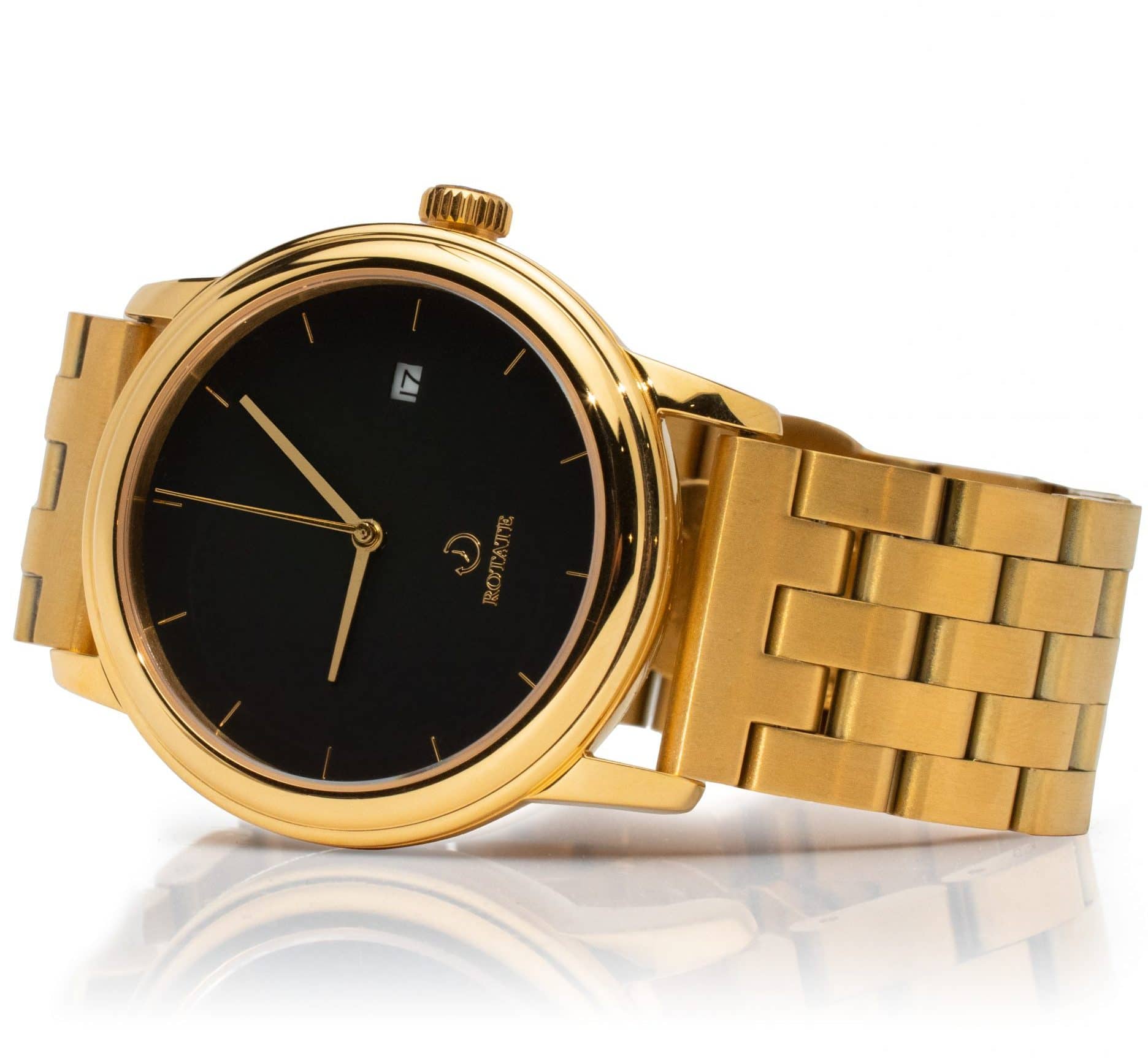
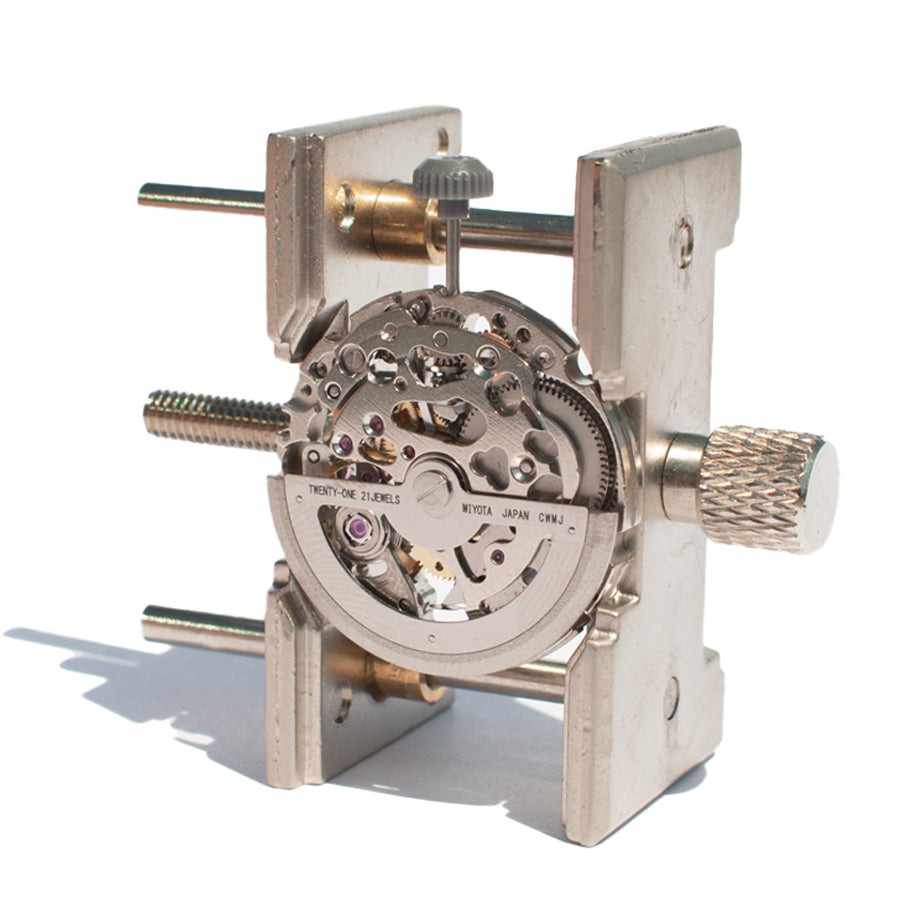
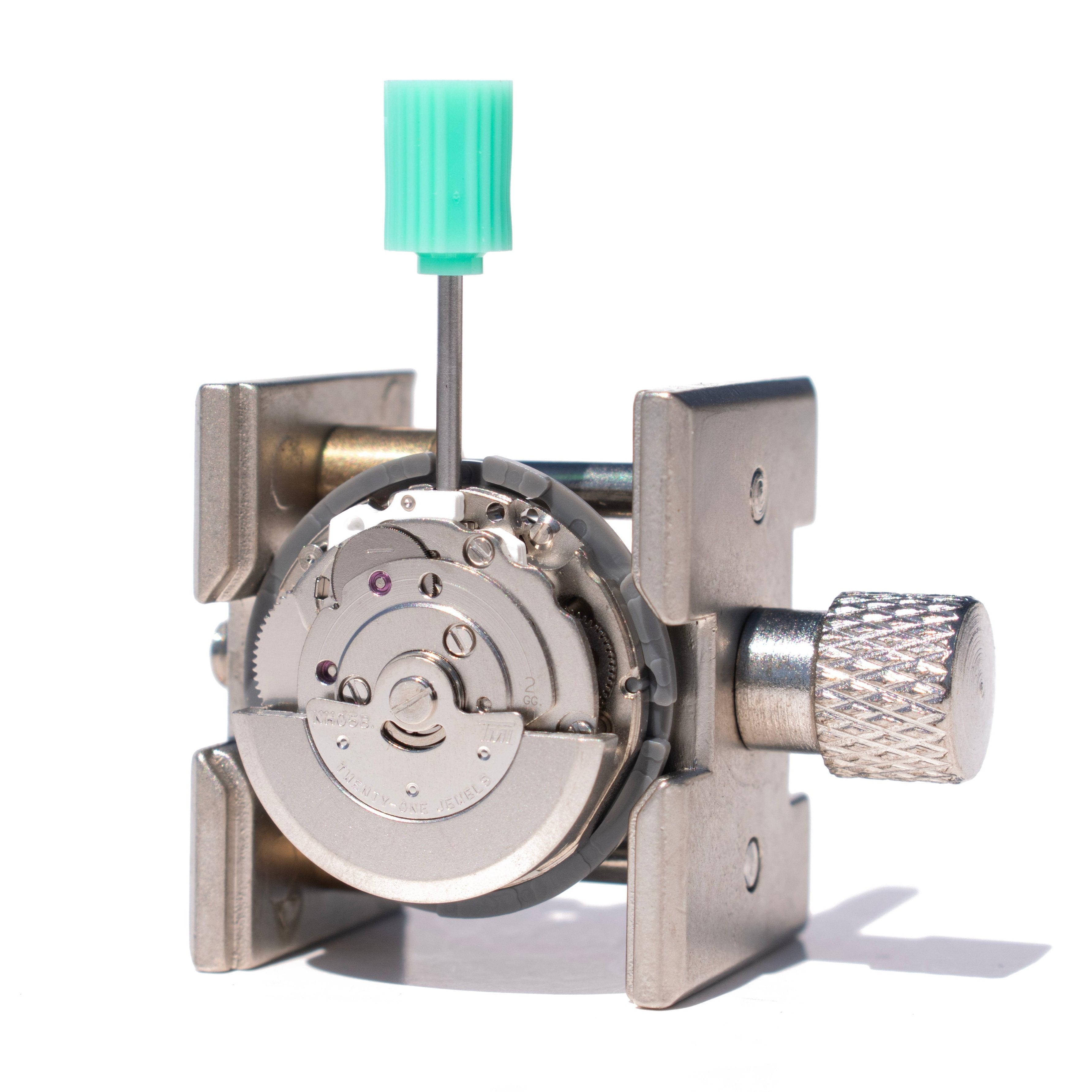
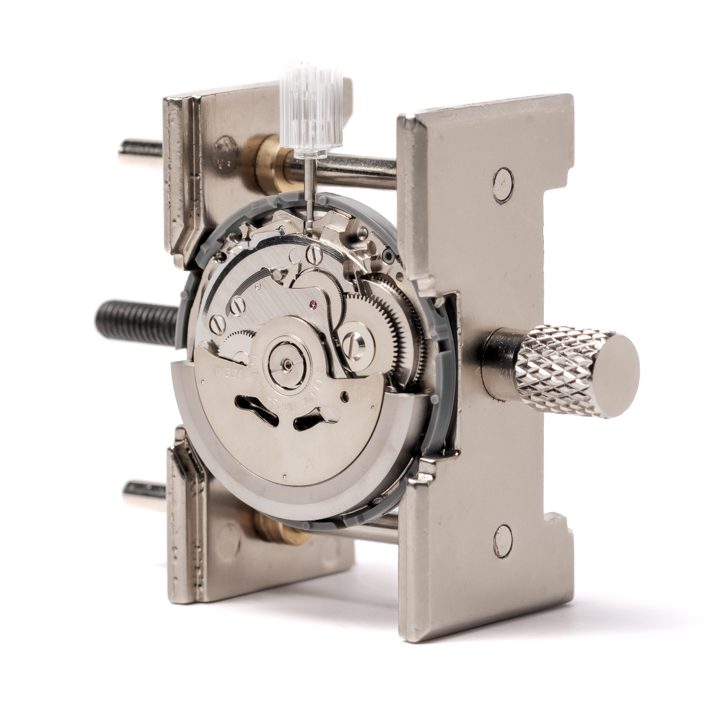
For a vintage automatic style, the Miyota 8215 offers a single date complication in a compact package. The movement powers watches with 40mm cases and clean dials, hitting that sweet spot of classic proportions with modern reliability.
Pick a Case Shape That Matches the Era
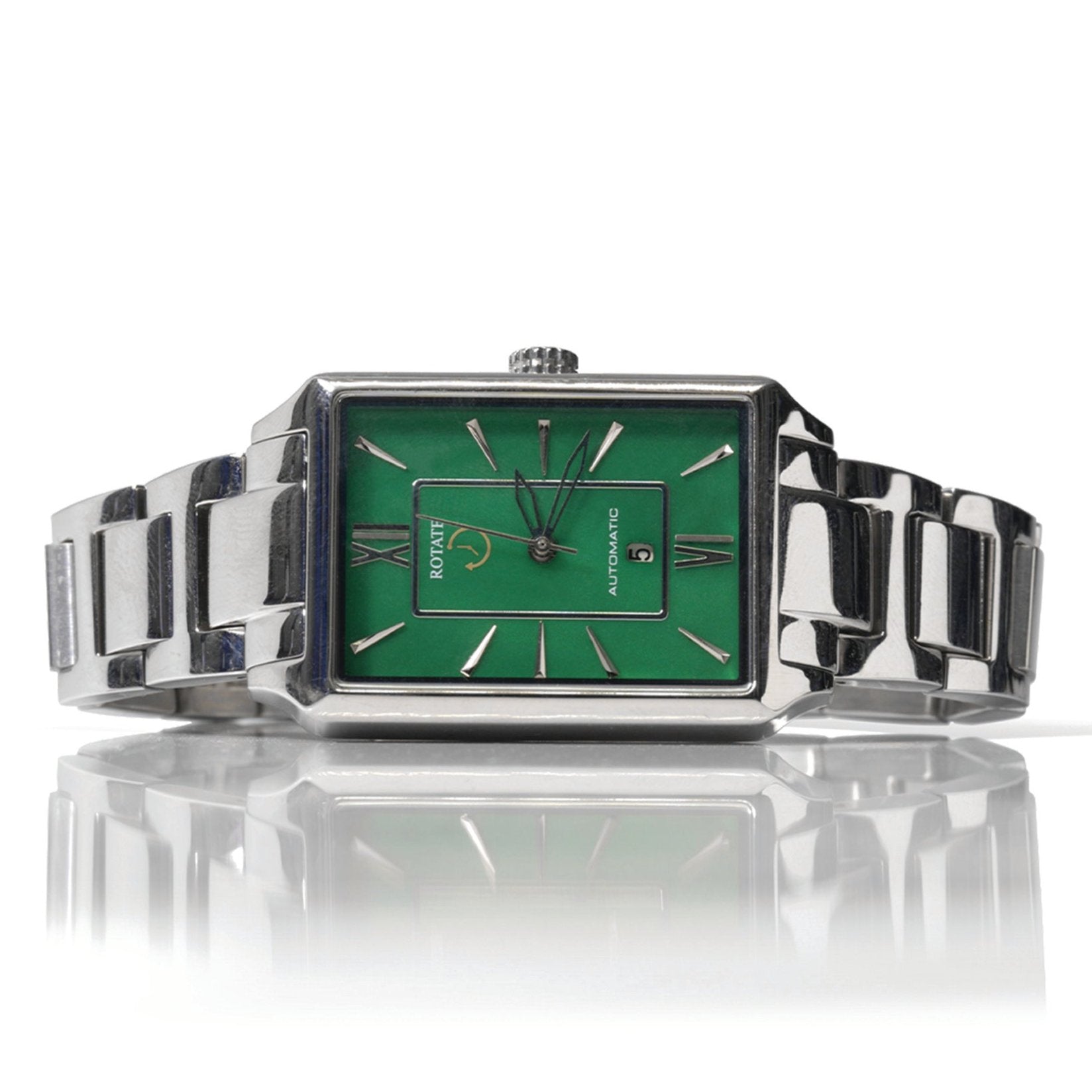
Round cases with exhibition backs work for 1950s and 1960s inspired builds. Rectangular cases capture the Art Deco and mid-century dress watch aesthetic. Watchmaking kits with rectangular stainless steel cases and mother-of-pearl dials nail the vintage dress watch look with precision.
Pair with the Right Strap
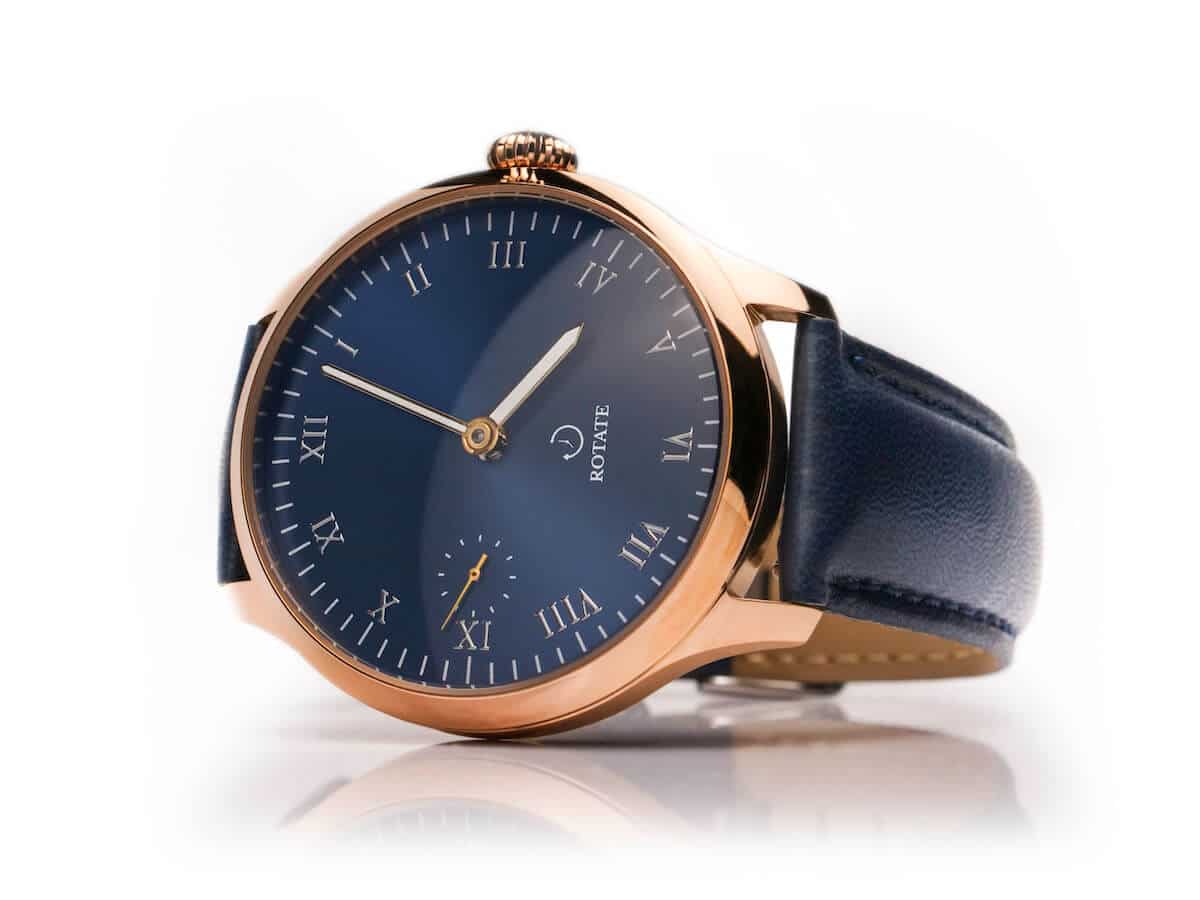
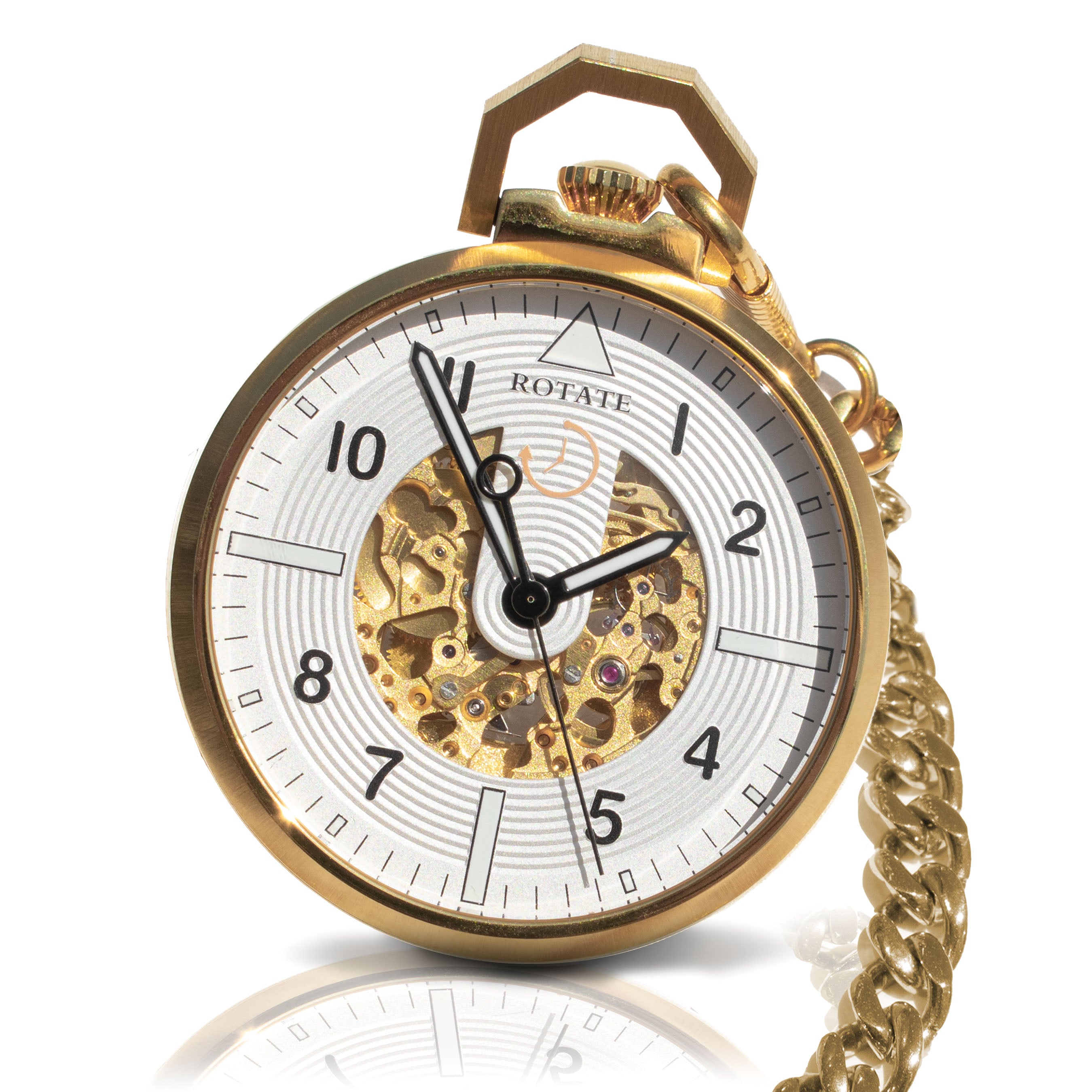
A genuine leather strap in brown, blue, or black completes the vintage look. Stainless steel bracelets work for sporty vintage styles, while chain-link straps echo mid-century elegance. Leather watch straps with quick-release mechanisms let you swap styles easily.
Vintage Watchmaking Skills You Can Practice Today
Building a retro-inspired watch teaches the same skills that professional watchmakers use when restoring actual vintage pieces.
Hand Installation and Dial Alignment
Setting hands correctly is one of the most important skills in watchmaking, and the most common challenge for beginners. Vintage restoration requires precise hand placement, and practicing on a DIY watch kit builds this muscle memory without risking a valuable antique.
Movement Disassembly and Reassembly
Knowing how a movement comes apart and goes back together is essential for anyone interested in vintage watches. Even if you never plan to service a vintage piece yourself, this knowledge makes you a smarter buyer and a more knowledgeable collector.
Conclusion
The vintage watch trend of 2026 is built on a love of simplicity, craftsmanship, and mechanical connection. Building a retro-inspired timepiece at home satisfies all three while teaching real watchmaking skills.
Rotate Watches offers complete watch kits and watch movement kits that let you create a vintage-inspired mechanical watch from scratch, no prior experience needed.
Frequently Asked Questions
What defines a vintage watch?
Most collectors consider watches 20 to 30 years old or more as vintage. Aesthetically, vintage watches tend to feature smaller cases, cleaner dials, and simpler movements than modern pieces.
Are vintage watches reliable for daily wear?
Reliability depends on condition and service history. Well-maintained vintage watches can run reliably, but old gaskets, worn parts, and dried lubricants create risks. New watches with vintage-inspired designs avoid these issues entirely.
What movement type is most associated with vintage watches?
Hand-wound movements are the most traditionally vintage. Automatic movements became common in the 1950s and 1960s, so both types appear in vintage collections.
Can I build a watch that looks vintage with new parts?
Yes. Modern watchmaking kits include stainless steel cases, leather straps, and mechanical movements that capture vintage aesthetics while offering new-component reliability.
What case size looks most vintage?
Cases between 34mm and 40mm are classic vintage proportions. Rectangular cases around 25x41mm echo Art Deco and mid-century dress watches.
How much does it cost to build a vintage-inspired watch at home?
Complete DIY watch kits with all tools and components start around $205, which is significantly less than purchasing a comparable vintage piece and having it serviced.