

Common Watch-Building Mistakes Beginners Make
Building your first mechanical watch feels exciting and nerve-wracking at the same time. Will the hands align properly? What if you strip a screw? Can you actually pull this off?
Here's the truth: most beginners make the same mistakes. The good news? All of them are completely avoidable once you know what to watch out for.
Using Household Tools Instead of Watch Tools
Your kitchen screwdriver won't work for watch screws. Regular tools are too big, too rough, and guaranteed to damage delicate components in seconds.
Watch screws are tiny. One wrong move with an oversized screwdriver strips the head completely, turning simple assembly into an expensive repair. Quality watchmaking kits include precision screwdrivers, tweezers, spring bar tools, pliers, glue, and gloves for exactly this reason.
Starting with proper tools makes the difference between smooth assembly and frustrating setbacks.
Overtightening Screws
Watch screws need gentle pressure, not brute force. Beginners often crank down screws thinking tighter means more secure. Wrong. Overtightening strips threads, cracks cases, and can destroy movements completely.
Stop the moment you feel resistance. If you're forcing anything, you're doing it wrong. Gentle, controlled turns are all you need.
Rushing Through Hand Installation
Watch hands bend easily. One clumsy installation attempt leaves you with hands that rub together, sit crooked, or won't stay attached properly.
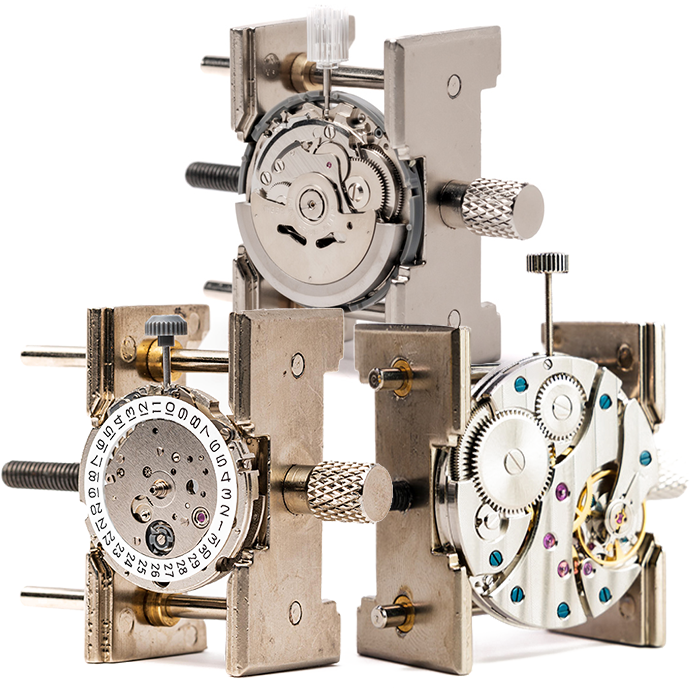
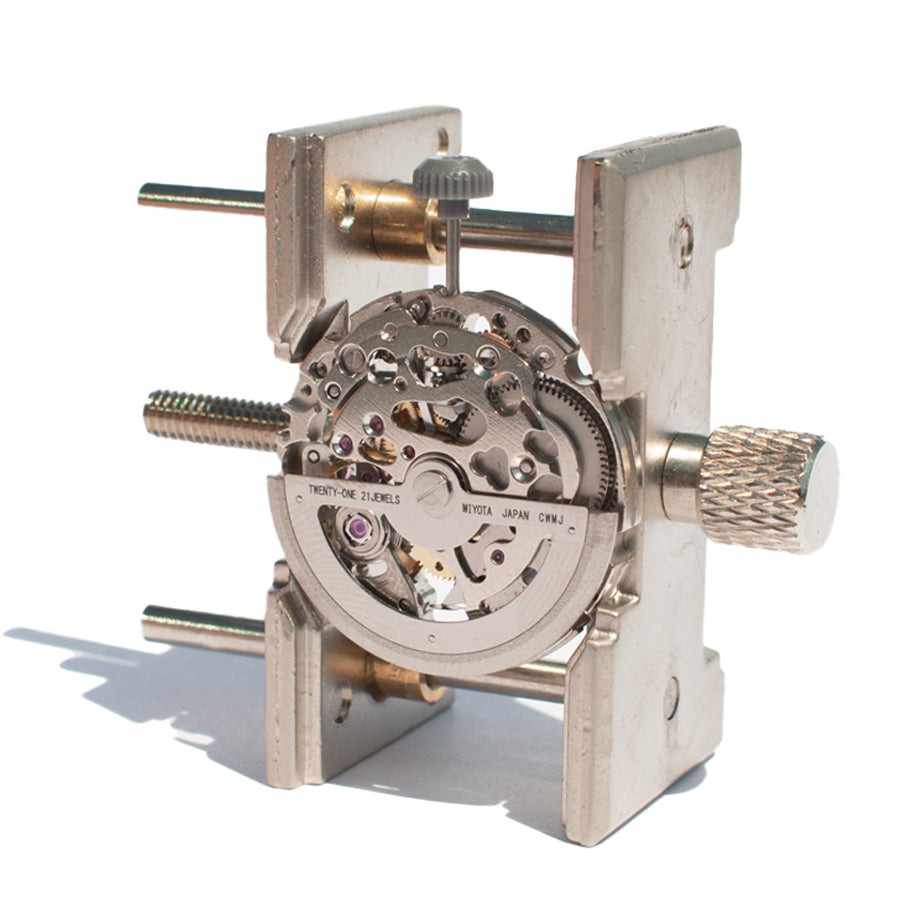
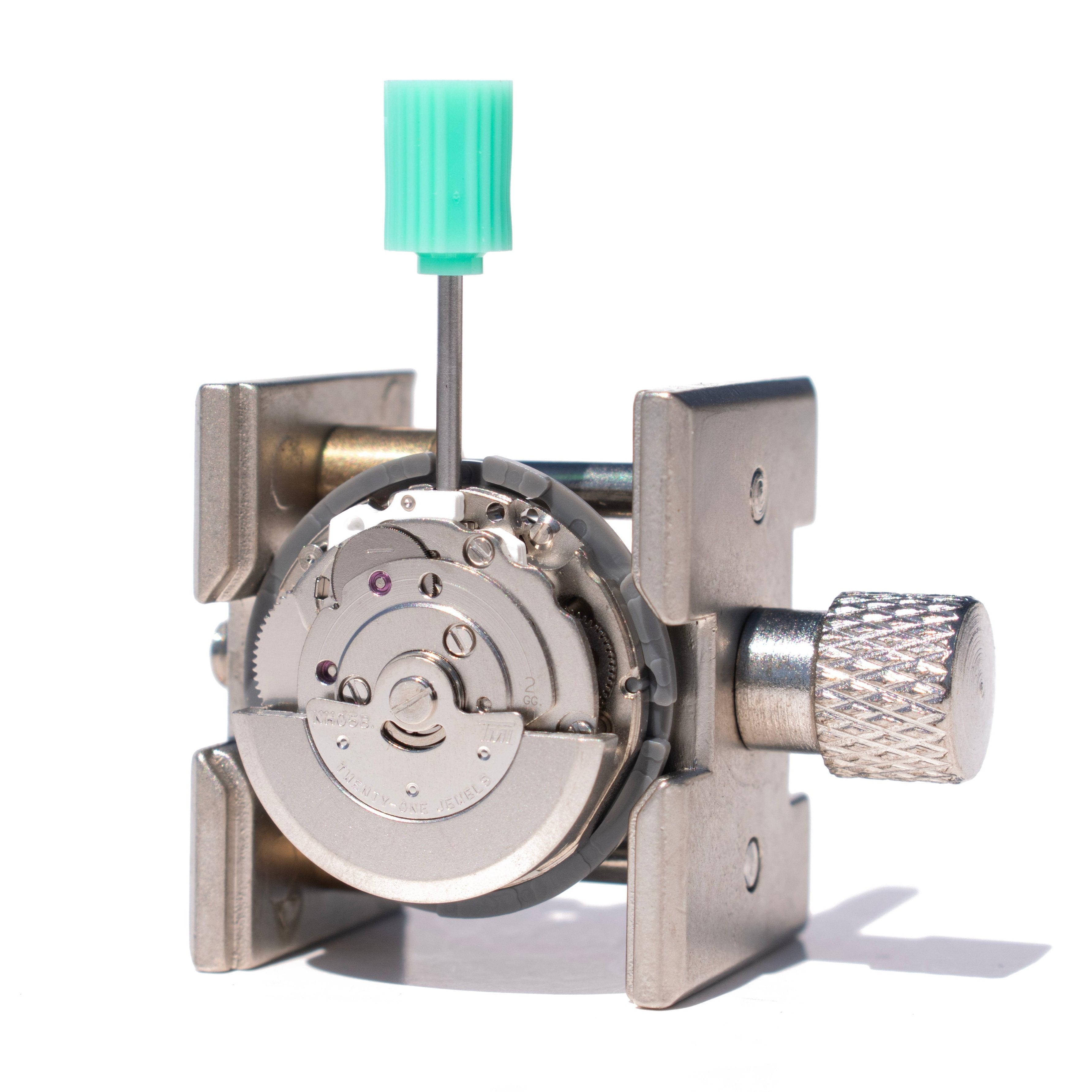
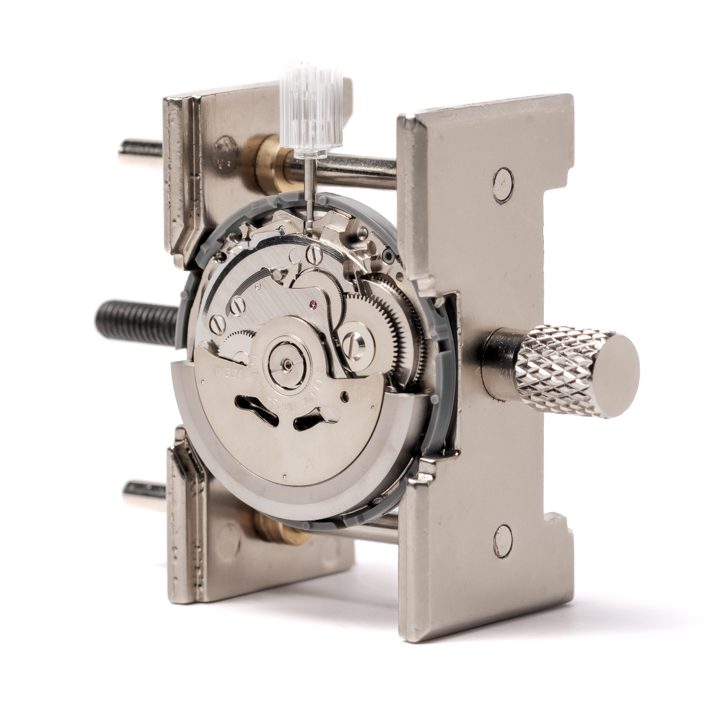
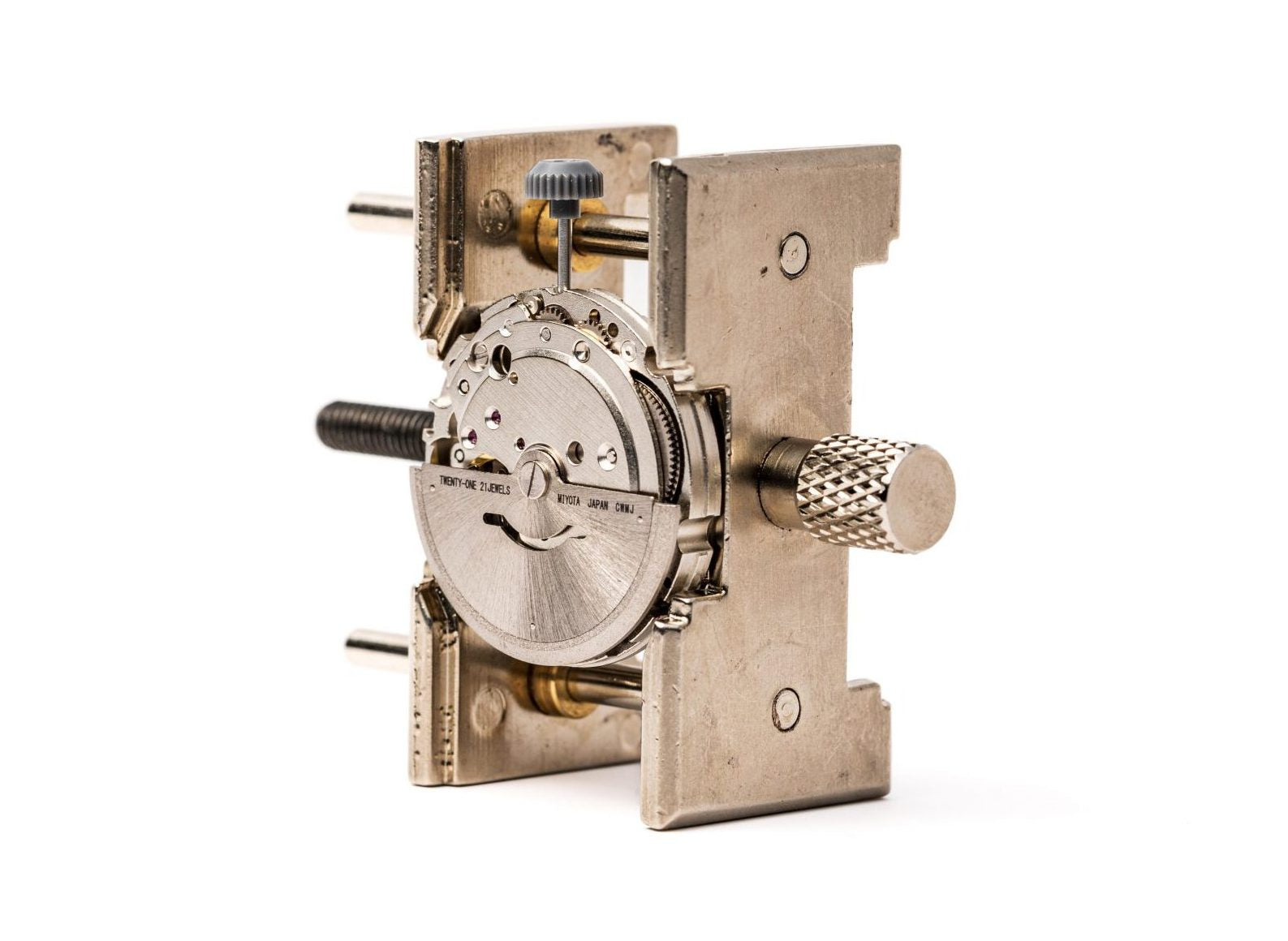
Apply even, gentle pressure straight down. No twisting, no forcing, no second attempts. Line everything up once, press carefully, and you're done. Whether you're working with a Seiko NH36 automatic or Miyota 8N24 movement , patience during hand installation saves you from costly mistakes.
Building in Poor Lighting or Cluttered Spaces
Small parts vanish into thin air. Screws roll off tables. Springs launch across rooms when compressed wrong. Poor lighting turns every step into guesswork.
Set up before you start: clean surface, bright light, parts tray for organization. Wear gloves to prevent fingerprints. A proper workspace prevents 90% of those "where did that tiny part go" moments that drive you crazy.
Squeezing Tweezers Too Hard
Tweezers are essential, but death-gripping components launches parts across the room or crushes them beyond repair. Firm but gentle wins every time.
Hold parts just tight enough to maintain control. Keep movements slow and deliberate. Work over your assembly area so drops land safely instead of disappearing into carpet forever.
Racing to Finish
Building a mechanical watch takes 2-3 hours for first-timers. Trying to speed through guarantees mistakes like misaligned parts, overtightened screws, and bent hands.
Read instructions completely before touching components. Take breaks when frustrated. Double-check each step. Your first watch won't be perfect, and that's fine. You're learning a craft that professionals spend years mastering.
Mixing Parts Without Checking Compatibility
Not all movements fit in all cases. Buying components separately without verifying dimensions creates expensive problems. The Seiko NH05 movement requires specific case sizes. The NH36 with 24 jewels and 41+ hours of power reserve needs proper clearance.
Complete watch kits eliminate compatibility guesswork by including perfectly matched components from the start.
Handling Parts with Bare Hands
Fingerprints on dials don't come off. Skin oils contaminate movements. Dust causes friction and premature wear. Bare hands ruin otherwise perfect assemblies.
Gloves aren't optional. Neither is a clean workspace. Handle dials by edges only. Cover movements when you're not actively working. Professional results require professional habits.
Struggling Alone Instead of Asking for Help
Getting stuck happens. Forcing through confusion makes things worse and can damage expensive parts. When you hit a roadblock, contact Rotate's support team instead of attempting complex fixes alone.
Asking for help shows smart thinking, not weakness. The support team solves in minutes what might take you hours to figure out.
Conclusion
Building your first watch teaches patience and precision. Avoiding these common mistakes helps you create a timepiece you'll wear proudly.
Time isn't just measured, it's built with your own hands.
Start your watchmaking journey with Rotate Watches , where complete DIY watch kits transform curiosity into craftsmanship. Browse our collection to find your perfect match, from complete watch kits to intricate movement kits.
Your watchmaking story begins with a single screw. Start building today.
Frequently Asked Questions
How long does building your first watch take?
Most beginners spend 2-3 hours on assembly. Taking your time prevents mistakes and helps you learn techniques that make future builds faster.
Can regular screwdrivers work for watch building?
No. Household screwdrivers damage watch screws and components. Always use precision screwdrivers designed for watchmaking.
What causes the most expensive damage?
Overtightening screws and using improper tools cause costly mistakes. Both can destroy movements and require complete replacements.
Do you need training to build a watch?
Quality DIY kits include detailed guides walking beginners through each step. Formal training helps but isn't required for successful assembly.
How can you avoid damaging watch hands?
Apply gentle, even pressure straight down. Align hands perfectly before securing. Avoid multiple attempts since repeated handling increases damage risk.
What if you get stuck during assembly?
Contact Rotate's support team for guidance. Experienced help prevents costly mistakes and teaches proper techniques for current and future builds.