
What Tools Do I Need to Build My First Mechanical Watch?
You need seven basic tools to build your first mechanical watch: precision screwdrivers, tweezers, a spring bar tool, strap adjustment tool, pliers, watch glue, and gloves. The good news? Complete watchmaking kits like those from Rotate include all of these tools plus the watch parts, so you can start building immediately.
Essential Tools for Watchmaking
Precision Screwdrivers
Watch screws are incredibly small. Regular screwdrivers won't work because their tips are too large and will slip, damaging the screw heads. Precision screwdrivers have 1mm to 2mm tips designed specifically for tiny watch components.
Different movements need different screwdriver sizes. The Alden watchmaking kit includes a 1mm screwdriver for its Seiko NH05 movement. The Cabot uses a 2mm version. You don't need to guess which size works because the correct screwdriver comes in your kit.
Tweezers
Your fingers are too big and oily for watch assembly. Tweezers become your hands during the build. Quality tweezers grip delicate components without bending or scratching them.
Using tweezers takes practice, but you'll get the hang of it quickly. Start with larger parts like the dial before moving to the tiny watch hands. The learning curve is gentle, and within minutes you'll feel comfortable handling components.
Spring Bar Tool
Watch straps attach using spring bars, small pins with internal springs. A spring bar tool has a forked end that compresses the spring and a pointed end for positioning. You'll use this tool to attach your strap and anytime you want to swap to a different style later.
Strap Adjustment Tool
Metal bracelets need sizing to fit your wrist. The strap adjustment tool removes links from the bracelet so you can customize the fit. Without this tool, you'd need to visit a jeweler. Having it included means you can adjust sizing at home whenever needed.
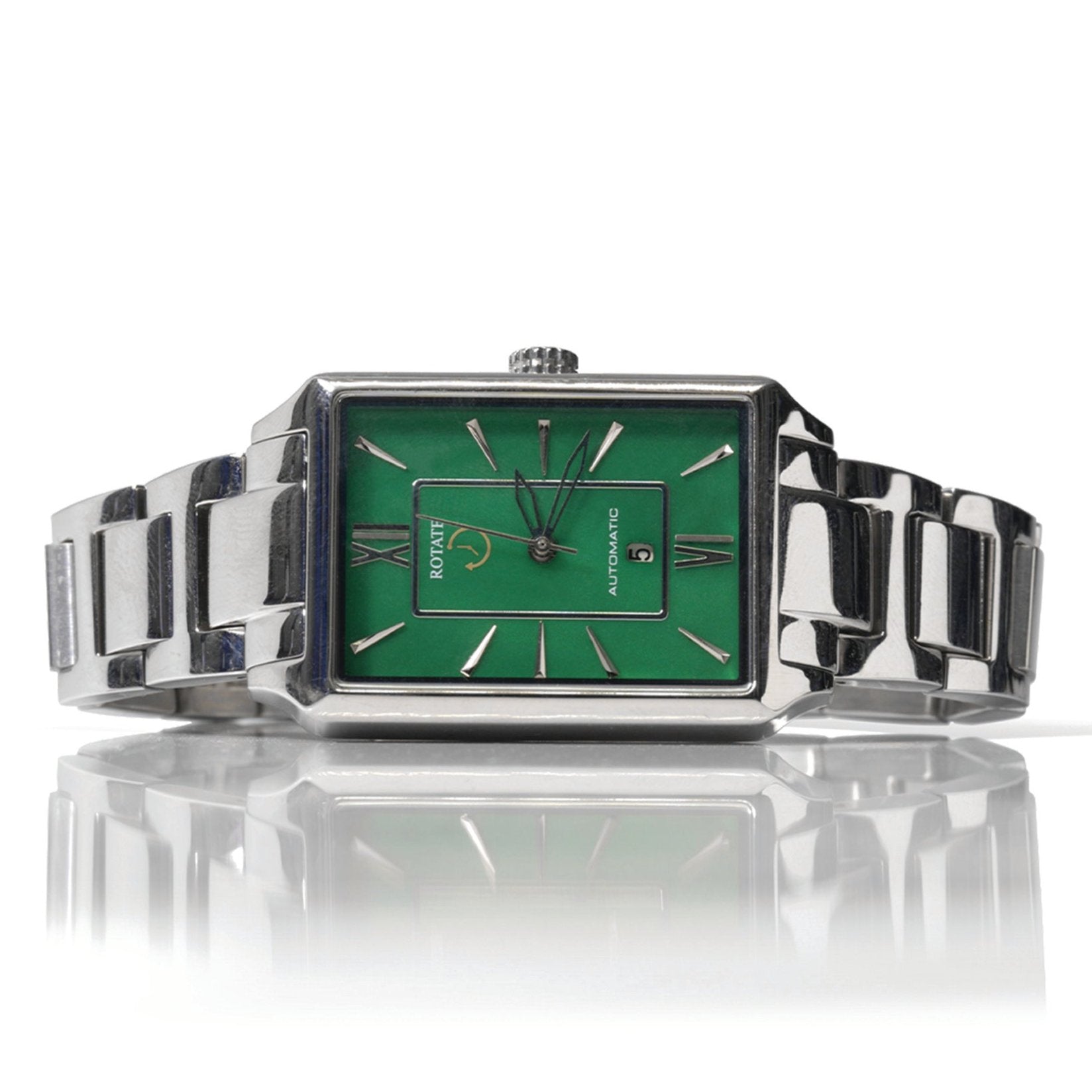
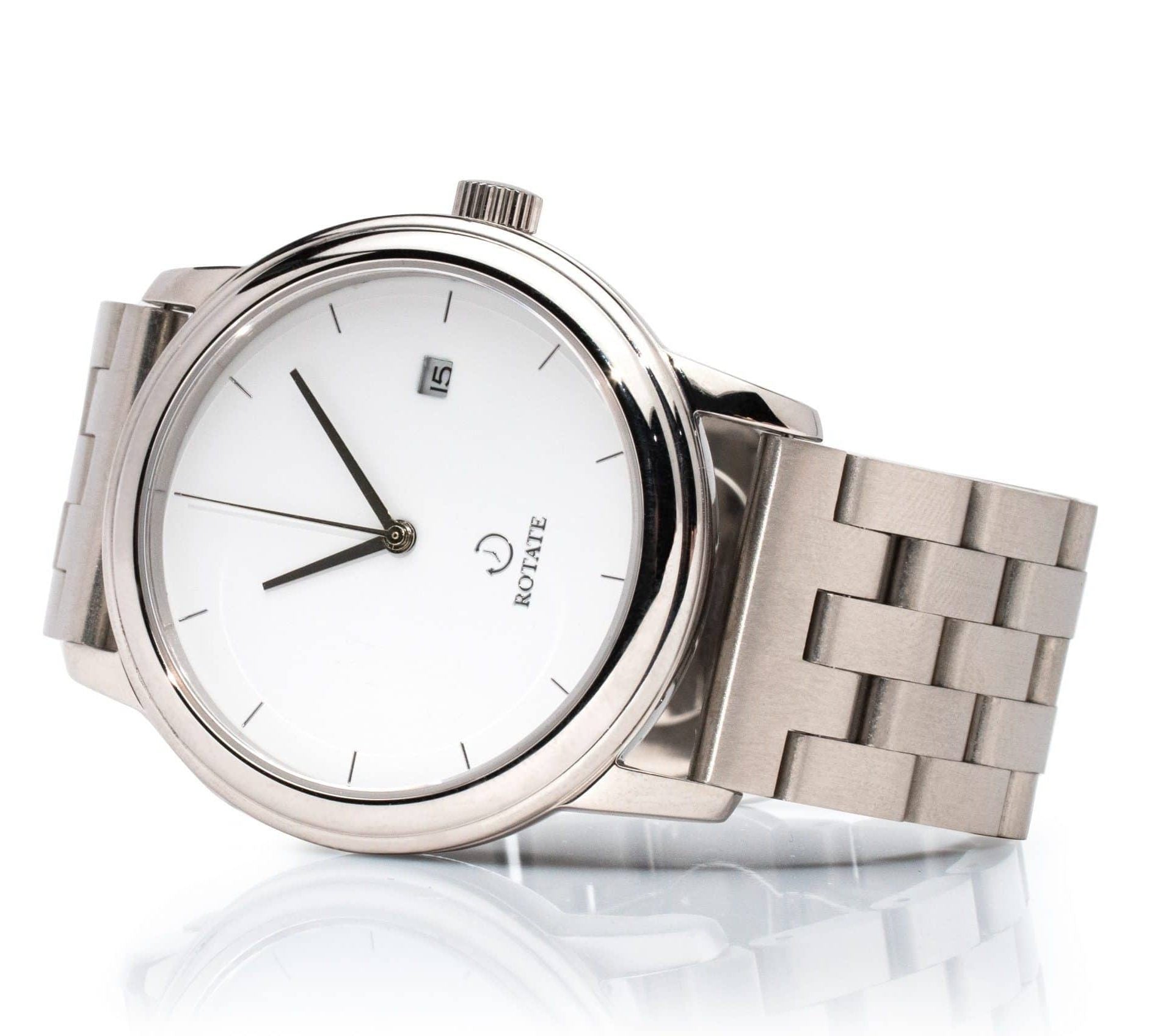
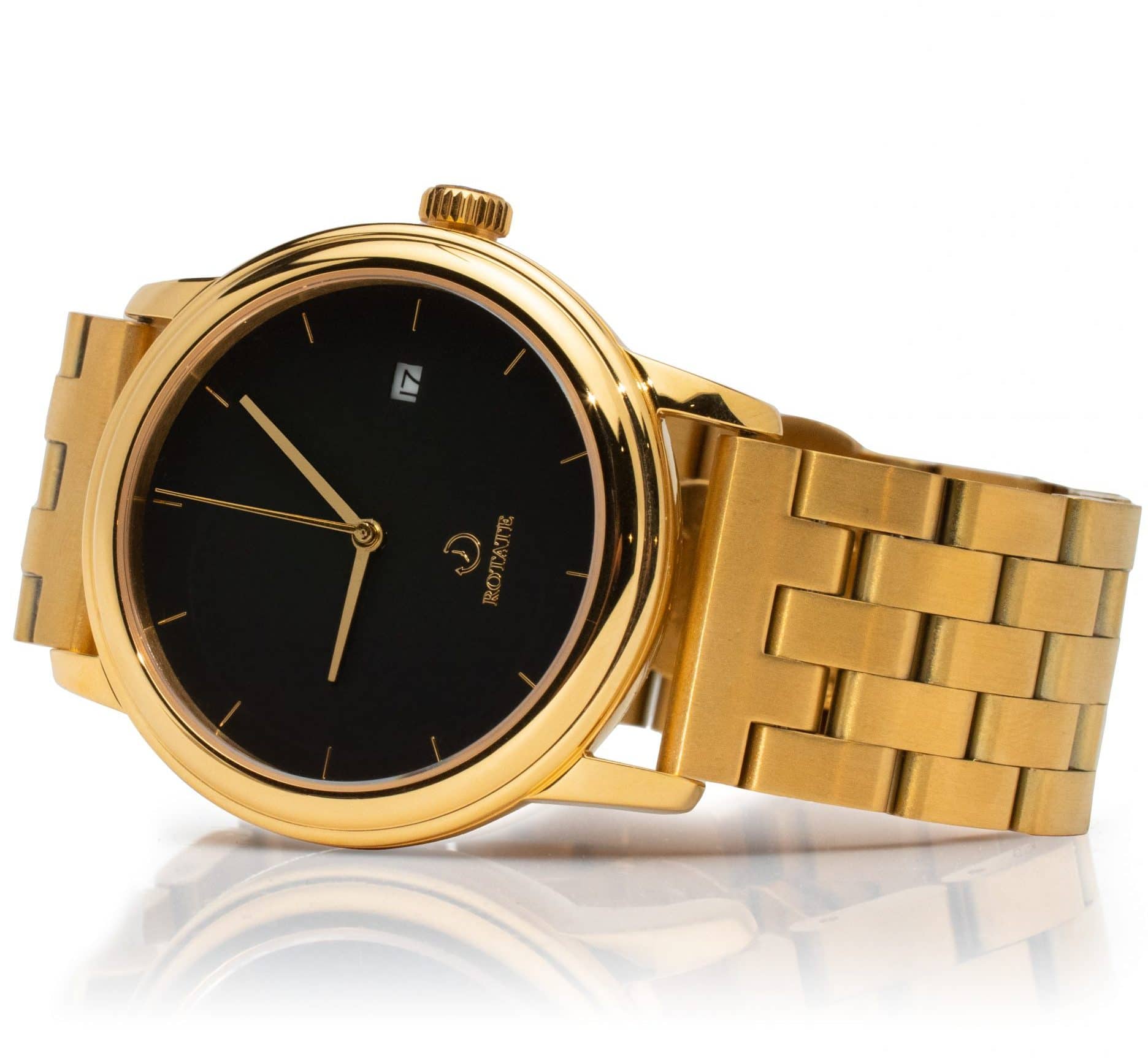
The Cabot kit comes with a stainless steel bracelet and the tool to adjust it. Remove a link, test the fit, and repeat until perfect.
Pliers
Some assembly steps need a firmer grip than tweezers provide. Pliers help hold the case steady while screwing on the back or adjusting components. The pliers in DIY watch kits have smooth jaws that won't scratch your watch's finish.
Watch Glue
Specialized watch adhesive secures components that need to stay in place. You'll use tiny amounts to fix dial feet or secure other parts. Watch glue dries clear and stays slightly flexible, which matters for components that experience minor movement.
Never use super glue or craft adhesive. Watch-specific glue is designed for the materials and stresses found in timepieces. Using the wrong adhesive can damage components permanently.
Gloves
Oils from your fingers transfer to watch parts, affecting function and appearance. Nitrile gloves keep everything clean during assembly. Unlike latex gloves that tear easily, nitrile provides durability while maintaining tactile feedback.
Wear gloves throughout the build to protect the dial's finish, prevent fingerprints on the crystal, and keep the movement clean. Some builders cut the fingertips off for better dexterity.
Why Complete Kits Beat Individual Tools
Buying tools separately gets expensive fast. Quality watchmaking tweezers cost $15 to $30. Add screwdrivers, spring bar tools, glue, and other essentials, and you're spending $75 to $150 just on tools before purchasing any watch components.
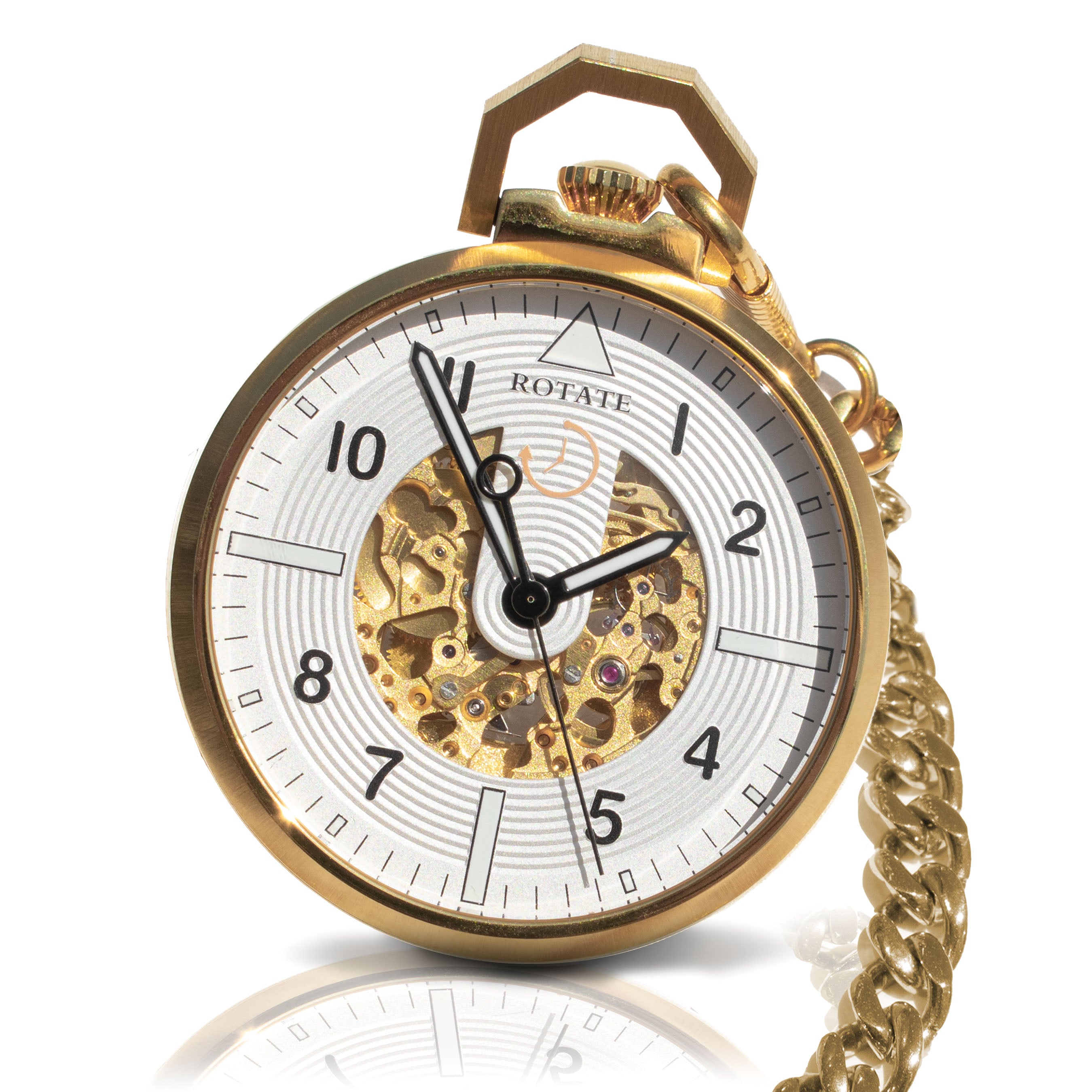
Mechanical watch kits include everything starting at $215. You get quality-checked parts, the complete tool set, beginner-friendly guides, a lifetime warranty, and 24/7 technical support. The tools alone justify a significant portion of the kit price.
Start Building
Assembly takes 2 to 3 hours for most first-time builders. Having all the right tools from the start prevents frustration and mid-build stops. You won't discover you're missing a critical tool or find that a household screwdriver stripped a tiny screw head.
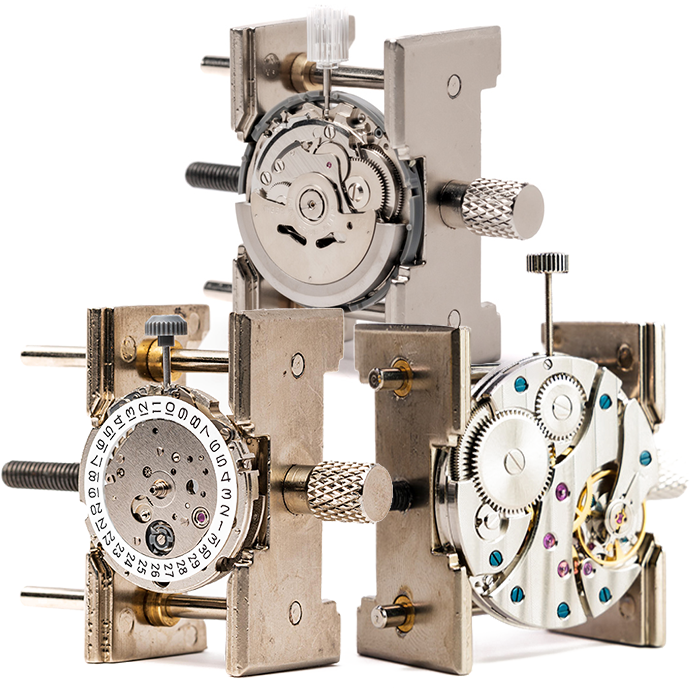
Movement kits starting at $140 offer another entry point if you want to focus purely on the mechanical movement before tackling a complete watch.
Your watchmaking toolkit is assembled and waiting.
Start your journey with Rotate Watches , where complete DIY kits transform curiosity into craftsmanship.
Browse the collection to find your perfect match, from complete watch kits to intricate movement kits.
Your watchmaking story begins with a single screw. Start building today.
Frequently Asked Questions
Can I use regular household tools?
Regular tools are too large and will damage delicate components. Watchmaking tools have the correct sizing and tips designed specifically for small screws and parts. Using improper tools results in scratched dials, stripped screws, or bent hands.
Do different watches need different tools?
Most mechanical watches use the same basic tools. Screwdriver sizes might vary slightly, but complete kits include the correct size for your specific build. You won't need additional tools for your first watch.
How long do watchmaking tools last?
Quality tools last for years with proper care. Clean tweezers after each use, store screwdrivers in a dry place, and keep everything organized. The tools in watchmaking kits are built for repeated use across multiple projects.
Can beginners really assemble watches?
Absolutely. Modern watch kits are designed for beginners with no prior experience. Quality tools, clear guides, and support teams mean you can successfully build your first watch. Patience matters more than experience.