

Watch Rotor Types: Full, Micro, and Skeleton, What's the Difference
Every automatic watch has a rotor. That semicircular weight spinning on the back of the movement converts wrist motion into stored energy, keeping the mainspring wound without manual winding.
Full rotors, micro rotors, and skeleton rotors serve the same basic function while differing in size, efficiency, and visual impact. Knowing the differences helps you pick the right automatic movement for your next build.
Build your own watch and experience the mechanics of automatic movements firsthand.
Key Takeaways
Full rotors offer the most reliable winding and appear in most mass-produced automatics. Micro rotors allow ultra-thin case profiles but sacrifice winding efficiency. Skeleton rotors remove material from a full rotor to reveal the movement while keeping most winding performance intact.
How Does a Watch Rotor Work?
Self-winding rotors date back to Abraham-Louis Perrelet's first automatic mechanism in 1777, per the Horological Society of New York. Rolex introduced the 360-degree perpetual rotor in 1931, and the principle has powered automatic watches ever since.
A rotor pivots freely around a central bearing. As you move your wrist, gravity pulls the weighted side downward, causing it to swing. That energy transfers through a gear series to the mainspring barrel. Many modern rotors wind bidirectionally, though calibers like the Miyota 82-series wind in only one direction.
What Affects Winding Efficiency?
Winding efficiency depends on rotor mass and distance from the center pivot. Heavier rotors made from dense materials generate more energy per swing. Weight concentrated toward the outer edge produces the most torque.
What Makes Full Rotors the Standard?
The full-size central rotor is the most common type in automatic watches. Nearly every mass-produced automatic movement uses one.
How Full Rotors Are Built
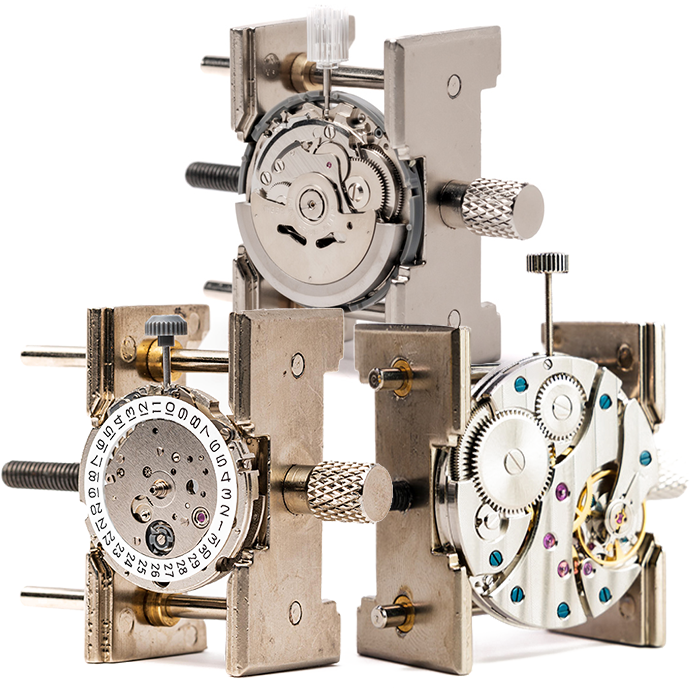
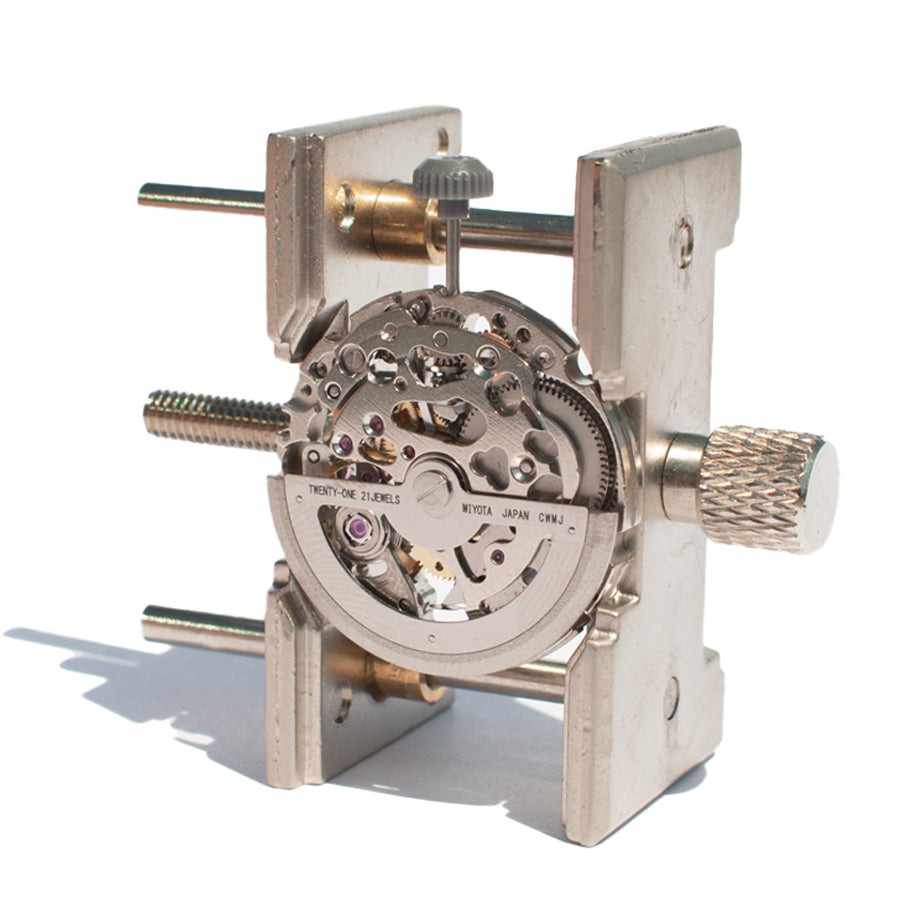
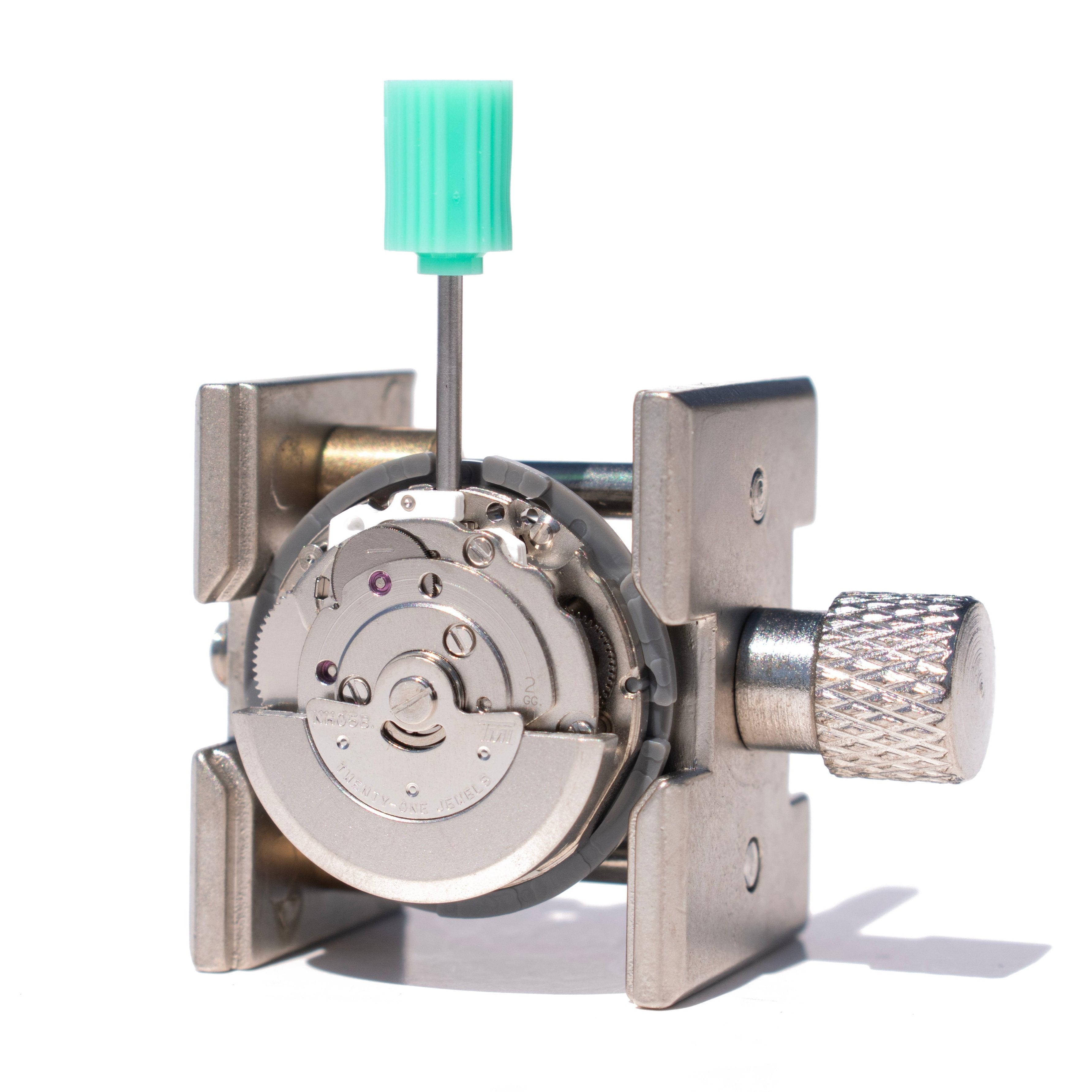
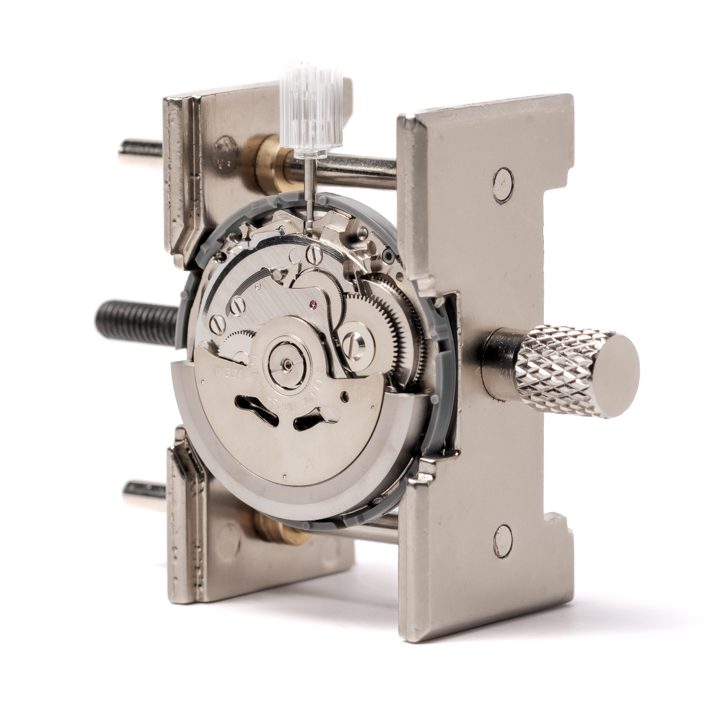
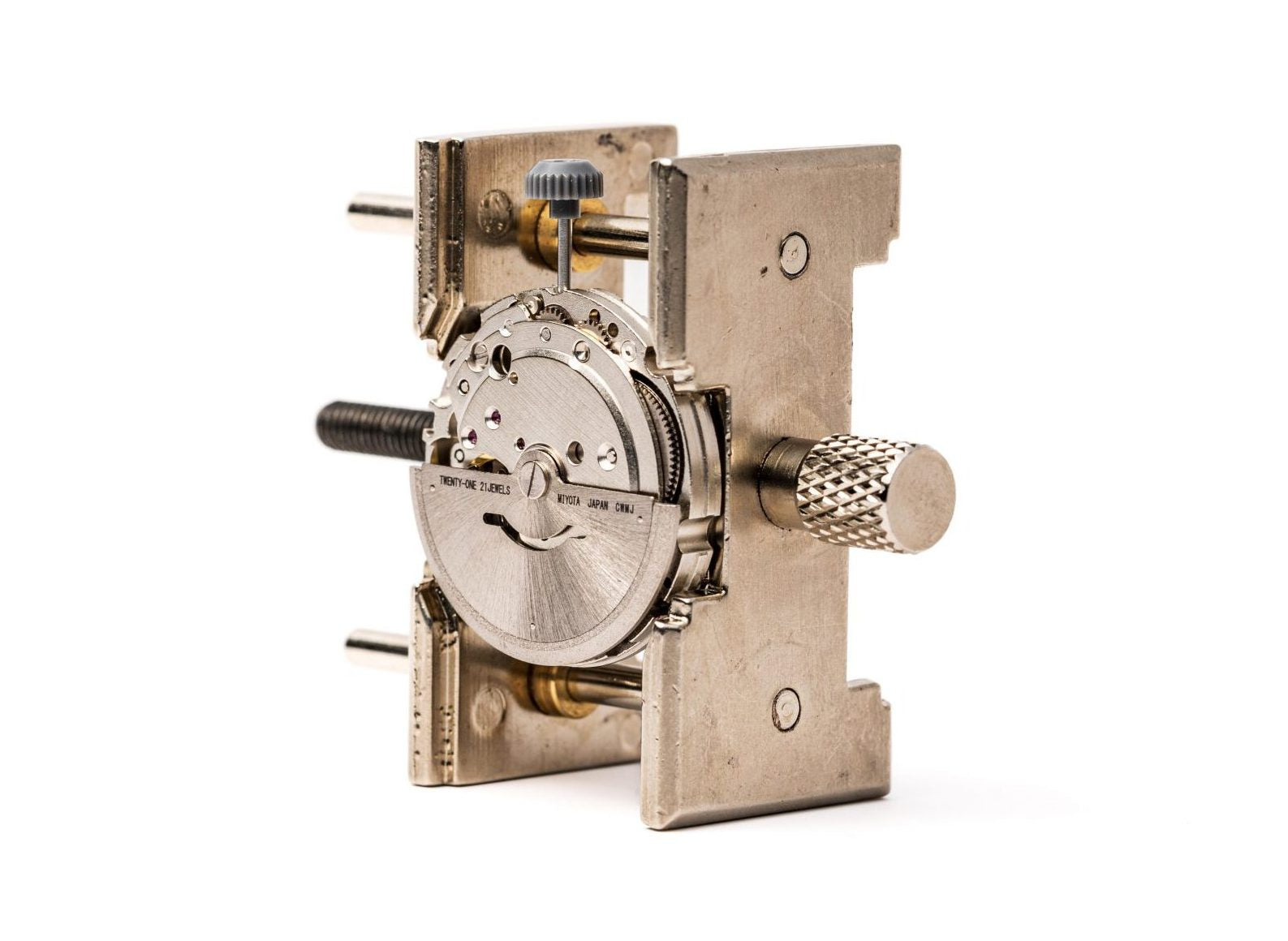
A full rotor is a semicircular weight mounted on top of the movement. The weight sits along the outer half, with the inner portion serving as the mounting plate. Common rotor materials include:
- Steel and brass in standard movements for durability and cost efficiency
- Tungsten in mid-range and premium calibers for maximum density
- Gold and platinum in luxury movements for weight and decorative value
Luxury brands often decorate the rotor with guilloché patterns, Côtes de Genève stripes, or engraved emblems.
Advantages of Full Rotors
Full rotors offer reliable winding because their mass and radius generate strong torque, typically providing 40+ hours of power reserve. Movements like the Seiko NH36 and Miyota 8215 use full rotors, delivering consistent performance in DIY watchmaking kits.
The Downside of Full Rotors
Full rotors sit on top of the movement, adding thickness. Builders often notice that even through an exhibition case back, a full rotor hides the gears and bridges underneath.
How Do Micro Rotors Differ?
Micro rotors shrink the oscillating weight and embed it into the movement, solving the thickness problem full rotors create.
Micro Rotor Construction
A micro rotor integrates into one section of the movement rather than sitting on top. The rotor tucks flush with the movement's height, allowing calibers as slim as 2.5 to 4.5mm compared to 5mm or more for full-rotor equivalents. Platinum is the preferred material because its density generates adequate winding energy from a smaller mass.
Where Micro Rotors Shine
Ultra-thin dress watches benefit most. Patek Philippe, Piaget, and Parmigiani Fleurier use micro rotors in their thinnest automatic watches. Without a large rotor covering the case back, the bridges, gear train, and balance wheel stay on full display.
Micro Rotor Limitations
Smaller mass means lower winding efficiency. Micro rotors need more wrist movement to fully charge the mainspring. Manufacturing complexity and cost keep the design primarily in higher-end watches.
Why Choose a Skeleton Rotor?
Skeleton rotors cut away material from a full-size rotor to reveal the movement underneath, blending efficiency with transparency.
How Skeletonization Works
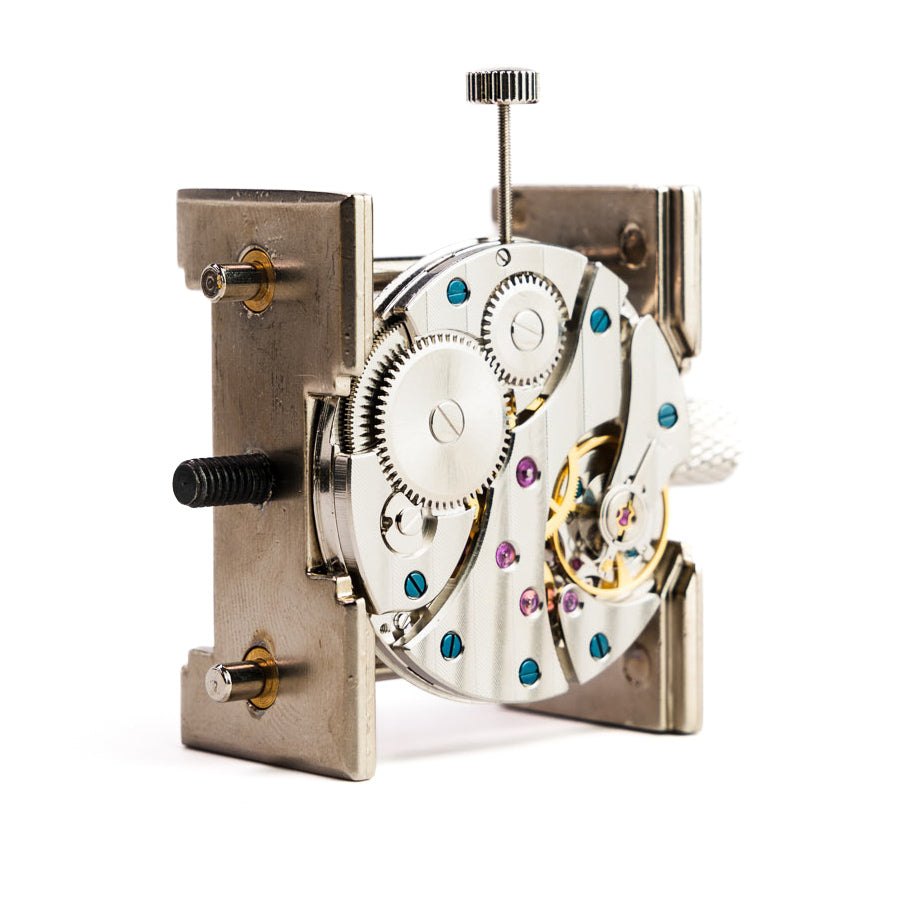
Watchmakers remove sections of the rotor plate while preserving the weighted outer edge. The cutouts create windows showing movement components, turning the rotor into a decorative element.
Skeleton Rotors in Practice
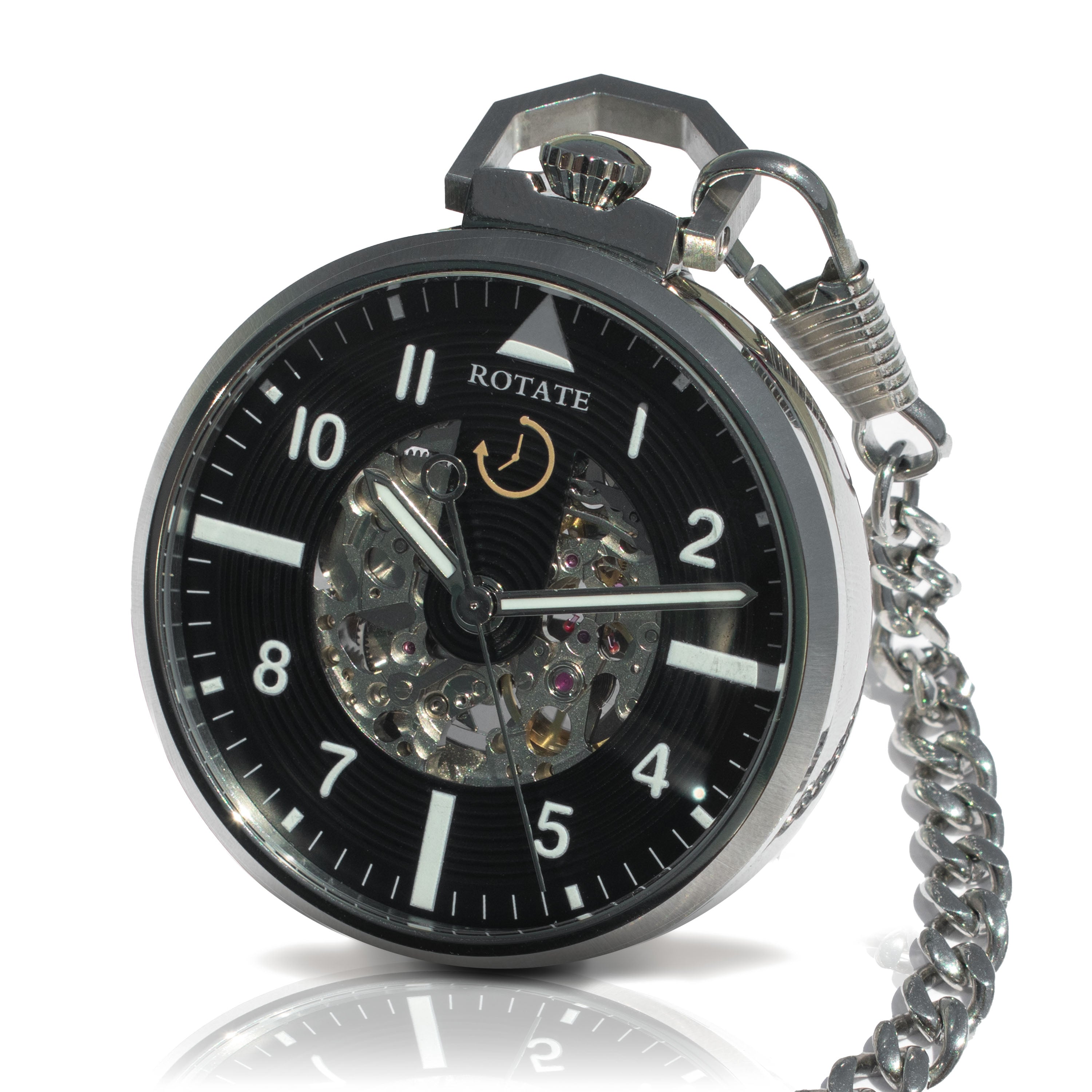
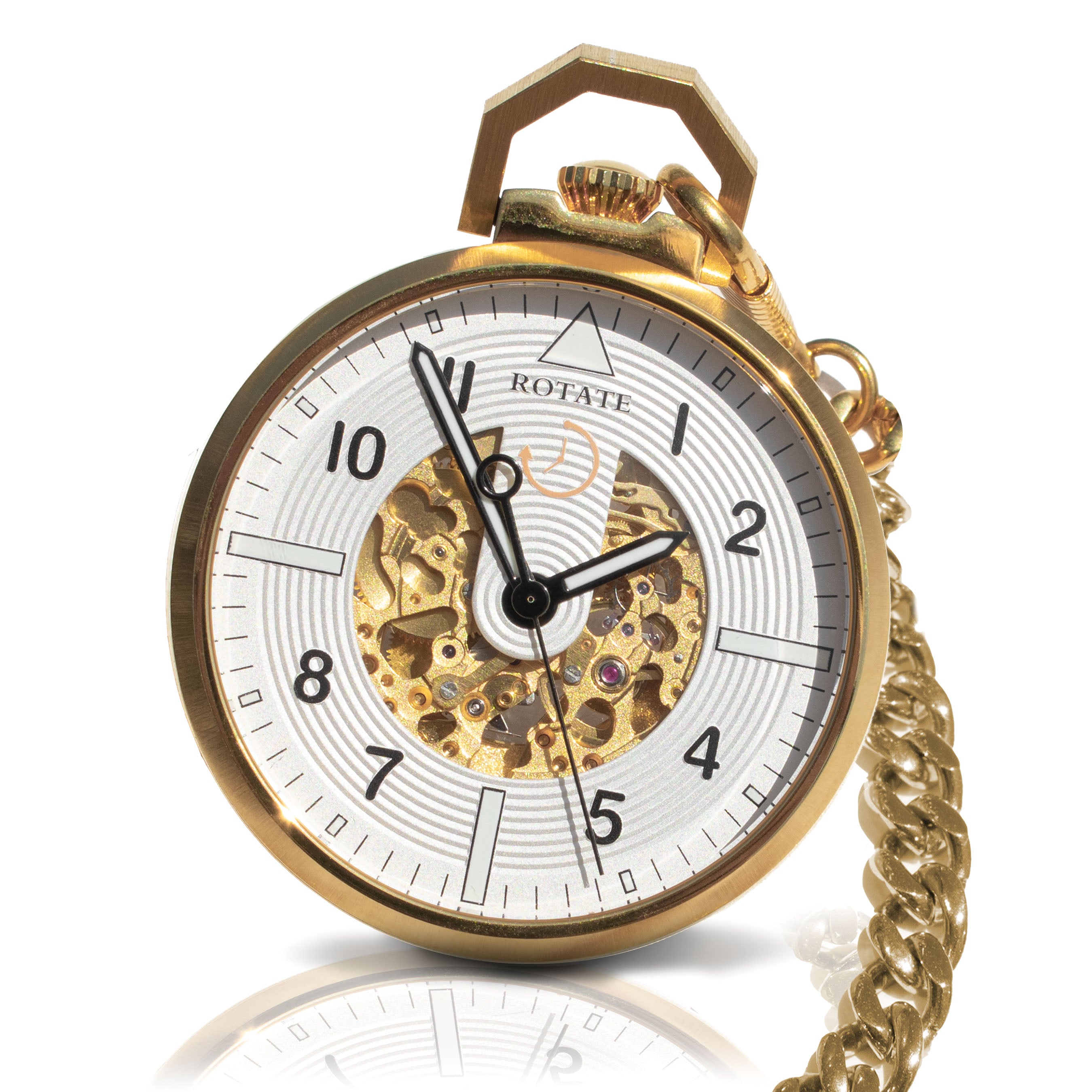
The Miyota 8N24 movement is a popular skeleton movement combining see-through design with automatic winding. The Hudson and Earle pocket watch kits use the 8N24's visible mechanics as a key design feature.
Skeleton rotors maintain most winding efficiency because the heavy outer rim stays intact. Only lighter inner sections get removed.
When Skeleton Rotors Fall Short
Removing material slightly reduces total mass, marginally affecting winding compared to a solid full rotor. The practical difference is minimal. Skeletonized rotors require more manufacturing precision to maintain structural integrity.
Which Rotor Type Fits Your Build?
The right rotor type depends on what you value most.
- Full rotors suit everyday builds where reliable winding matters more than slim profiles
- Micro rotors fit ultra-thin dress watches and high-end builds
- Skeleton rotors work best when you want automatic winding and a full view of the movement
A skeleton movement kit lets you disassemble and reassemble the rotor and winding system, showing how each component contributes to the automatic chain.
Conclusion
Full rotors prioritize winding reliability. Micro rotors prioritize thinness. Skeleton rotors balance visibility with function. Hands-on building makes these trade-offs tangible.
Rotate Watches offers watchmaking kits featuring both full and skeleton rotor movements. Start your next build and experience the differences firsthand.
FAQs
Q1. Does rotor type affect watch accuracy?
No, the rotor only winds the mainspring. Accuracy depends on the balance wheel, hairspring, and escapement, not rotor type.
Q2. Can you hear the rotor spinning in an automatic watch?
A soft whirring sound is normal. Loud rattling or grinding noises suggest a worn bearing or loose rotor that may need servicing.
Q3. Do skeleton rotors reduce power reserve?
Marginally. Watchmakers keep the heavy outer rim intact, so most skeleton rotor movements still deliver 40+ hours of power reserve.
Q4. Why are micro rotor watches more expensive?
Micro rotor movements require complex engineering to integrate the smaller rotor. Tighter tolerances and fewer manufacturers increase cost.
Q5. Can you customize or engrave a watch rotor?
Many watchmakers offer custom rotor engraving. Some DIY watch kits include personalized engraving options visible through the exhibition case back.
Q6. What material are most rotors made from?
Standard rotors use steel, brass, or a combination of metals. Higher-end rotors incorporate tungsten for density or gold and platinum for both weight and decoration.