

What Is a High Beat Watch Movement?
Watch movements beat at different speeds. Some tick 5 times per second while others tick 8 or 10 times. The faster beating affects how watches perform and look.
High beat movements run at 28,800 vibrations per hour or faster. Understanding beat rates helps you appreciate movement specifications when building watches.
Understanding Beat Rate Basics
Beat rate measures how many times the balance wheel oscillates per hour. Each complete oscillation counts as two vibrations or beats.
Standard Beat Rates
Common mechanical movement beat rates:
- 18,000 vph (2.5 Hz): Traditional low beat
- 21,600 vph (3 Hz): Modern standard beat
- 28,800 vph (4 Hz): High beat standard
- 36,000 vph (5 Hz): Very high beat
Most modern movements run at 21,600 or 28,800 vph. Vintage movements often used slower 18,000 vph rates.
Why Beat Rate Matters
Faster beating creates smoother seconds hand motion. Low beat movements show noticeable stepping between ticks. High beat movements produce nearly fluid sweeps.
Beat rate also affects accuracy potential. Faster oscillations typically provide better precision, though other factors matter significantly too.
Visual Smoothness Differences
Low beat movements tick distinctly. You see seconds hands jump from mark to mark. High beat movements sweep more smoothly.
Observing the Sweep
An 18,000 vph movement ticks 5 times per second. The seconds hand clearly steps between positions. You easily count individual beats visually.
A 28,800 vph movement ticks 8 times per second. The stepping appears much smoother, creating nearly continuous motion. Visual difference matters to many enthusiasts.
Personal Preferences
Some people prefer distinct ticking showing obvious mechanical operation. Others love smooth sweeps approaching continuous motion.
Neither preference is wrong. Beat rate becomes personal choice based on aesthetic appreciation rather than purely functional consideration.
Accuracy Implications
Higher beat rates potentially improve accuracy. Faster oscillations divide seconds into smaller increments, theoretically reducing timing errors.
Real-World Performance
Beat rate alone doesn't guarantee accuracy. Manufacturing quality, adjustment, and design all affect timekeeping more than raw beat rate.
Well-adjusted 21,600 vph movements can outperform poorly adjusted 28,800 vph movements. Total package matters more than single specification.
High beat movements show potential advantages in position changes. More frequent oscillations may average out positioning errors better than slower beats.
Power Consumption Differences
Faster beating requires more energy. High beat movements drain mainsprings quicker than low beat designs.
Reserve Duration Impact
High beat movements typically offer shorter power reserves. The increased oscillation frequency consumes stored energy faster.
A 28,800 vph movement might provide 40 hours reserve. A similar-sized 21,600 vph movement could run 50 hours using identical mainspring capacity.
Efficiency Trade-offs
Watch designers balance beat rate against reserve duration. Very high beat movements (36,000 vph) face particular challenges maintaining adequate reserves.
Some manufacturers add larger mainsprings or multiple barrels compensating for increased consumption. Case size limits these solutions.
Maintenance Considerations
Higher beat rates increase wear on movement components. Escapement parts experience more impacts per hour.
Service Intervals
High beat movements may need slightly more frequent servicing. Increased wear accelerates lubricant breakdown and pivot wear.
Practical differences remain small. Both high and standard beat movements typically service every 5-7 years. Usage patterns affect intervals more than beat rate.
Longevity Factors
Well-maintained high beat movements last decades or generations. Increased wear matters primarily for extremely long-term timescales.
Regular servicing maintains any movement regardless of beat rate. Proper lubrication and cleaning prevent problems.
Common High Beat Movements
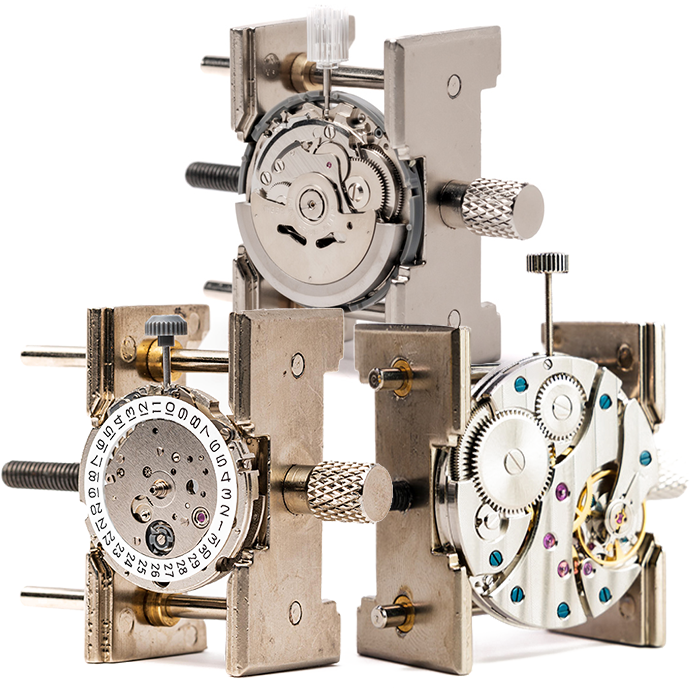
Several popular movements use high 28,800 vph beat rates. Quality movement kits often specify beat rates clearly.
Seiko NH36
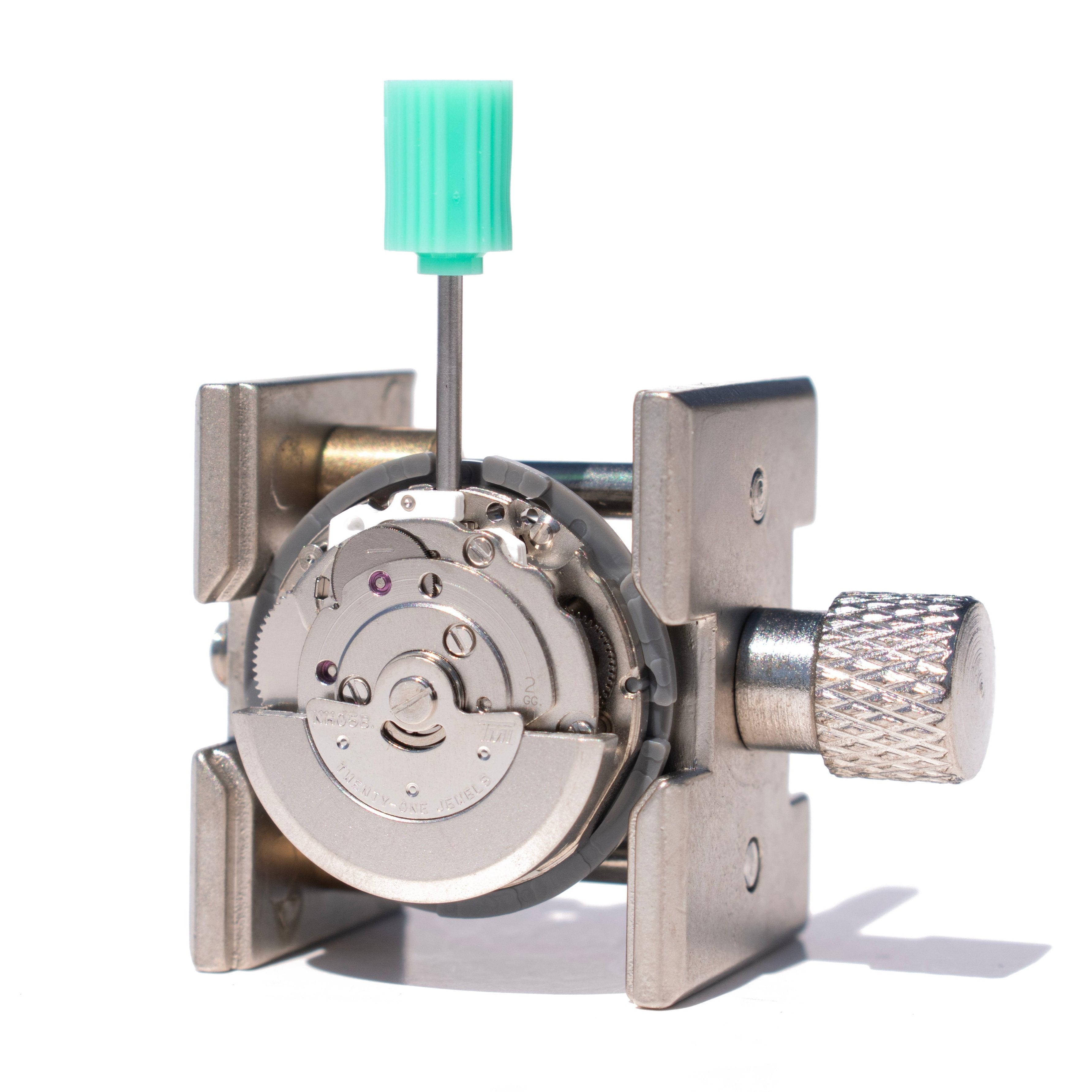
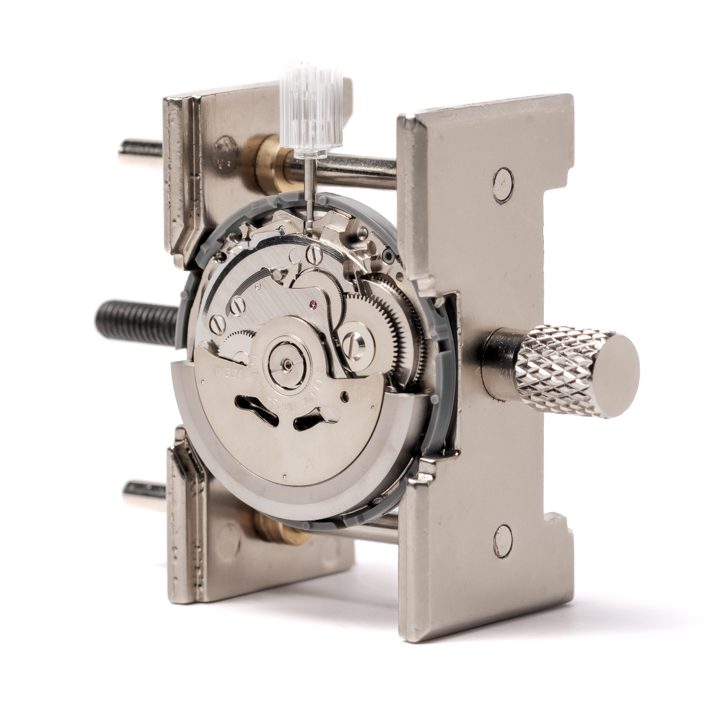
The NH36 automatic movement runs at 21,600 vph, considered standard beat. Smooth enough for most applications while maintaining good power reserve.
Miyota 8215
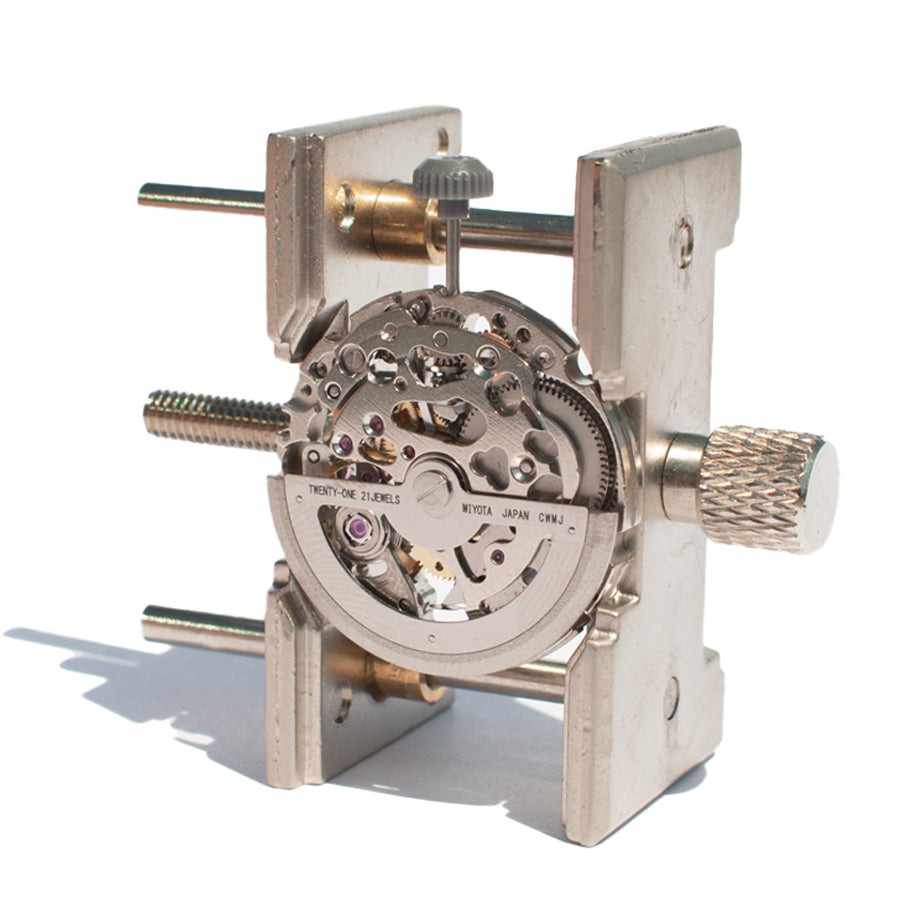
Miyota's 8215 also operates at 21,600 vph. The reliable movement balances smoothness with efficiency.
ETA 2824
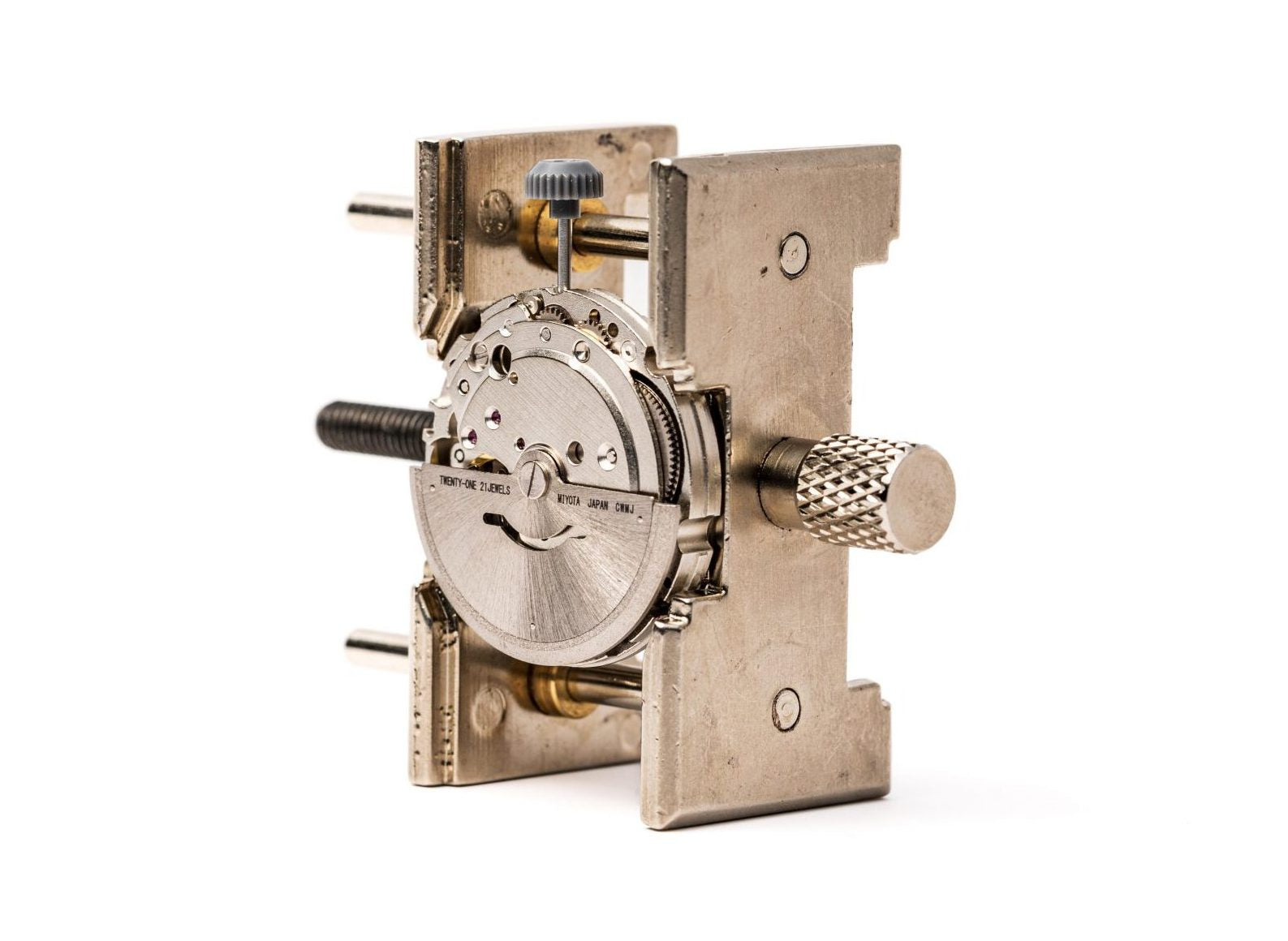
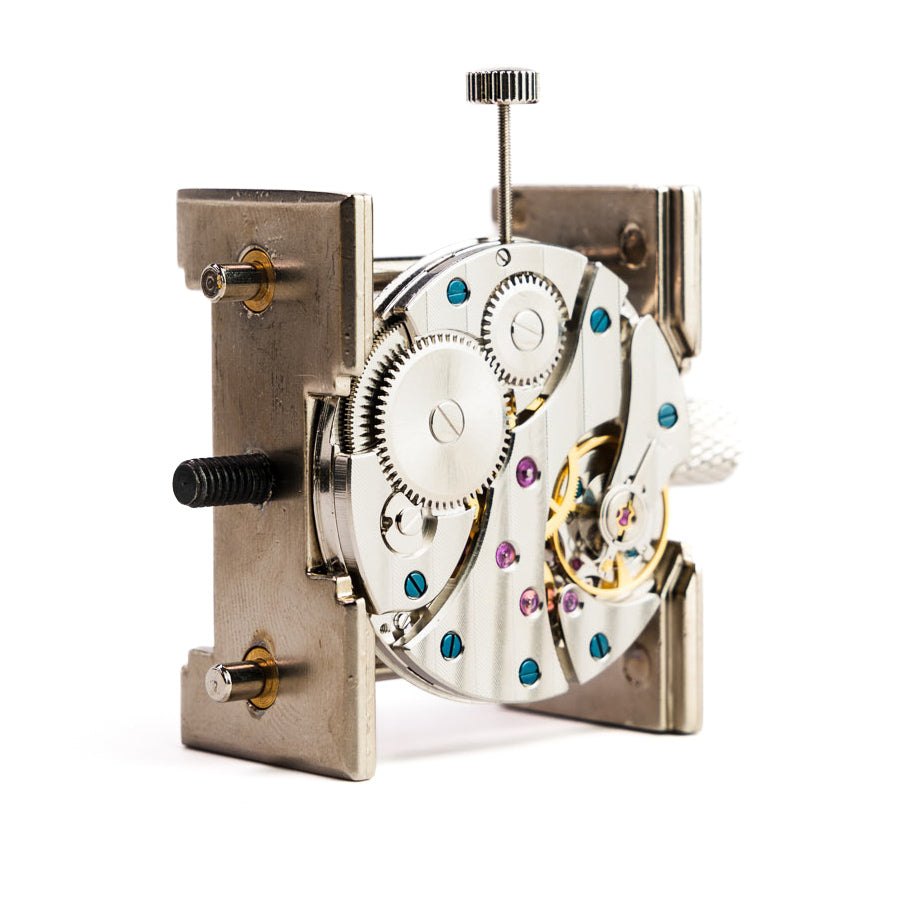
Popular Swiss ETA 2824 movements run at 28,800 vph. The high beat rate contributes to their reputation for smooth operation and accuracy.
Choosing Beat Rates for Projects
First-time builders rarely need to prioritize beat rate. Other factors like reliability, cost, and availability matter more initially.
Aesthetic Considerations
If smooth sweep particularly appeals to you, seek 28,800 vph movements. Visual smoothness justifies the feature for aesthetics-focused builders.
Functional builders prioritize reliability and reserve duration. Standard beat rates work perfectly fine for accurate timekeeping.
Movement Availability
High beat movements cost slightly more than standard beat versions. Availability varies by manufacturer and model.
Building kits typically include movements at standard beat rates. Smooth enough for daily appreciation while maintaining cost efficiency.
Historical Context
Early mechanical watches used relatively slow beat rates. Technology and manufacturing improvements enabled faster beating over decades.
Evolution of Standards
18,000 vph dominated early watchmaking. Movements were larger and less precisely manufactured. Slower beats matched available technology.
As manufacturing improved, 21,600 vph became standard by mid-20th century. Better materials and precision enabled faster beating.
Modern movements reaching 28,800 or 36,000 vph showcase advanced manufacturing capabilities. Only recent decades made ultra-high beat practical.
Does Higher Always Mean Better?
High beat movements demonstrate technical achievement but don't automatically outperform standard beat designs.
Balanced Designs Matter Most
Total movement design affects performance more than beat rate alone. Excellent standard beat movements exceed mediocre high beat ones.
Consider beat rate as one specification among many. Assembly quality, adjustment, and materials all impact final performance significantly.
Conclusion
Beat rate affects watch aesthetics and technical performance. Understanding specifications helps you appreciate movement characteristics when building timepieces.
Rotate Watches provides movement kits with clearly specified beat rates. Quality components and comprehensive guides ensure successful builds regardless of oscillation frequency.
Build understanding through hands-on experience. Start your mechanical watch education today.
Frequently Asked Questions
Can you hear beat rate differences?
Yes. Low beat movements tick slower and more distinctly. High beat movements produce faster, quieter ticking. Close listening reveals clear differences.
Do high beat movements cost more?
Slightly. Increased manufacturing precision and potential wear resistance requirements add cost. Differences remain modest in most movements.
Will high beat watches last as long?
Properly maintained high beat movements last decades or more. Increased wear matters over very long timescales but regular servicing prevents problems.
Can you upgrade movements to higher beat rates?
No. Beat rate is fundamental design characteristic determined by balance wheel, hairspring, and escapement configuration. Movements can't change beat rates through adjustment.
Which beat rate is best for beginners?
Standard 21,600 vph movements work excellently for first builds. Smooth enough for appreciation while offering good reserves and reliability.
Why don't all movements use highest beat rates?
Power consumption, wear, and manufacturing cost increase with beat rate. Most applications don't benefit enough to justify very high beat rates.