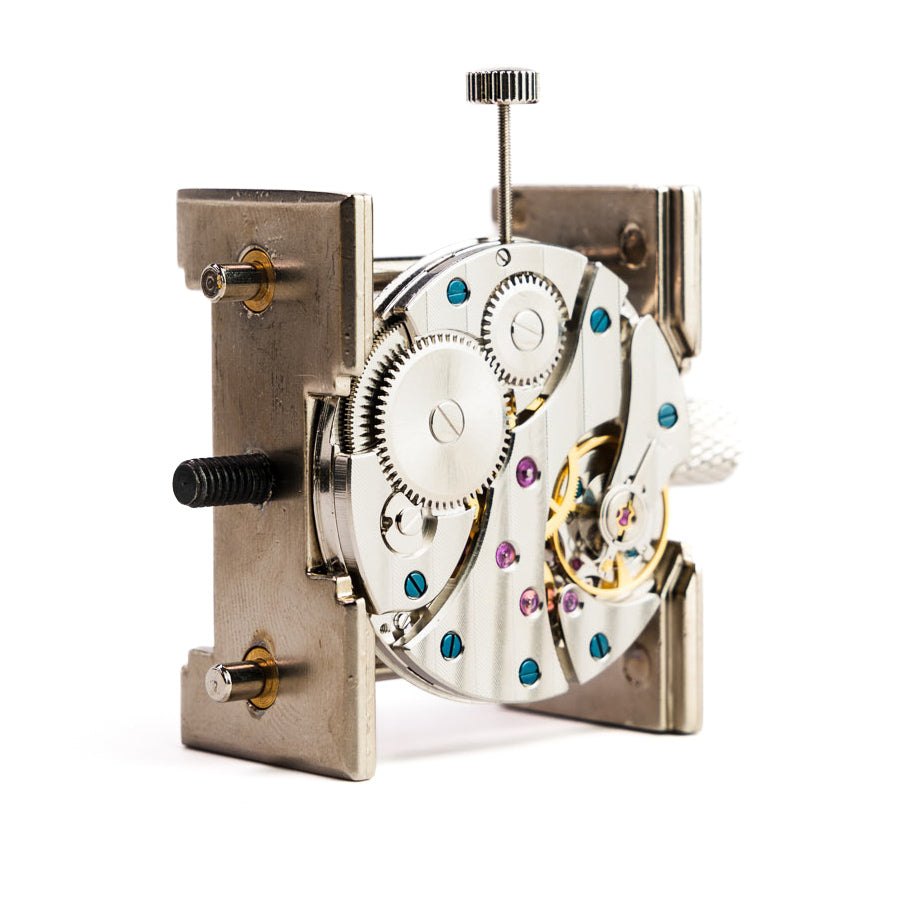


How to Maintain an Automatic Watch
Automatic watches need basic care maintaining performance and longevity. Proper maintenance prevents problems and extends watch life decades or more.
Understanding simple care routines keeps automatic movements running smoothly without expensive repairs.
Daily Wearing Practices
Regular wearing maintains automatic watches optimally. Wrist motion winds movements continuously, keeping power reserves topped up.
Wearing Consistency
Wear your automatic watch daily if possible. Consistent wearing prevents power depletion and keeps lubricants distributed.
Removing watches nightly remains fine. Watches maintain power overnight and resume winding when worn again.
Activity Considerations
Normal daily activities provide adequate winding. Desk work, walking, and routine tasks generate sufficient motion.
Extreme impacts may affect regulation. Remove watches during heavy construction, contact sports, or activities risking hard knocks.
Manual Winding When Needed
After extended non-wearing, manual winding jumpstarts movements before wearing. Turn crown clockwise until slight resistance indicates full wind.
Proper Winding Technique
Wind slowly and steadily. Rapid winding risks damaging delicate gear trains. Stop when resistance increases significantly.
Modern movements include slip-clutch mechanisms preventing overwinding damage. However, avoid forcing crowns past resistance points.
When to Wind
Wind after:
- Multi-day storage without wearing
- Watch stopping from power depletion
- Before wearing if power reserve ran low
- Initial use of new watches
Regular wearing reduces manual winding frequency. Automatic function handles daily maintenance.
Storage Best Practices
Store unworn watches properly protecting movements and finishes.
Watch Boxes
Keep watches in boxes or cases protecting from dust and impacts. Soft interiors prevent scratching.
Avoid completely sealed containers trapping moisture. Slight air circulation prevents condensation buildup.
Watch Winders
Winders keep automatic movements running during non-wearing periods. Rotation simulates wrist motion maintaining power.
Casual collectors rarely need winders. Daily wear provides adequate winding. Winders suit people owning multiple watches rotating usage.
Environment Considerations
Store in stable temperature and humidity. Extreme heat or cold affects lubricants and materials.
Avoid magnetism sources. Speakers, computers, and magnetic clasps potentially magnetize movements causing timekeeping errors.
Cleaning and Care
External cleaning maintains appearance without affecting movement function.
Case and Crystal
Wipe cases with soft cloth removing fingerprints and smudges. Damp cloth handles stubborn dirt.
Avoid abrasive cleaners damaging finishes. Gentle soap and water work for waterproof watches.
Strap Maintenance
Leather straps need occasional conditioning preventing cracking. Metal bracelets rinse clean with water.
Replace worn straps before deterioration affects wearing comfort. Quality watch kits include durable straps, but all straps eventually wear.
Water Resistance Awareness
Water resistance degrades over time. Gaskets compress and seals deteriorate.
Testing Recommendations
Test water resistance annually for watches exposed to water regularly. Testing ensures gaskets maintain sealing integrity.
Avoid opening case backs yourself. Breaking seals compromises water resistance requiring professional resealing.
Activity Limitations
Know your watch's water resistance rating. 3ATM handles splashes. 10ATM allows swimming. 20ATM+ suits diving.
Hot water accelerates gasket aging. Remove watches during hot showers even if rated waterproof.
Professional Servicing Schedule
Complete servicing every 5-7 years maintains optimal performance. Watchmakers disassemble movements, clean parts, replace lubricants, and regulate timing.
Service Indicators
Consider servicing when:
- Accuracy deteriorates noticeably
- Power reserve decreases significantly
- Movement makes unusual noises
- Watch stops randomly during wearing
- Five to seven years pass since last service
Watch building experience helps you recognize when movements need professional attention.
Service Costs
Basic servicing costs $100-$300 depending on movement complexity. Major repairs or part replacements cost more.
Budget for regular maintenance. Preventive servicing costs less than repairing neglected movements.
Common Problems to Avoid
Simple precautions prevent most watch problems.
Crown Care
Push crowns completely before wearing. Pulled crowns allow water entry and accelerate power drain.
Screw-down crowns need tightening after time setting. Verify crowns seat properly before water exposure.
Impact Protection
Avoid hard impacts on crowns or crystals. Sideways crown impacts damage stems.
Crystals crack from sudden shocks. Be cautious wearing watches during activities risking impact.
Chemical Exposure
Chemicals in soaps, perfumes, and cleaning products may affect gaskets and finishes. Apply perfumes before wearing watches.
Rinse watches with fresh water after saltwater or chlorine exposure.
Troubleshooting Minor Issues
Some problems fix easily without professional help.
Watch Stopped Running
First, wind manually. Extended non-wearing depletes power reserves.
If manual winding doesn't start movement, professional service likely needed.
Inaccurate Timekeeping
Magnetization causes sudden accuracy changes. Demagnetizing tools fix this quickly.
Gradual accuracy deterioration indicates need for regulation or servicing.
Date Issues
Date changes slowly over midnight rather than instantaneously. Allow several hours for complete change.
Avoid quick-setting dates between 9 PM and 3 AM. Mechanism engages during these hours.
Building Your Own Watches
Watch building teaches maintenance fundamentals. You understand movement assembly intimately.
Builders often perform basic maintenance themselves. Skills transfer directly to servicing personal watches.
Conclusion
Automatic watch maintenance combines simple daily practices with periodic professional servicing. Basic care ensures reliable performance for years.
Rotate Watches provides automatic watch kits teaching movement assembly and care. Understanding construction informs better maintenance practices.
Build and maintain your automatic watches. Start your journey today.
Frequently Asked Questions
How often should you wind automatic watches?
Daily wearing provides adequate automatic winding. Manual winding helps after extended non-wearing. Wind until slight resistance indicates full mainspring.
Can automatic watches be overwound?
Modern automatic movements include mechanisms preventing overwinding damage. However, avoid forcing crowns past clear resistance points.
Should watches stay wound when not worn?
Watches can sit unwound safely. Some people prefer keeping movements running continuously. Neither approach harms watches if basic care follows.
How do you know when servicing is needed?
Accuracy deterioration, decreased power reserve, unusual noises, or 5-7 years since last service indicate servicing needs.
Can you shower with automatic watches?
Water resistance rating determines safe activities. Watches rated 5ATM or higher typically handle showers. Hot water accelerates gasket aging even with adequate ratings.
How long do automatic movements last?
Properly maintained automatic movements last decades or generations. Regular servicing prevents wear and maintains performance indefinitely.