

What Is ATM Water Resistance on a Watch?
You're looking at watch specifications and see "5 ATM" or "10 ATM" listed. What does that actually mean for everyday wear?
Can you swim with it?
Shower?
Wash dishes?
ATM stands for atmospheres, measuring how much water pressure a watch can handle. One atmosphere equals the pressure at sea level. A watch rated 5 ATM has been tested to withstand pressure equivalent to 50 meters of water depth.
However, the rating measures static pressure in lab conditions, not real-world dynamic pressure when you move your wrist through water.
Understanding ATM ratings helps you choose a watch build that matches your lifestyle without worrying about water damage.
Understanding ATM Ratings
What 3 ATM Actually Means
A 3 ATM rating (30 meters) protects against light water exposure. You can wear the watch in the rain or while washing your hands, but submersion in water risks damage. Swimming creates pressure spikes above 3 ATM when arms move through water.
Most dress watches carry 3 ATM ratings because they prioritize slim cases over heavy water sealing. The thin construction limits how many protective seals can fit.
The 5 ATM Standard
5 ATM (50 meters) handles showering and brief water contact. You can wash dishes, get caught in heavy rain, or accidentally splash water without concern. Swimming remains risky because arm movements create pressure peaks above the rating.
Many mechanical watch kits use 5 ATM ratings for balanced everyday protection. The sealing works for normal activities without adding excessive case thickness.
When 10 ATM Makes Sense
10 ATM (100 meters) marks the minimum for comfortable swimming. The watch handles pool swimming, snorkeling, and water sports without stress. You can wear it confidently around water without constant worry.
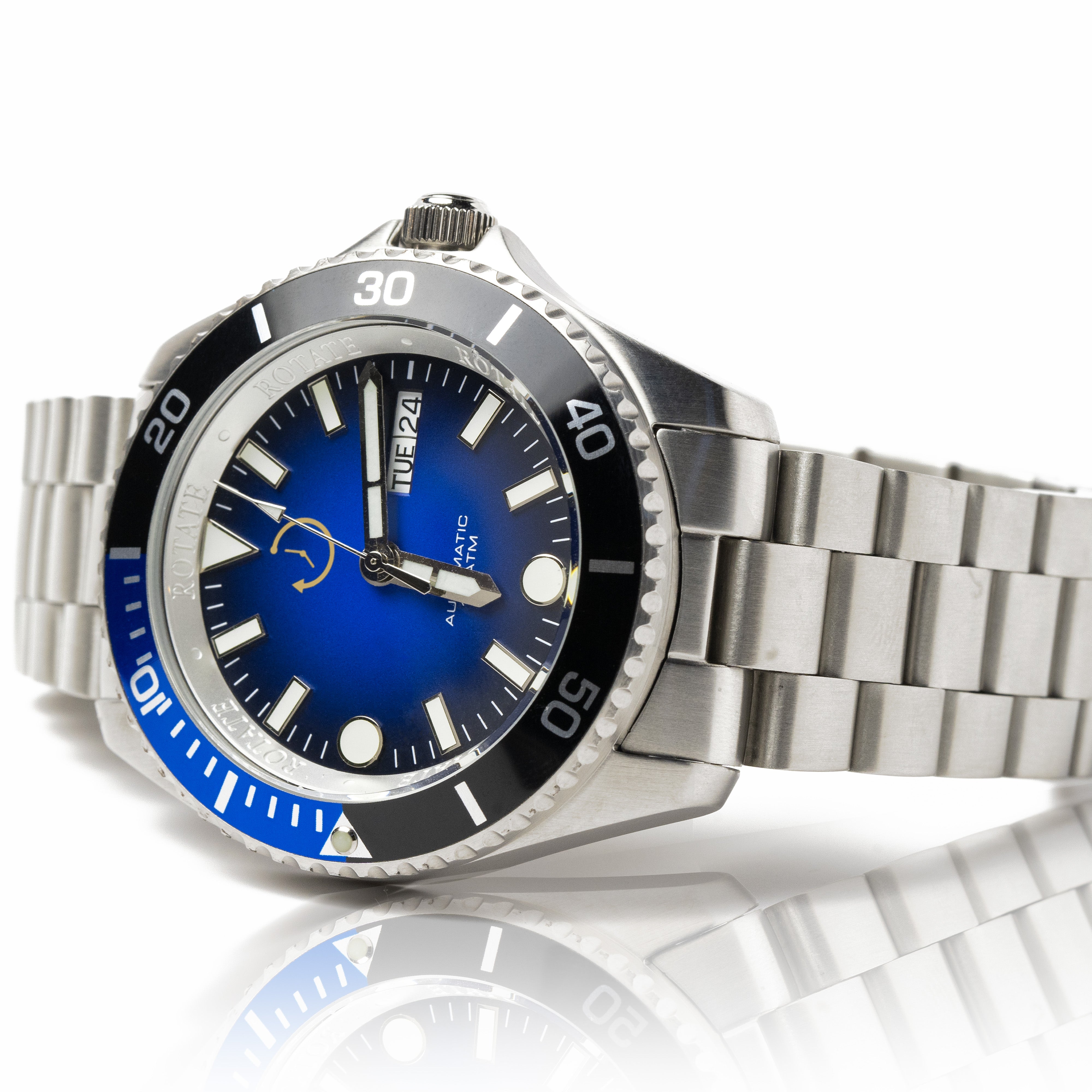
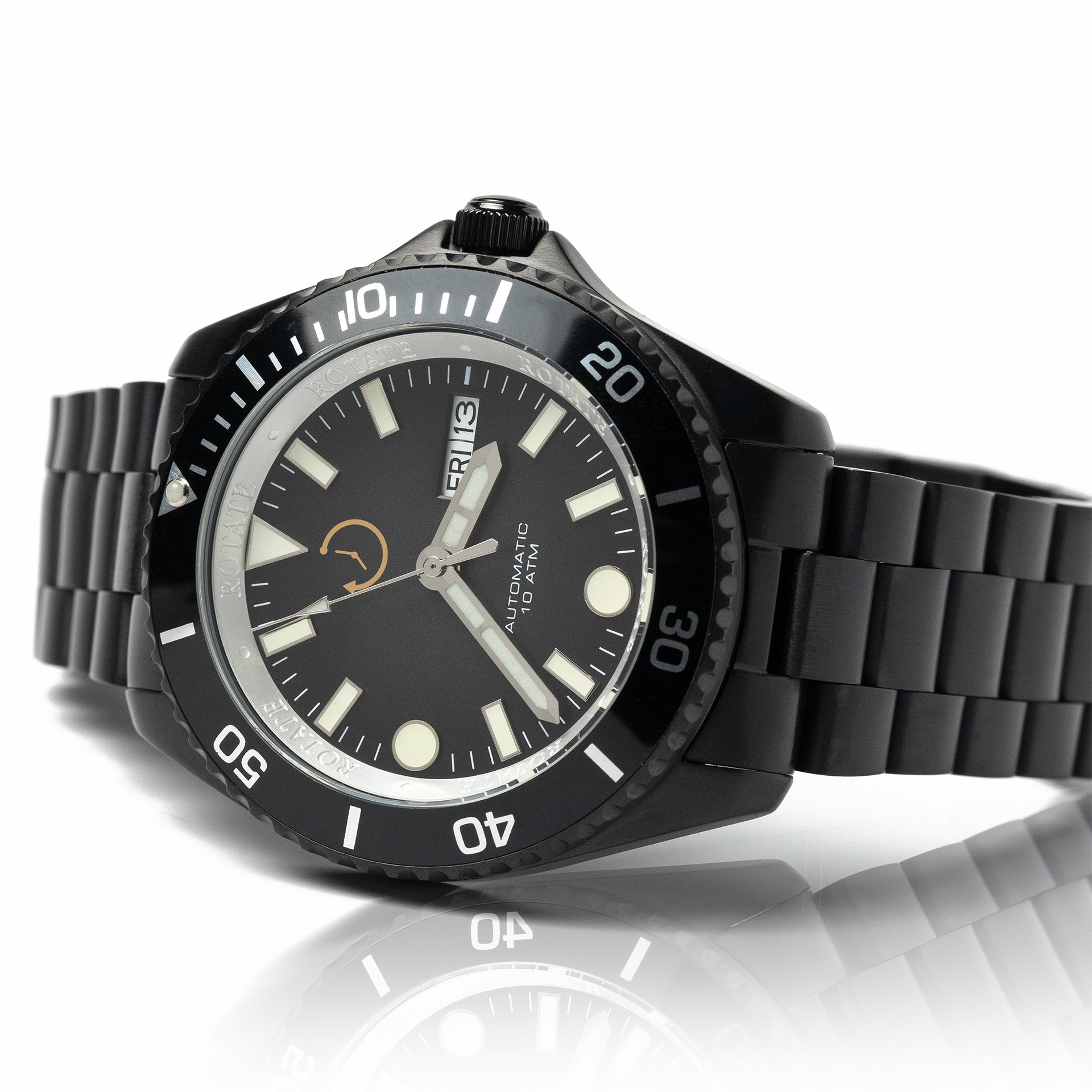
Watches like the Cabot watch kit feature 10 ATM ratings specifically for active lifestyles. The rotating bezel and enhanced sealing support water activities while maintaining wearable proportions.
Serious Water Resistance
20 ATM (200 meters) supports recreational diving and high-impact water sports. Professional dive watches often start at this rating, adding features like screw-down crowns and thicker case construction.
Beyond 30 ATM enters professional diving territory. Few everyday situations require this level of protection, but it provides maximum peace of mind for water enthusiasts.
How Water Resistance Works
The Role of Gaskets
Rubber gaskets seal potential water entry points where the case back meets the case, where the crystal attaches, and around the crown. Quality gaskets compressed properly create watertight barriers.
Gasket condition directly affects water resistance. Heat, sweat, chemicals, and time degrade rubber. Older watches may show ATM ratings, but no longer provide that protection.
Crown Design Impact
The crown represents the most vulnerable spot for water entry. Push-pull crowns found on most watches rely solely on gaskets for sealing. Screw-down crowns add mechanical compression, creating tighter seals.
Watches with screw-down crowns typically achieve higher ATM ratings more reliably. The mechanical pressure maintains seal integrity even as gaskets age slightly.
Case Construction Matters
Thicker case walls and reinforced crystal mounting points support higher water resistance. Thin dress watch cases cannot accommodate the robust sealing structures needed for serious water protection.
Case material affects durability. Stainless steel cases maintain dimensional stability under pressure better than lighter alloys. When building your own watch from a kit, the case quality determines long-term water resistance reliability.
Real-World ATM Guidelines
For Daily Wear
3 ATM suits office wear where water contact stays minimal. You can work, commute, and handle occasional splashes without concern.
5 ATM covers most daily activities, including kitchen work, bathroom routines, and light exercise. Most people find 5 ATM adequate for regular life.
For Active Lifestyles
10 ATM removes water-related restrictions for typical activities. Swimming, surfing, paddleboarding, and pool games all work fine. The watch becomes something you can truly forget about around water.
When selecting movement kits for active wear, consider pairing them with cases offering at least 10 ATM protection. The movement quality means nothing if water damages internal components.
For Water Sports
20 ATM handles freediving, scuba diving within recreational limits, and high-velocity water sports like jet skiing. The rating provides margin for sudden pressure changes and impacts.
Professional diving beyond recreational limits requires 30+ ATM ratings and specific dive watch certifications. The watches include helium escape valves and pressure-resistant construction.
Maintaining Water Resistance
Regular Inspection
Annual water resistance testing ensures gaskets remain effective. Testing requires specialized equipment that pressurizes the watch case while monitoring for air or water leaks.
Watch builders working with DIY watch kits should verify water resistance after assembly. Proper case back seating and crown alignment determine whether rated protection actually functions.
What Degrades Sealing
Hot water accelerates gasket aging. Chemicals in soap, shampoo, and chlorine attack rubber compounds. Sudden temperature changes cause case materials to expand and contract at different rates, stressing seals.
Rotating or pulling the crown while wet allows water past the gaskets. Always ensure crowns are pushed in fully before water exposure. Screw-down crowns must be tightened completely.
When to Replace Gaskets
Gasket replacement every two to three years maintains rated water resistance. More frequent replacement makes sense for watches exposed regularly to harsh conditions.
Building your own watch from a complete watch kit means you already understand the assembly process. Gasket replacement becomes a straightforward maintenance task rather than an expensive professional service.
Common ATM Rating Mistakes
Depth Ratings Aren't Dive Depths
A 50-meter rating doesn't mean diving to 50 meters. The rating measures static pressure in controlled conditions. Swimming movements, temperature changes, and water impact create dynamic pressures exceeding static ratings.
Safety margins exist, but relying on them invites problems. Use ATM ratings as activity guidelines, not depth limits.
Testing Limitations
Laboratory testing applies steady pressure for specific durations. Real-world use involves pressure spikes, repeated exposure, and aging effects not captured in initial testing.
A new watch meets its rating reliably. That same watch, five years later, may not work without maintenance. Don't assume old ATM ratings still apply.
Marketing vs Reality
Some manufacturers apply generous ATM ratings to improve marketability. Verify ratings come from established testing standards rather than marketing claims.
Building your own mechanical watch using quality components from trusted manufacturers ensures accurate ATM ratings. You control assembly quality and know exactly what protection your watch actually provides.
Build With Confidence
Understanding ATM ratings helps you select and maintain watches that match your lifestyle. Water resistance starts with quality construction and proper assembly.
Rotate Watches provides complete watchmaking kits with detailed assembly guides and proper sealing components. You learn how water resistance works by building it yourself.
From movement kits to complete timepieces, every project teaches practical watchmaking while creating something you'll actually wear.
Start building with quality components and clear instructions. Create a watch that fits your life.
Frequently Asked Questions
Can you shower with a 5 ATM watch?
Yes, 5 ATM handles shower water pressure. Avoid excessive heat and soap contact to preserve gasket life. Hot water and chemicals accelerate gasket aging over time.
Why does 30 meters not mean diving to 30 meters?
The 30-meter rating measures static water pressure equivalent to that depth. Swimming creates dynamic pressure spikes from arm movement. Use 10 ATM minimum for swimming.
How often should gaskets be replaced?
Replace gaskets every two to three years for maintained water resistance. More frequent replacement helps for watches exposed regularly to water, heat, or chemicals.
Do ATM ratings apply to old watches?
ATM ratings apply only when gaskets and seals remain in good condition. Older watches need testing and gasket replacement to maintain original ratings.
Can you press buttons underwater on a 10 ATM watch?
Avoid pressing pushers or pulling crowns underwater, even with high ATM ratings. Operating controls open sealing points, allowing water entry. Always operate controls with the watch dry.
What's the minimum ATM rating for swimming?
10 ATM provides comfortable swimming protection. Lower ratings risk damage from pressure spikes created by swimming motions through water.