

Watch Building Kit vs Individual Parts: What's the Smarter Choice?
You want to build a mechanical watch.
Should you buy a complete kit with everything included, or source individual parts separately? The choice affects your budget, timeline, and likelihood of successful completion.
Complete watch kits provide pre-selected components guaranteed to work together. Buying parts individually offers customization freedom but requires extensive research and compatibility knowledge. Understanding both approaches helps you make informed decisions.
Complete Watch Kits: The All-in-One Approach
What's Included
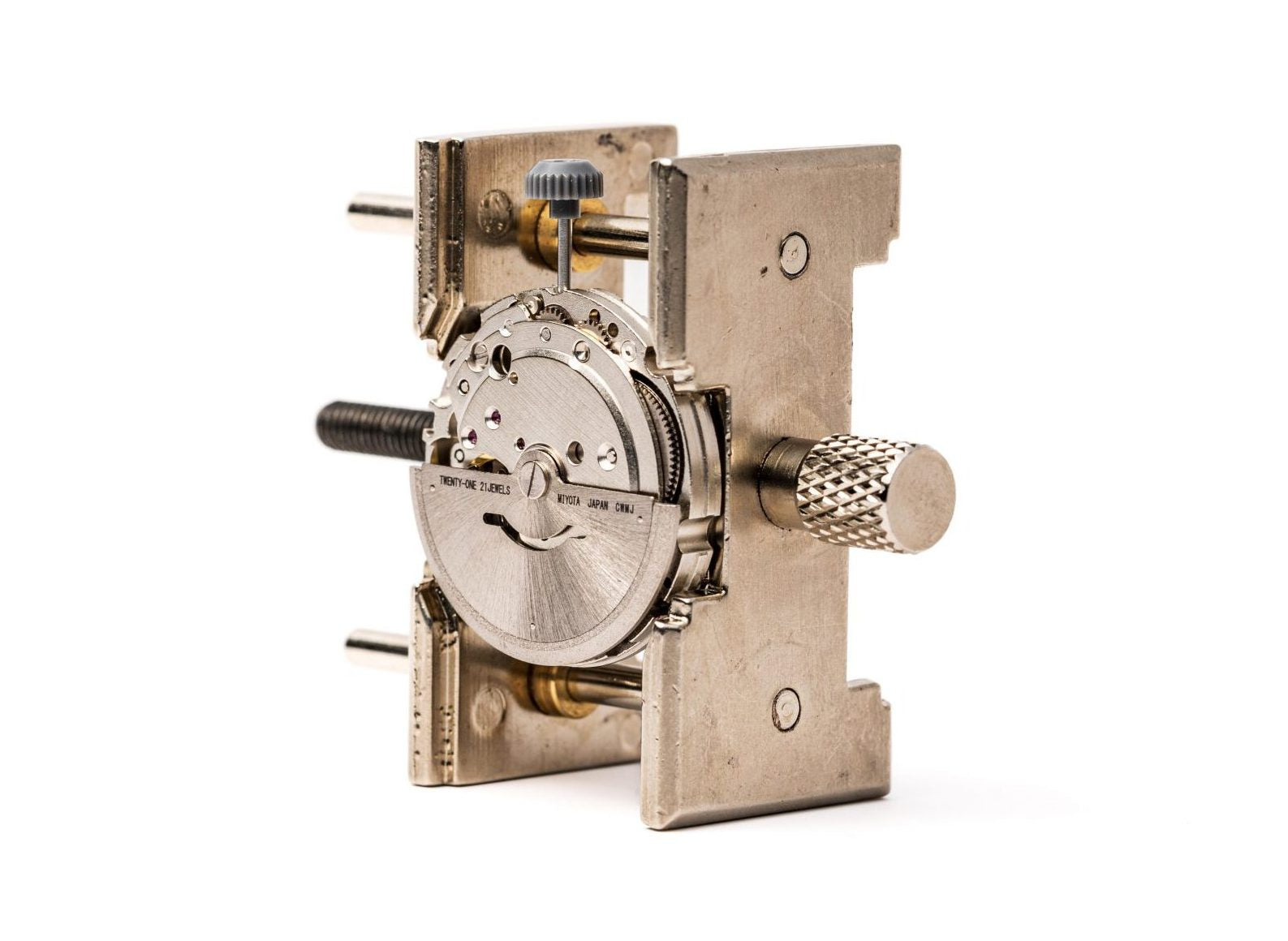
Complete watchmaking kits include movement, case, dial, hands, crystal, crown, strap, and necessary tools. Everything arrives together in one shipment. You unpack and start building immediately without hunting for missing components.
Quality kits add assembly guides explaining each step. The instructions anticipate common problems and provide troubleshooting solutions. Support teams answer questions when you get stuck.
Cost Advantages
Kit pricing typically costs less than buying equivalent parts separately. Manufacturers bundle components at package rates rather than individual retail prices. You save 20% to 40% compared to sourcing pieces independently.
Movement kits starting at $140 include tools that many beginners don't own. Buying tweezers, screwdrivers, and specialized equipment separately adds $50 to $100 to part-sourced projects.
Time Savings
Kits eliminate research time identifying compatible components. You don't verify that your chosen dial fits your movement or that the hands clear each other during rotation. Someone already tested the compatibility.
Shipping everything together means you start building when the package arrives. Sourcing parts individually requires multiple orders from different suppliers, with pieces arriving over days or weeks.
Guaranteed Compatibility
All kit components fit together correctly. The dial feet match the movement mounting holes. Hand lengths suit dial size. Crown threading matches the case tube diameter. Crystal dimensions fit the case bezel perfectly.
Compatibility mistakes with individually sourced parts can halt projects completely. You might order a dial that doesn't fit your movement, requiring returns and reorders that delay completion for weeks.
Quality Control
Reputable kit manufacturers quality-check components before packaging. They verify movement function, inspect case finishing, and confirm parts meet specifications. You receive tested components rather than hoping individual parts work properly.
Watch kits include lifetime warranties covering defective parts. Individual part sellers rarely offer comprehensive warranties on separate components.
Individual Parts: The Custom Route
Customization Freedom
Buying parts separately allows complete creative control. You choose exact dial color, hand style, case finish, and strap material. No pre-selected combinations limit your vision.
Want a specific vintage dial with modern movement? Need an unusual lug width for a particular strap? Individual sourcing makes unique combinations possible that pre-packaged kits can't offer.
Specific Availability
Discontinued movements or rare dial designs require individual sourcing. Complete kits offer current production components. Custom projects demand hunting specific parts from specialty suppliers.
Modifying existing watches needs replacement parts matching the original specifications. Individual sourcing provides exact replacements unavailable in kit format.
Learning Depth
Sourcing parts individually teaches compatibility requirements, part specifications, and supplier knowledge. You learn what makes components work together through direct research rather than following kit instructions.
The educational depth helps with future projects and repairs. You understand the watchmaking ecosystem rather than just following assembly steps.
Potential Pitfalls
Compatibility mistakes waste money and time. A case designed for one movement won't fit another. Dial feet spacing varies between manufacturers. Hand shaft diameters differ by fractions of millimeters that prevent installation.
Quality varies dramatically between suppliers. Cheap parts fail during assembly or shortly after completion. Researching reliable suppliers takes significant time without guaranteed success.
Multiple shipping costs from different vendors add up quickly. Parts from three suppliers might cost less individually than a kit, but shipping fees eliminate the savings.
Beginner Considerations
First Projects
Complete kits work better for first-time builders. You focus on learning assembly techniques rather than sourcing logistics. Success on your first project builds confidence for more complex future builds.
Beginner-friendly watch kits include detailed guides with photos showing each assembly step. Individual parts come without instructions. You research assembly procedures separately, adding complexity to an already challenging first project.
Tool Requirements
Kits include essential tools like screwdrivers, tweezers, spring bar tools, and gloves. Individual part sourcing assumes you already own specialized watchmaking equipment.
Tool investment for parts-based building reaches $100 to $200 before buying any watch components. Complete kits spread that cost across the project price.
Support Access
Kit manufacturers provide technical support throughout assembly. You ask questions about specific steps and receive expert guidance. Individual part sellers typically don't offer assembly support.
When you damage a component during assembly, kit manufacturers often replace parts at low or no cost. Individual part suppliers require full repurchase of damaged pieces.
Experienced Builder Options
Project Variety
Experienced builders benefit from individual part sourcing when creating unique designs or repairing specific watches. You've learned compatibility requirements through previous kit builds.
Knowledge from assembling multiple watch kits prepares you for independent part selection. You recognize quality indicators and avoid compatibility mistakes.
Supplier Relationships
Established builders develop relationships with reliable part suppliers. You know which vendors stock quality components and ship promptly. Trust reduces sourcing risks.
Bulk purchasing from preferred suppliers offers discounts that individual kit buyers don't access. High-volume builders source competitively priced components for multiple projects.
Collection Building
Custom builds let experienced watchmakers create personalized collections unavailable through standard kits. You design exactly what you want rather than choosing from preset options.
However, even experienced builders use kits for trying new movement types or exploring different watch styles. Kits remain valuable learning tools beyond beginner projects.
Cost Breakdown Comparison
Complete Kit Economics
A $245 complete watch kit includes movement, case, dial, hands, tools, and guide. Buying equivalent parts separately typically costs $300 to $350 plus shipping from multiple vendors.
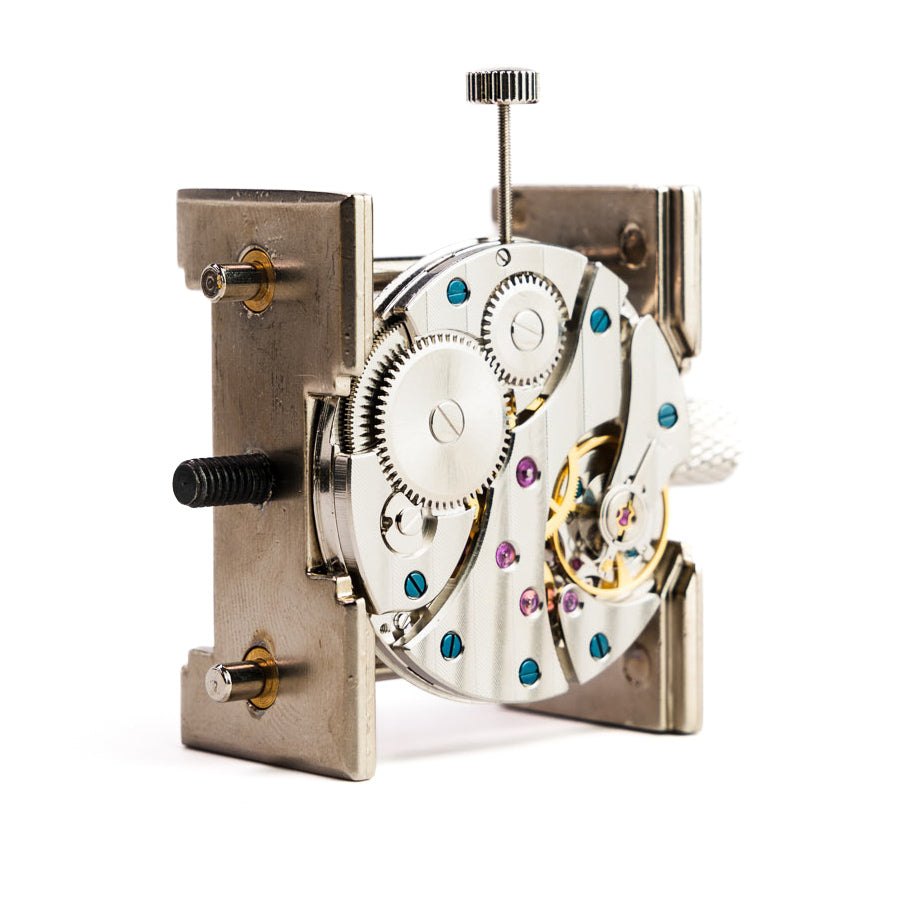
Movement kits at $140 teach movement assembly with all necessary components. Individual movement parts purchased separately cost $180 to $220, including specialized disassembly tools.
Individual Part Pricing
Quality movements alone cost $40 to $80. Cases range from $30 to $150, depending on material and finishing. Dials cost $15 to $40. Hands run $10 to $25. Crystals cost $8 to $20. Add a strap, crown, and tools, and individual sourcing quickly exceeds kit pricing.
Shipping from five different suppliers adds $30 to $60 to your project cost. International shipping increases costs further with customs fees and longer delivery times.
When to Choose Kits
Starting Out
Complete kits suit beginners perfectly. You learn assembly fundamentals without sourcing complications. Success on early projects motivates continued watchmaking exploration.
Kits eliminate the frustration of compatibility mistakes that discourage new builders. You complete functional watches rather than abandoning projects due to incorrect parts.
Time Constraints
Limited free time makes kits more practical than researching parts for hours. You spend time building rather than sourcing. The finished watch arrives sooner.
Standard Designs
If you want classic watch styles without unique customization, kits deliver exactly what you need at optimal pricing. No need for custom sourcing when preset combinations work perfectly.
Learning Focus
Kits let you focus on assembly technique and movement understanding. Parts sourcing skills develop naturally through multiple kit experiences before tackling independent projects.
When to Source Parts
Custom Visions
Unique designs requiring specific color combinations, unusual sizes, or discontinued components need individual sourcing. No pre-packaged kit matches your exact vision.
Repair Projects
Fixing existing watches requires exact replacement parts matching original specifications. Individual sourcing provides the specific components needed for repairs.
Collection Uniqueness
Experienced collectors creating personalized watch collections source parts independently. You differentiate your pieces from common kit-built watches.
Supplier Access
Once you've established relationships with reliable parts suppliers and learned compatibility requirements, individual sourcing becomes practical and cost-effective for high-volume building.
Start With Complete Kits
Smart watchmaking starts with complete kits providing everything needed for successful builds. You learn fundamentals through guided assembly before tackling custom sourcing challenges.
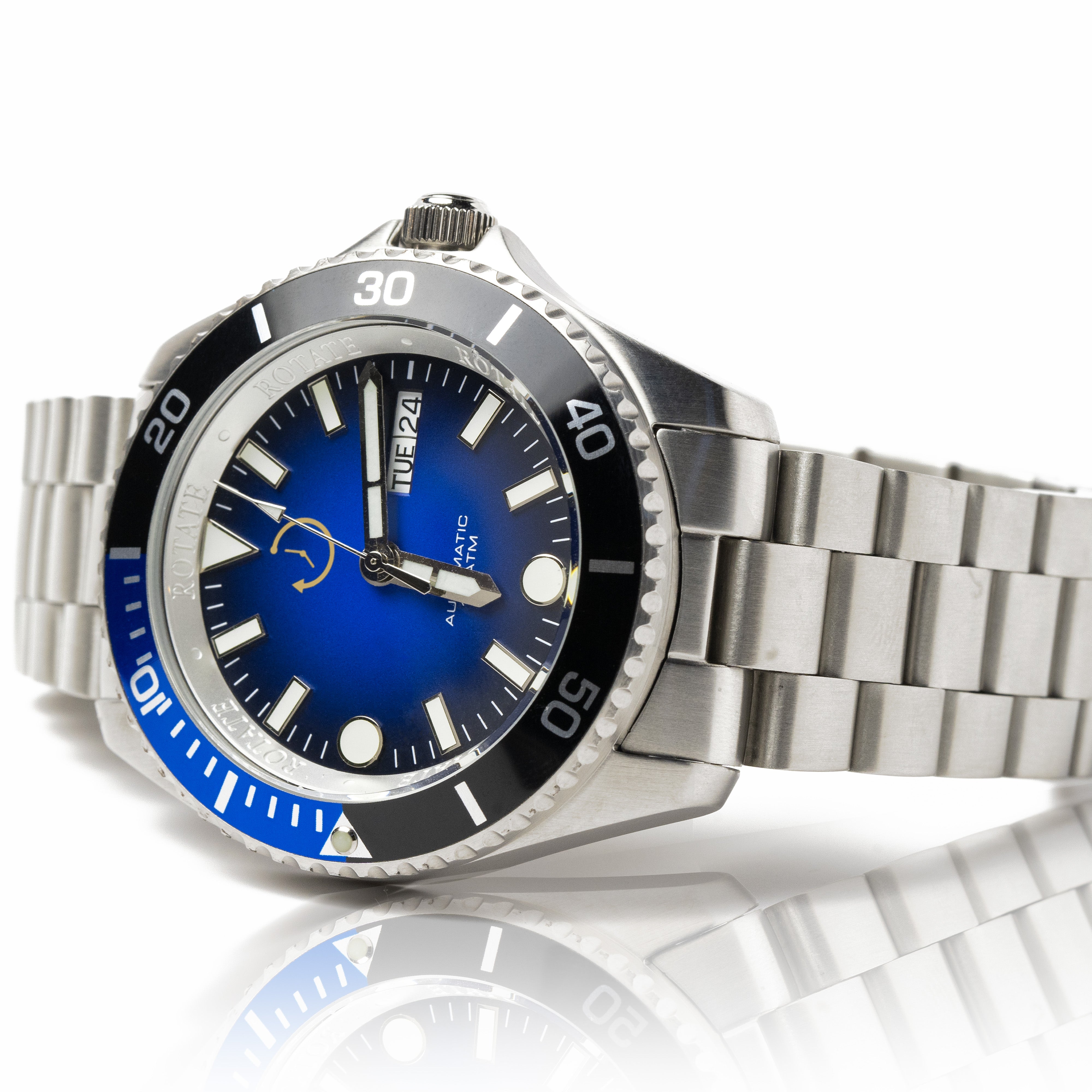
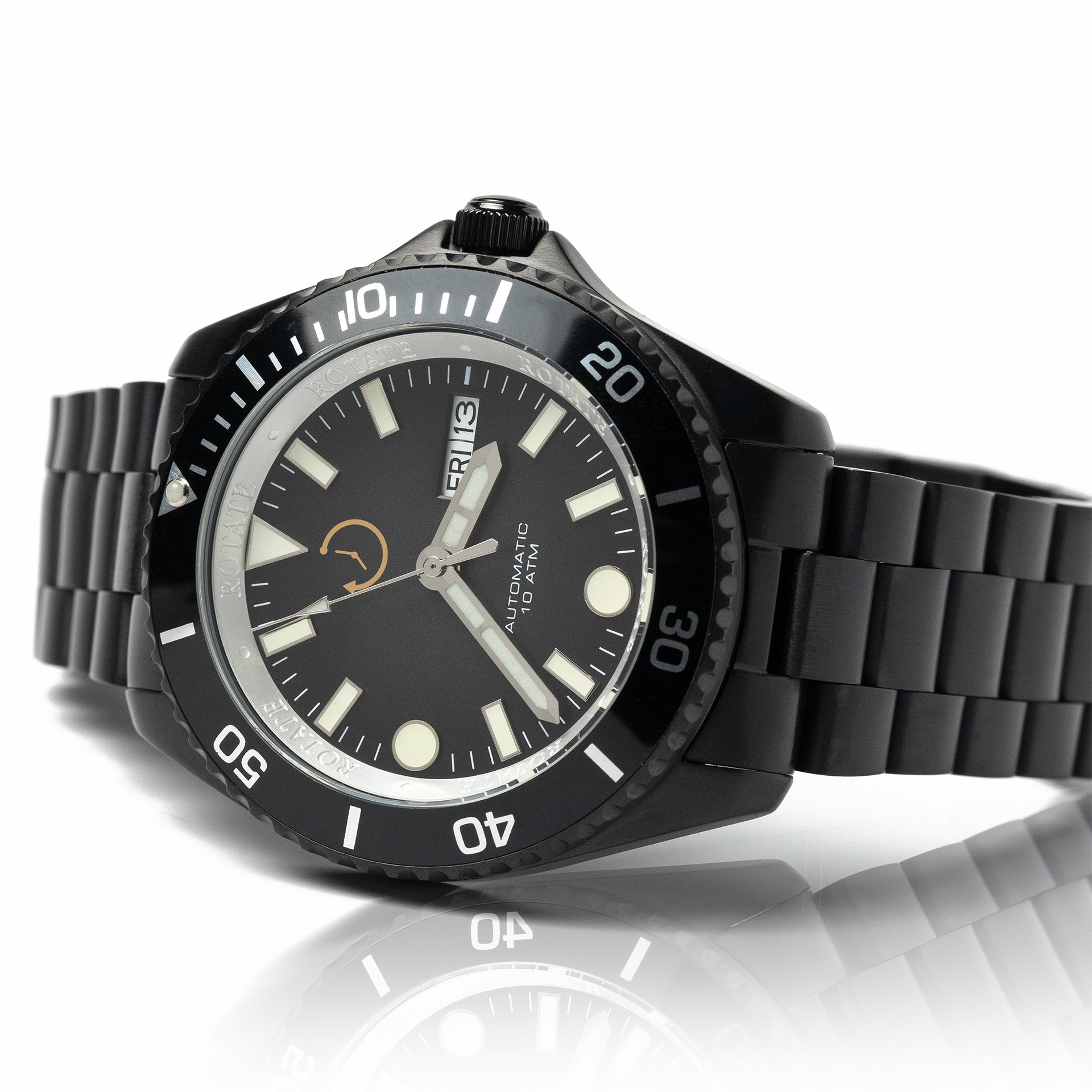
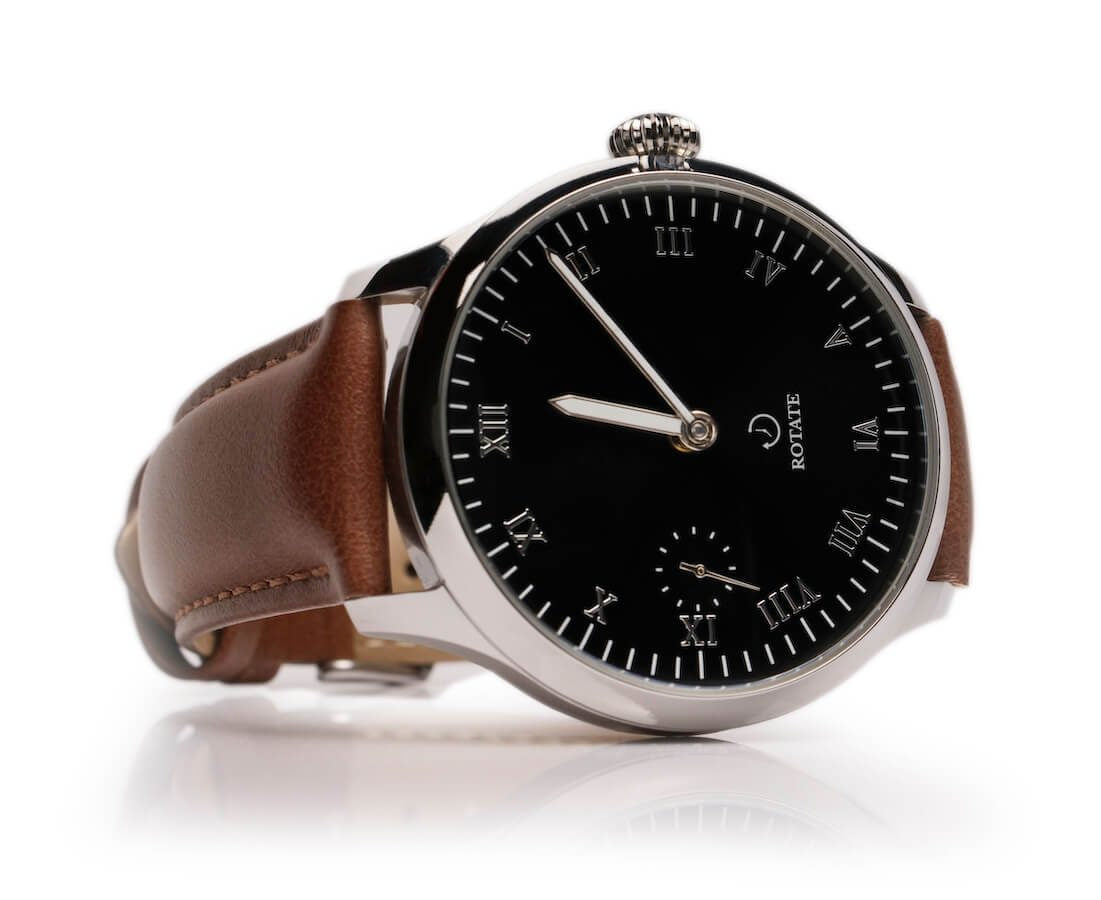
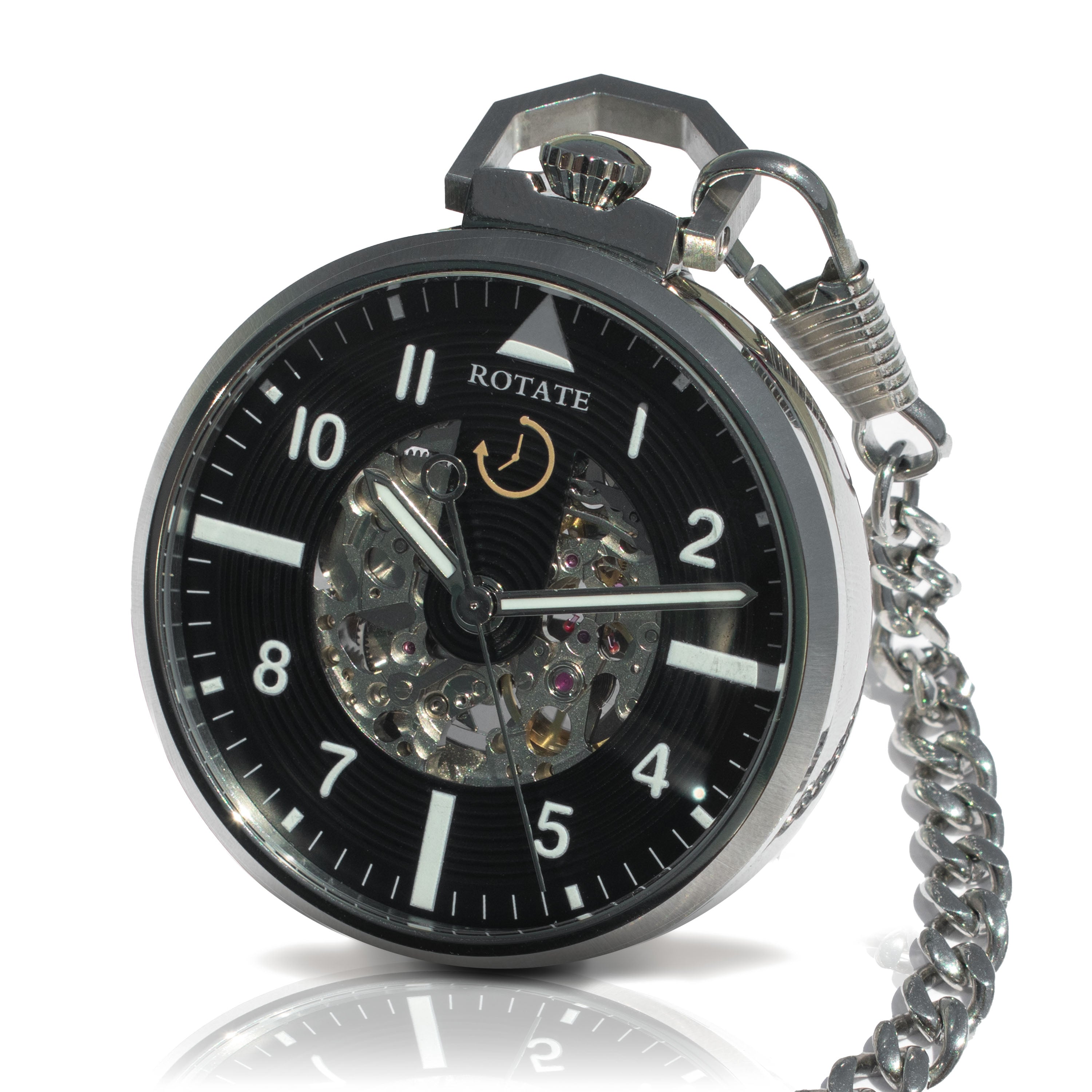
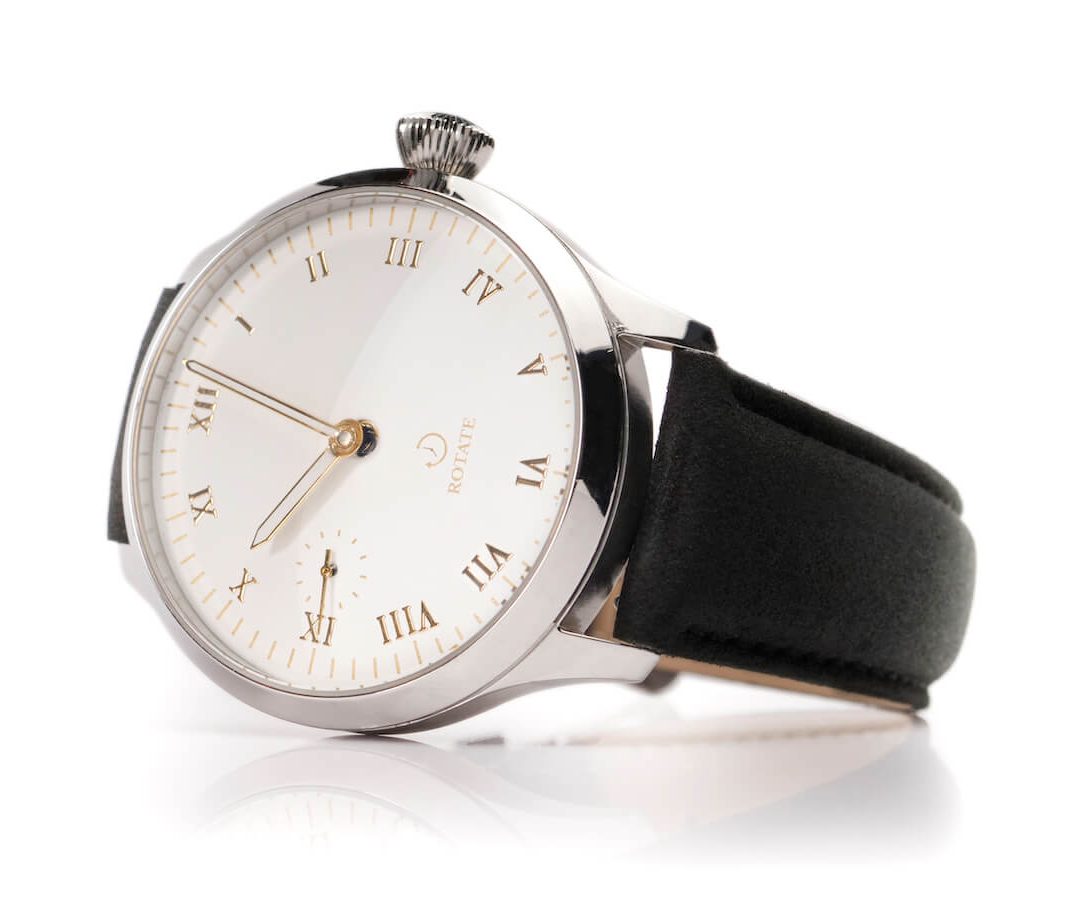
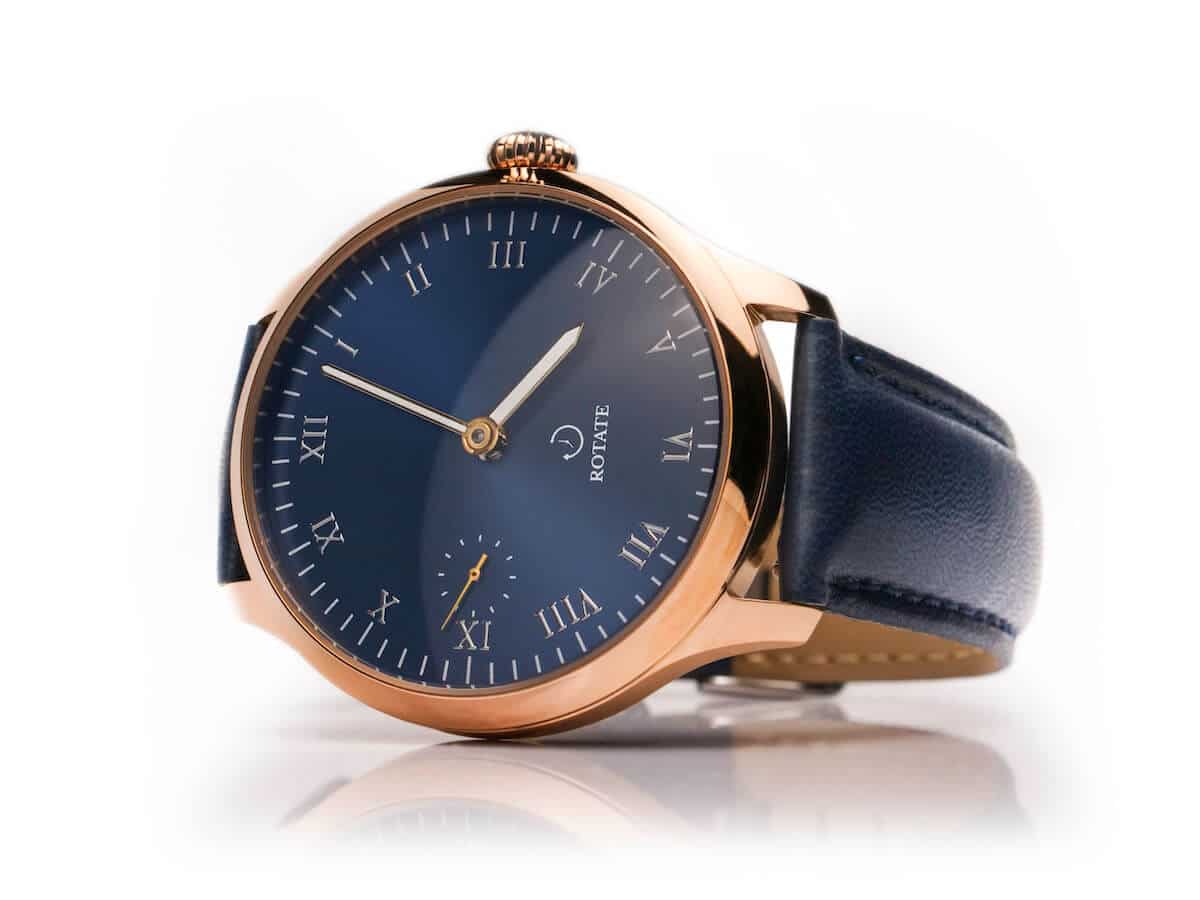
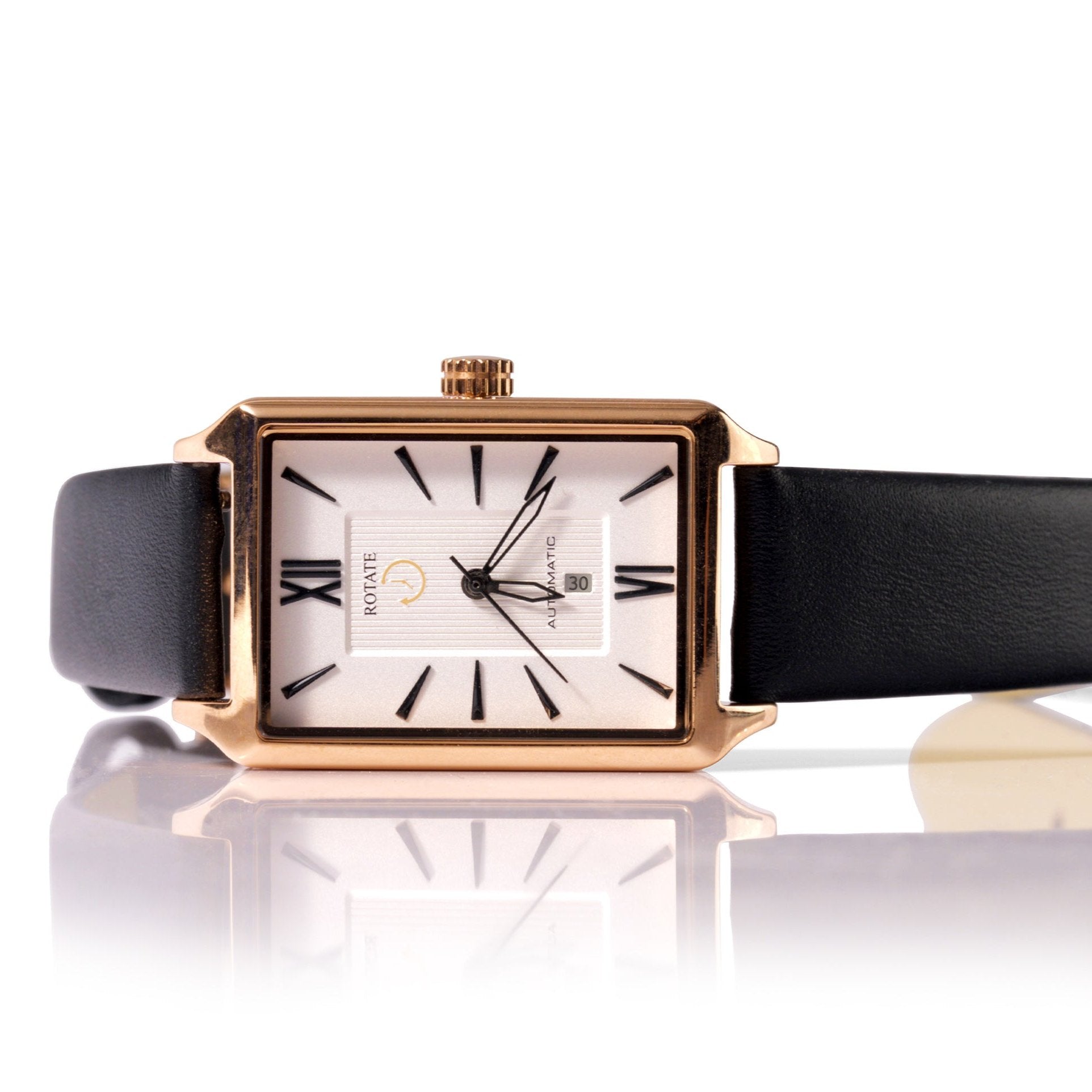
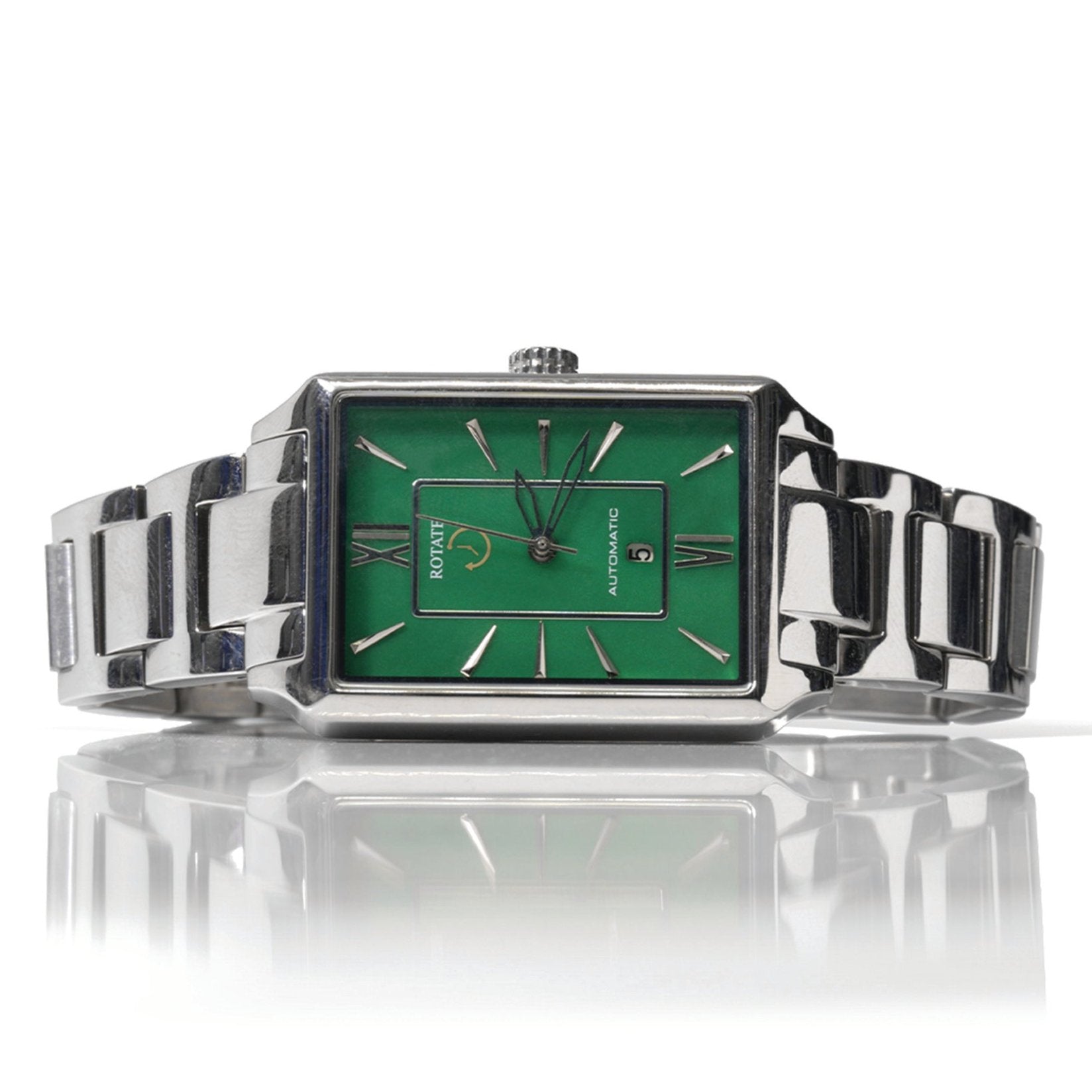
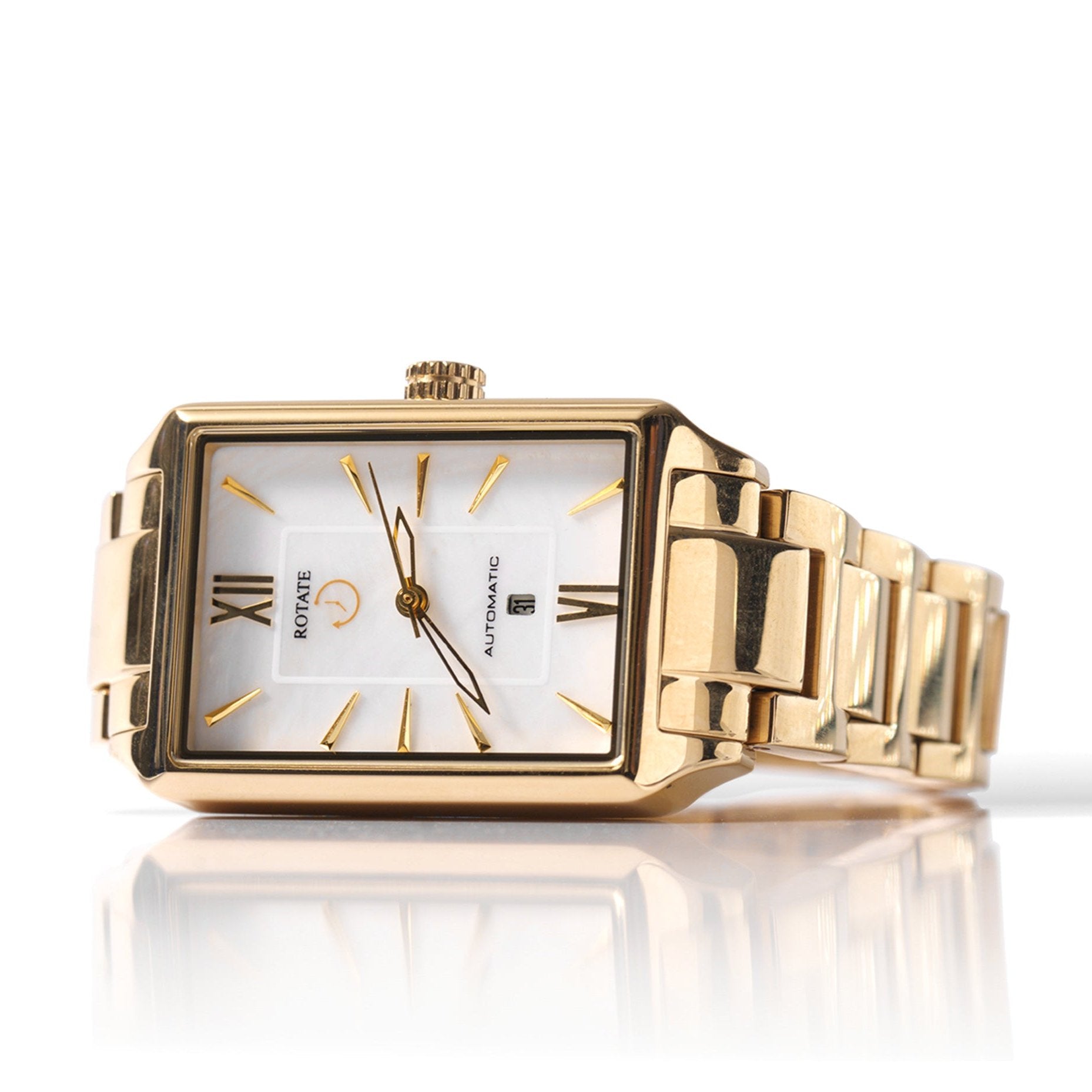
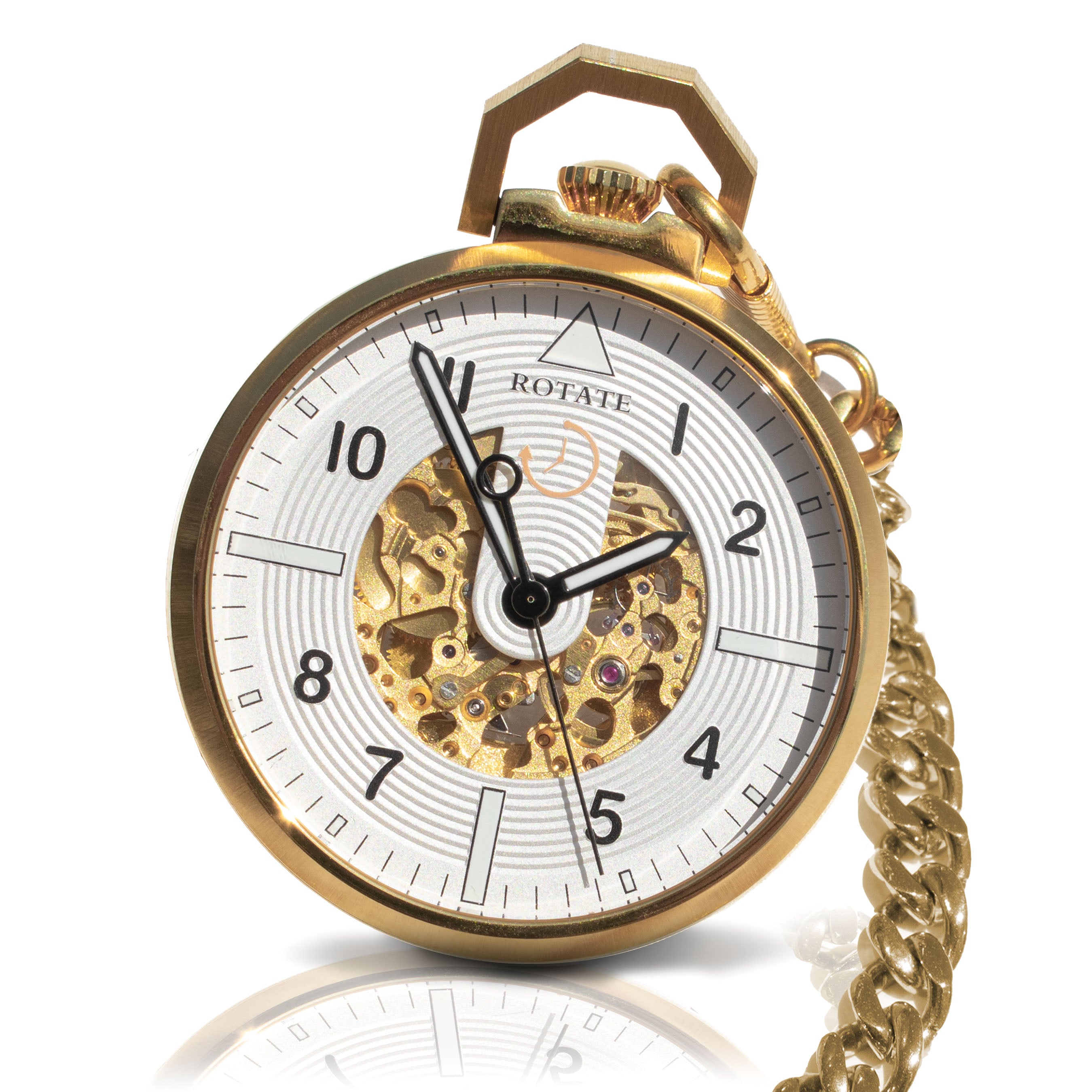
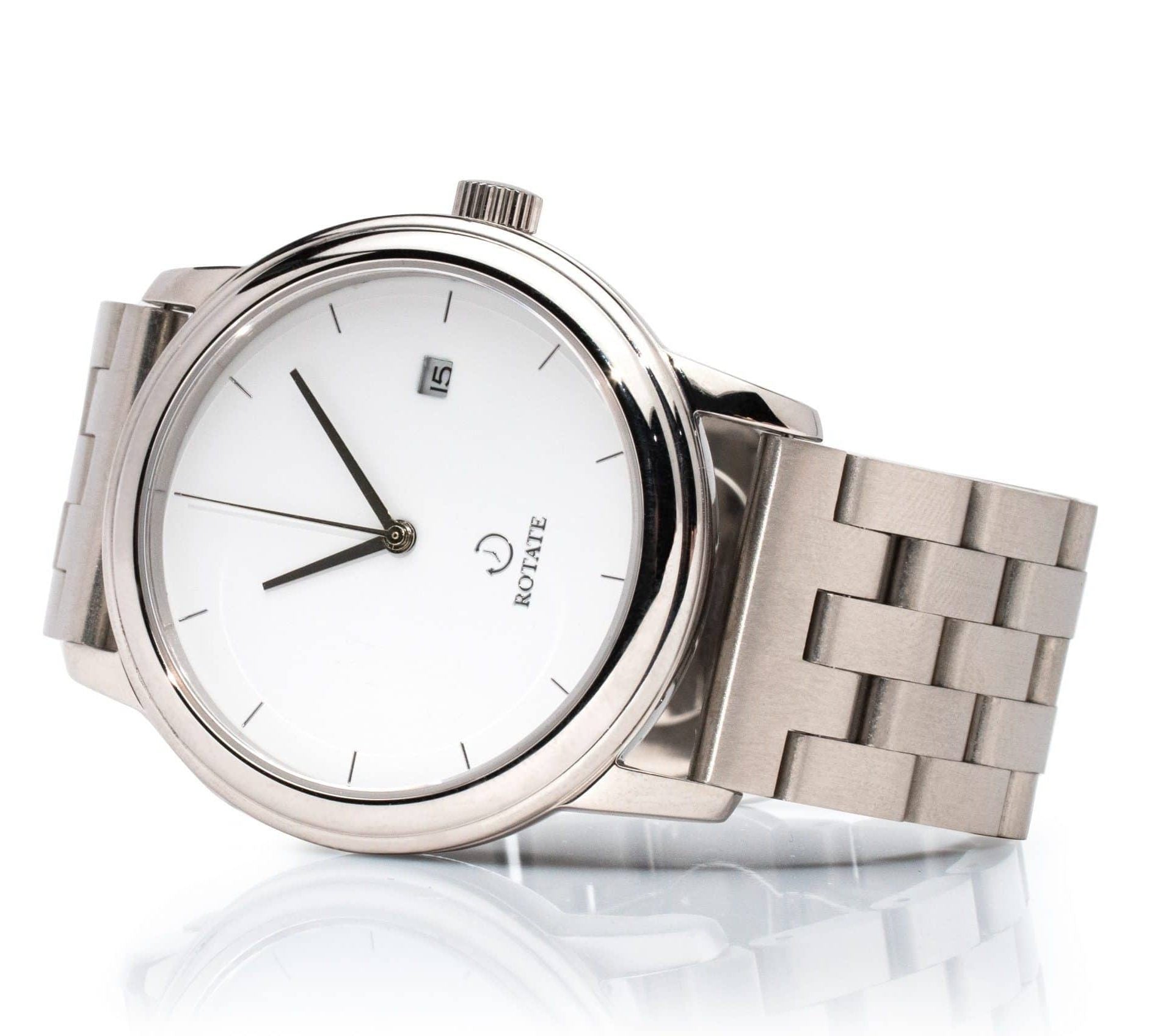
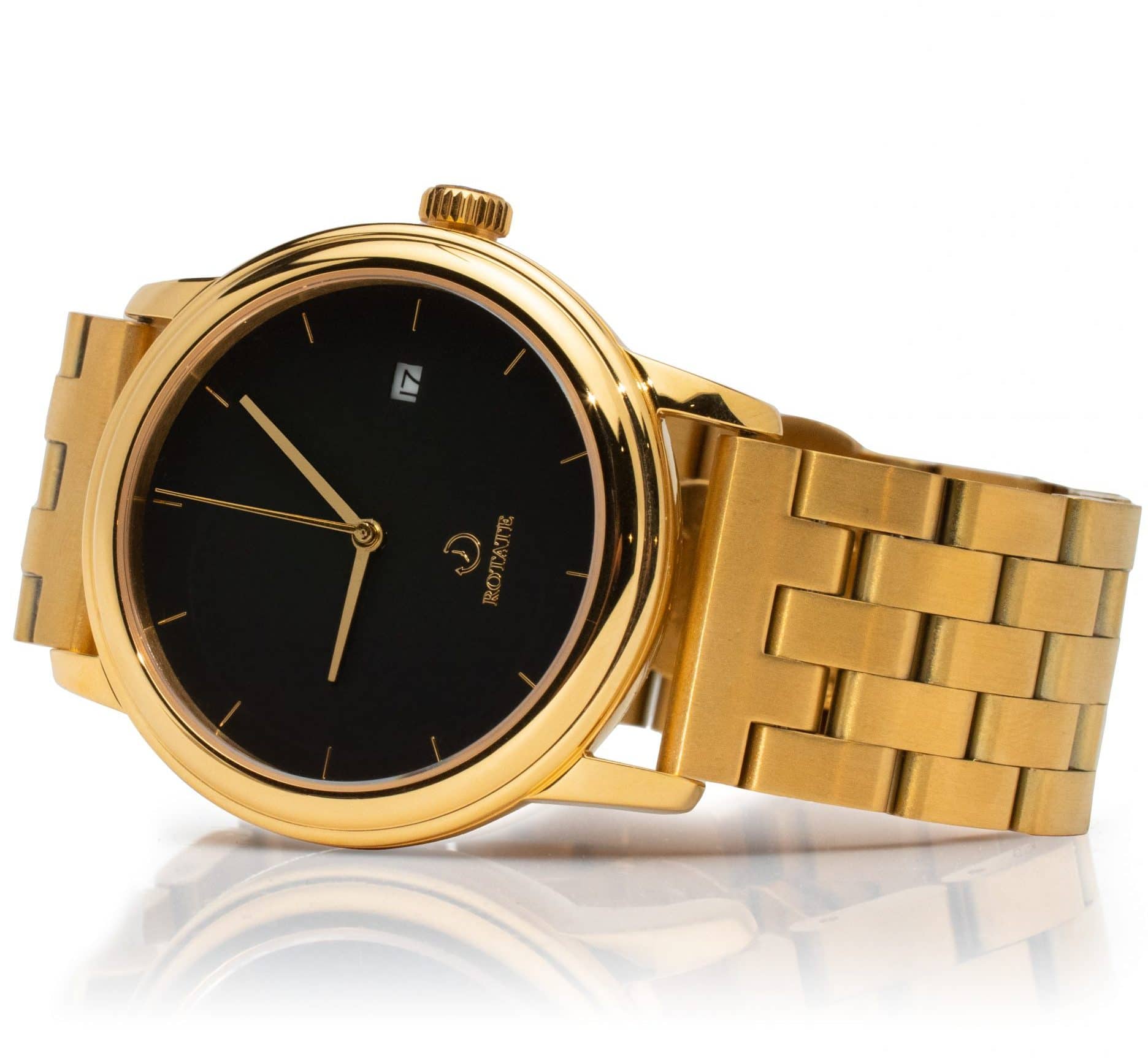
Rotate Watches offers complete watchmaking kits at fair pricing with comprehensive support. Every kit includes quality-checked components, detailed guides, and lifetime warranties.
Movement kits teach internal mechanisms while complete watch kits create wearable timepieces. Choose the learning path matching your goals.
Build your first watch with confidence today.
Frequently Asked Questions
Are watch kits cheaper than buying parts separately?
Yes, complete kits typically cost 20% to 40% less than equivalent individual parts plus shipping. Kits bundle components at package pricing and include tools many builders don't own.
Can beginners source watch parts individually?
Beginners can source parts, but compatibility mistakes waste time and money. Complete kits eliminate sourcing complications, letting beginners focus on learning assembly techniques.
Do watch kits limit creativity?
Kits offer preset component combinations, limiting some customization. However, most kits provide multiple style options. Beginners benefit more from guaranteed compatibility than unlimited customization.
What tools come with watch kits?
Quality kits include screwdrivers, tweezers, spring bar tools, strap adjustment tools, pliers, glue, and gloves. The tools handle assembly and adjustments without buying separate equipment.
Can you use kit parts in custom builds?
Yes, components from kits work in custom projects. Many builders start with complete kits, then purchase additional dials, hands, or straps to customize their builds.
How long does individual part sourcing take?
Sourcing parts from multiple suppliers takes days to weeks, depending on inventory and shipping. Research time adds hours before placing orders. Complete kits arrive ready to build immediately.