

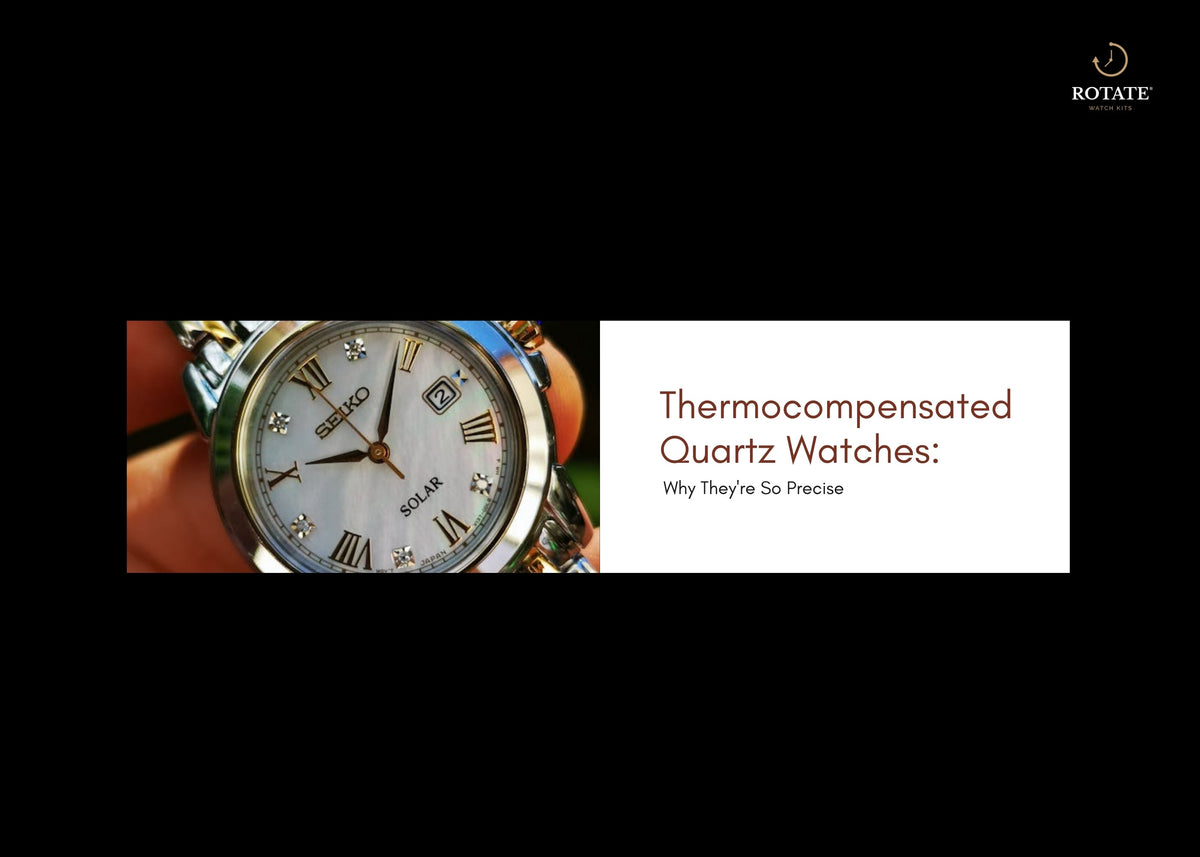
Thermocompensated Quartz Watches: Why They're So Precise
Standard quartz watches gain or lose 15 to 30 seconds monthly. Thermocompensated quartz (TC quartz) watches maintain accuracy within seconds per year, rivaling atomic clock precision.
Temperature affects quartz crystal oscillation frequency. Compensation technology corrects these variations, creating ultra-precise timekeeping unavailable in standard quartz or mechanical watches.
How Quartz Watches Work
Basic Quartz Technology
Quartz watches use piezoelectric crystals that oscillate at precise frequencies when electricity passes through them. A tiny battery powers the crystal and integrated circuit, counting oscillations.
Standard quartz crystals vibrate at 32,768 Hz. The circuit divides this frequency down to 1 Hz, driving a motor that advances the watch hands once per second.
Accuracy Limitations
Temperature changes affect quartz crystal oscillation frequency. Heat accelerates vibration slightly while cold slows it. The variations create timing errors accumulating over time.
Standard quartz watches compensate partially through crystal cuts and circuit design. However, residual temperature sensitivity limits accuracy to 15-30 seconds of monthly deviation.
Thermocompensation Technology
Temperature Sensors
TC quartz watches include temperature sensors monitoring crystal temperature continuously. Microprocessors read sensor data hundreds of times daily, tracking thermal changes.
The sensors detect temperature shifts as small as 0.1°C, enabling precise compensation calculations.
Frequency Adjustment
When temperature changes, the microprocessor calculates the resulting frequency deviation. The circuit adjusts oscillation counting to compensate for temperature-induced errors.
If temperature causes the crystal to oscillate slightly faster, the circuit reduces the counting rate proportionally. If cold slows oscillation, the counting rate increases. The adjustments maintain consistent timekeeping despite temperature fluctuations.
Real-Time Correction
Compensation occurs continuously throughout the day. The watch automatically adjusts as temperature varies from morning chill to afternoon warmth or evening cooling.
Manual adjustment never becomes necessary. The watch self-corrects for environmental conditions automatically — putting TC quartz among the world's most accurate movements available at accessible price points.
Accuracy Achievements
Annual Deviation Standards
High-accuracy quartz (HAQ) watches using thermocompensation achieve ±5 to ±10 seconds annual deviation. The most precise versions reach ±1 second yearly, comparable to atomic clock accuracy for practical purposes.
Compare this to mechanical watches varying by ±3 to ±10 seconds daily. Even excellent mechanical watches accumulate minutes of deviation monthly.
Consistency Factors
TC quartz accuracy remains consistent across temperature ranges. Whether worn in winter cold or summer heat, the watch maintains specification accuracy.
Standard quartz watches perform best at room temperature but deviate more in temperature extremes. Thermocompensation eliminates this limitation.
Notable Thermocompensated Movements
Citizen Chronomaster
Citizen's Chronomaster A660 achieves ±1 second yearly accuracy, representing the pinnacle of quartz precision. The annual adjustment technology self-calibrates on January 1st for leap year and month length variations.
The movement demonstrates TC quartz potential when engineering prioritizes accuracy over cost.
Grand Seiko 9F
Seiko's 9F quartz calibers use thermocompensation, achieving ±10 seconds yearly. The movements combine TC technology with precision assembly and hand-adjusted components.
Unique to 9F, Seiko includes a "backlash auto-adjust mechanism" preventing the seconds hand deviation from indices. The hand lands exactly on the markers rather than slightly between them.
Breitling SuperQuartz
Breitling's SuperQuartz movements achieve chronometer certification through thermocompensation. The movements exceed COSC chronometer standards despite using quartz rather than mechanical technology.
Breitling applies TC quartz in professional pilot and dive watches where accuracy matters operationally.
Longines VHP
Longines' Very High Precision (VHP) quartz achieves ±5 seconds yearly through thermocompensation. The watches include a gear position detection (GPD) system resetting hands after magnetic or shock displacement.
VHP movements balance accuracy with practical features, creating reliable daily-wear watches.
Advantages Over Mechanical Watches
Superior Accuracy
No mechanical watch matches thermocompensated quartz precision. Even COSC-certified mechanical chronometers deviate significantly more than basic TC quartz.
The accuracy difference eliminates any practical timekeeping advantage for mechanical movements.
Temperature Independence
Mechanical watch accuracy varies with temperature, affecting lubricants, balance spring elasticity, and metal expansion rates. Temperature compensation in mechanical movements remains crude compared to electronic adjustment.
TC quartz maintains consistent performance regardless of ambient temperature.
Low Maintenance
Quartz watches need battery replacement every 2-5 years, depending on movement and battery capacity. No regular cleaning, lubrication, or adjustment required between battery changes.
Mechanical watches need complete servicing every 5-7 years maintaining accuracy and preventing wear.
Limitations and Trade-offs
No Mechanical Romance
TC quartz offers accuracy without mechanical craftsmanship appeal. No visible gears, balance wheels, or traditional watchmaking romance.
Enthusiasts valuing mechanical engineering over accuracy prefer traditional movements. TC quartz serves different priorities than mechanical appreciation.
Battery Dependency
All quartz watches require batteries. TC quartz uses slightly more power than standard quartz due to temperature sensing and compensation calculations.
Battery life typically spans 2-3 years in TC quartz versus 3-5 years in standard quartz. The difference remains minimal for practical use.
Limited Educational Value
Building mechanical watches teaches gear trains, escapements, and traditional watchmaking. Quartz movements offer minimal hands-on learning opportunities.
The electronics remain sealed and non-serviceable. Educational value focuses on understanding principles rather than hands-on assembly.
Higher Cost
Thermocompensation adds complexity and cost compared to standard quartz. TC quartz watches typically cost significantly more than basic quartz but less than quality mechanical watches.
The pricing reflects engineering sophistication and precision manufacturing requirements.
When TC Quartz Makes Sense
Accuracy Priority
If timekeeping precision matters more than mechanical appreciation, TC quartz delivers unmatched performance. Professionals requiring accuracy choose TC quartz over mechanical alternatives.
Travel Watches
Extreme temperature variations during travel test watch accuracy. TC quartz maintains consistency from arctic cold to tropical heat without manual adjustment.
Tool Watch Applications
Professional pilots, divers, and military personnel benefit from TC quartz reliability. The movements resist magnetism, shock, and temperature while maintaining atomic-level accuracy.
Low-Maintenance Preference
Users wanting minimal watch interaction appreciate the TC quartz simplicity. No winding, no setting, just occasional battery replacement every few years.
The Future of High-Accuracy Quartz
Continued Development
Manufacturers continue improving TC quartz technology. Power efficiency increases, accuracy improves, and costs decrease gradually, making precision accessible to broader markets.
Market Position
TC quartz occupiesthe middle ground between mass-market quartz and luxury mechanical. The positioning serves customers valuing accuracy and reliability over traditional craftsmanship.
Hybrid Technologies
Some manufacturers explore mechanical-quartz hybrids combining visible mechanical elements with quartz accuracy. The experiments attempt to bridge aesthetic appreciation with electronic precision.
Learn Mechanical Watchmaking
While TC quartz achieves remarkable accuracy, mechanical watchmaking offers hands-on learning and traditional craftsmanship appreciation.
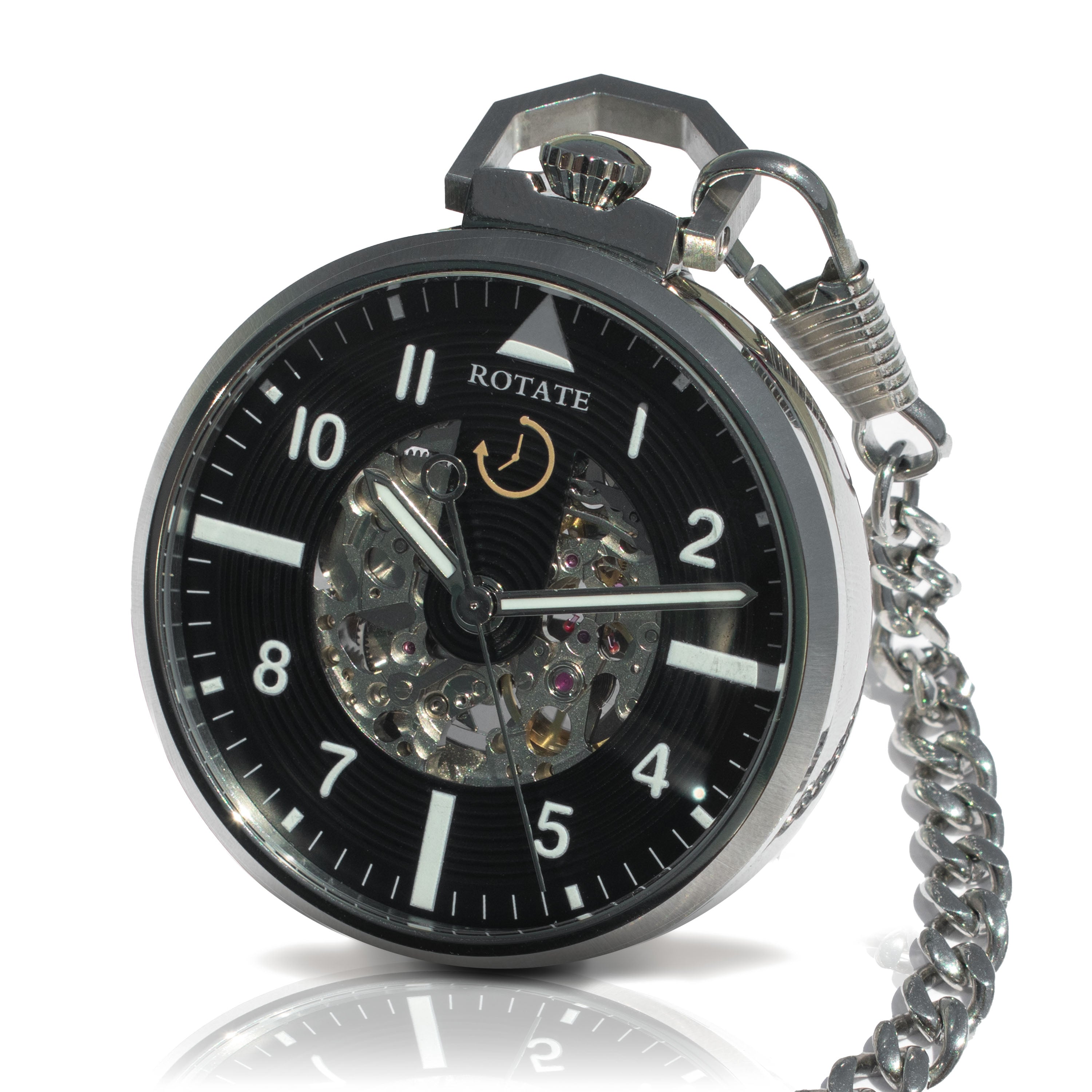
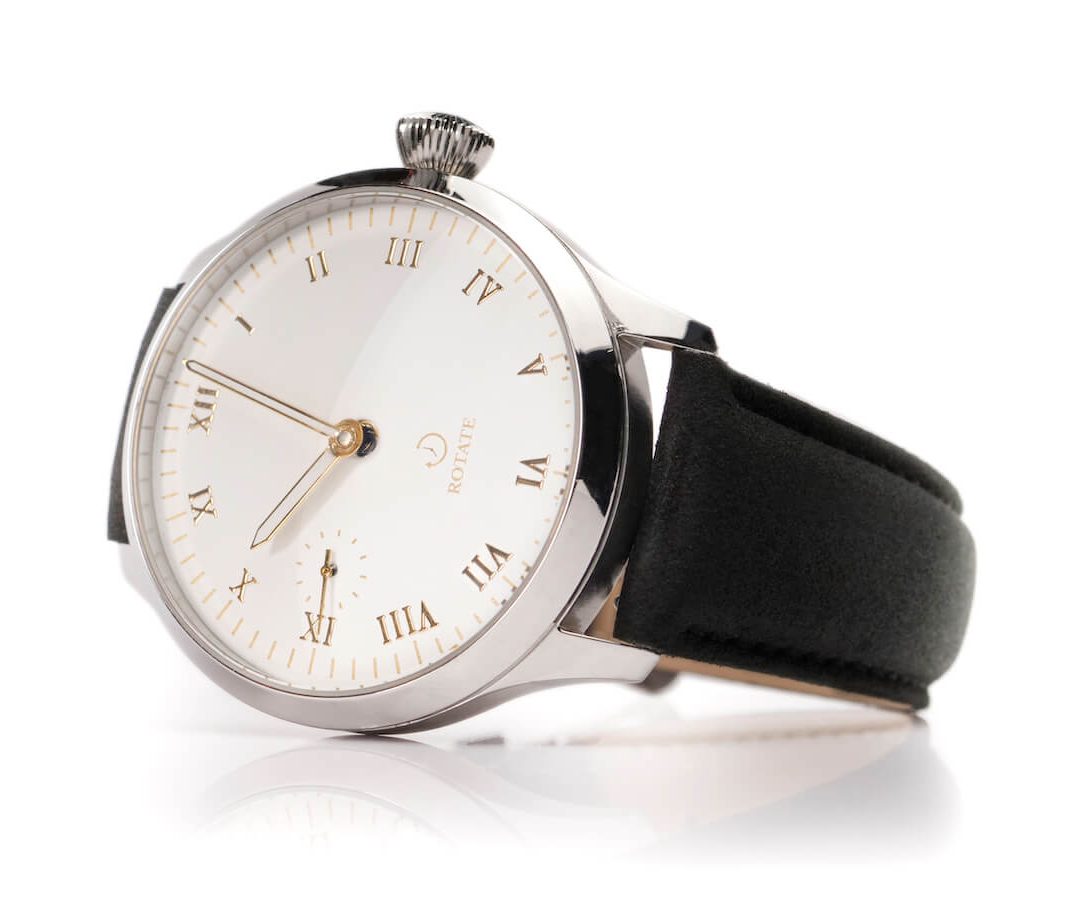
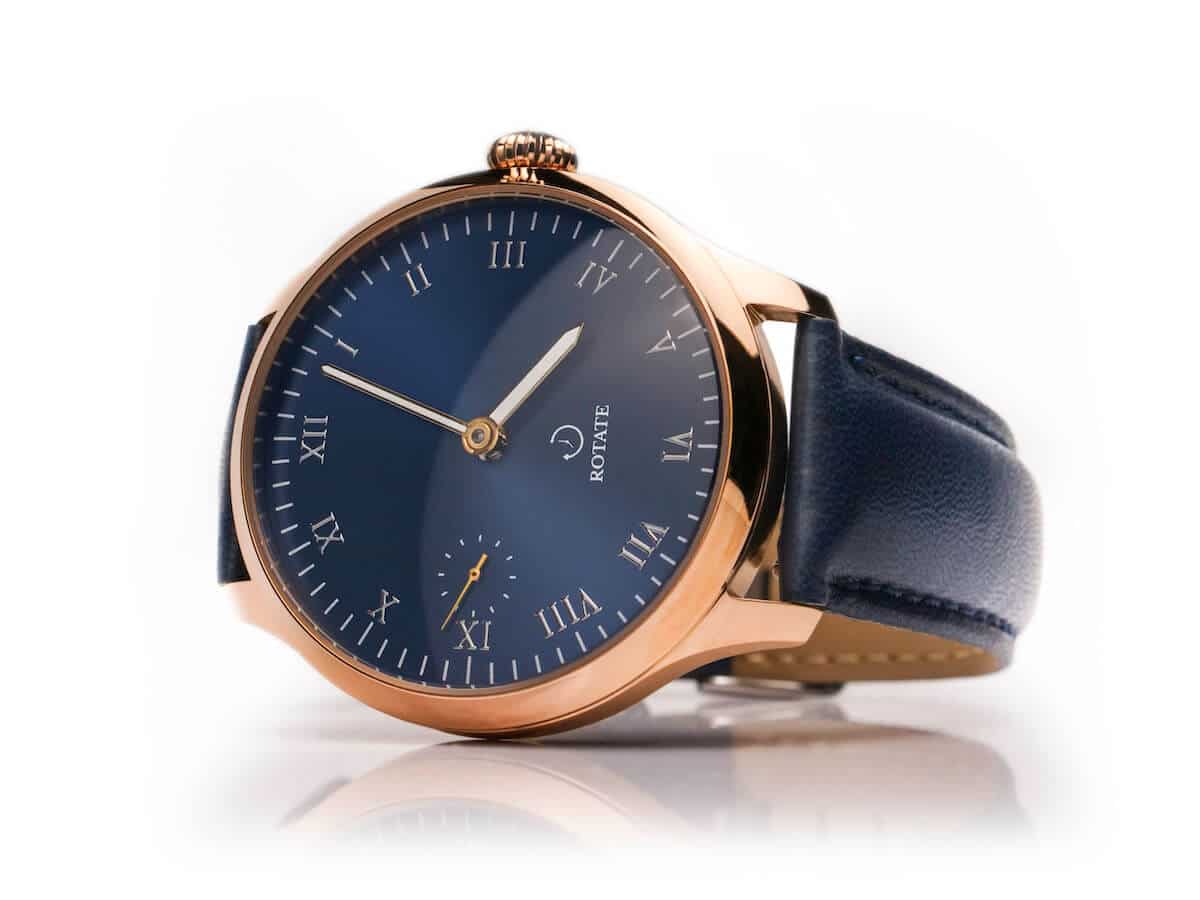
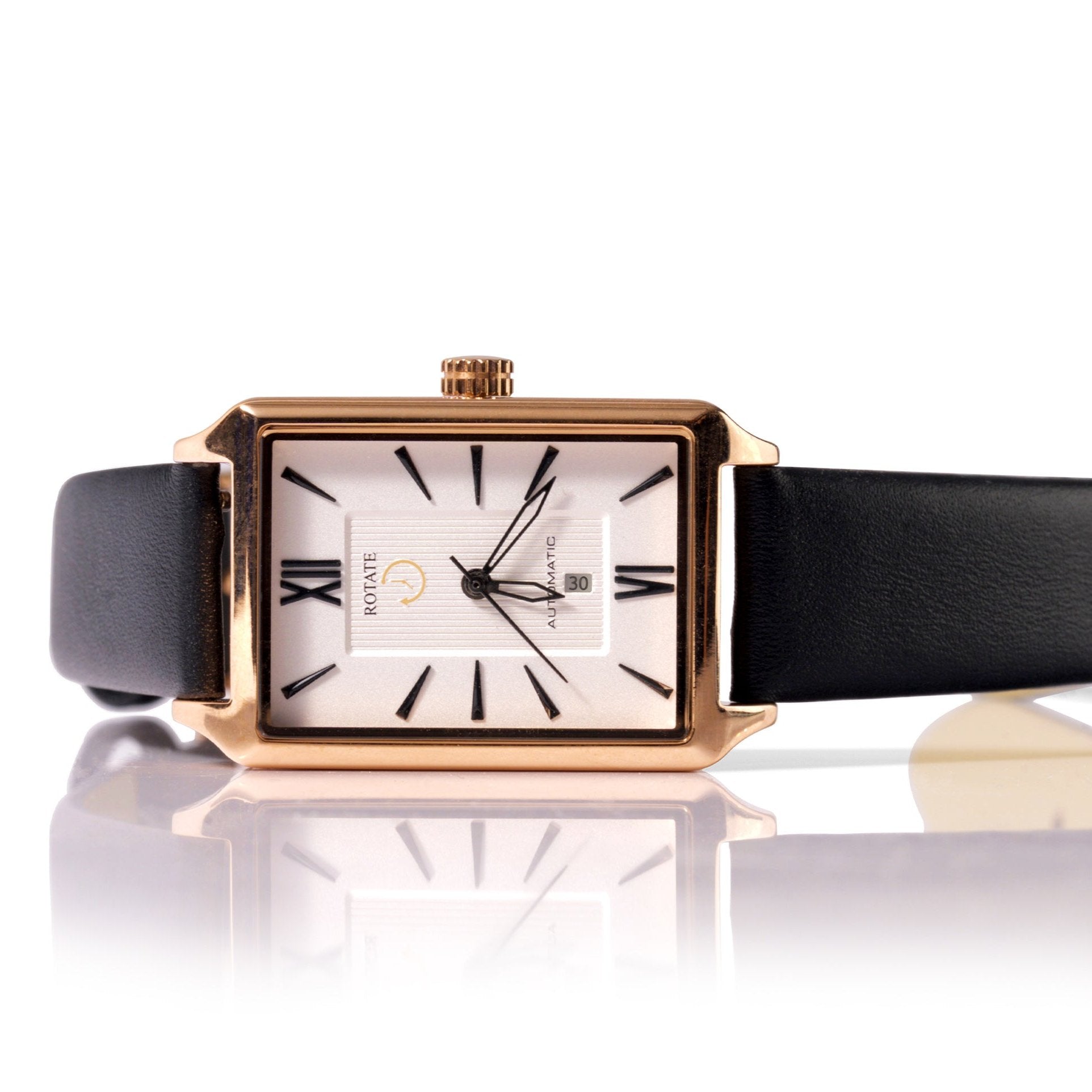
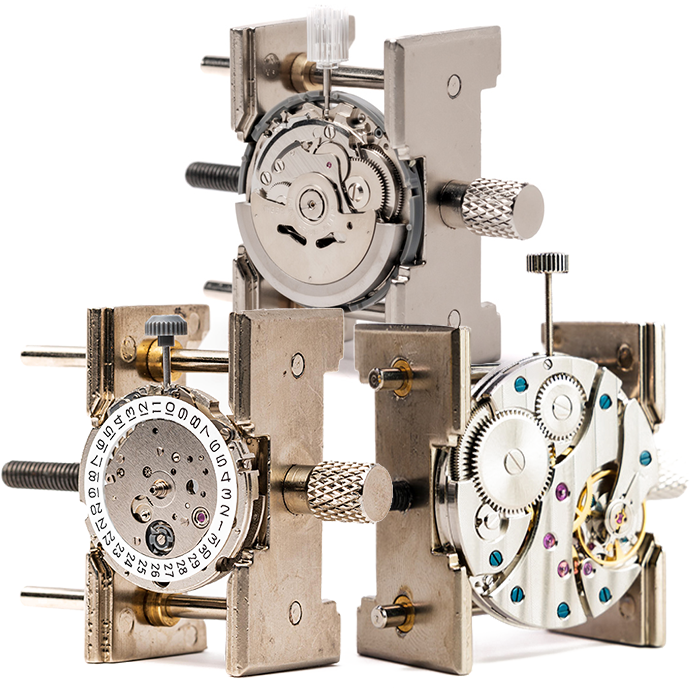
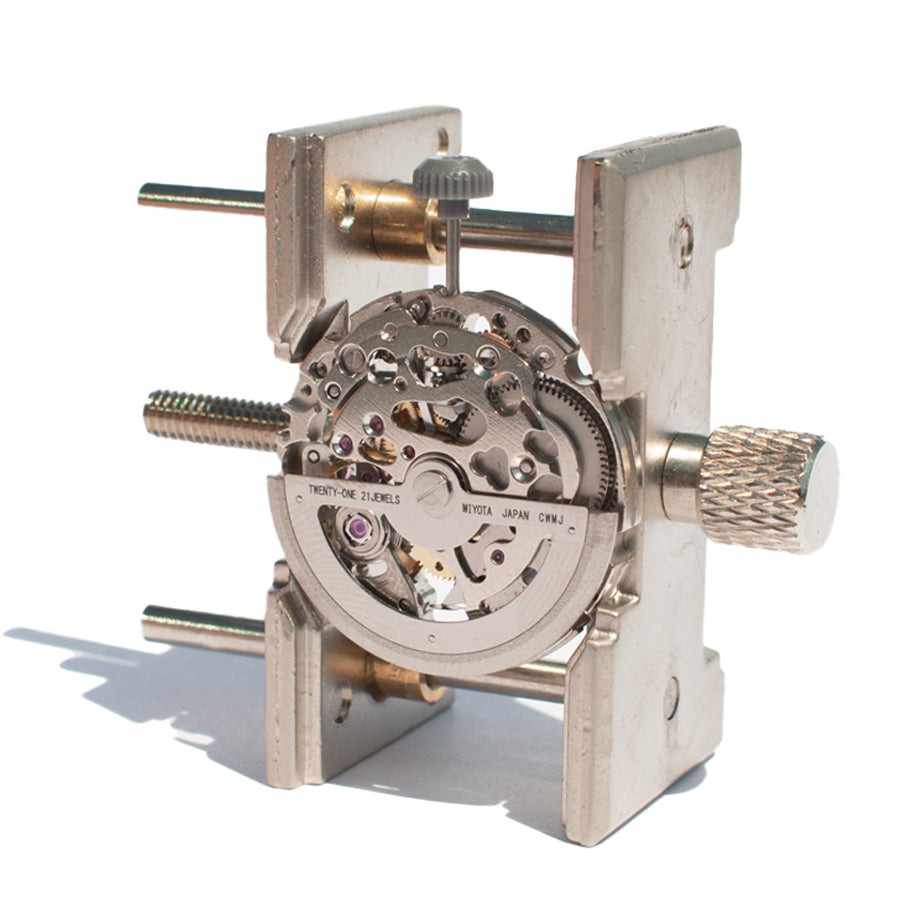
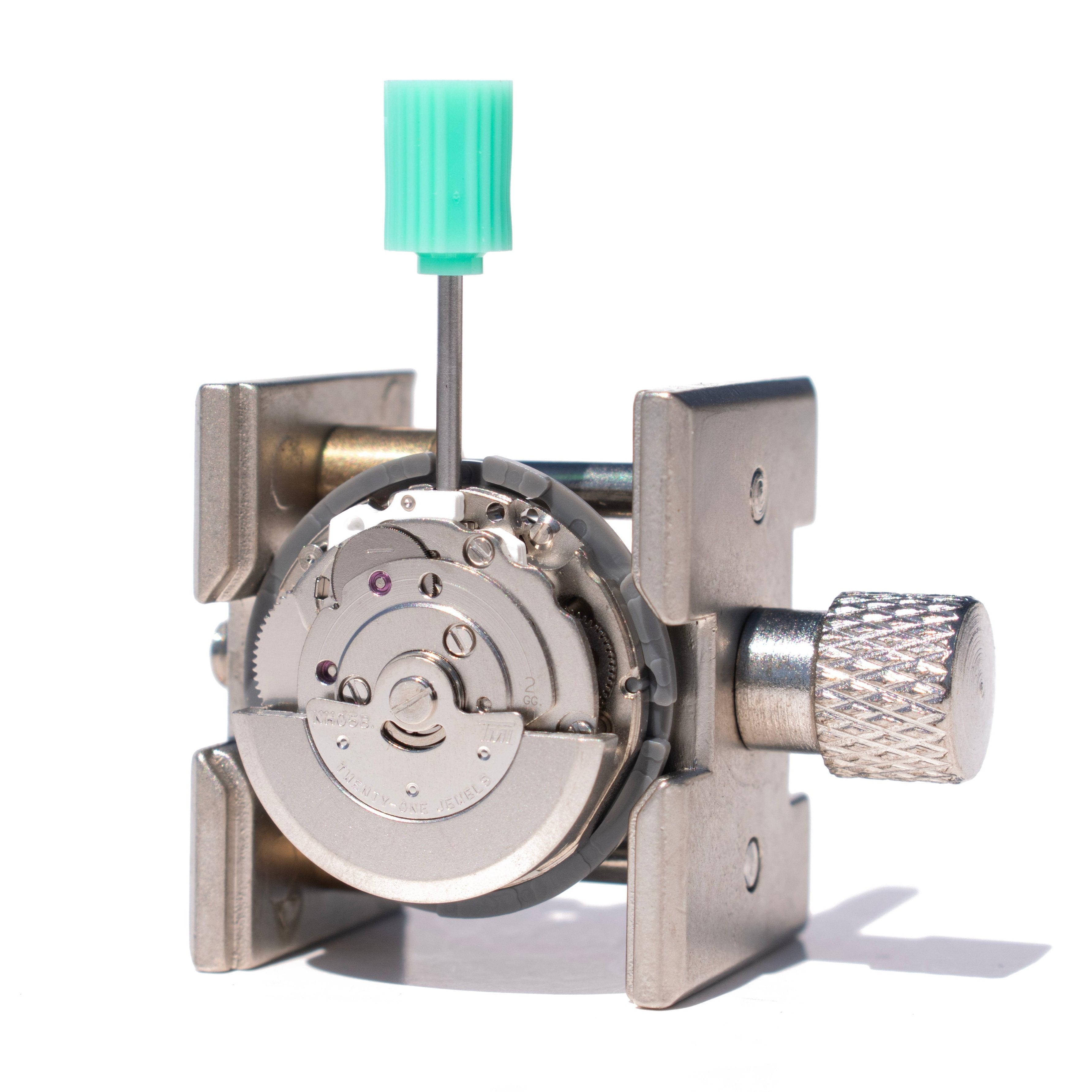
Rotate Watches provides mechanical watch kits teaching assembly from components to a functioning timepiece.
Movement kits reveal gear trains, escapements, and automatic winding mechanisms through direct building experience.
Build your own watch and appreciate the technology that predates electronics. Start today.
Frequently Asked Questions
How accurate are thermocompensated quartz watches?
TC quartz watches achieve ±5 to ±10 seconds annual deviation typically. The most precise models reach ±1 second yearly, effectively perfect timekeeping for practical purposes.
Do TC quartz watches need adjustment?
No, thermocompensation works automatically. The watch self-corrects for temperature variations without user intervention. Set the time once when receiving the watch, then enjoy accuracy indefinitely.
How long do TC quartz batteries last?
TC quartz batteries typically last 2-3 years, depending on movement and complications. Temperature sensing and compensation calculations consume slightly more power than standard quartz.
Are TC quartz watches worth the cost?
Value depends on the accuracy priority. If precise timekeeping matters more than mechanical tradition, TC quartz justifies a higher cost through superior performance. For mechanical appreciation, the technology offers no emotional value.
Can watchmakers service TC quartz movements?
Battery replacement requires no special skill. Internal circuit servicing remains impractical. Movements generally replace rather than repair when electronic problems occur.
Why aren't all quartz watches thermocompensated?
Cost and market segmentation explain limited adoption. Mass-market quartz prioritizes affordability. TC quartz serves the premium segment valuing accuracy. The technology costs more than many consumers pay for entire watches.

%20watches%20maintain%20accuracy%20within%20seconds%20per%20year,%20rivaling%20atomic%20clock%20precision.%0ATemperature%20a...)