
Wright vs Galileo vs Edison: Which Seagull ST3600 Watch Kit Is Right for You?
Choosing your first hand-wound watchmaking kit often comes down to one question that has nothing to do with mechanics. The Wright, Galileo, and Edison all use the same Seagull ST3600 hand-wound movement with 17 jewels and a 40+ hour power reserve. You will learn the same skills, follow the same guide, and use the same tools regardless of which box you open.
So the real question is not which kit builds better, because the answer is all three. The real question is which watch you want on your wrist when the build is done. A deep-sea blue dial that shifts in the light, a black-and-white classic that pairs with everything, or an earthy tone built to handle water sports at 10 ATM.
That is the only decision left, and this guide walks through every detail to help you make it with confidence.
Key Takeaways
- All three kits use the Seagull ST36 hand-wound movement with 17 jewels.
- The Wright and Edison start at $195, while the Galileo comes in at $205.
- Water resistance differs: the Wright offers 10 ATM, while the Galileo and Edison provide 5 ATM.
- Hand-wound movements are the best starting point for beginners.
- Each kit includes the same tool set and beginner-friendly guide.
Side-by-Side Comparison
| Feature | Wright | Galileo | Edison |
|---|---|---|---|
| Price | $195 | $205 | $195 |
| Dial | Black and silver | Deep-sea blue | White with gold numerals |
| Strap | Genuine brown leather | Genuine blue leather | Black suede |
| Water Resistance | 10 ATM | 5 ATM | 5 ATM |
| Case Size | 44mm | 44mm | 44mm |
| Rotating Bezel | Yes | No | Yes |
| Lug Width | 22mm | 22mm | 22mm |
| Difficulty | Hard | Hard | Hard |
| Movement | Seagull ST3600 | Seagull ST3600 | Seagull ST3600 |
| Engraved Strap Add-on | $25 | $25 | $25 |
Every kit ships with the same tool set, including a screwdriver (1mm), tweezers, spring bar tool, pliers, glue, and gloves. A lifetime warranty and technical support come standard with each one.
The Seagull ST3600 Movement Behind All Three Kits
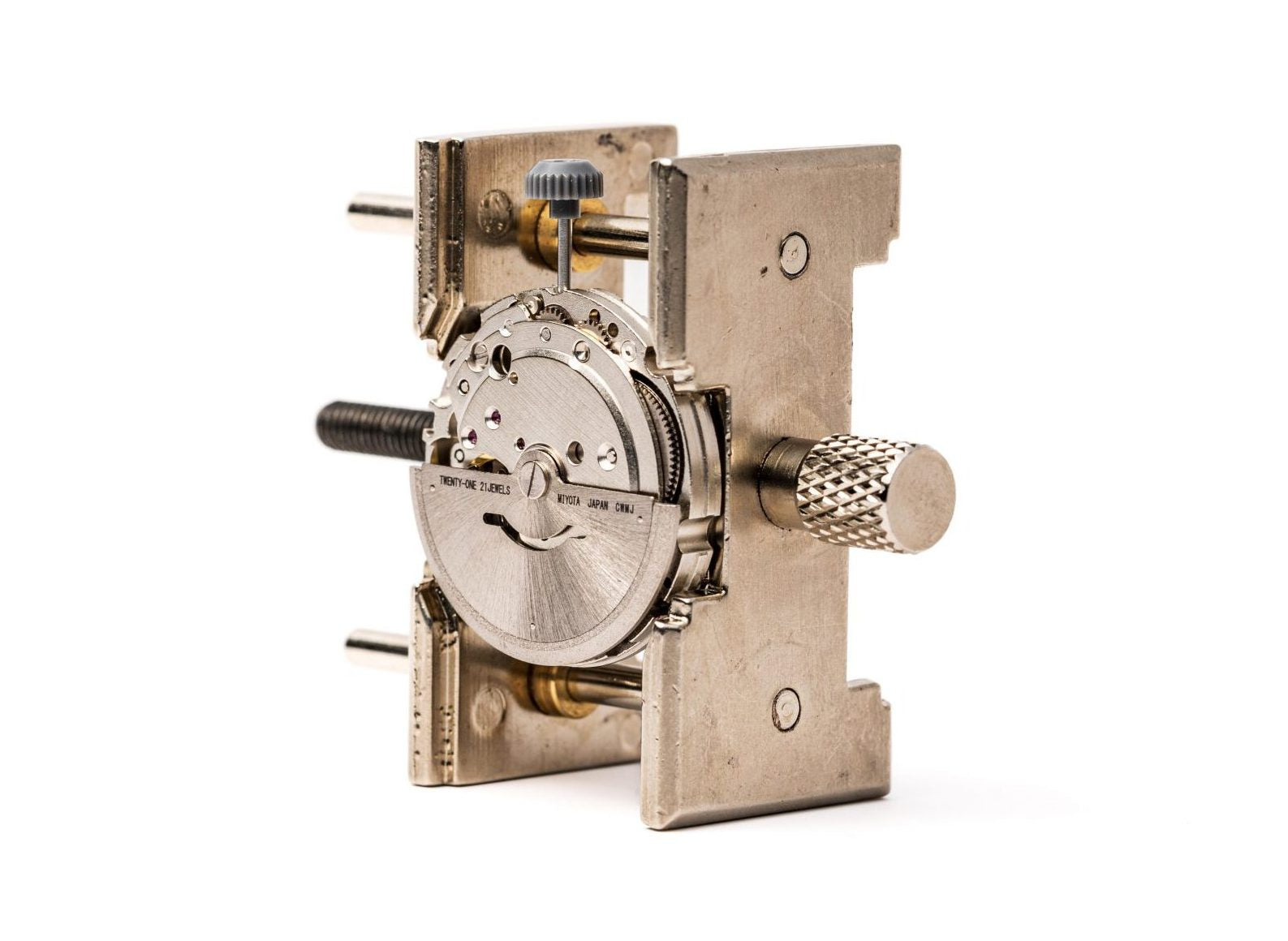
Before diving into the design differences, it helps to understand why the ST3600 powers all three kits in the first place. Watchmaking schools worldwide start their students on hand-wound movements. Simpler construction reveals how mechanical watches work without the complexity of automatic winding systems.
The Best Movement for Learning
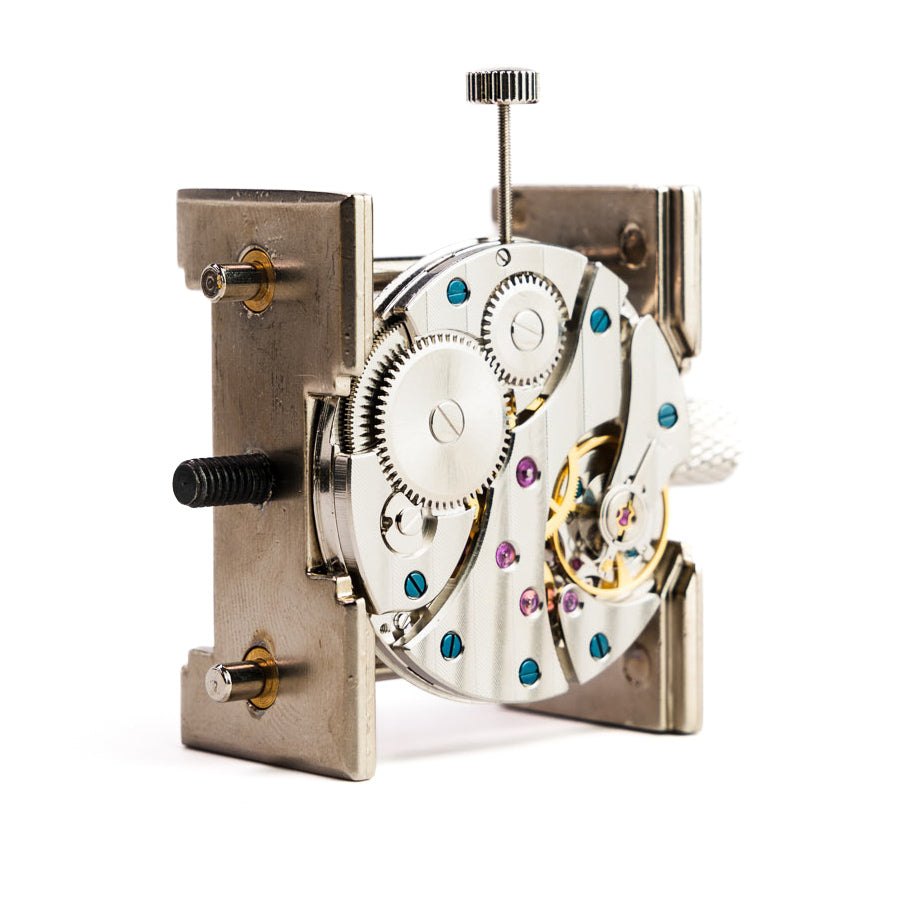
The Seagull ST3600 contains 40+ precise components and relies entirely on manual winding. Without a rotor or bidirectional gear system, there are fewer parts to manage during the build. You wind the mainspring each morning by turning the crown 35 half-turns. That simple daily ritual creates a direct, physical connection to the energy powering your watch. On a full wind, the movement runs for over 40 hours before needing attention again.
What makes hand-winding particularly valuable as a learning tool is the tactile feedback it provides. You can feel the mainspring tighten gradually as you turn the crown and sense the resistance increase near full wind. Over time, that feedback builds an intuitive understanding of how mechanical energy gets stored and released. Automatic movements handle this process invisibly, but hand-winding puts it right at your fingertips.
Affordable Practice Without Financial Stress
At $140 for a complete hand-wound movement kit, the ST3600 costs a fraction of what comparable Swiss hand-wound movements sell for. That affordability matters because learning watchmaking involves repetition. The freedom to disassemble and reassemble without worrying about damaging an expensive movement accelerates skill development. Multiple commercial watch brands rely on Seagull calibers in their production lines, underscoring the movement's proven reliability at scale.
Specifications That Matter
Regardless of which kit you choose, the ST3600 inside delivers the same mechanical performance:
- 17 jewels for reduced friction at pivot points
- 21,600 vibrations per hour frequency
- Accuracy of -20 to +40 seconds per day
- 36.60mm diameter and 4.50mm thickness
Design Differences Across All Three Kits
With the movement being identical, each kit distinguishes itself through aesthetics, materials, and one key functional difference in water resistance. Here is how they compare.
The Wright: Best for Water Resistance and Earthy Style
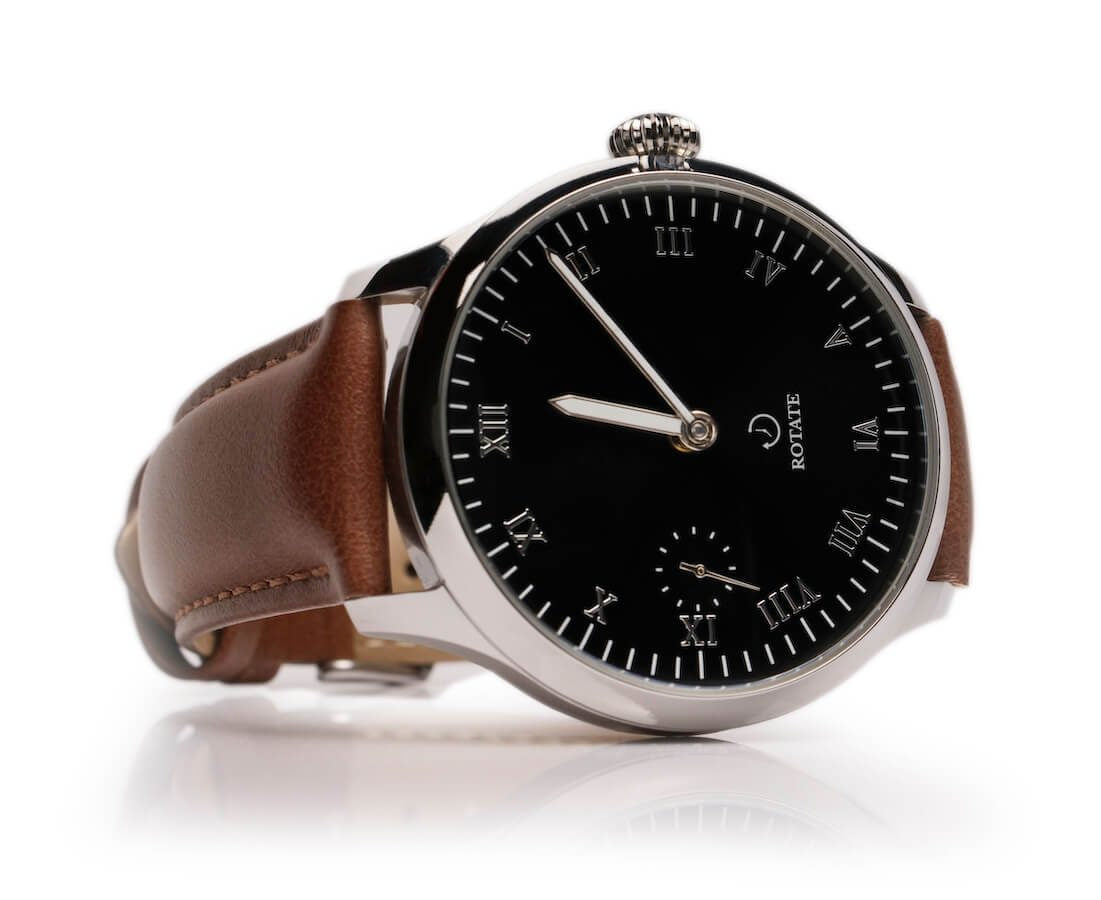
The Wright starts at $195 and pairs a black and silver dial with a genuine brown leather strap, giving it a refined, earthy character. Its 44mm stainless steel case features a rotating bezel, an exhibition case back, and a 22mm lug width. What sets the Wright apart functionally is its 10 ATM water resistance, the highest of the three. That rating makes it suitable for swimming and water sports, not just splashes and rain.
For builders who spend time outdoors or near water, that extra protection makes a practical difference. The earthy color palette also pairs naturally with casual and outdoor wardrobes, and the bold 44mm case adds wrist presence that stands out without feeling overdone. The Wright Watchmaking Kit is built for exactly this kind of daily wear - refined enough for the office, rugged enough for the trail.
The Galileo: Best for Bold Color and Visual Impact
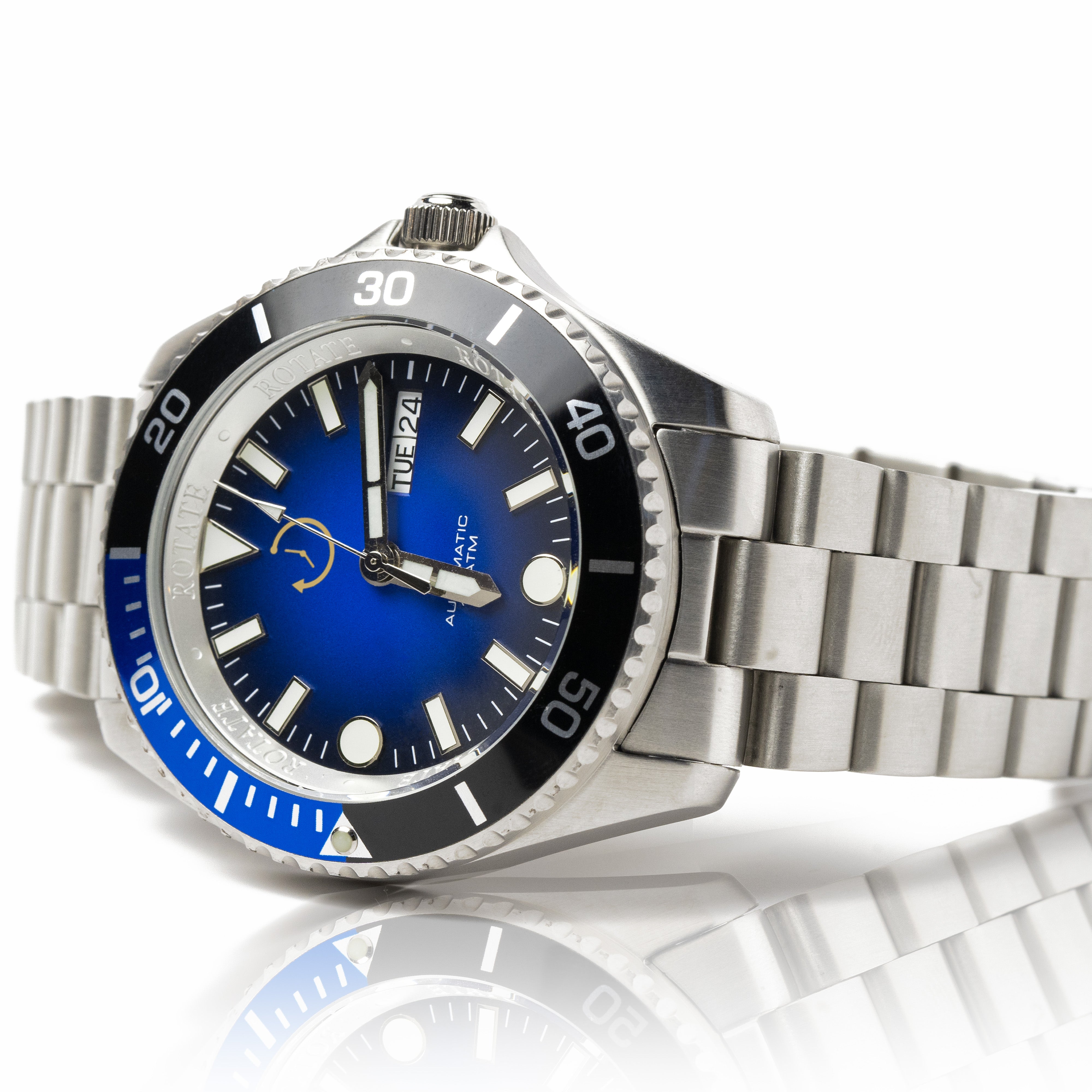
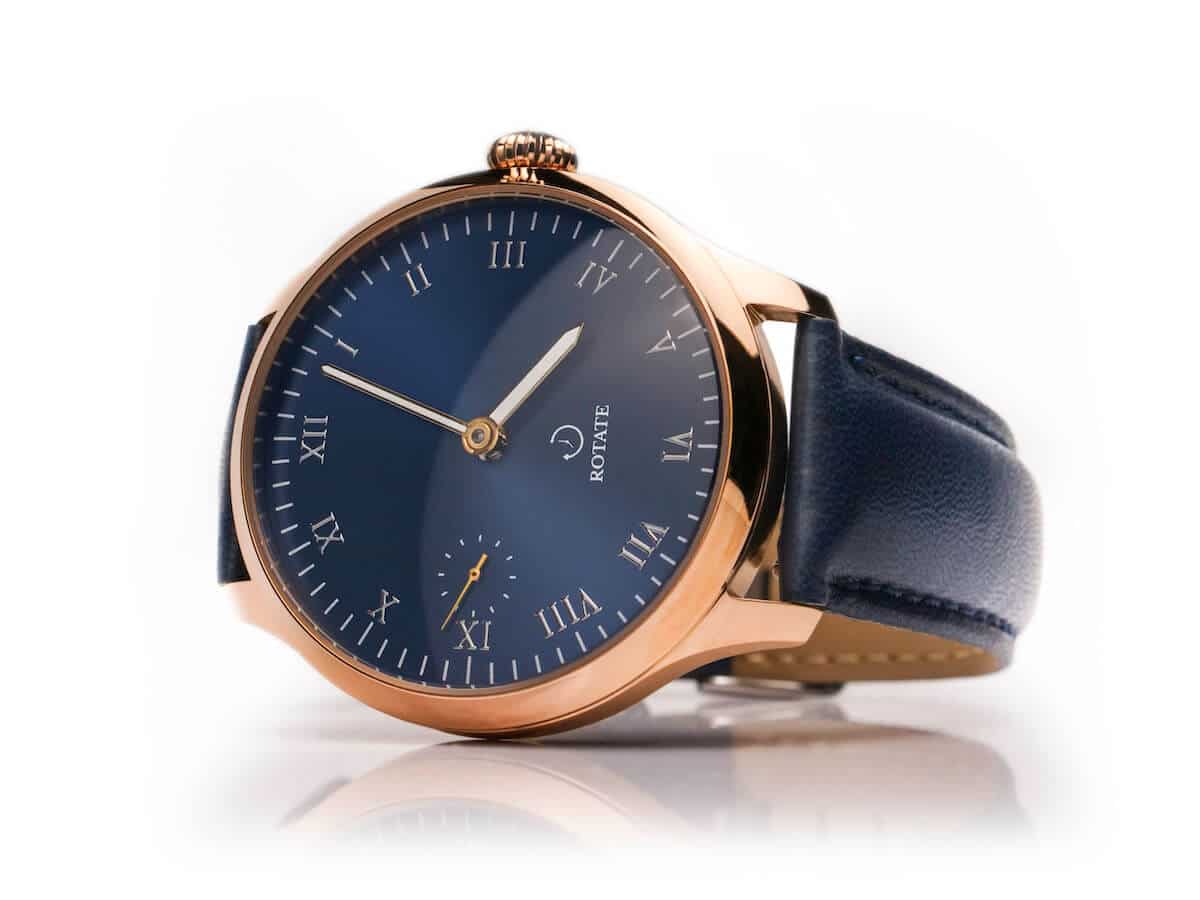
Priced at $205, the Galileo earns its slightly higher price through a striking aesthetic. Its rich deep-sea blue dial is matched with a genuine blue leather strap, creating a cohesive look that draws the eye immediately. The 44mm stainless steel case includes an exhibition case back with 5 ATM water resistance, which covers rain, hand washing, and light splashes.
What makes the Galileo stand apart from the other two kits is how the blue dial interacts with light. The color shifts subtly throughout the day, adding visual depth and character that neutral tones simply cannot replicate. For builders who want their finished watch to start conversations, the Galileo delivers.
If the deep-sea blue dial has you sold, the Galileo Watchmaking Kit ships with everything you need to start building today.
The Edison: Best for Everyday Versatility
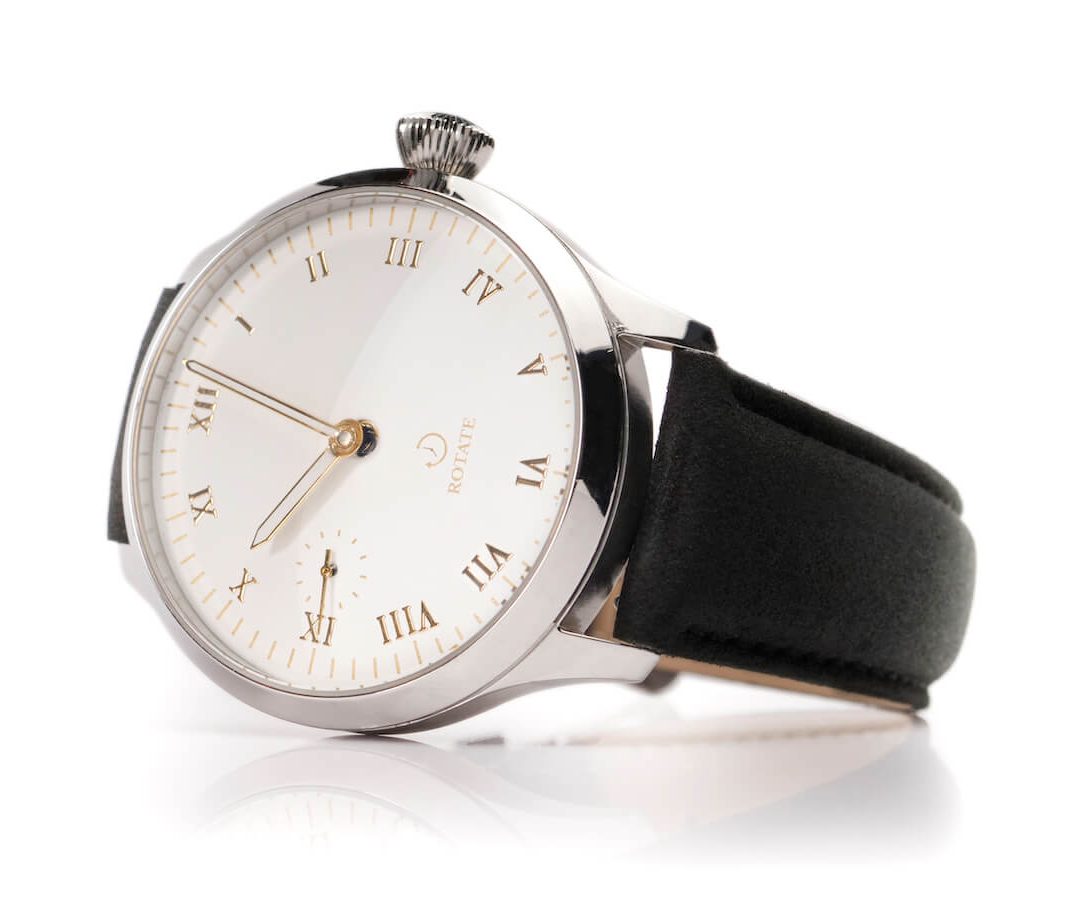
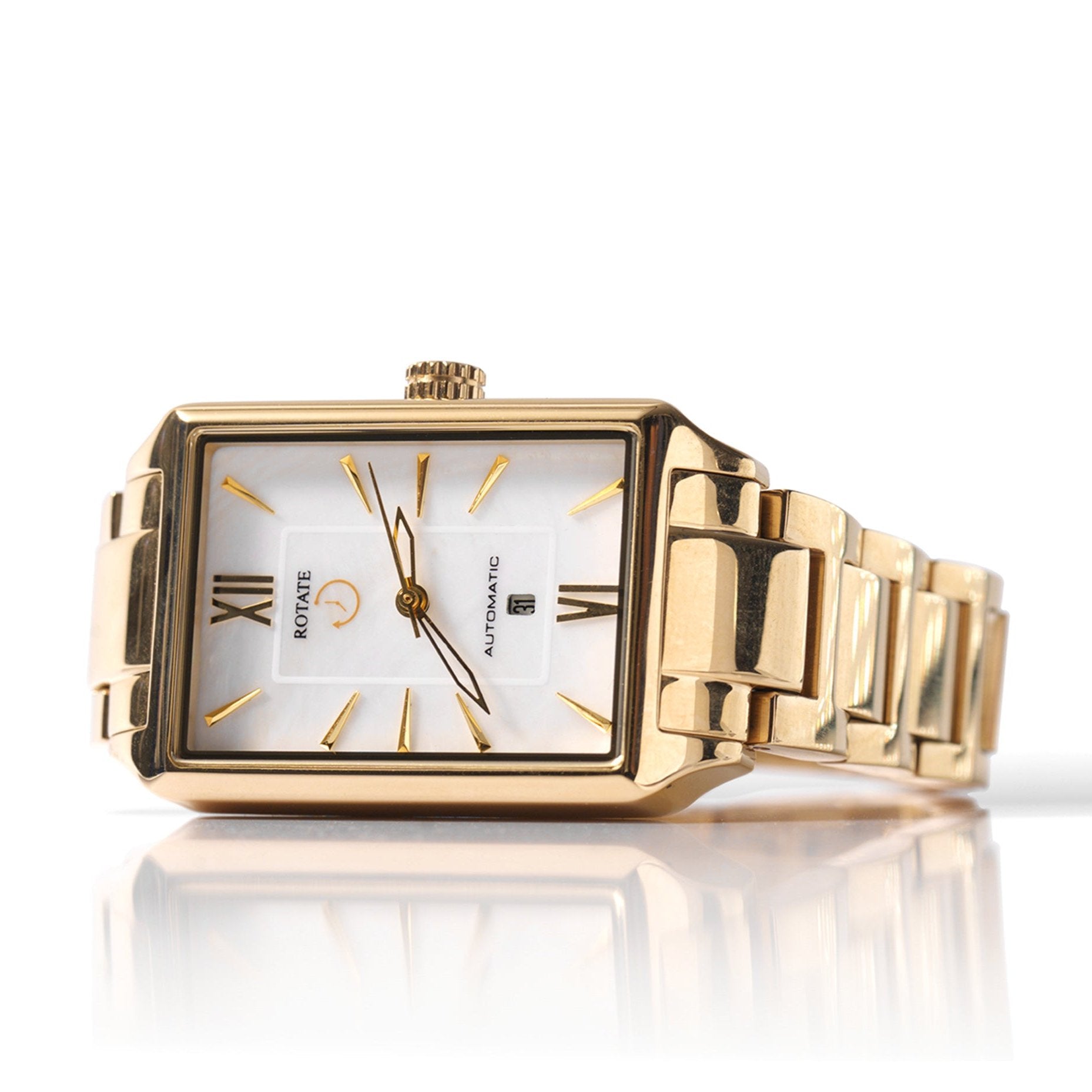
The Edison also starts at $195 and takes the opposite approach from the Galileo. A white dial with gold numerals sits against a black suede leather strap, creating a clean, neutral look. Its 44mm stainless steel case offers a rotating bezel and exhibition case back with 5 ATM water resistance. The neutral color palette gives the Edison the broadest wardrobe versatility of the three, working equally well with business casual outfits and weekend wear.
For builders who want a watch that pairs with everything in their closet without clashing, the Edison is the safest bet. The suede strap also feels softer on the wrist than traditional leather, giving the Edison a distinct tactile character.
Regardless of which kit you choose, all three offer an optional engraved leather strap add-on for $25, available in blue, black, or brown.
What "Hard" Difficulty Actually Means
All three kits carry a "Hard" difficulty rating, which can sound intimidating if you have never built a watch before. In practice, the rating reflects one specific challenge: hand installation.
Pressing the hour, minute, and second hands onto their respective posts requires steady pressure and precise alignment. The key is applying just enough force to seat each hand firmly without overdoing it. Most first-time builders find this step the trickiest part of the entire build, and it is also where patience matters most. A replacement set of hands is available for $10 if needed, so there is no pressure to get it perfect on the first attempt.
A first build typically takes three to five hours from start to finish. Experienced builders finish faster, but rushing tends to create more mistakes rather than fewer. The good news is that every mistake is reversible. You can disassemble and try again as many times as needed. The ST3600's affordable price point removes the financial anxiety that comes with learning through trial and error.
The "Hard" rating does not assume prior watchmaking experience, either. Each kit includes a beginner-friendly guide with step-by-step instructions.
Choosing the Right Kit for You
Since all three kits use the same ST3600 movement and tool set, the decision comes down to what you value in a finished watch.
Quick Recommendation Guide
- Best for water exposure: Wright (10 ATM handles swimming and water sports)
- Best for wardrobe versatility: Edison (black-and-white works with everything)
- Best for making a statement: Galileo (deep-sea blue catches every eye)
- Best value: Wright or Edison (both start at $195)
Think About Wrist Size
All three kits use the same 44mm case, which wears large on smaller wrists. Before purchasing, it helps to measure your wrist circumference. Cases between 40mm and 44mm generally suit most adult wrists comfortably. If your wrist is on the smaller side, the 44mm diameter will have a more commanding presence. On the plus side, all three kits share the same 22mm lug width, which means stainless steel straps and leather bands fit interchangeably across all of them.
Where to Go After Your First ST3600 Build
Completing any of these three kits builds the foundational skills that prepare you for more complex projects. The recommended progression follows the same path that professional watchmaking schools use in their curricula, adding one layer of complexity at each stage.
- Start here: Wright, Galileo, or Edison (hand-wound ST3600, no complications)
- Intermediate next step: The Newton or Eiffel kits use the Miyota 8215 automatic movement, which introduces self-winding along with a single date complication.
- Advanced challenge: The Marco kit uses the Seiko NH36, which adds both date and day-date complications and represents the most complex build in the Rotate lineup.
The logic behind this progression is cumulative. Once you understand how a hand-wound mainspring stores and releases energy, the automatic winding rotor makes intuitive sense as an addition rather than a mystery. Similarly, working with a single date wheel first gives you the mechanical familiarity to tackle the NH36's dual-complication system without feeling overwhelmed.
When you are ready to take the next step, you can browse the full collection of DIY watch kits or start with a standalone movement kit to practice disassembly and reassembly before committing to a full watch build.
Conclusion
The Wright, Galileo, and Edison all deliver the same hand-wound watchmaking experience through the Seagull ST3600 movement. No matter which kit you pick, the skills you build and the satisfaction you feel will be identical.
Where they differ is in what you wear on your wrist afterward. The Wright earns its place for builders who need 10 ATM water protection and prefer earthy, understated tones at $195. The Edison matches that price with a classic black-and-white palette that pairs with virtually any outfit. And the Galileo, at $205, rewards builders who want a finished watch that turns heads with its deep-sea blue dial.
Pick the one you want to wear every day, and enjoy the build.
FAQs
Are the Wright, Galileo, and Edison mechanically identical?
Yes, all three use the Seagull ST3600 hand-wound movement with the same 17 jewels, 40+ hour power reserve, and accuracy specifications. The only differences are cosmetic and structural, including dial color, strap material, and water resistance rating.
Which ST3600 kit is easiest to build?
All three share the same difficulty level because they use the same movement and follow the same assembly process. Each kit carries a "Hard" rating due to the precision required during hand installation, and a first build typically takes three to five hours.
Which kit has the best water resistance?
The Wright leads with 10 ATM water resistance, which is suitable for swimming and water sports. The Galileo and Edison both offer 5 ATM, meaning they handle rain, splashes, and brief immersion well but are not rated for active swimming.
Can I swap straps between these kits?
Yes, all three kits share the same 44mm case and 22mm lug width. Leather straps and chain link straps fit interchangeably across all three.
How accurate is the Seagull ST3600?
The ST3600 maintains accuracy between -20 to +40 seconds per day, which falls within the standard range for mechanical movements at this price point. Regular winding helps keep the movement running consistently.
Do I need watchmaking experience to build these kits?
No prior experience is needed. Each kit includes a beginner-friendly guide with step-by-step instructions, a complete tool set, a lifetime warranty, and access to technical support. Hand-wound movements are the recommended starting point for first-time builders because their simpler construction makes mechanical principles easier to learn.