
Watch Kit vs Movement Kit: What's the Actual Difference? (Complete 2026 Guide)
You want to build a watch. You start shopping and immediately hit two options: watch kits and movement kits. Both sound similar, both involve mechanical parts, and both promise a hands-on experience, so the distinction is not obvious at first glance. What's the actual difference between a watch kit and a movement kit?
The short answer is scope. A watch kit is a complete package containing a movement, case, dial, hands, crown, strap, and tools that produce a wearable mechanical watch. A movement kit, on the other hand, is an educational package containing a single mechanical caliber and the tools needed for disassembly and reassembly practice. Choosing the wrong one leads to either overwhelm or disappointment, so understanding the distinction matters before spending a dollar.
Key Takeaways
- A watch kit includes everything needed to build a complete, wearable watch from scratch.
- A movement kit focuses only on the internal mechanism for learning assembly and disassembly.
- Beginners who want a finished product should start with a watch kit.
- Hobbyists focused on mechanical education should consider a movement kit.
- Both options teach real watchmaking skills at different depths.
What Exactly Comes in a Watch Kit?
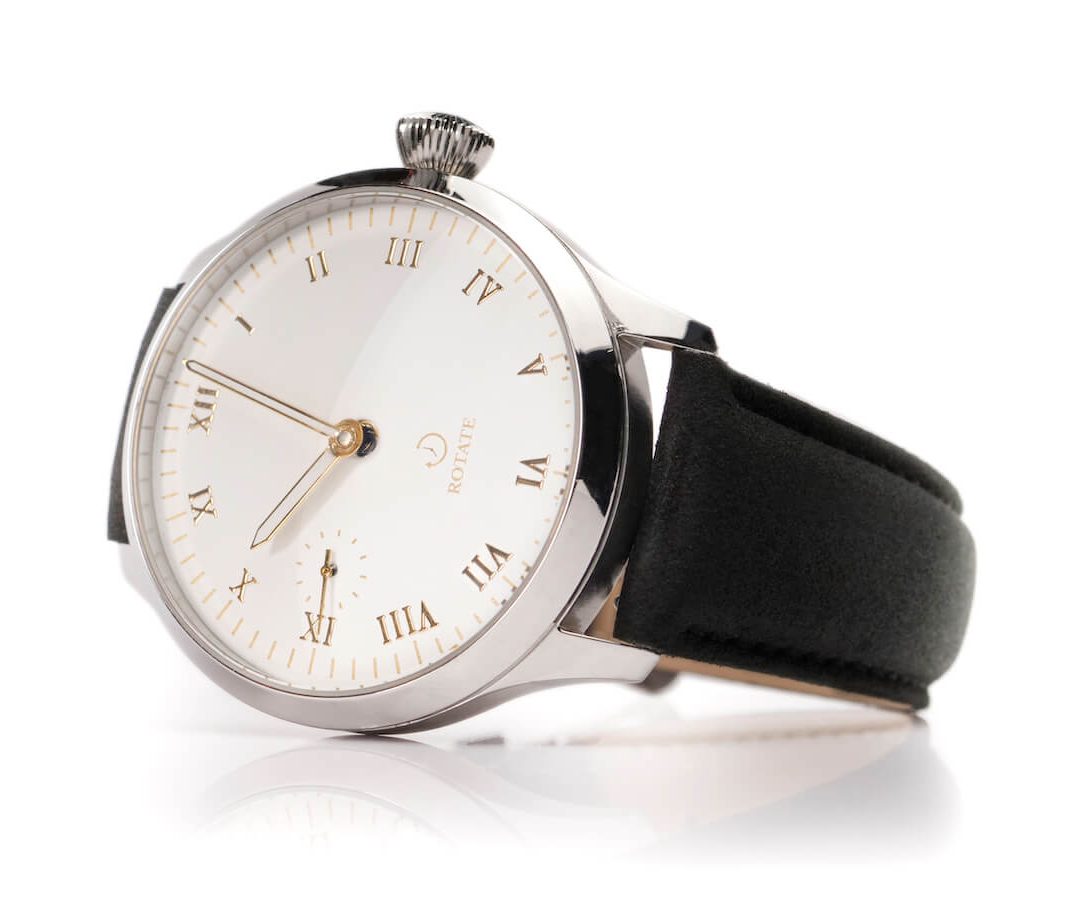
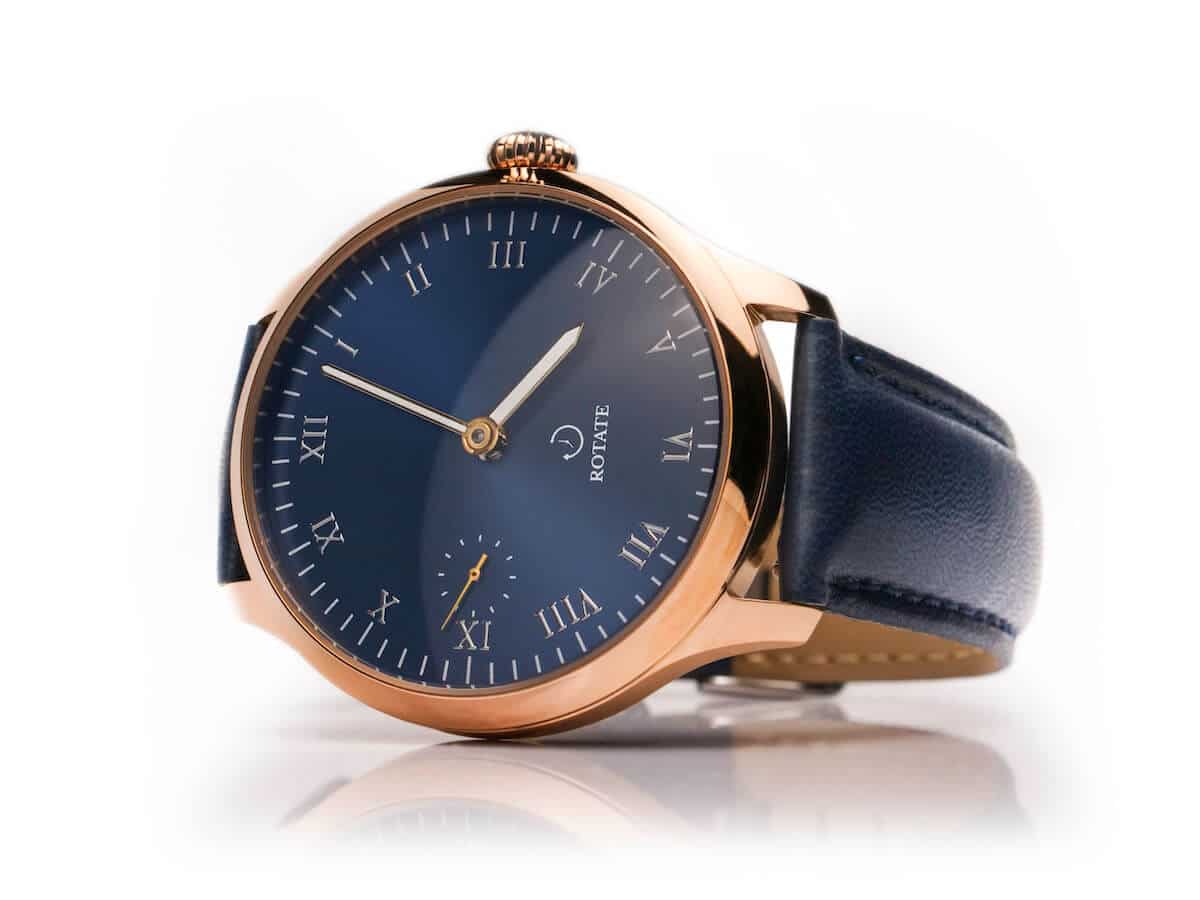
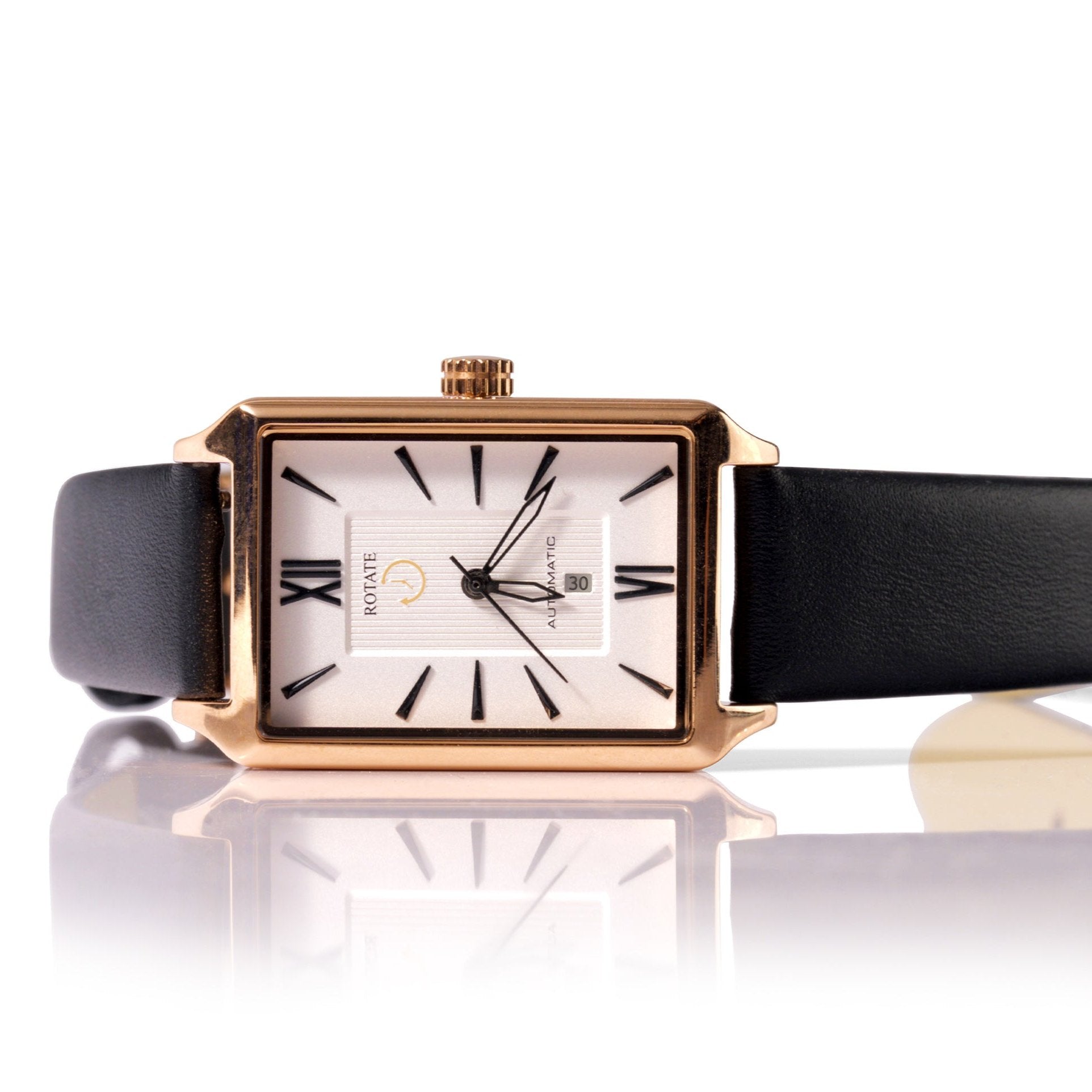
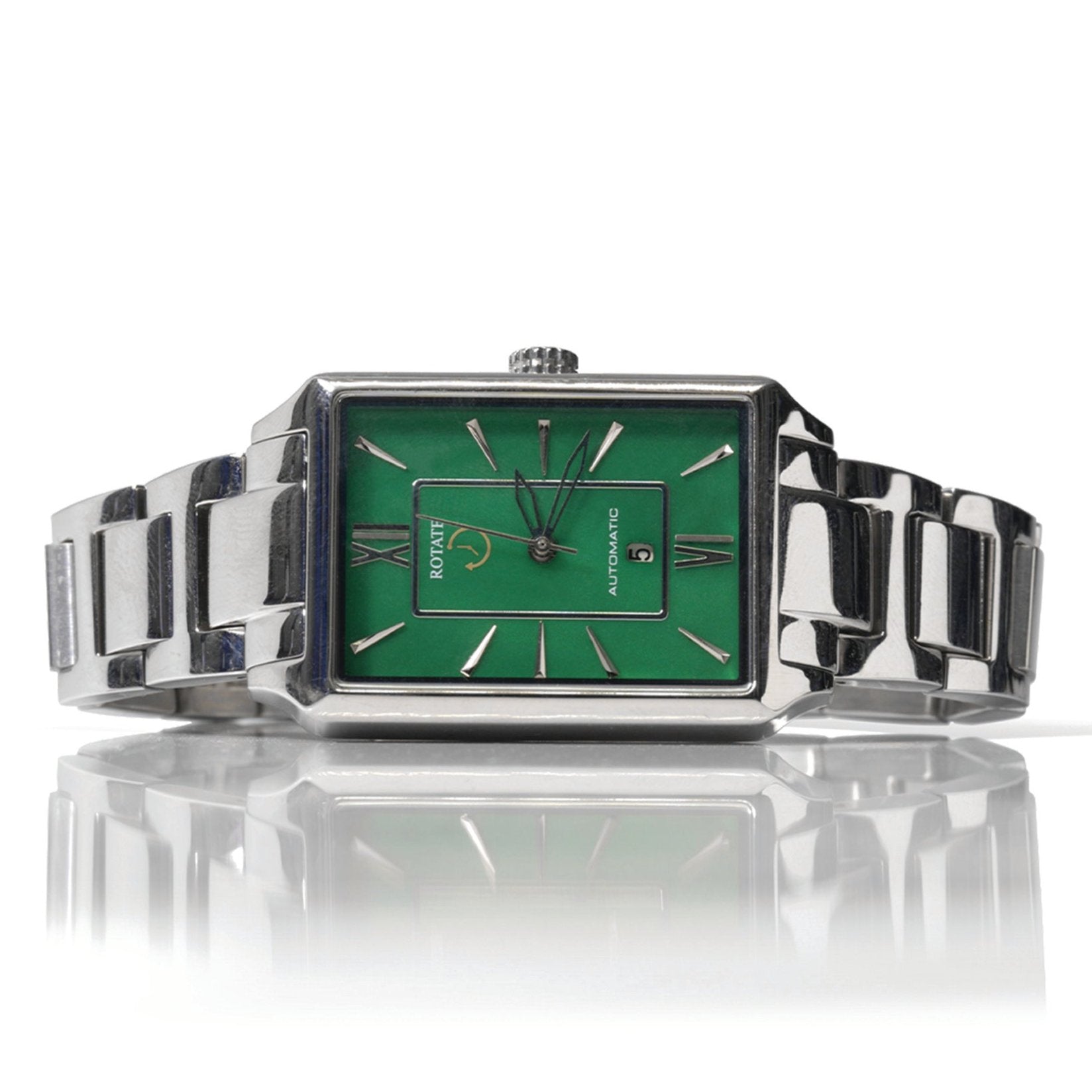
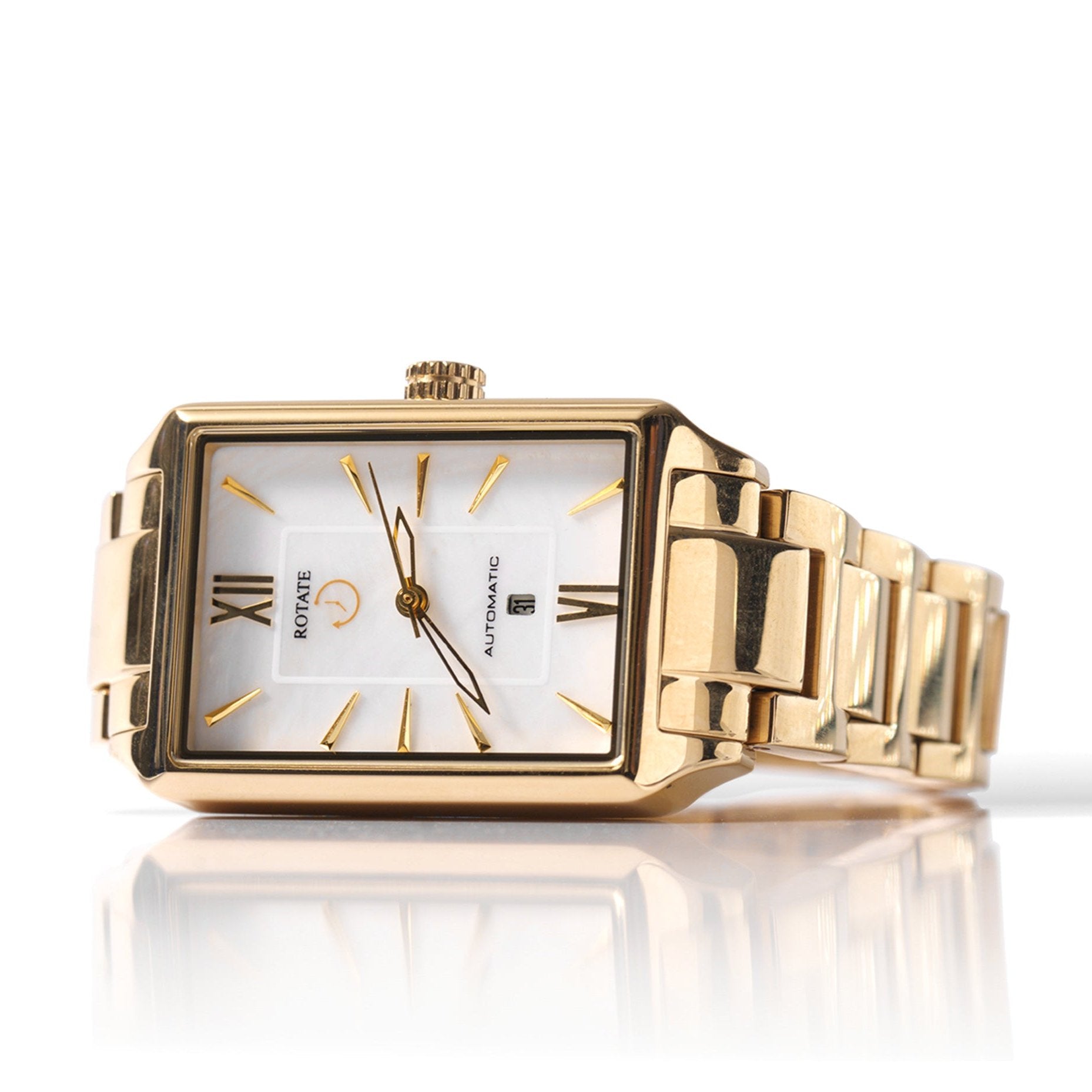
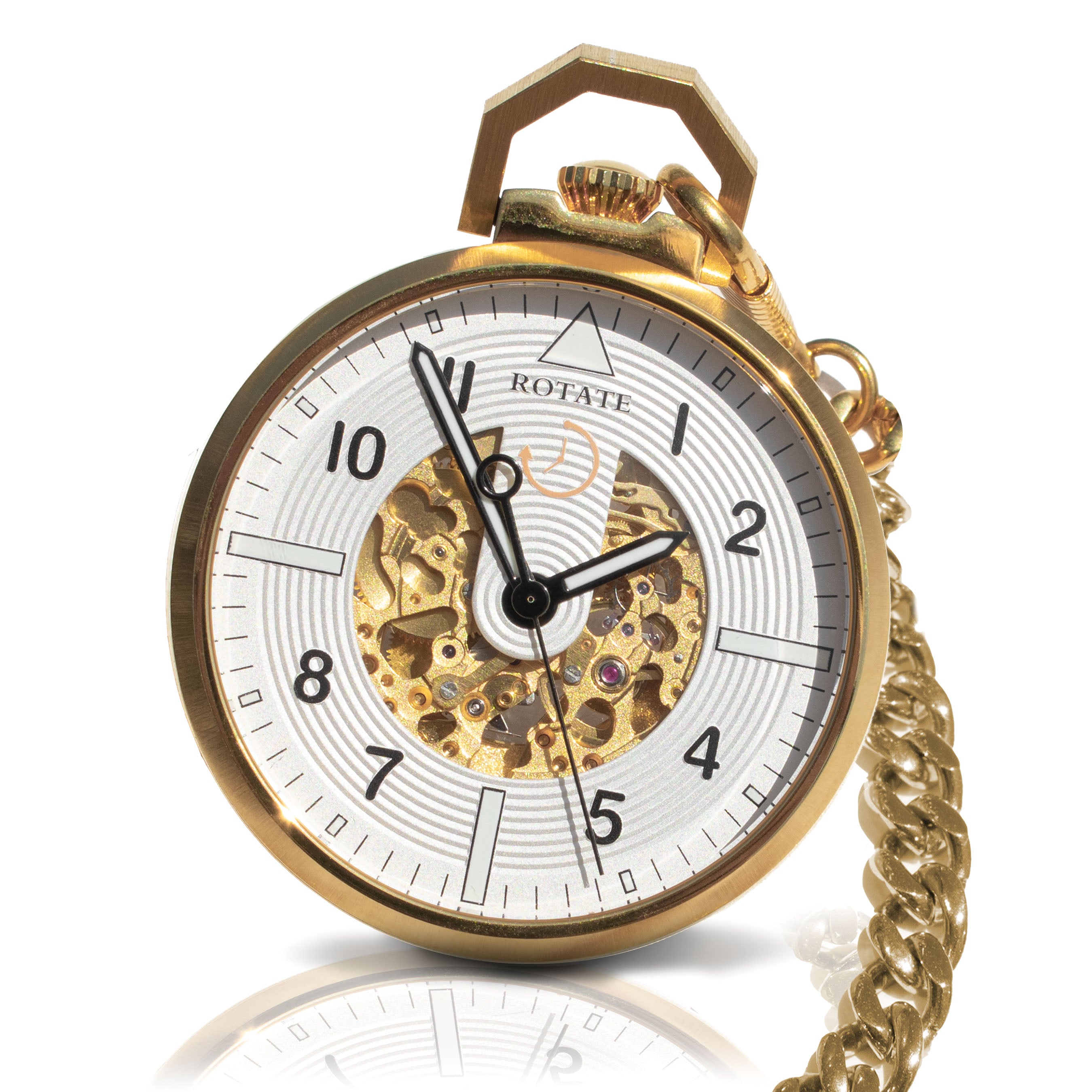
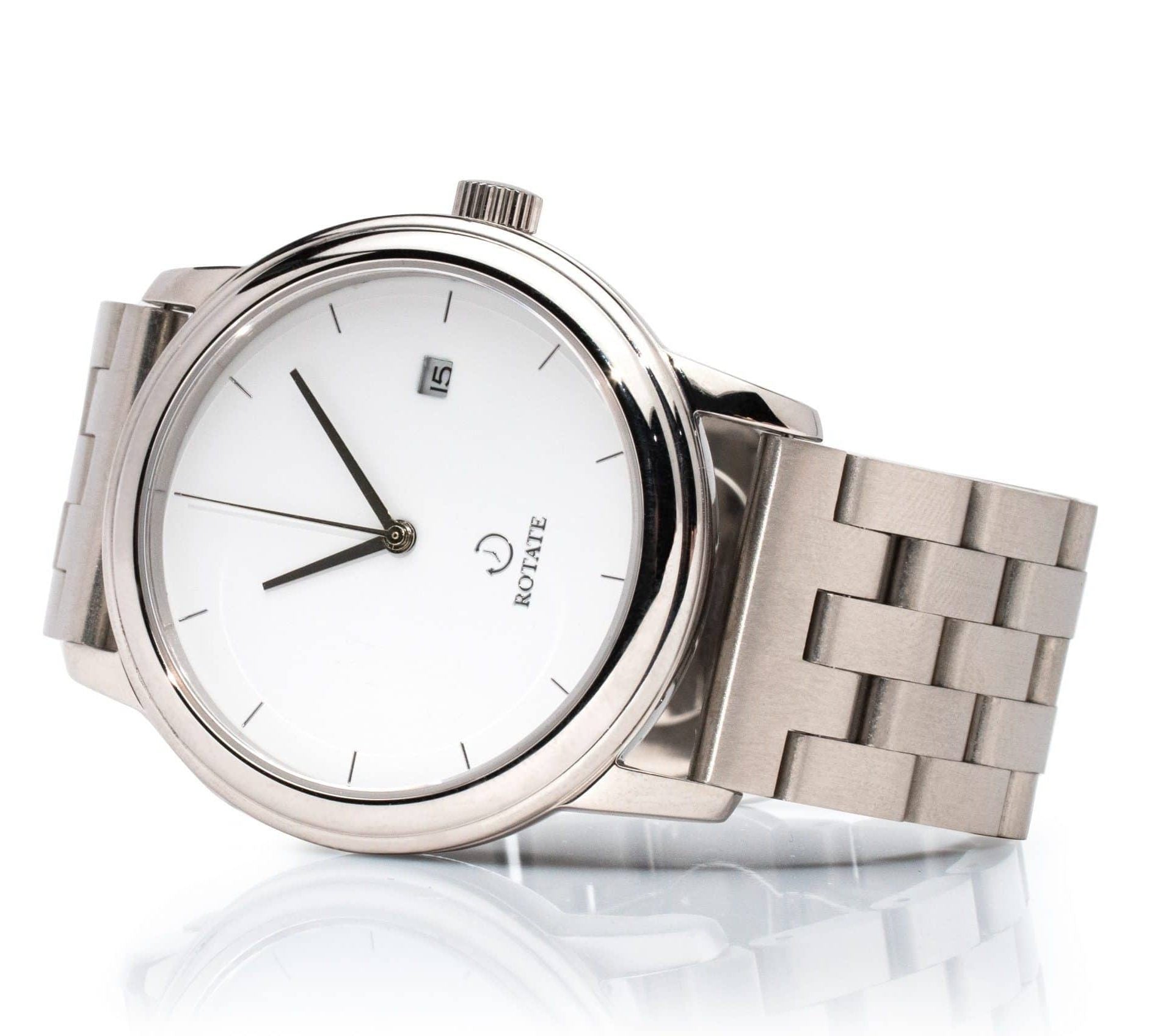
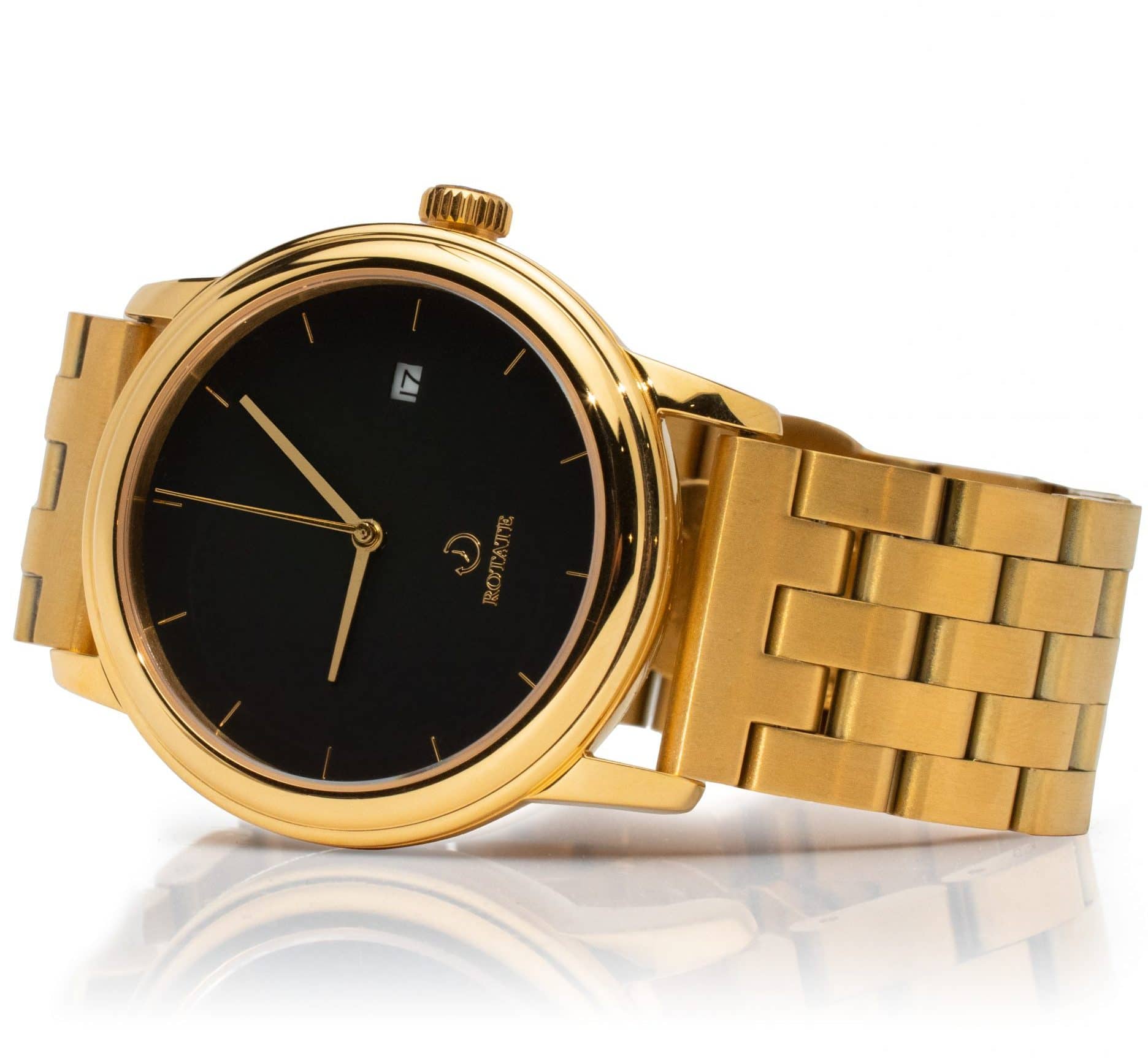
A DIY watchmaking kit is a complete, all-in-one package. You open the box, follow the guide, and walk away wearing a mechanical watch you assembled yourself. Builders walk away with a wearable result without sourcing parts separately. That quality also makes watch kits popular gifts for birthdays, Father's Day, and anniversaries.
Every Component in One Box
Watch kits include the movement, case, dial, hands, crown, strap, and all necessary tools, so nothing extra needs to be purchased. A typical kit ships with a screwdriver, tweezers, spring bar tool, pliers, and gloves. Step-by-step video guides and written instructions walk builders through each stage of assembly. Technical support teams are also available to troubleshoot problems along the way.
The Finished Product You Can Wear
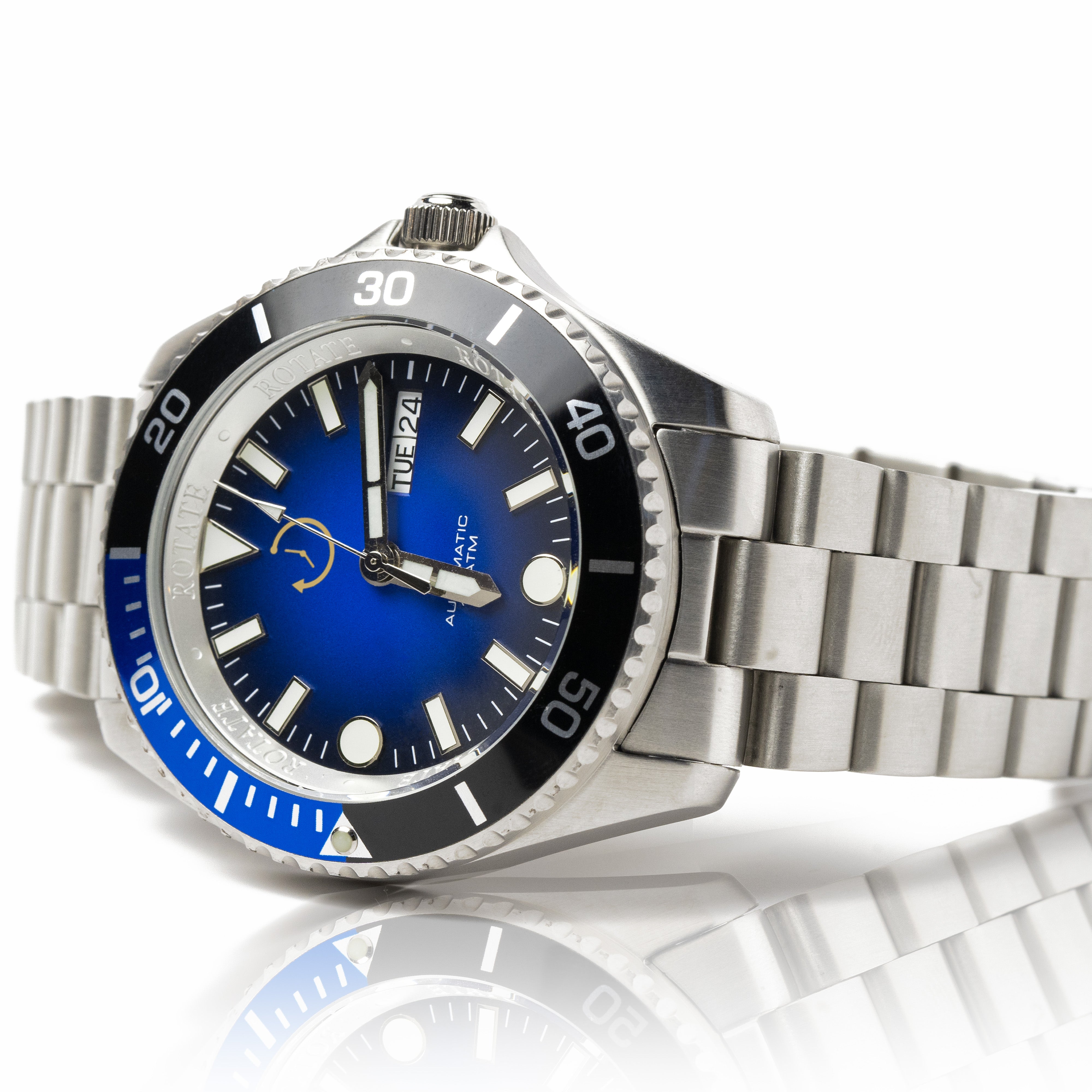
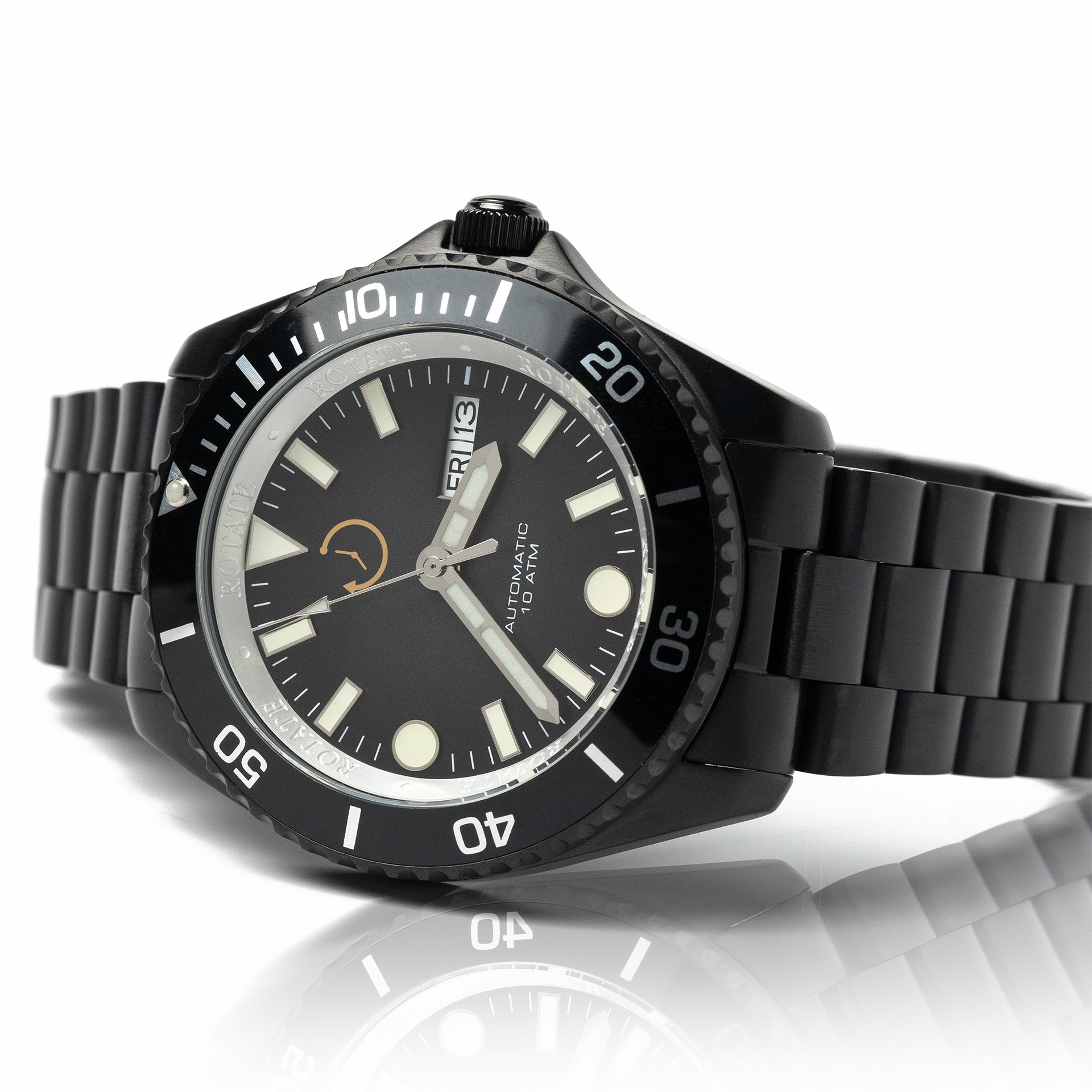
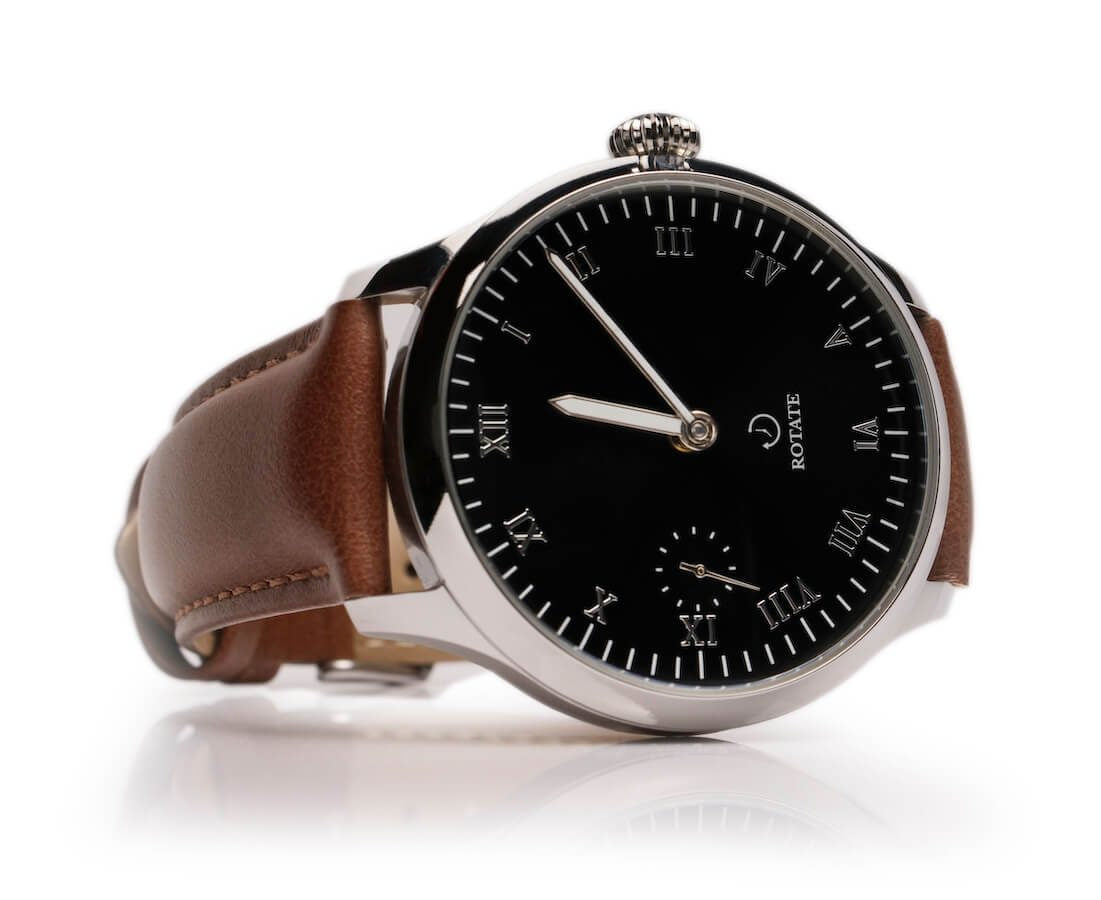
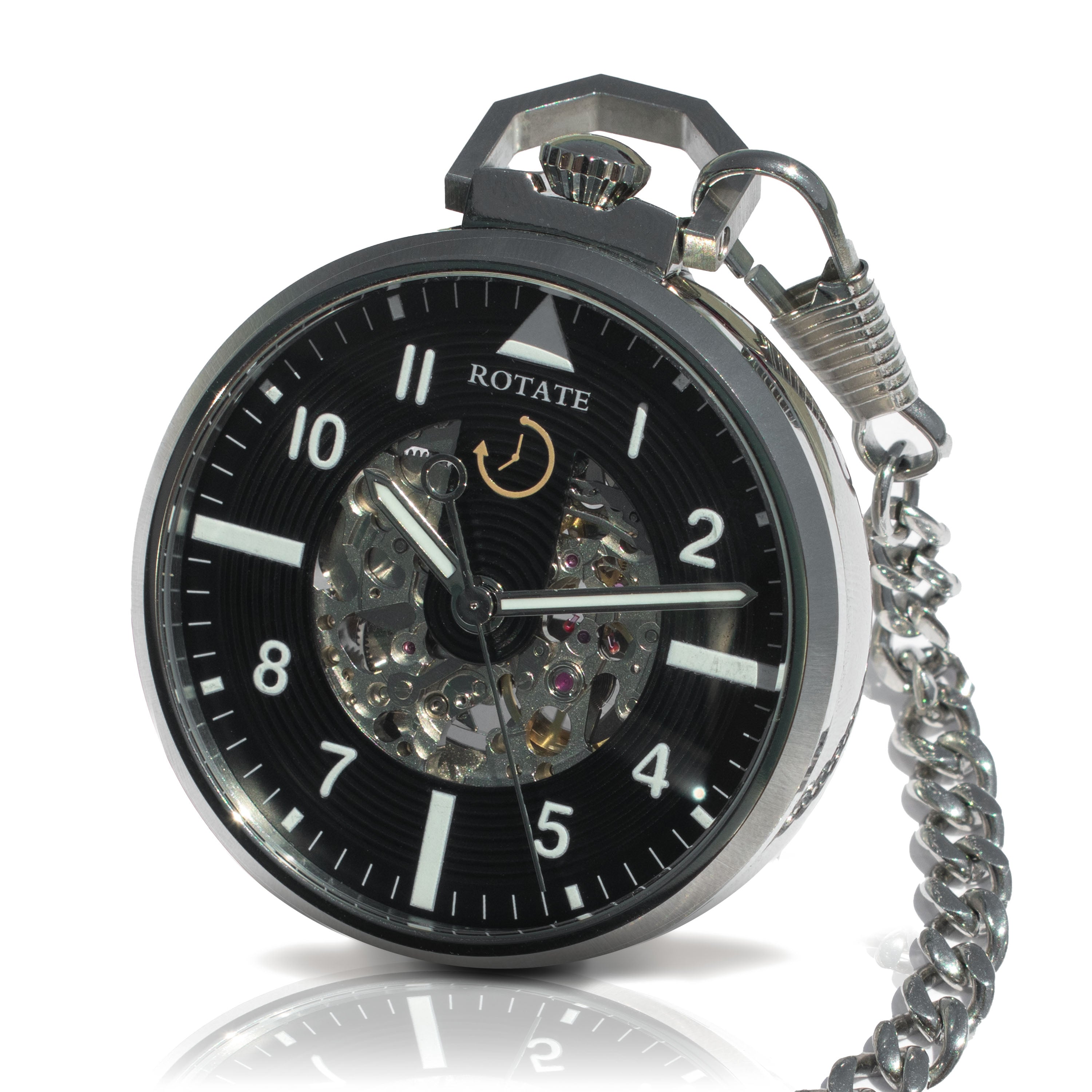
Every watch kit is designed to produce a functional timepiece you can wear daily. Cases are stainless steel with exhibition backs that let you see the movement working after assembly. Straps range from genuine leather to chain-link stainless steel. Water resistance ratings typically fall between 5 ATM and 10 ATM, depending on the model.
Difficulty Levels Vary
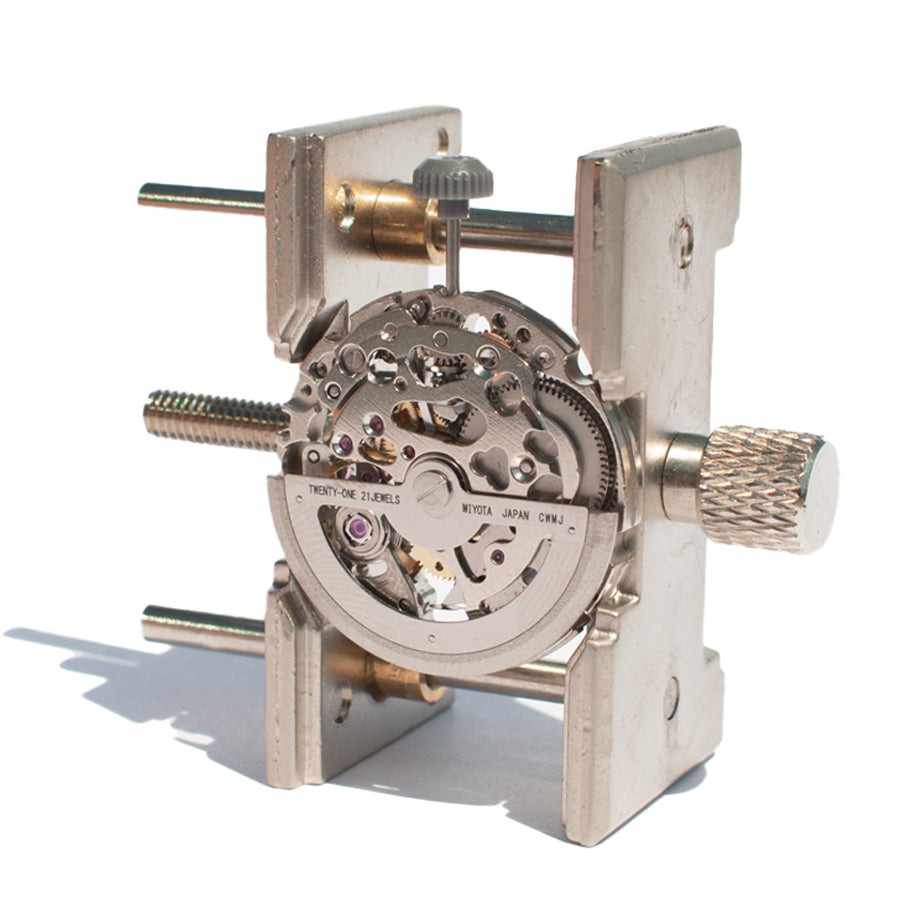
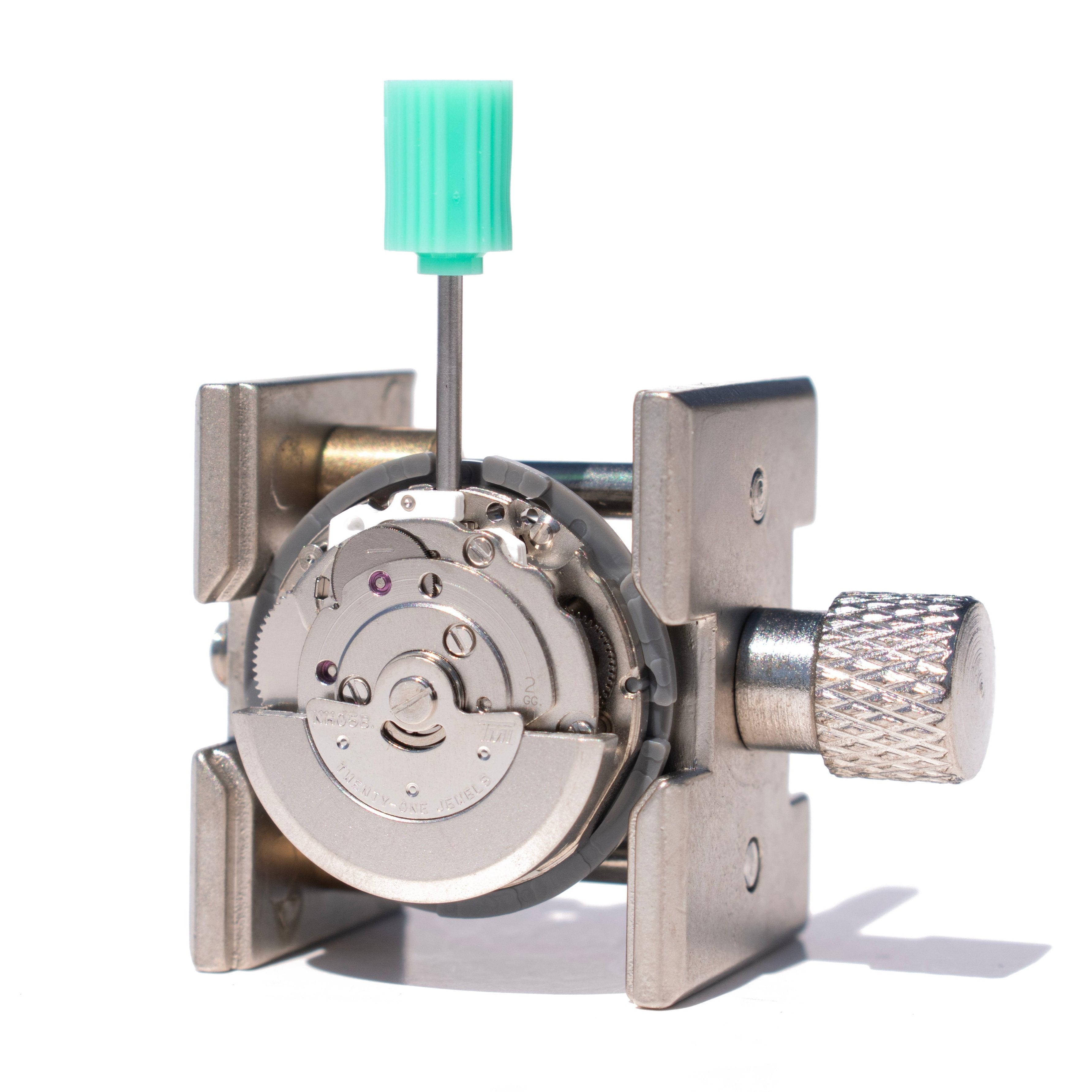
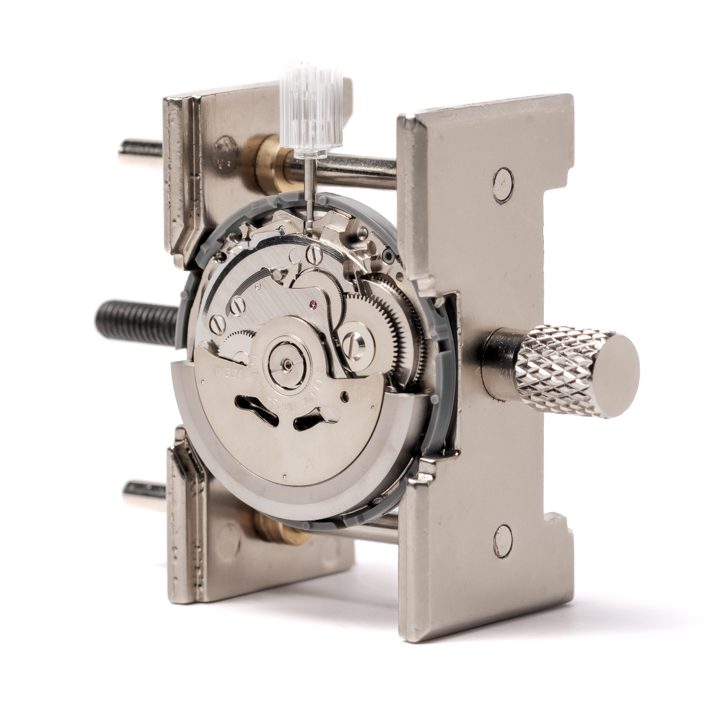
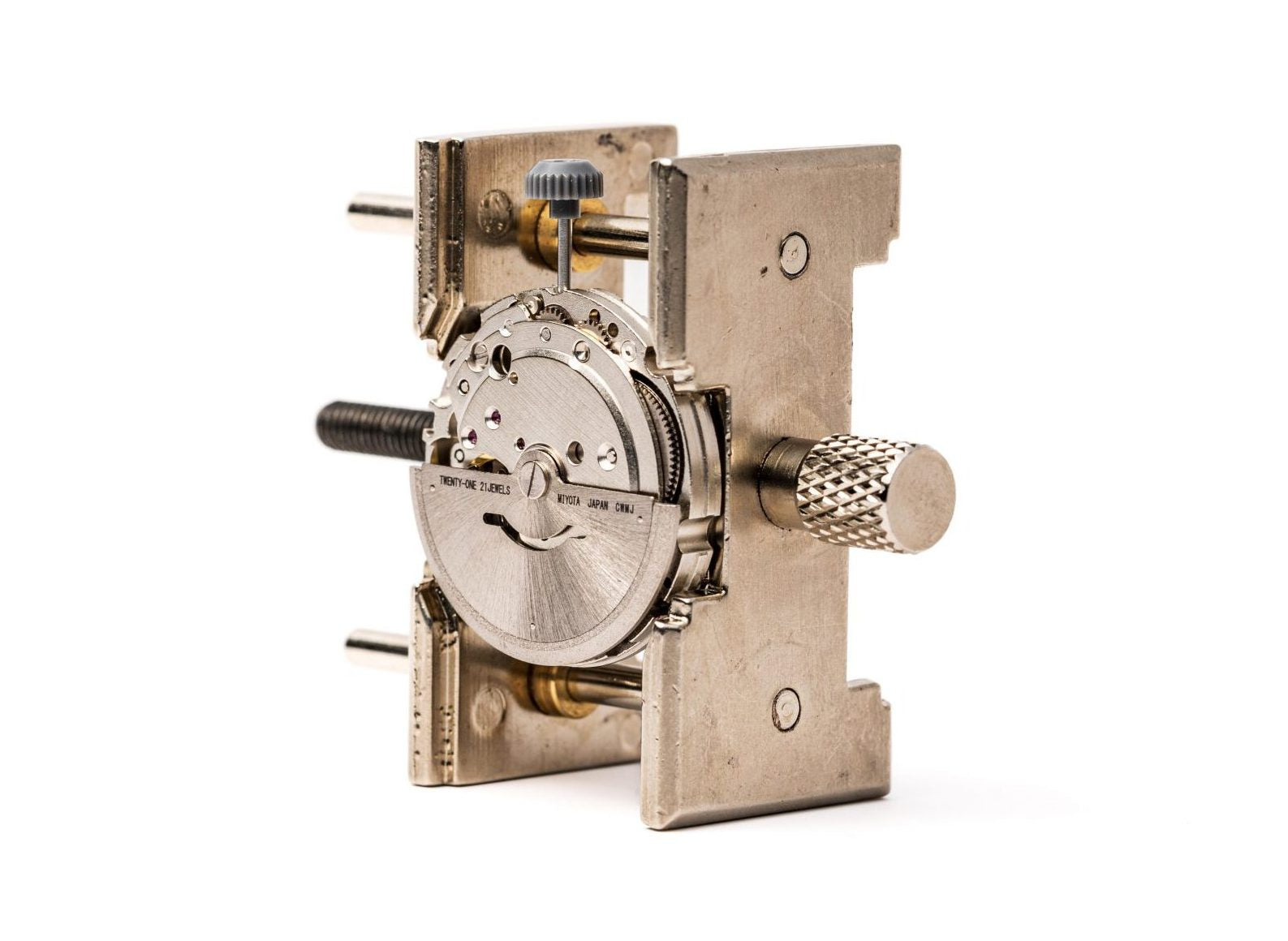
Watch kits come in different difficulty levels based on the movement inside. A hand-wound Seagull ST3600 (17 jewels) focuses on fundamental mechanics, while an automatic Miyota 8215 (21 jewels) adds a date complication that increases the challenge. At the top end, a Seiko NH36 (24 jewels) includes both date and day-date functions, making it the most complex build in the lineup. Matching the difficulty level to your experience prevents frustration during a first build.
What Does a Movement Kit Actually Include?
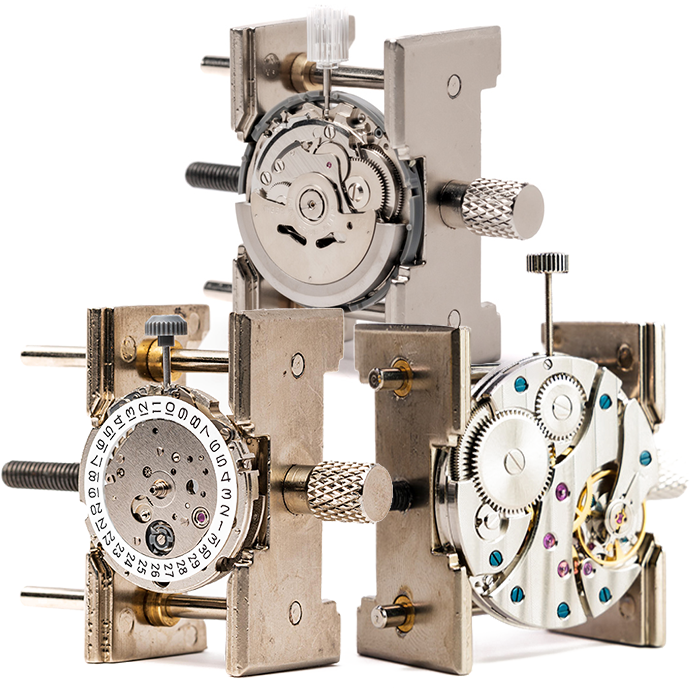
A movement kit strips away everything except the heart of the watch: no case, no dial, no strap. What remains is the mechanical engine itself and the tools needed to take it apart and put it back together.
Pure Mechanical Education
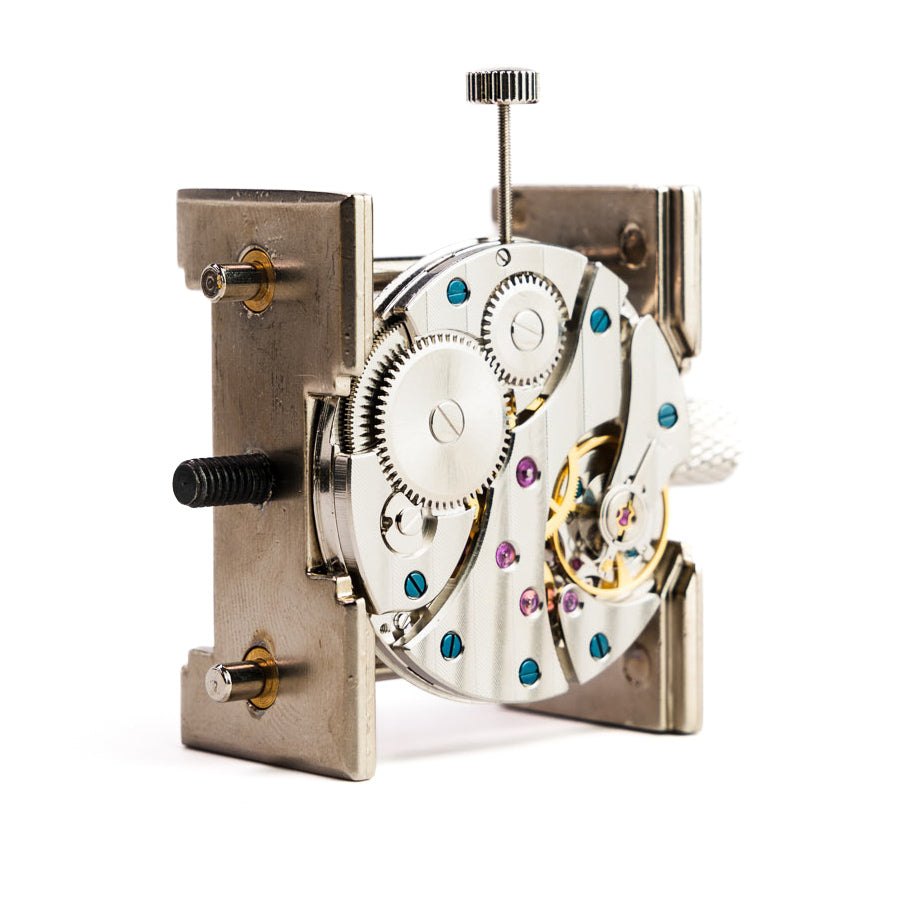
Movement kits contain 40 to 50+ precision components, depending on the caliber. Each kit ships with the movement, a movement holder, screwdrivers, tweezers, a magnetizer tool, finger cots, pliers, an organizing case, and a detailed video guide. Rather than producing a finished product, the entire experience centers on understanding how gears, springs, escapements, and balance wheels interact inside a working mechanism.
Disassembly and Reassembly
Watch kit assembly moves in one direction, from parts to finished timepiece. Hand-wound movement kits, by contrast, teach builders to take a working mechanism apart and rebuild it from scratch. The process involves removing the balance wheel, separating the gear train, lifting the pallet fork, and reassembling each layer in reverse order, because movements ship pre-assembled for safe transit and proper lubrication, builders start with a fully functioning caliber and work backward. Some kits also offer the option to receive the movement already disassembled for an additional fee.
No Wearable End Product
A movement kit does not produce a wearable watch. Once the build is complete, the result is a functioning movement sitting in its holder rather than a timepiece on your wrist. The value lies in knowledge and mechanical skill, not in a finished accessory.
How Do Watch Kits and Movement Kits Compare?
For a quick side-by-side comparison, the table below covers the most important differences between the two kit types.
| Feature | Watch Kit | Movement Kit |
|---|---|---|
| End result | Wearable mechanical watch | Functioning movement in holder |
| Components | Movement, case, dial, hands, crown, strap, tools | Movement, holder, tools, organizing case |
| Price range | $195 to $255 | $140 to $170 (bundle: $290) |
| Build time | 1 to 5 hours | 3 to 6+ hours |
| Skill focus | Assembly and finishing | Disassembly, reassembly, and mechanics |
| Best for | First-time builders, gift recipients | Hobbyists, aspiring watchmakers |
| Warranty | Lifetime included | Optional add-on |
Which One Should You Pick?
Choosing between a watch kit and a movement kit comes down to what you want out of the experience. Both paths lead to genuine watchmaking skills.
Pick a Watch Kit If You Want Something to Wear
First-time builders who want a tangible result should start with a complete watch kit. The process teaches basic assembly skills while producing a functional mechanical watch that you can wear the same day. Kits starting around $195 include everything needed, and most builds take one to three hours depending on difficulty level.
Pick a Movement Kit If You Want Deeper Knowledge
Experienced hobbyists, or anyone genuinely curious about how mechanical watches work, should consider a hand-wound watch movement kit as their starting point. Movement kits reveal every gear, spring, and jewel inside the mechanism in a way that watch kits simply cannot. Watchmaking schools worldwide start students with hand-wound calibers like the Seagull ST3600 because simpler construction teaches fundamentals better than jumping straight into automatic movements. For a closer look at available options, the guide to the top movement kits for DIY enthusiasts covers each caliber in detail.
The Recommended Learning Path
Many builders follow a structured progression that mirrors how watchmaking schools teach.
- Start with a hand-wound ST3600 movement kit to learn the gear train and escapement.
- Move to an automatic Miyota 8215 movement kit to understand rotor winding and the date complication.
- Advance to a Seiko NH36 movement kit to tackle dual complications, including date and day-date.
A movement kit bundle that includes all three calibers covers the full progression in one package at $290. Pairing that bundle with a complete watch kit gives builders both a wearable result and deep mechanical knowledge across three different movement architectures.
Conclusion
The difference between a watch kit and a movement kit comes down to one question. Do you want to wear what you build, or understand what makes it tick? Watch kits are the better starting point for first-time builders who want a wearable timepiece. Movement kits, especially the ST3600, are built for hobbyists who want to learn gear train mechanics from the inside out.
Both paths develop real skills, and many enthusiasts eventually pursue both. Starting with a watch kit gives immediate satisfaction, and following up with movement kits deepens your understanding of mechanical horology at every level.
Ready to choose? Browse the full collection of DIY watch building kits and mechanical movement kits to find the right fit for your skill level and goals.
FAQs
Can a beginner start with a movement kit instead of a watch kit?
Yes, though movement kits focus on disassembly and reassembly rather than building a wearable watch. Beginners who want a finished timepiece on their wrist should start with a watch kit first. Movement kits work best once you have completed at least one full watch build and feel comfortable handling small components.
Do movement kits come with tools?
Yes. Every movement kit includes screwdrivers, tweezers, a movement holder, a magnetizer tool, finger cots, pliers, and an organizing case. Video guides and access to a technical support team are also included, so no additional purchases are needed to get started.
How long does a watch kit take to build?
Assembly time depends on the difficulty level of the kit. Easy-rated kits typically take one to two hours, medium kits take two to three hours, and hard kits may require three to five hours. Taking breaks between stages helps maintain focus and precision throughout the assembly process.
Can I use a movement kit to upgrade my existing watch?
Movement kits are designed for education rather than drop-in replacements. Case compatibility depends on dial feet spacing, movement diameter, and case cavity dimensions. Matching a movement to an aftermarket case requires research beyond what a standard kit provides.
What movement type is best for a first-time builder?
Hand-wound movements like the Seagull ST3600 offer the simplest construction at 17 jewels with no automatic winding module. Watchmaking educators recommend starting with a hand-wound caliber first. Once the fundamentals feel comfortable, automatic movements like the Miyota 8215 or Seiko NH36 offer the next level of challenge.
Do watch kits include warranties?
Yes. Watch kits include lifetime warranties and access to technical support throughout the build process. Movement kits offer optional warranty add-ons for parts protection, and both types of warranty cover lost or damaged components.