

ETA 2824 Dedicated Guide: The Movement Behind Half The Swiss Watch Industry
Ask a watchmaker to name the most important Swiss automatic movement ever made, and most will say the ETA 2824. Since its launch in 1971, this workhorse caliber has powered watches from brands like Hamilton, Tissot, Tudor, Oris, and Sinn. The ETA 2824 earned its reputation through reliability, straightforward servicing, and compatibility with almost any 11.5-ligne watch case.
Even if you never own a Swiss watch, understanding the 2824 still matters. The movement's architecture influenced nearly every affordable automatic caliber on the market today, including the Japanese and Chinese alternatives commonly used in DIY watchmaking.
Key Takeaways:
- Swiss automatic with 25 jewels, 28,800 vph beat rate, and 38-hour power reserve
- Four grades from Standard (+/-12 to +/-30 s/day) to COSC Chronometer (+6/-4 s/day)
- Patents expired in 2002, spawning clones like the Sellita SW200-1
Build your own watch from start to finish. Every gear, every screw, entirely yours.
What Makes the ETA 2824 Special?
The ETA 2824-2, which is the current generation, was launched in 1982. Its design builds on the original Eterna 1427 platform from the mid-1950s. ETA refined that architecture over three decades before arriving at the version most watchmakers know today. As part of the Swatch Group, ETA produces roughly 75% of Swiss mechanical movements. The 2824 became the default choice because it balanced cost, reliability, and serviceability better than anything else available.
One feature that sets it apart is the Etachron regulator, which makes the 2824-2 unusually forgiving to regulate. Watchmakers can adjust timing using a dedicated screw without needing to touch the balance assembly directly.
Core Specifications
The numbers behind the ETA 2824 explain why so many brands adopted it:
- Diameter: 25.6mm (11.5 lignes)
- Height: 4.60mm
- Jewels: 25
- Beat rate: 28,800 vibrations per hour (4 Hz)
- Power reserve: 38 hours
- Hacking: Yes (seconds stop when setting time)
- Complications: Date at 3 o'clock with quick-set
- Winding: Bidirectional automatic with manual wind
The 4 Hz beat rate gives the second hand a noticeably smoother sweep compared to the 3 Hz rate (21,600 vph) found in most entry-level automatics. One practical note worth keeping in mind: avoid quick-setting the date between roughly 9 p.m. and 3 a.m., because the calendar mechanism engages during this window, and forcing adjustment risks damaging gear teeth.
The Four Grades Explained
ETA offers the 2824-2 in four distinct grades, each with different accuracy standards, finishing levels, and shock protection systems:
- Standard: +/-12 to +/-30 seconds per day, adjusted in two positions, Novodiac shock protection
- Elabore: +/-7 to +/-20 seconds per day, adjusted in three positions
- Top: +/-4 to +/-15 seconds per day, adjusted in five positions, Incabloc shock protection
- Chronometer: +6/-4 seconds per day, meets COSC certification standards
Most watches under $500 use Standard or Elabore grades, while Top and Chronometer grades appear in premium models where brands need to justify higher pricing.
Clone Movements and Alternatives
After ETA's key patents expired in 2002, several manufacturers created movements based on the 2824 architecture. The most notable is the Sellita SW200-1, which shares roughly 70% of its parts with the original. The ratchet system and winding train components differ between the two.
Popular ETA 2824 Clone Movements
Other widely used clones include:
- Seagull ST2130: A Chinese-made clone with the same dimensional specs
- STP 1-11: Produced by Fossil Group with comparable architecture
- Hangzhou 6300: Another Chinese alternative available at a lower cost
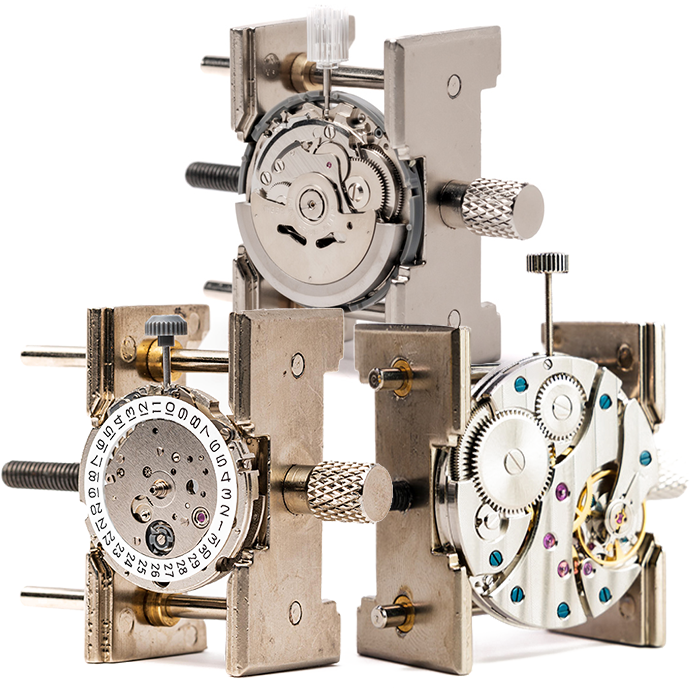
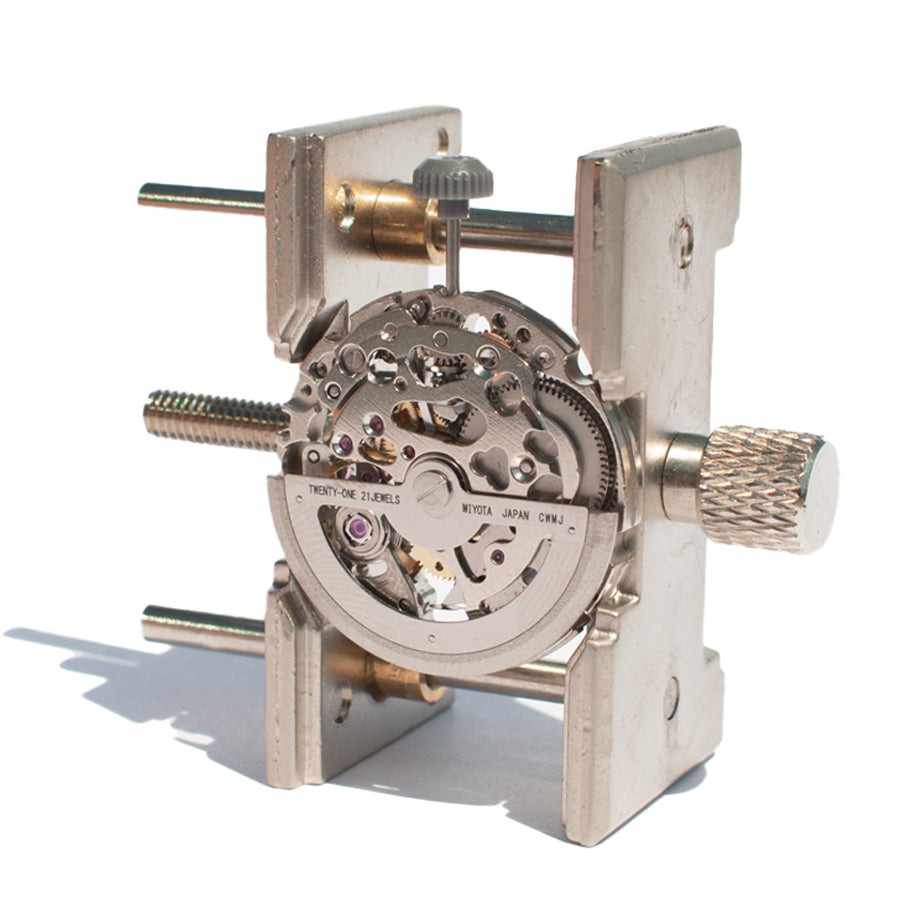
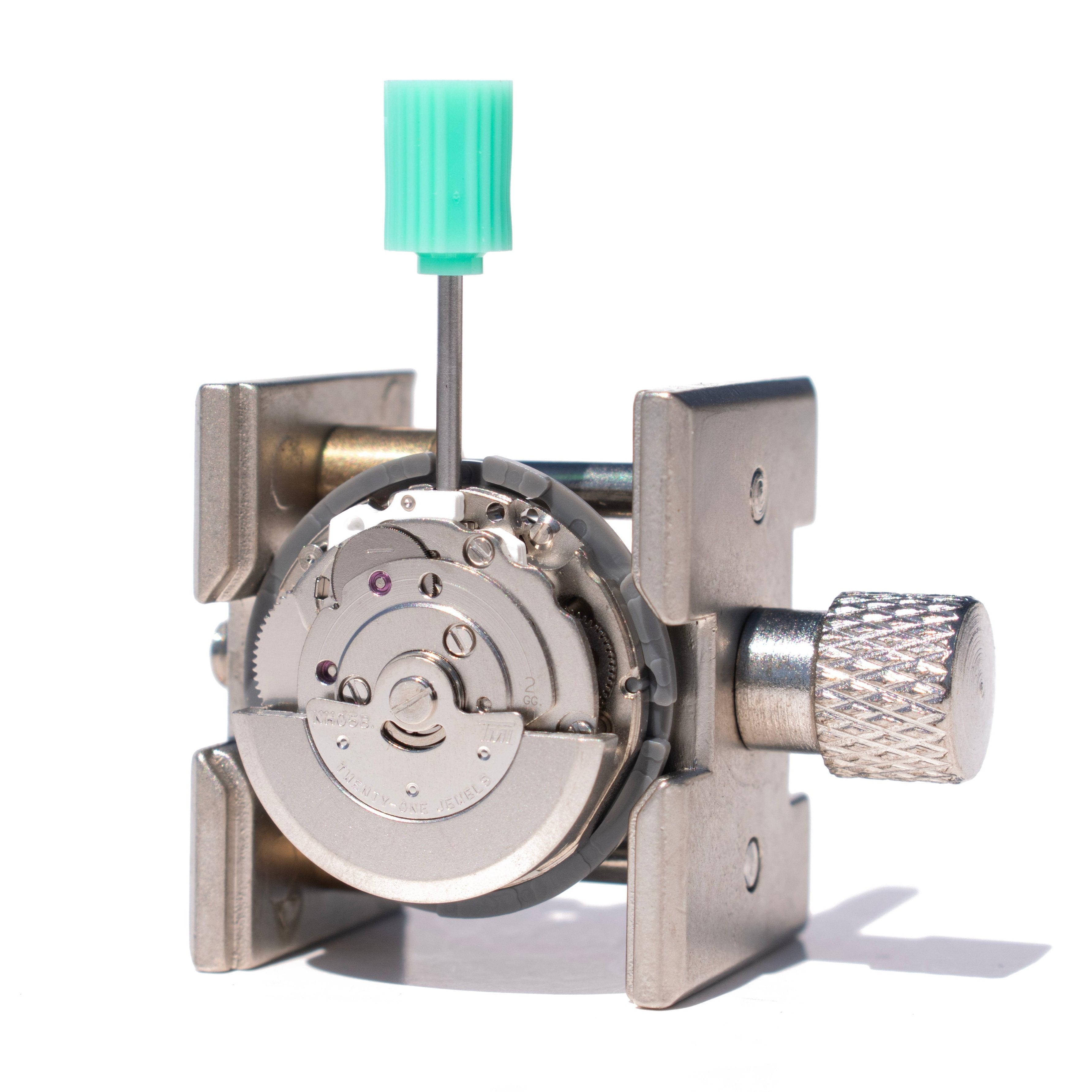
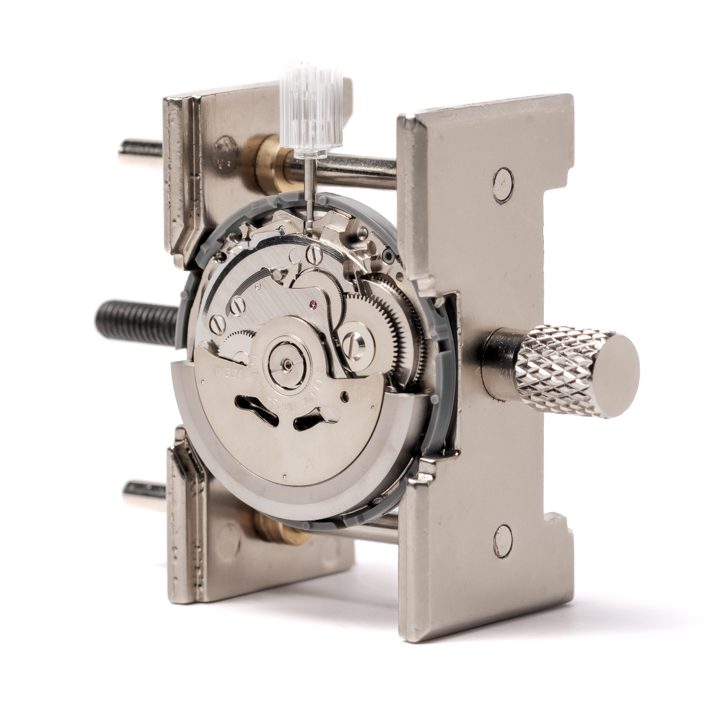
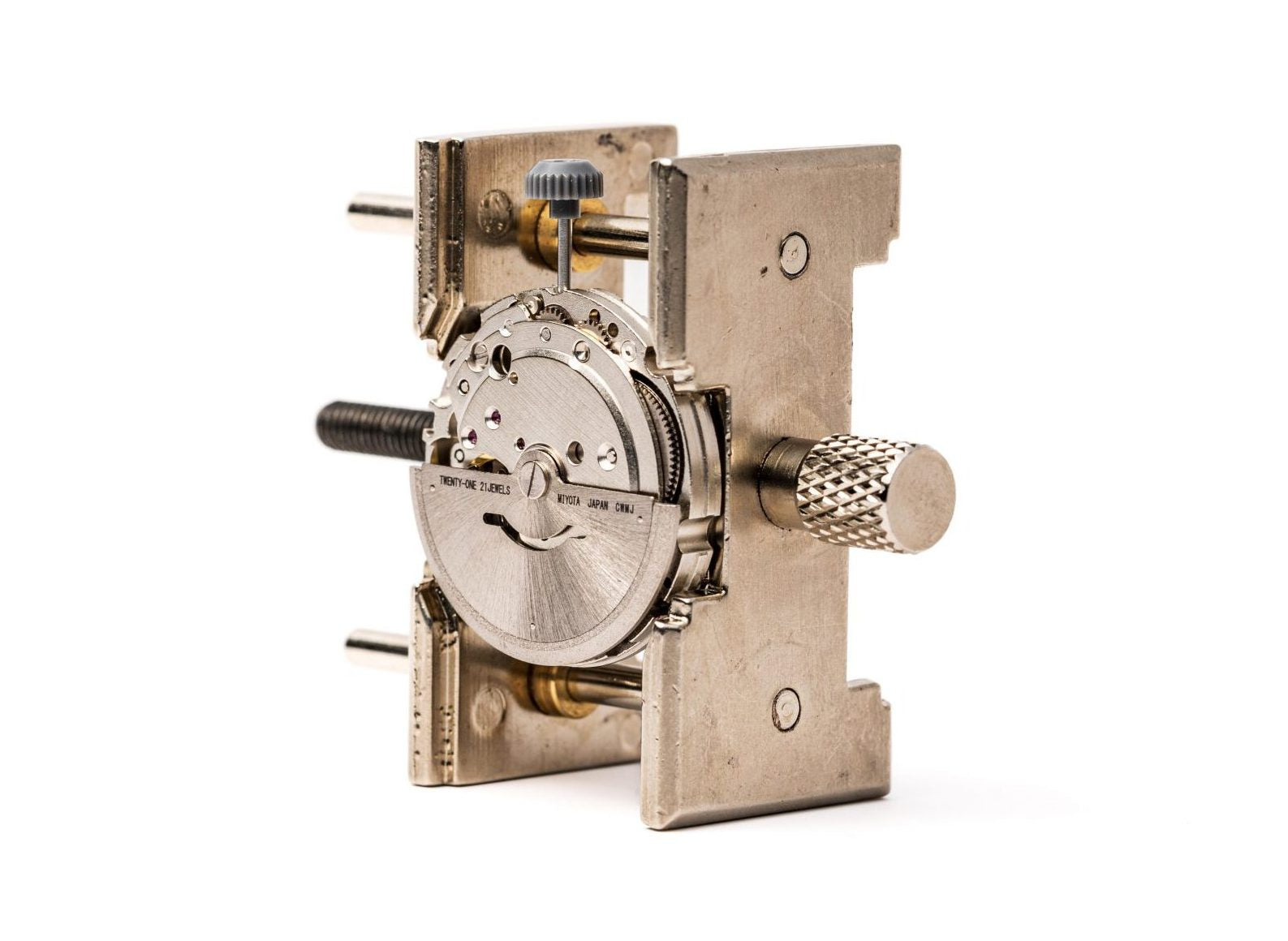
For DIY builders, Japanese alternatives like the Miyota 8215 and Seiko NH36 offer similar core functionality at much lower prices. A complete movement kit with tools and a step-by-step guide makes hands-on learning far more accessible than sourcing Swiss components.
Ready to build? Shop Miyota 8215 Kits and Seiko NH36 Kits - order yours today.
What Watches Use the ETA 2824?
The list of brands that have relied on this movement reads like a directory of the Swiss watch industry. Hamilton's H-10 caliber evolved from the 2824 architecture, adding an 80-hour power reserve by reducing the beat rate. Tissot took a similar approach when it built the Gentleman and PRX lines around the Powermatic 80, which is the 2824's direct successor. Tudor, meanwhile, used the standard ETA 2824-2 in earlier Pelagos and Black Bay models before transitioning to fully in-house MT-series calibers starting in 2015. Breitling, Oris, and Sinn have all relied on versions of the 2824 for core models as well.
Why Brands Rebrand the Movement
Many companies rename the ETA 2824 with their own caliber numbers, which can make identifying the base movement harder for buyers. Hamilton calls theirs the H-10, TAG Heuer uses the name Caliber 5, and Breitling applies the designation Caliber 17. Despite the different labels, the underlying architecture remains the same across all of them.
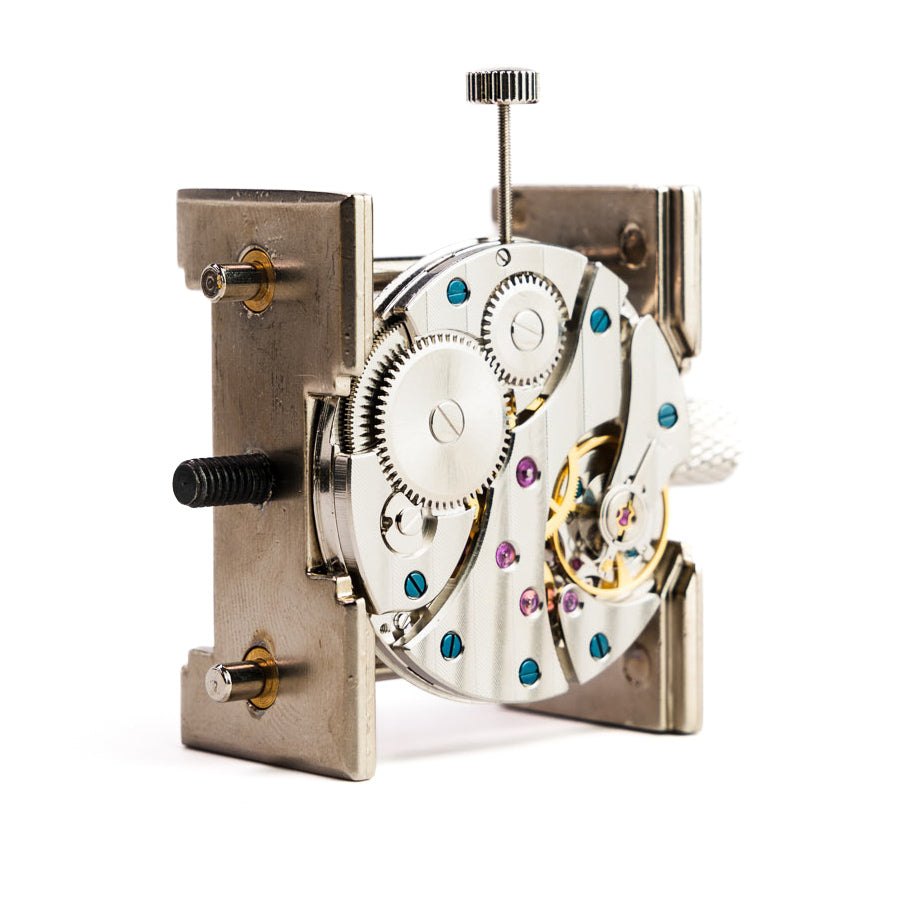
The principles inside the 2824 are not exclusive to Swiss watchmaking, either. Builders who assemble a watchmaking kit with a hand-wound or automatic movement encounter the same fundamentals. Mainspring energy storage, gear train transmission, escapement regulation, and date mechanism operation all apply regardless of origin.
Conclusion
The ETA 2824 earned its status as the most important Swiss automatic movement through decades of proven reliability. While sourcing the original has become harder and more expensive in recent years, its influence lives on in every modern automatic caliber. Understanding the 2824's architecture gives you a foundation for appreciating what makes any mechanical movement tick.
Ready to learn mechanical watchmaking through hands-on experience? Browse DIY watchmaking kits and movement kits to start building.
FAQs
Q1. What is the ETA 2824 movement?
The ETA 2824-2 is a Swiss automatic movement with 25 jewels, a 38-hour power reserve, and a 28,800 vph beat rate. ETA has produced it since 1971, and the current "-2" generation has been in production since 1982.
Q2. Is the Sellita SW200 the same as the ETA 2824?
The two movements are nearly identical in dimensions and function, but they are not fully interchangeable at the parts level. The SW200-1 shares about 70% of its components with the 2824, and while many parts look similar, mixing them during service is not recommended.
Q3. How accurate is the ETA 2824?
Accuracy depends on the grade. Standard grade runs at +/-12 to +/-30 seconds per day, while the Top grade achieves +/-4 to +/-15 seconds. Real-world performance often exceeds factory specs when the movement receives proper regulation.
Q4. Why is the ETA 2824 so popular?
A combination of reliability, easy serviceability, standardized parts availability, and broad case compatibility made it the default choice for the Swiss watch industry over several decades.
Q5. Can you still buy the ETA 2824?
ETA restricted third-party sales after 2020, which has made the movement harder to source independently. Replacement units are still available through parts suppliers, typically priced between $200 and $300.
Q6. What is a good alternative to the ETA 2824?
The Sellita SW200-1 is the closest Swiss alternative in terms of dimensions and architecture. For builders on a budget, Japanese movements like the Miyota 8215 or Seiko NH36 offer similar functionality at a much lower price point.