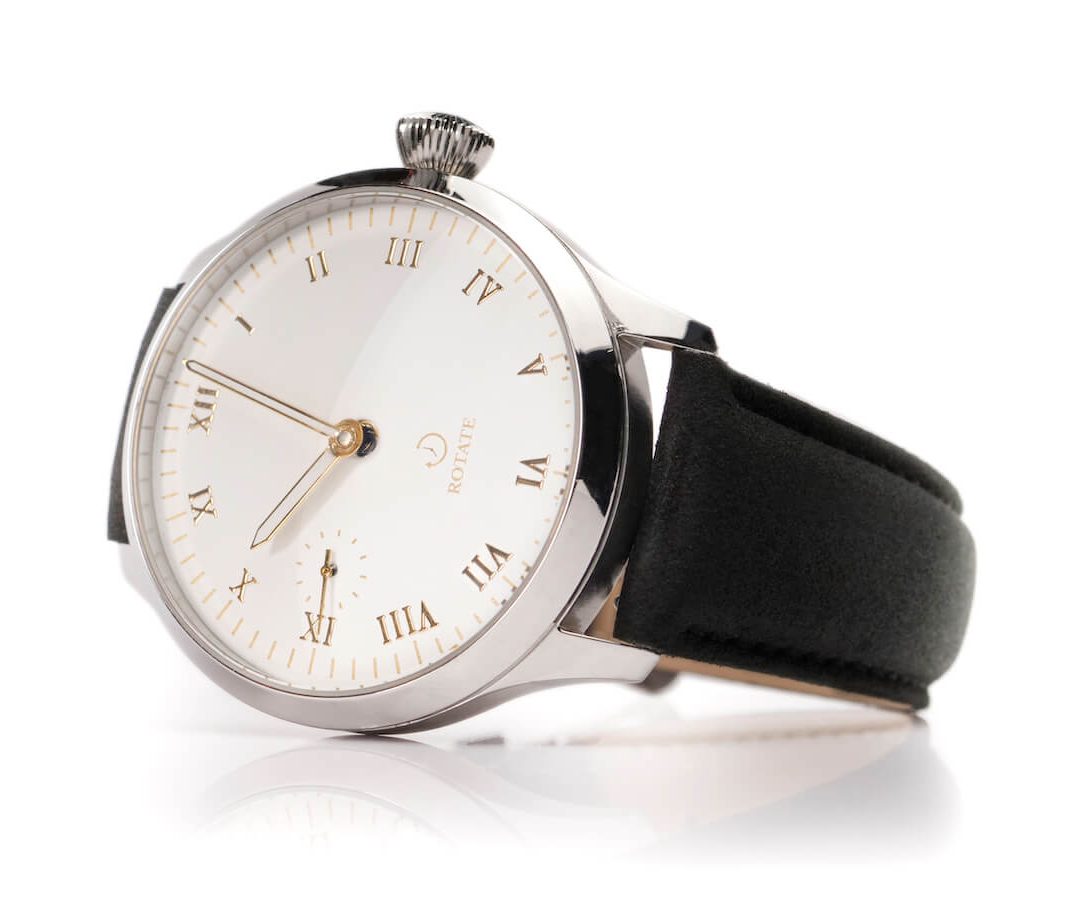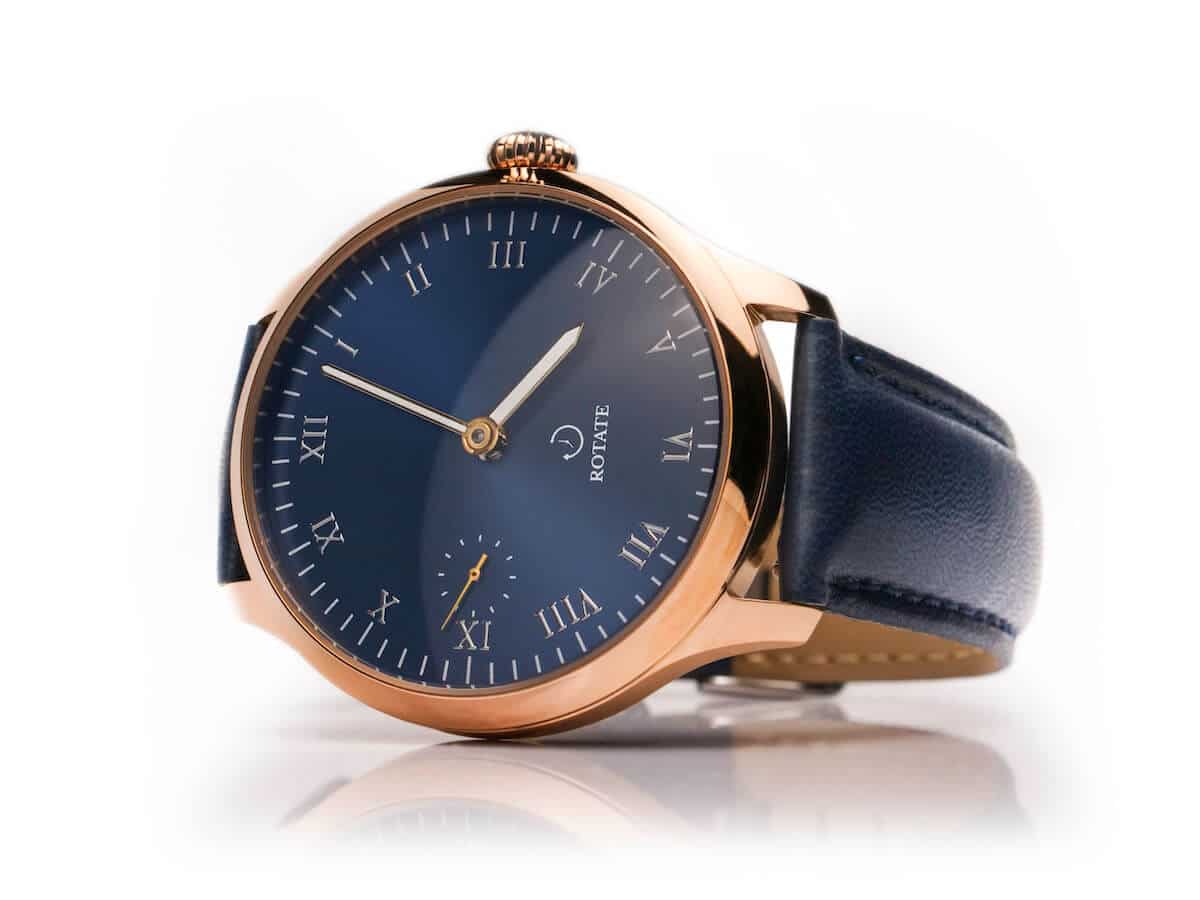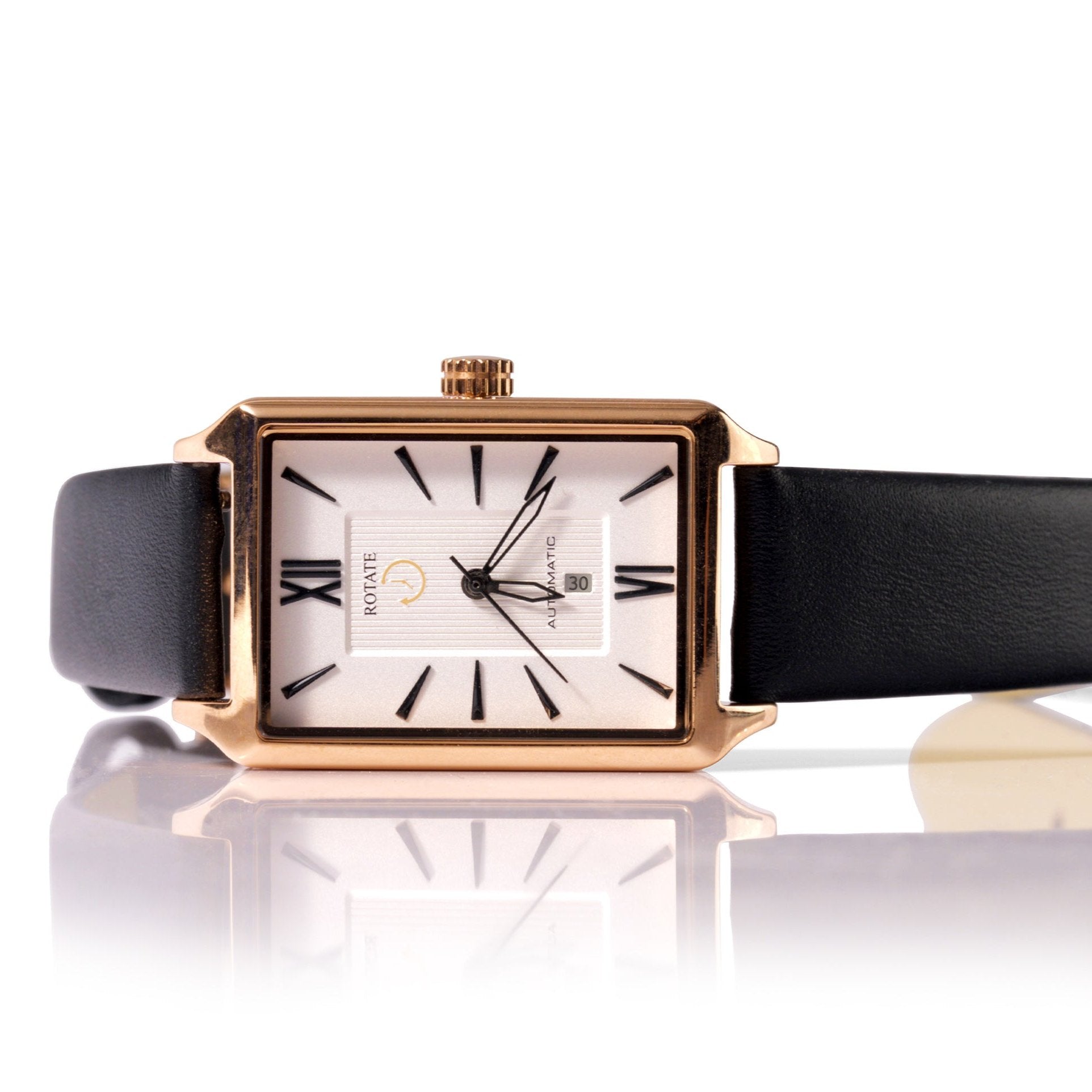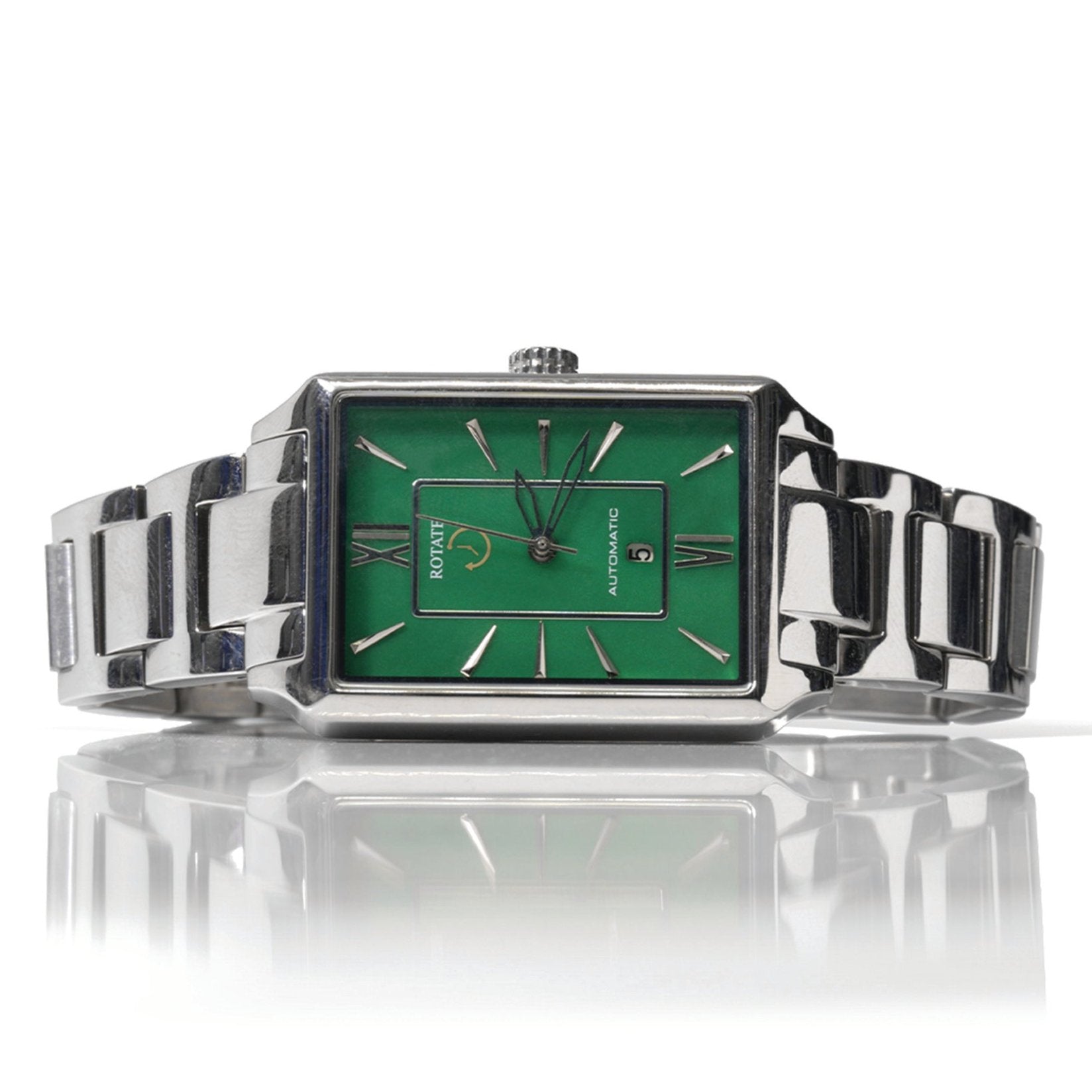
Build a real mechanical watch - shop our DIY Watch Kits today.
Which watches use Seagull movements?
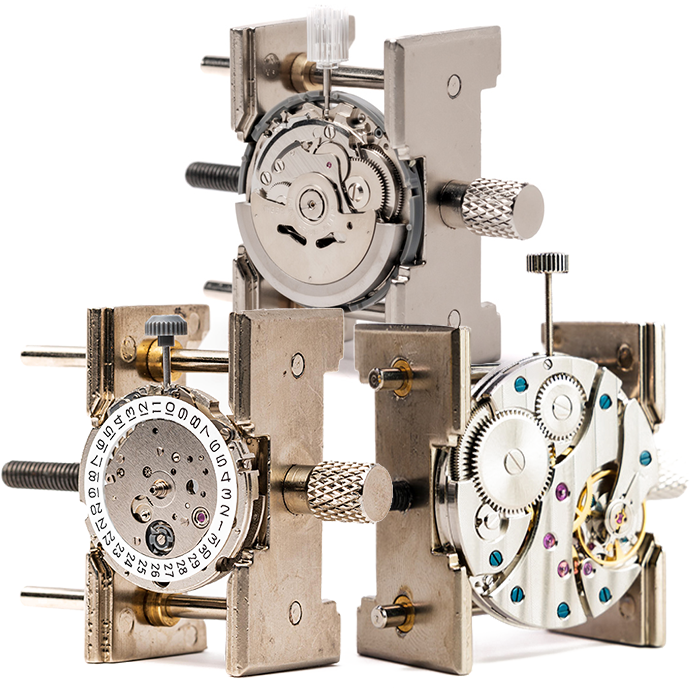
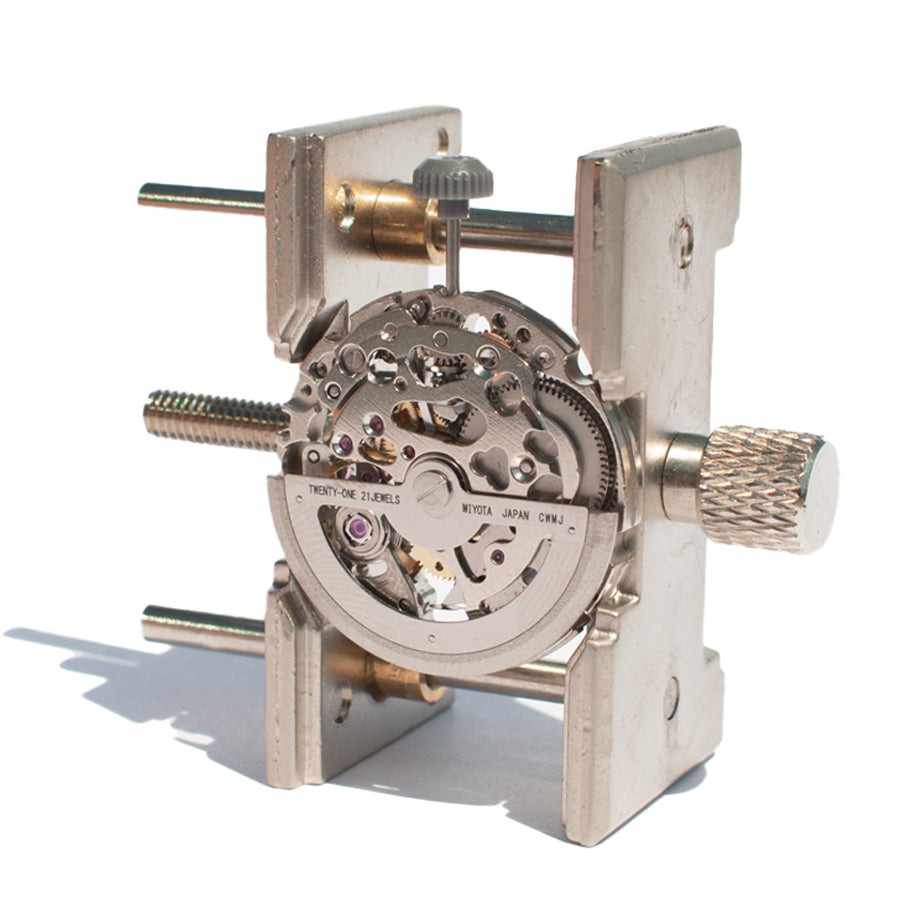
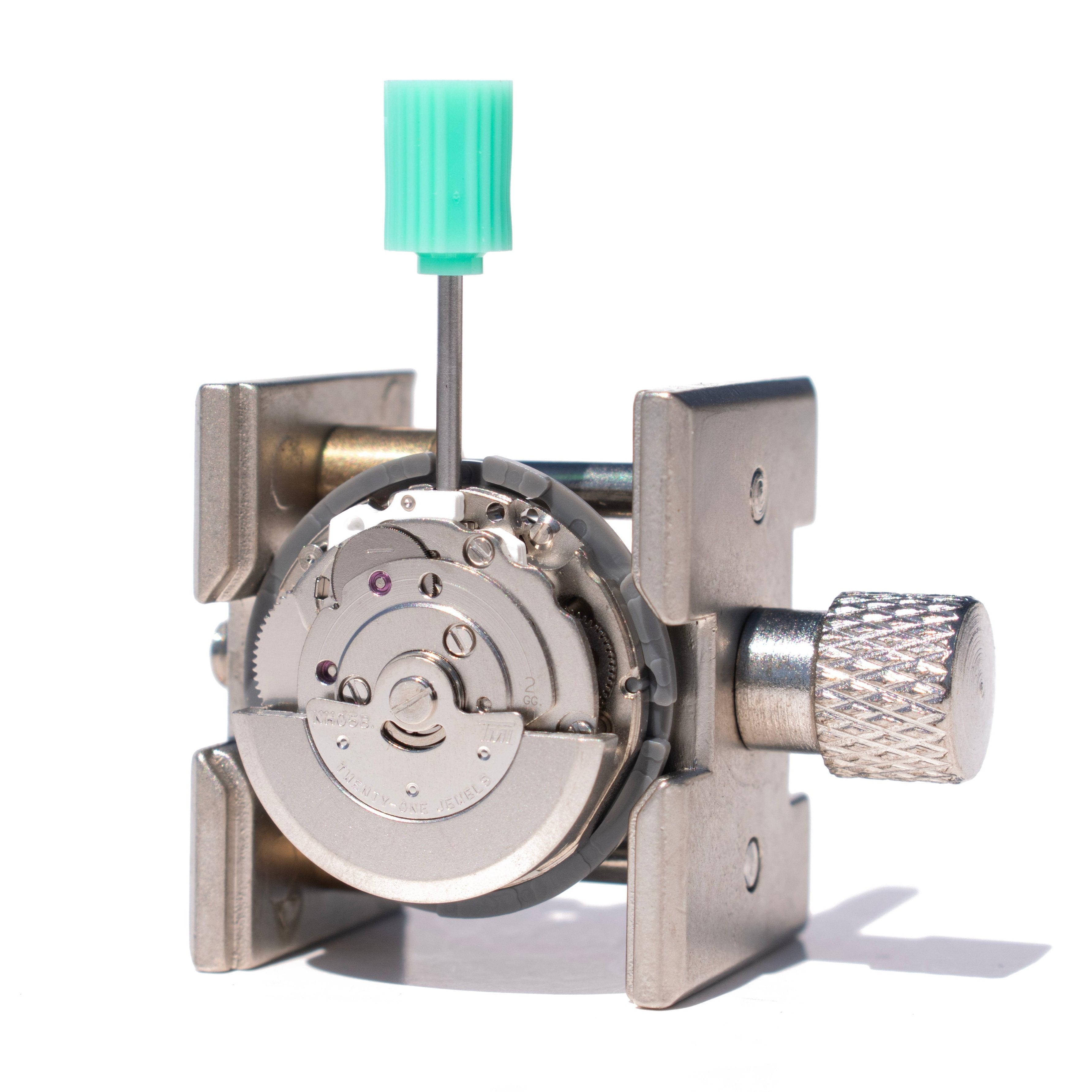
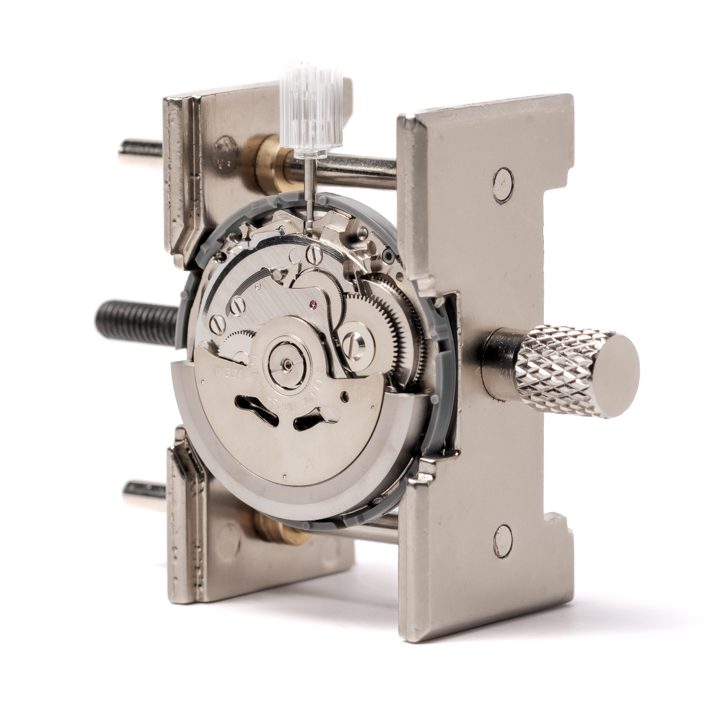
Seagull movements are mechanical watch calibers produced by the Tianjin Seagull Watch Group, the world's largest manufacturer of mechanical movements. Despite that distinction, most watch buyers have never heard the name. Seagull calibers quietly power watches from dozens of brands across every price segment.
That list of brands is longer than most people expect. Whether a watchmaker needs an affordable chronograph or a reliable automatic, Seagull keeps coming up. The calibers deliver solid mechanics at a price that keeps finished watches accessible.
Key Takeaways
- Seagull produces over 2 million mechanical movements per year, roughly a quarter of global output
- Baltic, Lorier, Rotary, Celadon, and 50+ microbrands use Seagull calibers
- The ST1901 chronograph and ST3600 hand-wound are the most widely adopted movements
- The ST3600 shares architecture with the Swiss ETA 6497, ideal for DIY watchmaking
- Complete movement kits with the ST3600 cost $140 with tools, guides, and support
Why Do So Many Brands Choose Seagull?
Seagull produces over 2 million mechanical movements each year. According to Caliber Corner's movement database, that figure represents roughly a quarter of total global output. The company's catalog is broad, too. Hand-wound calibers, automatics, tourbillons, and minute repeaters all come from the same factory system.
For brands targeting the $200 to $800 retail range, that combination of volume and variety is hard to ignore. Seagull offers mechanical capability at price points where Swiss and Japanese alternatives simply cannot compete. High production volume keeps per-unit costs low without cutting corners on construction. Decades of manufacturing experience give partner brands confidence that large orders will arrive with consistent quality.
The result is a global supply chain built on predictability. Seagull ships calibers to watchmakers on every continent, and that reach keeps growing.
What Are the Most Popular Seagull Calibers?
A handful of movements account for most Seagull-powered watches on the market today:
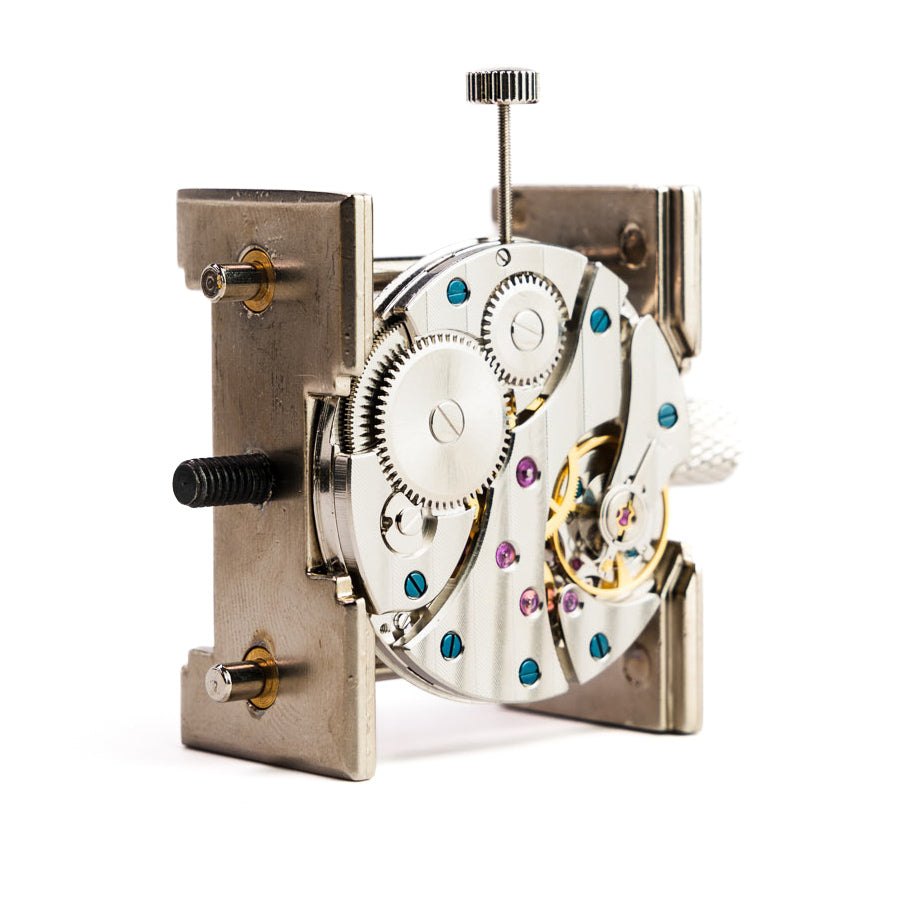
- ST3600 (ETA 6497 architecture): A 17-jewel hand-wound movement with over 40 hours of power reserve, popular in pilot watches and DIY kits. The caliber runs at 21,600 vph and holds accuracy within -20 to +40 seconds per day.
- ST1901/ST19 (Venus 175 architecture): A column-wheel chronograph originally adapted for the Chinese Air Force in the early 1960s. Enthusiast communities on WatchUSeek widely consider this the most affordable mechanical chronograph caliber available.
- ST2130 (ETA 2824 architecture): A 28-jewel automatic commonly found in everyday wristwatches, providing approximately 40 hours of power reserve.
- ST2557: An automatic with a GMT complication for dual-timezone designs. The related ST2528 variant adds a moonphase display.
The Venus 175 heritage behind the ST19 deserves special attention. Venus sold its production tooling and designs to the Tianjin Watch Factory in 1961. From there, Tianjin's engineers adapted the Swiss architecture for military chronographs under Project 304. That same mechanical foundation continues to power the ST1901 today.
Which Brands Use Seagull Movements?
Watches powered by Seagull movements span a wide range of styles and price points. Some companies prominently feature the Seagull caliber on their product pages, while others use it without drawing attention to the movement's origin. Finished Seagull-powered watches typically retail between $100 and $700.
Established Watch Brands
Several well-known brands rely on Seagull calibers. Finished watches from these companies have earned strong reputations among collectors and reviewers on platforms like Fratello and Worn & Wound.
- Baltic: The French microbrand built its Bicompax chronograph around the Seagull ST1901, a column-wheel movement with 42 hours of power reserve.
- Lorier: The Gemini chronograph runs the Seagull ST19, chosen for its mechanical depth at an accessible price.
- Mercer: The Lexington features a Seagull ST19 chronograph assembled and regulated in New Jersey.
- Rotary: The British heritage brand has reportedly used Seagull movements in portions of its mechanical lineup.
- Celadon: The Singapore-founded brand uses the Seagull ST18 automatic in its mid-tier CL collection, pairing it with guilloche and enamel dials in refined dress designs.
- Precista/Timefactors: The PRS-5 chronograph uses the ST19, chosen by founder Eddie Platts as a successor to the discontinued Poljot 3133.
Microbrands and Independent Makers
Beyond those established names, over 50 microbrands worldwide have adopted Seagull movements for custom and limited-edition pieces. Sugess, Studio Underd0g, Haim, Hemel, Phylida, Magrette, Geckota, and Arcus all use Seagull calibers in chronograph and time-only watches. Because the movement itself costs relatively little, these brands can put more budget toward sapphire crystals, unique dials, and premium case finishing. Most produce finished watches priced between $150 and $600.
Seagull's Own Watch Line
The Tianjin factory also produces watches under its own Sea-Gull brand. The lineup is more diverse than many collectors realize. The iconic Seagull 1963, the Ocean Star diver, and several Bauhaus-inspired dress models all showcase the company's mechanical range. The 1963 holds particular significance. Originally built as a military chronograph for Chinese Air Force pilots under Project 304, it remains one of the most recognized Seagull-powered watches in production.
Why Does Seagull Work for DIY Watch Builders?
The same reliability and affordability that attracts commercial brands also makes Seagull movements a natural fit for watchmaking education. The rise of DIY watchmaking has brought thousands of new builders into the hobby. Among them, the ST3600 stands out as the most popular learning movement. Its hand-wound simplicity teaches fundamental mechanical principles without the added complexity of automatic winding or date complications. For a deeper look at accuracy and build quality, our Seagull movement guide covers the caliber in detail.
The ST3600 as a Learning Tool
Watchmaking schools worldwide start students with hand-wound movements, and the ST3600 fits that educational role perfectly. At $140 for a complete kit with tools and a step-by-step guide, builders can practice disassembly and assembly repeatedly without financial pressure. The simpler construction makes it easier to see how mainsprings, gear trains, and escapements function as a connected system. Kit builders consistently report smooth winding action and stable accuracy from this caliber.
Buy Seagull ST3600 - Movement Kit
Affordable Practice Beats Expensive Perfection
The ST3600 delivers the same educational value as the Swiss ETA 6497 at a fraction of the cost. Our Seagull vs. Swiss movement comparison covers that gap in detail. That price gap is why it has become the default recommendation for first-time builders. Baltic, Lorier, and Precista all stake their reputations on Seagull movements in commercial watches. That track record proves the caliber's reliability extends well beyond the workbench. A kit-built watch contains the same architecture found inside production timepieces selling for several hundred dollars at retail.
Conclusion
Seagull movements power watches from respected microbrands, major international names, and independent makers around the world. Swiss-derived architecture, reliable long-term performance, and accessible pricing explain that dominance. Seagull has held its position as the world's largest mechanical movement manufacturer since the early 2000s.
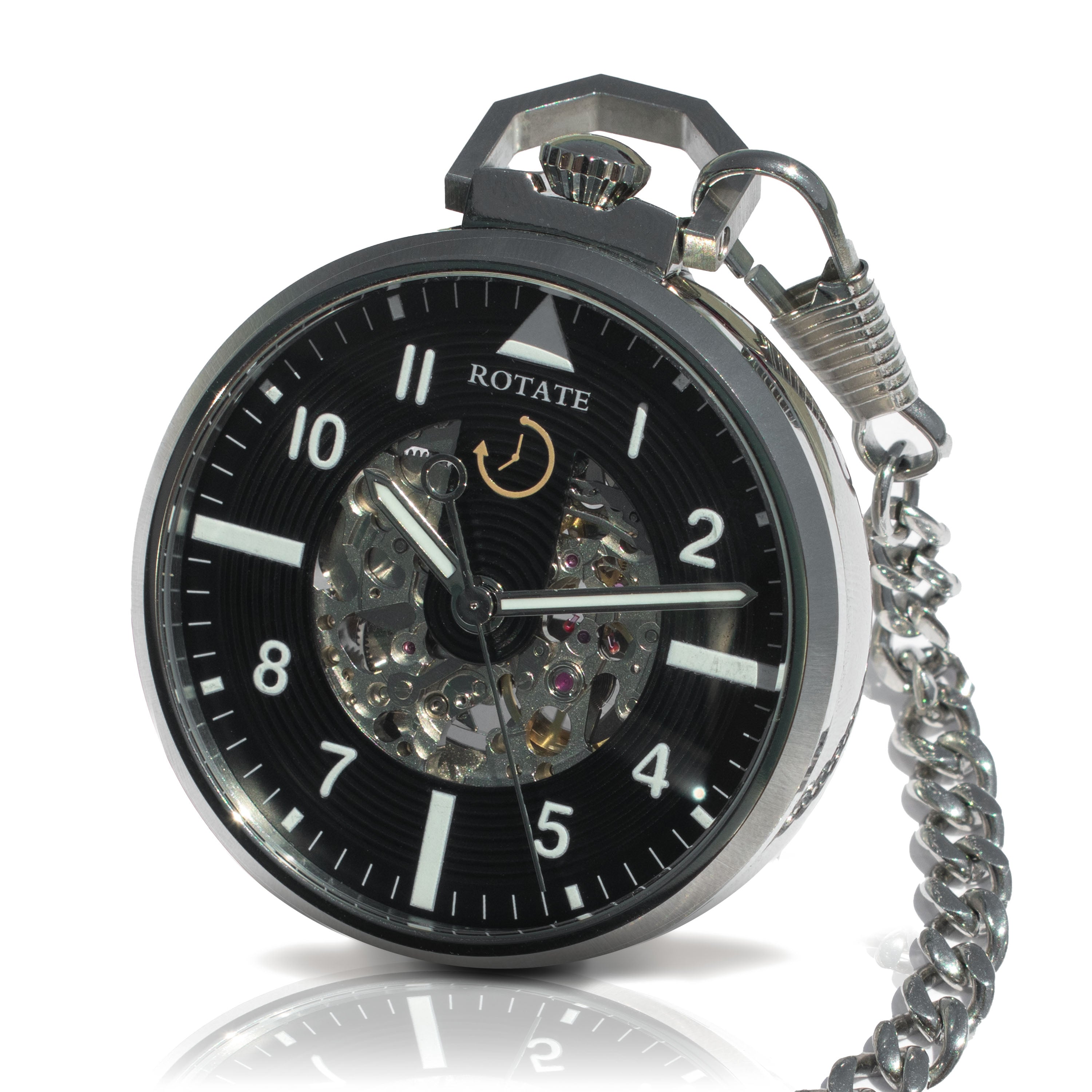
Rotate Watches offers complete watchmaking kits and movement kits featuring the Seagull ST36. Quality components and detailed guides walk you through every step of building a functional mechanical timepiece.
FAQs
Q1. Which major brands use Seagull movements?
Baltic, Lorier, Mercer, Rotary, Celadon, and Precista are among the better-known names. Over 50 microbrands worldwide also rely on Seagull movements for chronographs and time-only watches.
Q2. What is the most popular Seagull movement?
The ST1901 (ST19) chronograph and the ST3600 hand-wound are the two most widely used calibers. The ST1901 is broadly recognized as the most affordable mechanical chronograph on the market.
Q3. Are Seagull movements reliable?
Yes. Seagull has produced millions of movements since 1955. Baltic, Lorier, and Precista all chose Seagull calibers specifically because of their proven reliability in production watches.
Q4. Is the Seagull ST3600 based on a Swiss movement?
The ST3600 shares its architecture with the ETA 6497, a well-known Swiss hand-wound caliber. Seagull produces it at significantly lower cost while maintaining the same design and dimensional compatibility.
Q5. How much does a Seagull movement cost?
Bare ST3600 movements typically sell for $40 to $60 through online marketplaces. A complete kit with tools and a guide costs $140. ST19 chronograph movements generally fall between $60 and $120.
Q6. Can I build a watch with a Seagull movement at home?
Yes. Complete DIY watchmaking kits built around the ST3600 include all parts, tools, and step-by-step guides. No prior watchmaking experience is required.