
Hacking vs Non-Hacking Movements: What It Means
Pull the crown out on most modern watches, and the second hand stops. Push it back in, and the hand starts sweeping again. That stop-start feature has a name: hacking.
Not every mechanical watch does this. Automatic movements power themselves through wrist motion, but some keep the seconds hand running no matter what the crown position is. Knowing the difference between a hacking and a non-hacking watch movement matters for time-setting accuracy and movement selection.
What Is a Hacking Movement?
A hacking movement stops the seconds hand when the crown is pulled out to the time-setting position. The term comes from military use, where soldiers needed to synchronize watches to the exact second.
Hacking became standard on military watches during World War II. Pilots and ground forces needed precise coordination, so stopping the second hand let entire units synchronize. The feature later became standard in most modern movements.
How the Mechanism Works
Inside a hacking movement, a small lever presses against the balance wheel when the crown is pulled. The balance wheel is the oscillating component that regulates timekeeping. When it stops, the entire gear train stops, and the second hand freezes.
Push the crown back in, and the lever releases. The movement restarts from exactly where it stopped. The mechanics are straightforward:
- The crown pulled out activates a lever
- Lever contacts the balance wheel, freezing all hands
- The crown pushed in releases the lever and restarts the movement
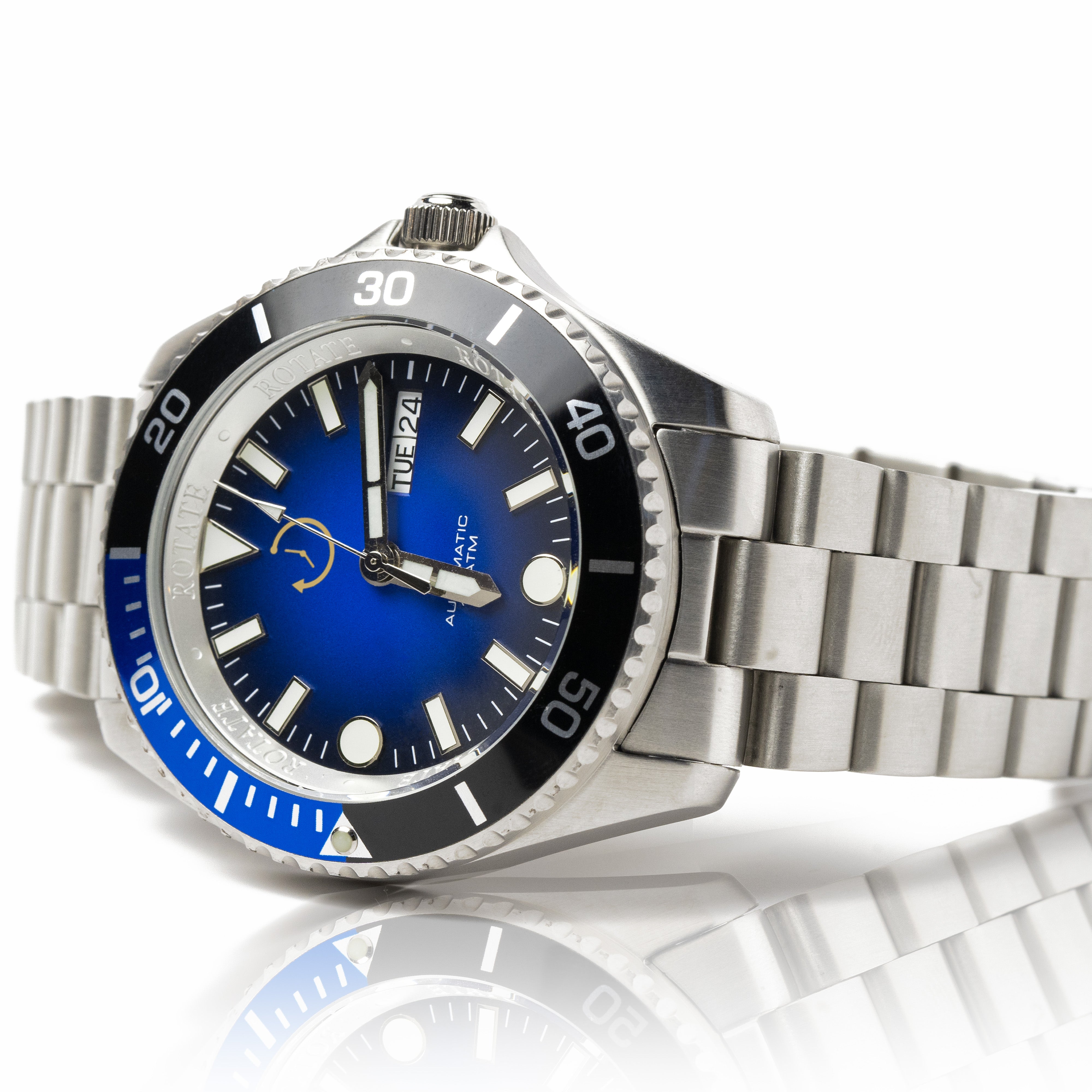
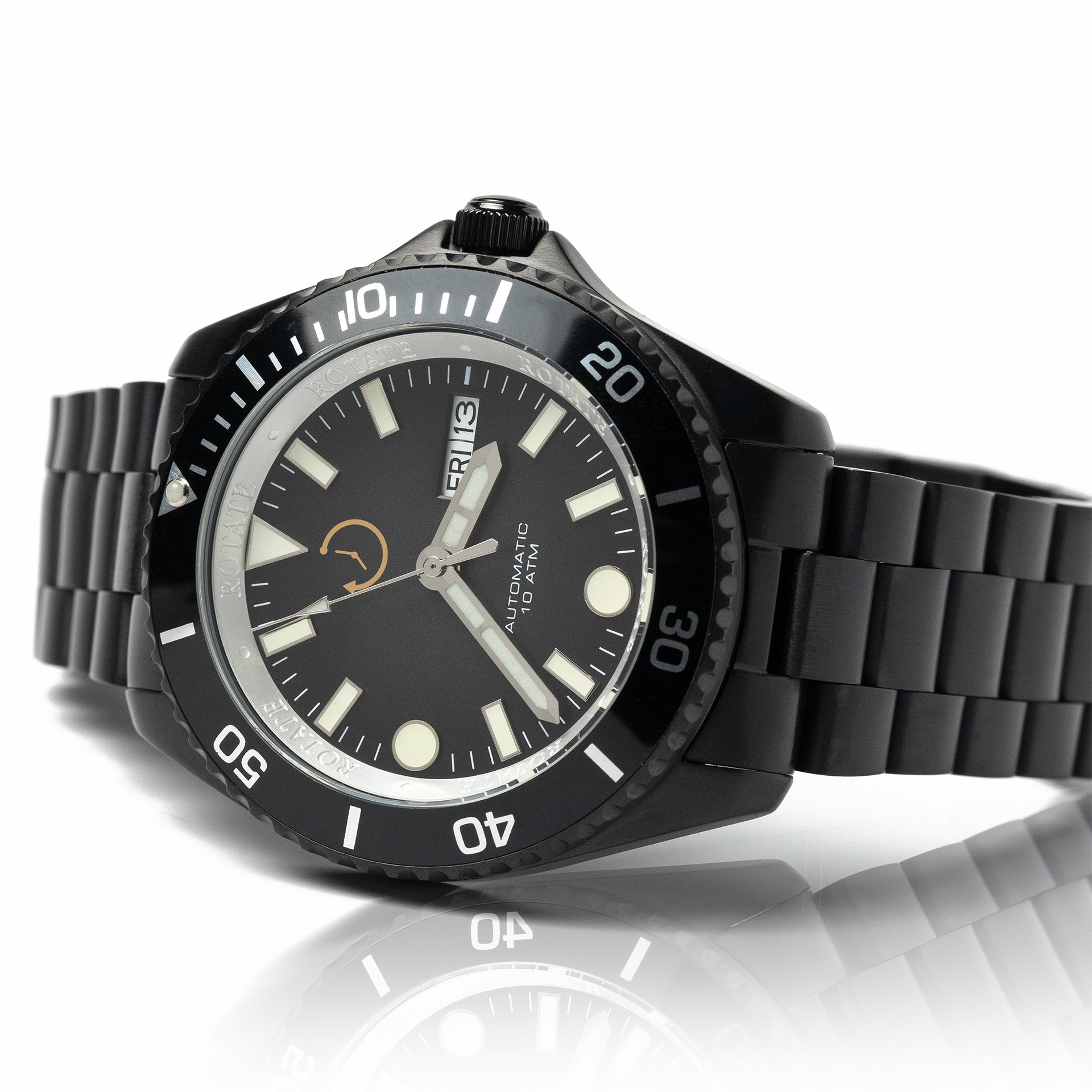
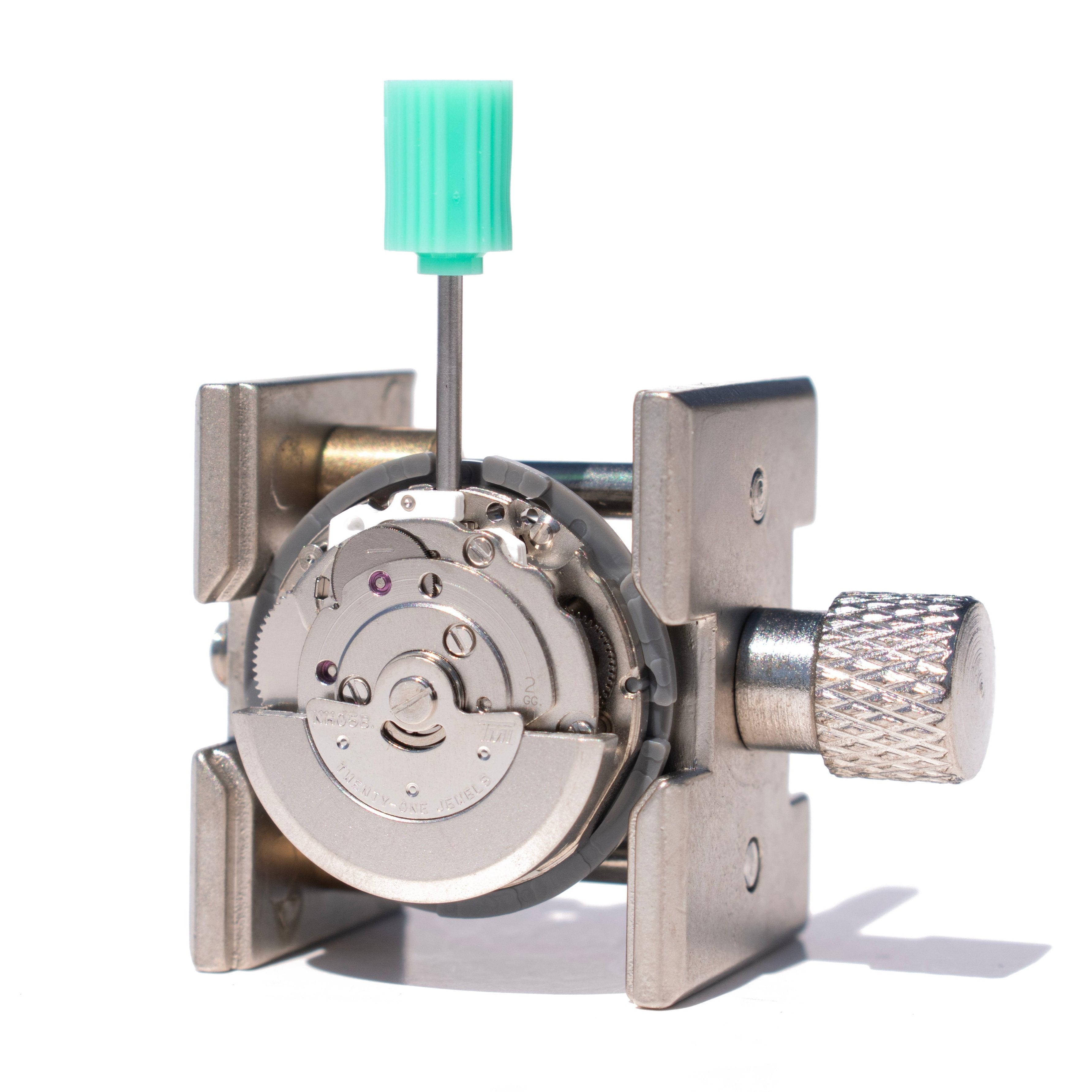
Most modern movements from Seiko, Miyota, and ETA include hacking. The Seiko NH36 features hacking alongside hand-winding and a day-date display.
Why Hacking Matters
Hacking lets you set your watch to a reference clock down to the second. Pull the crown, wait for your reference to hit the target, push it back in. Without hacking, the second hand keeps moving during setting, so the best you can manage is an approximation.
What Is a Non-Hacking Movement?
A non-hacking watch movement lacks the stop lever. When you pull the crown, the second hand continues sweeping.
Non-hacking movements remain common in vintage watches and certain modern automatics. The omission reflects a design choice prioritizing simplicity, not a quality compromise.
Why Some Movements Skip Hacking
Older and simpler movements omit the hacking lever to reduce complexity. Fewer parts mean easier manufacturing and fewer things that can break during service.
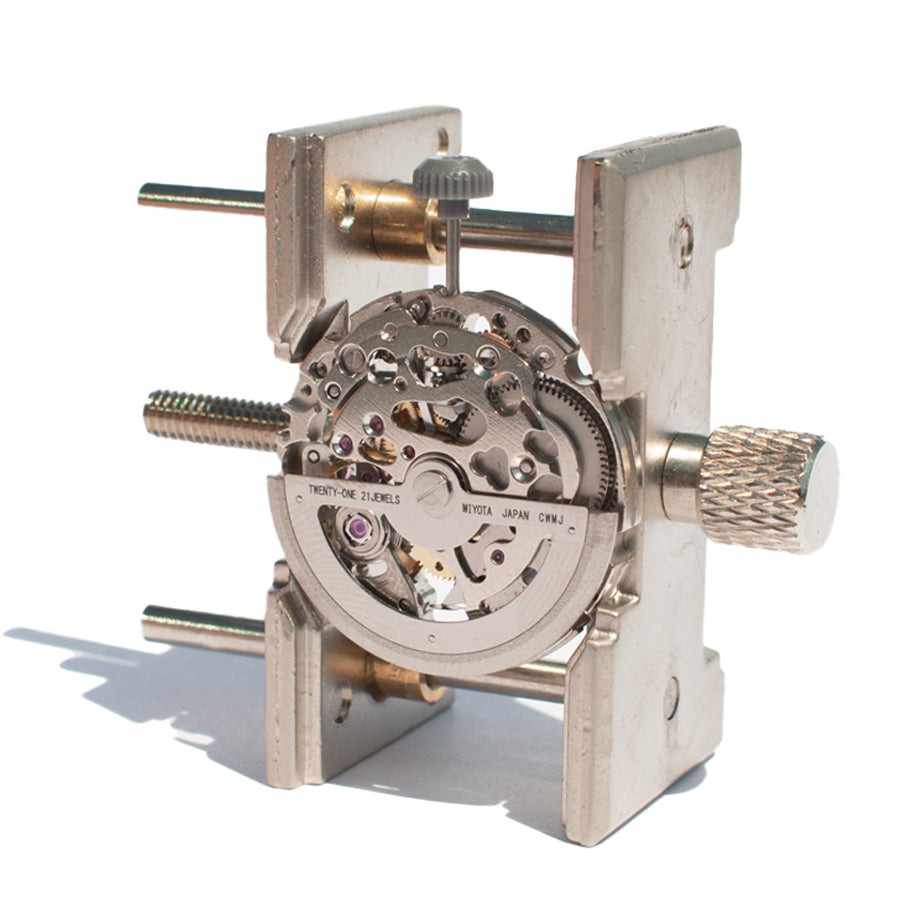
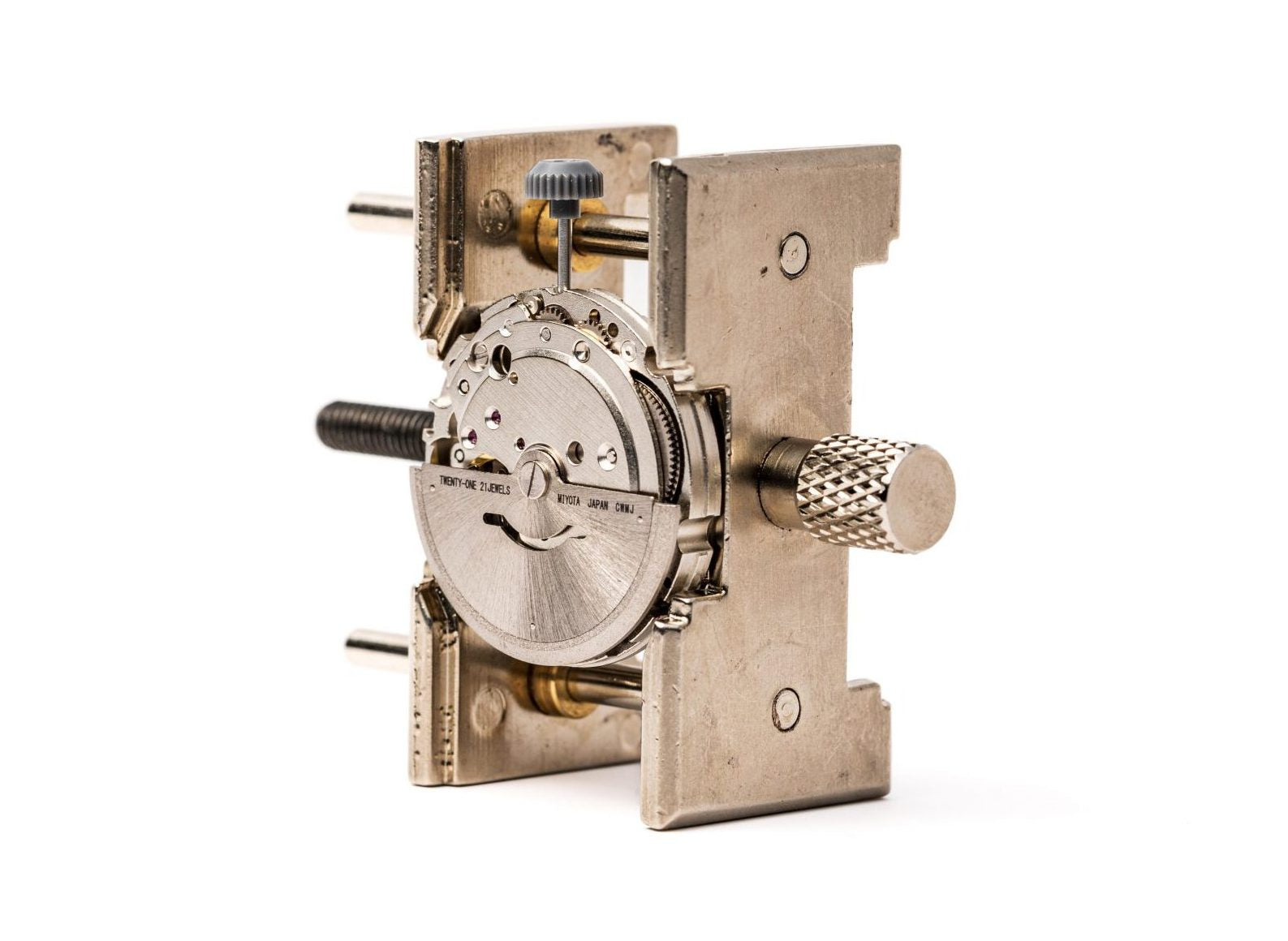
The non-hacking difference is not about quality. The Miyota 8215, used in many DIY watch building kits, is a reliable automatic with 21 jewels and 42+ hours of power reserve. Newer production 8215 units include hacking, though older units manufactured before 2019 may not.
The Back-Hacking Workaround
Some owners gently reverse the hands on non-hacking movements to temporarily stall the seconds hand. However, back-hacking stresses the gear train, balance wheel, and escapement. Watchmakers do not recommend it as regular practice.
Hacking vs Non-Hacking Compared
Both types keep accurate time once running. The difference is only about how precisely you set the watch. Accuracy depends on the movement's regulation and build quality, not whether hacking is present.
The choice comes down to whether precision setting or mechanical simplicity matters more to you.
When Hacking Makes a Real Difference
Hacking is useful when you need to:
- Synchronize multiple watches to the same reference
- Set a watch to an atomic clock for maximum precision
- Check the daily rate drift from an exact starting point
For daily casual wear, hacking is a convenience rather than a necessity.
When Non-Hacking Is Fine
A non-hacking movement works well when precision to the second is not a priority. Setting the watch to the nearest minute covers most situations. Many vintage watches and affordable modern movements skip hacking, and collectors value them for simplicity and unbroken sweep. The continuous sweep adds a sense of mechanical life that many builders appreciate.
Which Rotate Movements Hack?
For anyone building a watch kit or working through a movement kit, knowing which movements hack helps with project selection.
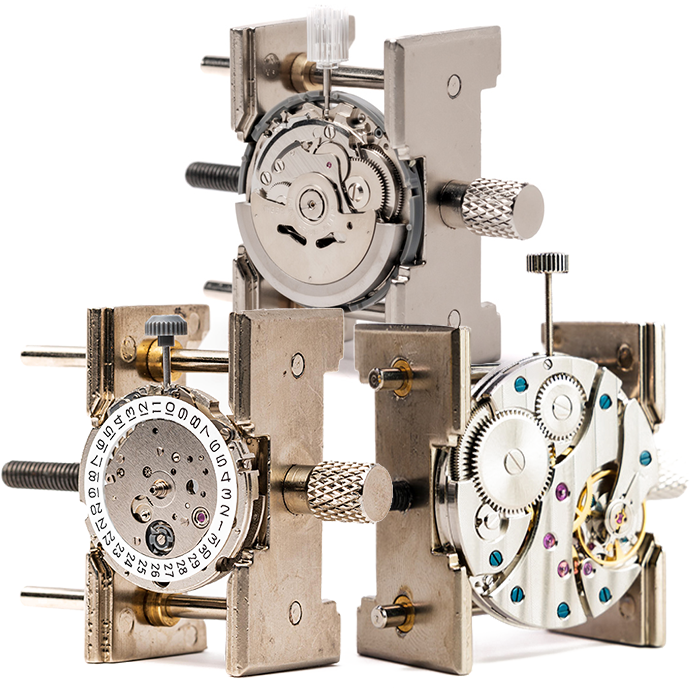
Rotate carries movements on both sides of the hacking divide.
Hacking Movements
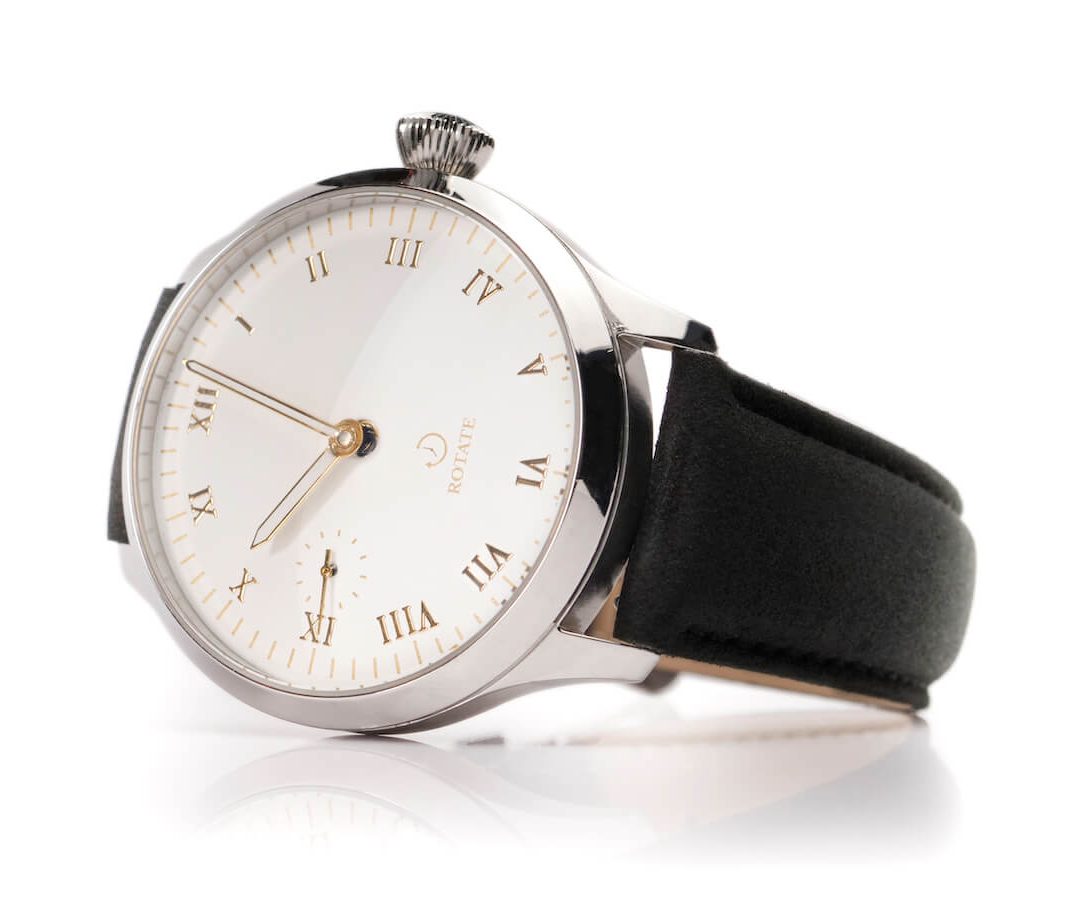
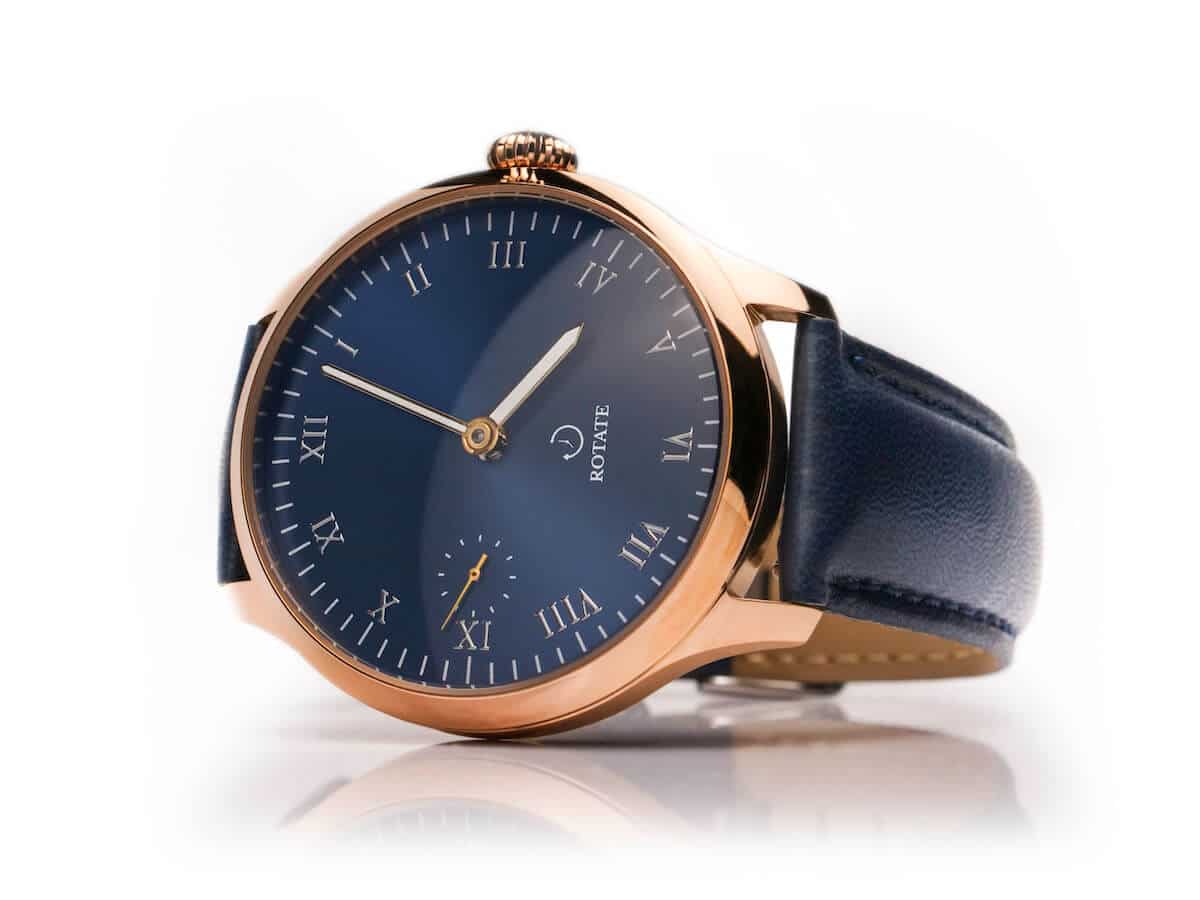
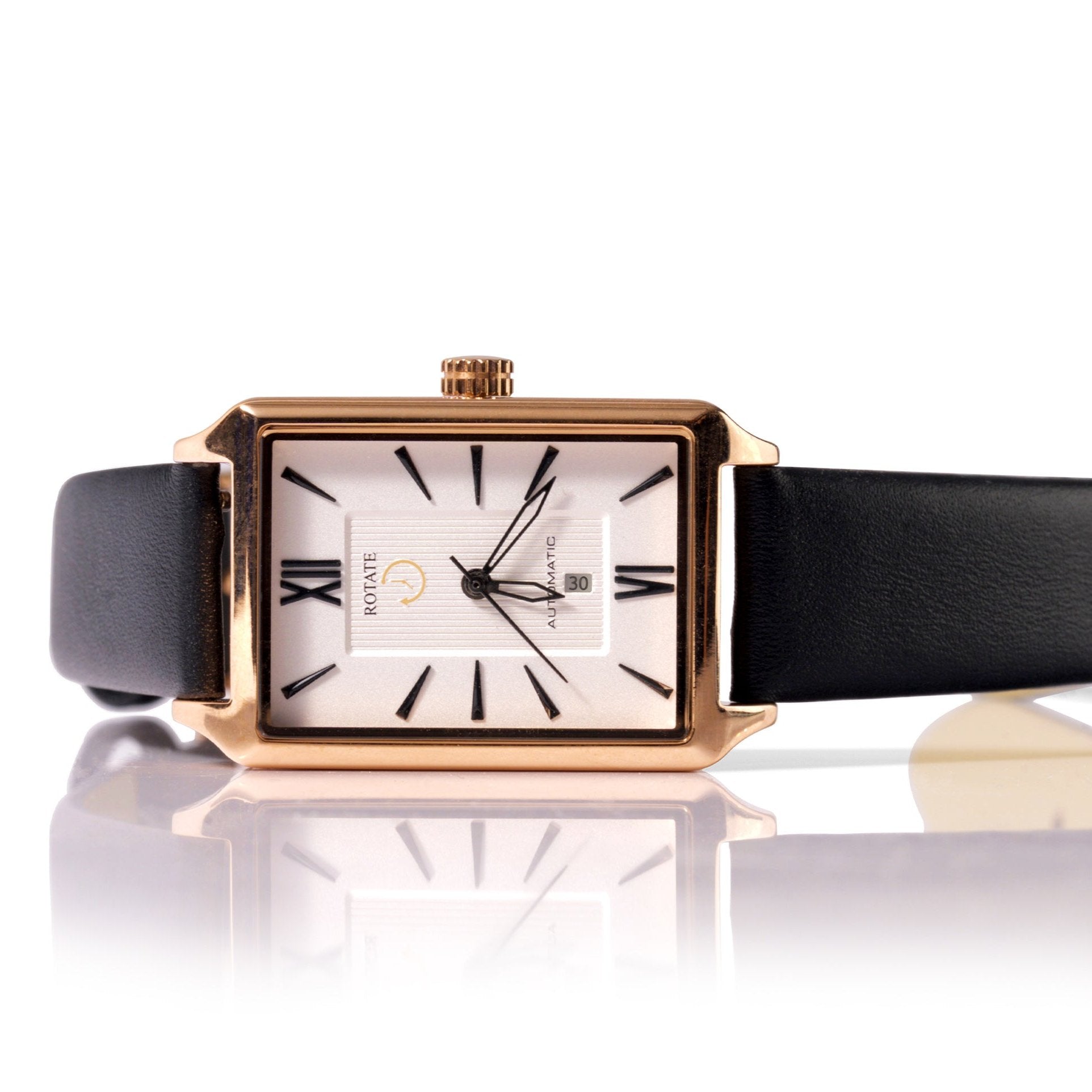
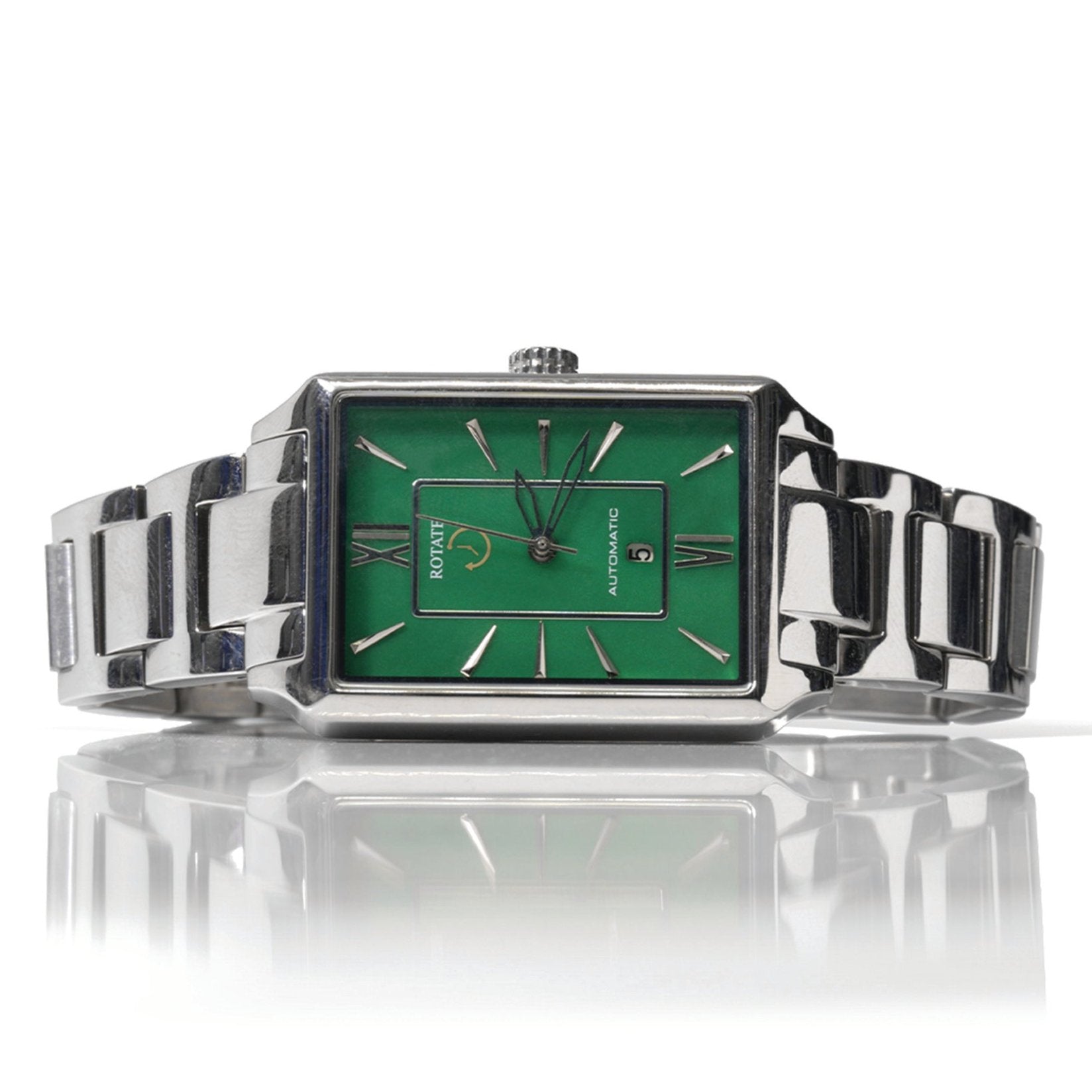
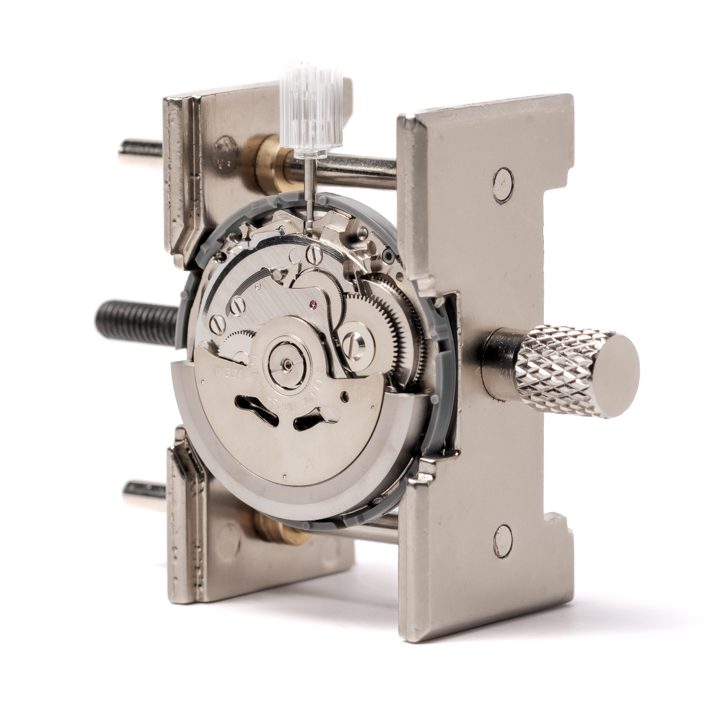
The Seiko NH36 and Seiko NH05 both hack. The NH36 is an automatic with 24 jewels, a day-date display, and hacking seconds, making it Rotate's most complex movement. The NH05 brings hacking to a compact form factor suited for smaller rectangular watch cases.
Non-Hacking Movements
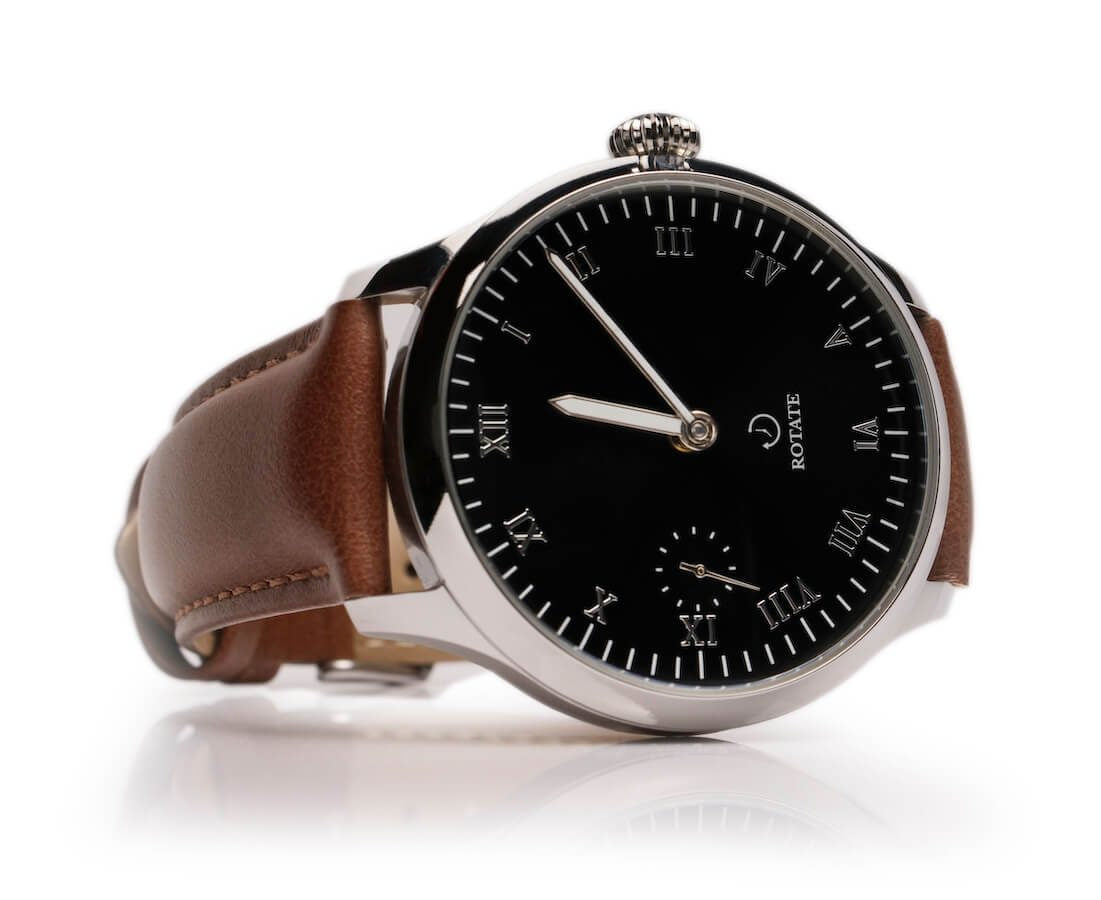
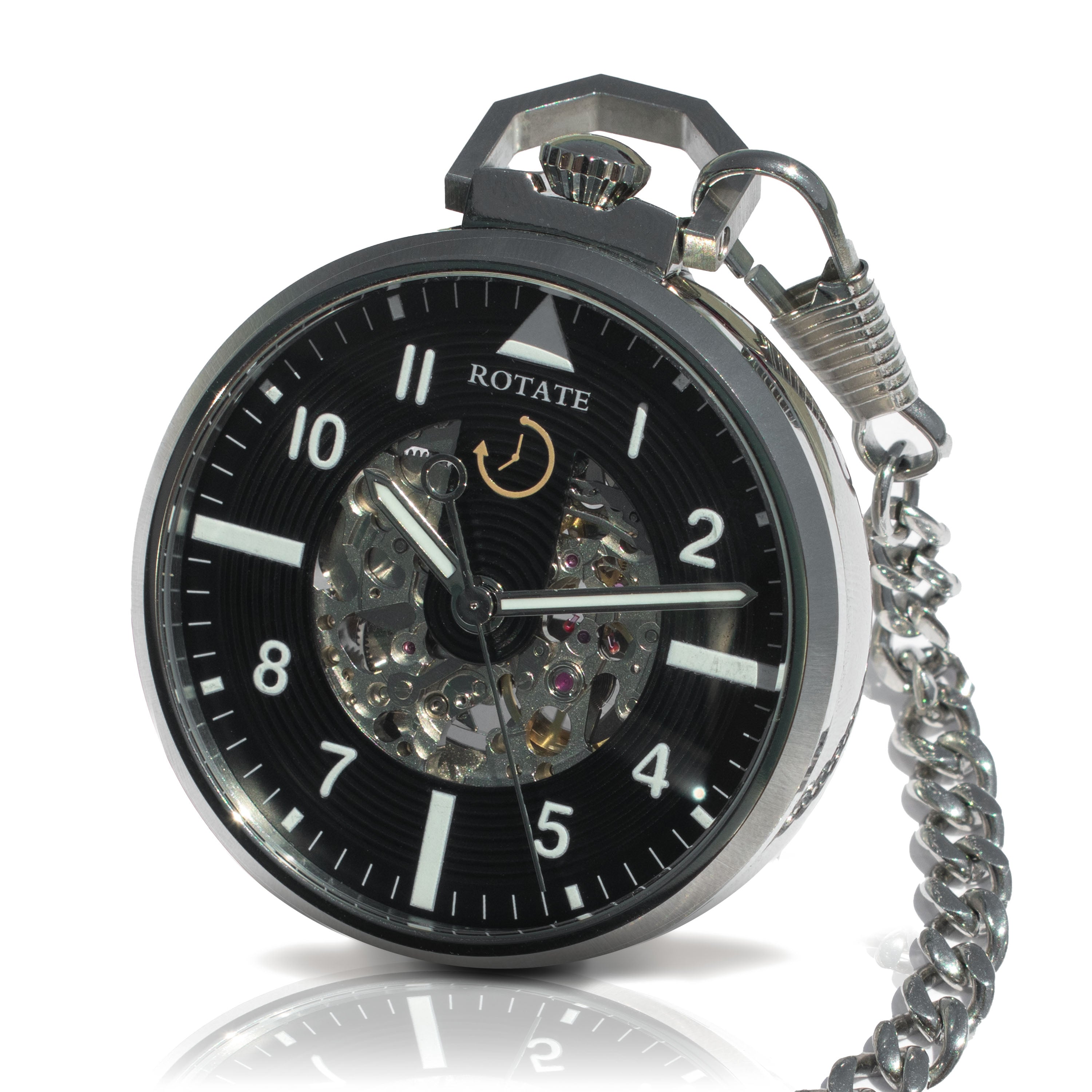
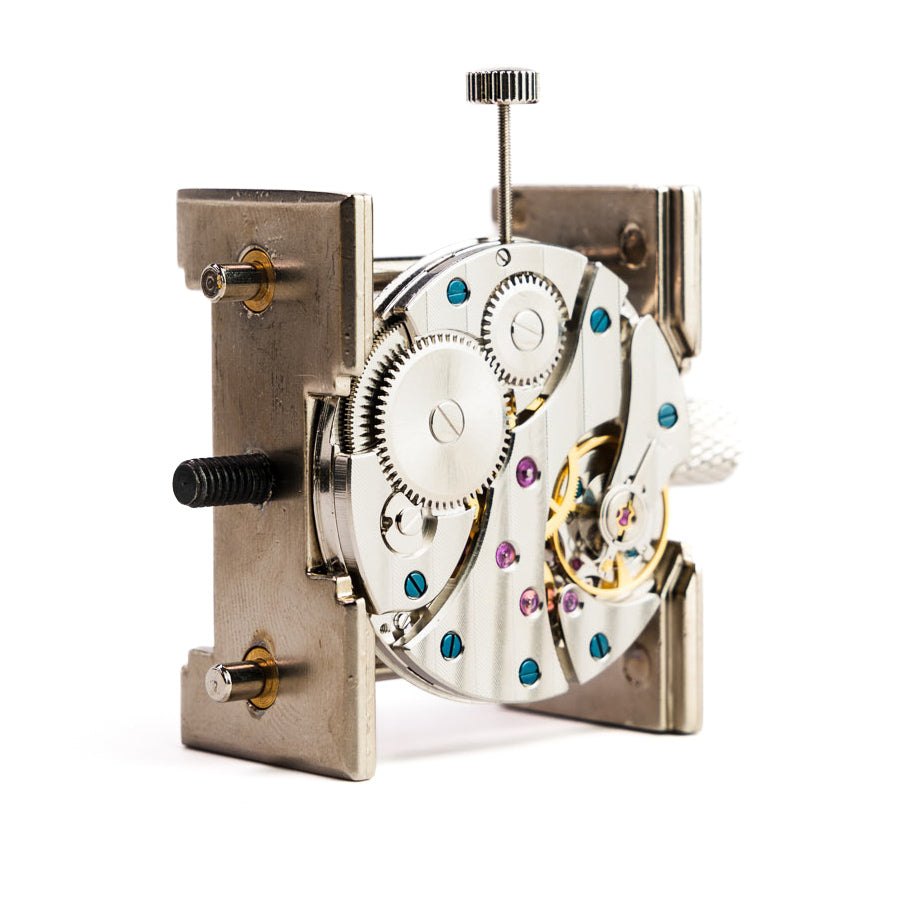
The Miyota 8N24 and Seagull ST3600 do not hack. The 8N24 skeleton design reveals visible mechanics, making it a favorite for transparent watch builds. Watchmaking schools start students on the ST3600 hand-wound movement kit specifically because simpler construction teaches fundamentals better.
Conclusion
Hacking stops the seconds hand for precision setting. Non-hacking keeps it moving. Both run accurately once set. The choice depends on whether exact-second synchronization matters to you.
Rotate Watches offers both types in their watchmaking kits and movement kits, with full guides and support for every build.
FAQs
Q1. What does hacking mean in a watch?
Hacking means the seconds hand stops when the crown is pulled out to the time-setting position. A small lever inside the movement presses against the balance wheel, freezing all hand motion. The feature allows precise synchronization with a reference clock down to the exact second.
Q2. Is a non-hacking movement less accurate?
No. Accuracy depends on the movement's regulation and manufacturing quality, not the hacking feature. Both types perform equally well once set and running. Hacking only affects how precisely you set the initial time, not ongoing timekeeping performance.
Q3. What is back-hacking?
Back-hacking means reversing the hands to stall the seconds hand on a non-hacking movement. The technique puts stress on the gear train, balance wheel, and escapement. Watchmakers do not recommend it as regular practice because it forces components to move in an unintended direction.
Q4. Does the Seiko NH36 hack?
Yes. The NH36 features hacking, hand-winding, and a day-date complication. Pulling the crown to the time-setting position stops the seconds hand completely. The dual complications make it the most feature-rich movement in the Rotate lineup, best suited for builders ready for a challenge.
Q5. Does the Miyota 8215 hack?
Newer production units manufactured after 2019 include hacking. Older 8215 movements may not have the stop-seconds device. Miyota gradually added the feature to the Cal. 82 series starting in late 2018. Check the specific unit in your kit or watch to confirm.
Q6. Should I choose a hacking movement?
Only if setting to the exact second matters for your needs. For general daily wear, both types perform equally well. Many experienced builders appreciate non-hacking movements for their mechanical simplicity. Hacking adds convenience but does not affect long-term timekeeping accuracy.