

How to Correctly Wind an Automatic Watch
Your automatic watch stopped running after sitting unworn for a few days. You know it winds itself through wrist movement, but how do you restart it manually? Winding an automatic watch requires a specific technique to avoid damaging the delicate internal mechanism.
Automatic watches use wrist motion to wind the mainspring through a weighted rotor. When the watch sits idle, the power reserve depletes after 40 to 50 hours. Manual winding jumpstarts the movement and builds sufficient power for the watch to run.
Understanding proper winding technique protects your watch movement and ensures accurate timekeeping from the start.
Step 1: Remove the Watch
Take the watch off your wrist before winding. Winding while wearing the watch creates lateral pressure on the crown stem, risking damage to the delicate winding mechanism.
Hold the watch face-up in your non-dominant hand. Use your dominant hand to operate the crown. Placing the watch on a flat surface works too, providing stability during the winding process.
Step 2: Check Crown Position
The crown serves multiple functions depending on its position. Position 0 (fully pushed in) allows winding. Position 1 adjusts the date. Position 2 sets the time.
Verify the crown sits fully pushed against the case before winding. Some dive watches include screw-down crowns for water resistance. Unscrew the crown by turning counterclockwise until it pops out slightly, reaching position 0.
Step 3: Wind Clockwise
Turn the crown clockwise (away from you) with smooth, steady rotations. Counterclockwise turns accomplish nothing because the mechanism only engages in one direction.
Most automatic movements require 20 to 40 turns for a full wind from a completely stopped state. The exact number varies by movement type. Keep turning until you feel slight resistance.
Step 4: Recognize Resistance
When the mainspring approaches full tension, you'll feel increased resistance through the crown. Stop winding immediately at this point.
Modern automatic movements include slip-clutch mechanisms preventing overwinding damage. The clutch disengages when the spring reaches maximum tension, allowing the crown to turn without adding more tension. However, forcing the crown after feeling resistance risks unnecessary wear.
Step 5: Set the Time
After winding, pull the crown out to position 2 to set the correct time. Rotate the crown to move the hands clockwise. Always move hands clockwise to prevent gear damage.
Avoid setting the time or date between 9 PM and 3 AM. During these hours, the date mechanism engages for the midnight changeover. Adjusting during this window can strip gear teeth.
Step 6: Return Crown to Position
Push the crown fully back to position 0 after setting the time. If your watch has a screw-down crown, turn it clockwise while pressing gently until it threads into the case. The crown should sit flush against the case.
Check that the crown seats properly. A partially pulled crown compromises water resistance and accelerates power reserve depletion. When building your own watch kit, proper crown installation determines whether the watch maintains its ATM rating.
Understanding Power Reserve
Power reserve indicates how long your watch runs on a full wind. Most automatic watches provide 40 to 50 hours of runtime. The Seiko NH36 movement delivers over 41 hours, while some movements reach 80 hours.
Wearing the watch daily maintains the power reserve through natural wrist motion. The rotor spins as your arm moves, continuously winding the mainspring. About 8 hours of wear per day keeps most automatic watches fully wound.
Common Winding Mistakes
Winding While Wearing
Winding on your wrist creates sideways pressure on the crown stem. The stem connects to internal gears, and lateral force can bend or break these components. Always remove the watch first.
Excessive Force
Forcing the crown past resistance damages the slip-clutch mechanism. Wind gently until you feel resistance, then stop. More turns don't improve power reserve once the spring reaches full tension.
Counterclockwise Turning
Turning the crown counterclockwise does nothing productive. The pawl mechanism only engages when turning clockwise. You're just spinning the crown without winding the mainspring.
Date Adjustment at Wrong Time
Changing the date between 9 PM and 3 AM can damage the calendar mechanism. The gears engage during this period, preparing for the midnight changeover. Forcing an adjustment breaks gear teeth.
When to Wind Manually
After Purchase or Long Storage
New watches arrive completely unwound. Watches sitting unused for weeks also lose all power reserve. Wind manually to build initial power before wearing.
Before Important Events
Winding fully before important occasions ensures accurate timekeeping throughout the event. Starting with maximum power reserve reduces the risk of the watch stopping at inconvenient times.
Insufficient Daily Wear
Desk jobs with limited arm movement may not provide enough motion to fully wind your watch. Brief manual winding supplements natural winding, maintaining full power reserve.
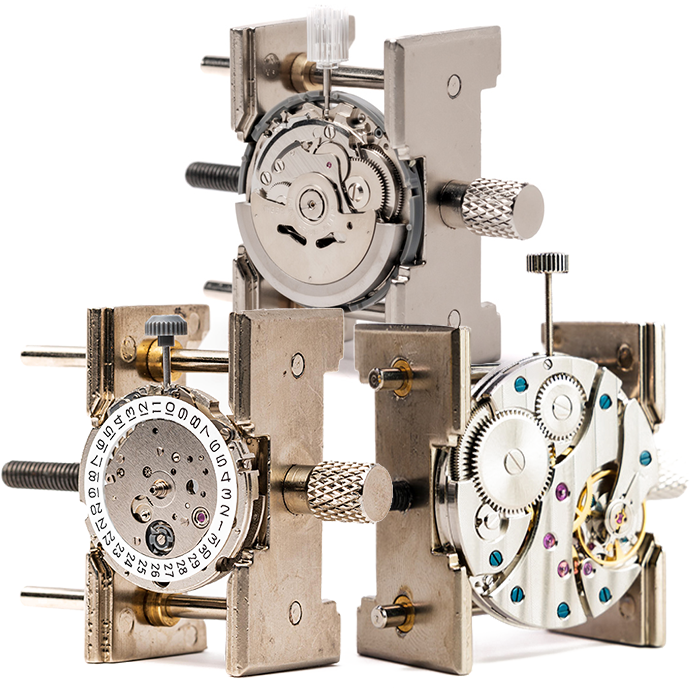
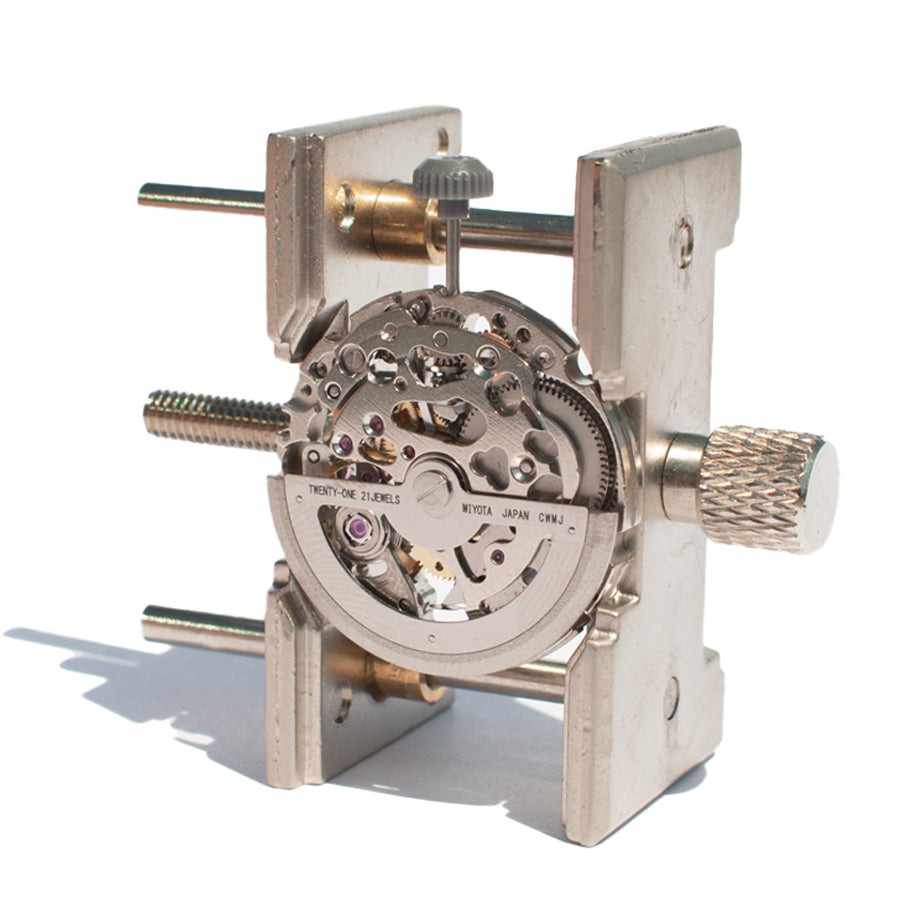
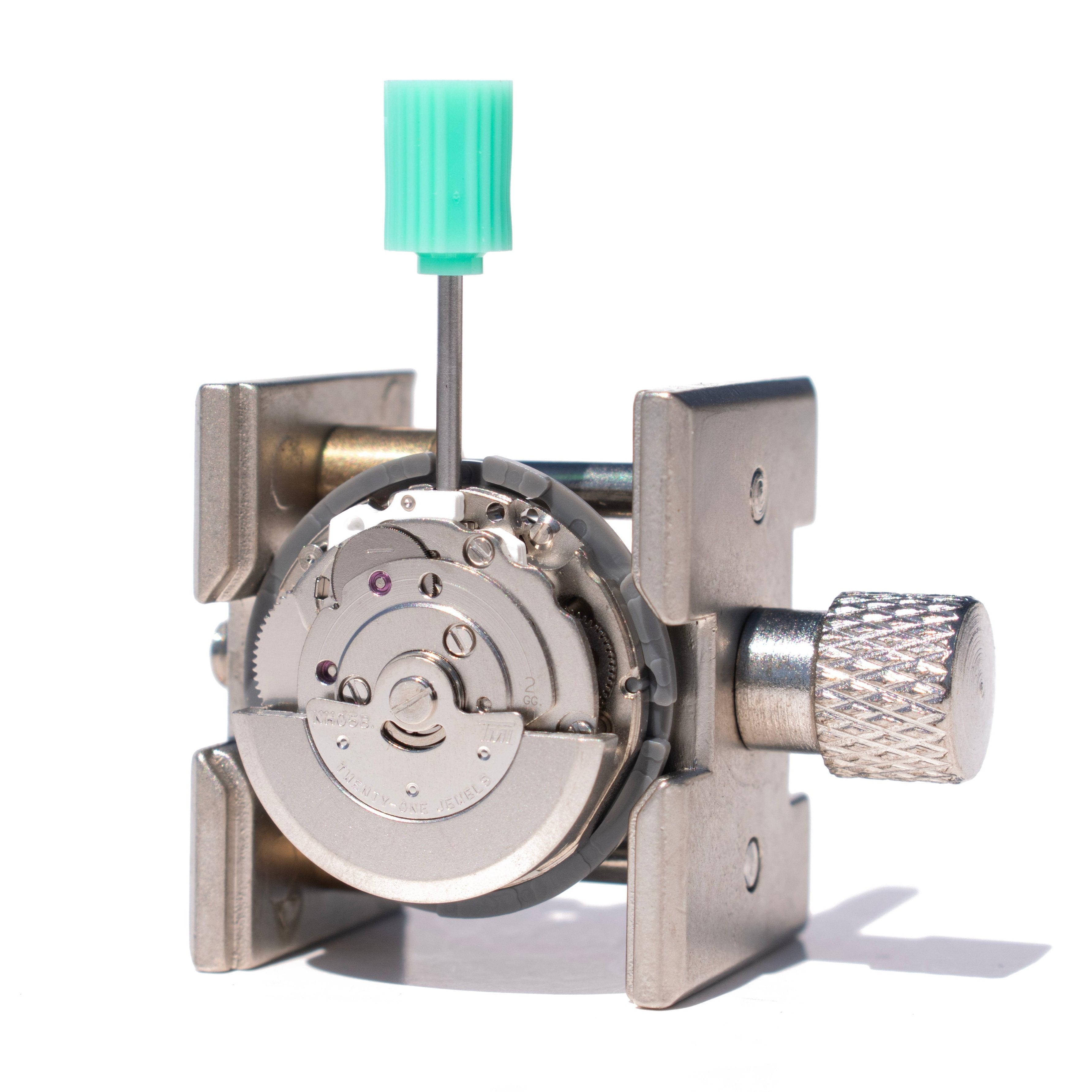
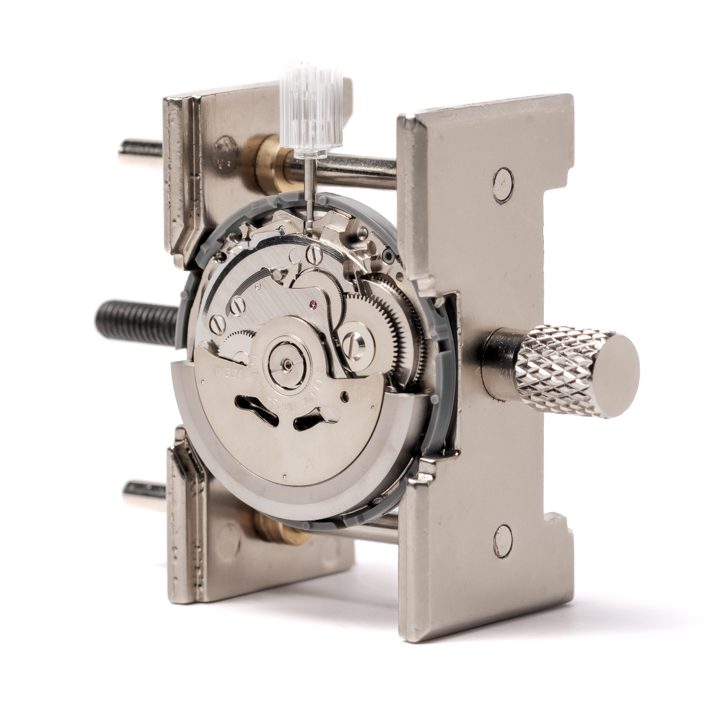
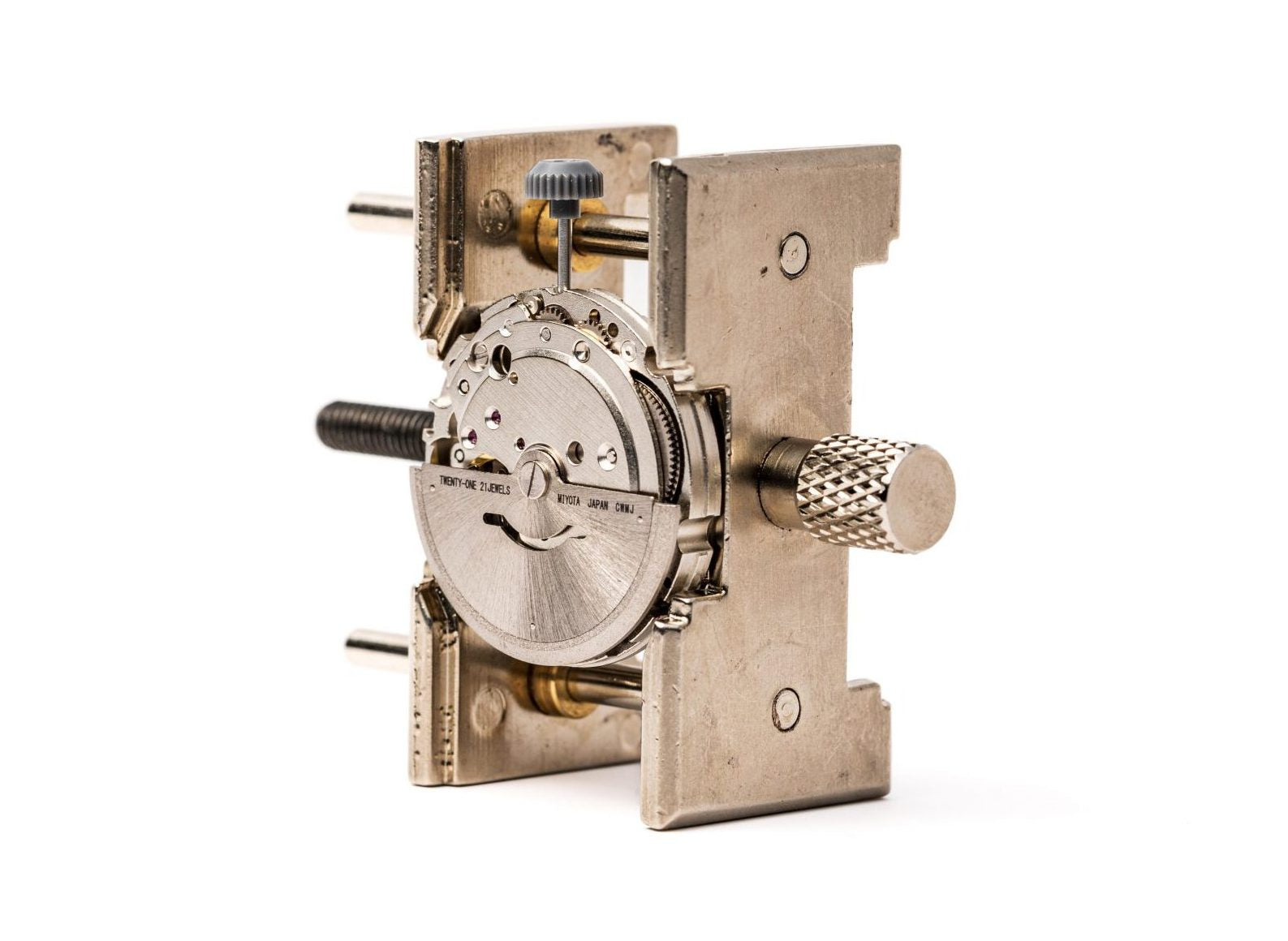
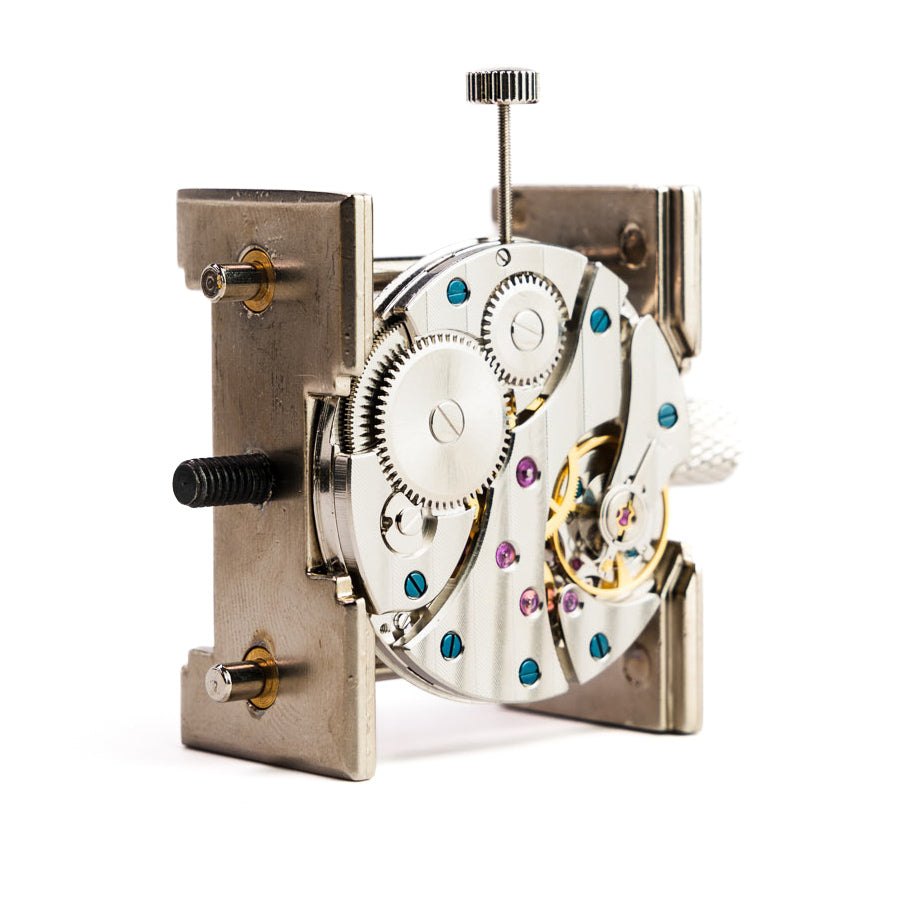
Building your own mechanical watch teaches you exactly how the winding mechanism works. You see the crown stem connection, understand the gear train, and recognize why proper technique matters.
Watch Winders as an Alternative
Watch winders rotate watches automatically, simulating wrist motion. The devices keep watches wound when not worn, eliminating the need for manual winding and time resetting.
Collectors with multiple watches benefit most from winders. Daily wear provides adequate winding for single-watch owners. Winders range from simple single-watch units to complex multi-watch systems with programmable settings.
When selecting a winder, match the turns per day (TPD) to your movement's requirements. Too few turns leave the watch underwound. Excessive rotation adds unnecessary wear.
Maintenance Considerations
Regular Winding Benefits
Winding your watch regularly, even when not wearing it, keeps lubricants distributed throughout the movement. Stagnant oil clumps lose effectiveness. Movement keeps fluids thin and properly positioned.
Long-Term Storage
Watches stored long-term should be wound monthly. Full winds aren't necessary, just enough to move all gears and distribute oil. Ten to fifteen turns suffice for storage maintenance.
Movement Health Signs
Smooth, consistent crown rotation indicates healthy movement. Grinding, clicking, or inconsistent resistance suggest internal problems requiring attention. When working with movement kits, you learn to recognize these tactile cues during assembly.
Learn by Building
Manual winding connects you directly to your watch's mechanical heart. Each turn of the crown winds the mainspring tighter, storing energy for timekeeping.
Rotate Watches offers complete watchmaking kits that teach proper winding technique through hands-on experience. You assemble the crown mechanism, install the winding gears, and understand exactly what happens with each turn.
From movement kits to complete timepieces, every project builds practical knowledge. Create a watch while learning the skills to maintain it properly.
Start building your understanding of mechanical watchmaking today.
Frequently Asked Questions
Can you overwind an automatic watch?
No, modern automatic watches include slip-clutch mechanisms preventing overwinding damage. The clutch disengages when the mainspring reaches full tension. However, forcing the crown after feeling resistance adds unnecessary wear.
How many turns does an automatic watch need?
Most automatic watches need 20 to 40 clockwise turns for a full wind from a stopped state. The exact number varies by movement. Wind until you feel slight resistance, then stop.
Should you wind an automatic watch daily?
Daily wearing provides sufficient winding through natural motion. Manual winding helps if the watch has been sitting unused or if daily activity provides limited arm movement. Full manual winds aren't necessary with regular wear.
Why does my automatic watch stop overnight?
Insufficient power reserve causes overnight stopping. Wind the watch fully before removing it at night. Some movements provide only 40 hours of power reserve. Two days without wearing depletes the mainspring completely.
Can you wind an automatic watch too much?
The slip-clutch prevents mechanical damage from excessive winding. However, continuing to turn the crown after feeling resistance accelerates clutch wear. Stop winding when you feel increased resistance.
What happens if you don't wind an automatic watch?
Unwound watches simply stop running. No damage occurs from letting the watch stop. Restart it by winding manually or wearing it until the rotor builds sufficient power. Set the time after restarting.