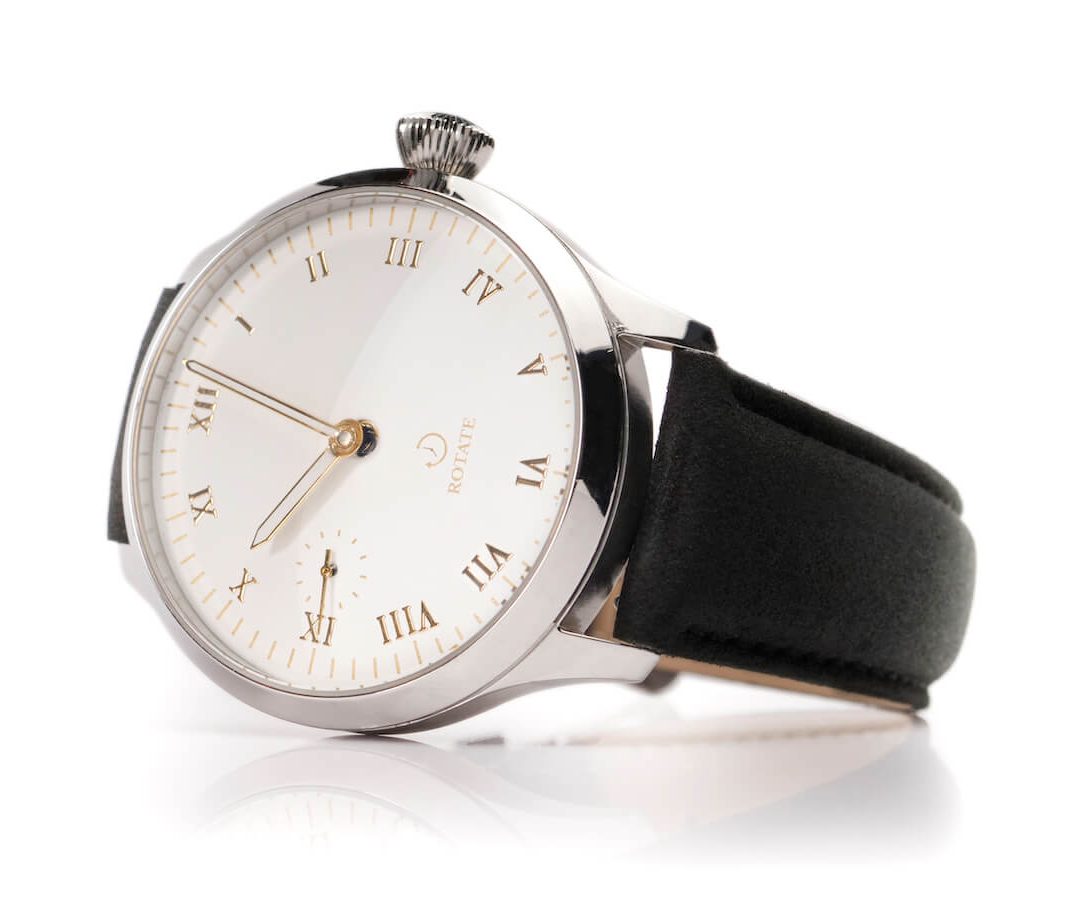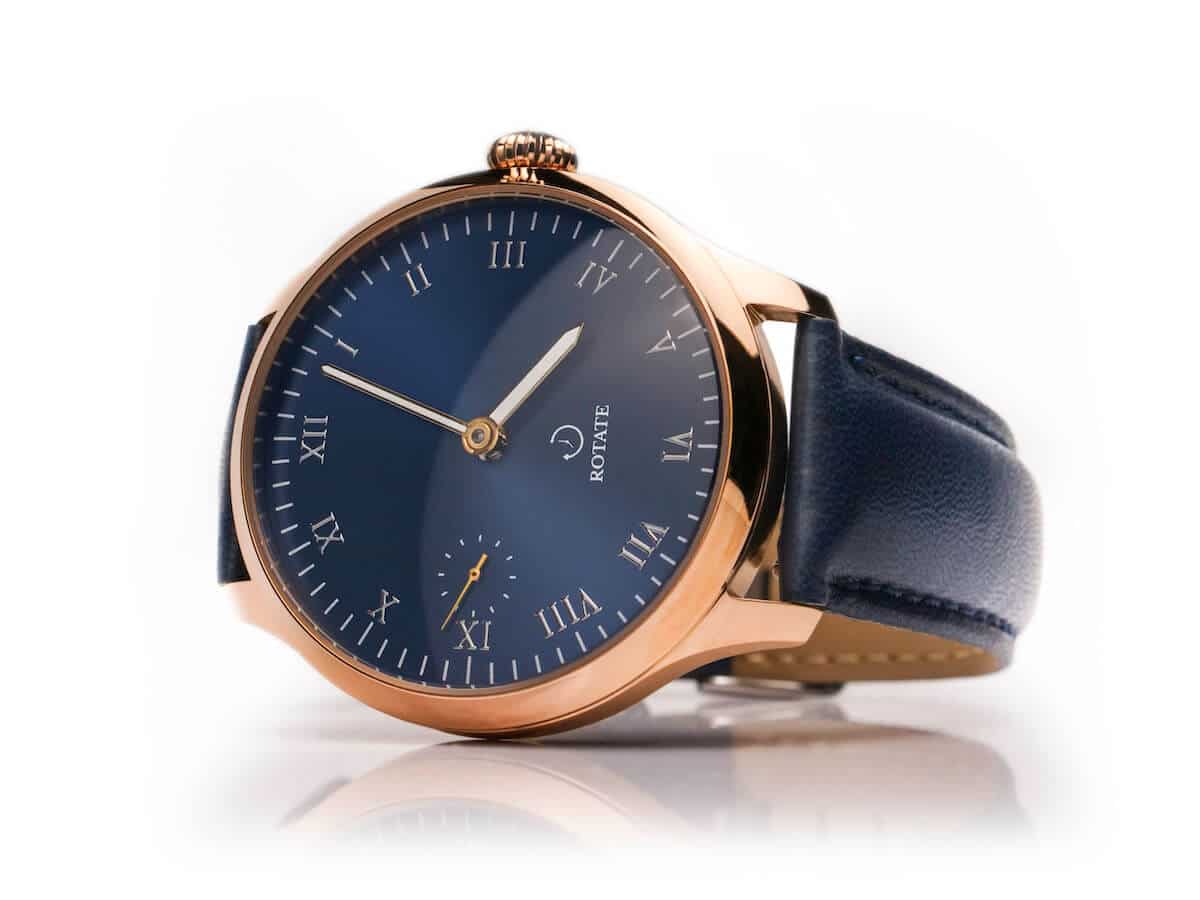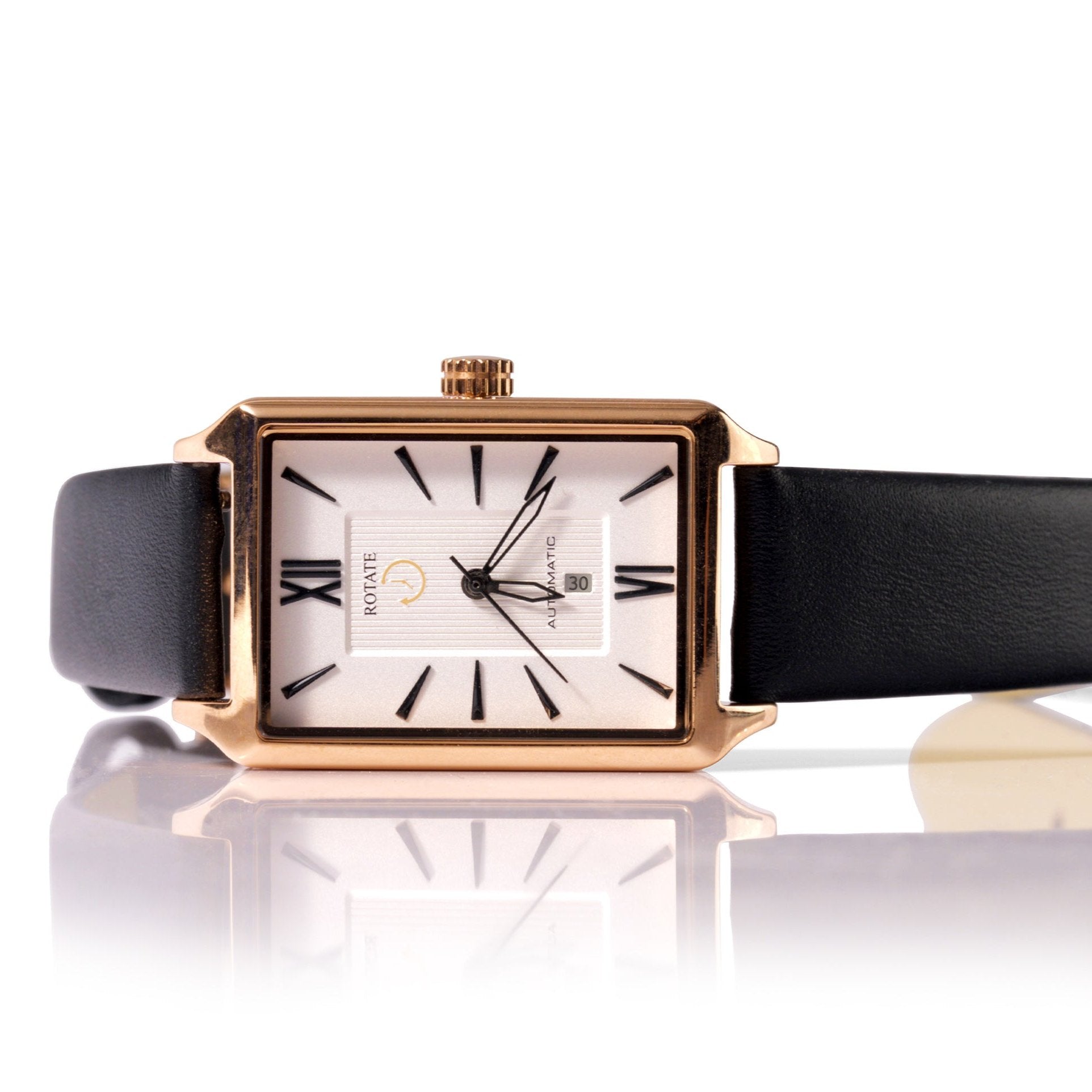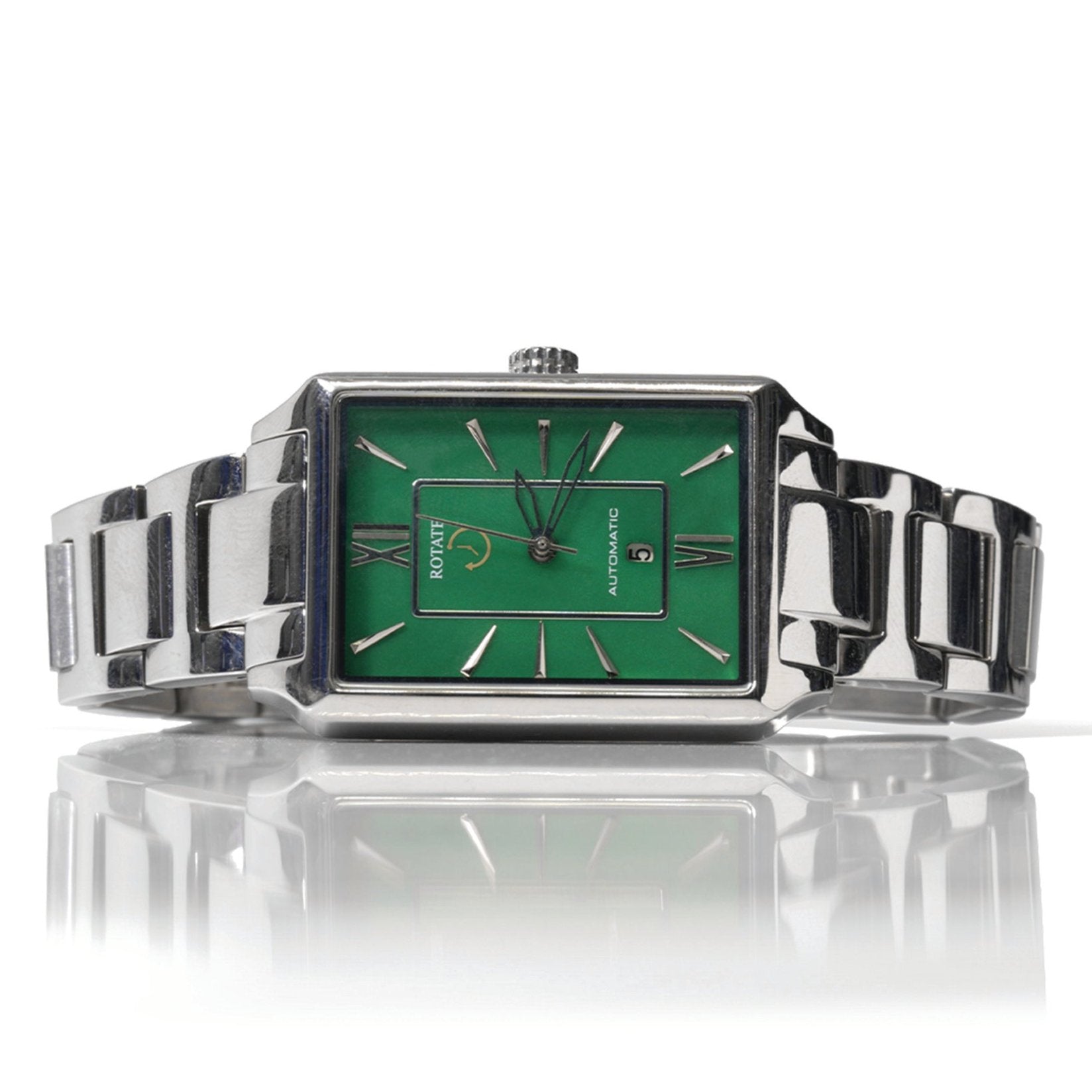


Why Wear a Mechanical Watch Instead of a Smartwatch?
Your smartphone already shows the time. Smartwatches add notifications, fitness tracking, and apps to your wrist. So why would anyone choose a mechanical watch with no electronics at all?
Mechanical watches offer benefits that smartwatches can't match. No charging, decades of reliability, repairable design, and connection to traditional craftsmanship create value beyond digital convenience.
Reason 1: No Battery or Charging Required
Mechanical Power Sources
Mechanical watches run on wound mainsprings, storing mechanical energy. Automatic movements wind themselves through wrist motion. Hand-wound movements need manual winding every day or two.
Neither type requires electricity, batteries, or charging cables. You wind the watch, and it runs for 40 to 80 hours, depending on the movement. Wearing automatics daily keeps them perpetually powered.
Daily Freedom
Smartwatches need charging every one to three days, depending on usage. You remove them nightly, connect charging cables, and remember to charge before the battery dies. Forgetting means a dead watch the next day.
Mechanical watches never need charging. Put them on in the morning, wear them all day, and sleep with them on your wrist if desired. They keep running without electrical power management.
Long-Term Independence
Smartwatch batteries degrade over the years, reducing runtime between charges. Eventually, the battery capacity drops so low that the watch becomes impractical without replacement.
Mechanical watches maintain power reserve indefinitely. A 50-year-old watch winds and runs identically to when new, assuming basic maintenance. No degraded batteries limit usability.
Reason 2: Longevity Measured in Decades
Multi-Generational Timepieces
Quality mechanical watches last for generations with basic care. Many families pass watches from grandparents to grandchildren as functional heirlooms. The watches still tell time accurately decades after manufacture.
Smartwatches become obsolete in three to five years when software updates stop, or hardware fails. The watches become electronic waste rather than heirlooms.
Repairable Design
Mechanical watches can be serviced, repaired, and maintained indefinitely. Watchmakers replace worn parts, clean movements, and restore functionality. No proprietary components prevent repairs.
Smartwatches use sealed electronics difficult or impossible to repair. Broken screens, failed batteries, or software issues often mean replacement rather than repair. Manufacturers design for obsolescence rather than longevity.
Investment Value
Quality mechanical watches maintain or increase value over time. Vintage watches from decades ago sell for more than their original retail prices. The craftsmanship is appreciated as fewer people possess traditional skills.
Smartwatches depreciate rapidly like other electronics. Last year's model loses half its value when the new version is released. No smartwatch becomes a collectible heirloom.
Reason 3: Craftsmanship and Mechanical Engineering
Visible Artistry
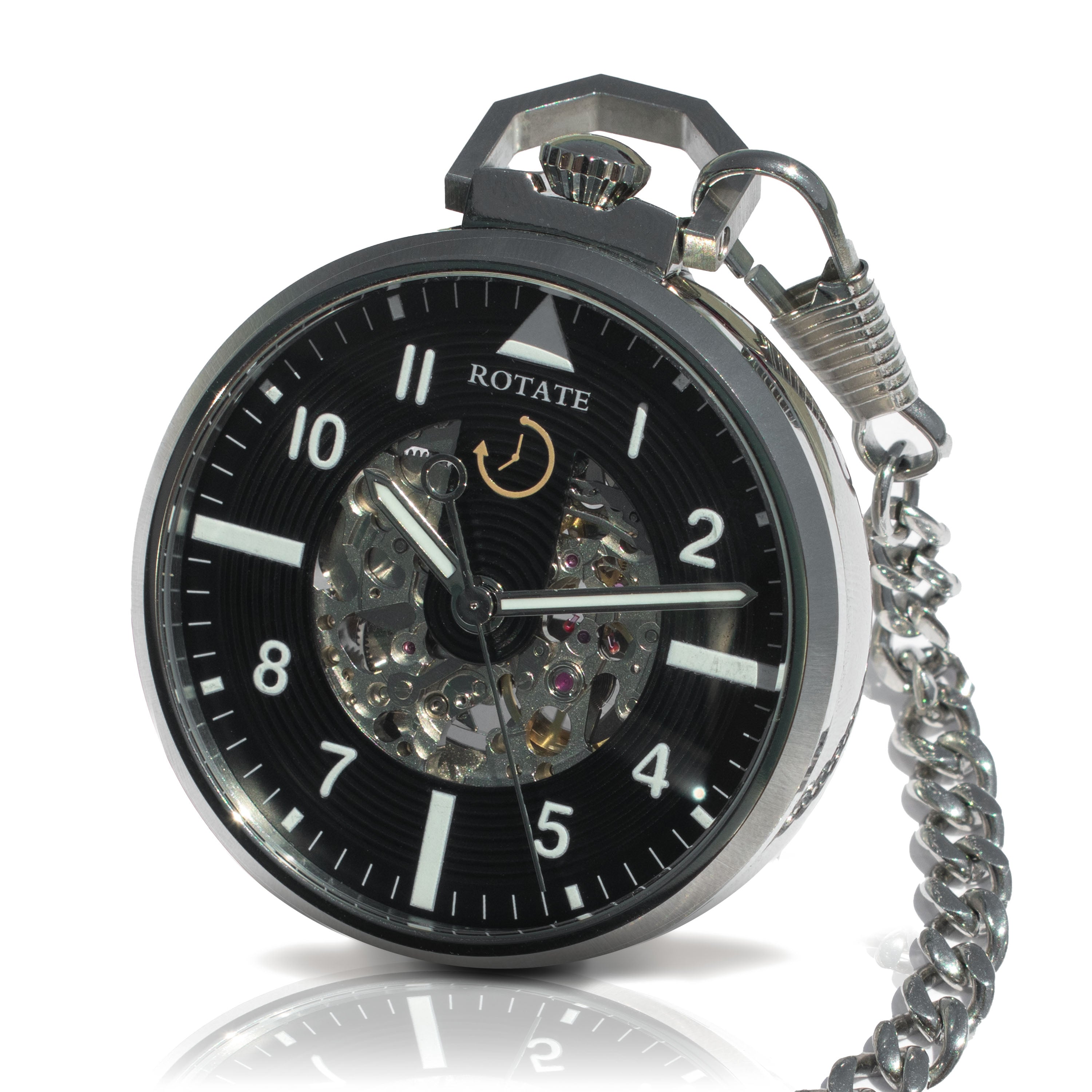
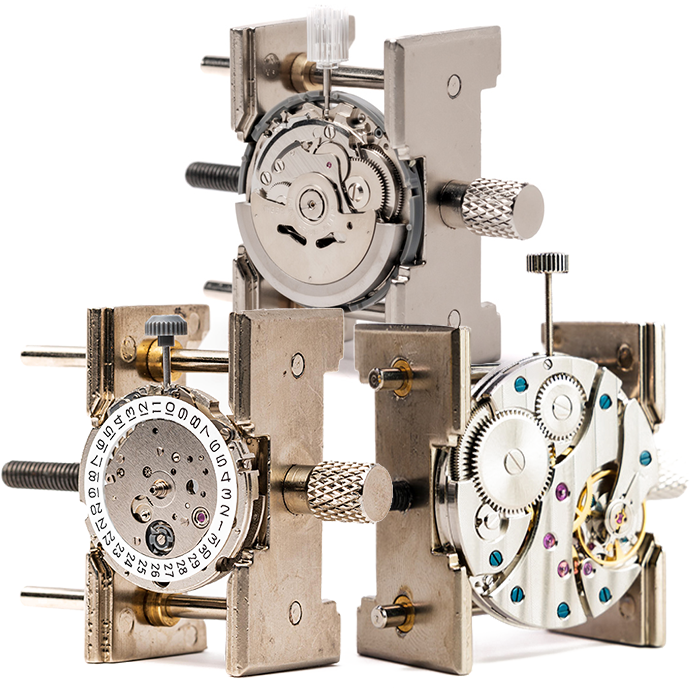
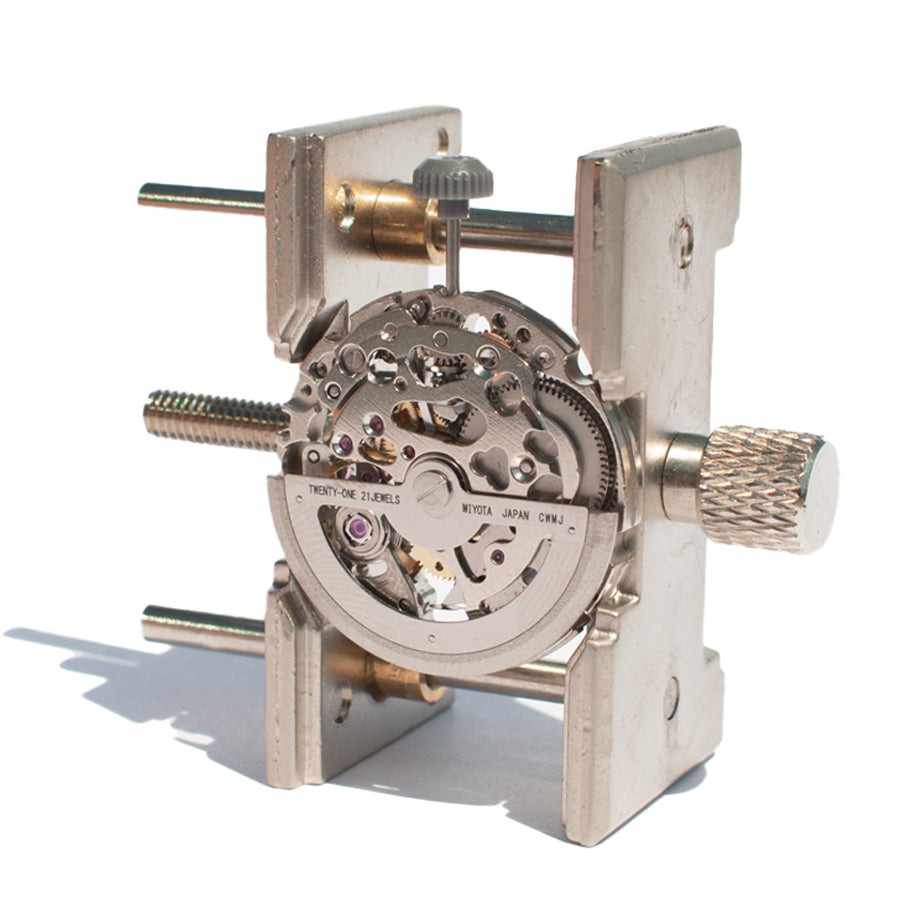
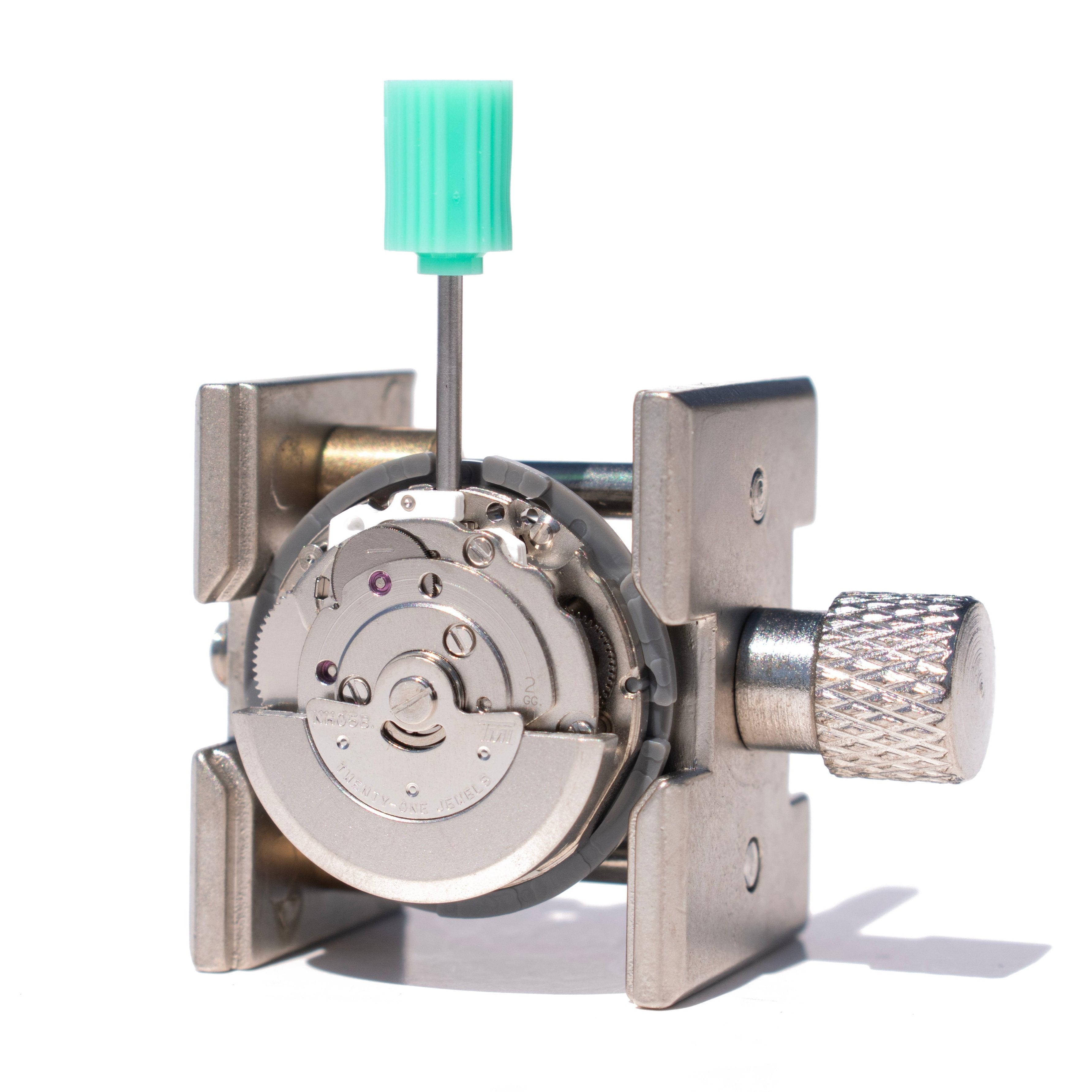
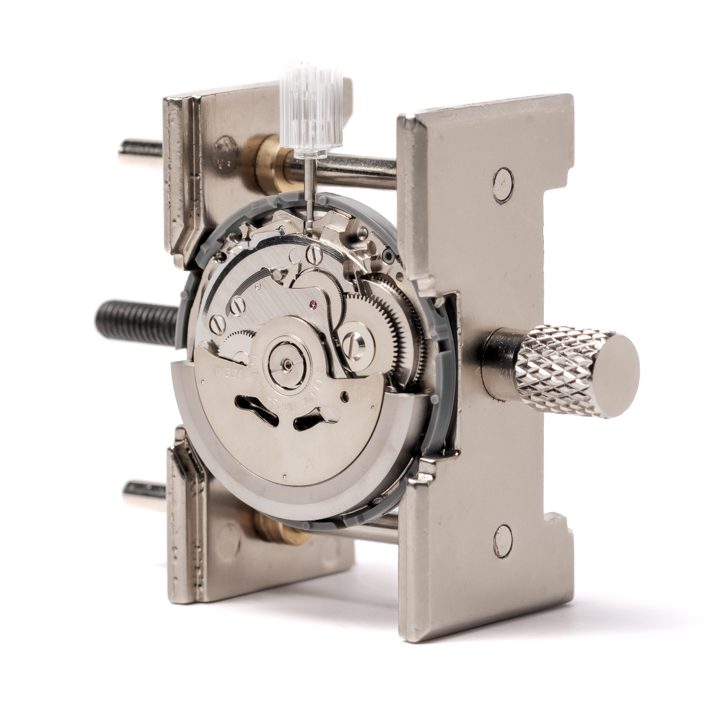
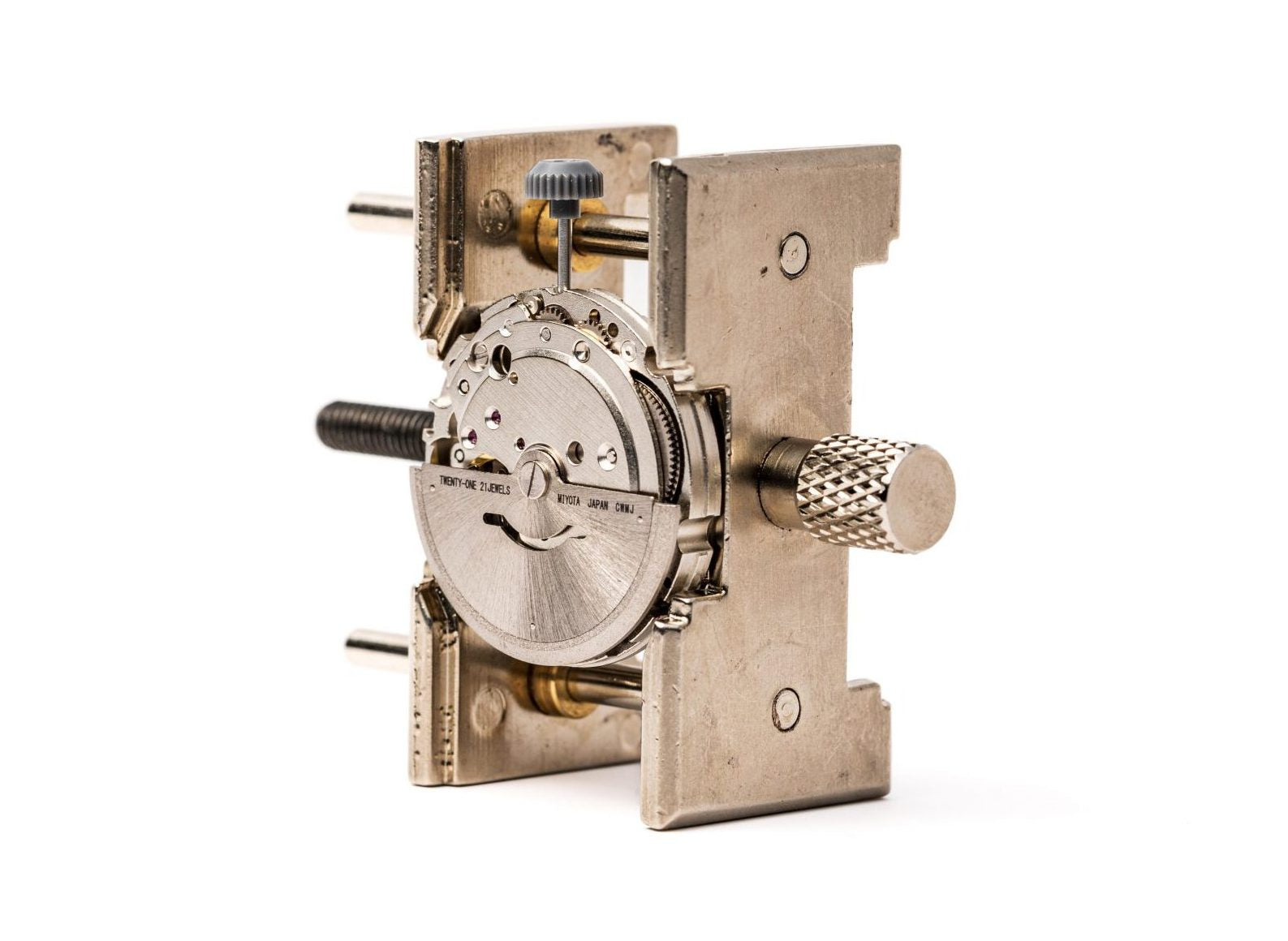
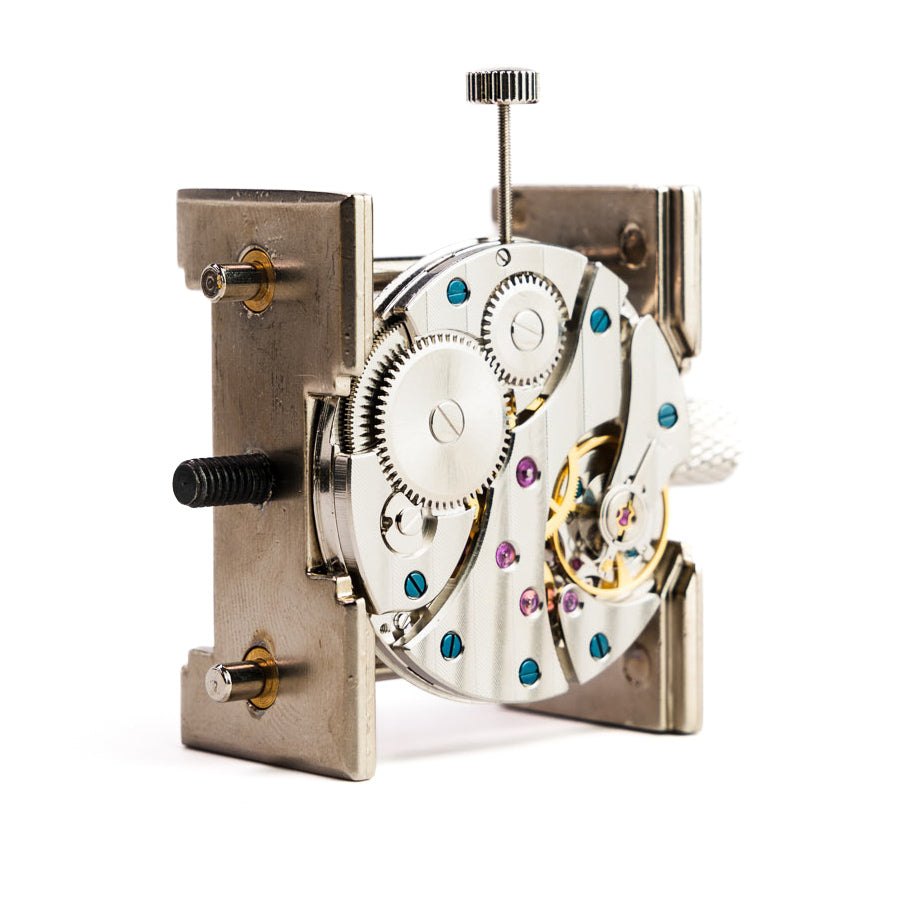
Exhibition casebacks reveal intricate mechanical movements. You watch gears mesh, balance wheels oscillate, and rotors spin. The engineering creates mesmerizing visual interest beyond static screens.
Building your own mechanical watch connects you directly to this craftsmanship. You understand how dozens of tiny parts work together, creating precise timekeeping without electronics.
Traditional Skills
Mechanical watches represent centuries of refined horological knowledge. The technology evolved through generations of watchmakers solving miniaturization and precision challenges. Owning mechanical watches connects you to this heritage.
Smartwatches use mass-produced electronics similar to phones and computers. No specialized horological tradition distinguishes them from other gadgets.
Appreciation Through Understanding
Learning how movements work deepens appreciation for mechanical watches. You recognize quality indicators, understand complications, and value engineering solutions invisible to casual observers.
Smartwatch appreciation focuses on features and software rather than mechanical ingenuity. The devices change too quickly for deep technical knowledge to remain relevant.
Reason 4: Distraction-Free Timekeeping
Single Purpose Focus
Mechanical watches tell time. That's their sole function beyond perhaps date display or chronograph. You check the time and return to your activity without digital distractions.
Smartwatches interrupt constantly with notifications, messages, and app alerts. Checking the time exposes you to every notification waiting on your wrist. The constant connectivity prevents focus.
Intentional Technology Use
Choosing mechanical watches represents an intentional rejection of constant connectivity. You control when to check your phone rather than receiving wrist notifications demanding immediate attention.
The decision creates space for sustained attention and deeper engagement with activities without digital interruption.
Sleep Quality
Mechanical watches don't emit blue light, disrupting sleep cycles. You can check nighttime without screen brightness affecting melatonin production.
Many people remove smartwatches at night to charge, losing sleep tracking features. Mechanical watches stay on your wrist if desired without affecting sleep quality.
Reason 5: Timeless Aesthetic
Classic Design
Mechanical watch designs evolved over decades, creating timeless aesthetics. The proportions, materials, and styling work across decades without looking dated.
Smartwatches scream "tech gadget" with rectangular screens and modern materials. The designs age poorly as new versions change styling trends.
Formal Versatility
Mechanical watches pair appropriately with formal attire. Business suits, dress clothing, and special occasions all accept traditional watch styling.
Smartwatches look casual even with leather straps. The screen and modern aesthetic rarely suit truly formal contexts.
Personal Style
Mechanical watches come in endless style variations from vintage-inspired to modern minimalist. You find designs matching personal aesthetics rather than accepting limited smartwatch options.
Dial colors, case materials, strap choices, and size options create personalized combinations. Building custom watches maximizes personal expression.
Reason 6: Sustainability
Reduced Electronic Waste
Smartwatches contribute to growing electronic waste problems. Sealed batteries, proprietary components, and planned obsolescence create gadgets destined for landfills after a few years.
Mechanical watches reduce consumption through longevity. One quality watch lasts a lifetime while avoiding multiple smartwatch purchases.
Repairable Economics
Mechanical watch repairs cost $50 to $300, depending on the service needed. The investment extends the watch's life for decades or generations.
Smartwatch repairs often cost more than replacement. Broken screens, failed batteries, or obsolete software end device life prematurely.
Traditional Manufacturing
Mechanical watch manufacturing uses metals, crystals, and leather sourced through established supply chains. The materials remain valuable for recycling or reuse.
Electronics contain rare earth elements, toxic components, and materials difficult to recycle. Environmental cost extends beyond the watch itself.
Reason 7: Learning and Skill Development
Hands-On Education
Building mechanical watches teaches practical skills applicable beyond watchmaking. Precision work, patience, problem-solving, and attention to detail all develop through assembly.
You understand gear ratios, energy storage, and mechanical problem-solving through direct experience. The knowledge stays relevant across a lifetime.
Appreciation Through Creation
Creating your own watch movement transforms abstract appreciation into tangible understanding. You recognize quality craftsmanship after experiencing assembly challenges firsthand.
Smartwatches offer no comparable educational opportunity. You consume rather than create, observe rather than understand.
When Smartwatches Make Sense
Fitness Tracking
Smartwatches excel at health and fitness monitoring. Heart rate tracking, activity logging, and workout metrics provide valuable data that mechanical watches can't offer.
Notification Convenience
Constant connectivity suits some lifestyles. Professionals needing immediate notification access benefit from wrist alerts.
Integrated Ecosystems
Smartwatches integrate with smartphones, creating seamless device ecosystems. The convenience appeals to tech-focused users.
The Hybrid Approach
Many watch enthusiasts own both types. Mechanical watches for formal occasions, weekends, and appreciation. Smartwatches for fitness activities or work requiring constant connectivity.
Owning both provides flexibility without forcing a single choice. You select appropriate tools for different situations.
Start Building Mechanical Watches
Understanding mechanical watches deepens through hands-on building. You appreciate the engineering while creating wearable timepieces.
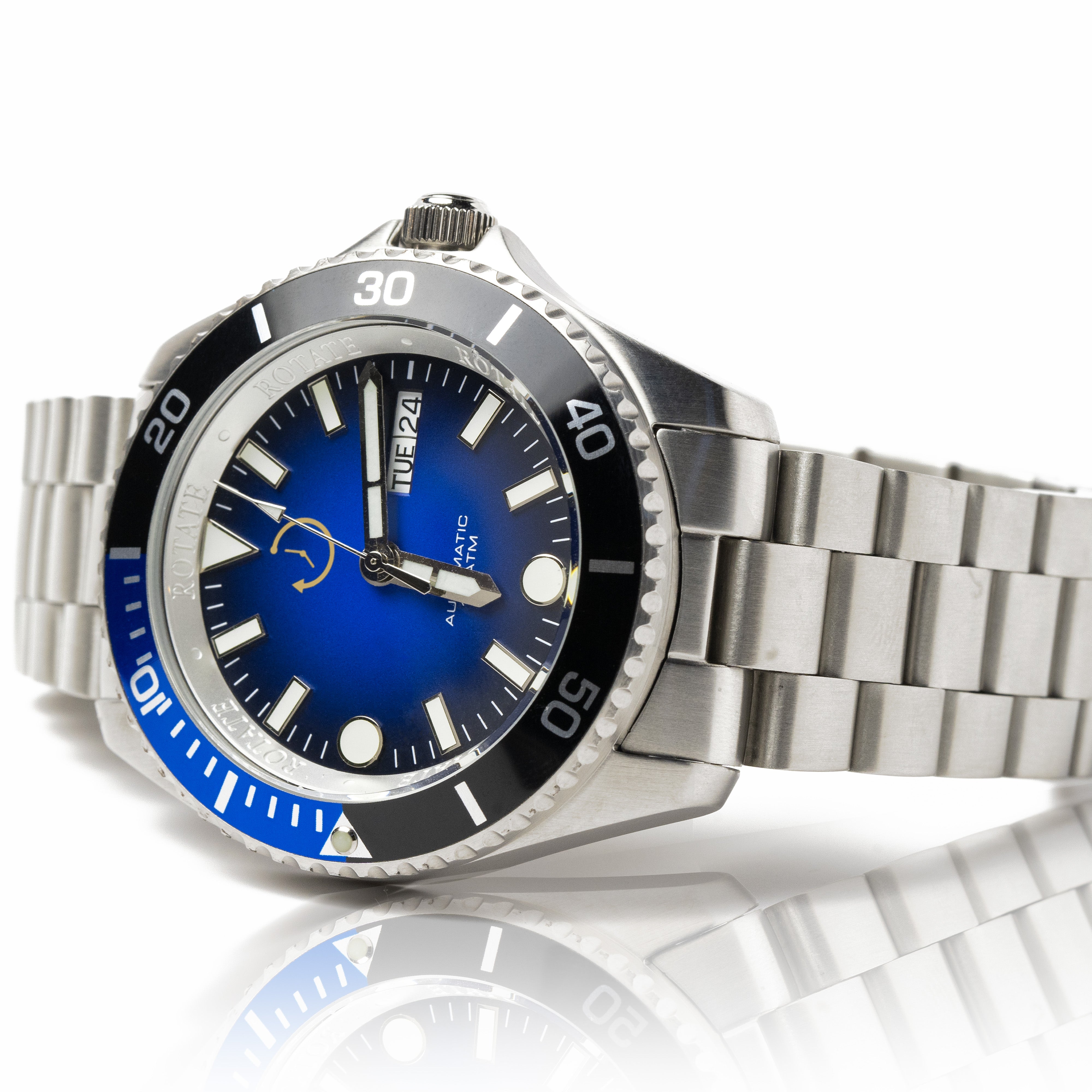
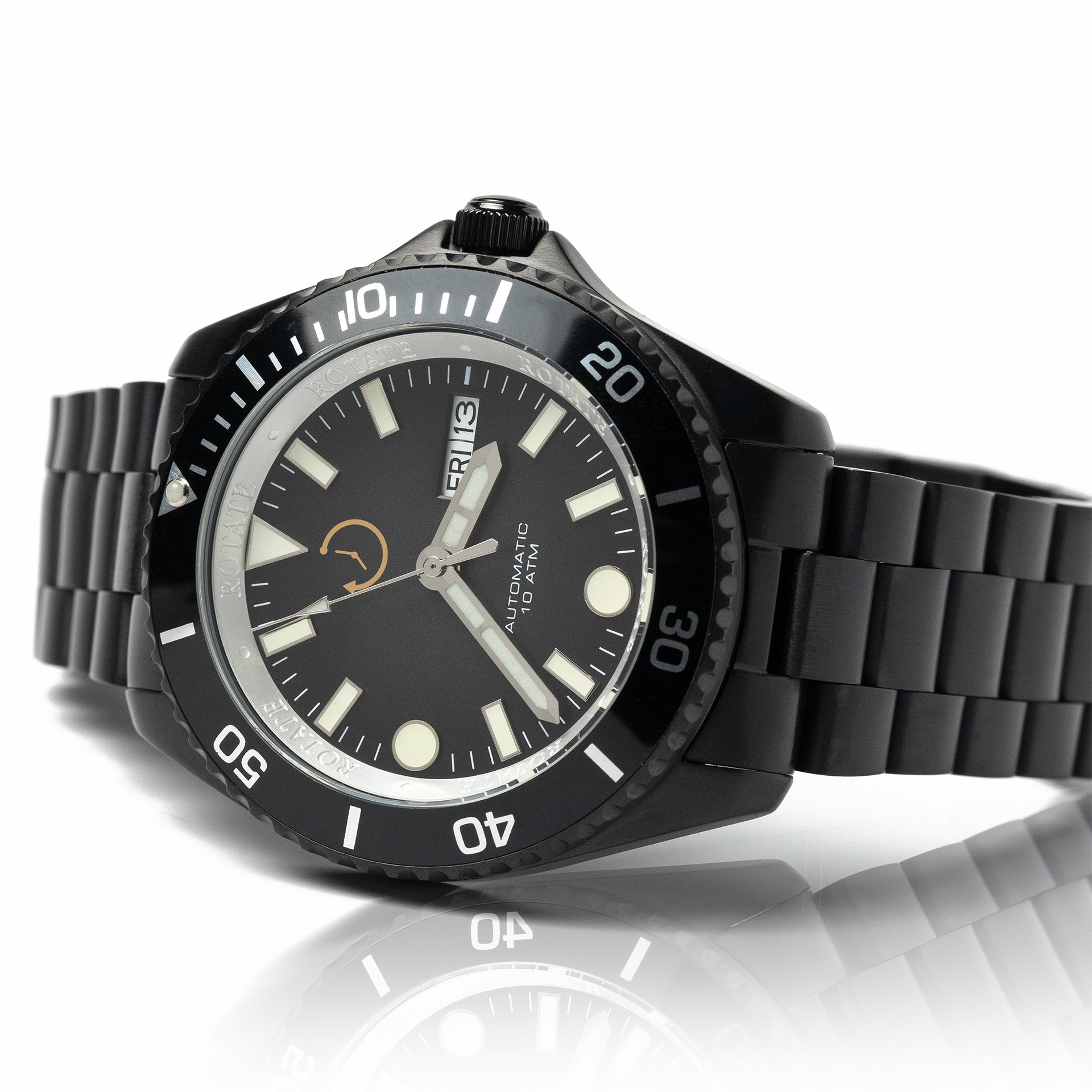
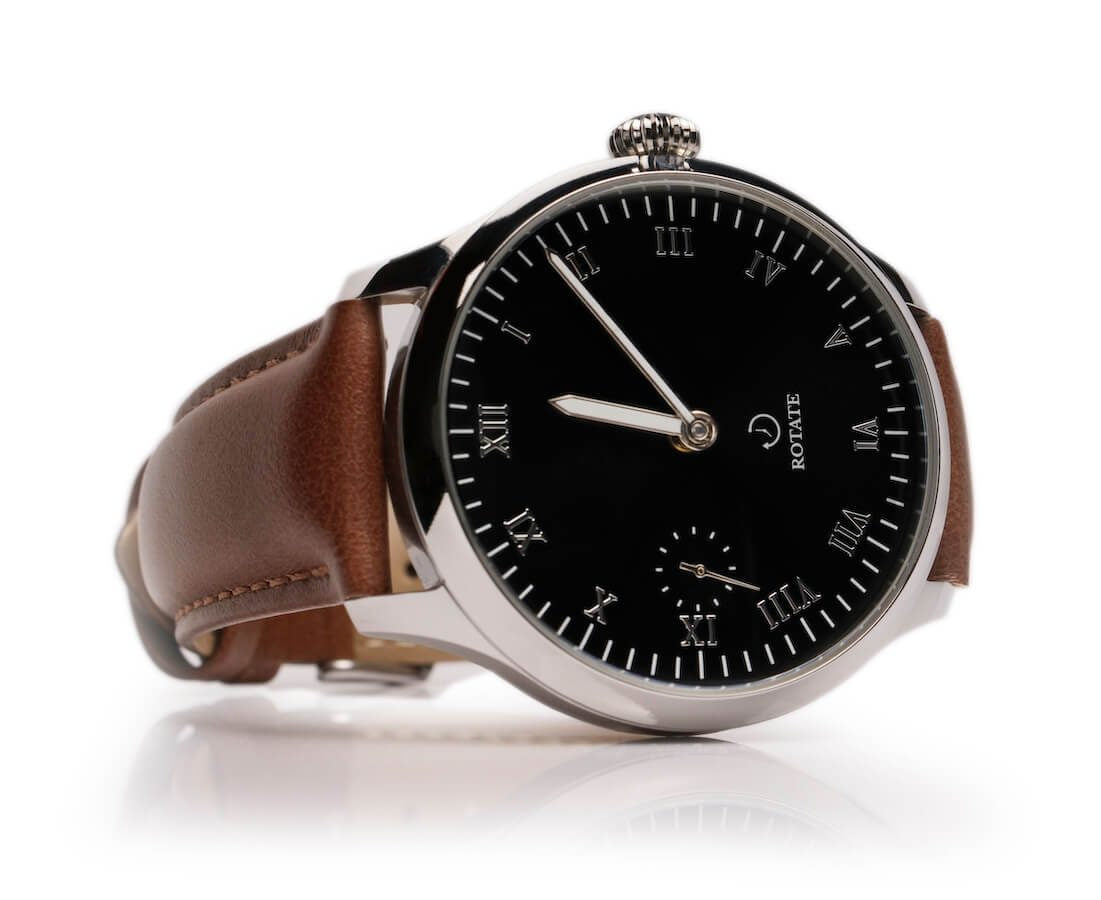
Rotate Watches provides complete watchmaking kits , teaching mechanical assembly from components to a functioning watch. You learn traditional skills, creating lasting timepieces.
Movement kits reveal internal mechanics while complete watch kits produce wearable results. Choose your learning path and start building today.
Create mechanical watches that last generations, not charging cycles.
Frequently Asked Questions
Are mechanical watches more accurate than smartwatches?
No, smartwatches maintain better timekeeping accuracy through electronic quartz or atomic time synchronization. Mechanical watches typically vary by several seconds daily. However, the accuracy difference rarely matters for practical timekeeping needs.
Do mechanical watches require maintenance?
Mechanical watches need cleaning and lubrication every five to seven years for optimal performance. The service costs $100 to $300 but extends watch life for decades. Smartwatches need no maintenance, but can't be serviced when problems occur.
Can mechanical watches track fitness data?
No, mechanical watches only tell time and include possible complications like date, chronograph, or GMT. They don't track steps, heart rate, or other fitness metrics.
Why are mechanical watches so expensive?
Quality mechanical movements require hundreds of precisely manufactured parts assembled by skilled watchmakers. The craftsmanship, materials, and expertise justify higher prices compared to mass-produced electronics.
Can you swim with mechanical watches?
Many mechanical watches offer 50m to 100m water resistance suitable for swimming. Check specific water resistance ratings before swimming. Dive watches provide 200m+ ratings for recreational diving.
Do younger people wear mechanical watches?
Yes, mechanical watches attract all ages. Many young enthusiasts appreciate craftsmanship, sustainability, and distraction-free technology. Building watches appeals particularly to younger makers interested in hands-on skills.