
How to Maintain and Service Your Self-Built Watch
You built a mechanical watch with your own hands. Now you're wondering how to keep it running smoothly for years to come. Good news: maintaining your self-built watch is actually simpler than the original build. You already know how everything fits together, and you've got all the tools you need.
Keep Your Watch Clean
Weekly cleaning prevents grime from sneaking into the case and keeps your watch looking sharp.
Grab a soft microfiber cloth and wipe down the case and crystal once a week. Slightly dampen the cloth with water for stubborn dirt. A tiny drop of mild soap works for tougher grime. Just make sure you dry everything thoroughly afterward.
Metal bracelets collect skin oils and debris between the links. Remove the bracelet every few weeks and clean it separately with warm soapy water and a soft brush. Leather straps need gentler treatment. Wipe them with a barely damp cloth and let them air dry completely.
Clean around the crown and pushers carefully since dirt builds up there fast. Use a barely damp cloth and avoid forcing water into the case. Never operate the crown or pushers when wet.
Wind and Wear Your Watch Properly
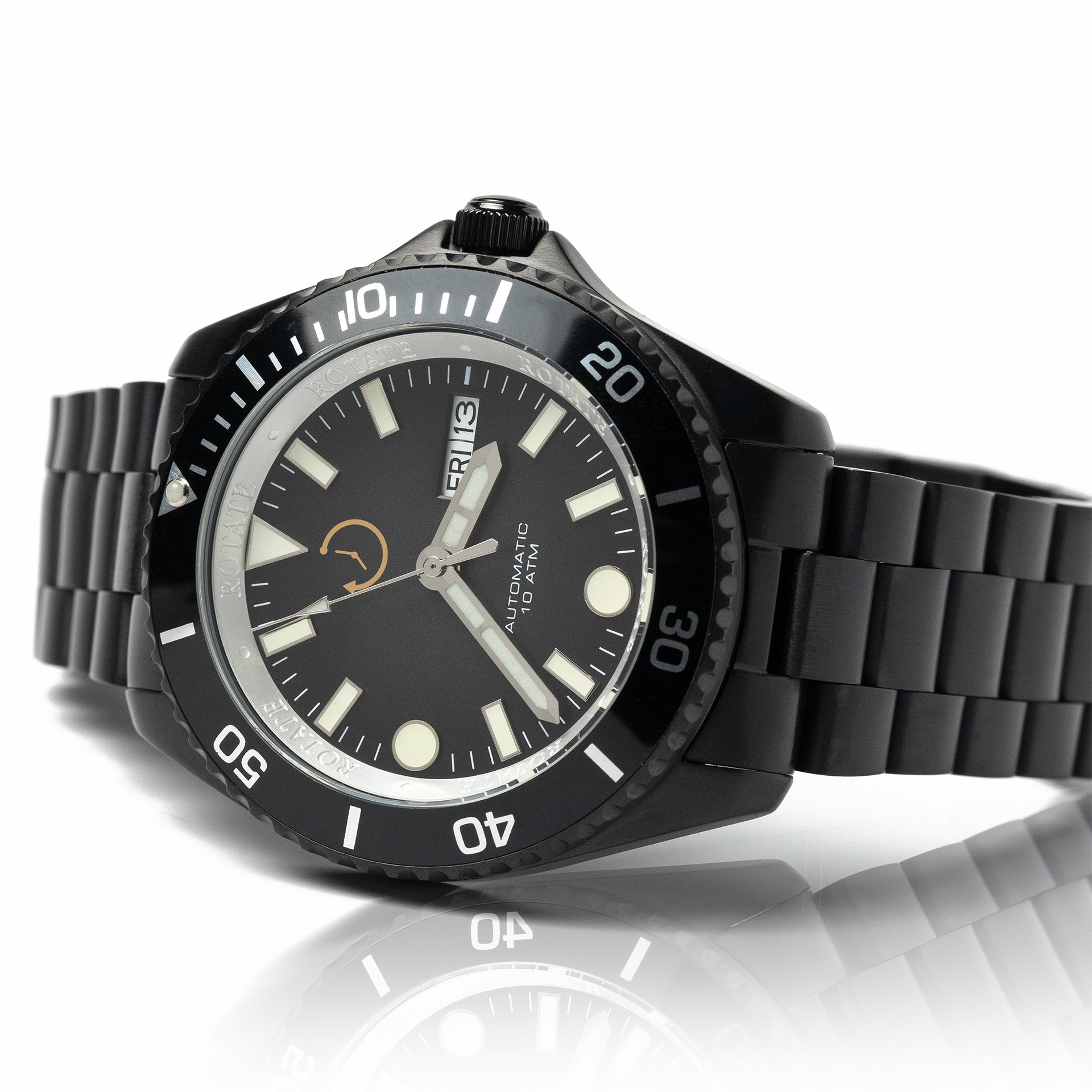
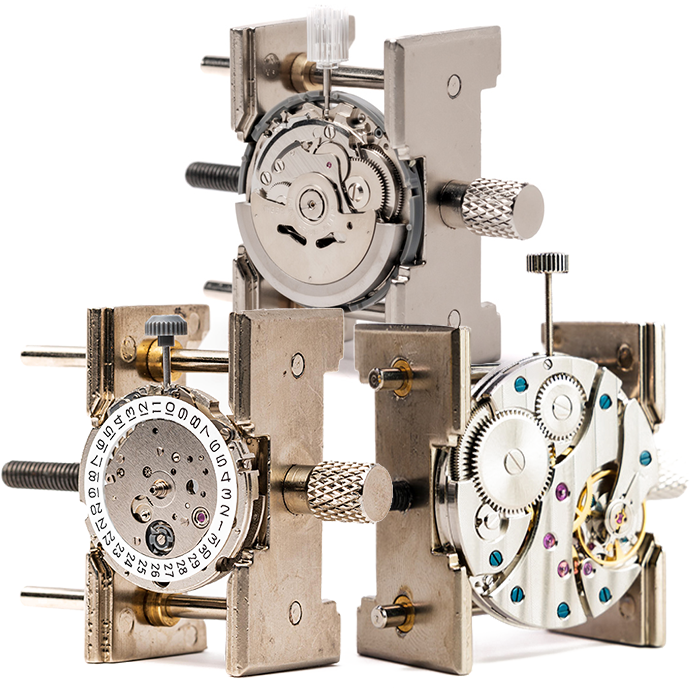
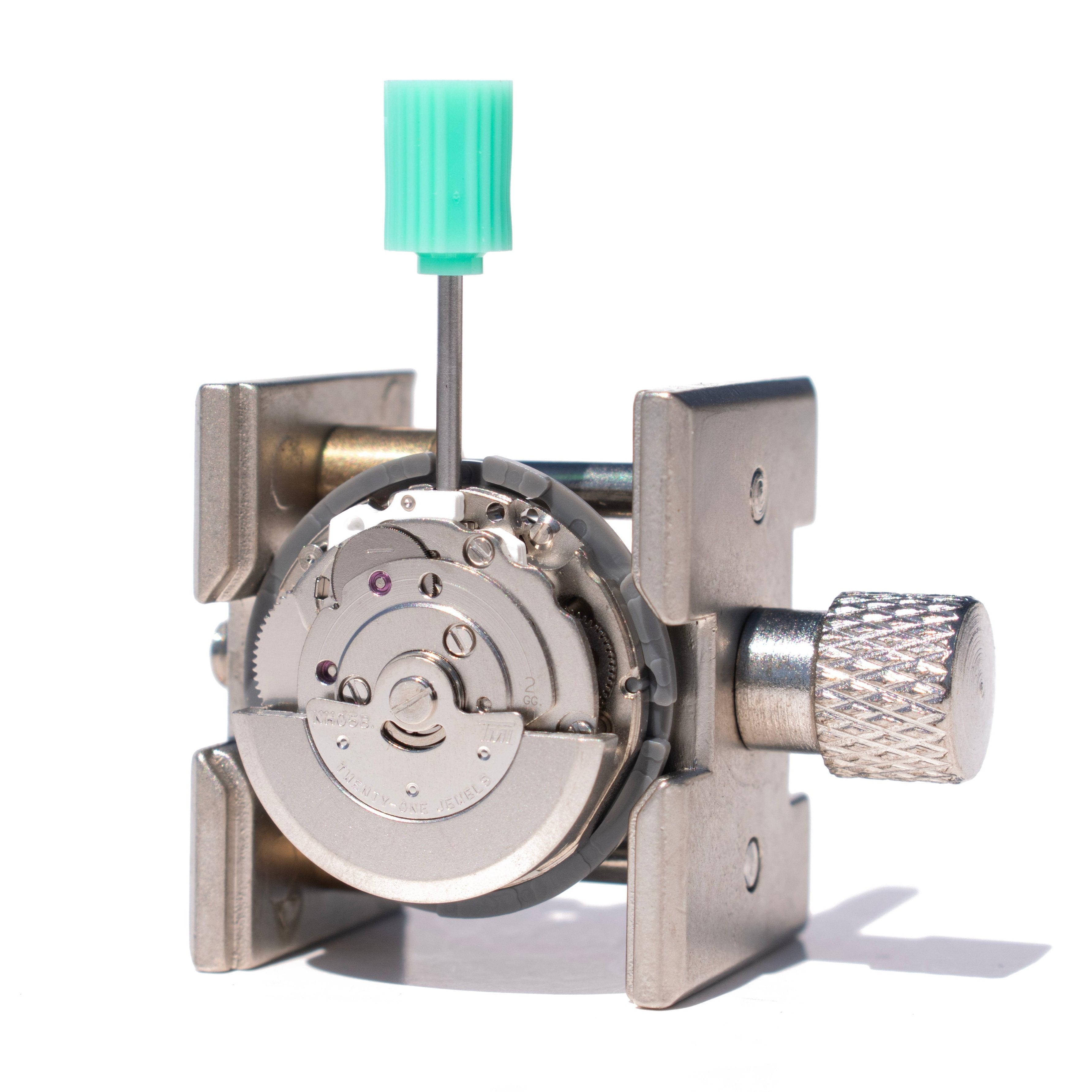
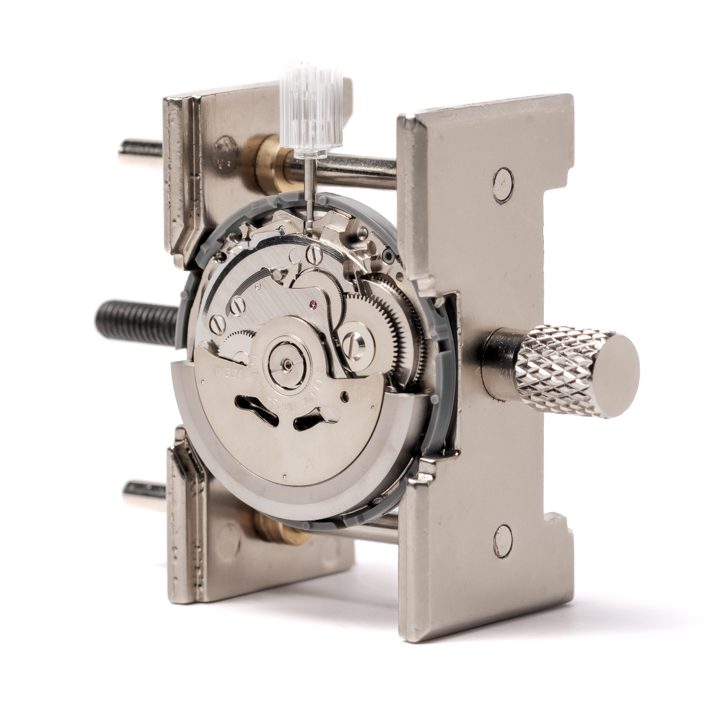
Manual movements need winding at roughly the same time each day. Consistent winding prevents mainspring stress and keeps power delivery even. Automatic movements like the Seiko NH36 in the Cabot watchmaking kit stay wound through normal wear, so just put the watch on and go about your day.
Never force the crown when setting time or winding. Pull the crown out gently to each position and push it back carefully. Forcing creates wear on the stem and internal setting wheels.
Protect Your Watch From Damage
Avoid extreme temperatures, which mess with lubricant performance. Keep your watch away from speakers and phones. Unless you specifically built a high water-resistance case, treat your watch as splash-resistant at best.
Brief splashes during handwashing are fine if your case back and crown seal properly. Just avoid deliberate water exposure like submerging your hands under running faucets or using hot water, which compromises seals. Take the watch off before washing dishes or swimming.
When to Open Your Watch
Check inside if timekeeping changes significantly, if the rotor sounds scratchy, or if the crown feels gritty when winding. Work in a clean, well-lit space to prevent dust from getting inside.
Use a rubber dust blower instead of your breath, which introduces moisture. Gently blow away visible dust particles from the movement without displacing components.
When closing everything back up, make sure the gasket sits properly in its groove. Tighten the case back evenly without over-tightening, which damages threads or cracks the crystal.
Watch for Warning Signs
All mechanical watches gain or lose some time daily. The Seiko NH36 movement typically runs between negative 20 to positive 40 seconds per day when new. Sudden significant changes mean something needs attention.
Power reserve should stay consistent. A fully wound watch stopping earlier than normal suggests contamination or friction issues. Unusual sounds like loud grinding or rattling indicate problems. Condensation under the crystal means moisture entered the case and requires immediate action.
Store Your Watch Properly
Store your watch in a cool, dry place when not wearing it. A watch box or soft pouch prevents scratches and dust accumulation. For automatic movements in DIY watch kits , watch winders aren't necessary and can actually increase wear.
Keep spare parts from your build, including extra gaskets or spring bars. Save build instructions and documentation about your specific movement. You'll need these references for future maintenance.
Check Your Watch Regularly
Compare your watch to your phone clock weekly to check accuracy. Note significant changes in your phone's notes app. Monthly visual inspections catch developing issues early before they become serious problems.
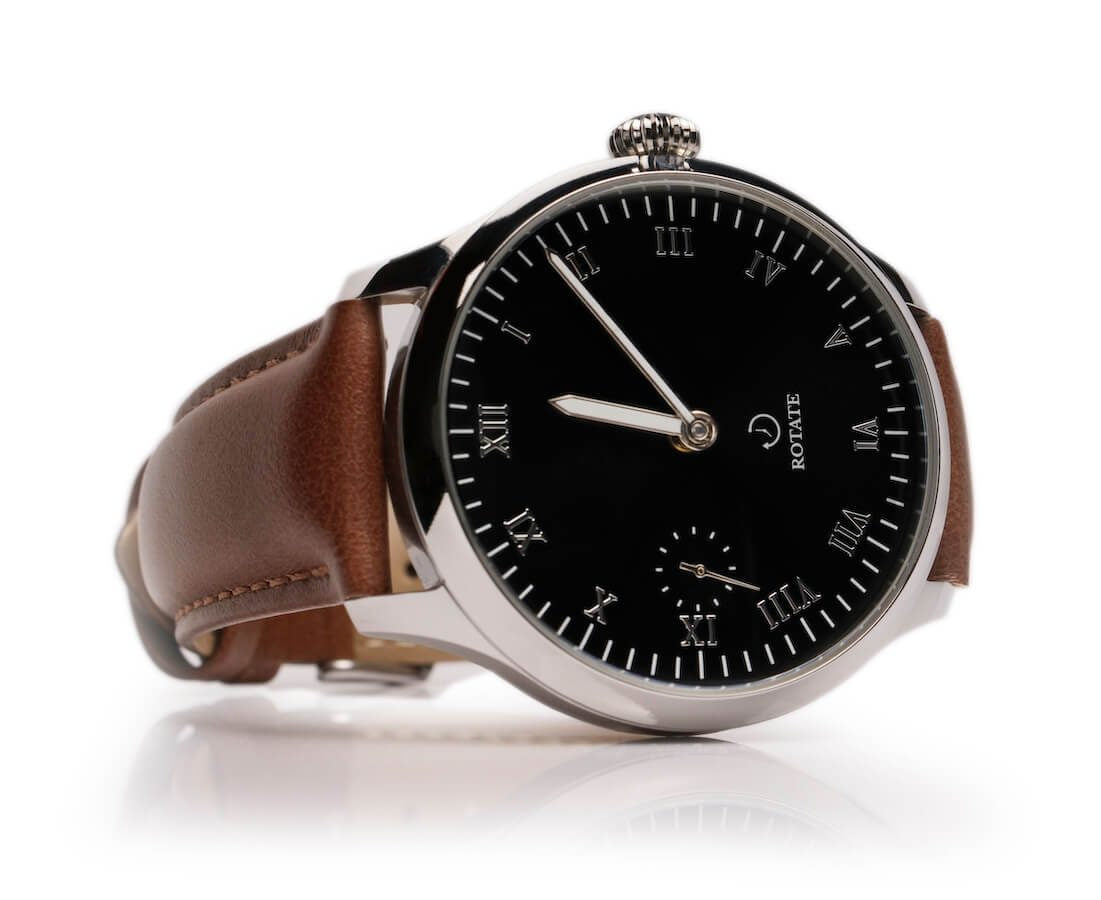
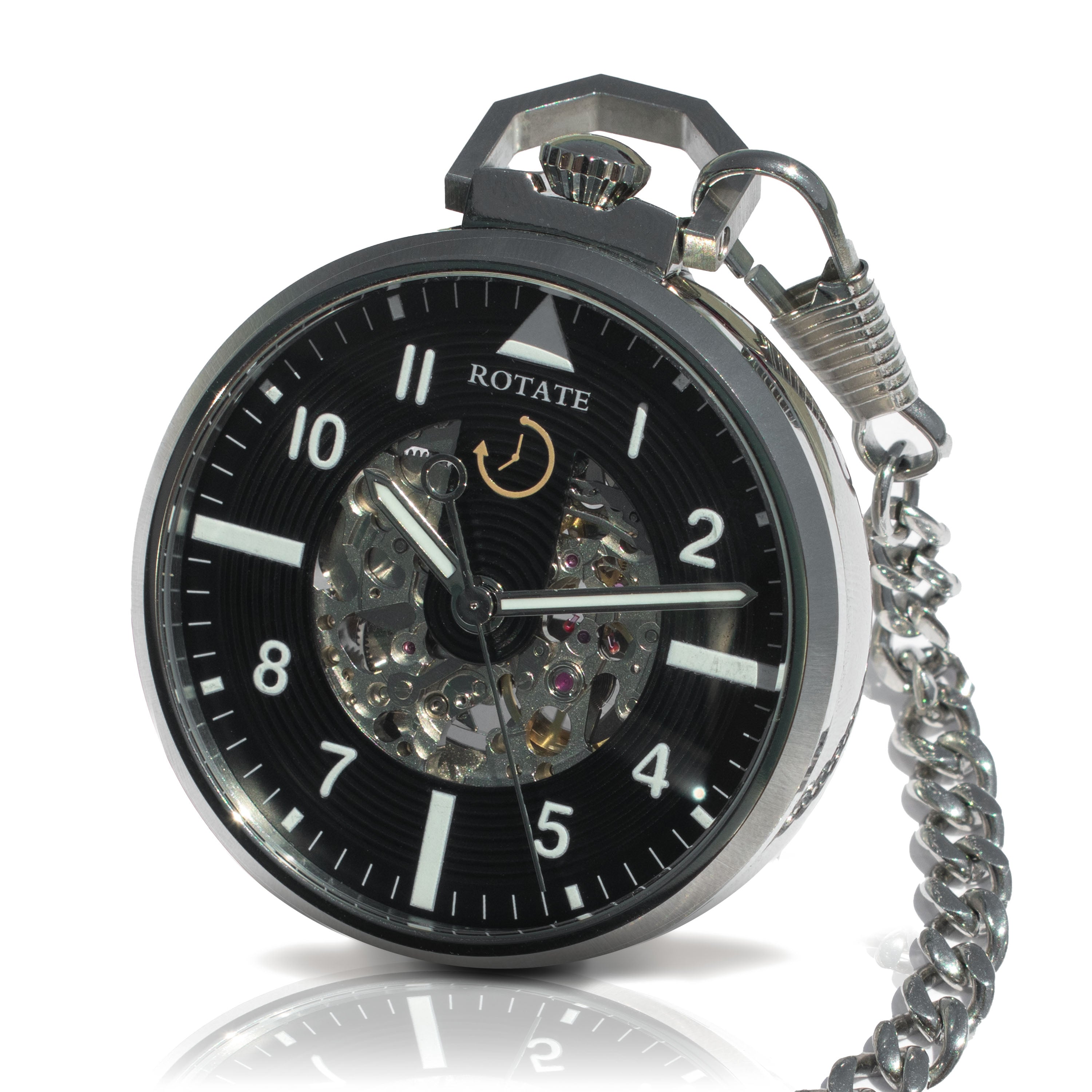
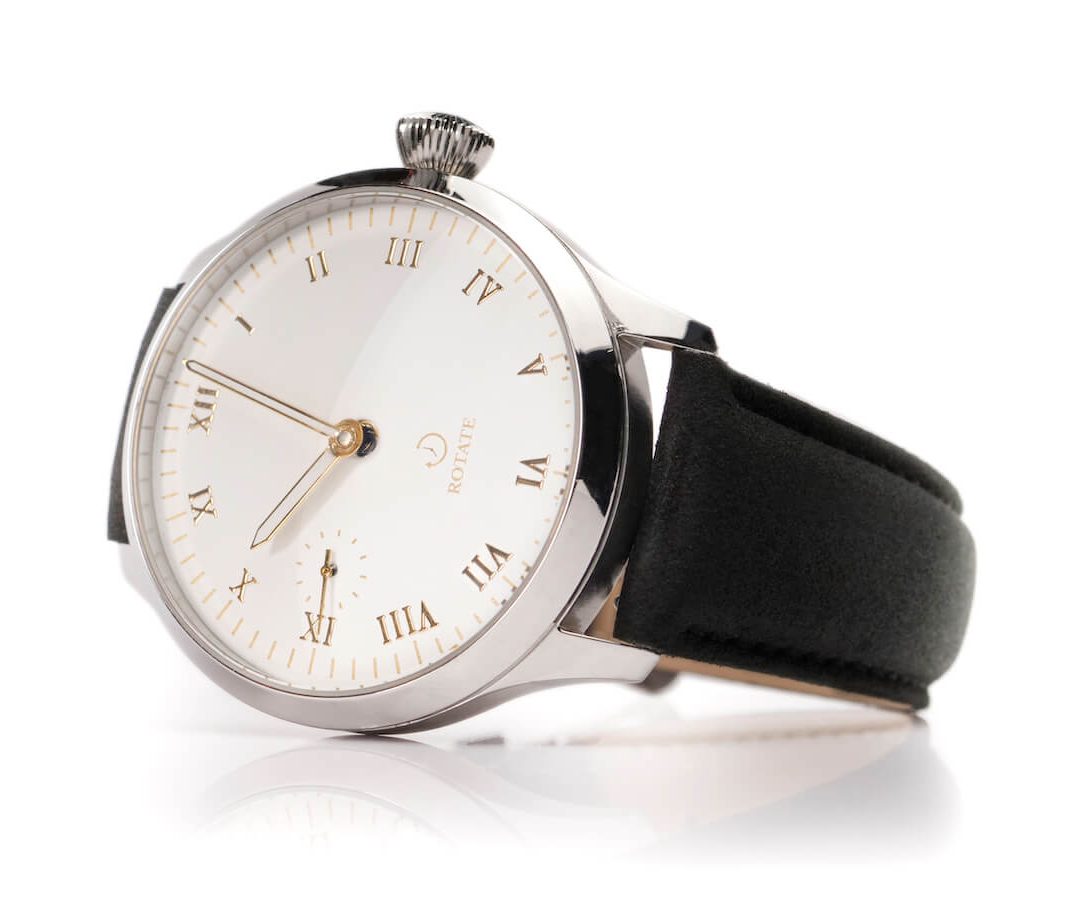
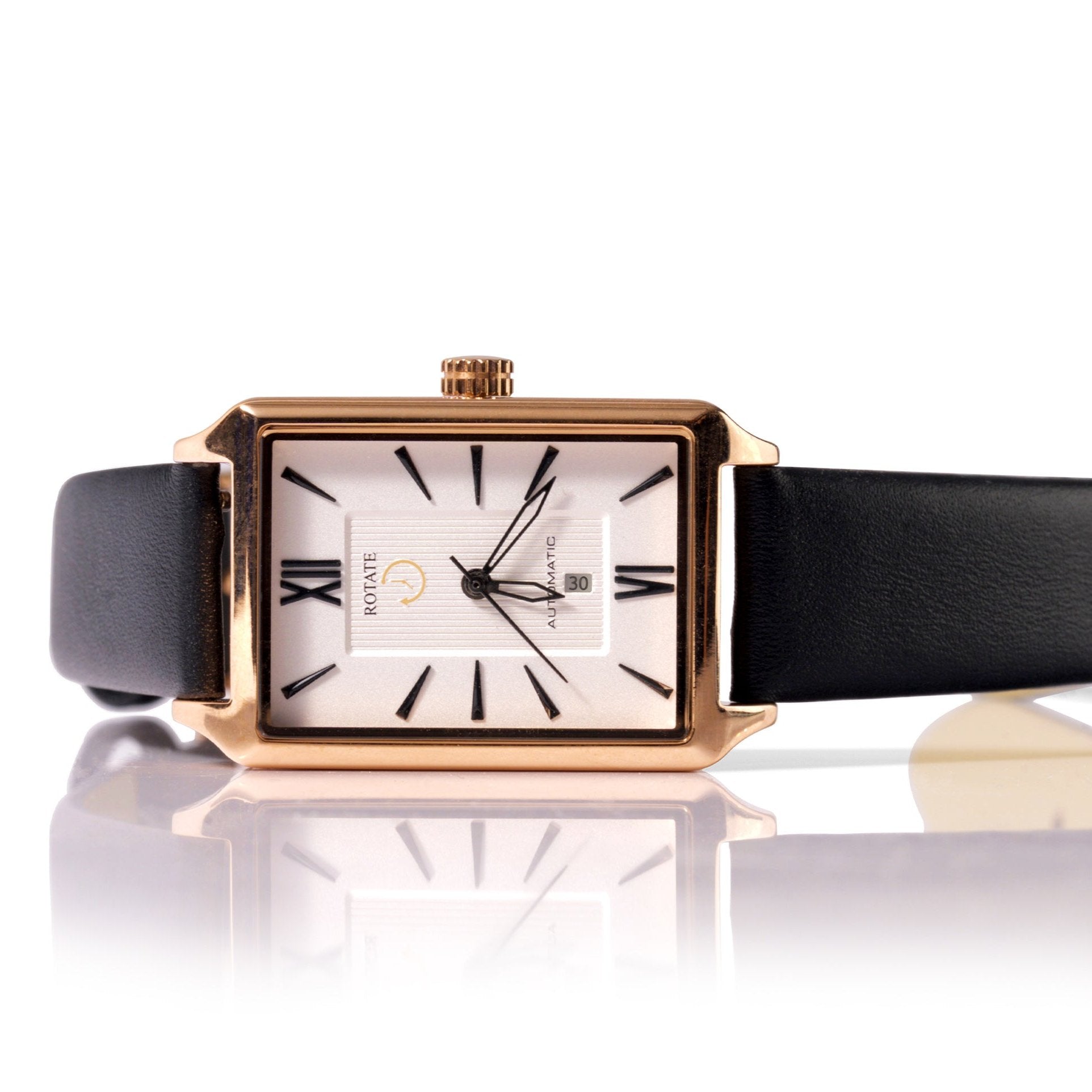
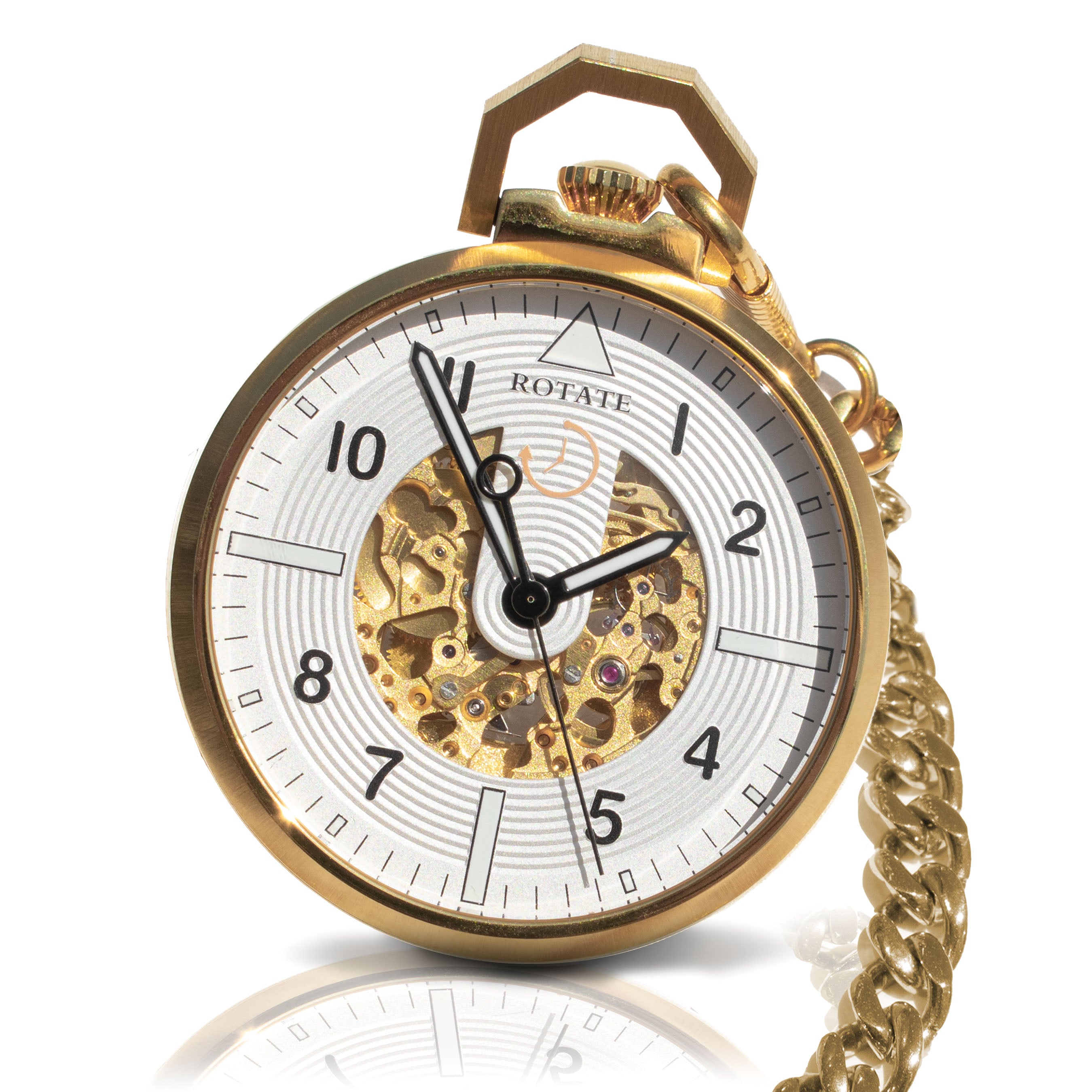
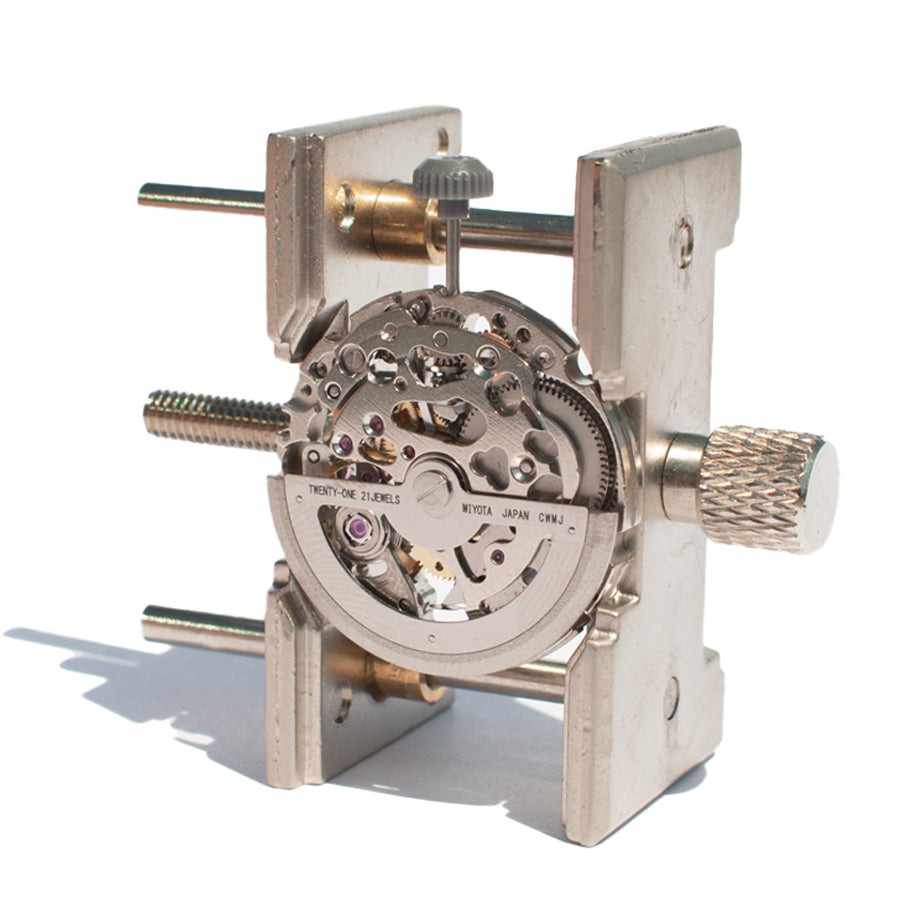
Watch movements like the Seiko NH36 and Miyota 8N24 are built tough and reliable. Regular attention keeps them performing beautifully. Whether you built the elegant Alden kit or the sporty Hudson pocket watch , proper care ensures years of accurate timekeeping.
Conclusion
Maintaining your self-built watch connects you to your creation in a meaningful way. You built something with your own hands, and now you're keeping it running through your own skill and care. When issues pop up beyond basic maintenance, Rotate's support team understands self-built watches and provides personalized guidance. No need to search elsewhere when the people who designed your watchmaking kit are available to help.
Browse our collection to find your perfect match, from complete watch kits to intricate movement kits .
Your watchmaking story begins with a single screw. Start building today.
Frequently Asked Questions
How often should you clean a self-built watch?
Clean the exterior weekly with a soft cloth. Open the case for internal inspection only when noticing performance changes or every 12 to 18 months for a quick dust removal check.
Can you wear a DIY watch while washing hands?
Brief splashes are fine if the case back and crown seal properly. Avoid submerging your hands under running water or using hot water, which compromises seals.
What causes a watch to suddenly run fast or slow?
Movement contamination or mechanical issues can affect timekeeping. Contact Rotate's support team for guidance on diagnosing and fixing the issue.
How do you know if moisture got inside the watch?
Condensation, fog, or water droplets on the underside of the crystal indicate moisture entered the case. Open the case in a dry environment and let the movement air dry completely, then contact Rotate's support team.
Should you oil a watch movement yourself?
Lubrication requires specialized oils and precise knowledge. Contact Rotate's support team for guidance rather than attempting lubrication without proper training.
Can you upgrade or modify a self-built watch later?
Absolutely. Swap dials, hands, or cases as long as compatibility matches your movement. Browse Rotate's collection for compatible components and new project ideas.