

Mainspring and Barrel Explained: How Watches Store Energy
Every mechanical watch needs a power source. No batteries. No electricity. Just a thin strip of metal coiled inside a drum, slowly unwinding to keep time for days.
The mainspring stores energy. The barrel contains and delivers it. Together, they form the engine of every mechanical watch, from a basic hand-wound piece to the most complex automatic chronograph.
What Is a Mainspring in a Watch?
A watch mainspring is a long, thin ribbon of hardened steel alloy coiled into a tight spiral. One end attaches to the arbor (central shaft). The other connects to the barrel wall.
Mainsprings have powered portable timepieces since the 15th century. Early carbon steel versions were prone to rust and breakage. Modern alloys resist corrosion and magnetism.
How the Mainspring Stores Energy
When you wind the watch, the arbor rotates and coils the mainspring tighter, storing potential energy. A typical mainspring measures 20 to 30 centimeters long and about 0.05 to 0.2 millimeters thick.
Key characteristics affecting performance:
- Length: Longer springs store more energy but need larger barrels
- Thickness: Thicker springs provide more torque but are stiffer
- Material: Modern springs use Nivaflex or similar alloys for strength and anti-magnetic properties
What Happens When You Wind
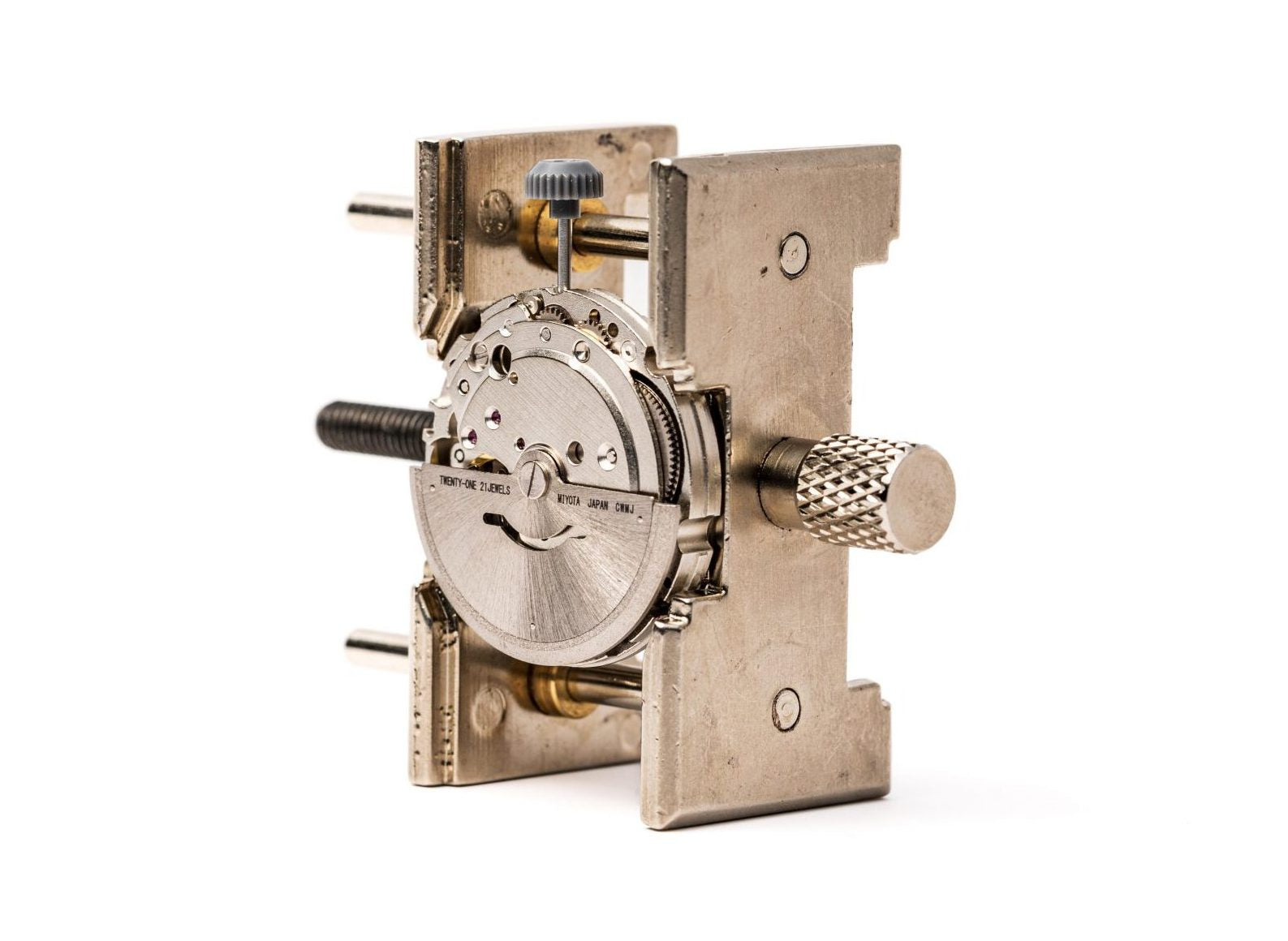
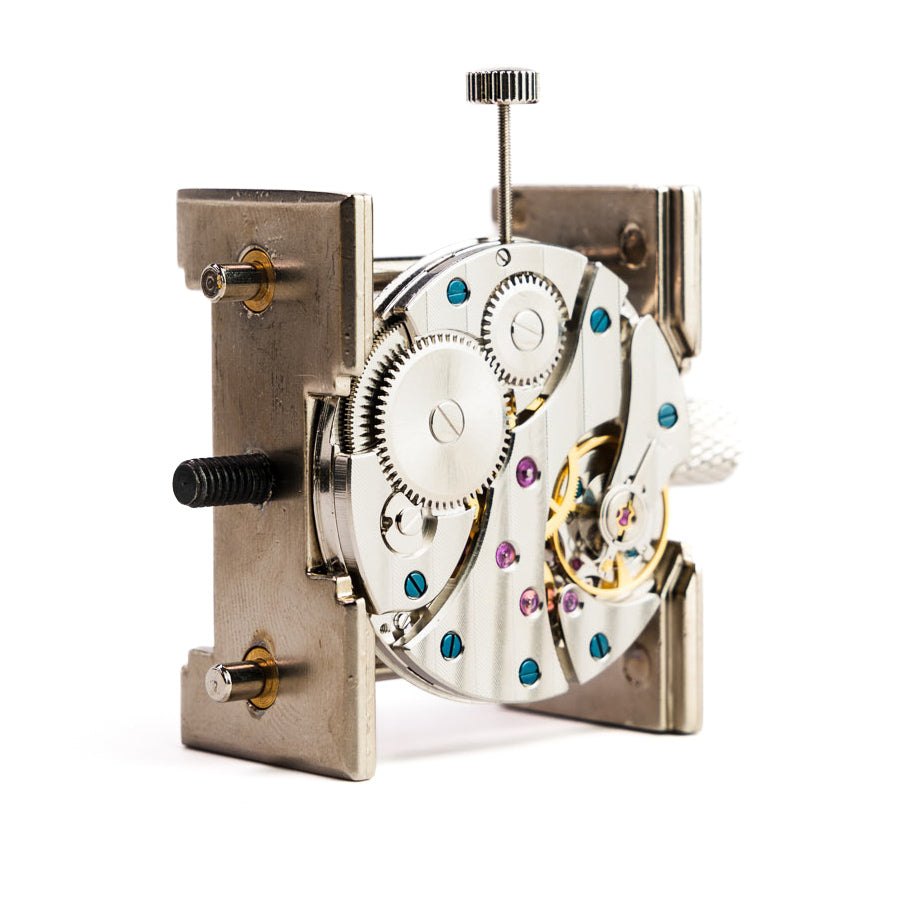
Turning the crown sends rotation through the keyless works to the arbor. Each turn coils the mainspring tighter. A hand-wound movement like the Seagull ST3600 reaches full wind after about 35 half-turns. The ST3600 movement kit lets you experience this directly.
What Is the Barrel?
The barrel is a cylindrical drum with gear teeth around its outer edge. The mainspring sits inside, and the arbor passes through the center.
Barrel construction balances strength with precision. Teeth machined around the rim connect to the center wheel pinion, making the barrel the first wheel of the going train.
How the Barrel Delivers Power
As the mainspring unwinds, it pushes the barrel wall, causing rotation. Gear teeth on the barrel's edge mesh with the center wheel pinion, transferring energy into the movement. A typical barrel completes one rotation about every eight hours. The gear train multiplies this into faster speeds for the hands.
The Click Prevents Unwinding
A ratchet wheel and spring-loaded click sit on top. When winding, the ratchet turns freely. When you stop, the click catches the teeth, preventing backward spin.
Mainspring and Barrel Working Together
The mainspring and barrel serve distinct but connected roles. The mainspring handles storage, while the barrel handles delivery. One converts winding into coiled tension, the other converts tension into sustained rotation.
The mainspring is the fuel, the barrel is the tank, and the gear train is the engine. All three must work together for accurate timekeeping.
How Hand-Wound and Automatic Differ
Hand-wound and automatic movements handle their mainsprings differently:
- Hand-wound: The outer end hooks firmly to the barrel wall with a definite stopping point at full wind
- Automatic: A slipping bridle replaces the fixed hook, letting the outer coil slide when fully wound
- Over-winding protection: The bridle prevents damage from the rotor's continuous motion
How Power Reserve Relates
Power reserve depends on mainspring and barrel design. A longer mainspring delivers more rotations before fully unwinding.
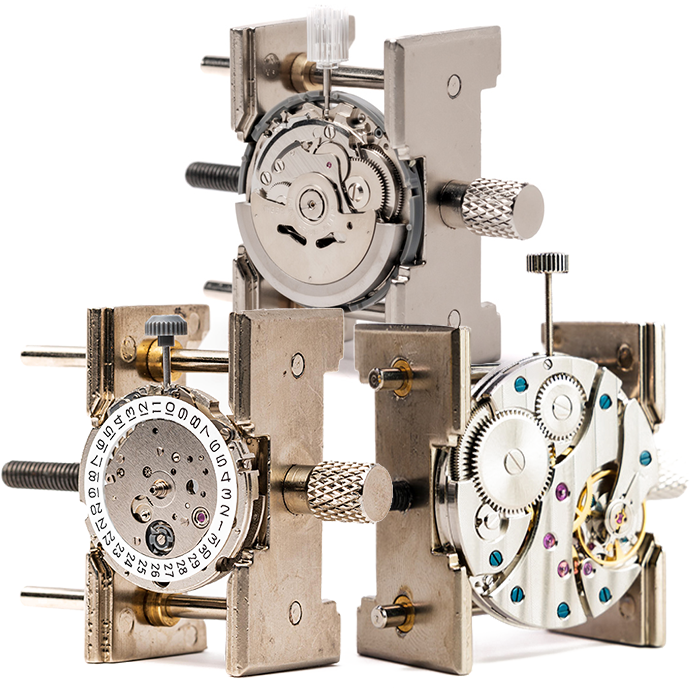
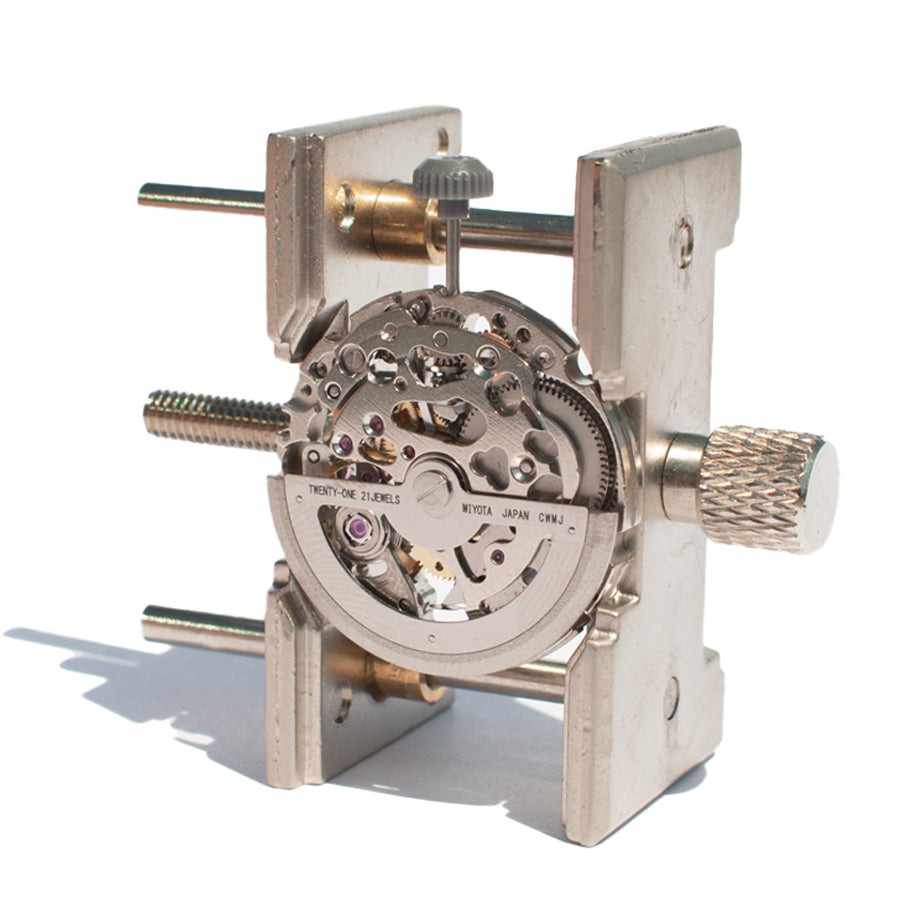
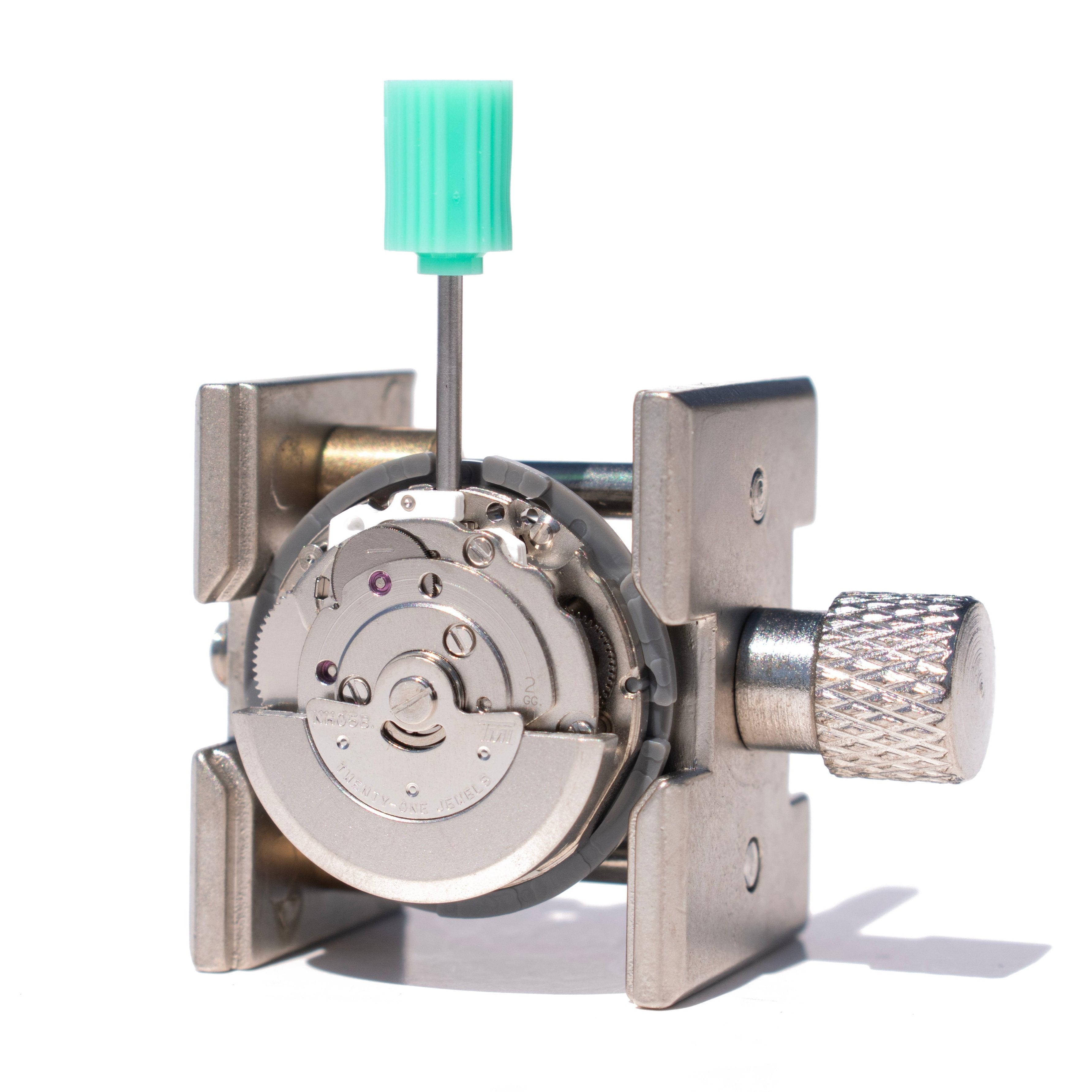
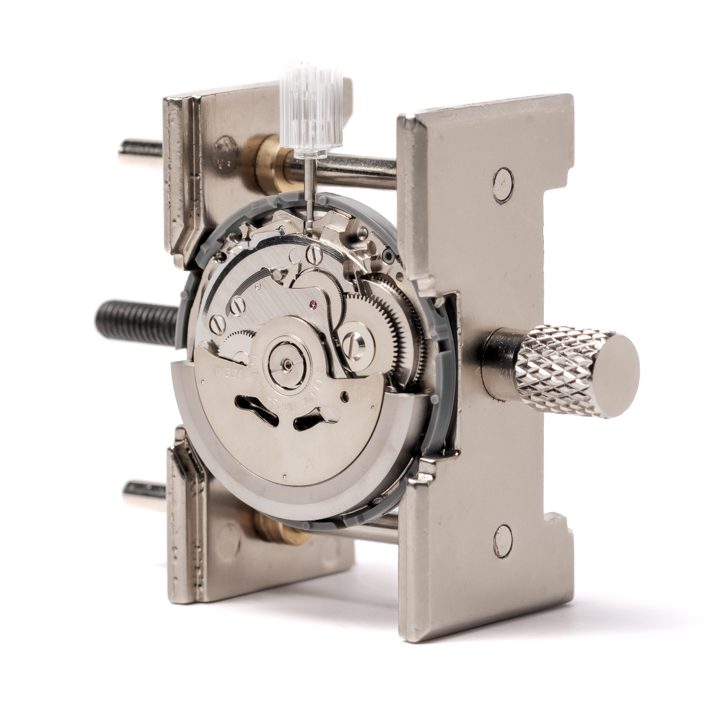
The Seiko NH05 achieves approximately 50 hours of reserve. The ST3600 delivers 40+ hours. Both are available as movement kits for hands-on learning. Some high-end movements use multiple barrels. Barrels arranged in parallel deliver more torque for better accuracy. Barrels arranged in series unwind one after another, doubling the total run time.
Consistent Torque Affects Accuracy
A fully wound mainspring exerts more force than a depleted one. Torque runs high right after winding, settles to a steady median for most of the run, then drops sharply near empty. Watchmakers design mainsprings and gear trains to keep output as flat as possible across the full reserve.
Building a mechanical watch from a DIY watch kit makes these concepts tangible. Winding the mainspring and following energy through the gear train connects theory to real experience.
Conclusion
The mainspring stores energy as coiled tension. The barrel delivers power to the gear train. Together, they run every gear and hand in a mechanical watch.
Rotate Watches movement kits let you work with these components firsthand. Start with a hand-wound movement to feel how winding, storing, and releasing energy works.
Frequently Asked Questions
Q1. What is a mainspring?
A mainspring is a coiled metal ribbon that stores energy when wound. As it unwinds, it pushes the barrel and powers the gear train. Most wristwatch mainsprings measure 20 to 30 centimeters long and use alloys resistant to breakage and magnetism.
Q2. What does the barrel do?
The barrel is a toothed drum that houses the mainspring and delivers energy to the gear train. As the mainspring unwinds, the barrel rotates, and its teeth mesh with the center wheel pinion. A typical barrel completes one full rotation about every eight hours.
Q3. What is the difference between a mainspring and a barrel?
The mainspring stores energy as coiled tension. The barrel contains it and transmits rotation to the gear train. The mainspring acts like the battery, while the barrel feeds power into the movement.
Q4. How long does a fully wound mainspring last?
Most mechanical watches run 38 to 50 hours on a full wind. Reserve depends on mainspring length, thickness, and barrel design. The hand-wound ST3600 delivers 40+ hours, while the automatic Seiko NH05 reaches approximately 50 hours.
Q5. Can a mainspring break?
Yes, though modern alloys like Nivaflex are extremely durable and rarely fail under normal use. A broken mainspring stops the watch immediately and needs professional replacement. Vintage carbon steel springs broke far more often due to fatigue and brittleness.
Q6. What is a slipping bridle?
A slipping bridle is a small expansion spring attached to the mainspring's outer end in automatic watches. When fully wound, the bridle slides against the barrel wall instead of locking, preventing over-winding from the rotor. Hand-wound movements use a fixed hook that creates a firm stop at full wind.