

Do New Mechanical Watches Need a Break-In Period?
No, a new mechanical watch does not need a break-in period, and nothing needs to be done to run it in. A quality movement settles into a steady rate within roughly a day of being wound and worn.
The rate can still seem to shift in the first weeks. That is a real observation with real causes; none of them is break-in.
Break-In Period at a Glance
- No break-in is required for a new mechanical watch.
- Early rate changes come from the state of wind, position, storage, and measurement, not wear-in.
- Judge accuracy over full 24-hour cycles against the movement's stated spec.
- Consistently out of spec means regulation, while erratic swings point to magnetism or service.
What Is a Break-In Period?
The phrase borrows from engines, where parts wear in against each other. Applied to watches, it means one of two things: parts physically wearing together, or the watch settling into a steady observed rate.
Only the second is real. A modern movement has no meaningful wear-in stage.
Where the Break-In Belief Comes From
Retailer listings often repeat a line about a new watch needing a month to find its beat and distribute lubricants. That text is copied between sellers, not manufacturer guidance.
Some brands do use gentler settling language, and that part is fair. A boxed watch takes a day or two of wear to reach normal running, which is not the same as wearing in.
The Technical Case Against a Required Break-In
Watch lubricants are applied in tiny, precise amounts and held in place by capillary action. Wearing the watch does not spread them, and modern synthetic oils are engineered not to migrate.
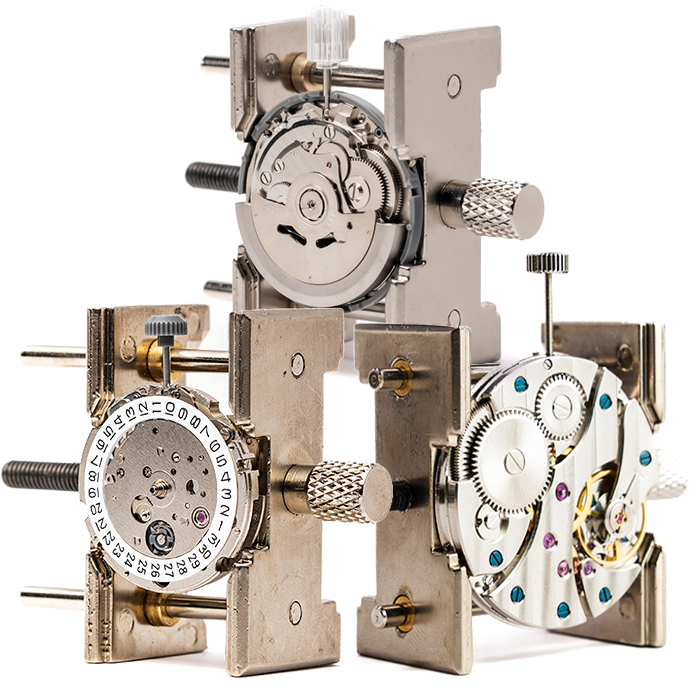
Manufacturers also test and regulate calibers before shipping, so the watch arrives inside its rated tolerance. From bench work with the Seiko NH36 and Seagull ST3600, a freshly serviced movement runs true from the first wind.
What Chronometer Standards Tell Us
Chronometer certification proves the point. COSC tests bare movements for 15 days across five positions and three temperatures. A certified movement must hold -4 to +6 seconds per day throughout. Nothing in that protocol allows for a wear-in period.
Everyday movements carry wider tolerances; Rotex's calibers are rated -20 to +40 seconds per day, per their spec sheets.
So Why Does the Rate Seem to Change?
Several real effects can shift the number you measure early on.
- State of wind: rate varies with mainspring tension, so a half-wound watch runs differently.
- Position: rate differs slightly dial-up, dial-down, and crown-down.
- Storage: a watch that sat still or cold needs a day of wear to settle.
- You: as you learn the watch, you wind it more consistently and readings tighten.
- Measurement: random spot checks add noise that a strict 24-hour cycle removes.
Our guide on how accurate an automatic watch is explains positional variance in more depth.
What to Expect in the First Weeks
Two questions come up with a new watch. Does it need any running-in, and what should you do while it settles?
Both have short answers. The rate will change a little, and a consistent routine lets you judge it fairly.
Is There Any Genuine Running-In?
Watchmakers debate this honestly. If a modern movement beds in at all, the effect is small, brief, and outside your control. Nothing about it changes how you should measure or judge the watch.
What to Do With a New Mechanical Watch
Wear it consistently for two to four weeks and keep it wound. Measure the same way each time, at the same hour, over full 24-hour cycles. Then compare the daily rate to the stated spec for the caliber.
When It's Not Settling, and You Should Act
A watch that runs consistently outside its spec needs regulation, not more time. Our guides on how to regulate an NH35 or NH36 and how to regulate a Miyota 8215 cover the adjustment.
Erratic swings from day to day point to magnetism or a service need. Our guide on why automatic watches stop walks through the checks. A brand-new watch that is out of spec is a warranty matter.
Conclusion
A new mechanical watch needs no break-in. Lubrication is set at the factory, the movement was tested before shipping, and chronometer standards expect accuracy from day one.
Measure over full days, compare to the spec, and act only when the numbers stay outside it. Everything else is the watch settling, or you settling into the watch.
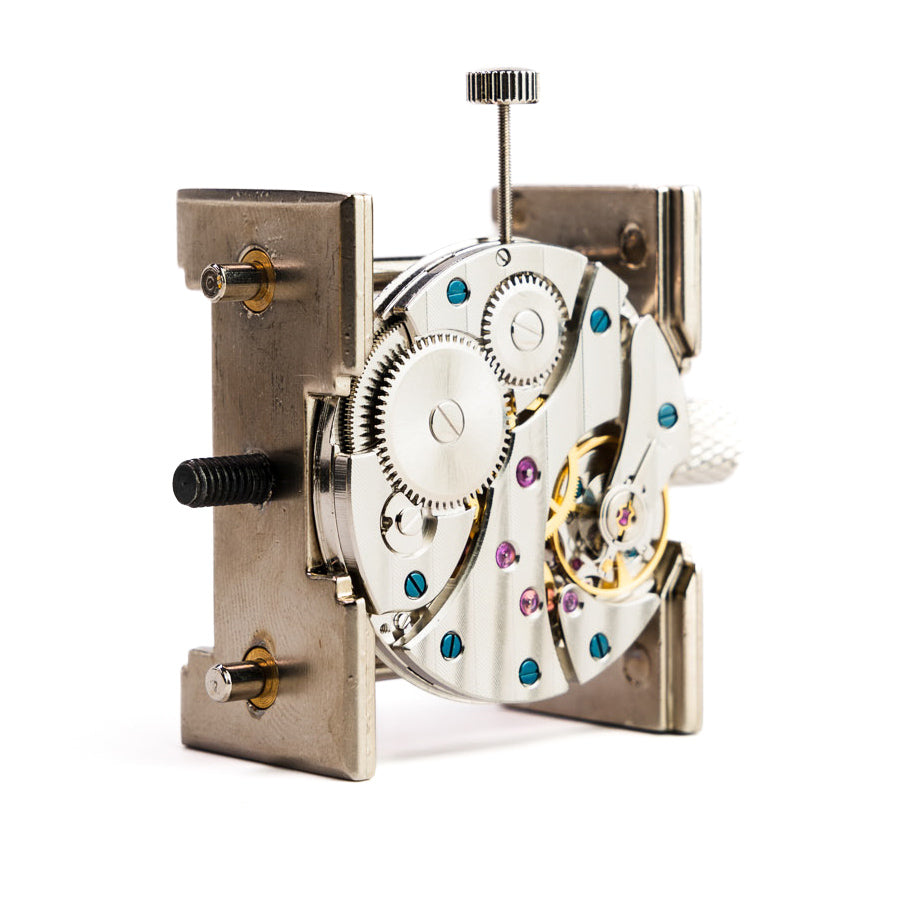
Curious how the mechanism works from the inside? Build one with a Rotate watch kit and see the balance and escapement for yourself.
FAQs
Do new mechanical watches need a break-in period?
No. Nothing needs to be done to run it in. A quality movement reaches a steady rate within about a day of regular wear.
Why is my new automatic's accuracy changing week to week?
Usually due to the state of the wind, wrist position, or inconsistent measuring. Wear it daily, keep it wound, and check the rate over full 24-hour cycles.
My new watch is out of spec. What do I do?
If the rate is consistently outside the stated tolerance, regulation fixes it, and on a new watch that is a warranty matter. If the rate swings erratically, have it checked for magnetism first.
Is the mechanical watch break-in myth ever true?
Not in the way it is usually stated. Modern lubricants do not spread with wear, and any bedding-in is small.
How long until a new mechanical watch settles?
About a day of wear brings a stored watch up to its normal running state. Give it two to four weeks of consistent wear before judging the long-term rate.
Does regulation count as break-in?
No. Regulation is a deliberate adjustment to the balance that corrects a consistent fast or slow rate. Break-in implies the watch fixes itself, which it does not.