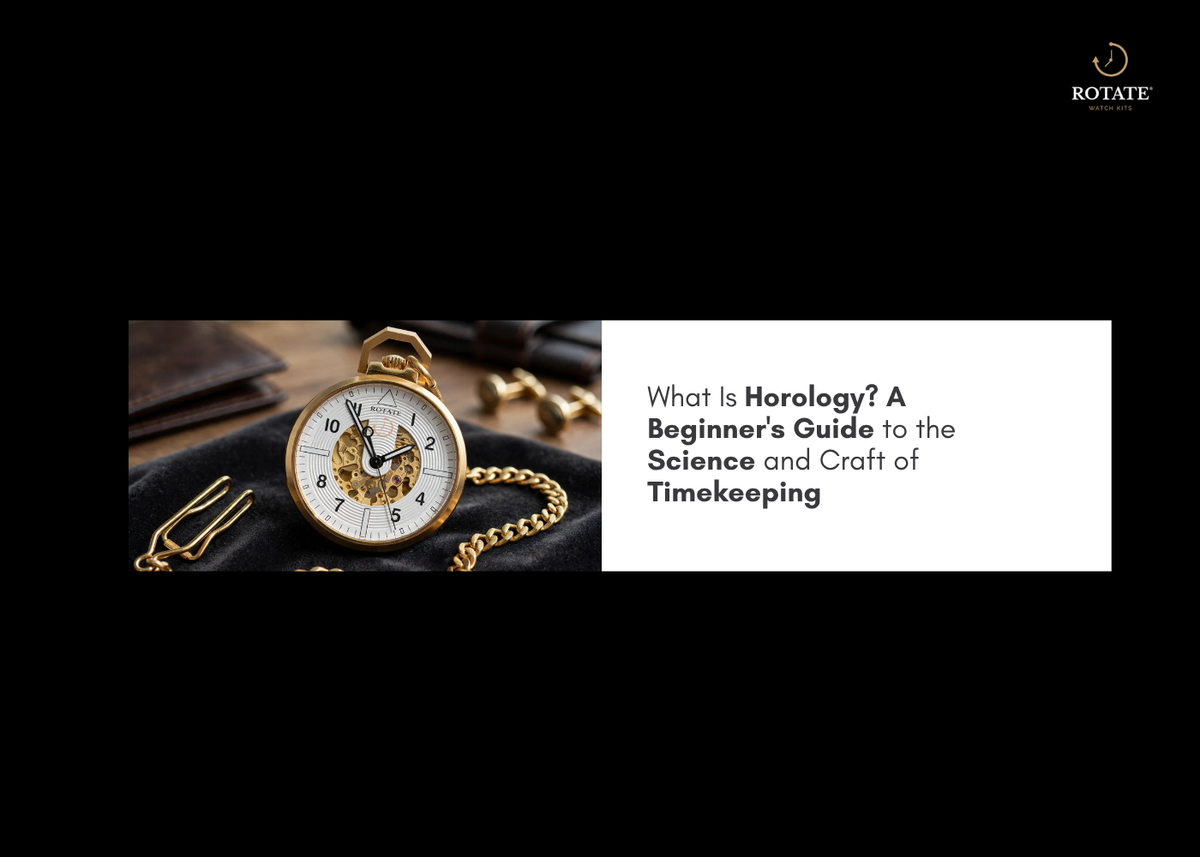
What Is Horology? A Beginner's Guide to the Science and Craft of Timekeeping
Horology is the study and craft of measuring time. The term covers the science behind clocks and watches, and the art of building, repairing, and understanding them.
Most explanations stop at the definition. Horology is also something you can do, not just read about, and the fastest way to learn it is to build a mechanical watch yourself.
The guide below explains what horology means, where it came from, the words you need, and how to get started.
Horology at a Glance
- Horology is the science and craft of timekeeping, from sundials to modern movements.
- Watchmaking is one practical branch of horology, focused on building and assembling watches.
- Core terms include movement, mainspring, escapement, balance wheel, jewels, and power reserve.
- Horology has a professional path and a hobby path, and both start with the same basics.
- Building a watch kit is the quickest hands-on way to learn horology.
What Is Horology?
Horology comes from the Greek hora, meaning hour, and logos, meaning study. In practice, the word covers two things. One is the science of how time is measured. The other is the craft of making and servicing the instruments that measure it.
A horologist might be a researcher, a museum curator, a watchmaker, or a hobbyist at a kitchen table. All of them share the same subject: how a mechanism turns stored energy into a steady, readable count of time.
That dual meaning is why horology 101 starts with both theory and hands. The theory explains why a watch keeps time. The hands show you how.
A Brief History of Horology
Timekeeping began with the sun. Sundials and water clocks tracked hours for thousands of years, but they depended on light or a steady flow. The mechanical era started in 13th-century Europe, when the verge escapement made the first all-mechanical clocks possible.
In 1656, Christiaan Huygens built the first pendulum clock, cutting daily error from minutes to seconds, per the Seiko Museum. The balance spring followed soon after, which let accurate timekeepers shrink into pocket watches and then wristwatches.
Quartz arrived in 1969 with Seiko's Astron, the first quartz wristwatch. Mechanical watches lost the accuracy race but kept the craft, which is why horology today is as much about skill as precision. Our history of watchmaking traces the full arc.
Horology as a Hobby vs a Profession
Professional horology means training, certification, and years at the bench. Watchmakers, restorers, and technicians service complex calibers and work to chronometer tolerances.
Our guide on how to become a watchmaker maps that route, and haute horlogerie explained covers the top of the trade.
Hobbyist horology asks for none of that. A beginner can study how a movement works, assemble a caliber from a kit, and regulate it at home. Rotate builders often report that one guided build teaches more than months of reading.
The Core Vocabulary of Horology
A handful of terms unlock most horology writing. Each one below names a part you will meet on your first build.
- Movement: the complete mechanism inside the case that keeps time.
- Mainspring: the coiled spring that stores energy when you wind the watch.
- Escapement: the parts that release that energy in small, even ticks.
- Balance wheel: the oscillating wheel that sets the pace, like a pendulum in miniature.
- Jewels: synthetic ruby bearings that cut friction at high-wear points.
- Power reserve: how long a fully wound watch runs before it stops.
For how these parts differ between automatic and hand-wound calibers, see our guide to watch movement types.
How to Start Learning Horology Hands-On
The fastest way to learn horology is to build a watch yourself. Reading explains the escapement; installing one explains it better.
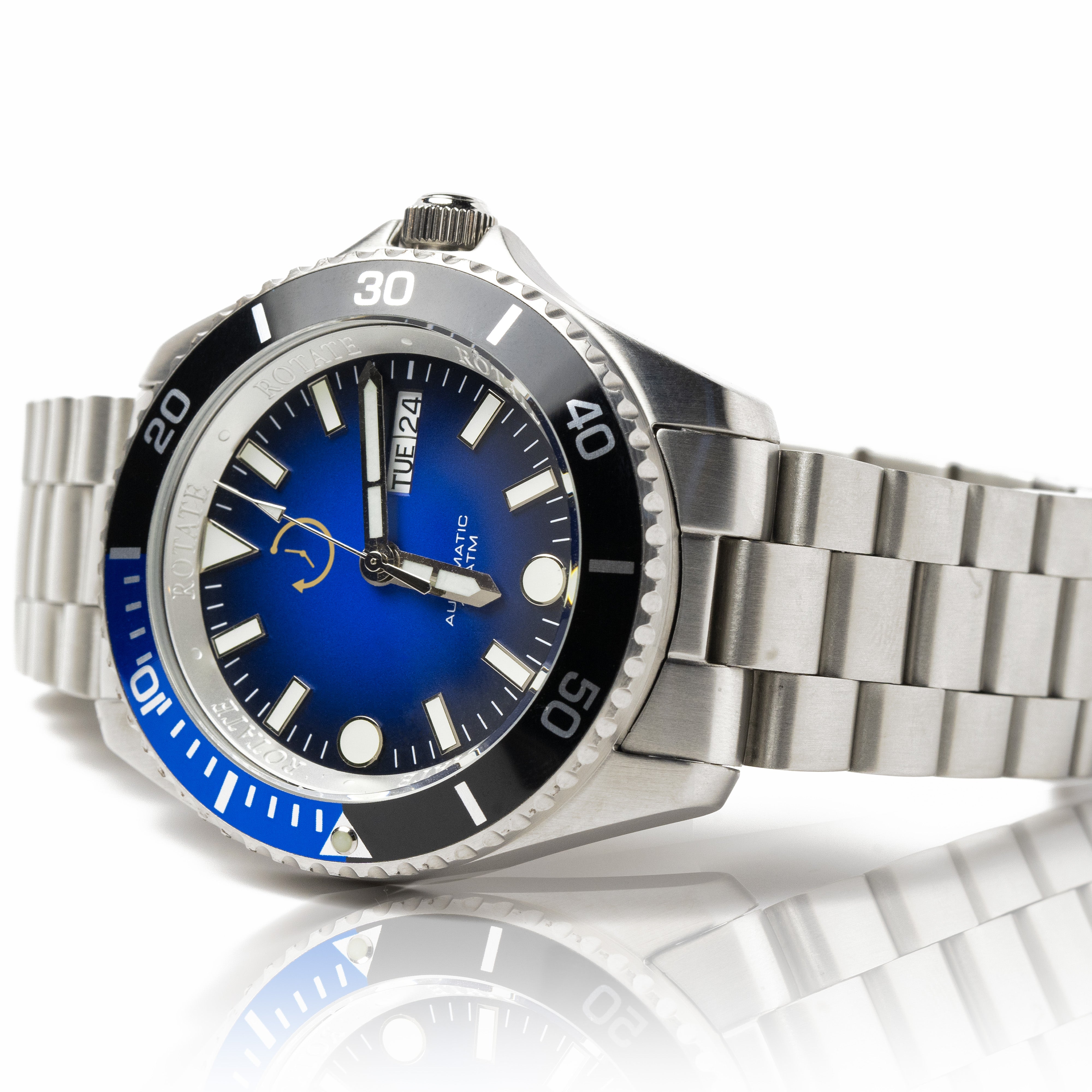
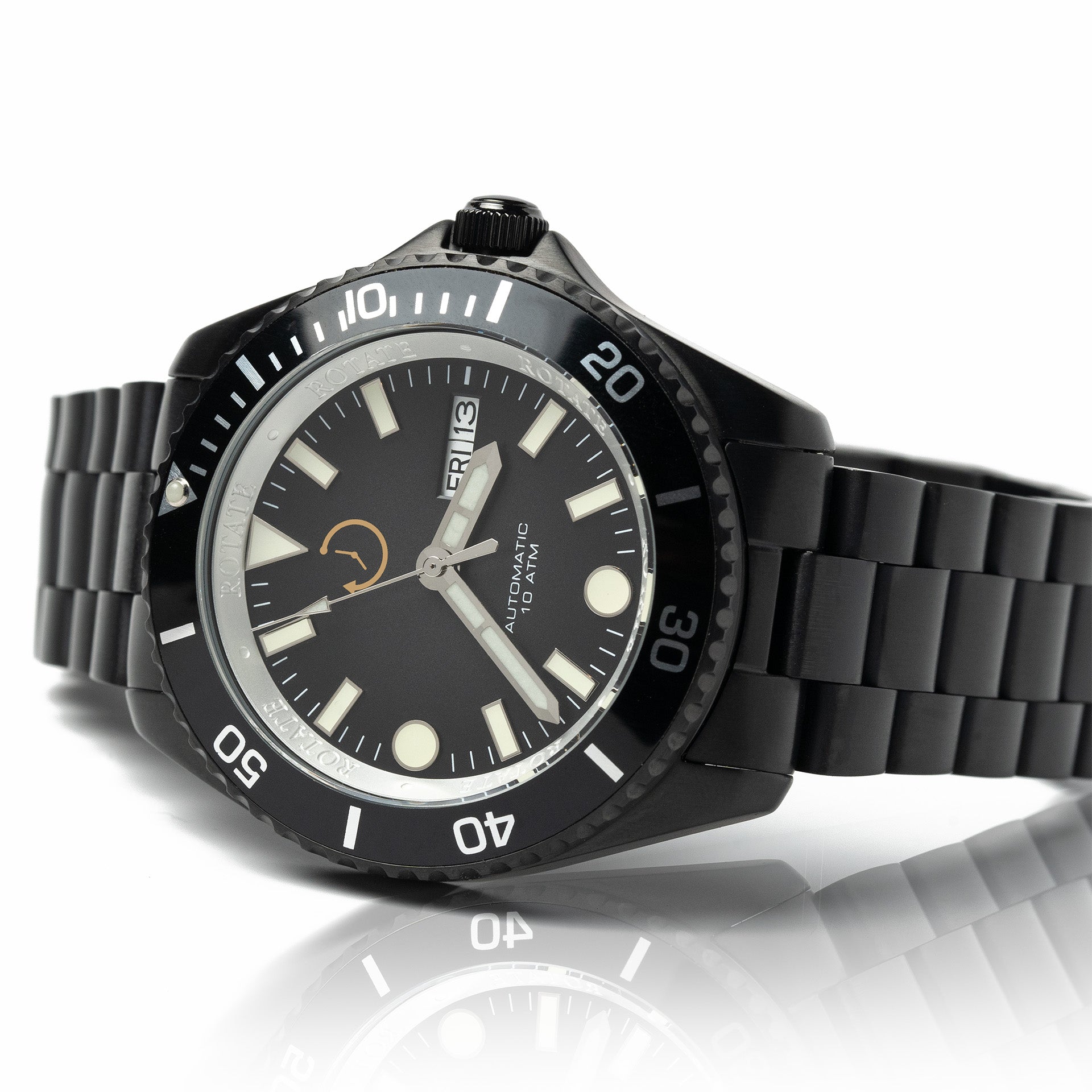
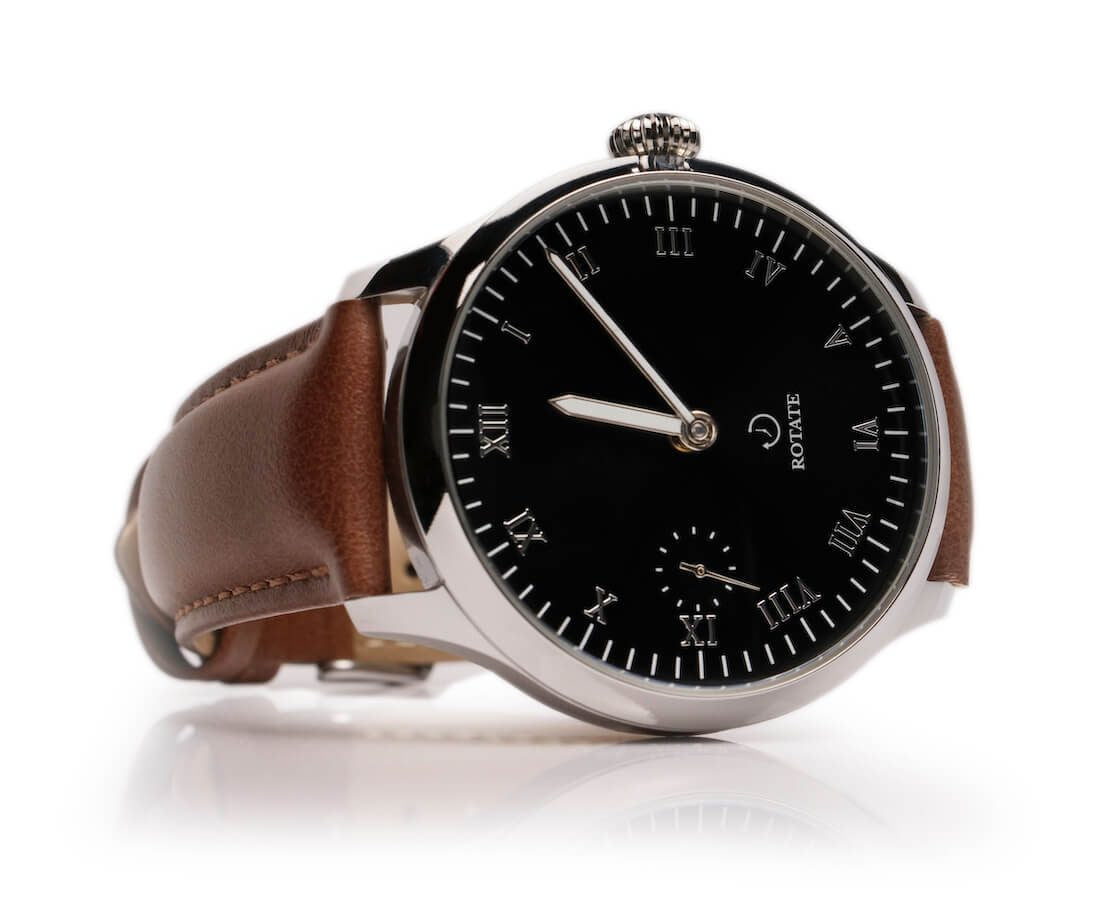
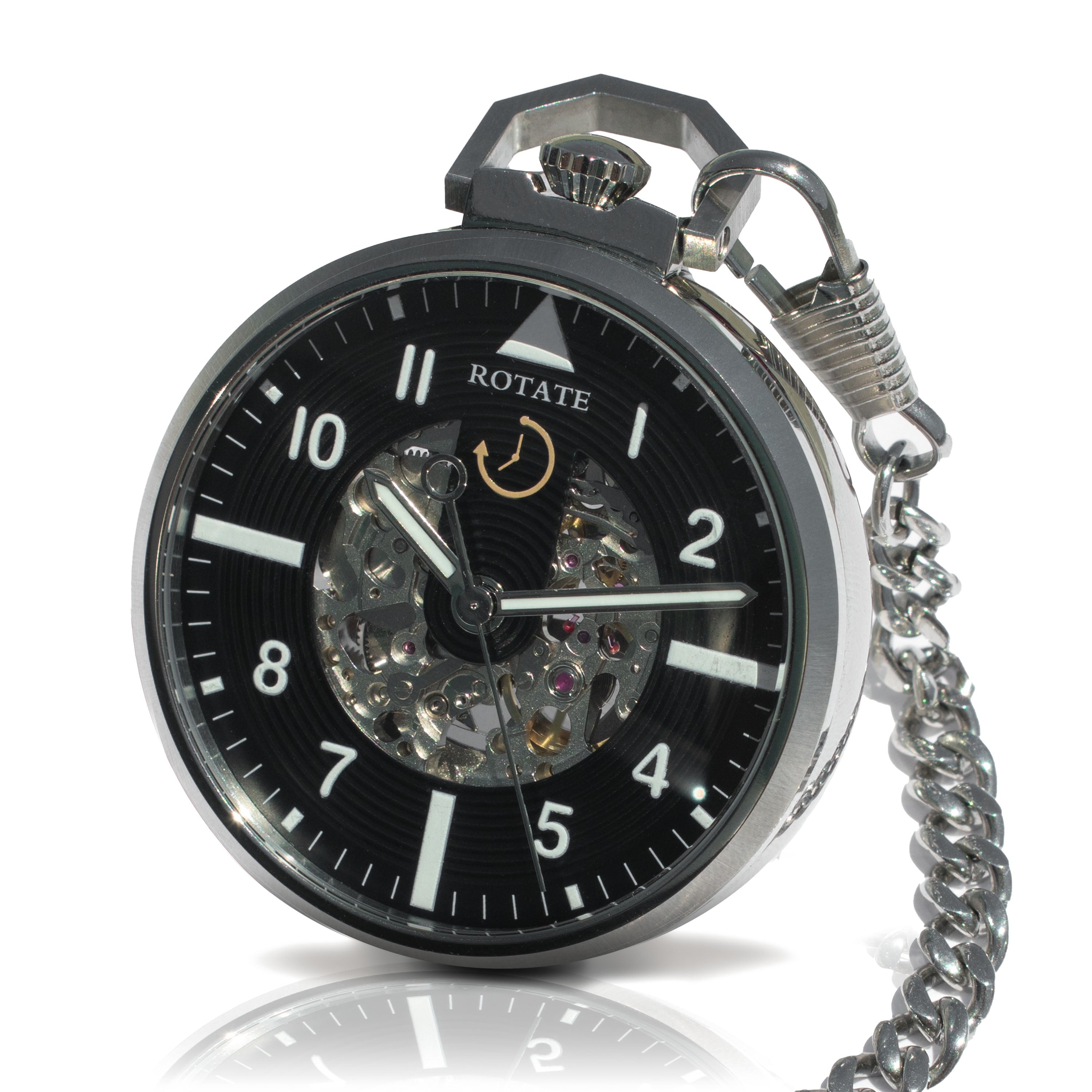
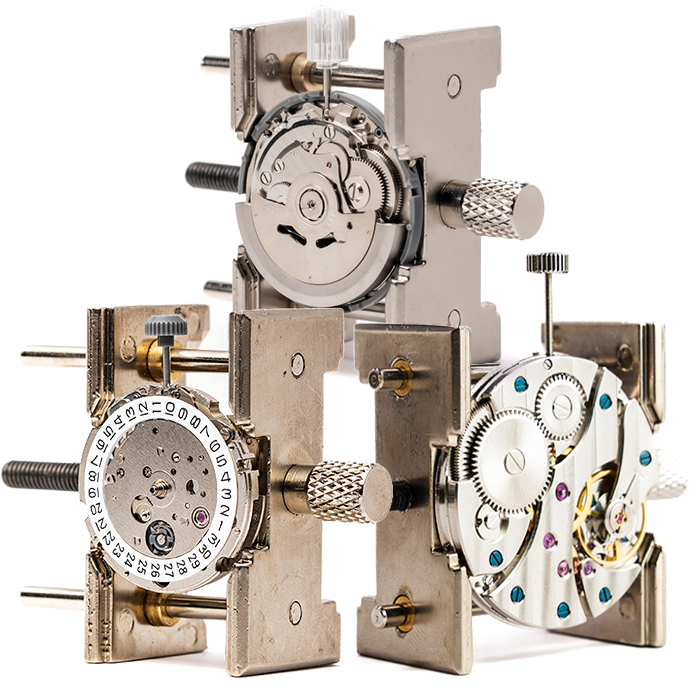
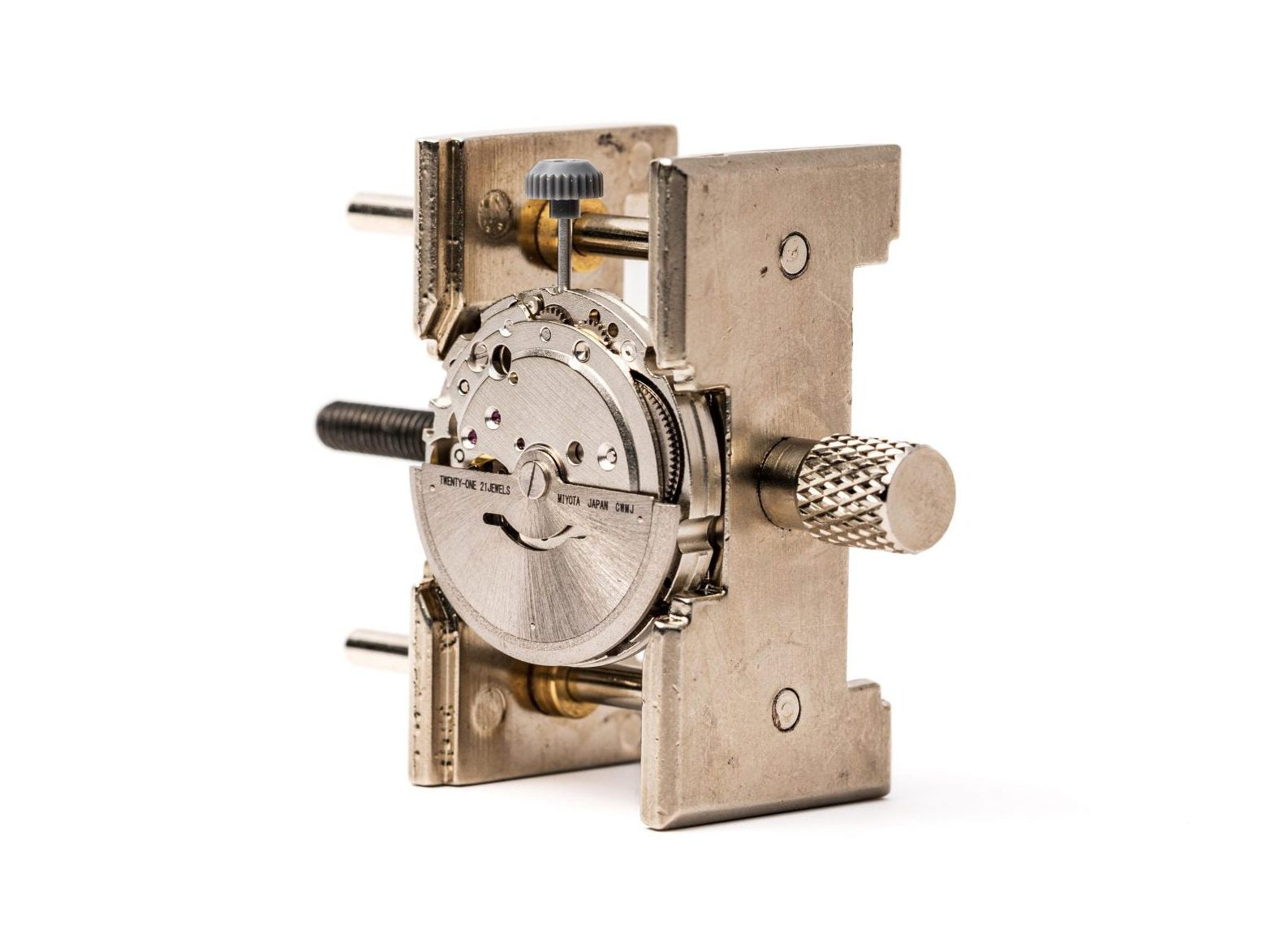
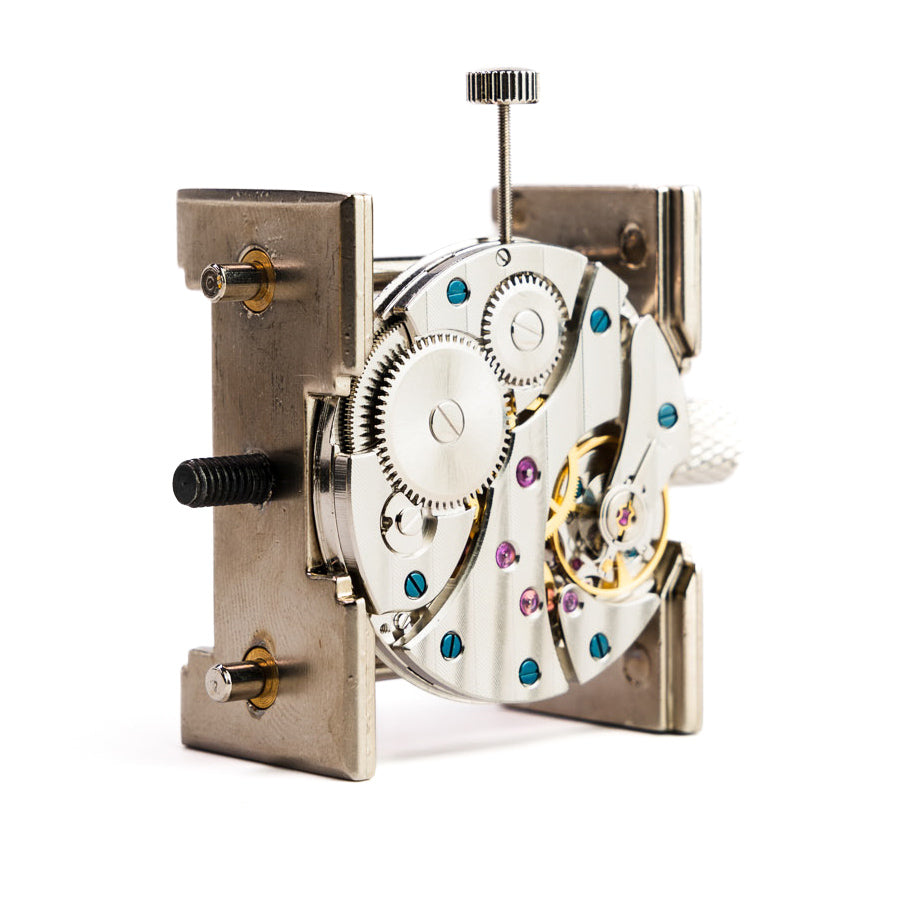
Start with a hand-wound caliber if you want the clearest lesson. The Seagull ST3600 movement kit has no rotor, so every part of the winding train is visible and yours to assemble. From there, Rotate watchmaking kits turn a finished movement into a wearable watch.
Our guide on how to get into watchmaking lays out the first steps.
Conclusion
Horology is the science and craft of timekeeping, and it belongs to anyone curious enough to open a case back. The history runs from sundials to quartz, but the mechanics inside a modern watch still follow principles set down centuries ago.
Learning horology does not require a degree or a workshop. A few terms, a few tools, and one guided build cover the fundamentals.
Ready to learn horology by doing? Head to our guides for step-by-step help on every Rotate kit.
FAQs
What does horology mean?
Horology is the science and craft of measuring time. The word covers everything from the history of clocks and watches to the mechanical skill of building and repairing them.
Do I need a degree to learn horology?
No. Professional watchmaking schools exist, but hobbyist horology can be learned through guides, kits, and hands-on practice. Understanding movements and building your own watch needs no formal education.
What's the difference between horology and watchmaking?
Horology is the broader science of timekeeping. Watchmaking is the specific craft of building and assembling watches, and it is one practical expression of horology.
How do I get started learning horology?
Read the core vocabulary, then build a watch from a guided kit. A hand-wound movement kit is the clearest first lesson, since every part of the winding system stays in view.
Is there a good watchmaking course online?
Rotate's kits ship with an online step-by-step guide that works as a self-paced watchmaking course online. Many builders pair it with teardown videos and forums for extra context.
What is horology for beginners best learned on?
A hand-wound caliber. With no automatic rotor, the mainspring, gear train, and escapement are all visible, so a beginner sees how each part contributes to timekeeping.