

Movement Spacer Rings: The Part That Stops Your Build Rattling
A movement spacer ring fills the gap between a watch movement and the case opening, centering the caliber so it cannot shift. If your build rattles, a missing, wrong, or loose ring is the first thing to check.
The part goes by several names, and a second ring is often confused with it. The guide below names the part you need and shows how to size and fit it.
Movement Spacer Rings at a Glance
- A movement spacer ring centers the movement in a larger case so it cannot shift under knocks.
- A dial spacer sets stem height and calendar clearance, and it does not stop rattle.
- Rattle usually means a missing, undersized, or unseated ring, or missing clamps.
What Are Movement Spacer Rings? (And What They Do)
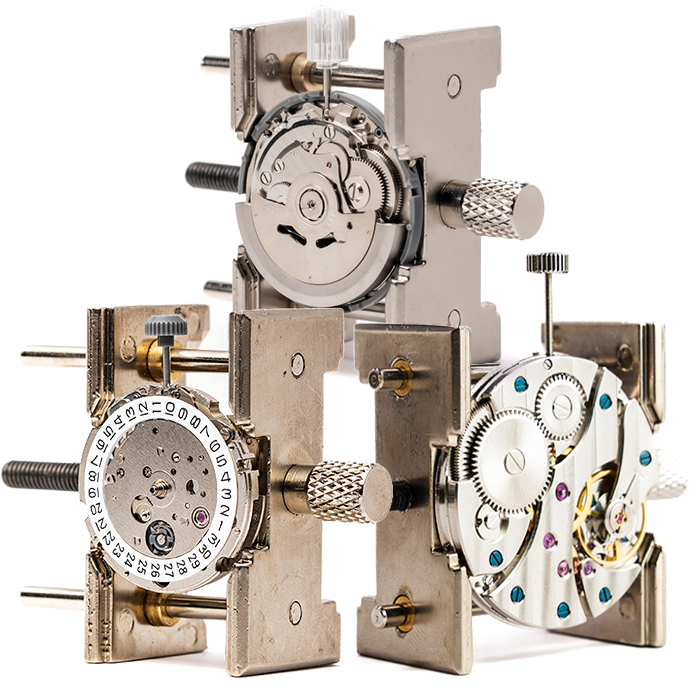
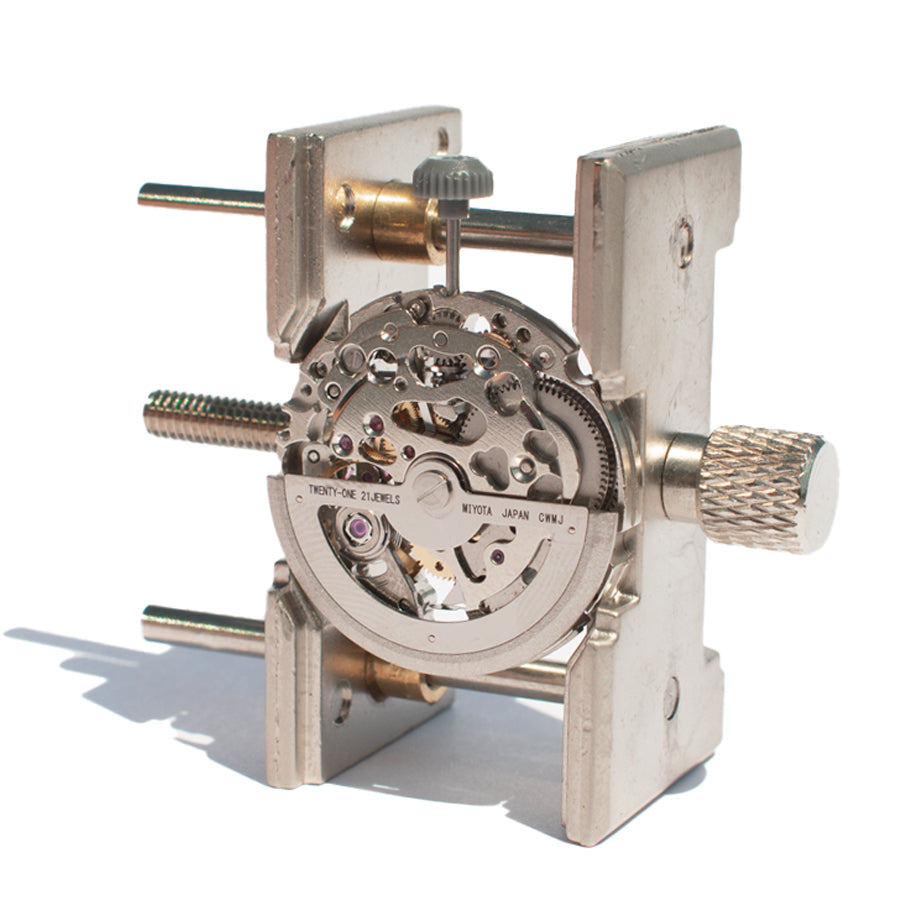
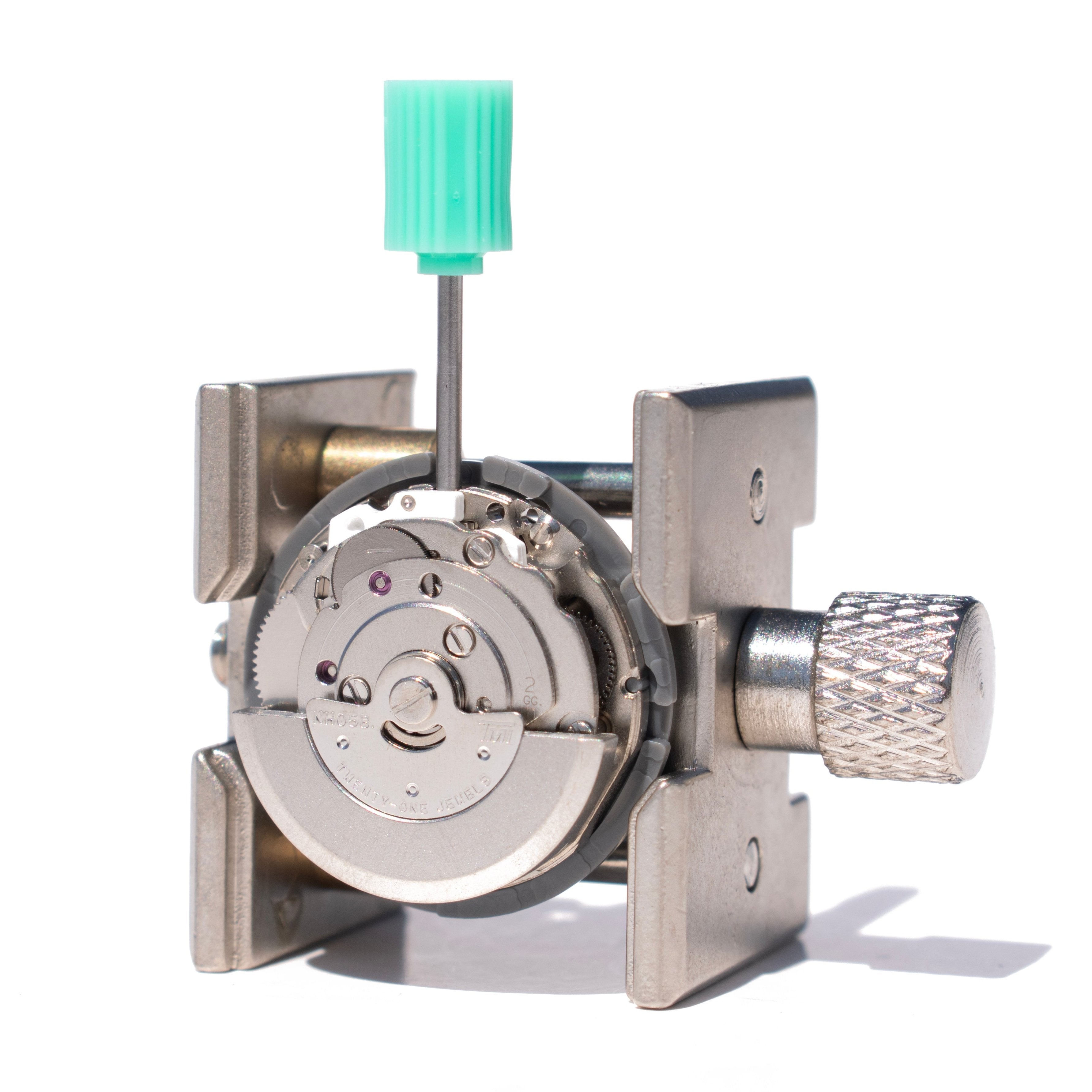
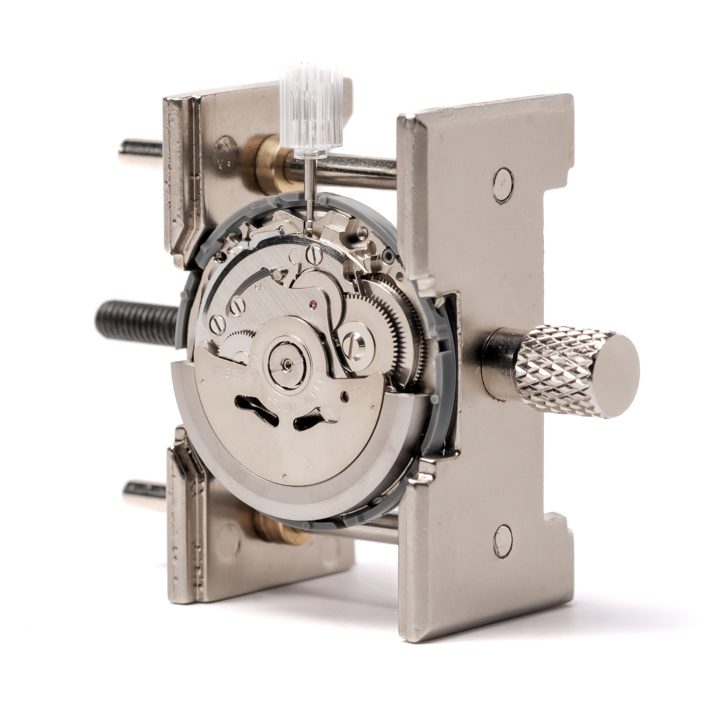
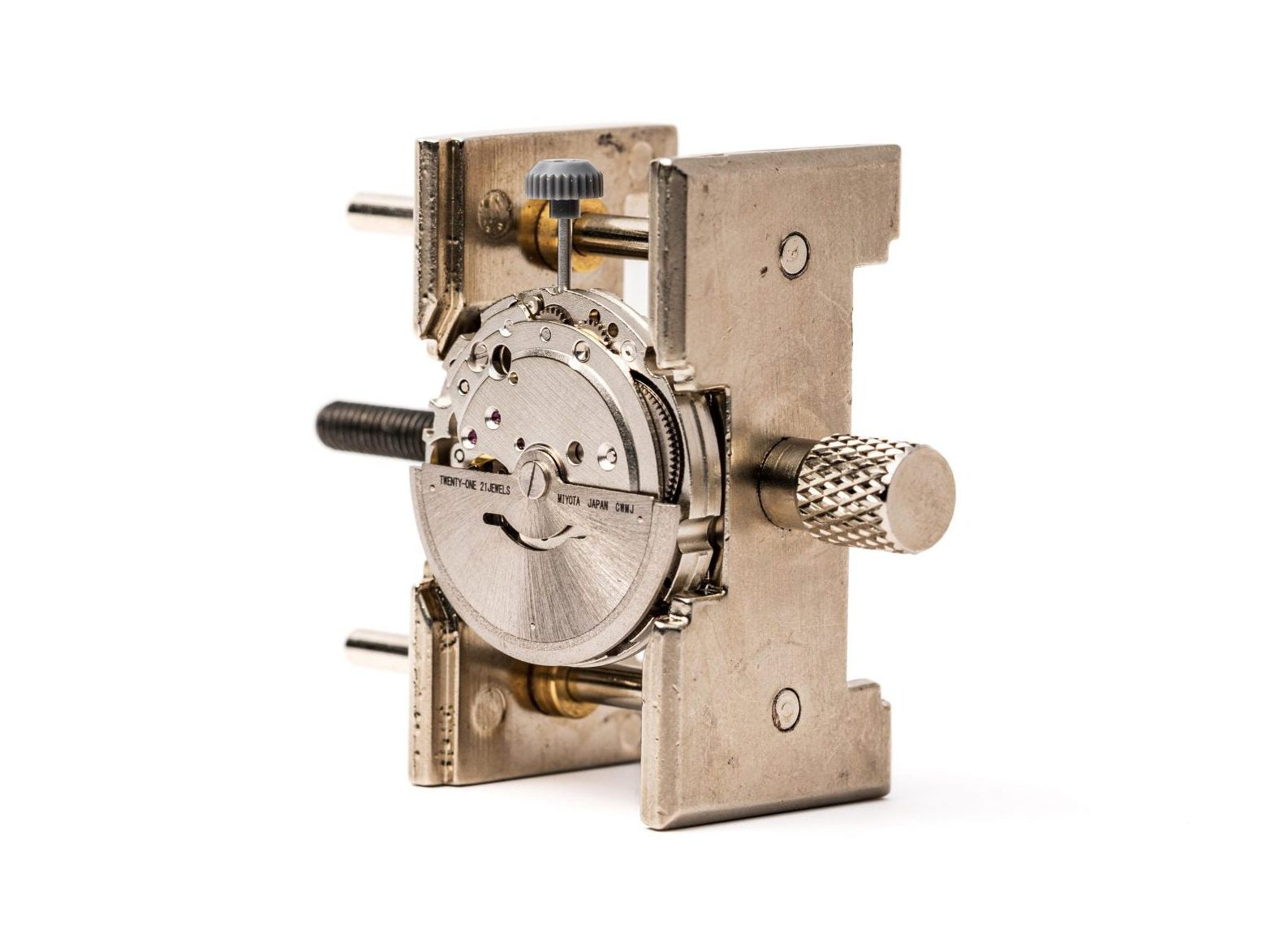
Most movements are smaller than their case. A Miyota 8215 measures 11.5 lignes, roughly 26mm, while many cases open wider, per Caliber Corner. The spacer ring, also called a movement holder ring, fills that difference.
The ring also centers the movement on the stem hole, keeps the dial square, and prevents metal contact with the case. Rotate ships its Seiko NH36 movement with a spacer that brings the caliber to 29.36mm, per Rotate's spec sheet.
Movement Spacer Ring vs Dial Spacer: Which Part You Need
Two rings are called spacers, and they sit in different places. The movement ring wraps the outside edge of the caliber and locates it in the case. The dial spacer sits between the movement and the dial, adding height so the stem lines up and the calendar clears.
If the build rattles, you need the movement ring. If the hands sit too low or the date jams, look at the dial spacer. Rotex Miyota 8215 ships with a dial holder for that job.
How a Movement Is Held in the Case (Three Methods)
A snug ring alone works when case tolerances are tight. The case back keeps the friction-fit ring from lifting.
A ring plus clamps, also called case holders or dog screws, is the most secure method. Two small clamps screw to the movement and hook the case. Rotate's case holders and screws set covers this for its kits.
In back-loading cases, the case back presses the spacer against the dial. A rattle here often means the back is not fully seated.
Why Watch Builds Rattle
The usual causes are simple.
- The movement is undersized for the case, with no ring.
- The ring is the wrong diameter or too thin, so play remains.
- The ring is not flush, tilting the movement in the case.
- Clamps or holder screws are missing or loose.
The effects go beyond noise: the crown misengages, the dial shifts, and shock protection weakens. Our watch assembly troubleshooting guide covers the wider checklist.
Choosing the Right Movement Ring
Once you know which ring you need, two choices remain: material and size.
Both matter. The wrong material flexes under load, and the wrong size leaves the play you want gone.
Materials Compared
Plastic and nylon rings are the most common in modding and kits, since the material is light and forgiving. Brass, aluminum, or steel adds rigidity for tighter fits, and 3D-printed PLA or PETG suits custom cases with no stock size. Pick by the precision the case demands.
How to Size It Correctly
Match the ring to the movement family first, then to the specific case. Inside diameter must match the movement, and outside diameter must match the case opening. Thickness sets the vertical fit and stem height. Measure both with calipers rather than trusting a generic chart, since cases from different makers vary.
How to Diagnose and Fix a Rattle (Step by Step)
Work through the checks in order.
- Shake the watch gently and note whether the movement shifts sideways or vertically.
- Open the case back and identify which retention method the case uses.
- Check that the ring is present, the right size, and seated flush.
- Source and fit the correct ring or clamps for the movement and case.
- Re-check stem alignment and dial clearance before closing with a case press.
Tape shims are a stopgap only, since tape compresses over time and the rattle returns. Our guide to watch-building mistakes lists related habits.
Conclusion
A movement spacer ring is a small part with a big job. The ring locates the movement, protects it from knocks, and keeps crown and dial aligned. Most rattles trace back to a ring that is missing, wrong, or unseated.
Building from scratch? Every Rotate watch kit ships with parts matched to its case, so the sizing is already done.
FAQs
What is a movement spacer ring?
A movement spacer ring is a ring that fills the gap between a watch movement and a larger case opening. The ring centers the movement so it cannot shift under knocks.
What is the purpose of a spacer ring?
The ring locates the movement, aligns the stem, keeps the dial square, and prevents metal contact. Without one, the movement rattles and the crown misengages.
Is a movement ring the same as a dial spacer?
No. The movement ring wraps the outside of the caliber and stops rattle. The dial spacer sits between the movement and dial to set stem height and calendar clearance.
What size movement ring do I need?
One whose inside diameter matches the movement and outside diameter matches the case opening, with a thickness that sets stem height. Measure with calipers rather than relying on a chart.
Why does my watch movement rattle?
Usually because the ring is missing, undersized, or not seated flush, or because the case clamps are loose. Open the case back, check the ring and clamps, and fit the correct part.
Can I fix a rattle without a new ring?
Only temporarily. A tape shim quiets the movement for a while but compresses over time, so fitting the correct ring or clamps is the lasting fix.