

How to Read a Skeleton Dial Watch: Telling the Time When Everything Is Exposed
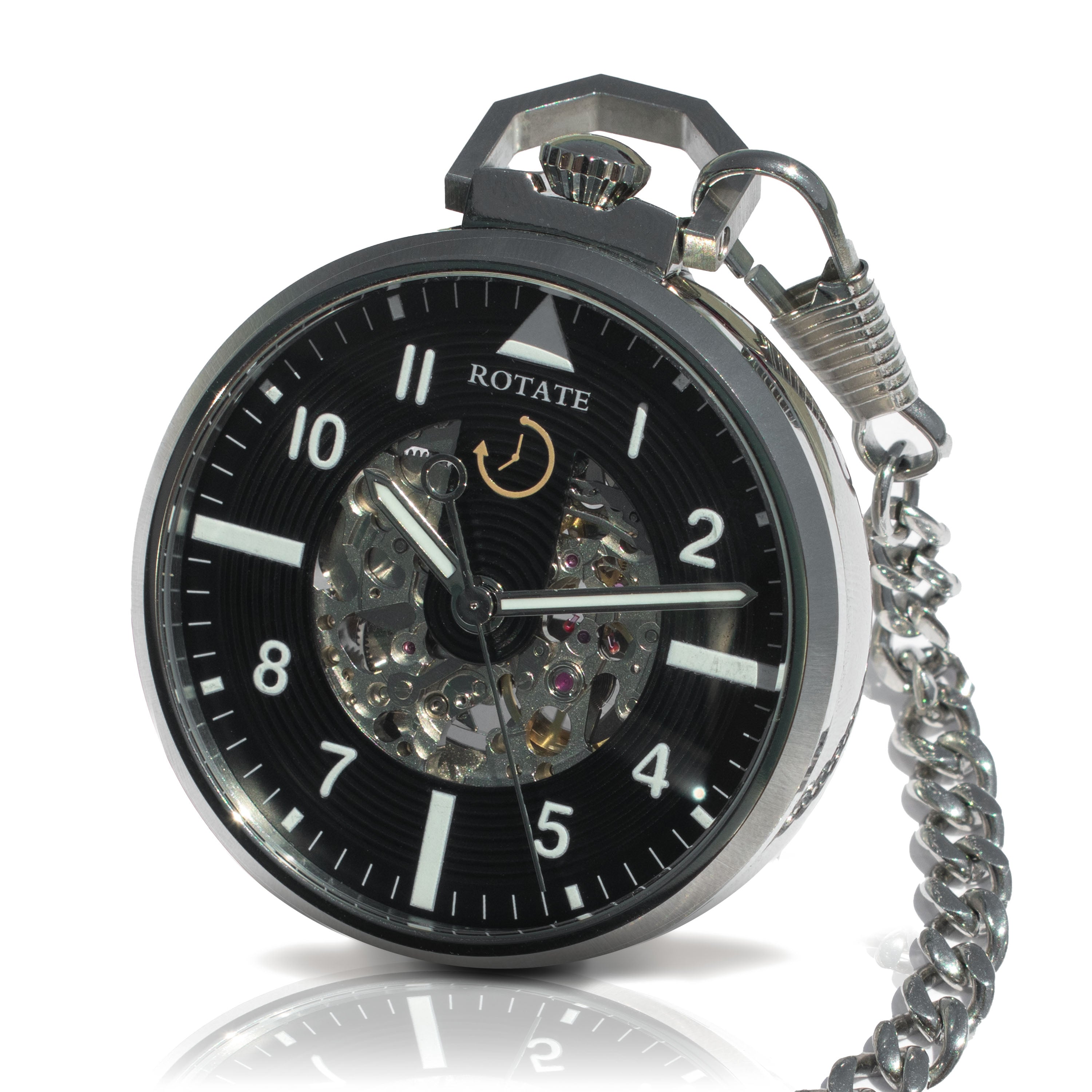
A skeleton pocket watch turns timekeeping into a visual experience. Every gear, spring, and jewel is on display, and you can watch the entire mechanical system operate in real time. To create this effect, watchmakers remove 50-70% of the metal from bridges and mainplates, exposing the movement beneath the dial. The result is one of the most fascinating styles in all of watchmaking.
The technique dates to the 1760s, when French watchmaker André-Charles Caron stripped non-essential metal from pocket watch movements built for Louis XV's court. Centuries later, skeleton watches remain prized for exactly the same reason: they let you see the craftsmanship that other watches keep hidden. The only adjustment new owners need to make is learning where to focus their eyes when checking the time, because the hands share the stage with visible gears and bridges, reading a skeleton dial takes a slightly different approach than reading a solid dial. The good news is that most wearers pick up the habit within a few days.
Key Takeaways
- Focus on the hands first, not the movement behind them.
- Hour markers or a chapter ring provide fixed reference points.
- Luminous or contrasting hands improve readability in all lighting.
- Semi-skeleton dials keep partial legibility while exposing key components.
- Practice builds speed, and most wearers adapt within a few days.
Why Are Skeleton Watches Harder to Read?
Knowing what makes skeleton dials different from solid dials helps you read them faster.
The Missing Background
A traditional watch has a solid dial behind the hands, and the contrast between dark hands and a light surface makes reading time instant. A skeleton watch trades that solid background for a view of the movement itself, so the hands share the visual field with gears and bridges. The adjustment is small, but it helps to understand why your eye needs a moment to find the hands at first.
Hands Blend Into the Movement
Many skeleton watches use polished steel or gold-tone hands. When those hands pass over similarly finished bridges and gear trains, they can briefly blend into the backdrop. Once you know to look for the hands first and then orient yourself to the markers, reading becomes quick and natural.
Not All Skeleton Watches Are Equal
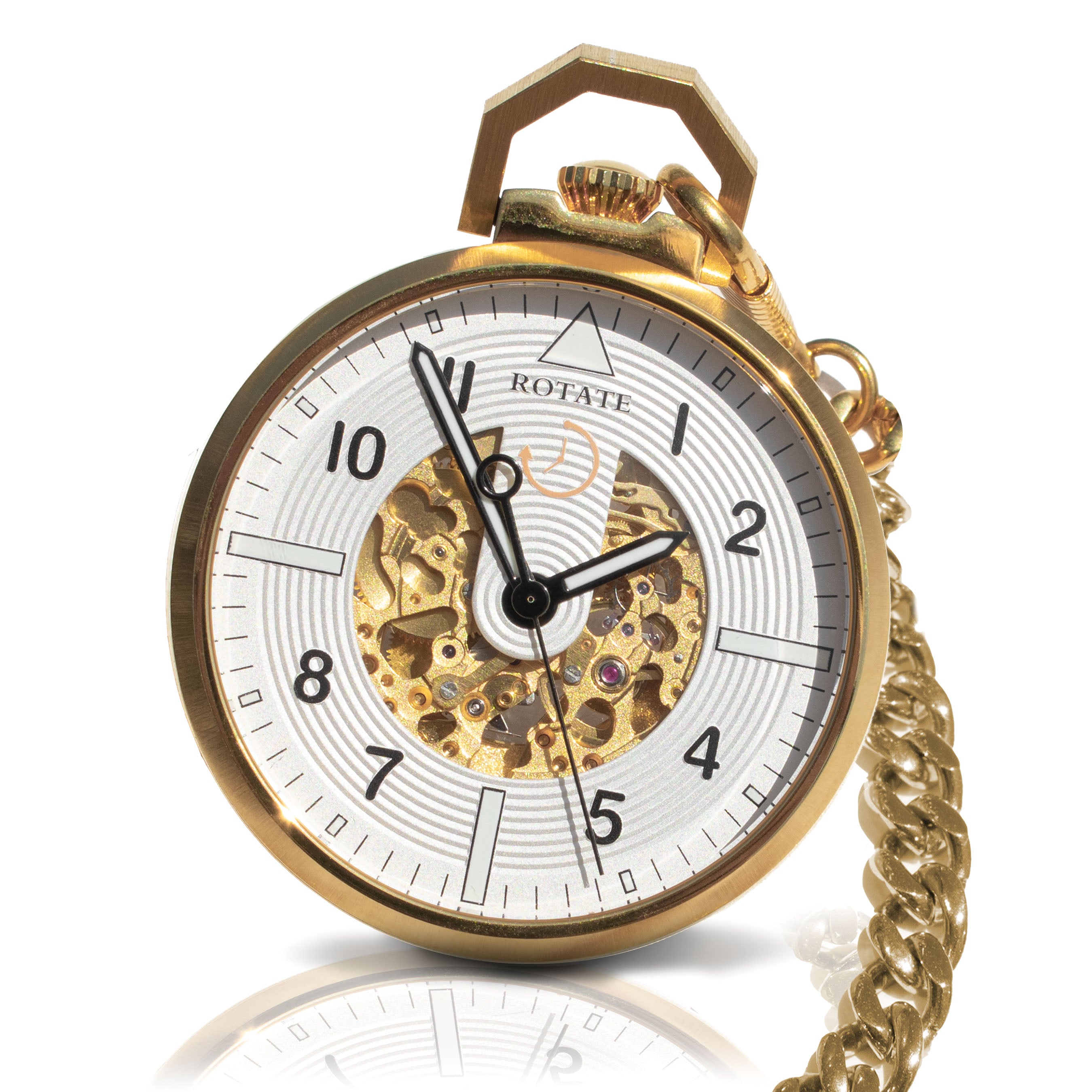
Full skeleton dials offer the most complete view of the movement, letting you see every component at work. Semi-skeleton dials take a different approach by keeping the outer ring with hour markers intact while cutting away the center. Open heart designs expose just one element, usually the balance wheel, through a small window in an otherwise solid dial. Each style balances mechanical visibility with legibility in its own way.
Step-by-Step Guide to Reading Time on a Skeleton Watch
Once you follow these steps a few times, telling time on a skeleton watch becomes automatic.
Step 1: Locate the Hour Markers
Most skeleton watches retain some form of hour indication. Common types include:
- Applied indices, which are small metal dots or lines at each hour position
- A chapter ring, which is a thin outer ring with printed or engraved numbers
- Roman numerals along the remaining dial edge
- Lume dots at the 12, 3, 6, and 9 positions
Even fully skeletonized watches usually keep at least a few of these reference markers. Anchor your reading to those fixed points before looking at the hands.
Step 2: Identify the Hour Hand
The hour hand is the shortest and thickest hand on the dial. On most watches, it sits closest to the dial surface, positioned below the minute hand in the hand stack. Start by looking for its broader profile, then note which hour marker it sits near.
Step 3: Find the Minute Hand
The minute hand extends longer and thinner than the hour hand, so trace it from the center of the dial outward. Compare its position against the hour markers or chapter ring to determine the minutes. Hands with generous lume coverage glow brighter in low light because of the larger painted surface area. Longer lumed hands tend to provide the clearest time reference after dark.
Step 4: Ignore the Seconds at First
The seconds hand is the thinnest of the three and the hardest to track against a moving background. For quick time checks, skip it altogether. Once you can locate the hour and minute hands confidently, spotting the seconds hand becomes much easier with practice.
How Can You Improve Skeleton Watch Readability?
A few simple habits make skeleton watch ownership easier over time.
Use Angle and Light to Your Advantage
Tilting the watch slightly changes how light reflects off the hands compared to the movement behind them. Because hands catch light differently than flat bridge surfaces, even a slight wrist turn can make them pop into view instantly.
Choose Skeleton Watches with Contrasting Hands
When shopping for a skeleton watch, look for models where the hands contrast with the movement finish. Blued steel hands against silver-toned bridges, or gold hands against darkened components, improve readability dramatically. A quick test before buying is to check whether you can read the time within two seconds. If you can, the hand contrast suits your preference well.
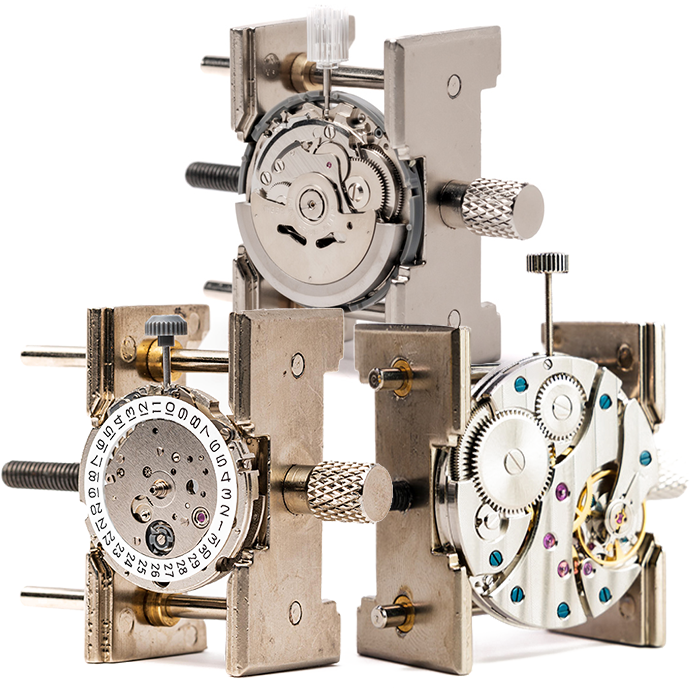
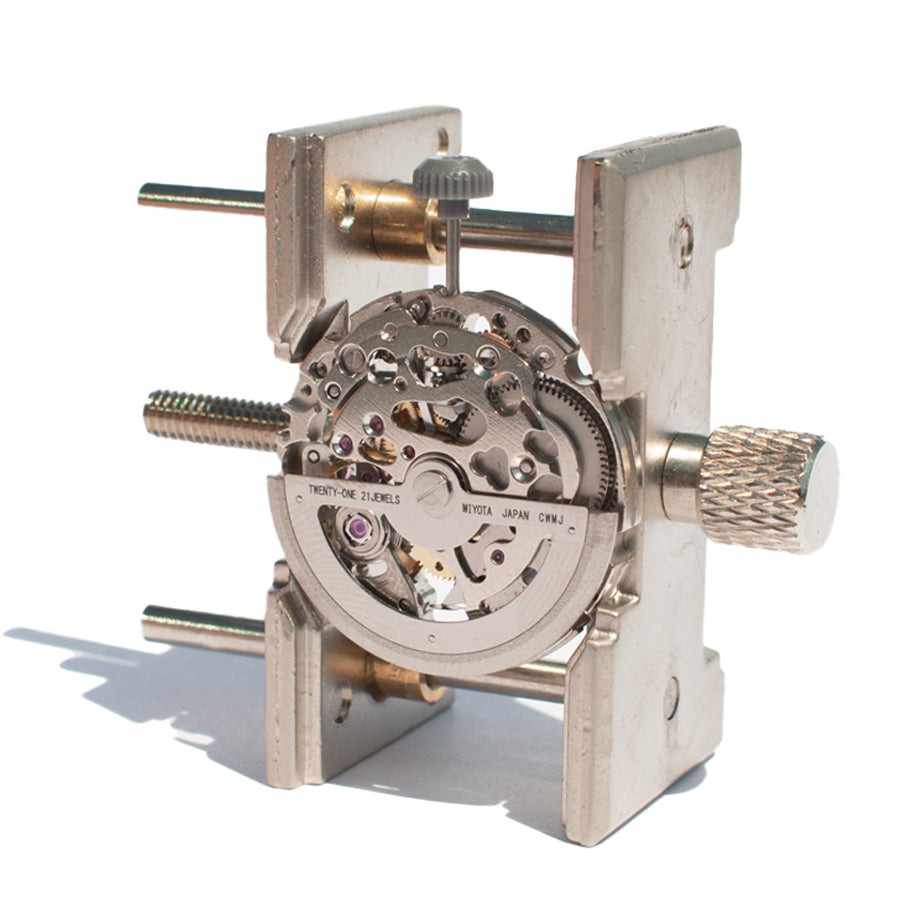
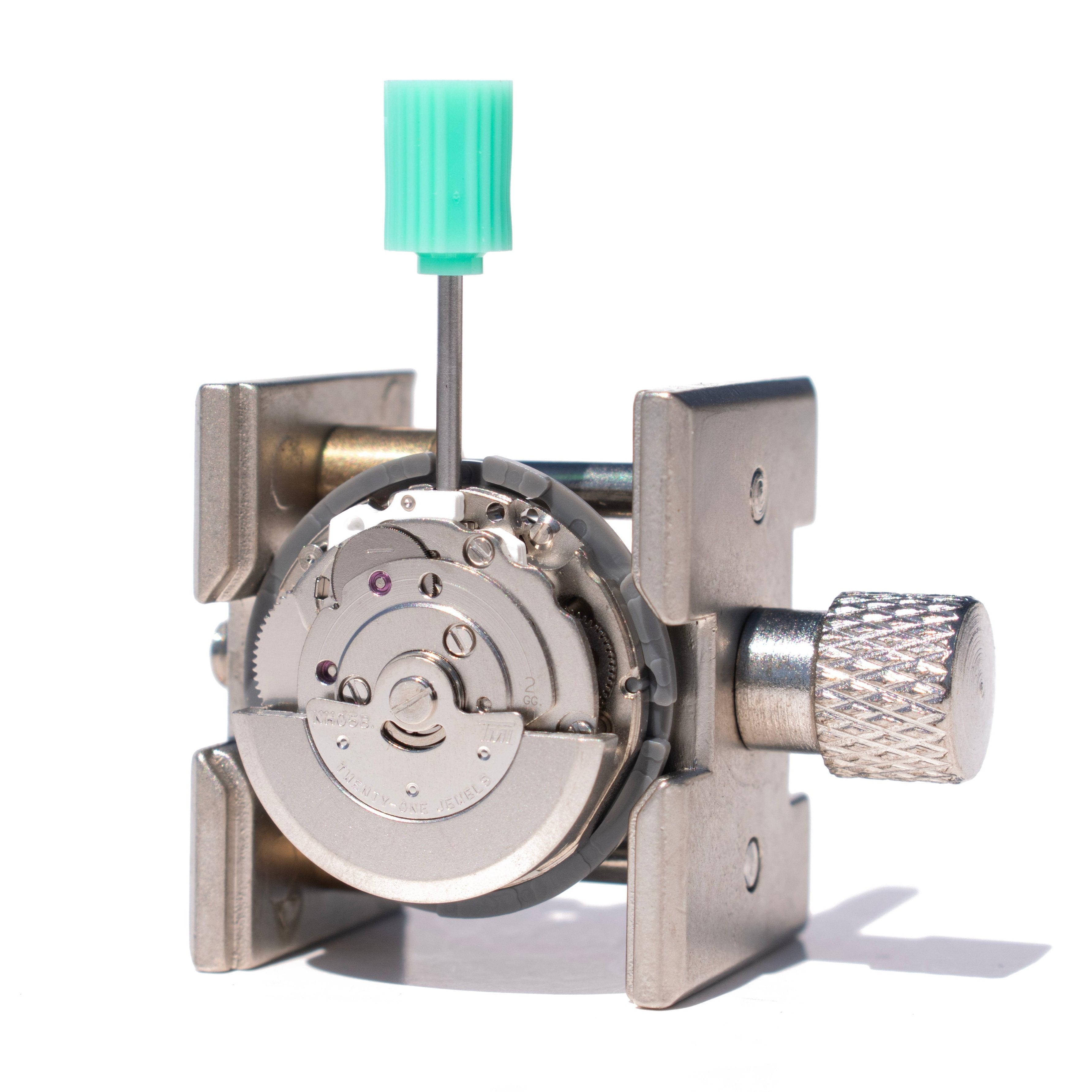
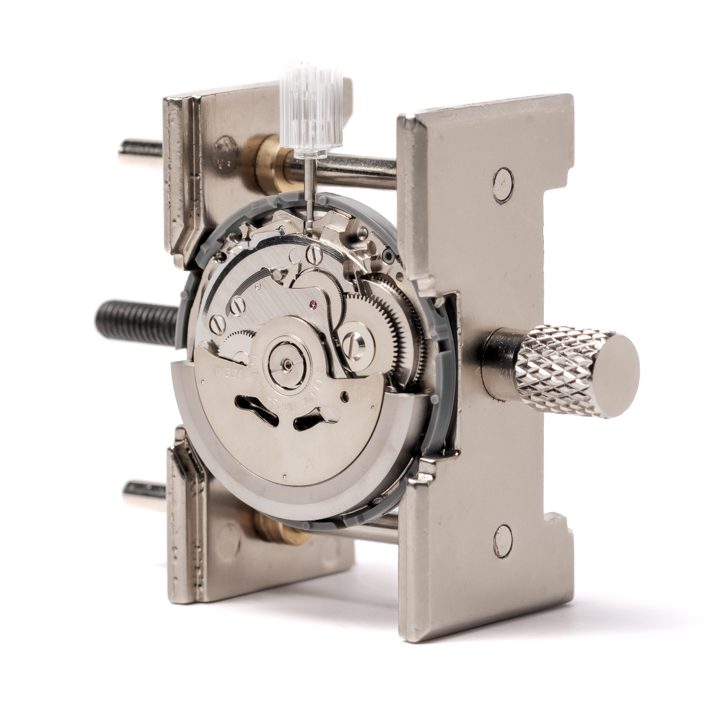
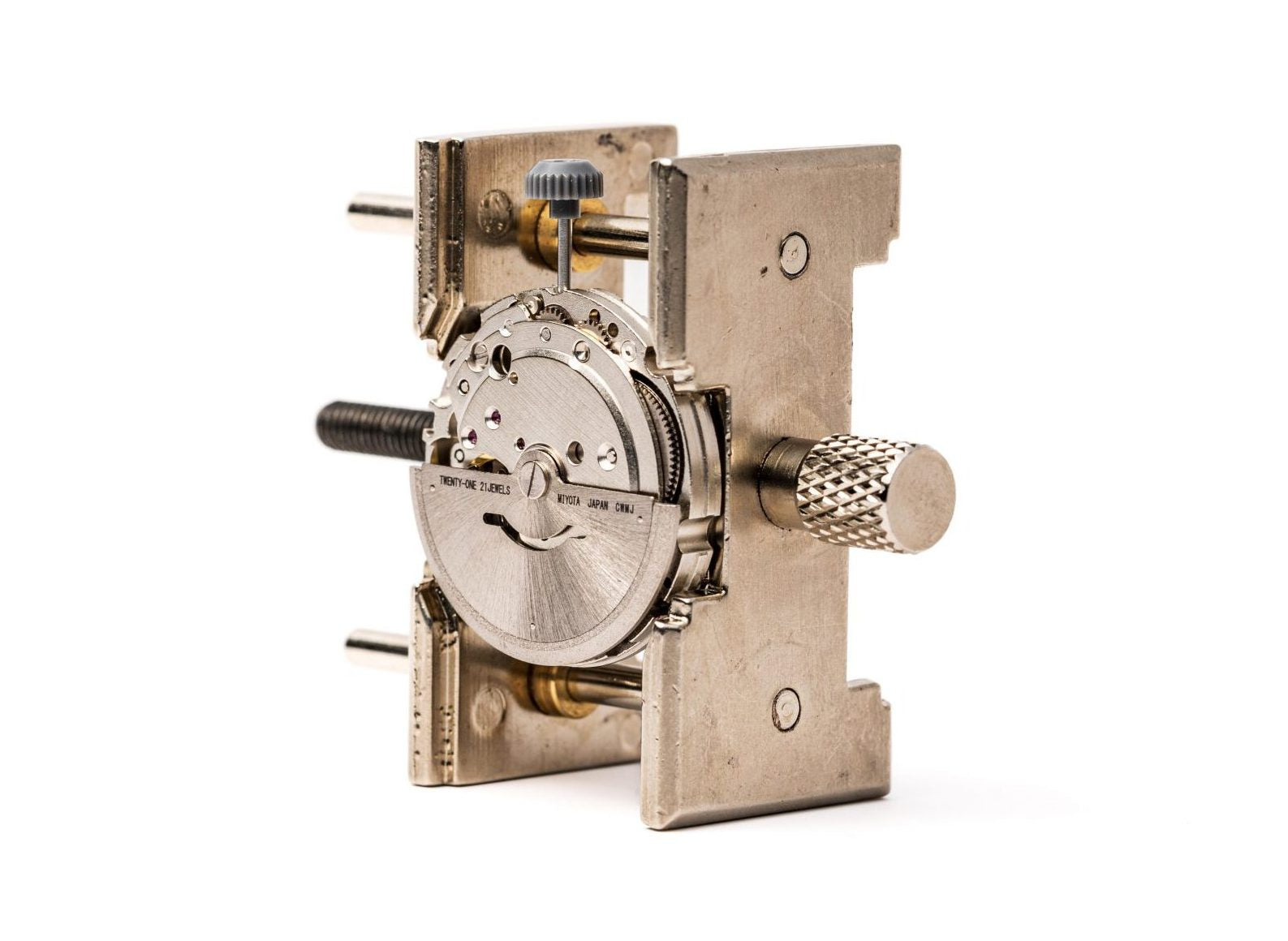
The Miyota 8N24 skeleton movement found in the Earle watchmaking kit pairs especially well with hands that stand out against the skeletonized bridges.
Lume Helps in Low Light
Luminous hands solve the readability challenge in dim environments. Lume paint absorbs ambient light during the day and glows in the dark, making time checks effortless at night. Affordable skeleton movement kits can also be paired with replacement hand sets that include luminous paint for improved visibility.
Practice Makes It Automatic
Most skeleton watch owners report that reading the time becomes second nature within about a week of regular wear. The brain gradually learns to filter out the moving background and lock onto the hands without conscious effort.
Full Skeleton vs Semi-Skeleton vs Open Heart
The amount of exposed movement directly affects how easy a skeleton watch is to read.
Full Skeleton
In a full skeleton watch, the entire movement is on display. You see every wheel, bridge, and jewel working together, which makes these watches some of the most visually captivating timepieces you can own. Reading the time takes a brief moment of focus, but most owners find that the mechanical view is well worth the small adjustment.
Semi-Skeleton
A semi-skeleton keeps the outer dial ring with hour markers intact while cutting away the center to reveal the movement. Aftermarket skeleton dial inserts let DIY builders create this look by pairing a cutaway face with a visible caliber underneath. The result is a practical middle ground between mechanical visibility and everyday legibility.
Open Heart
An open heart watch features a small window, usually at the 12, 6, or 9 o'clock position, that reveals the balance wheel, that wheel oscillating at 21,600 vibrations per hour, and the rest of the dial remains solid. Readability matches a standard watch while still offering a peek at the mechanical heart of the movement.
Conclusion
Telling time on a skeleton watch takes a small adjustment, not a major skill. Locate the markers, isolate the hands, use light and angle to your advantage, and give yourself a few days to adapt. The reward is wearing a timepiece that shows you exactly how time is made, not just what time it is.
Rotate Watches offers the Earle pocket watch kit featuring the Miyota 8N24 skeleton movement, letting you assemble the exposed mechanics yourself.
FAQs
Are skeleton watches hard to read?
Skeleton watches are slightly harder to read than solid-dial watches at first. Most wearers adapt within a few days as the brain learns to isolate the hands from the movement behind them.
What is the easiest type of skeleton watch to read?
Open heart watches are the easiest to read. Only a small window exposes the movement, while the rest of the dial functions like a standard watch with full hour markers.
Do skeleton watches tell time accurately?
Yes, skeleton watches use the same movements as regular watches, so accuracy depends on the caliber and its regulation rather than the dial design.
Can I add luminous hands to a skeleton watch?
Yes, lumed hands improve readability in low light significantly. Many aftermarket hand sets include luminous paint and are available for common movement types.
What is a chapter ring on a skeleton watch?
A chapter ring is a thin outer ring on the dial with printed or engraved hour markers and minute indices. On skeleton watches, the chapter ring provides fixed reference points that make reading time much easier.
Why do skeleton watches exist if they are harder to read?
Skeleton watches showcase mechanical craftsmanship by exposing the movement in full view. The appeal is primarily visual and artistic, celebrating the precision engineering behind each timepiece rather than prioritizing instant legibility.