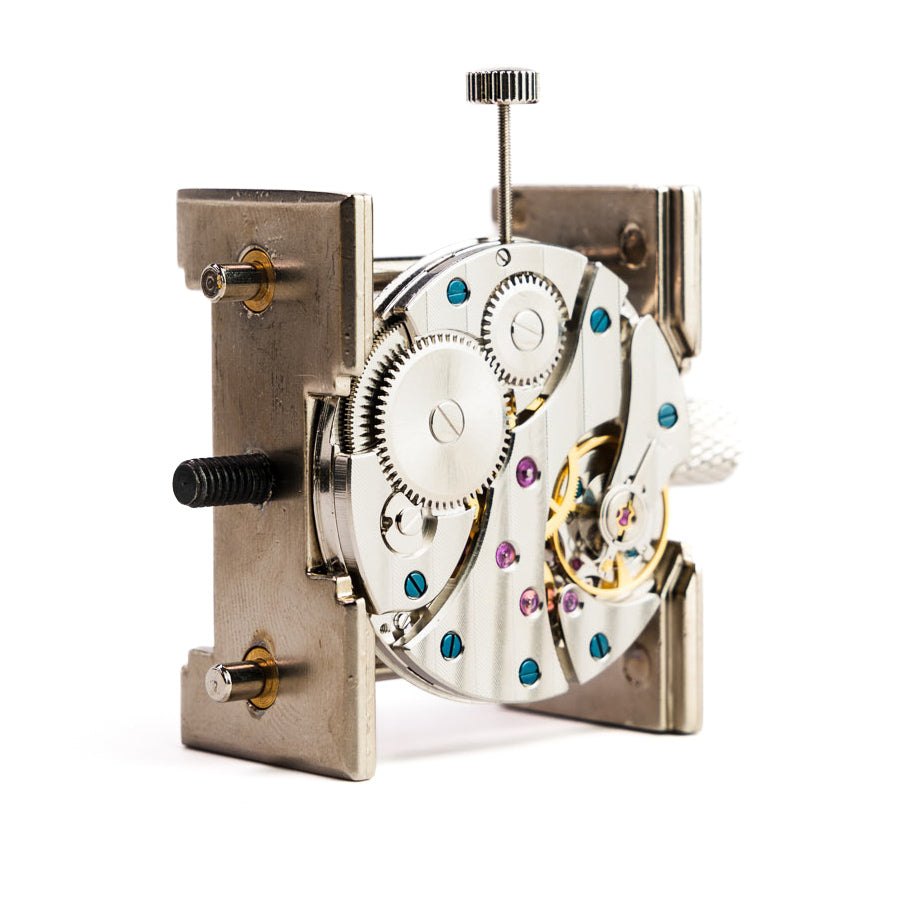


Can You Build a Watch at Home With No Experience
Let's be honest. When someone says, "build a watch at home," your brain probably goes straight to "yeah, right." Watches seem complicated. Tiny parts, precise movements, those intimidating YouTube videos where someone's using tweezers under a microscope.
But…. You absolutely can build a working mechanical watch at home. No previous experience required. No fancy workshop. Just you, a complete kit, and a few hours on your couch.
Why You Should Build a Watch at Home
DIY watchmaking without any previous experience wasn't realistic until recently. You'd need to track down parts from different suppliers, figure out what tools you needed, and hope everything fit together. Total nightmare.
That's changed.
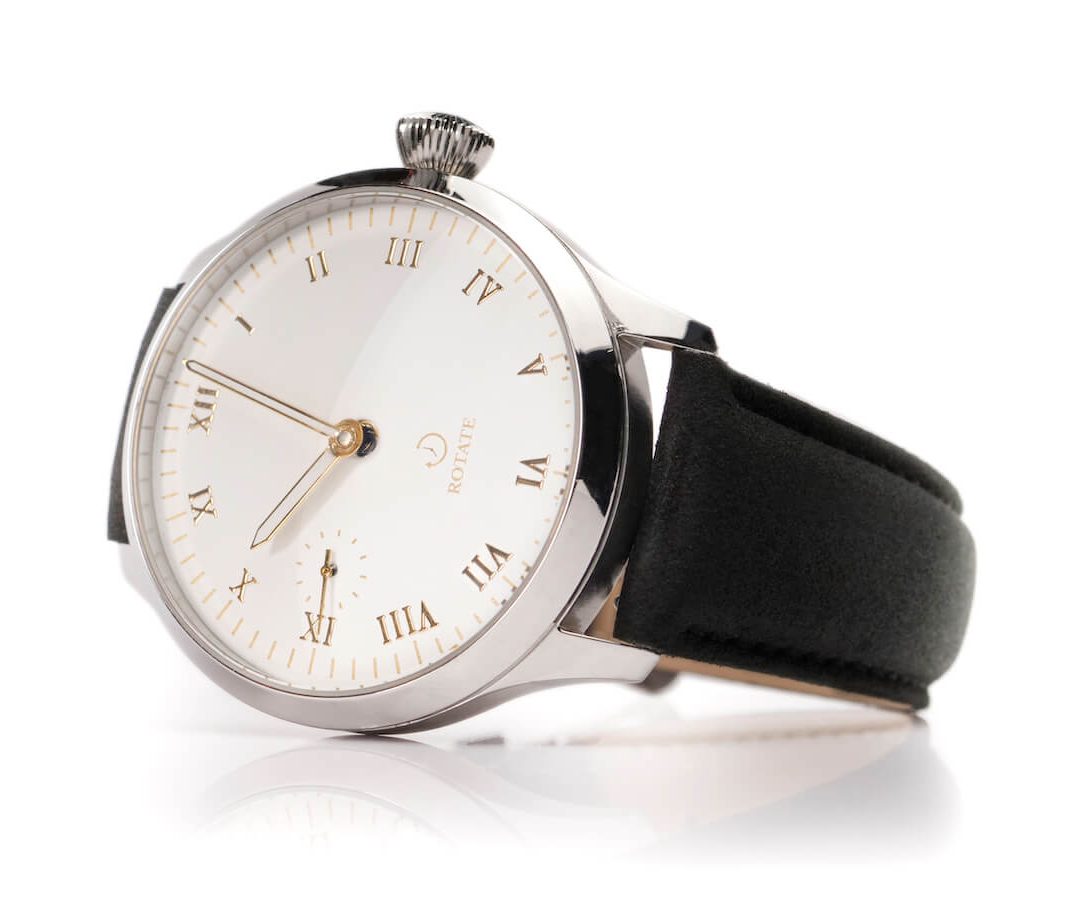
Companies like Rotate Watches now sell complete kits with everything included. The movement arrives quality-checked. The case, dial, hands, and strap all come sized to fit each other. Tools are in the box. Instructions walk you through every single step.
You're not fabricating components from scratch. You're assembling pre-made parts that are designed to work together. Big difference.
What You're Actually Doing
Think of it like building LEGO, but for adults who want something functional at the end. Each piece has a specific place. The guide shows you exactly where it goes and why it matters.
Most beginner kits take 2-3 hours to complete. You can break it into sessions if you want. Do the case prep one evening, install the movement another day, and finish assembly on the weekend. No rush.
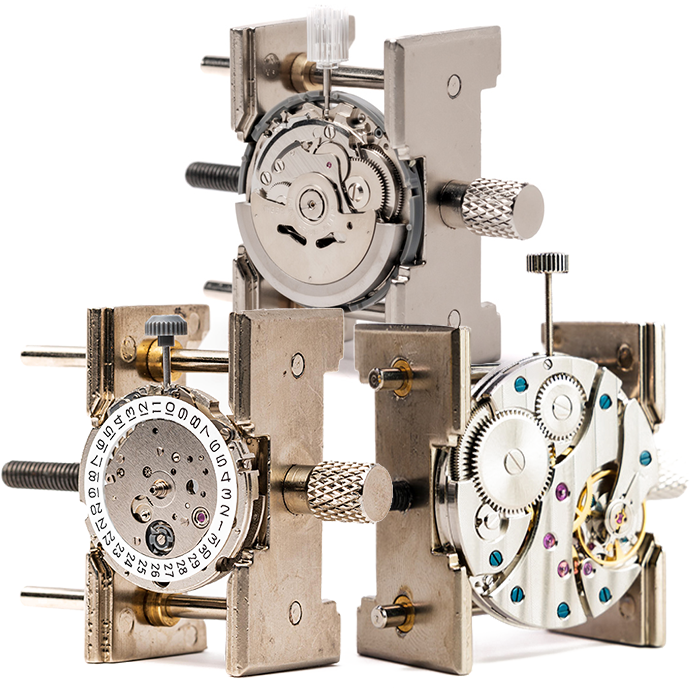
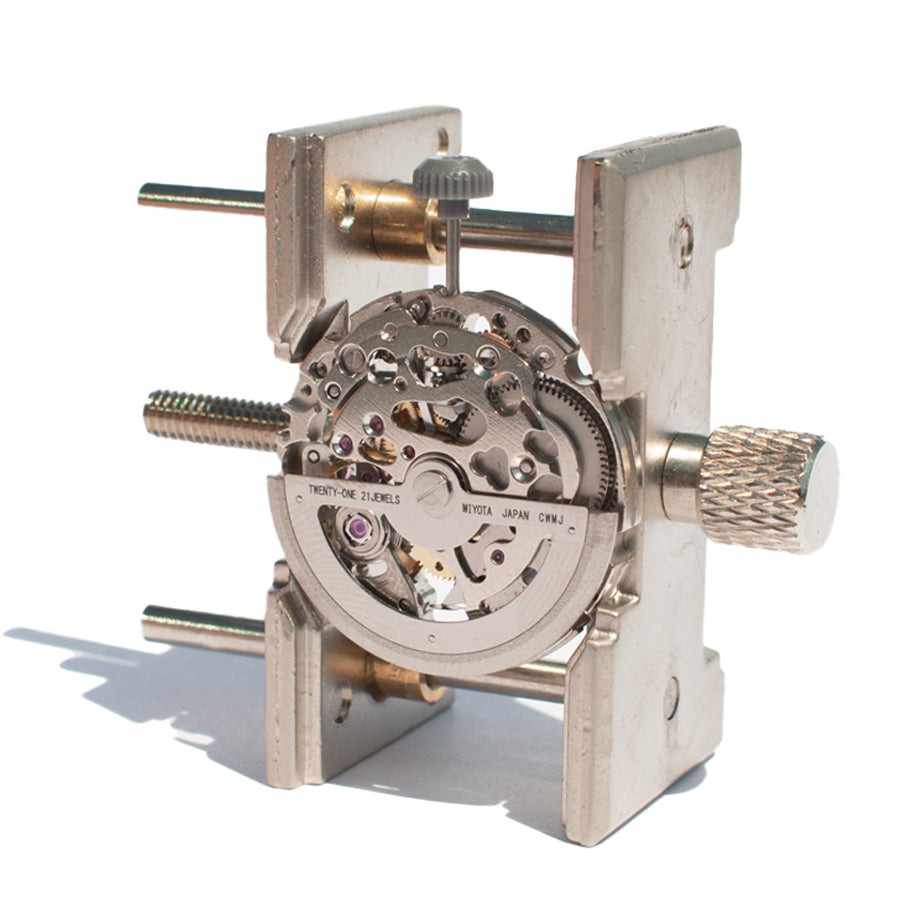
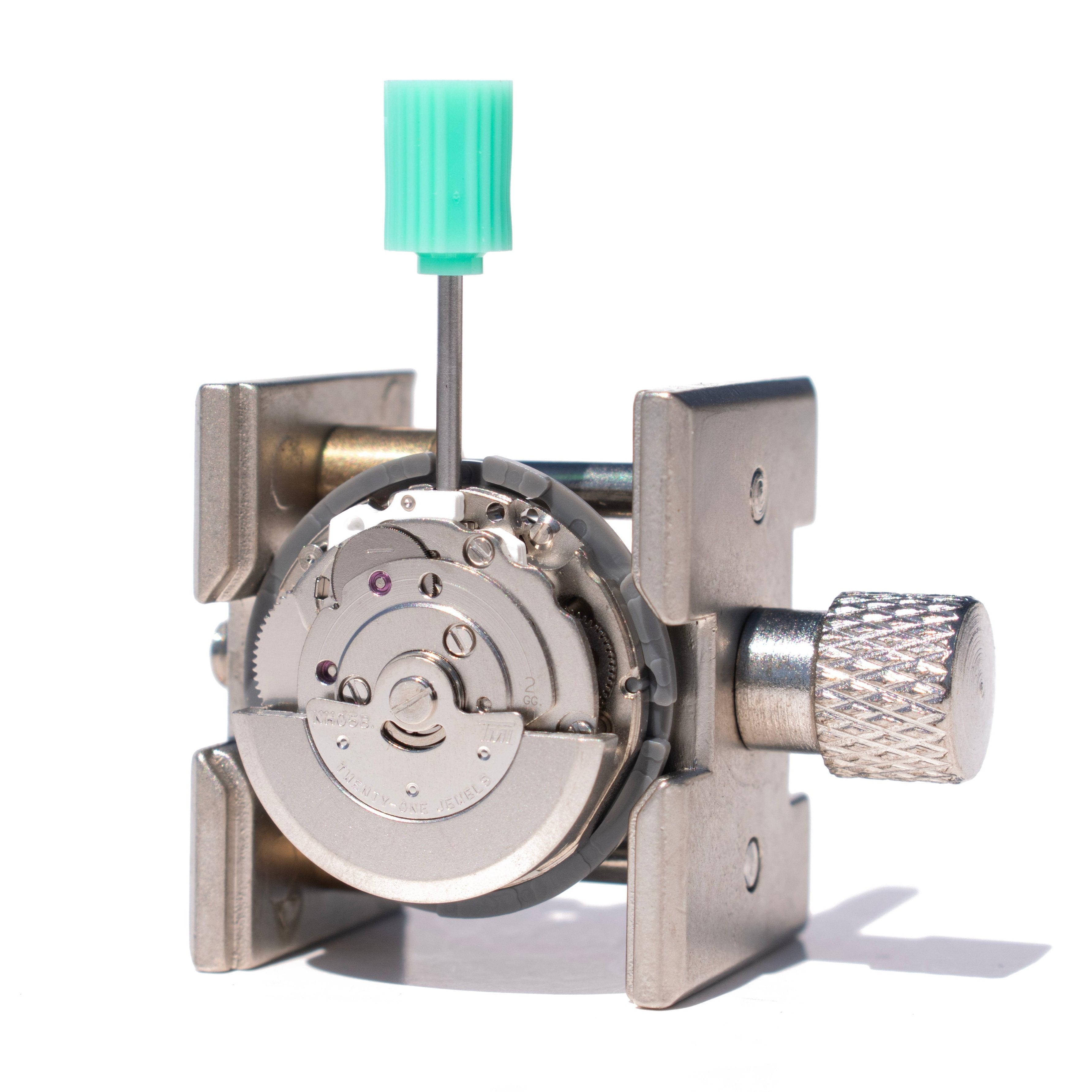
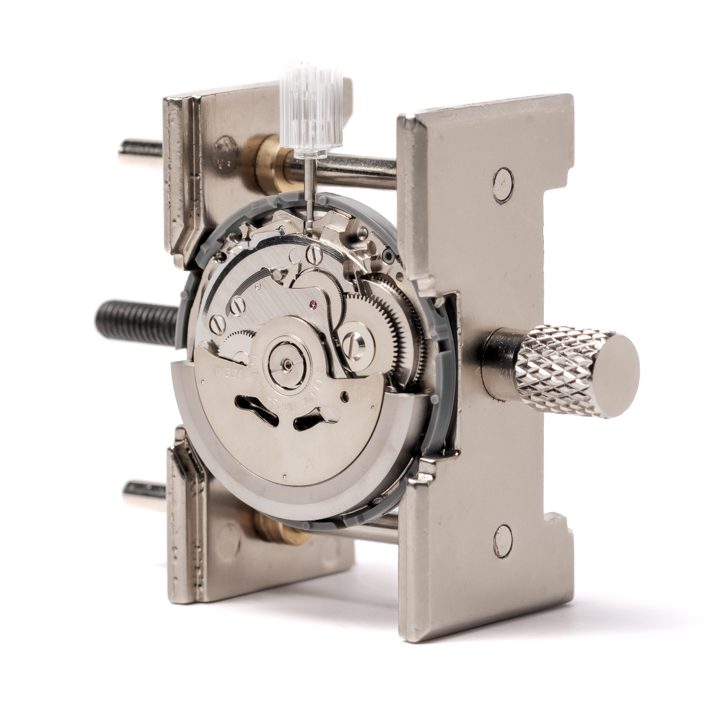
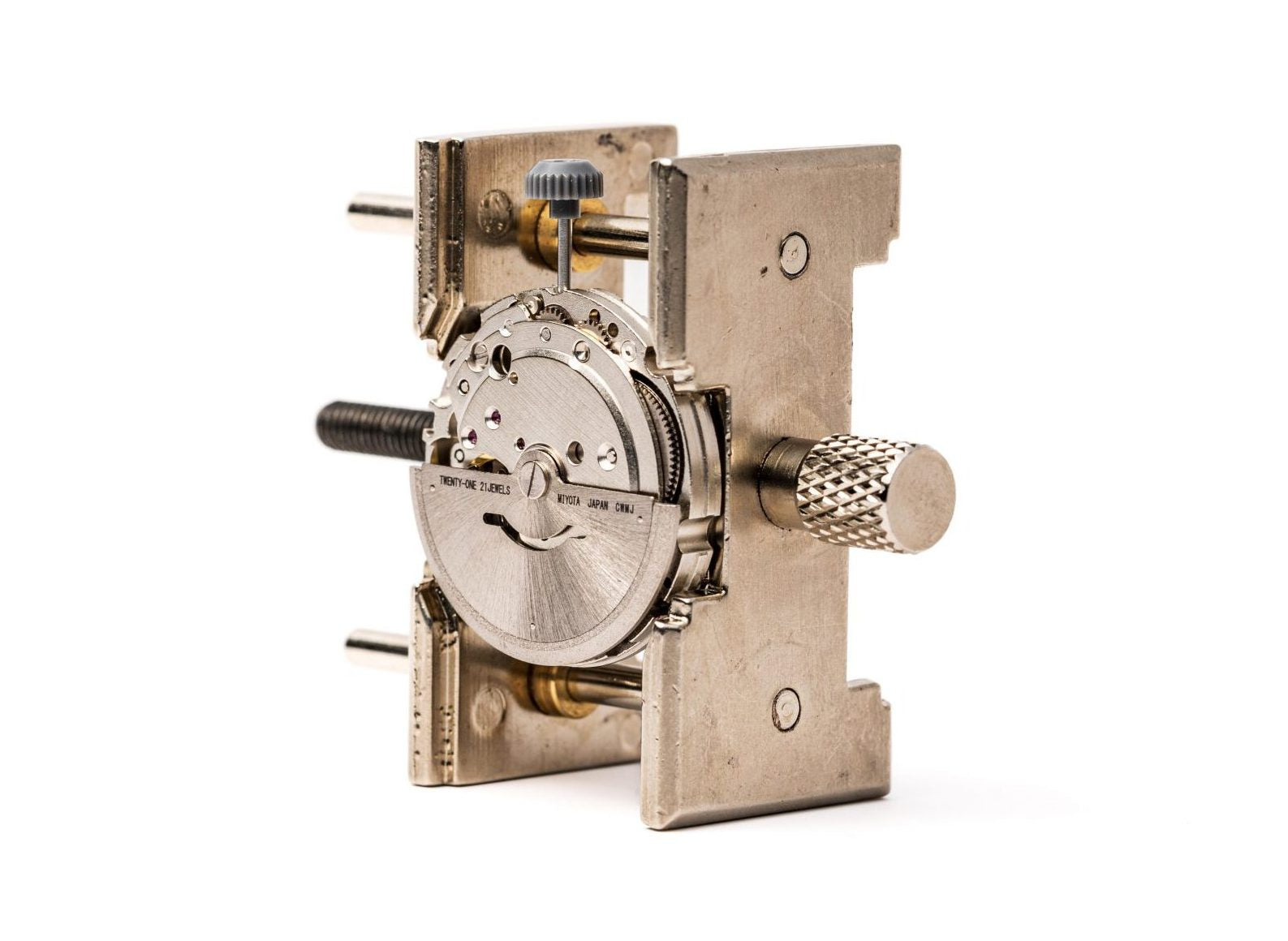
The Cabot Watchmaking Kit uses a Seiko NH36 automatic movement with 24 jewels. Sounds fancy, but it's actually straightforward to install. The movement drops into the case, you secure it with a movement ring, add the dial and hands, and seal everything up. Done.
Mistakes You Might Make (And How to Handle Them)
You'll make mistakes. Everyone does. Let’s go over the big ones.
Installing the hands feels scary because they're delicate. You'll worry about bending them. The included hand-setting tool applies the right amount of pressure. Push gently until you feel them seat. If they don't go on easily, you're probably using too much force, or they're not aligned correctly. Step back, realign, try again.
Getting the case back on takes a few tries. The gasket needs to compress evenly all the way around. Press down while rotating it slightly. If one side won't seat, the opposite side probably isn't aligned yet. Totally normal to take three or four attempts.
Putting the strap on seems simple until you're actually doing it. Spring bars are springy (shocker). Compress one end, hook it in the lug hole, then carefully guide the other end into place. The spring bar technique takes practice, but you'll get it.
What You'll Learn (Besides Watch Building)
Making a watch from scratch teaches you way more than just assembly. Your hands get steadier. You start noticing how mechanical objects fit together. Problems become puzzles instead of panic situations.
After building one watch, you understand how automatic movements work . When someone asks about your watch, you can explain the rotor mechanism and power reserve without googling it first.
You'll also be able to maintain your own watches. Change straps, adjust bracelets, troubleshoot timing issues. Skills that'd cost you $50-100 at a repair shop.
Which Watch Kit Should You Actually Get?
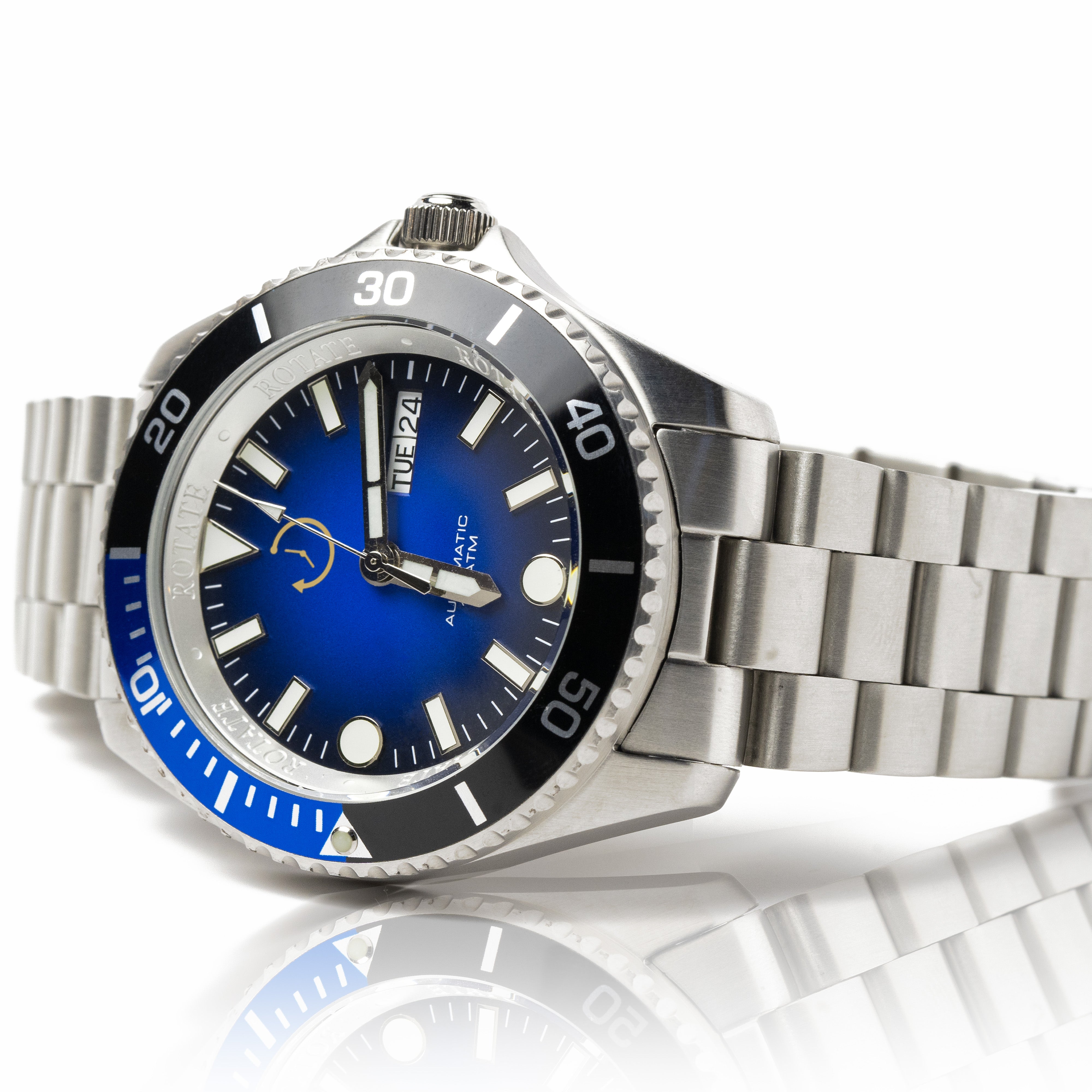
For absolute beginners, the Cabot kit is your best bet. It's rated "Easy" because the case design is forgiving and the NH36 movement is super reliable. You get a 43mm sports watch with a deep-sea blue dial that looks expensive. $245 with a lifetime warranty and 24/7 support.
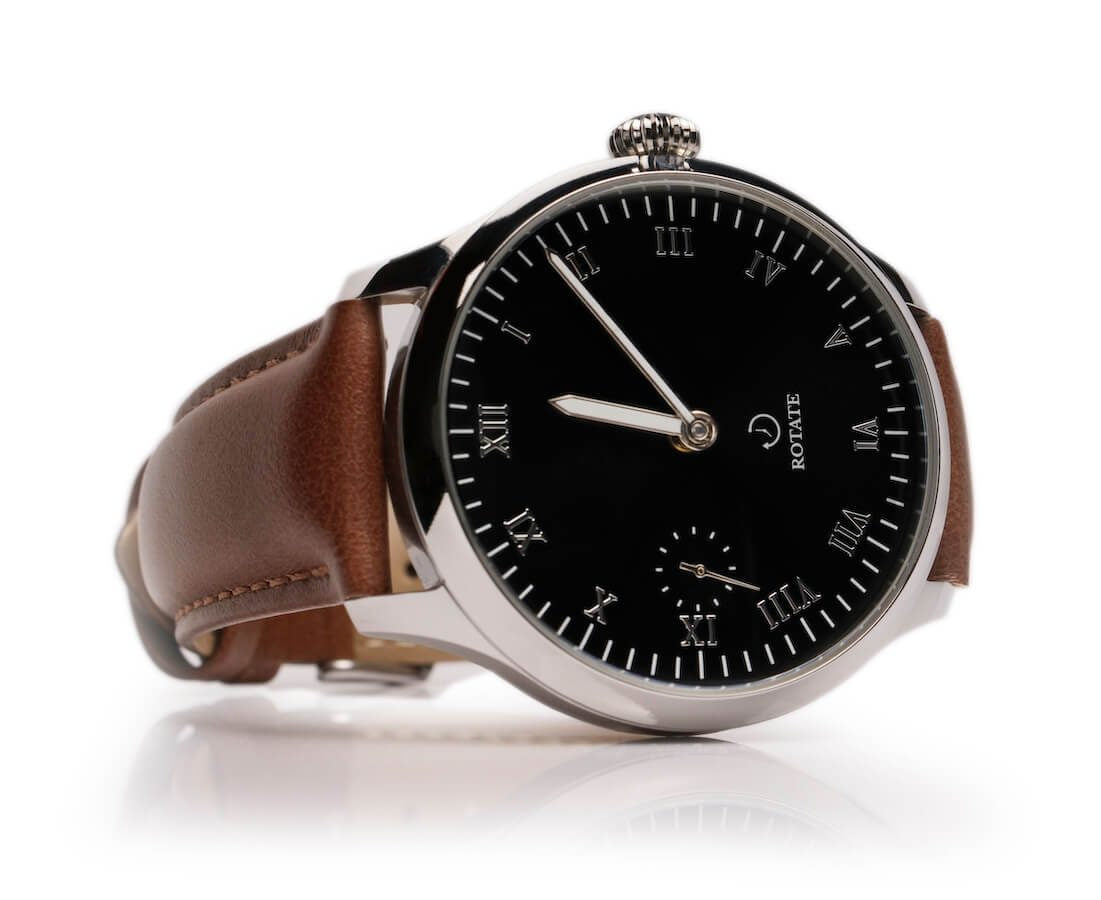
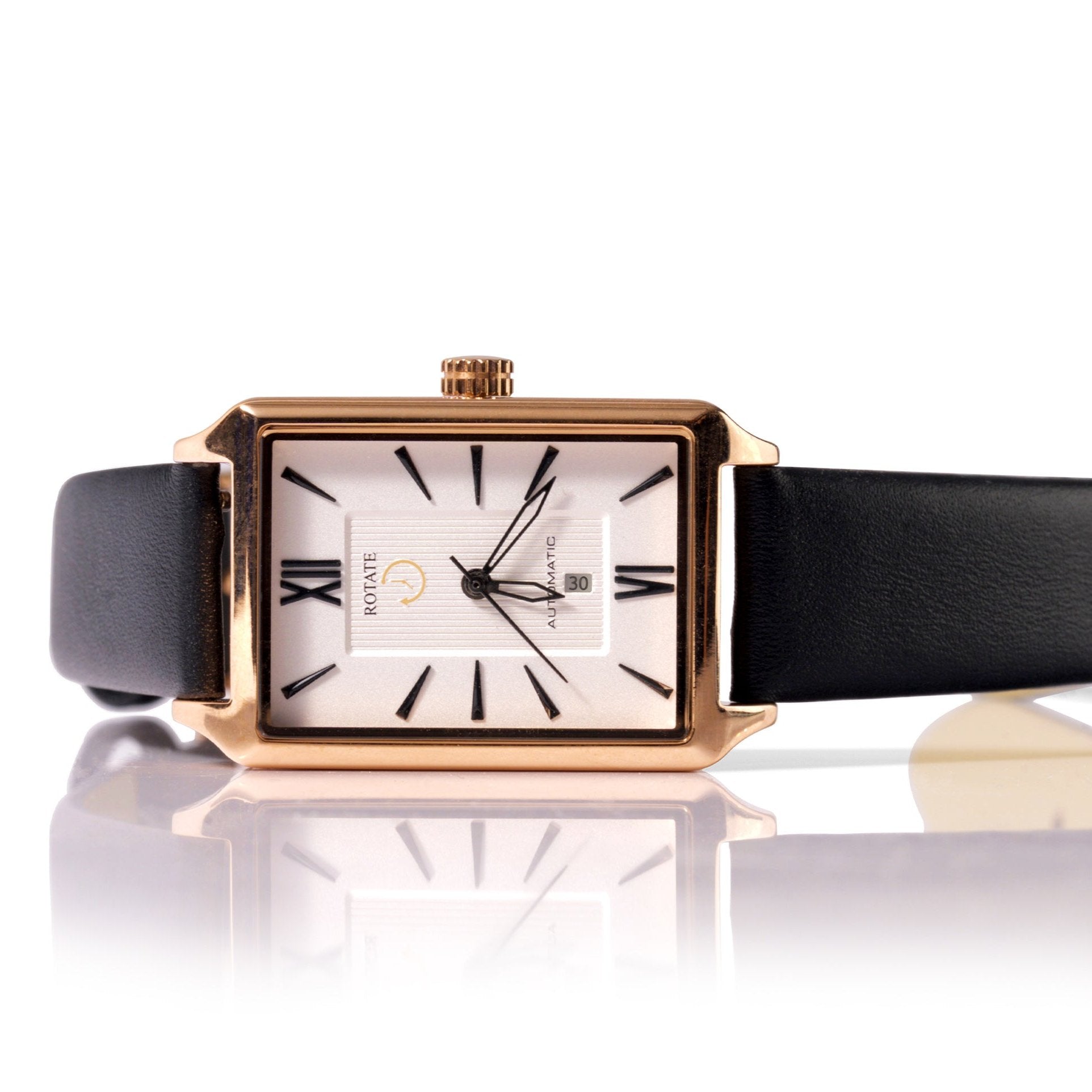
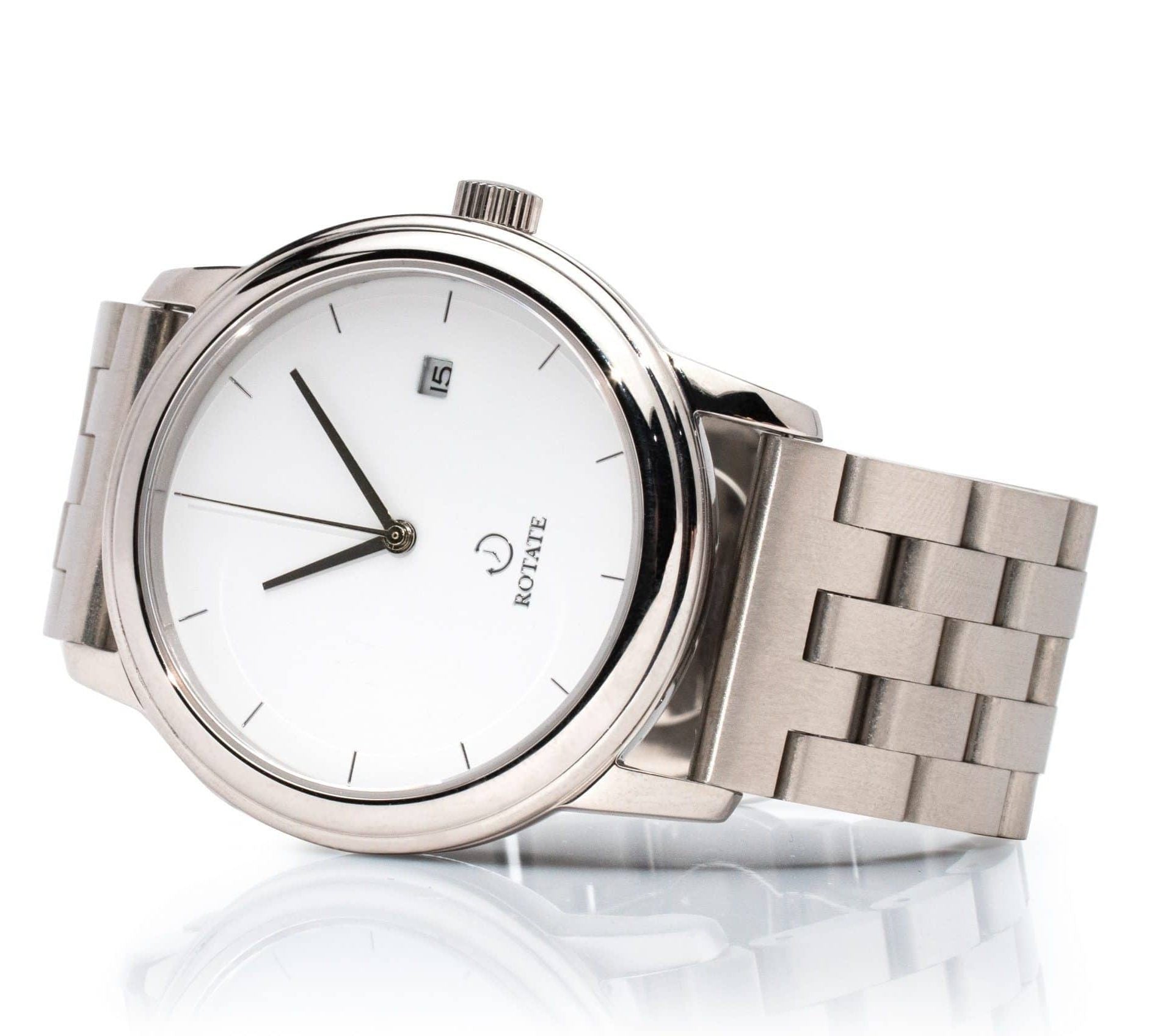
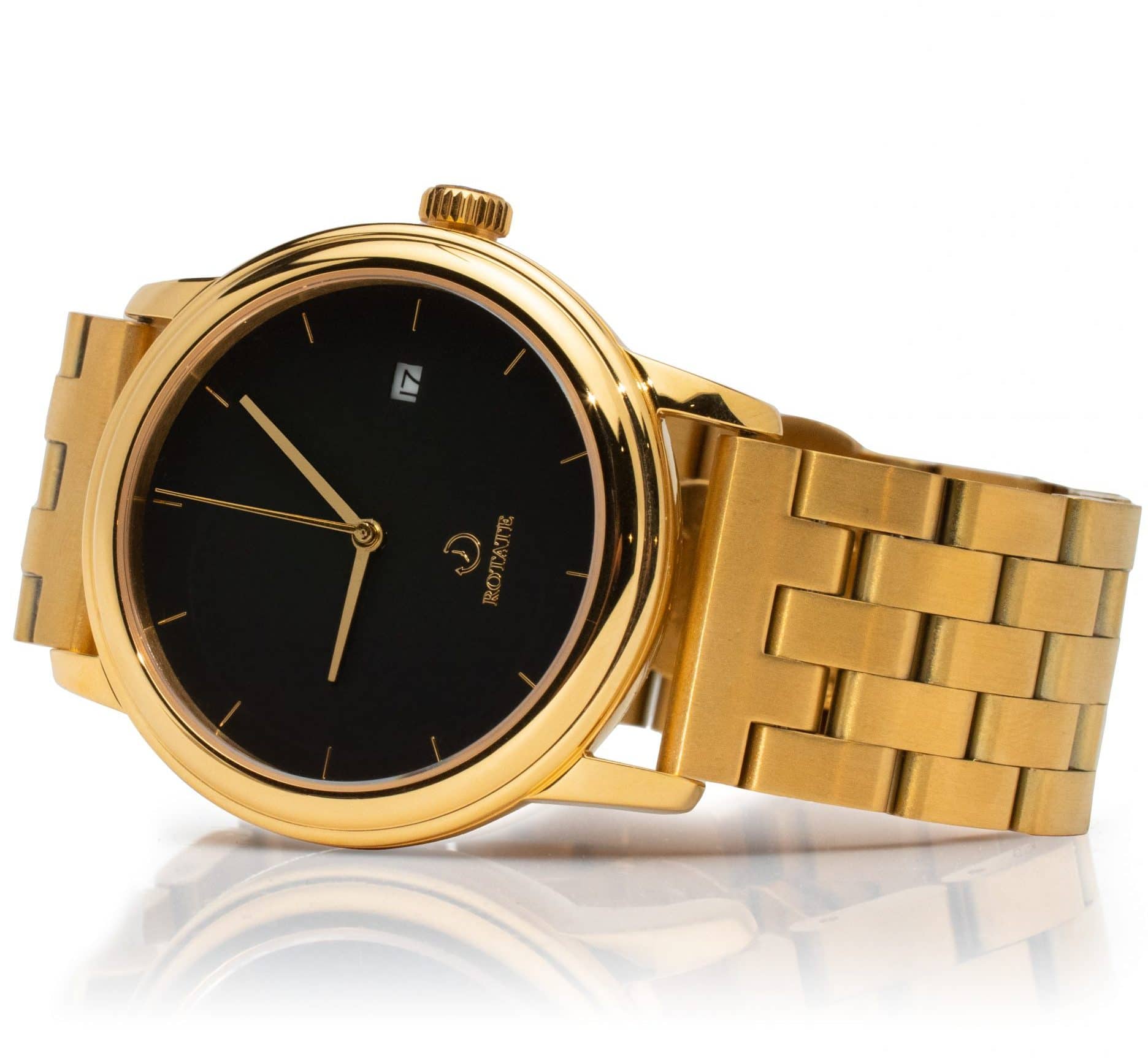
The Alden kit is "Medium" difficulty. Rectangular case, dress watch style, rose gold finish. Slightly trickier assembly, but not dramatically harder. $215, same warranty and support.
Both kits include your tools: screwdrivers, tweezers, spring bar tool, strap adjustment tool, pliers, glue, and gloves. You literally don't need anything else.
If you want more control over the final look, movement kits start at $140 . You source your own case and dial, which gives you unlimited customization options.
Tools and Space You Need
You need a clean table and good lighting. That's it. A 2x2 foot space works fine. Kitchen table, desk, coffee table. Anywhere with decent overhead light.
The kit includes every tool you need. Gloves prevent fingerprints on the dial. Tweezers handle tiny components. Screwdrivers fit the case screws perfectly. You're not buying anything extra.
Will Your DIY Watch Actually Last?
Yeah, it will. The Seiko NH36 in the Cabot kit is the same movement used in commercial watches that sell for $300-500. It's proven reliable. Accuracy runs within -20 to +40 seconds per day, which is normal for mechanical watches in this range.
Automatic watches need regular wearing to stay wound. The rotor mechanism winds the mainspring as your wrist moves. If you don't wear it for a few days, it'll stop. Just wind it back up or wear it for a few hours.
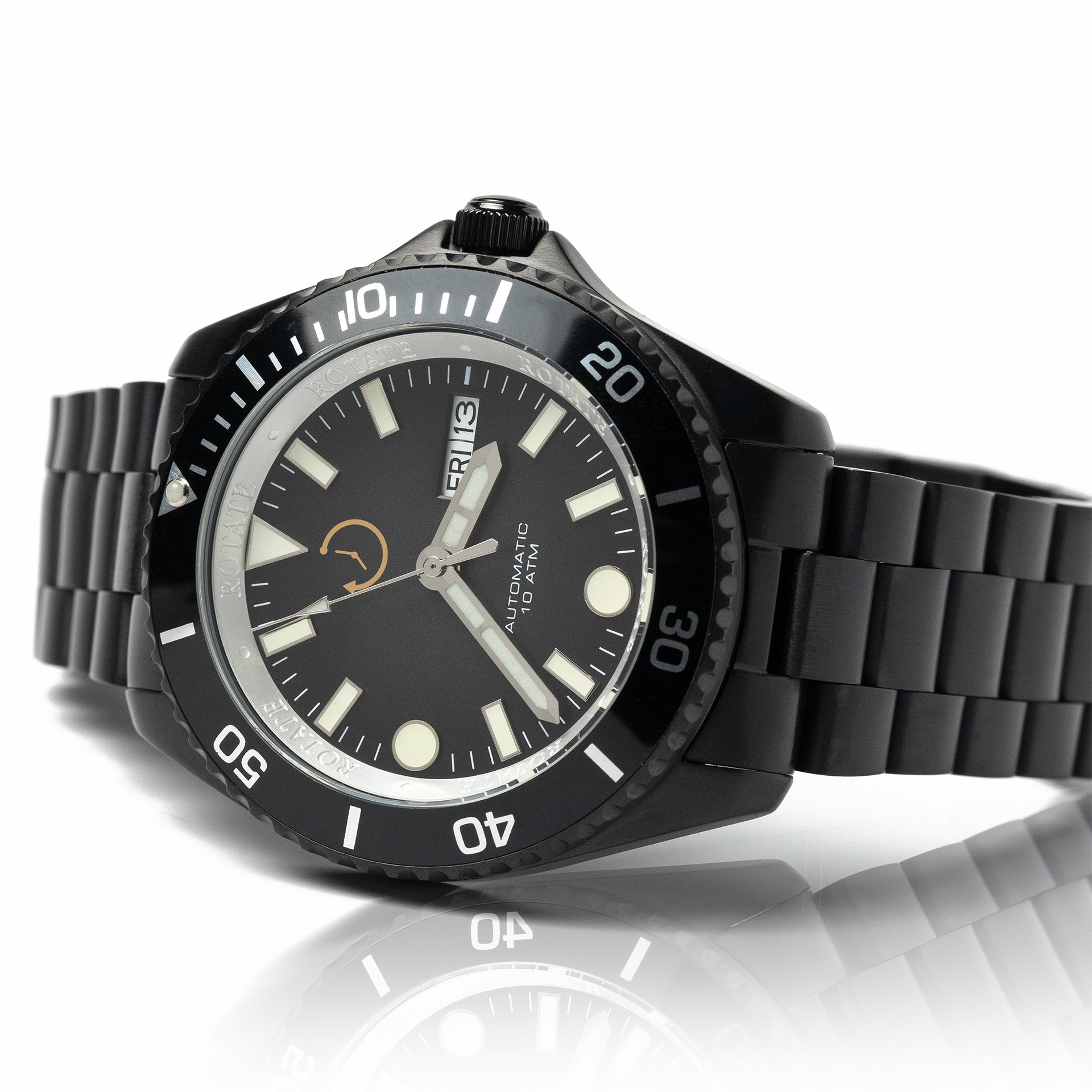
The kits meet their stated water resistance ratings when assembled correctly. The Cabot is 10 ATM, good for swimming and showers. The Alden is 5 ATM, fine for hand washing and rain.
Just Start Building
Home watch assembly sounds intimidating until you actually try it. Then it's just following steps, solving small problems, and watching a pile of parts turn into something that actually works.
Your first watch won't be perfect. You'll fumble with your hands. The case back will take four tries. You'll wonder if you've broken something that's actually fine.
But then you'll finish it. Wind it up. Watch the second hand start sweeping. Put it on your wrist. And you'll have built a real mechanical watch with your own hands.
Browse Rotate's complete watch kits to find your starting point, or check out movement kits if you want full customization.
You can do this. Seriously.
Frequently Asked Questions
Can I really do this with zero experience?
Yes. The guides assume you know nothing about watches. Everything's explained step by step with pictures. If you can follow IKEA instructions, you can build a watch.
What if I break something?
Contact Rotate's support. They'll help you figure out what happened and how to fix it. The lifetime warranty covers defective parts. Most "breaks" are actually just misalignments you can correct.
Do I need special skills or steady hands?
Not really. You need patience more than anything. Take your time, follow the instructions, and don't rush. Your hands will get steadier as you go.
How accurate will my watch be?
About as accurate as any affordable mechanical watch. The Seiko movements run within industry standards. You're not getting atomic clock precision, but you'll be within a minute or two per week.
Can I wear it every day?
Absolutely. These aren't toy watches. They're real mechanical timepieces built with quality components. Wear it to work, on weekends, wherever.
Will people know I built it myself?
Not unless you tell them. The finished watches look professionally made because the components are professionally made. You're the one who put them together.