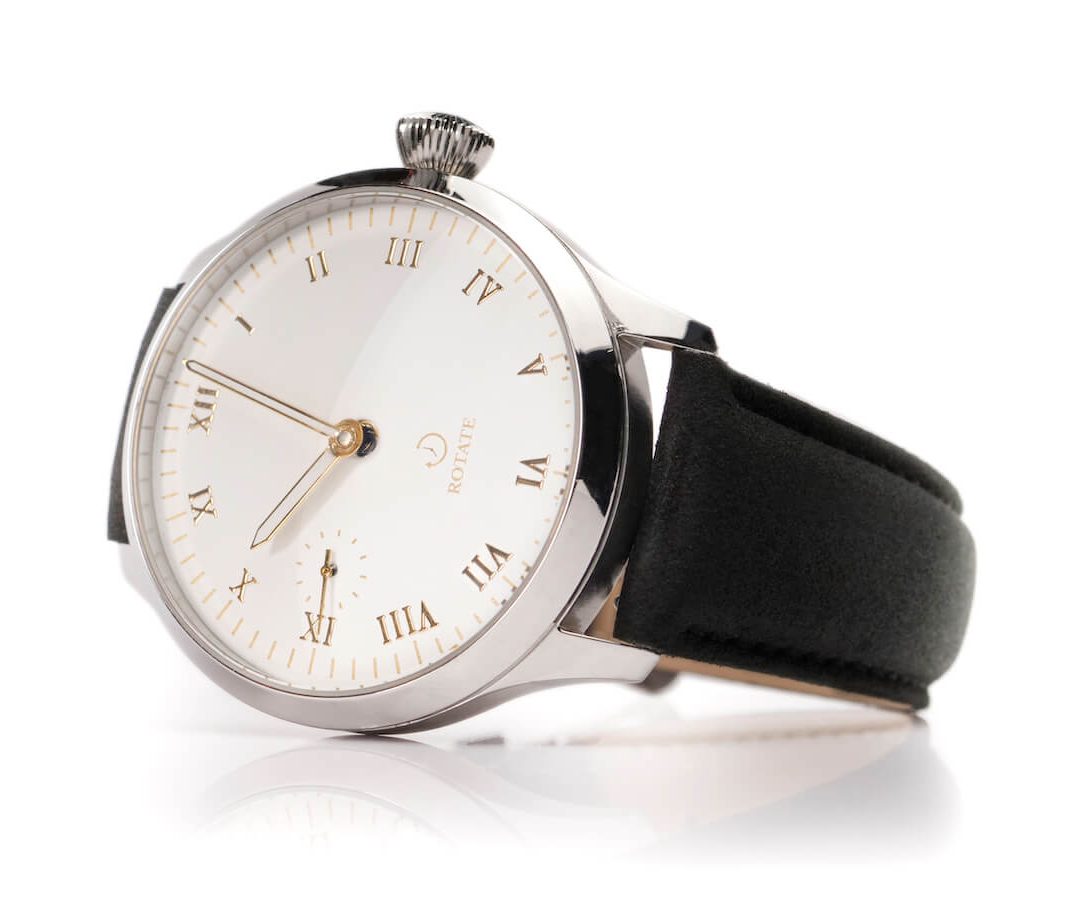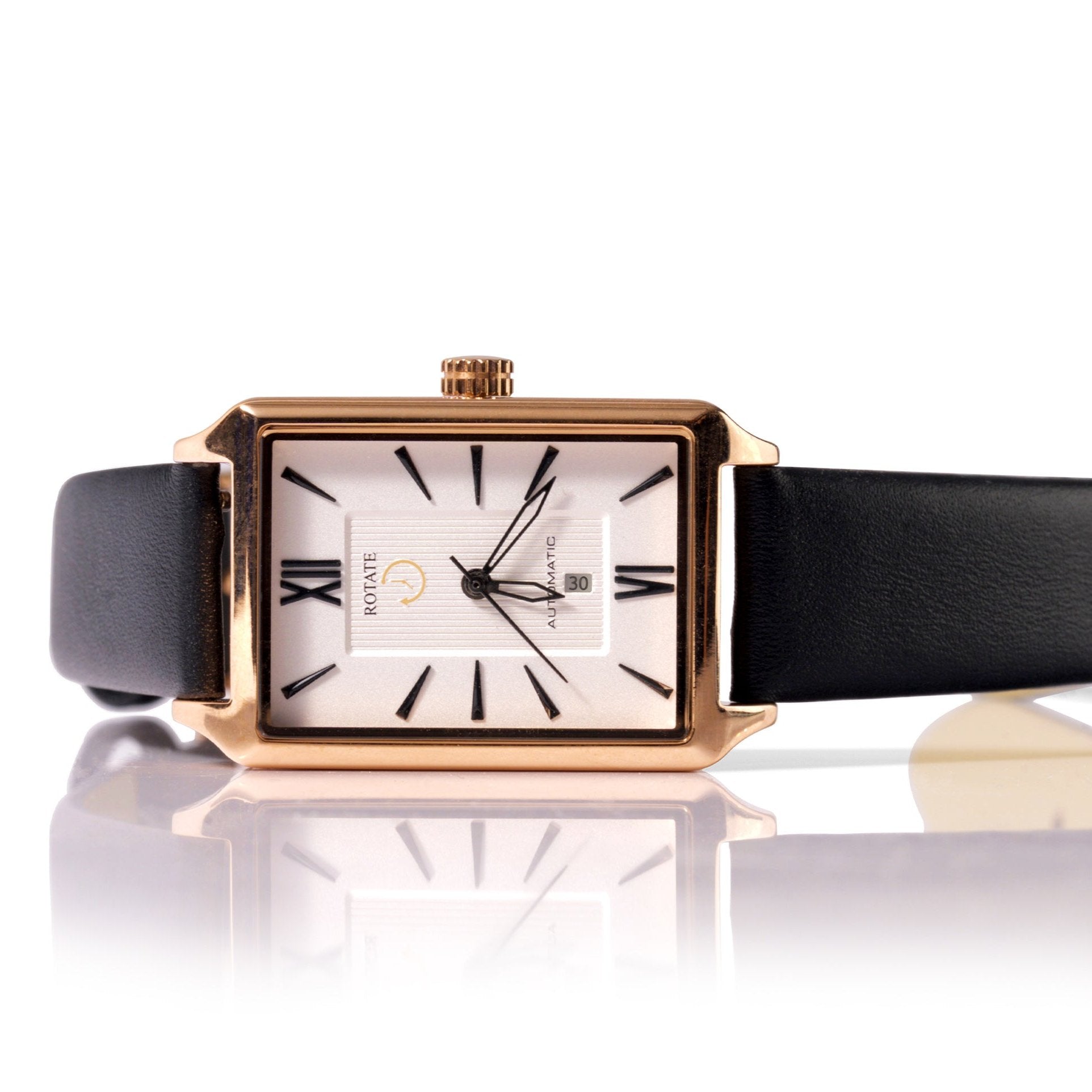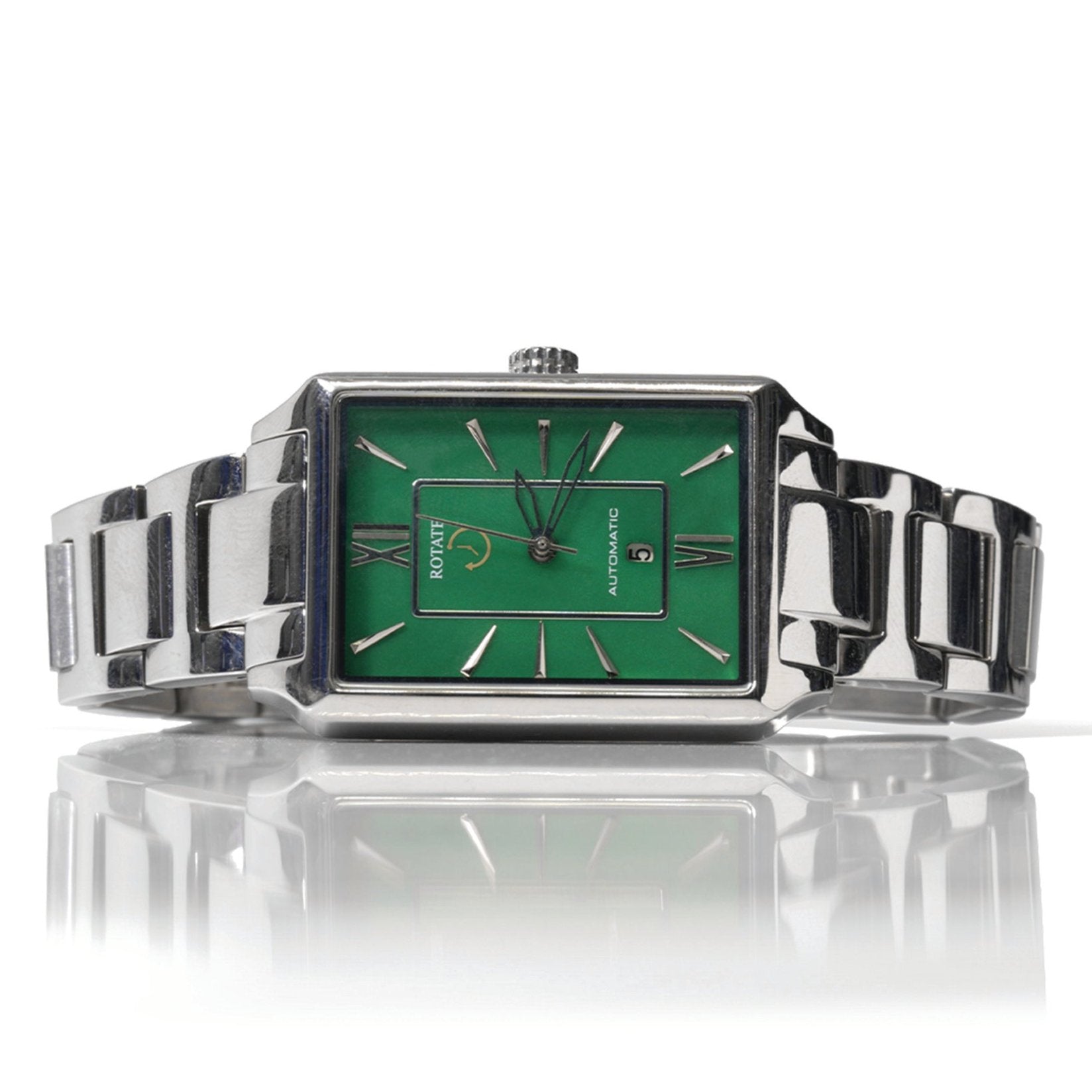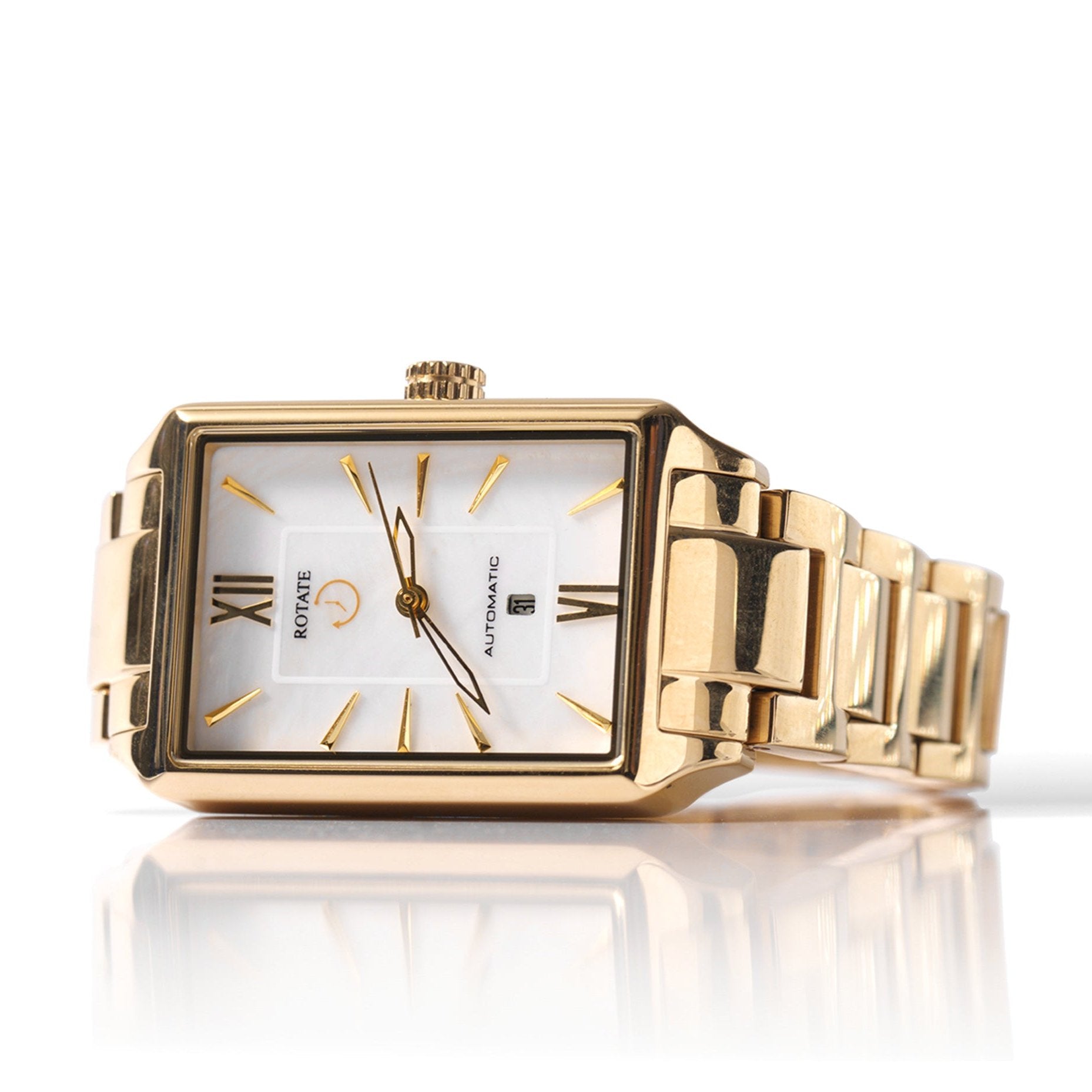


Understanding Watch Lume: Types, Application, and How Long It Lasts
Glance at your watch in a dark room, and those glowing hands and markers are doing their job. That glow comes from lume, a luminescent material applied to watch dials, hands, and sometimes bezels. Luminous watch lume is one of those watch features most people notice, but few actually understand.
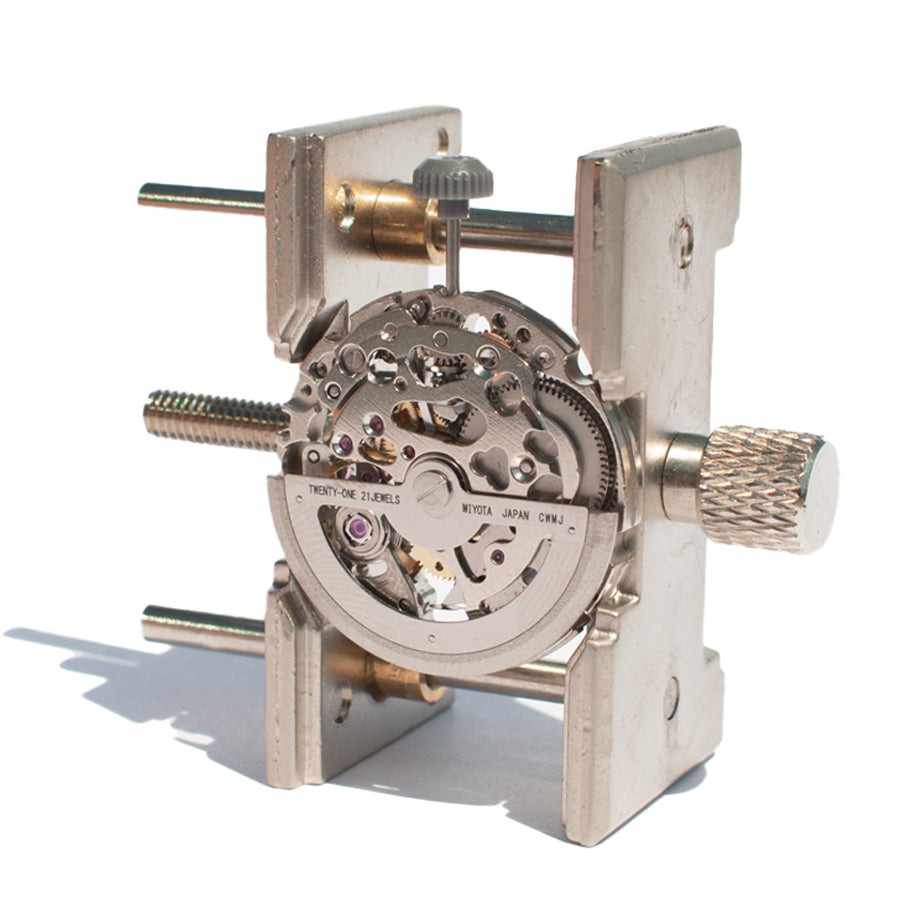
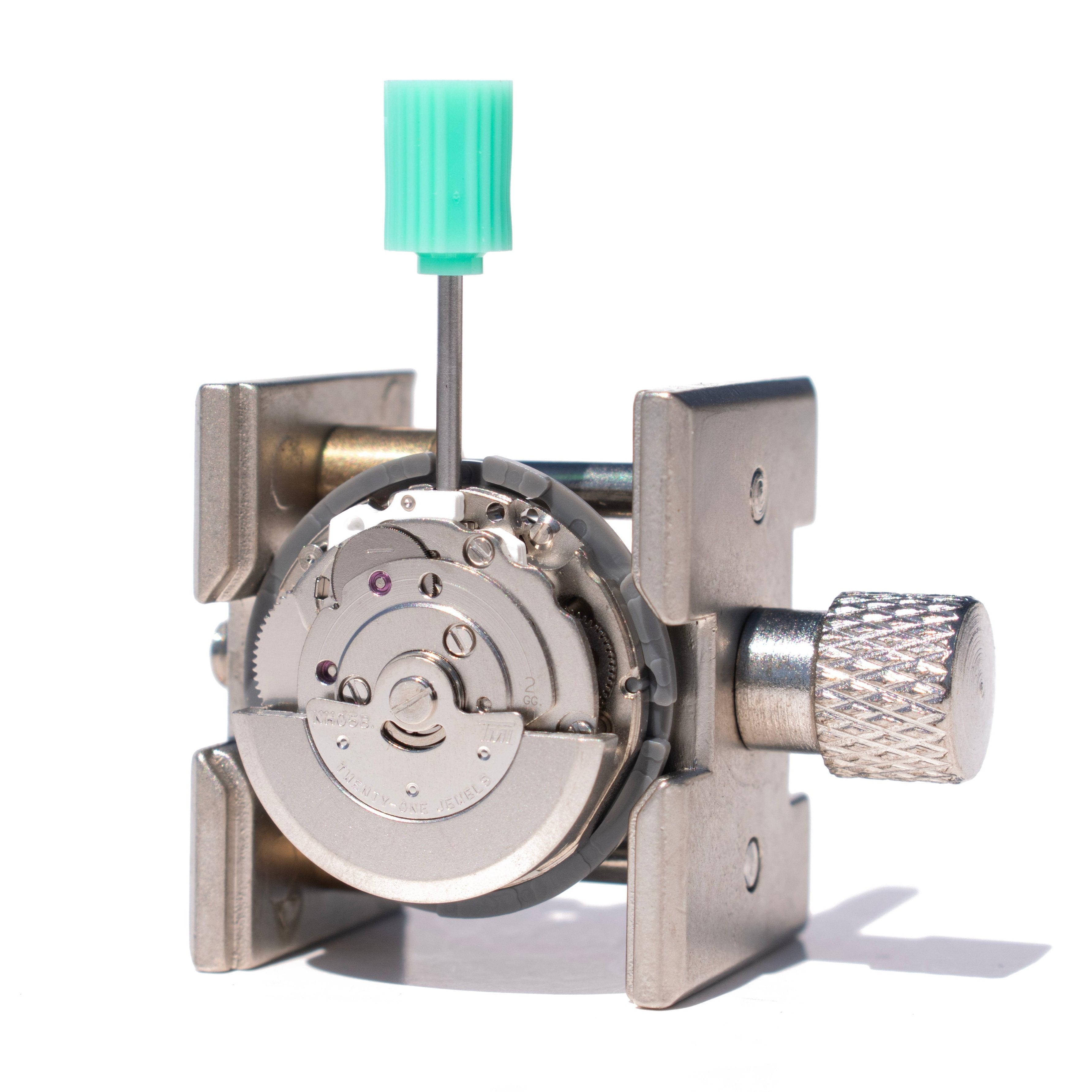
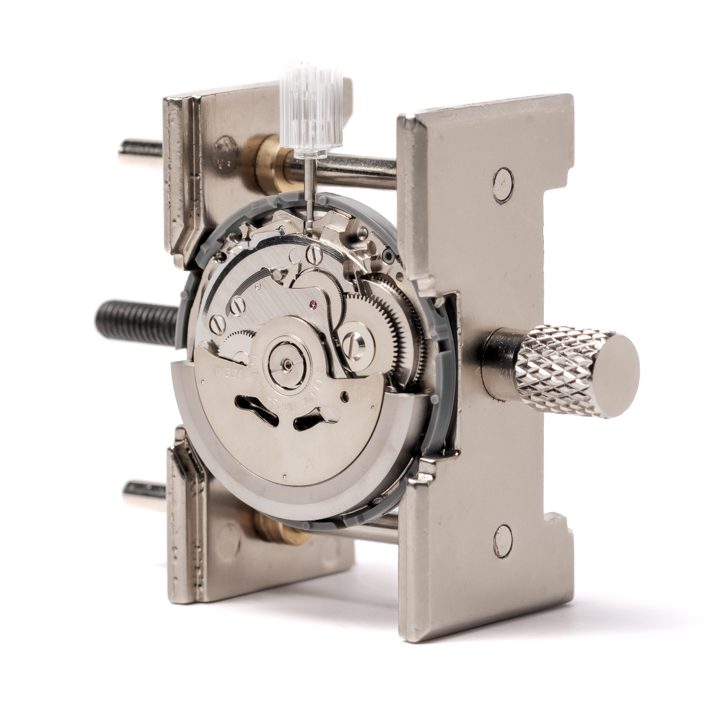
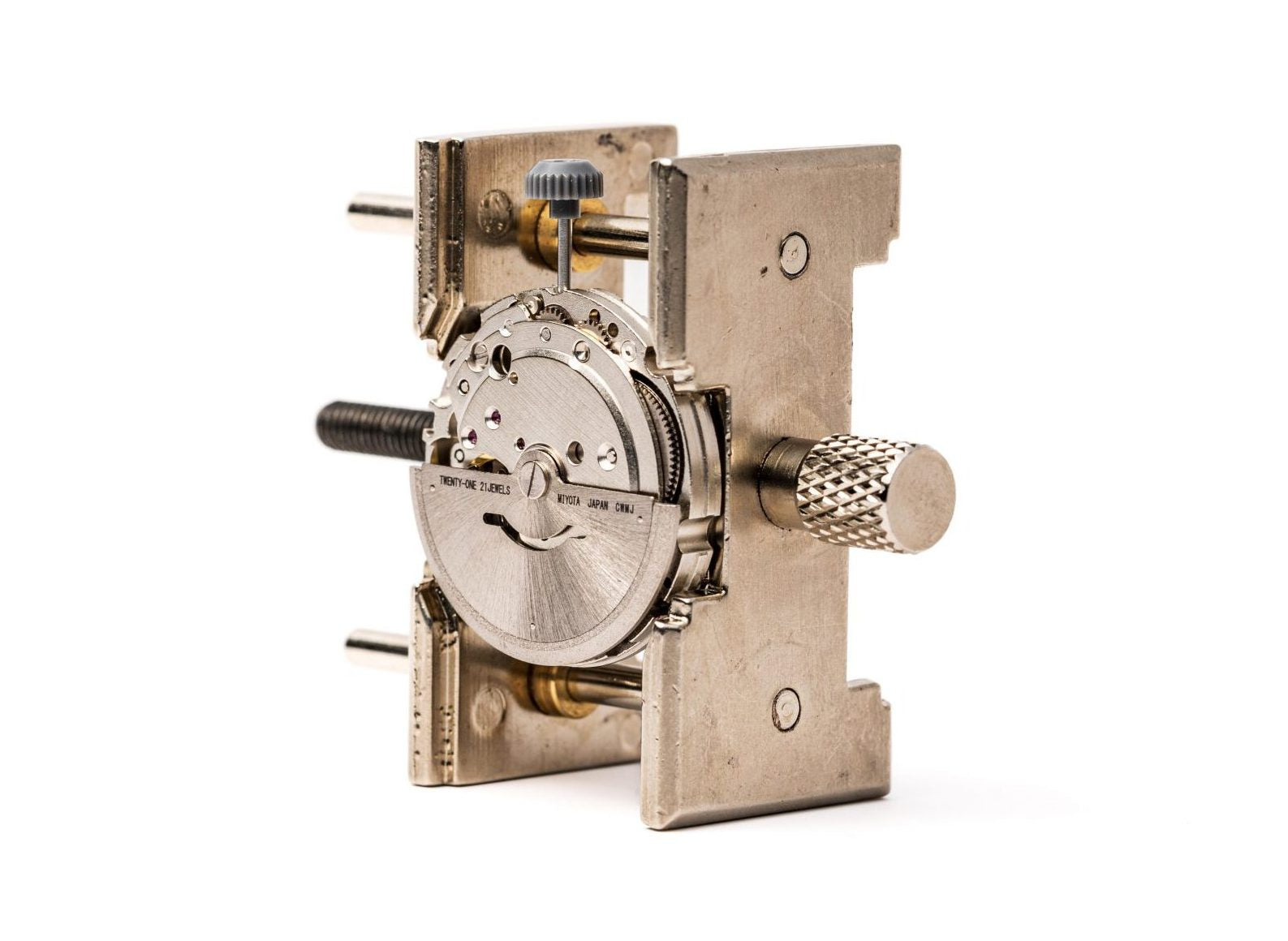
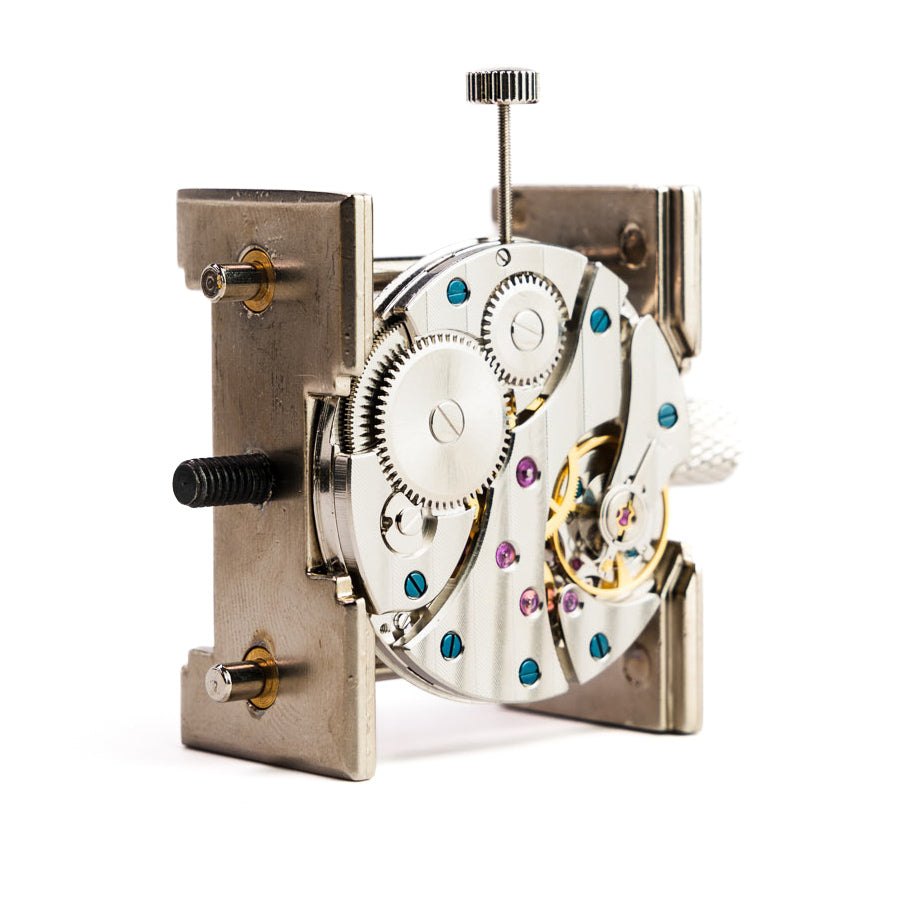
Whether you are shopping for a new timepiece or curious about the mechanical watch on your wrist, knowing how lume works helps you set realistic expectations for what that glow can do and how long it will last in the dark. Building a DIY watch kit gives you a firsthand look at how lume is applied to hands and dials before the watch is fully assembled
What Is Watch Lume and How Does It Work
Watch lume is a photoluminescent material that absorbs light energy and slowly releases it as a visible glow. The concept is similar to a rechargeable battery, but for light instead of electricity.
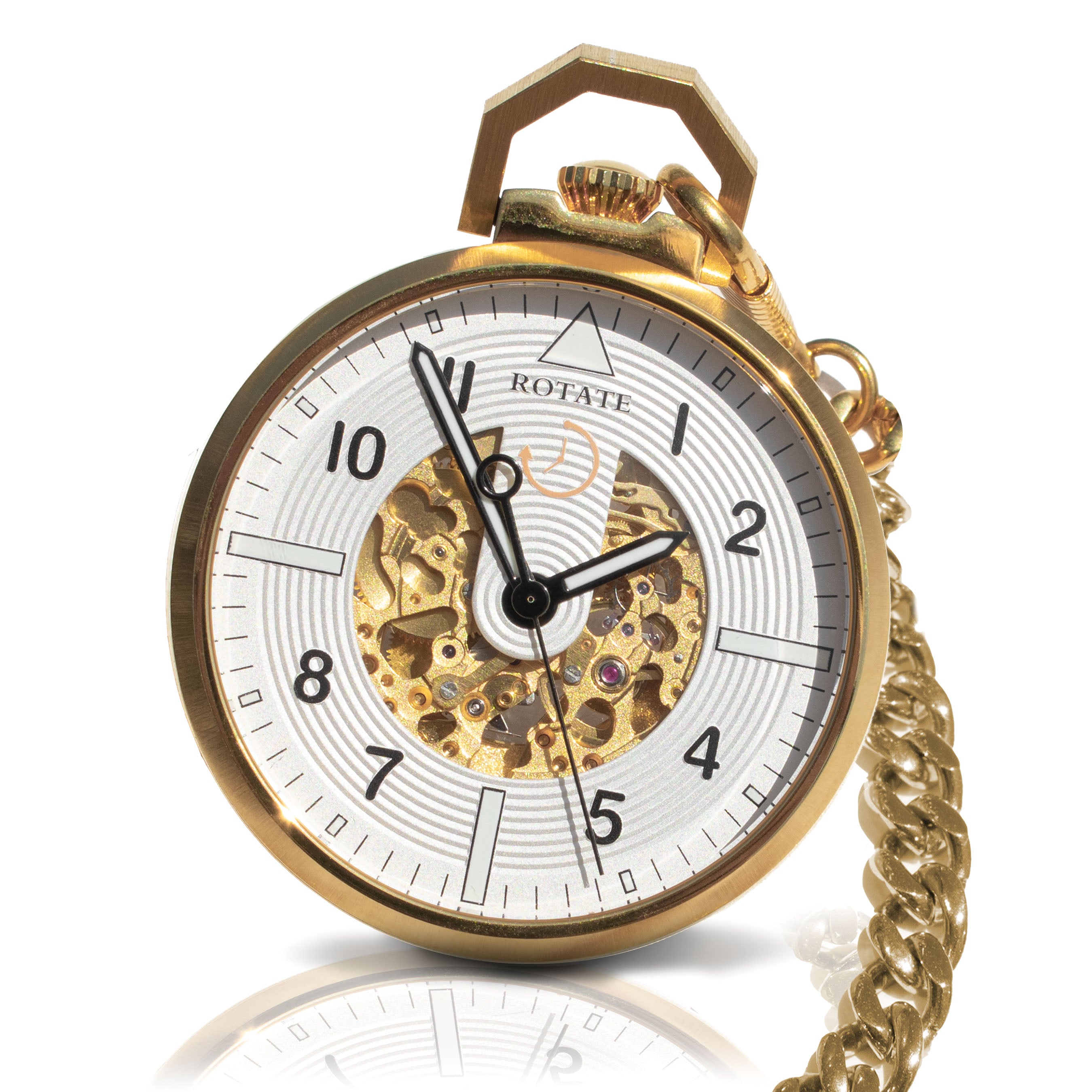
Hands and dial markers are two of the most critical components in any watch build — if you're curious how they fit into the bigger picture, our watch kit components breakdown covers every part that goes into a Rotate kit.
The Basic Science Behind the Glow
When lume is exposed to sunlight, UV light, or even bright indoor lighting, electrons inside the material get excited to a higher energy state. Once the light source is removed, those electrons gradually fall back to their resting state, releasing stored energy as a visible glow. The watch lume glow is brightest immediately after charging and fades steadily over several hours.
Why Your Watch Needs Lume
The primary purpose is readability in low-light conditions. Divers, pilots, and military personnel historically needed to read their watches in dark environments. Today, Lume serves everyone from night-shift workers to anyone who checks the time after the lights go out.
- The Lume application is applied to hands, hour markers, and sometimes bezels
- Charging requires only a few minutes of light exposure
- The glow is brightest in the first 30 minutes after charging
- Modern luminescent materials are non-radioactive and completely safe
Dive watches put this requirement into sharpest focus. When ISO 6425 — the international standard for true dive watch certification — was established, luminous displays readable in complete darkness became a mandatory specification, not an optional feature. Understanding what separates a genuine dive instrument from a water-resistant fashion watch helps explain why lume quality and placement on hands and markers matters as much as it does.
Three Main Types of Watch Lume
Not all lume is created equal. The watch industry has used several different luminescent technologies over the decades, each with different strengths. Understanding watch lume types helps match the right technology to real-world needs.
Super-LumiNova
Super-LumiNova lume is the most common luminescent material in modern watches. The underlying pigment, LumiNova, was invented by Japan's Nemoto & Co. in 1993 and patented in 1994. In 1998, Nemoto established a joint venture with Switzerland's RC Tritec AG to produce the pigment under the Super-LumiNova brand. The movement you choose for your build determines which hand sets and lume grades are compatible — our guide to types of watch movements breaks down the differences between hand-wound, automatic, and quartz calibres. It is a strontium aluminate-based pigment. The material is non-radioactive and can be recharged indefinitely by exposure to light.
Tritium Gas Tubes
Tritium is a low-level radioactive isotope of hydrogen sealed inside tiny glass tubes. Unlike Super-LumiNova, tritium glows continuously without needing any light charge. The glow is consistent day and night, but dimmer than a freshly charged Super-LumiNova.
Tritium has a half-life of about 12.3 years, meaning the glow fades to half its original intensity after that period. After roughly 24 years, the glow becomes nearly imperceptible.
Radium (Historical)
Radium-based luminous paint was the original watch lume, used from the early 1900s through the 1960s. Radium glows continuously without charging, but it is significantly radioactive and was phased out once safer alternatives became available. Vintage watches from this era may still contain radium paint. Collectors should handle pre-1960s dials with care and avoid opening cases without proper knowledge.
If you're drawn to the aesthetic of mid-century timepieces despite the risks, our guide to the vintage watch trend of 2026 covers how to capture that retro character in a modern build — without the radium.
How Lume Is Applied to Watches
The method of lume application significantly affects how well lume performs over time.
Painted Application
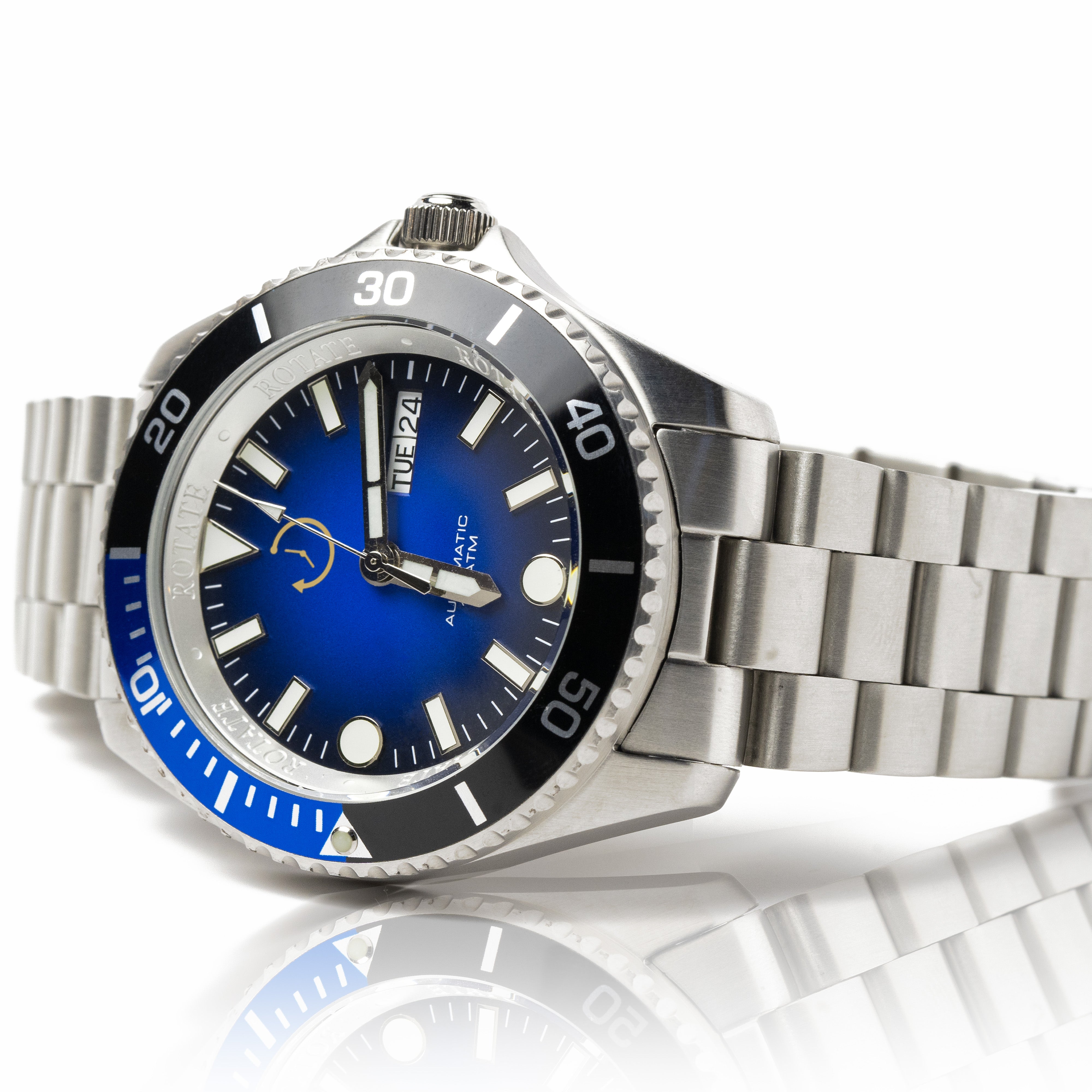
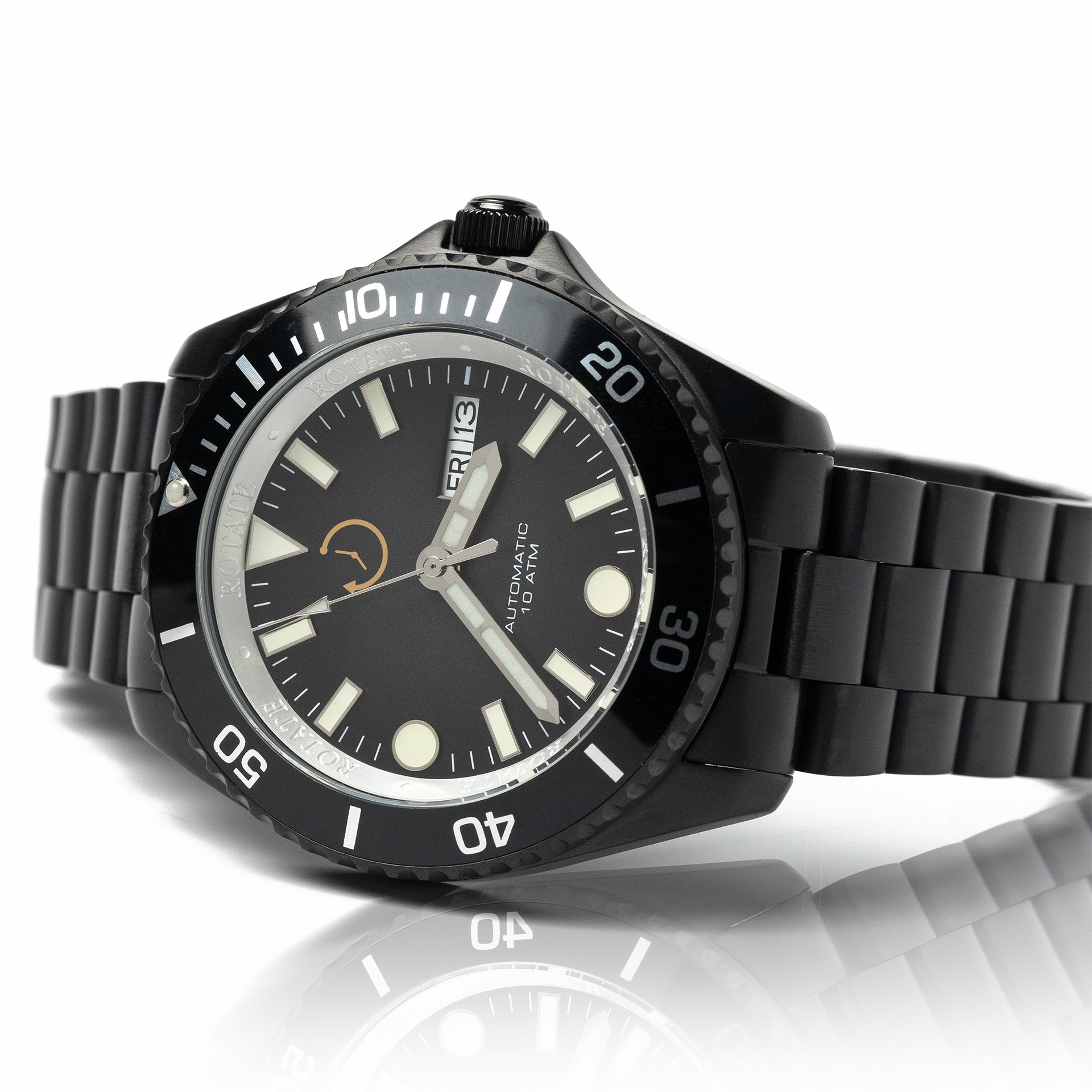
The most common method involves mixing lume pigment with a binding agent and painting it onto hands and dial markers. Skilled watchmakers apply thin, even coats to ensure a consistent glow. Multiple layers generally mean brighter, longer-lasting luminous watch lume on watch hands and dials. Hands-on watchmaking kits let you see exactly where lume sits on the hands and dial, making the application process visible rather than hidden inside a sealed case.
How Long Does Watch Lume Actually Last
The question everyone asks is how long does lume last. The answer depends on several factors.
After a Single Charge
A fully charged Super-LumiNova watch typically glows visibly for four to eight hours, though higher grades can extend to 15 hours under ideal conditions. Peak brightness occurs in the first 30 minutes after exposure to light. After the first hour or two, the glow dims significantly but remains readable in complete darkness.
- Full charge takes only two to five minutes in direct sunlight
- Peak glow lasts about 30 minutes
- Readable glow continues for four to eight hours
- Green-glowing C3 grade lasts longest among Super-LumiNova colors
Over the Life of the Watch
Super-LumiNova does not "expire" in the traditional sense. Because no chemical change occurs during the charge-discharge cycle, the pigment retains its photoluminescent properties indefinitely. Over decades, minor degradation may occur from UV exposure and binding agent breakdown, but the lume on a well-maintained watch should remain functional for 20+ years.
Keeping lume clean and the case sealed properly extends that lifespan further — our dive watch maintenance guide has a dedicated lume upkeep section that applies to any lumed timepiece, not just divers.
Conclusion
Watch lume is a simple technology with a big impact on usability. Super-LumiNova lume dominates the modern market because it is safe, rechargeable, and long-lasting. Understanding the different watch lume types helps you pick the right watch for low-light situations and maintain its glow for years.
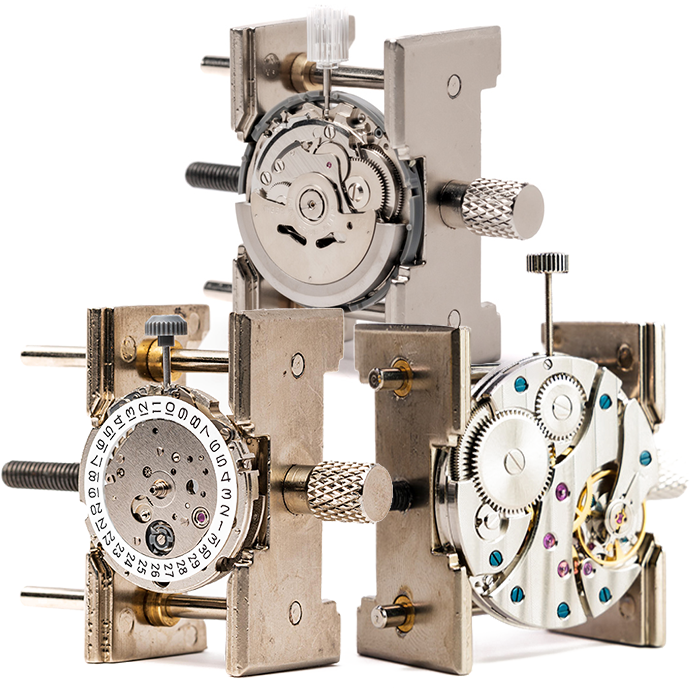
For a closer look at the components that make a watch tick, including lumed hands and dials, a movement kit lets you handle every piece firsthand. Hands-on learning reveals details that specs alone cannot.
FAQs
Q1. Is watch lume radioactive?
Modern luminescent materials like Super-LumiNova and LumiBrite are completely non-radioactive. Older watches (pre-1998) may contain radium or tritium paint, which are mildly radioactive.
Q2. Why does my watch lume fade so quickly?
Lume is brightest right after charging and naturally dims over hours. Green (C3) lume lasts longest. Thinner application or lower-grade lume fades faster.
Q3. Can you recharge the watch lume?
Yes. Super-LumiNova recharges every time it is exposed to light. A few minutes of sunlight or UV light fully charges it again.
Q4. Does lume wear out over time?
The pigment itself lasts indefinitely. Over decades, the binding agent holding the lume in place may degrade slightly, but properly maintained lume stays functional for 20+ years.
Q5. What color lume glows the brightest?
C3 grade Super-LumiNova, which appears yellowish in daylight and emits a green glow in the dark, is the brightest and longest-lasting color. Blue-green (BGW9) is the second brightest.
Q6. Can I add lume to a watch that does not have it?
A skilled watchmaker can apply lume to hands and markers, but it requires disassembly and careful application. The process is best left to professionals.