

Blogs: DIY Watches and More
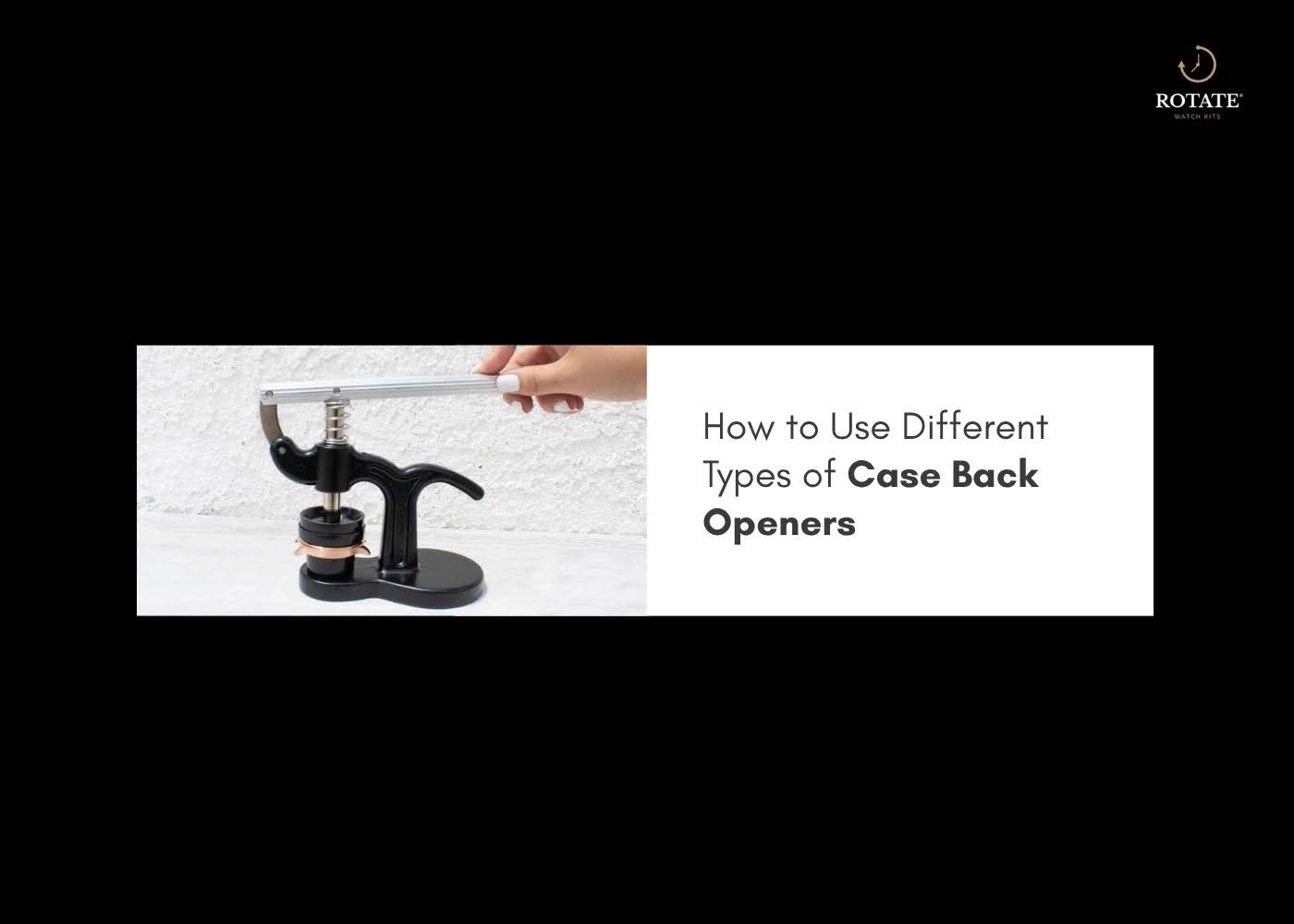
How to Use Different Types of Case Back Openers
Jun 19, 2026
Opening a watch case back is the first step for battery changes, movement inspections, and servicing. Using the wrong tool risks scratching the case or damaging the gasket. Case backs fall into a f...
Read more
Anti-shock systems in watches: Incabloc, KIF, and Etachoc compared
Jun 17, 2026
Drop a mechanical watch onto a hard floor, and the most likely casualty is the balance staff. Those pivots measure just 0.07mm to 0.15mm thick, roughly the width of a human hair, yet they support t...
Read more
Sellita SW200: the ETA 2824 alternative powering hundreds of Swiss watches
Jun 10, 2026
Most Swiss watches under $2,000 share the same secret. Flip one over, and there is a strong chance a Sellita SW200 is ticking inside. When ETA started restricting movement sales to non-Swatch Group...
Read more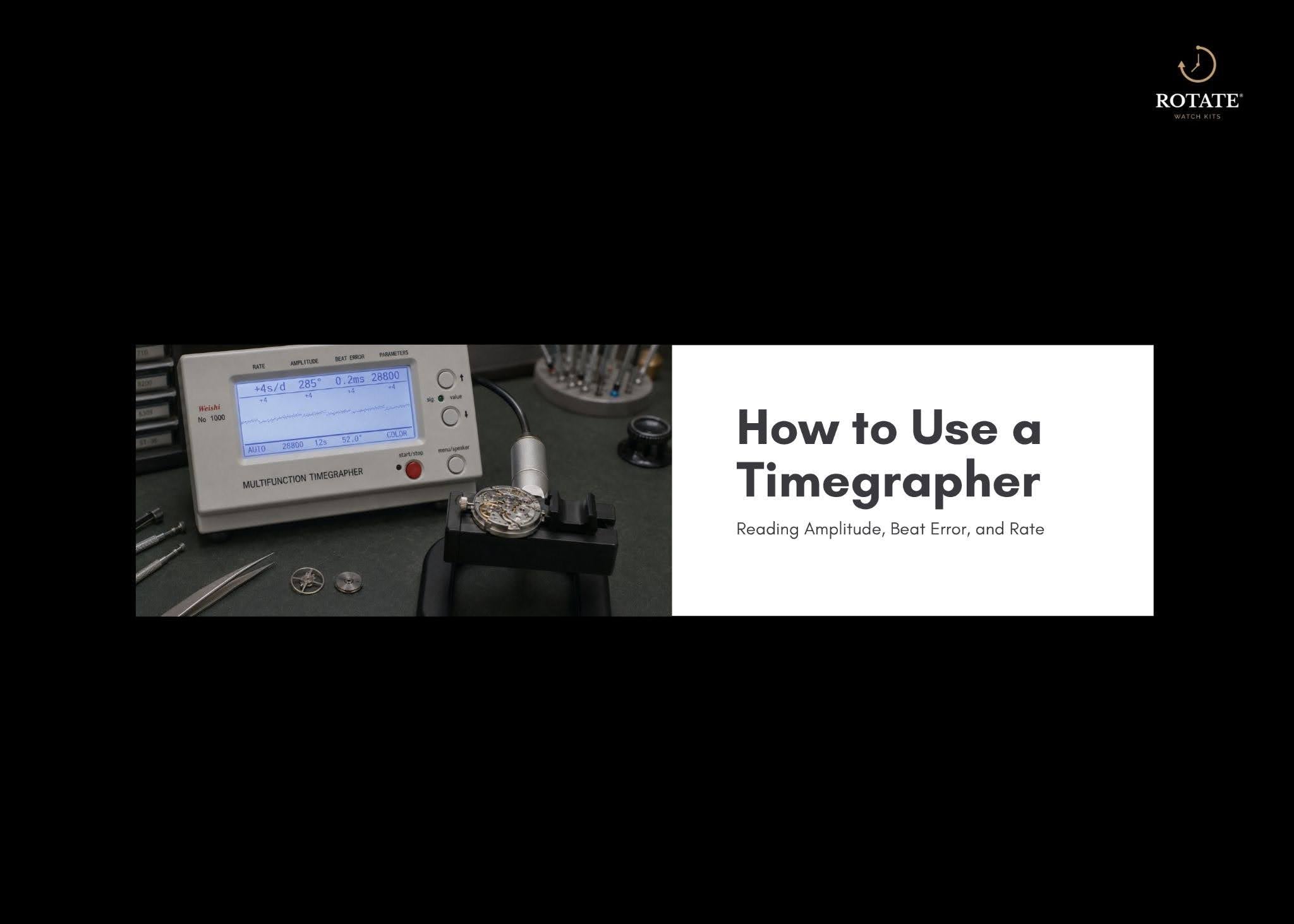
How to Use a Timegrapher: Reading Amplitude, Beat Error, and Rate
Jun 9, 2026
A timegrapher tells you exactly how your mechanical watch is performing without waiting 24 hours to check the time. Place a watch on the sensor, and within seconds you get hard numbers on accuracy,...
Read more
Watch Rotor Types: Full, Micro, and Skeleton, What's the Difference
Jun 8, 2026
Every automatic watch has a rotor. That semicircular weight spinning on the back of the movement converts wrist motion into stored energy, keeping the mainspring wound without manual winding. Full ...
Read more
Seiko mod parts compatibility: what fits what across NH35, NH36, NH34
Jun 5, 2026
Seiko modding lets builders swap dials, hands, and movements to create unique mechanical watches. The NH movement family shares a common architecture that makes part swaps simple. But "simple" does...
Read more
Seiko 4R35 movement: specs, accuracy, and how it fits your build
Jun 4, 2026
The Seiko 4R35 is one of the most widely used automatic movements in watches today. If you own a Seiko Presage or Prospex, the 4R35 is likely inside it. Seiko 5 Sports models typically use the clos...
Read more
How to wind a mainspring by hand using a mainspring winder
Jun 3, 2026
The mainspring is the engine of every mechanical watch. Coiled inside the barrel, it stores energy to power the gear train, balance wheel, and hands for 40 or more hours. For anyone servicing movem...
Read more
How to sharpen and dress watchmaking tweezers properly
Jun 2, 2026
Watchmaking tweezers are the most-used tool on any bench. Pick up a screw, place a jewel, position a hand, adjust a spring. Every task starts and ends with tweezers. When the tips lose their edge, ...
Read more
Sellita SW300 vs SW200: which Sellita should you use for your build
Jun 1, 2026
Sellita's two most popular movements share the same diameter, the same beat rate, and nearly identical functionality. Yet watch builders and brands treat them very differently. Whether you are sour...
Read more
Watchmaking Tools Beyond the Starter Kit
May 20, 2026
You finished your first build. The tweezers, screwdriver, and spring bar tool that came in your kit did the job. As you tackle more complex projects, a few specialized tools help you work with fine...
Read more
Top 10 Affordable Cartier Tank Alternatives for Everyday Wear
May 15, 2026
The Cartier Tank costs around $3,000 and up, which puts it way out of reach for most people. But here's the thing - you don't need to spend luxury brand money to get that classic rectangular watch ...
Read more